Seatbelt Systems Sourcing Guide: Cost Drivers, Certification Checks, and Supplier Questions
Why do seatbelt systems need a more careful sourcing process than many other components?
Seatbelt systems look simple from the outside, yet they sit at the center of passive safety performance, liability exposure, and regulatory compliance.
That is why sourcing decisions rarely succeed when they rely on price alone.
In practice, the real question is whether a supplier can deliver stable restraint performance across programs, regions, and production volumes.
For GNCS, this topic connects naturally with a wider safety ecosystem.
Seatbelt systems do not work in isolation.
They interact with seat structures, airbag timing, body crash energy paths, and increasingly with smart cabin sensing strategies.
A sourcing review therefore needs both commercial discipline and technical context.
The useful starting point is straightforward: understand cost drivers, confirm certification evidence, and challenge the supplier with precise questions before nomination.
What usually drives the cost of seatbelt systems up or down?
Quoted prices vary widely because seatbelt systems are not a single fixed product.
The bill of materials changes with configuration, safety logic, and target market regulations.
A basic three-point belt for a low-content platform costs far less than a system with pyrotechnic pretensioners, load limiters, buckle switches, and integrated sensing.
Material grade also matters.
Webbing strength, retractor housing design, metal stamping quality, and inflator-related parts all influence unit economics.
Tooling is another hidden factor.
Programs that require custom brackets, specific anchor geometry, or unique packaging within compact seat architectures often carry higher launch costs.
More commonly, the bigger surprise comes from testing and validation.
If seatbelt systems must support regional homologation, sled testing, corrosion validation, abuse testing, and integration checks with airbags and seats, the total landed cost rises well beyond the piece price.
Lead time risk can also increase cost.
Pyrotechnic components, semiconductor-linked sensors, and specialty steel parts may create supply bottlenecks that show up later as premium freight or emergency resourcing.
A lower quote is only attractive when these variables are visible and controlled.
Which certification checks matter most before approving seatbelt systems?
The short answer is this: ask for proof that matches the destination market and the exact configuration being sourced.
Generic statements about compliance are not enough.
Seatbelt systems may need to align with FMVSS in the United States, ECE regulations in Europe, and additional country-specific approval pathways elsewhere.
It is also wise to confirm whether the certificates cover the full assembly or only certain subcomponents.
A common sourcing mistake is accepting test evidence from a similar model that differs in retractor design or pretensioner specification.
Beyond formal homologation, supplier system credentials matter.
IATF 16949, ISO 9001, process traceability, lot control, and change management discipline often predict long-term delivery quality better than a polished presentation.
Within the GNCS view of global mobility safety, this is where technical intelligence becomes useful.
A compliant part on paper may still be risky if the supplier cannot explain crash pulse assumptions, force-limiting behavior, or validation boundaries.
- Request current certificates with issue dates and scope.
- Verify test reports against the exact part number and revision.
- Check whether approvals apply to all export regions involved.
- Review PPAP, change notification rules, and traceability records.
- Confirm how the supplier handles recalls, field claims, and containment.
When comparing suppliers, what questions reveal real capability?
Useful supplier questions go beyond capacity and payment terms.
They should reveal whether the supplier understands seatbelt systems as a safety-critical assembly, not just a manufactured item.
One good line of questioning concerns design ownership.
Is the supplier offering a catalog solution, a modified standard design, or a fully engineered program-specific system?
That answer affects validation scope, warranty responsibility, and future engineering changes.
Another strong question concerns process control.
Ask which characteristics are treated as critical, how retractor torque is monitored, how webbing performance is verified, and how pyrotechnic handling is audited.
If answers stay vague, risk is usually higher than the quote suggests.
The supplier should also explain how seatbelt systems perform within a broader restraint package.
That includes compatibility with seat geometry, occupant sensing, and airbag deployment logic.
This cross-system understanding aligns with GNCS coverage of seating, airbags, lightweight body structures, and compliance evolution.
Are low-cost seatbelt systems always the risky choice?
Not always, but the savings need to come from the right place.
Competitive pricing can result from scale, localized production, mature tooling, or efficient automation.
Those are healthy reasons.
The problem starts when the quote is low because validation is incomplete, materials are downgraded, or service obligations are loosely defined.
One frequent blind spot is lifecycle support.
Seatbelt systems may remain in service for years across original production and spare parts demand.
If the supplier cannot support long-term traceability, replacement parts, and engineering continuity, the initial savings may disappear.
Another issue is test equivalence.
A lower-cost source may claim similar performance, but “similar” is not the same as validated in the target architecture.
In real sourcing decisions, a slightly higher unit price often protects program timing and reduces warranty exposure.
What should be confirmed before placing a volume order?
By this stage, the key task is to remove ambiguity.
Seatbelt systems should have locked drawings, approved samples, agreed validation scope, and a clear commercial framework.
It helps to create a short pre-award checklist rather than relying on email history.
- Confirm annual volume, release pattern, and safety stock expectations.
- Freeze part numbers, labeling rules, and packaging requirements.
- Agree warranty terms and response timing for quality incidents.
- Verify launch capacity, ramp-up evidence, and critical tooling status.
- Document regional compliance responsibilities for each shipment destination.
This is also the moment to test the supplier’s responsiveness.
If document turnaround is slow before nomination, it rarely becomes faster during a launch problem.
Reliable seatbelt systems sourcing depends on both technical fit and execution discipline.
So how should a sourcing decision finally be made?
A strong decision balances cost, certification, engineering compatibility, and supply resilience instead of chasing the lowest visible number.
That approach is especially relevant in a market where safety systems increasingly connect with smart seats, lightweight structures, and evolving crash regulations.
GNCS follows this wider picture closely because seatbelt systems sit inside a larger chain of cabin protection intelligence.
A practical next step is to compare shortlisted suppliers using one sheet that combines piece price, tooling, approvals, validation status, lead time, and change-control maturity.
If one area remains unclear, pause the award and close that gap first.
With seatbelt systems, the safest purchasing decision is usually the one that makes future surprises harder, not easier.
Related News
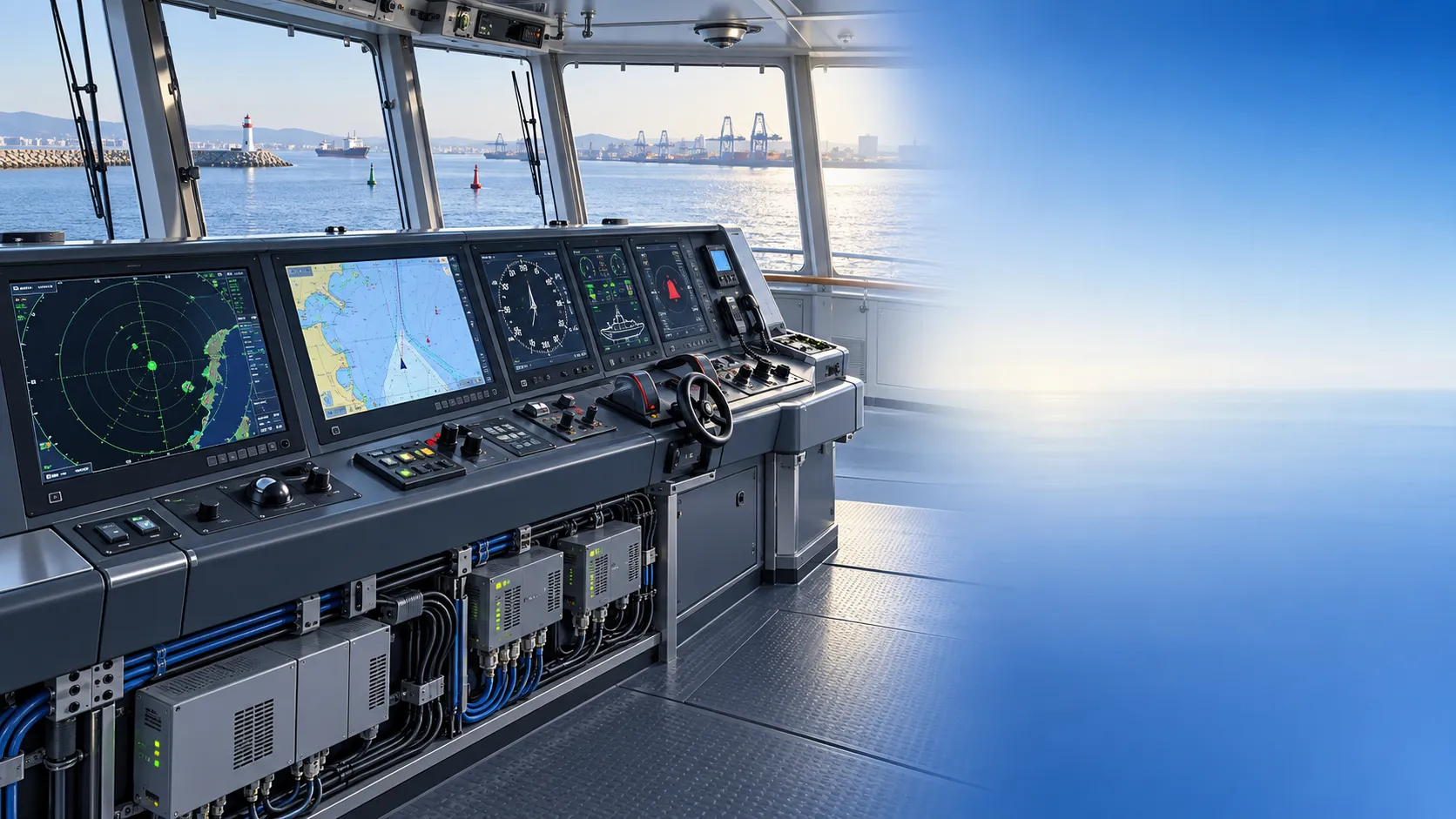
How to Specify Integrated Marine Electronics for Reliable Bridge Operations
Integrated marine electronics: learn how to specify reliable bridge systems with clear data flows, redundancy, alarm control, lifecycle interfaces, and operational testing.
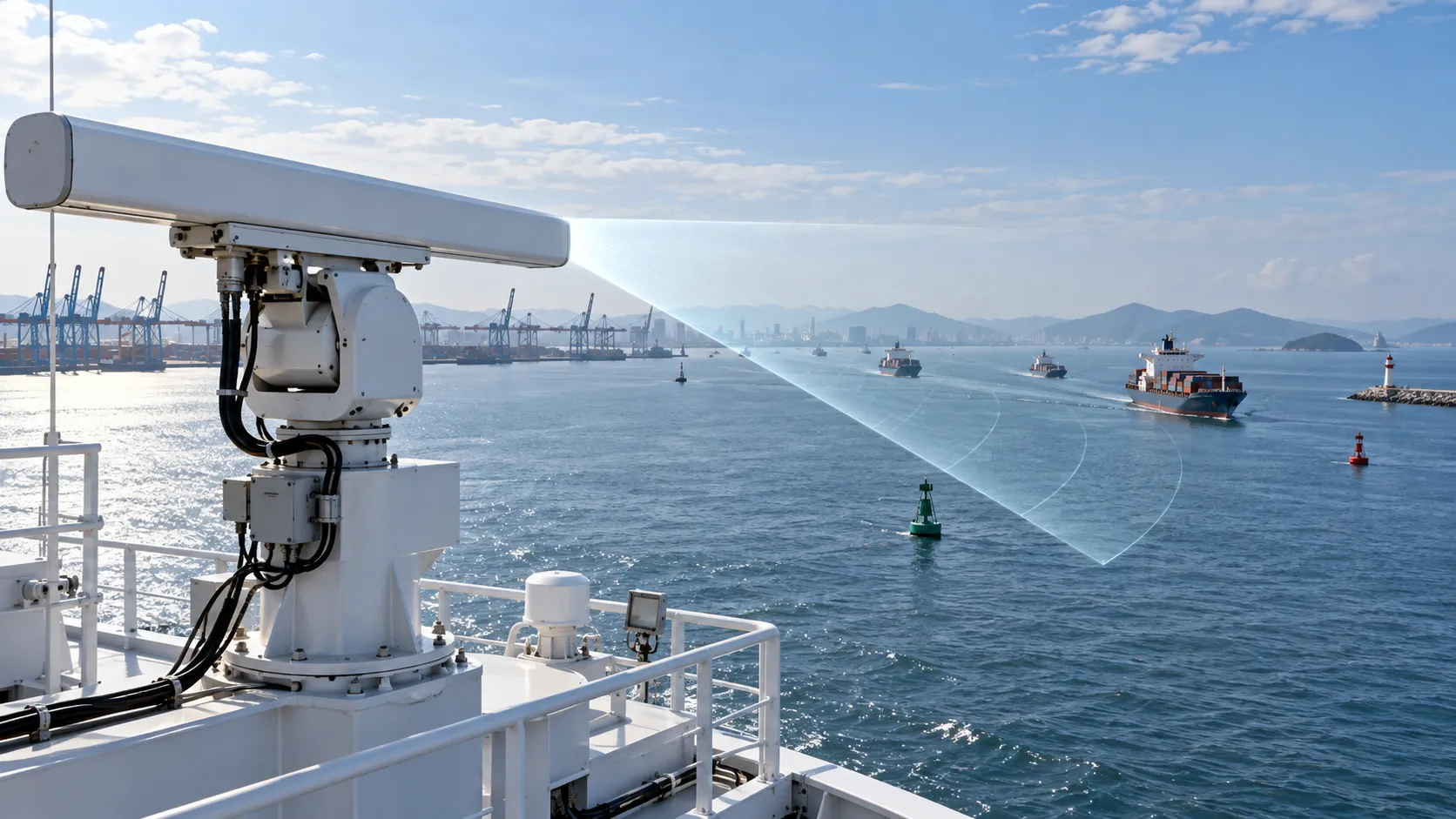
How to Evaluate Navigation Radar Manufacturers for Commercial Vessel Projects
Navigation radar manufacturers: learn how to compare performance, compliance, integration, support, and lifecycle cost for commercial vessel projects.
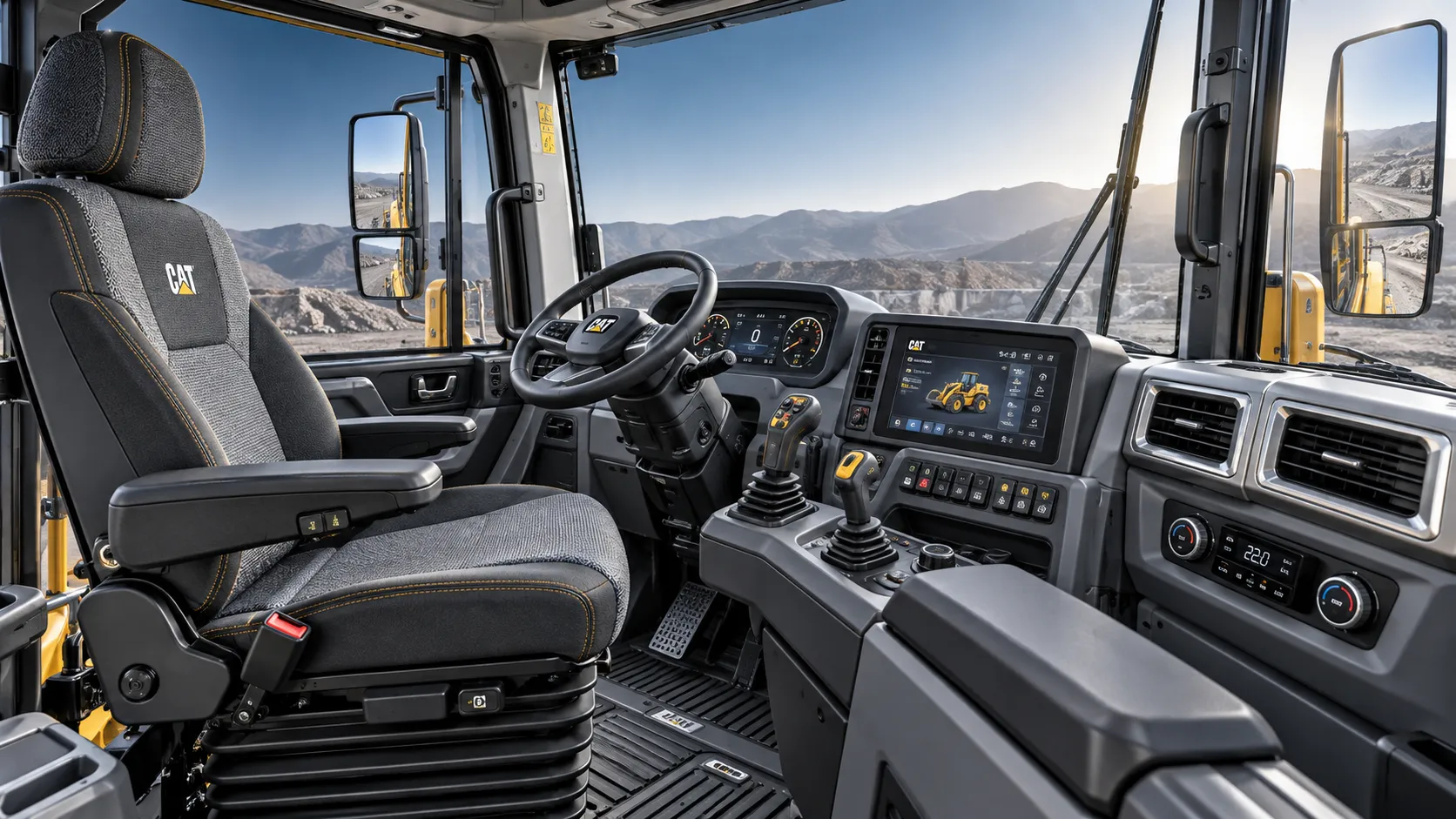
How Adjustable Cabin Ergonomics Reduce Operator Fatigue in Long-Shift Vehicles
Adjustable cabin ergonomics reduces operator fatigue through better seating, reach, visibility, vibration control, and climate comfort for safer long-shift vehicles.
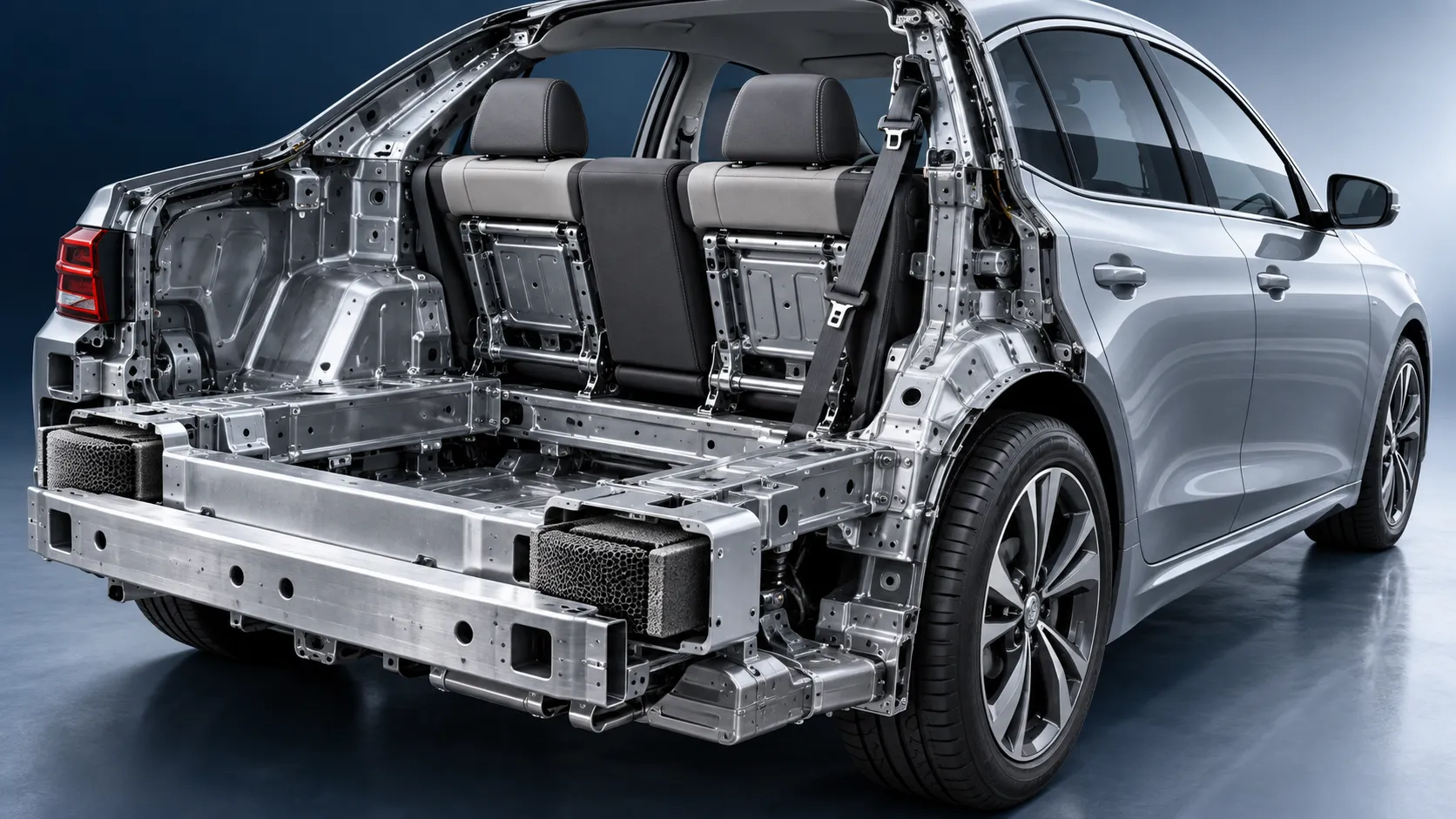
How Rear-Impact Safety Components Work Together to Protect Vehicle Occupants
Explore how automotive safety components for rear impact work together—from crash structures and seats to head restraints and belts—to enhance occupant protection.
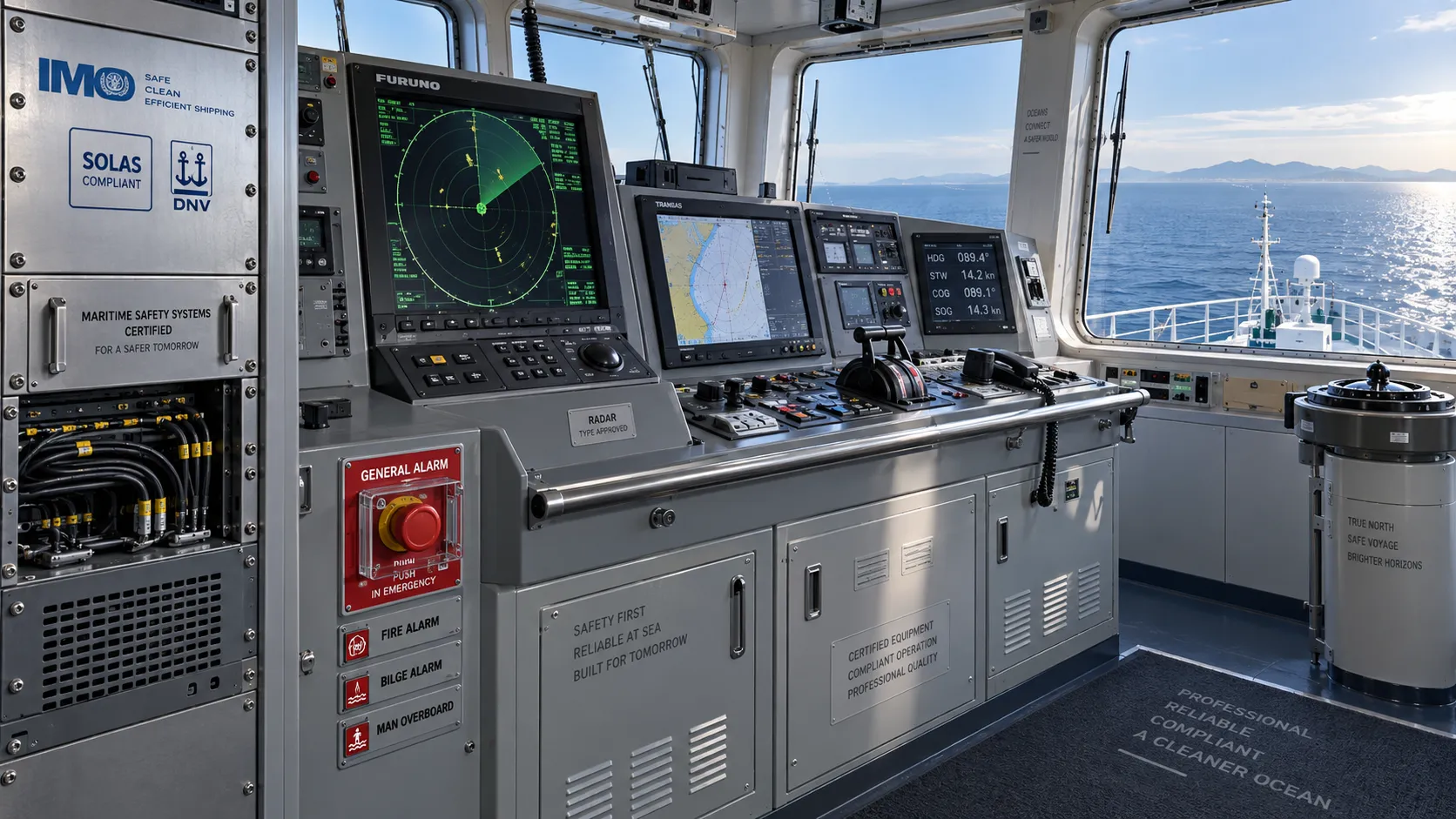
How to Evaluate a Marine Safety Systems Manufacturer for Vessel Compliance and Reliability
Marine safety systems manufacturer evaluation guide: verify compliance, engineering quality, lifecycle costs, and global service support for safer, reliable vessel operations.
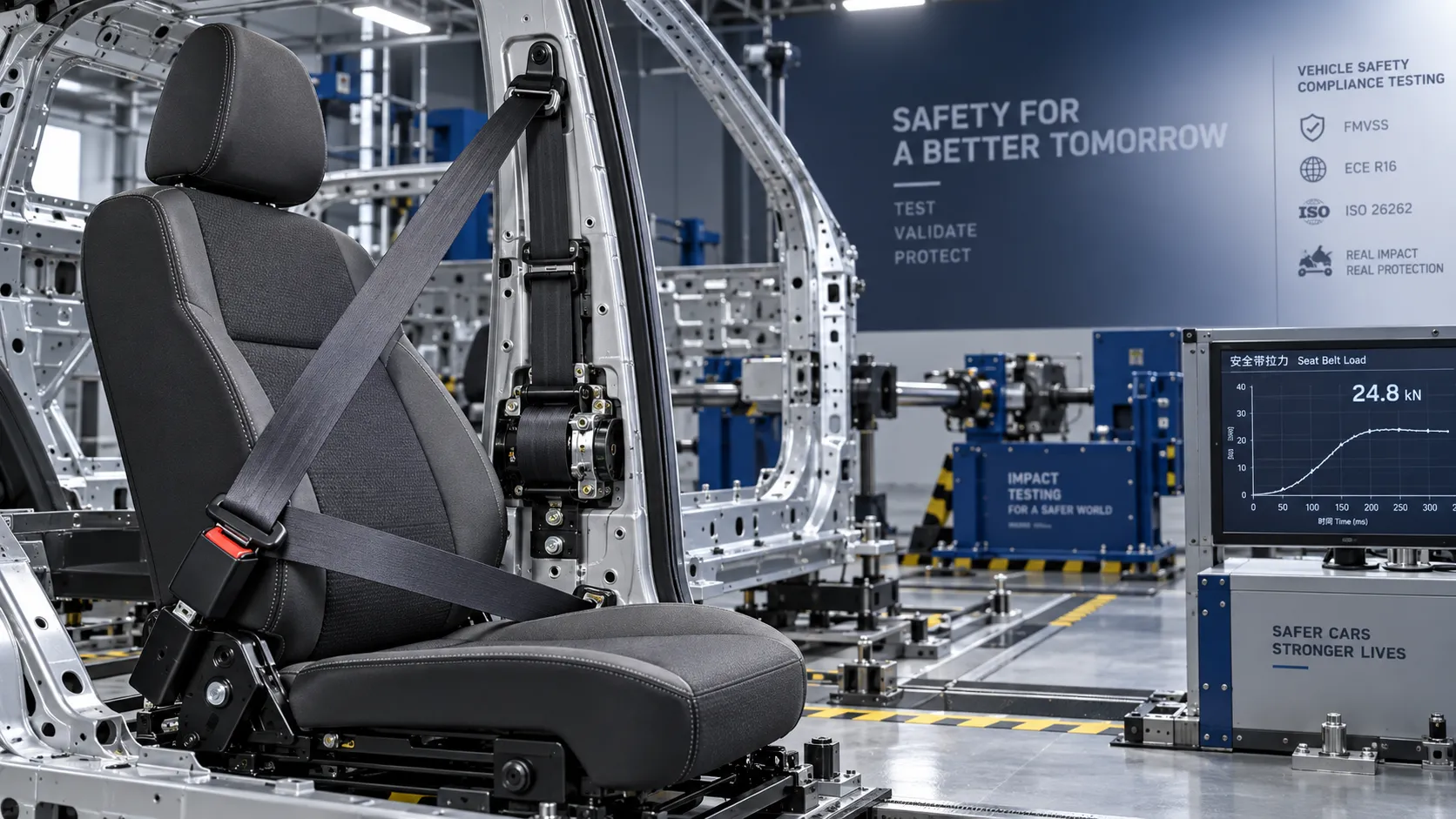
Crash Test Regulations for Seatbelts: Key Compliance Requirements Explained
Crash test regulations seatbelts explained: explore FMVSS, UN rules, anchorage strength, and dynamic restraint testing for safer, compliant vehicle systems.
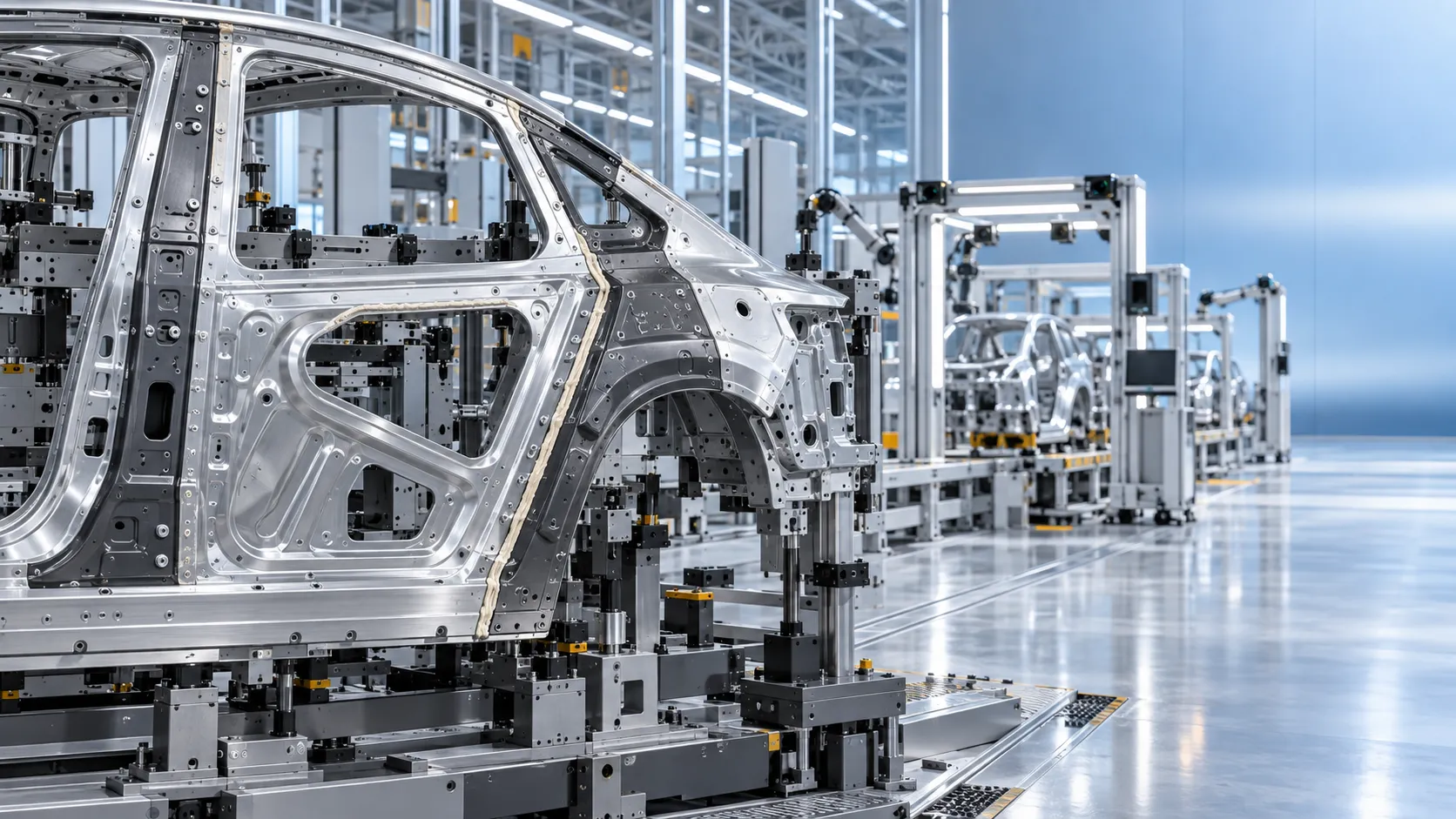
How to Calculate the Total Cost of Automotive Lightweighting for a Vehicle Program
Automotive lightweight solutions cost: learn how to calculate program-level costs, including materials, tooling, joining, validation, risk, and vehicle-level value.
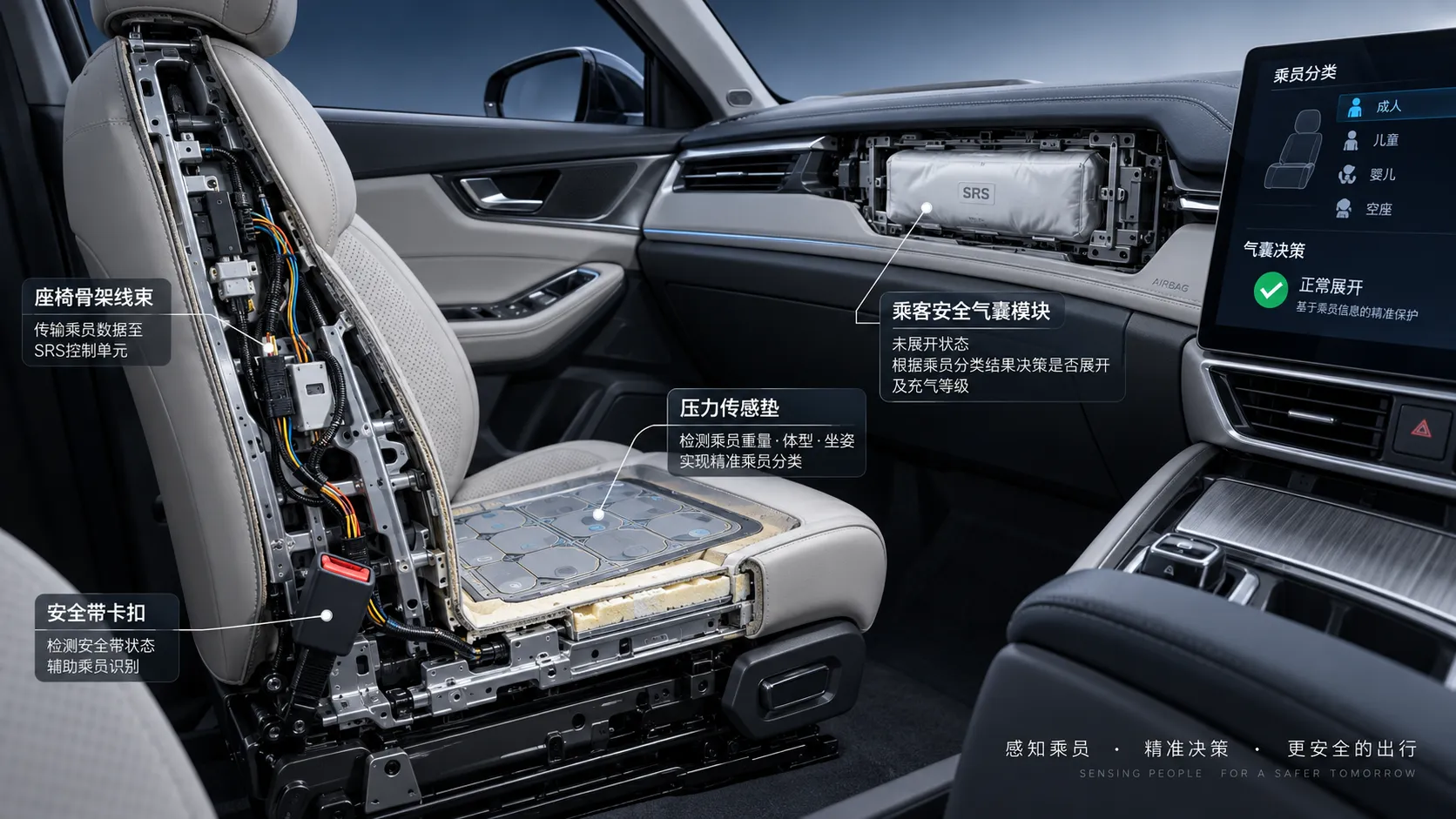
How Automotive Seat Occupancy Sensing Improves Airbag Deployment Decisions
Automotive seat occupancy sensing helps optimize airbag deployment decisions, improving passenger classification, safety diagnostics, and compliance across real-world conditions.
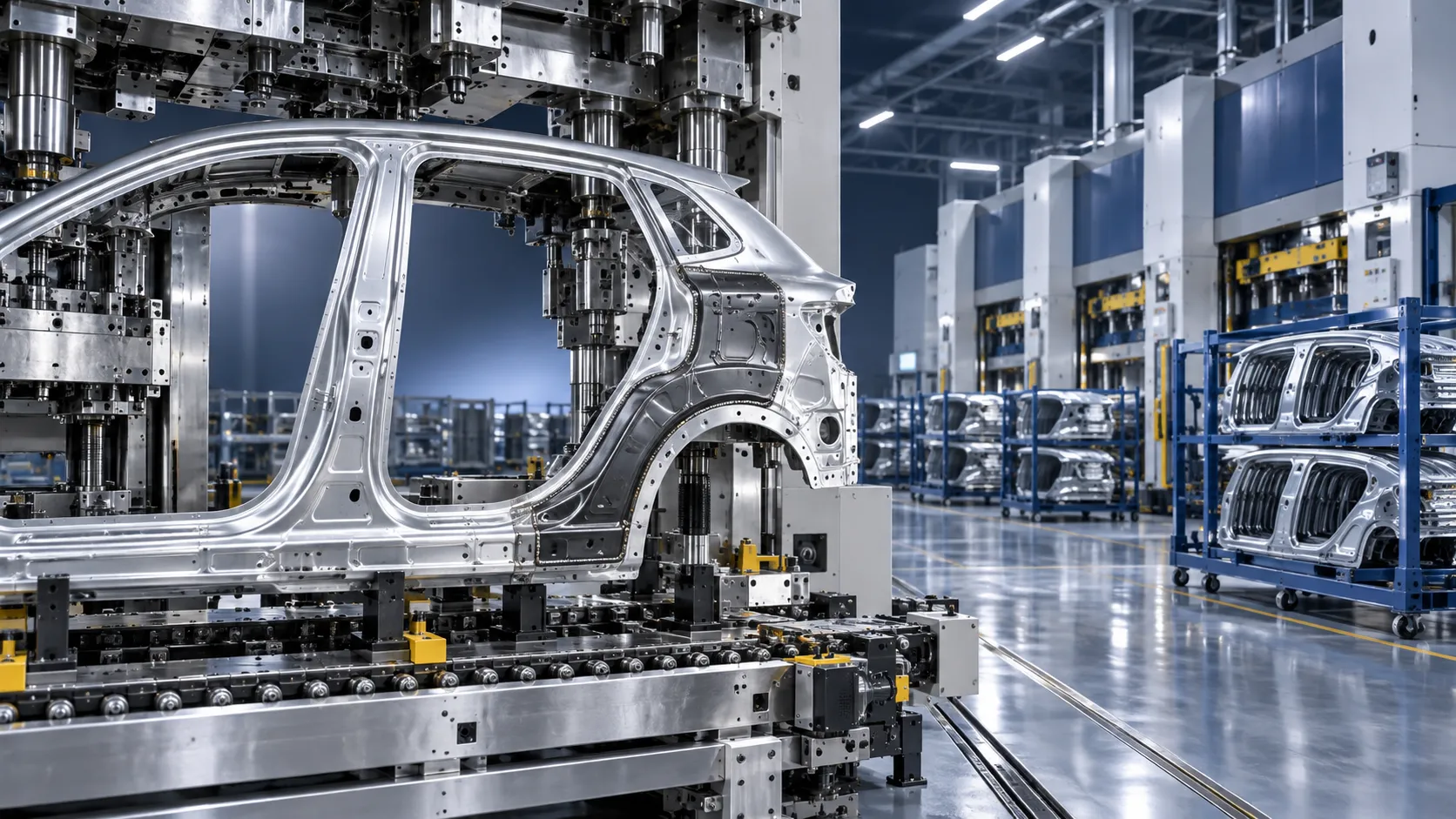
What Drives Lightweight Body Component Costs in High-Volume Vehicle Programs?
Lightweight body components cost depends on material yield, forming, joining, tooling, validation, and logistics. Explore proven ways to optimize total vehicle program cost.
Related News
- 00
0000-00
Automotive Safety for Seating Systems: Key Design Checks for Crash and Occupant Load Paths - 00
0000-00
Seatbelt Systems Sourcing Guide: Cost Drivers, Certification Checks, and Supplier Questions - 00
0000-00
Seatbelt Systems Buying Guide: What to Check for Safety Ratings, Retraction, and Cost - 00
0000-00
What makes seatbelt systems fail safety reviews? - 00
0000-00
Force-limiting systems: what separates safe from compliant
Weekly Insights
Stay ahead with our curated technology reports delivered every Monday.