
Force-limiting systems: what separates safe from compliant
Force-limiting systems: what separates safe from compliant
In occupant protection, force-limiting systems define the gap between passing a test and protecting a human body in reality.
A compliant restraint can satisfy one procedure yet still expose the chest, ribs, or neck to harmful loading.
A safer restraint manages crash energy across timing, belt payout, pretensioning, seat geometry, and airbag interaction.
That is why force-limiting systems matter across the broader mobility sector covered by GNCS, from seatbelt systems to smart seating integration.
Why scenario judgment matters more than nominal compliance
Force-limiting systems never work in isolation.
Their safety value changes with crash pulse shape, occupant size, seat stiffness, buckle location, and airbag deployment strategy.
A setup that looks balanced in one frontal test may underperform in offset, oblique, or far-side conditions.
This is the core distinction between safe and compliant.
Compliant design often targets minimum legal thresholds.
Safe design evaluates how force-limiting systems behave across realistic use cases, body types, and loading sequences.
In integrated safety reviews, references such as 无 may appear beside restraint architecture discussions.
Scenario 1: Moderate frontal crashes where chest load becomes the decision point
In moderate frontal impacts, pretensioners quickly remove slack and position the torso for airbag engagement.
Then force-limiting systems decide whether belt load stays within a survivable range.
If the limit is too high, chest deflection rises and rib injury risk increases.
If the limit is too low, forward excursion grows and head interaction worsens.
Key judgment points
- Belt load plateau consistency after pretensioning
- Chest compression versus head trajectory trade-off
- Pelvis stability and submarine resistance
- Airbag capture timing relative to belt payout
Well-tuned force-limiting systems do not simply reduce peak load.
They shape the restraint event so the body decelerates progressively, not abruptly.
Scenario 2: High-severity crashes where load control must survive extreme pulses
In severe crashes, force-limiting systems face harder constraints.
The question is not whether limiting is present, but whether its release strategy stays stable under very high webbing forces.
Some systems pass basic evaluations yet become less predictable when pulses shorten and peak deceleration rises.
At that point, spool control, torsion bar behavior, and load path stiffness all matter.
What separates robust performance
- Stable limiting force across temperature and production variation
- Controlled webbing payout without sudden jumps
- Retention of occupant position for airbag support
- Compatibility with seat structure deformation
This is especially relevant in lightweight body programs.
When vehicle mass and structural stiffness change, force-limiting systems must be recalibrated, not simply carried over.
Scenario 3: Small occupants, older occupants, and out-of-position realities
A compliant restraint can be optimized around standard dummies yet still miss vulnerable populations.
Force-limiting systems are critical for smaller occupants and aging occupants with lower injury tolerance.
For these cases, lower chest load can be beneficial, but only when excursion remains controlled.
The answer often lies in adaptive strategies instead of one fixed threshold.
Useful adaptation logic
- Multi-stage force-limiting systems linked to crash severity sensing
- Seat position and occupant classification integration
- Coordination with adaptive airbags and seat track data
- Validation beyond a single dummy family
A fixed design may satisfy legal text.
A safer design recognizes that real occupants vary in posture, fragility, and seating habits.
Scenario 4: Smart seats and integrated cabin systems change the restraint answer
Modern cabins increasingly combine seat sensors, posture detection, memory settings, and active comfort functions.
These features change how force-limiting systems should be evaluated.
A reclined seatback, altered cushion angle, or shifted H-point affects torso kinematics during a crash.
As a result, restraint tuning must match cabin architecture, not just regulatory sled conditions.
Some technical references, including 无, are used in broader cabin integration reviews.
Integration checks
- Seatback yield under crash loading
- Belt anchorage movement relative to occupant torso
- Sensor reliability for adaptive triggering
- Compatibility with side airbags and center airbags
How force-limiting systems differ by scenario
Practical adaptation advice for safer force-limiting systems
- Validate force-limiting systems with multiple crash pulses, not one certification pulse.
- Review chest, neck, pelvis, and excursion metrics together.
- Link belt strategy to seat geometry and anchor movement.
- Use adaptive limiting when cabin sensing quality supports it.
- Check production tolerance, aging, and temperature effects early.
- Reassess restraint tuning whenever body structure mass changes.
These steps move evaluation from minimum conformity toward resilient protection.
Common misjudgments that hide behind compliance
One common mistake is treating force-limiting systems as a single component issue.
In reality, they are a system-level control function involving webbing, retractor, pretensioner, seat, and airbag.
Another mistake is focusing on peak belt force alone.
The injury outcome depends on force history, occupant motion, and load transfer paths.
A third mistake is assuming regulatory success equals field robustness.
Regulations define a floor.
Force-limiting systems that are genuinely safe are designed above that floor, across more conditions than the rulebook requires.
Next-step evaluation framework
To judge force-limiting systems effectively, start with scenario mapping.
List crash severities, occupant types, seat configurations, and structural variants.
Then compare restraint behavior, not only pass or fail outcomes.
The most reliable question is simple.
Do the force-limiting systems still protect when the scenario becomes less ideal, more variable, and more human?
If the answer is yes, the design is moving from compliant toward truly safe.
Related News

How to Specify Micro-Climate Control Cabins for Harsh Outdoor Worksites?
Micro-climate control cabins for harsh outdoor worksites: learn how to specify thermal control, filtration, pressurization, and durability for safer uptime and smarter buying.
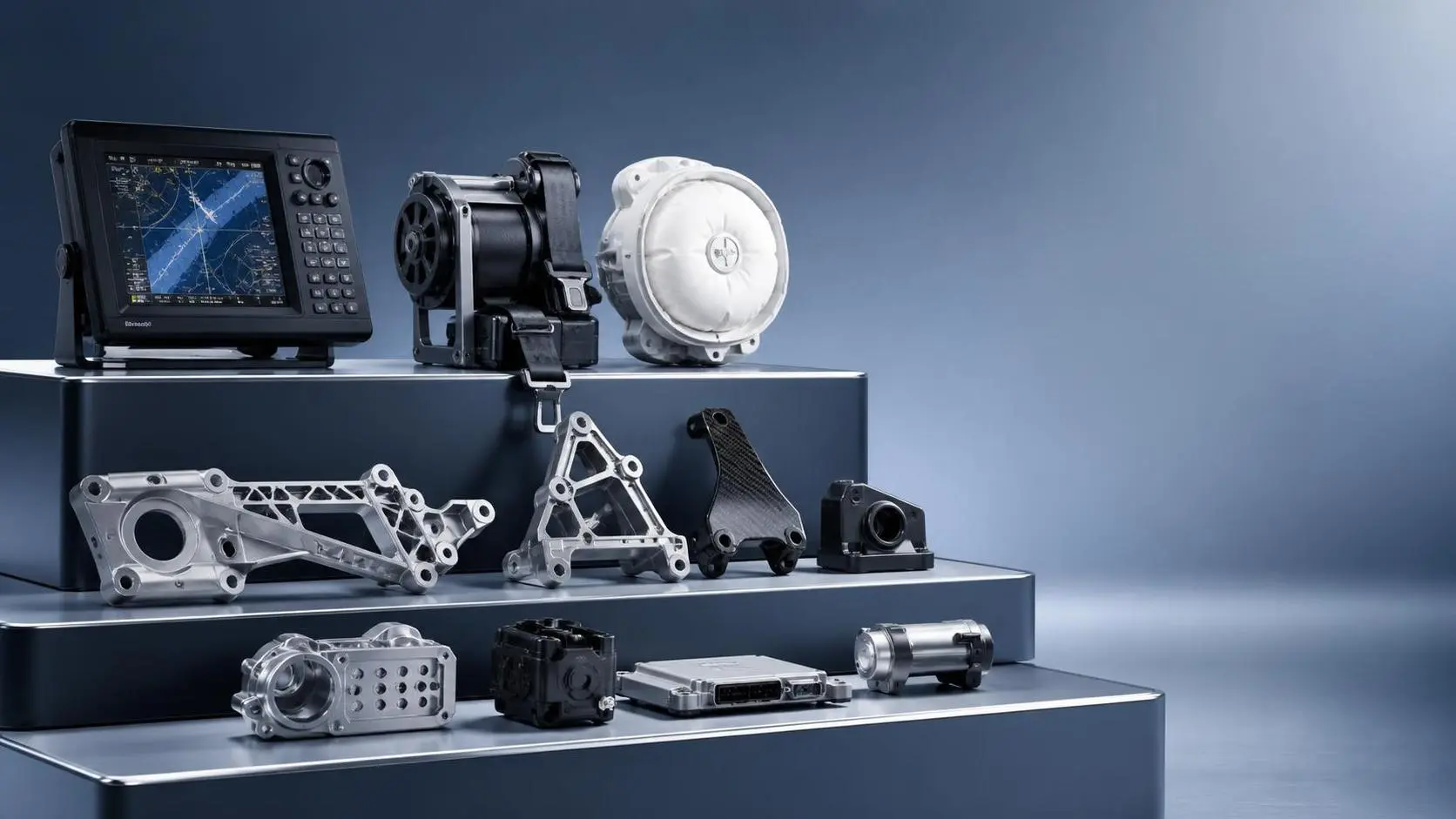
How to Evaluate a B2B Product Knowledge Platform for Faster Procurement Decisions
B2B product knowledge platform procurement starts with reducing decision risk. Learn how to compare specs, compliance, and supplier data to speed sourcing with confidence.
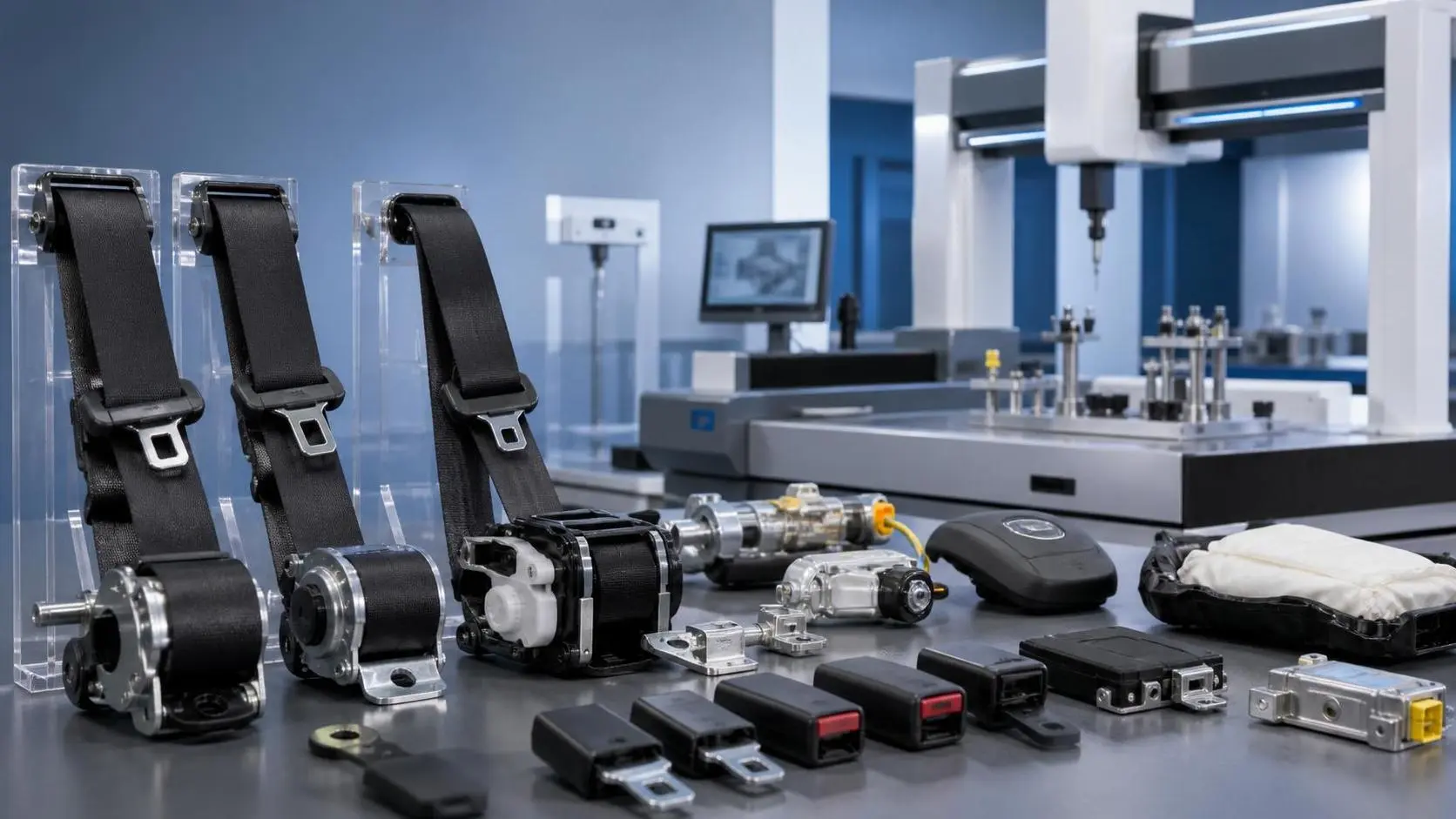
How to Evaluate an Occupant Restraint Systems Exporter for Quality, Compliance, and Supply Risk
Occupant restraint systems exporter evaluation guide: learn how to verify quality controls, compliance evidence, and supply risk before sourcing to avoid recalls, delays, and hidden costs.
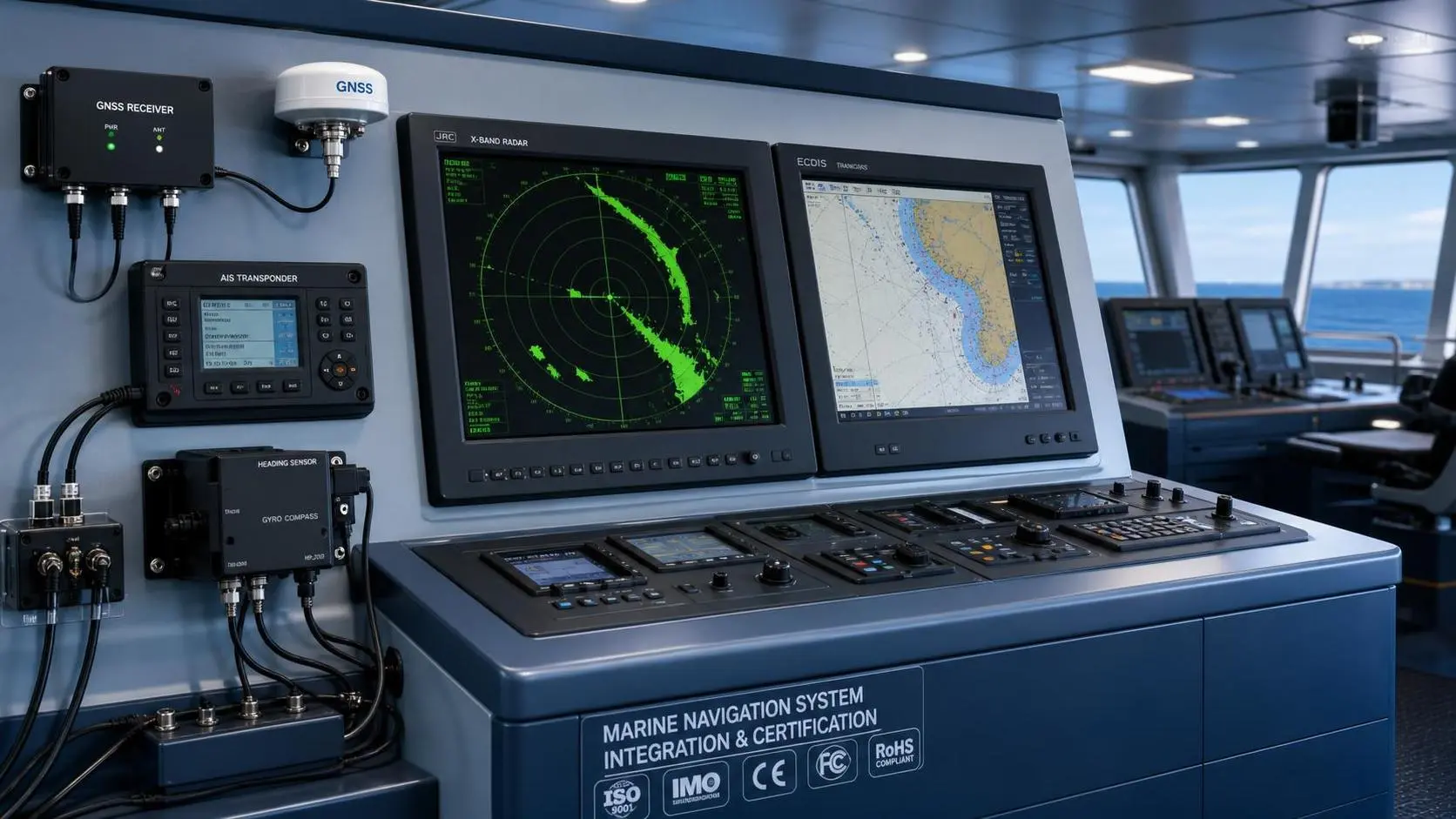
Navigation Compliance Certification: Which Marine Systems Need It and How to Prepare?
Navigation compliance certification explained: discover which marine systems need approval, what documents matter, and how to prepare early to avoid delays, rework, and costly project risks.
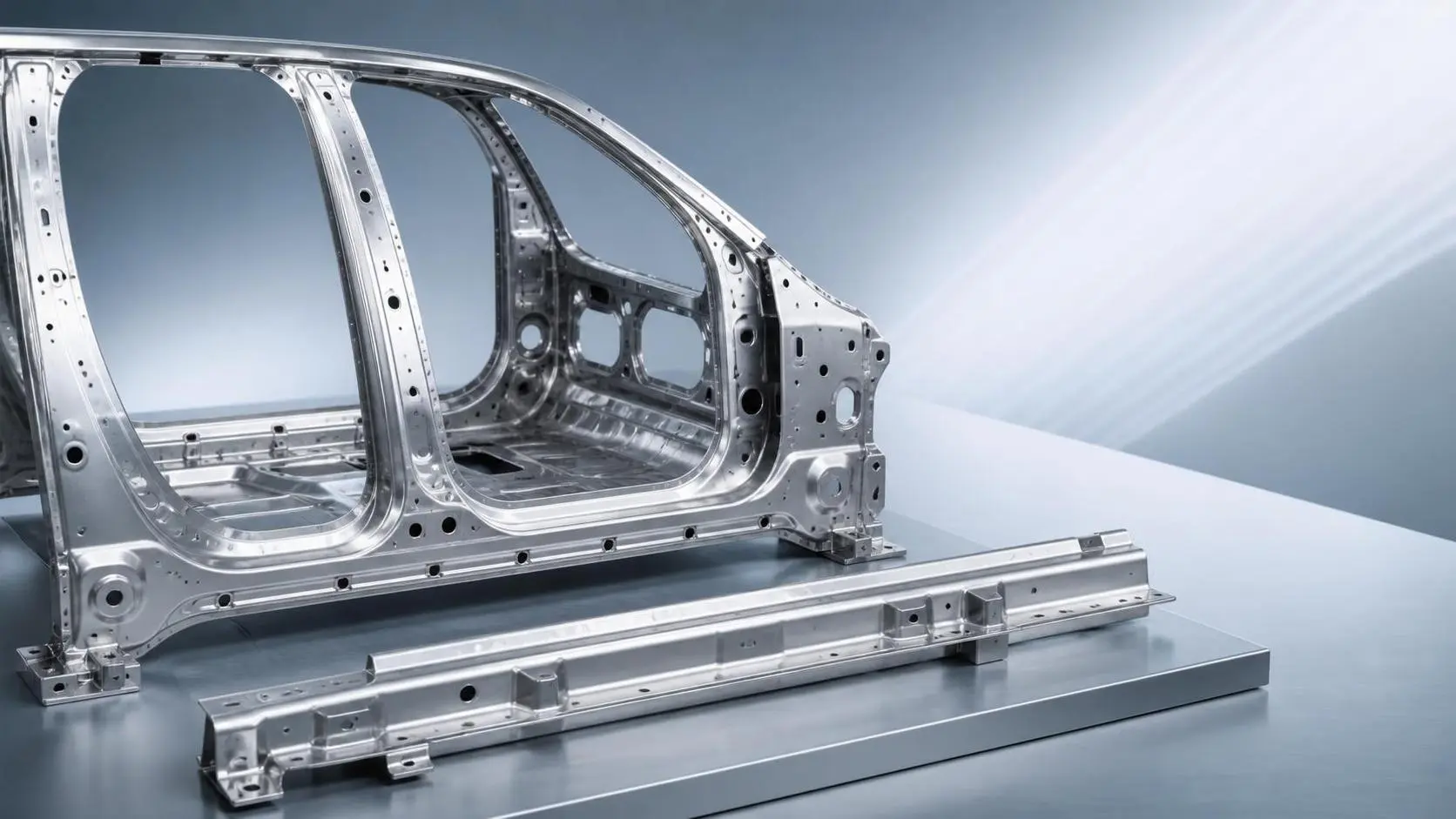
How to Evaluate Steel Auto Body Stampings for Strength, Fit, and Cost
Steel auto body stampings should be judged by strength, fit, and total cost together. Learn how to compare materials, forming limits, springback, joining, and tooling before choosing.

How to Evaluate Lightweight Automotive Components for EV Range and Crash Performance
Lightweight automotive components for EVs: learn how to evaluate real range gains, crash performance, joining risk, and manufacturability to choose safer, smarter EV parts.
How to Evaluate Airbag Components for OEM Safety Performance and Compliance?
Airbag components evaluation guide for OEM teams: compare deployment performance, inflator consistency, compliance evidence, and supplier traceability to reduce safety risk and choose with confidence.

Maritime Compliance Information Standards: What Ship Operators Must Check
Maritime compliance information standards explained for ship operators: learn the key checks for navigation, documentation, updates, and crew readiness to reduce risk and avoid costly delays.

How to Evaluate Cargo Marine Sonar Systems for Detection Range and Vessel Fit
Cargo marine sonar systems: learn how to assess usable detection range, hull fit, noise risk, and bridge integration to choose a reliable solution for real cargo vessel operations.
Related News
- 00
0000-00
Automotive Safety for Seating Systems: Key Design Checks for Crash and Occupant Load Paths - 00
0000-00
Seatbelt Systems Sourcing Guide: Cost Drivers, Certification Checks, and Supplier Questions - 00
0000-00
Seatbelt Systems Buying Guide: What to Check for Safety Ratings, Retraction, and Cost - 00
0000-00
What makes seatbelt systems fail safety reviews? - 00
0000-00
Force-limiting systems: what separates safe from compliant
Weekly Insights
Stay ahead with our curated technology reports delivered every Monday.