
Seatbelt Systems Buying Guide: What to Check for Safety Ratings, Retraction, and Cost
Seatbelt systems are not all equal, so what should be checked first?
When seatbelt systems are sourced for modern mobility programs, the first filter is not price. It is proven protection under real operating conditions.
That usually means checking how the system behaves during rapid deceleration, repeated use, temperature shifts, and integration with seats or restraint electronics.
In practical terms, buyers tend to compare three things together: safety ratings, retraction consistency, and full-life cost. Looking at only one creates blind spots.
This matters even more in the GNCS view of cabin safety. Passive protection is not an isolated part. It connects with seat structures, airbags, body energy paths, and compliance strategy.
A seatbelt assembly that looks acceptable on paper can still create downstream risk if the pretensioner response, webbing durability, or latch reliability is not fully validated.
Which safety ratings actually help when comparing seatbelt systems?
A common question is whether one test label is enough. Usually, it is not. The better approach is to review the compliance path behind the part.
For automotive applications, relevant references may include FMVSS, ECE, IIHS-related design expectations, and platform-specific validation requirements.
For broader mobility or specialty cabin use, local regulations, occupant categories, and anchor geometry can change what “compliant” really means.
What deserves closer attention is not just the certificate itself, but the test scope. Was the seatbelt system validated as a stand-alone unit, or in a seat-level environment?
That distinction matters because pretensioners, force limiters, buckle stalk length, and seat frame stiffness all affect occupant restraint performance.
A concise review table can make early screening faster.
If the documentation is vague, that is already useful information. Strong suppliers of seatbelt systems usually present validation data with very little prompting.
Why does retraction performance matter more than many buyers expect?
Retraction is often treated as a comfort detail, but it is also a quality and safety signal. Poor retraction can lead to belt slack, twisting, and lower user compliance.
In actual cabin use, smooth retraction depends on spool spring behavior, webbing friction, guide geometry, contamination resistance, and assembly tolerances.
A belt that retracts well in a clean lab may perform differently after dust exposure, humidity cycling, or repeated occupant entry and exit.
This is why many experienced evaluators ask for durability test data, not just initial feel samples. The question is whether performance stays stable over time.
A few warning signs tend to appear early:
- The webbing retracts slowly when pulled across a realistic seat angle.
- The belt edge curls or twists after repeated cycles.
- Retraction force changes noticeably between sample lots.
- The retractor becomes sensitive to mounting position changes.
In other words, retraction quality affects both user experience and field reliability. It should be treated as a measurable procurement criterion, not a cosmetic one.
How should pretensioners, force limiters, and webbing be evaluated together?
This is where many comparisons become too simplistic. A seatbelt system is not only a belt and buckle. It is an energy-management package.
Pretensioners remove slack early in a crash event. Force limiters then help control the load transferred to the occupant’s chest.
Neither function should be judged in isolation. The webbing elongation rate, stitch pattern, and retractor behavior influence the overall restraint response.
GNCS often frames passive safety as a stitched system logic. That is a useful mindset here. The belt must work with airbags, seats, and body structures, not beside them.
When reviewing samples or technical offers, it helps to ask for the following:
- Pretensioner type and activation characteristics.
- Force-limiter thresholds and tuning options.
- Webbing material, abrasion resistance, and UV behavior.
- Compatibility with seat-mounted or pillar-mounted layouts.
- Electrical connector standards and diagnostic interfaces, if applicable.
The more complex the seating architecture, the more valuable this combined review becomes. It reduces the chance of late engineering changes and cost leakage.
What usually drives the real cost of seatbelt systems?
Unit price is only the visible layer. Total cost usually includes validation effort, tooling, warranty exposure, logistics stability, and line-side integration risk.
A lower quote can become expensive if it triggers extra test rounds, inconsistent delivery, or assembly adjustments at launch.
The cost picture becomes clearer when broken into common sourcing questions.
In many cases, the most cost-effective seatbelt systems are not the cheapest ones. They are the ones that remain stable across launch, compliance review, and field life.
Where do sourcing mistakes happen most often?
One frequent mistake is treating seatbelt systems as interchangeable commodities. They are highly application-sensitive, especially when seat geometry or restraint logic is unique.
Another issue is overvaluing sample appearance. A neat finish does not guarantee consistent locking, low noise, or strong webbing endurance.
There is also a timing problem. If compliance review starts too late, buyers may discover that regional certification, connector standards, or mounting constraints were misunderstood.
More careful teams usually check these points early:
- Whether the seatbelt system was designed for the exact seat architecture.
- Whether crash data reflects the final restraint package.
- Whether retraction remains acceptable after life-cycle testing.
- Whether service parts, traceability, and documentation are already planned.
That early discipline is especially useful in global programs, where marine-adjacent, specialty vehicle, or multi-market cabin projects may face overlapping compliance demands.
What is a practical next step before shortlisting suppliers?
Start with a structured comparison sheet, not a quote spreadsheet alone. Put safety ratings, retraction benchmarks, pretensioner logic, and cost assumptions on the same page.
Then confirm which requirements are mandatory and which are tunable. That helps separate true disqualifiers from negotiable design details.
For many programs, a sensible shortlist review includes:
- Compliance evidence tied to the target market.
- Dynamic performance data, not brochure claims.
- Retraction and durability results after repeated cycling.
- Transparent tooling, lead time, and change-control planning.
- A clear view of warranty, traceability, and service support.
The best buying decisions usually come from linking component data with wider cabin safety intelligence. That is also where GNCS adds value as an industry reference point.
Its perspective across navigation systems, body structures, airbags, seat assemblies, and compliance trends helps place seatbelt systems in their real operating context.
If the goal is lower risk, the path is straightforward: define the application clearly, compare tested performance carefully, and challenge any cost advantage that depends on missing data.
Related News
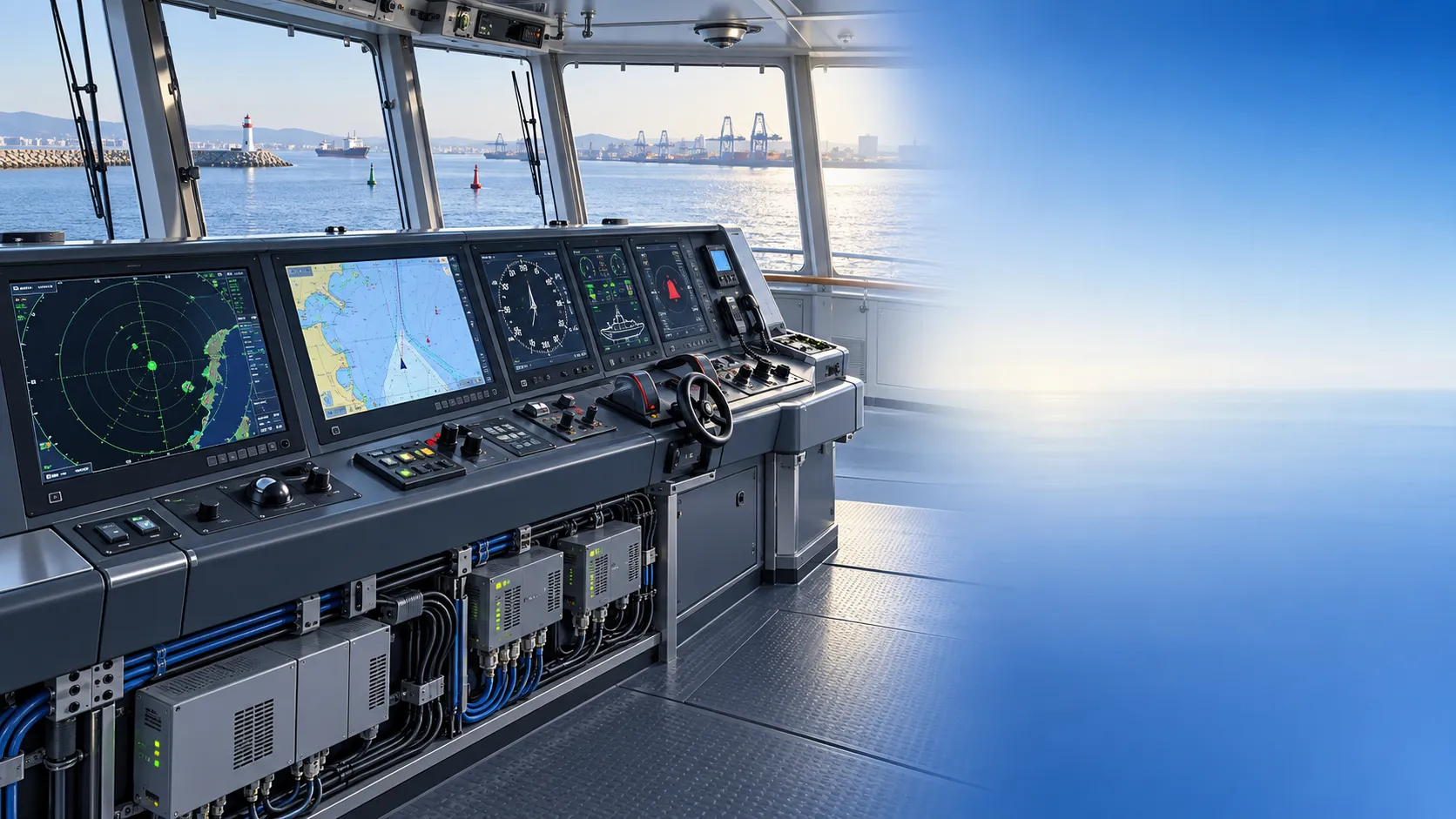
How to Specify Integrated Marine Electronics for Reliable Bridge Operations
Integrated marine electronics: learn how to specify reliable bridge systems with clear data flows, redundancy, alarm control, lifecycle interfaces, and operational testing.

How to Evaluate Navigation Radar Manufacturers for Commercial Vessel Projects
Navigation radar manufacturers: learn how to compare performance, compliance, integration, support, and lifecycle cost for commercial vessel projects.
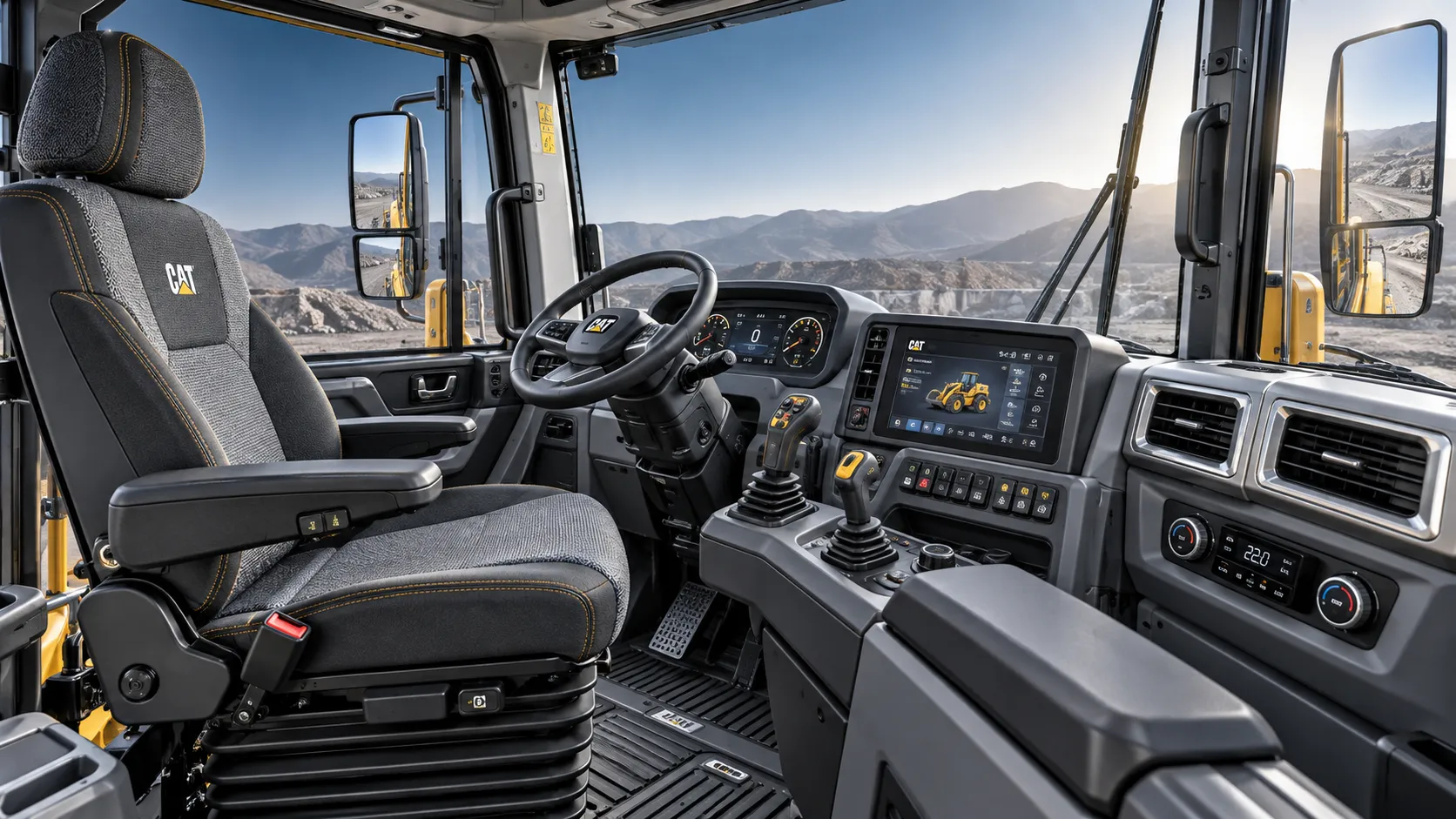
How Adjustable Cabin Ergonomics Reduce Operator Fatigue in Long-Shift Vehicles
Adjustable cabin ergonomics reduces operator fatigue through better seating, reach, visibility, vibration control, and climate comfort for safer long-shift vehicles.
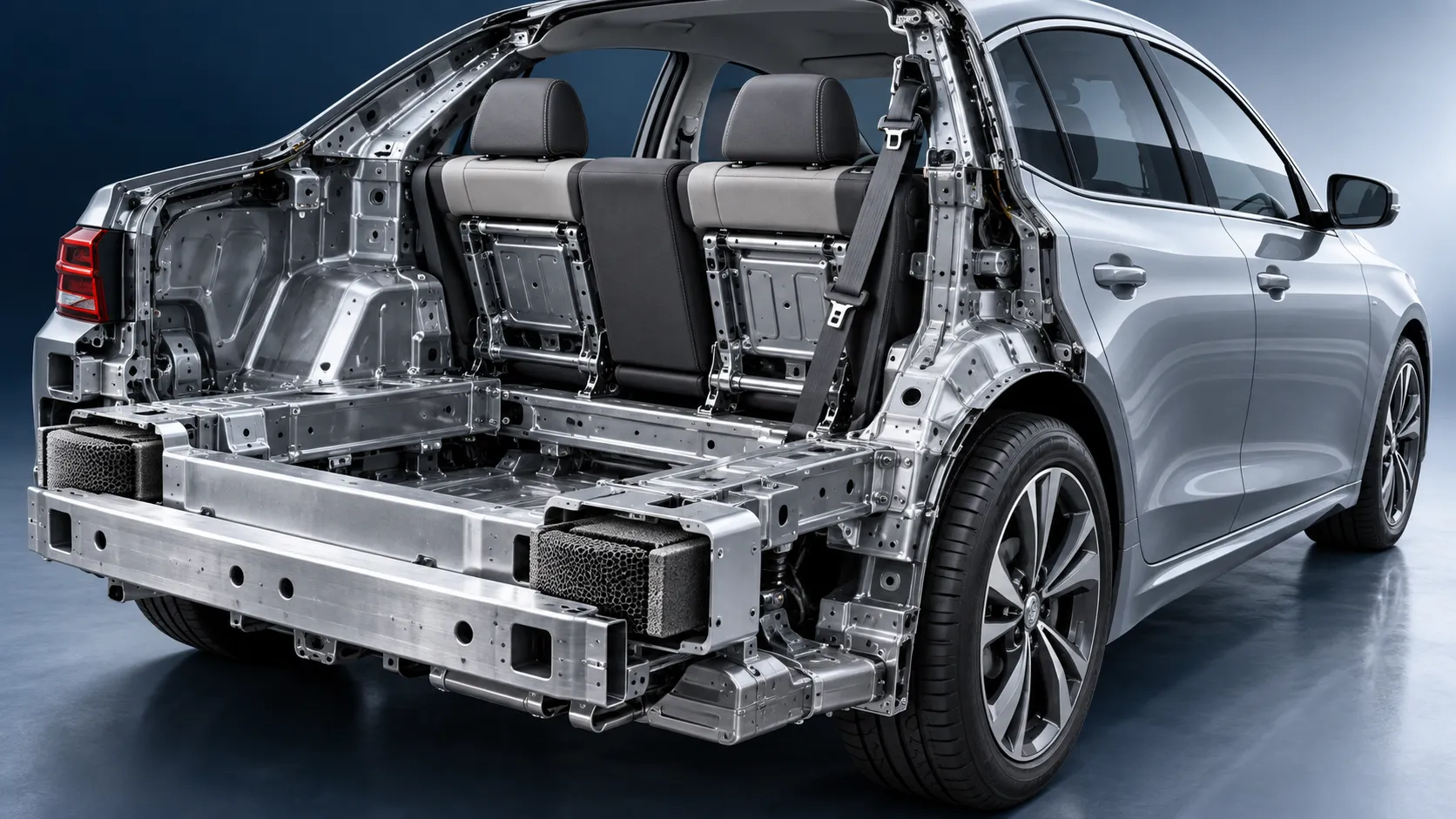
How Rear-Impact Safety Components Work Together to Protect Vehicle Occupants
Explore how automotive safety components for rear impact work together—from crash structures and seats to head restraints and belts—to enhance occupant protection.
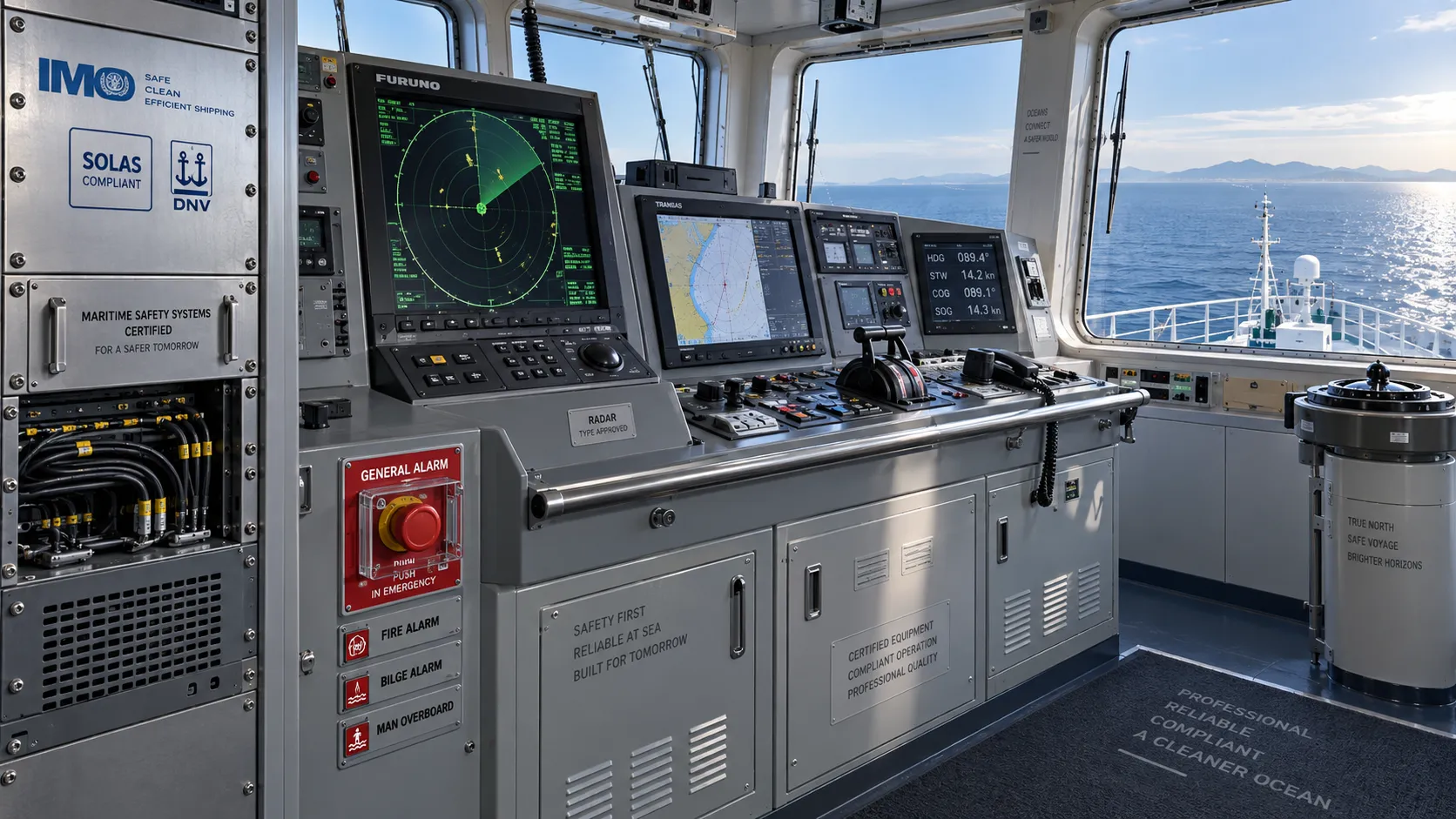
How to Evaluate a Marine Safety Systems Manufacturer for Vessel Compliance and Reliability
Marine safety systems manufacturer evaluation guide: verify compliance, engineering quality, lifecycle costs, and global service support for safer, reliable vessel operations.
Crash Test Regulations for Seatbelts: Key Compliance Requirements Explained
Crash test regulations seatbelts explained: explore FMVSS, UN rules, anchorage strength, and dynamic restraint testing for safer, compliant vehicle systems.

How to Calculate the Total Cost of Automotive Lightweighting for a Vehicle Program
Automotive lightweight solutions cost: learn how to calculate program-level costs, including materials, tooling, joining, validation, risk, and vehicle-level value.

How Automotive Seat Occupancy Sensing Improves Airbag Deployment Decisions
Automotive seat occupancy sensing helps optimize airbag deployment decisions, improving passenger classification, safety diagnostics, and compliance across real-world conditions.

What Drives Lightweight Body Component Costs in High-Volume Vehicle Programs?
Lightweight body components cost depends on material yield, forming, joining, tooling, validation, and logistics. Explore proven ways to optimize total vehicle program cost.
Related News
- 00
0000-00
Automotive Safety for Seating Systems: Key Design Checks for Crash and Occupant Load Paths - 00
0000-00
Seatbelt Systems Sourcing Guide: Cost Drivers, Certification Checks, and Supplier Questions - 00
0000-00
Seatbelt Systems Buying Guide: What to Check for Safety Ratings, Retraction, and Cost - 00
0000-00
What makes seatbelt systems fail safety reviews? - 00
0000-00
Force-limiting systems: what separates safe from compliant
Weekly Insights
Stay ahead with our curated technology reports delivered every Monday.