
Is high-precision marine navigation worth the extra cost?
For procurement teams, deciding whether high-precision marine navigation justifies a higher upfront investment goes far beyond price alone. The right system can improve route accuracy, reduce operational risk, support compliance, and strengthen long-term vessel efficiency. This article examines the real cost-to-value equation behind high-precision marine navigation, helping buyers make smarter, performance-driven sourcing decisions.
Why high-precision marine navigation needs a checklist-based decision
High-precision marine navigation affects safety, fuel use, scheduling, crew workload, and insurance exposure. A simple price comparison usually misses those linked operational outcomes.
A checklist creates a structured way to compare system capability, lifecycle cost, integration burden, and compliance fit. It also reduces the risk of buying more precision than the mission requires.
In commercial fleets, offshore support, fishing, port service, and research operations, the value of high-precision marine navigation depends on use case, route complexity, and downtime tolerance.
Core checklist: how to judge whether high-precision marine navigation is worth the cost
Use the following checklist before comparing brands, specifications, or package prices for high-precision marine navigation.
- Define mission accuracy needs by route type, harbor density, offshore distance, weather exposure, and maneuvering tolerance instead of defaulting to the highest available positioning specification.
- Measure total cost of ownership, including installation, calibration, software licensing, chart updates, sensor maintenance, crew training, and support response time over five to seven years.
- Check signal resilience across GNSS, radar, sonar, AIS, inertial sensors, and differential correction services to avoid overreliance on one data source in interference-heavy waters.
- Verify integration with ECDIS, autopilot, bridge alert systems, voyage data recording, and remote diagnostics so navigation precision actually improves bridge decision-making.
- Review alarm logic and human-machine interface quality because precise data loses value when displays are cluttered, alerts are poorly prioritized, or operators cannot act quickly.
- Compare compliance readiness for SOLAS-related equipment expectations, flag-state requirements, port-state inspection exposure, and class documentation support before final approval.
- Quantify operational gains through reduced track deviation, fewer re-routes, improved docking confidence, lower fuel drift, and less weather-related decision uncertainty.
- Test failure behavior, including degraded mode performance, backup switching, cyber patching process, and recovery speed after sensor loss or software interruption.
- Assess vendor credibility through marine references, spare-part continuity, regional service coverage, and evidence of long-term software support rather than sales promises alone.
What the extra cost usually pays for
The premium in high-precision marine navigation often funds tighter positioning accuracy, faster refresh rates, stronger sensor fusion, and better interference handling.
It may also include better redundancy, cleaner bridge visualization, stronger diagnostics, and smoother integration with digital navigation workflows. Those elements matter as much as raw accuracy figures.
Where high-precision marine navigation delivers the strongest return
Congested ports and narrow coastal approaches
In busy port corridors, high-precision marine navigation can reduce approach uncertainty and improve alignment during turns, berthing, and traffic separation maneuvers.
The cost becomes easier to justify when a small positional error could trigger delay, tug dependence, berth conflict, or contact damage.
Offshore support and dynamic working zones
Offshore vessels operating near platforms, wind farms, subsea assets, or survey corridors benefit from high-precision marine navigation because spatial tolerance is tighter.
In these environments, precision reduces corrective maneuvers, supports safer stand-off control, and improves task repeatability under changing sea conditions.
Long-haul commercial shipping
On open-ocean routes, extreme precision may not create the same value every day. However, high-precision marine navigation still helps route discipline, weather avoidance, and arrival predictability.
The financial return usually comes from efficiency and risk reduction rather than from headline accuracy alone.
Fishing, patrol, and research missions
When vessels must repeatedly return to exact locations, hold patterns, or document traceable coordinates, high-precision marine navigation provides direct operational value.
This is especially true where catch zones, observation lines, seabed mapping, or enforcement records depend on reliable position evidence.
Commonly overlooked costs and risks
Buying precision without matching bridge workflow
A technically advanced system underperforms when crews work around it. If display logic, alarms, and controls do not fit actual bridge practice, expected gains disappear quickly.
Ignoring installation quality
High-precision marine navigation depends on antenna placement, sensor alignment, shielding, calibration, and network stability. Poor installation can erase the benefit of premium hardware.
Underestimating service downtime
A lower purchase price can become expensive if spare parts are slow, software support is weak, or local technicians are unavailable during critical operating windows.
Treating compliance as a late-stage issue
Documentation gaps, approval mismatches, and update traceability problems can delay commissioning or trigger inspection issues. Compliance support should be checked before contract signing.
Focusing only on GPS-level claims
High-precision marine navigation is not just about one positioning number. Real value comes from system resilience, fused data reliability, and operator confidence in degraded conditions.
Practical evaluation framework for sourcing decisions
A practical comparison model helps separate genuine value from feature inflation. Use a weighted review before final selection.
- Assign mission weight to accuracy, redundancy, integration, compliance, and service support.
- Score each system against real operating routes, not showroom demonstrations.
- Estimate payback from fuel control, delay reduction, incident avoidance, and lower manual correction effort.
- Run a failure-mode review covering interference, sensor loss, and software update risk.
- Request installation and lifecycle support details in writing, including response times and update obligations.
Quick decision matrix
Conclusion and next action
So, is high-precision marine navigation worth the extra cost? In many cases, yes, but only when the decision is tied to route complexity, safety exposure, integration quality, and lifecycle support.
High-precision marine navigation creates the strongest return where vessels face narrow tolerances, repeated positioning demands, or high downtime consequences. In simpler operating profiles, a balanced system may outperform an expensive over-spec purchase.
The next step is to build a route-based comparison sheet, request documented service commitments, and test each option against real operational scenarios. That approach turns high-precision marine navigation from a cost debate into a measurable performance decision.
Related News

Supplier Capability Evaluation Process: Key Criteria for B2B Sourcing Decisions
Supplier capability evaluation process explained: learn the key criteria for B2B sourcing decisions, reduce supplier risk, and choose partners with confidence.
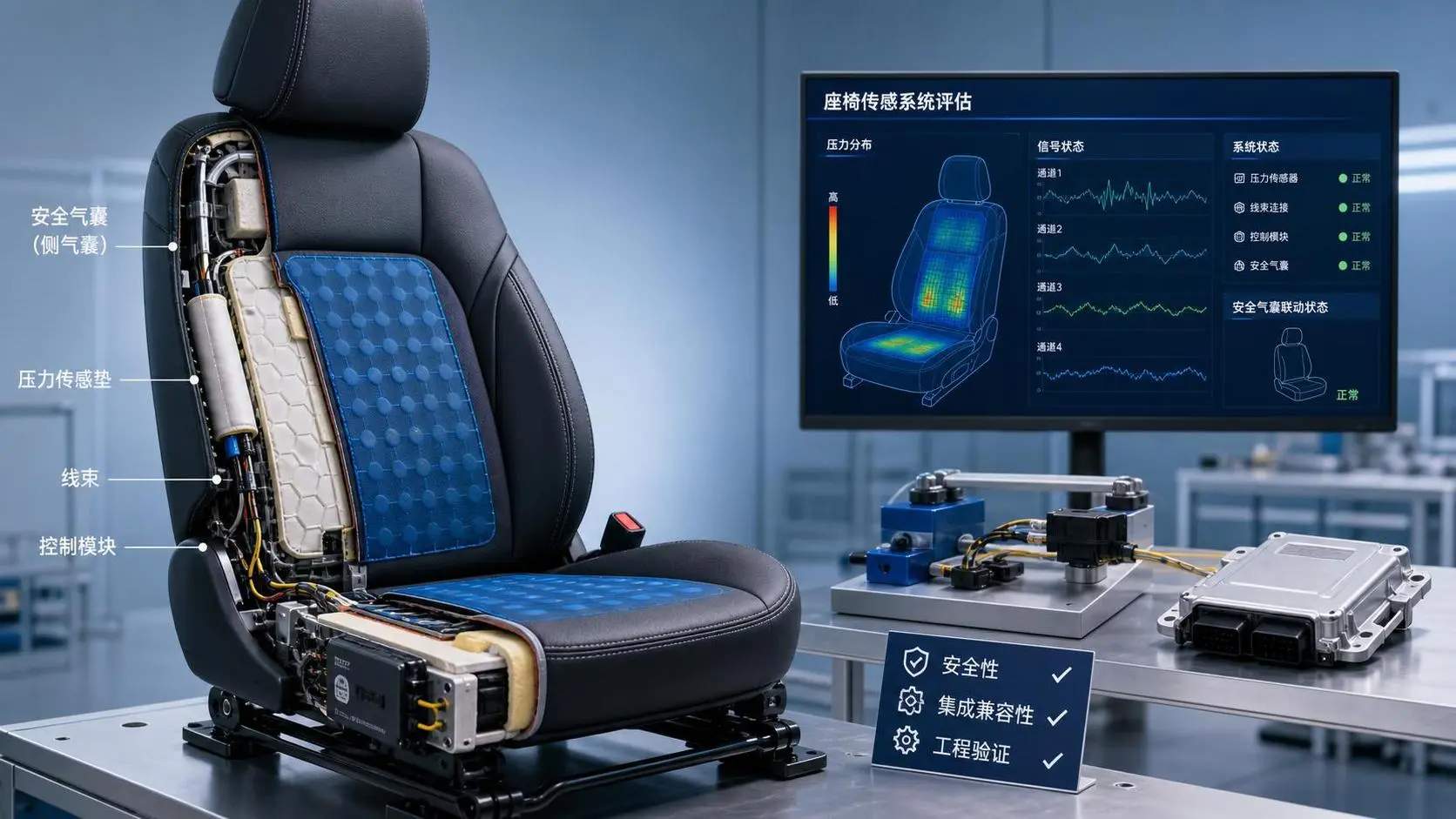
How to Evaluate a Seat Sensing Technology Supplier for Safety and Integration?
Seat sensing technology supplier evaluation guide: compare safety maturity, integration fit, algorithm reliability, and validation support to choose a partner that reduces risk.

How to Evaluate Custom Smart Automotive Seating for Premium Vehicle Programs?
Custom smart automotive seating evaluation starts with safety, comfort, integration, and production readiness. Discover how premium vehicle teams choose smarter, lower-risk seat solutions.
B2B Product Intelligence Platforms: How to Compare Features, Data Coverage, and ROI
B2B product intelligence platform comparison: learn how to evaluate data coverage, feature depth, compliance visibility, and ROI to choose a sourcing tool that reduces risk and speeds decisions.

Climate Control Seats Cost: What Drives Price and Long-Term Ownership Value?
Climate control seats cost depends on materials, thermal tech, and integration. Learn what drives price and how to judge long-term value before you buy.
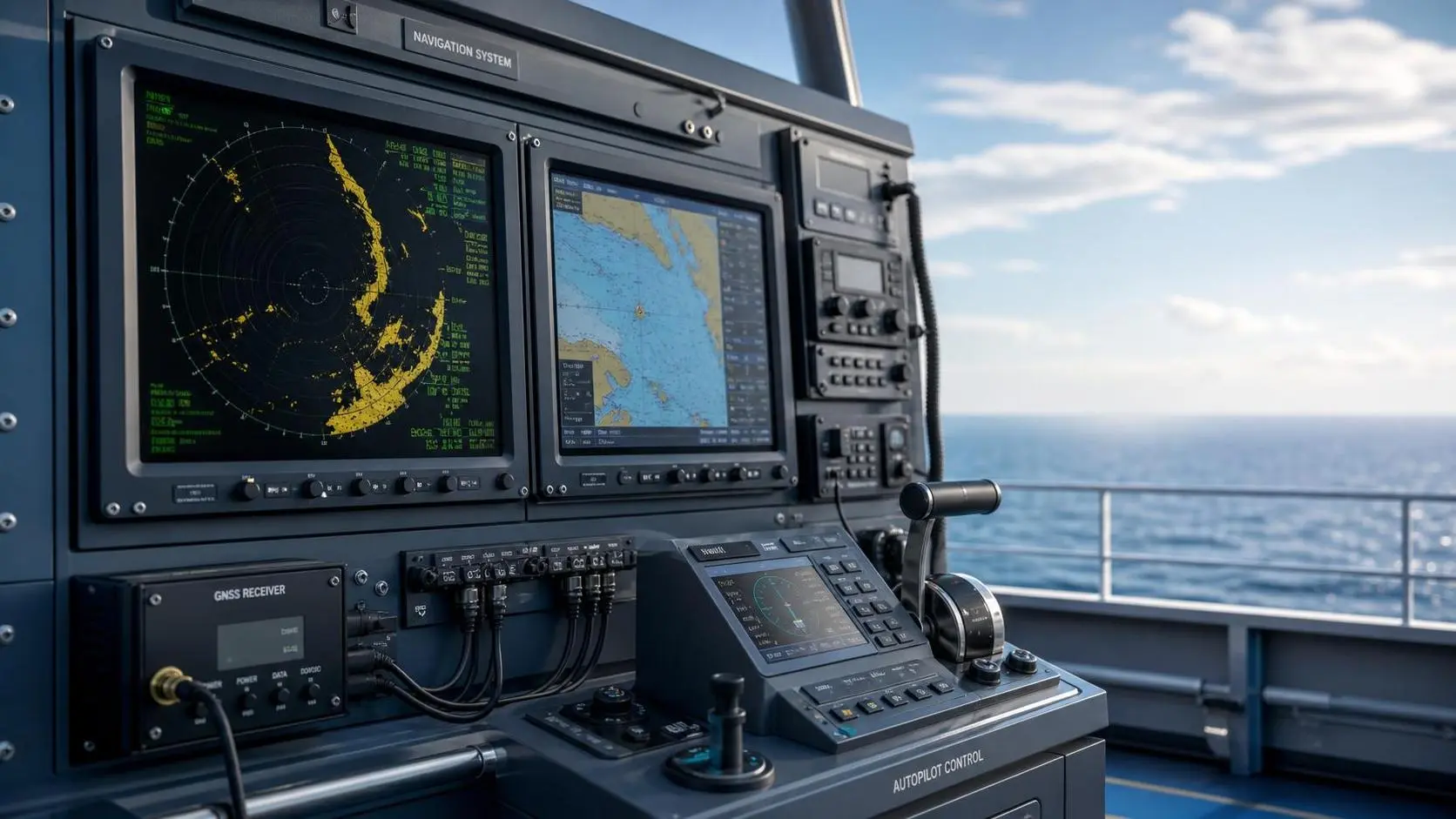
What Factors Drive Marine Navigation Components Cost in Commercial Vessel Projects?
Marine navigation components cost is shaped by integration, compliance, installation, and lifecycle support. Discover what drives pricing and how buyers can reduce risk while improving value.

How Much Does Seat Occupancy Sensing Cost? Key Pricing Factors for Buyers
Seat occupancy sensing price varies widely by technology, integration, and compliance needs. Learn the key cost drivers, avoid hidden fees, and make smarter buying decisions.

How to Specify Micro-Climate Control Cabins for Harsh Outdoor Worksites?
Micro-climate control cabins for harsh outdoor worksites: learn how to specify thermal control, filtration, pressurization, and durability for safer uptime and smarter buying.
How to Evaluate a B2B Product Knowledge Platform for Faster Procurement Decisions
B2B product knowledge platform procurement starts with reducing decision risk. Learn how to compare specs, compliance, and supplier data to speed sourcing with confidence.
Related News
- 00
0000-00
How to Choose a Marine Positioning Solutions Supplier in Europe for Offshore and Port Operations - 00
0000-00
Marine Positioning Solutions Provider Comparison: GNSS, Accuracy, and Integration Factors - 00
0000-00
Marine Electromagnetic Navigation Accuracy vs GNSS: Which Performs Better Near Interference? - 00
0000-00
Marine Electromagnetic Navigation Accuracy: What Affects Position Stability at Sea? - 00
0000-00
Marine Positioning Systems Exporter Selection: What to Check in GNSS Accuracy, Compliance, and Support
Weekly Insights
Stay ahead with our curated technology reports delivered every Monday.