When does navigation radar outperform newer sensor options?
In an era crowded with AIS, satellite feeds, EO/IR cameras, and sensor fusion platforms, navigation radar still proves its value when reliability, real-time situational awareness, and all-weather performance matter most. For technical evaluators, understanding when navigation radar outperforms newer sensor options is essential to making sound procurement, integration, and safety decisions across demanding marine operating environments.
For most technical evaluation teams, the answer is not that navigation radar is universally better. It is better in specific operating conditions where detection continuity, independent sensing, and environmental resilience are more important than image richness or network-derived intelligence.
In practical marine use, navigation radar outperforms newer sensor options when visibility collapses, targets are not cooperative, response time must be immediate, and dependency on external infrastructure creates unacceptable operational risk. That is the core conclusion most buyers and integrators need first.
What technical evaluators are really trying to decide
Searches around navigation radar are rarely academic. Technical evaluators usually want to know whether radar remains necessary in a modern bridge architecture, how it compares with alternative sensors, and which scenarios justify its cost, footprint, and integration complexity.
They also need to separate marketing claims from operational performance. Many newer systems look impressive in demonstrations, especially in clean-weather trials, but marine safety decisions are made around edge cases: rain clutter, dense traffic, sea state, coastal interference, and degraded communications.
That is why the right comparison is not “old radar versus new technology.” The right question is which sensor preserves navigational awareness most consistently when conditions become uncertain, targets are mixed, and failure tolerance is low.
Where navigation radar still has a clear performance advantage
Navigation radar remains strongest when a vessel needs direct, real-time awareness of surrounding objects regardless of light level, moderate weather degradation, or external data availability. It is an onboard, active sensor with immediate tactical value.
Unlike AIS, radar does not depend on another vessel broadcasting correctly. Unlike satellite feeds, it does not depend on revisit timing, bandwidth, or service continuity. Unlike cameras, it is not fundamentally limited by darkness, glare, or visual obscurants.
For technical evaluators, this means radar’s advantage is not novelty but dependable first-principles sensing. It independently interrogates the local environment and returns position-relevant information fast enough for collision avoidance and close-range decision support.
When AIS is not enough
AIS is excellent for identifying cooperative targets, predicting traffic flow, and reducing operator workload. But AIS is not a detection system in the same sense as navigation radar. It is a reporting system, and reporting systems fail in routine ways.
Signals can be missing, delayed, incorrect, spoofed, or intentionally disabled. Small craft, fishing vessels, floating hazards, and debris may not transmit at all. Even when transmission exists, position quality and heading data may be wrong enough to distort risk assessment.
In these situations, navigation radar outperforms AIS because it reveals physical presence rather than declared presence. For evaluators responsible for safety-critical architecture, that distinction is fundamental, especially in congested waterways or non-compliant traffic regions.
When cameras and EO/IR systems fall short
EO and thermal imaging systems add valuable confirmation, classification, and operator confidence. They can make a target easier to interpret than a radar echo, especially during pilotage, search support, or close-quarters monitoring.
However, navigation radar outperforms cameras when visual contrast collapses. Heavy rain, sea spray, haze, glare, low sun angles, darkness, and dirty optics can all reduce image utility. Thermal systems also struggle with environmental equalization and reflective clutter.
For a technical assessor, the key issue is not whether EO/IR is useful. It often is. The issue is whether it can replace radar as a primary awareness source. In most all-weather navigation cases, it cannot.
When satellite and shore-based data introduce delay or dependency
Satellite services and shore-connected intelligence products can enrich route planning, macro traffic awareness, and anomaly detection. They are increasingly valuable in networked maritime operations and fleet-level decision environments.
But navigation radar outperforms these options in close-in tactical navigation because it does not depend on communications latency, service subscription continuity, processing pipelines, or external infrastructure. It senses what is near the vessel now, not what was observed elsewhere earlier.
This difference matters most in harbor approaches, restricted waterways, offshore support operations, and dense crossing situations. Technical evaluators should treat external data as augmentation, not as a substitute for immediate local sensing in safety-critical use.
High-clutter and low-visibility environments where radar earns its keep
The strongest case for navigation radar appears in environments where uncertainty compounds quickly. Fog, rain bands, nighttime transits, busy port entries, and mixed traffic zones all increase the need for continuous, local target detection.
Modern radar processing can suppress clutter better than legacy systems, but even basic radar often remains more operationally useful than newer passive sensors when visual conditions deteriorate sharply. This is why radar continues to anchor bridge watchkeeping procedures.
Technical evaluators should pay attention to mission profile. If the vessel regularly operates in northern fog zones, monsoon conditions, coastal rain, offshore darkness, or around unlit obstacles, radar’s relative value rises immediately.
Non-cooperative and small-target detection scenarios
Another area where navigation radar can outperform newer sensor options is detection of non-cooperative targets. These include skiffs, workboats, buoys, floating containers, partial debris fields, and other objects that neither transmit data nor present stable thermal signatures.
No sensor is perfect against every small target in rough seas. Radar performance depends on frequency band, antenna characteristics, processing quality, and sea state. Still, radar often gives the earliest usable indication that something occupies navigational space.
For evaluators, the practical question is probability of detection under realistic conditions, not brochure-level detection range. Testing should include target aspect variability, sea clutter, precipitation, and vessel motion, because these factors determine true comparative value.
Why radar remains critical for immediate collision-avoidance decisions
Collision avoidance is a time-sensitive task. Sensors that require interpretation delays, data fusion lag, operator attention switching, or external confirmation may contribute to awareness but still underperform for decisive maneuver support.
Navigation radar is designed around relative motion understanding. Target bearing, range, trail behavior, closest point of approach, and time to closest point of approach can be derived in a workflow that bridge teams already understand well.
This operational familiarity matters. A technically superior sensor in theory can be inferior in practice if it increases cognitive load or slows response. Radar often wins because it aligns with the speed, geometry, and discipline of real navigational decision-making.
Where newer sensors can outperform radar instead
A balanced evaluation also requires stating where radar is not best. Cameras and EO/IR systems often outperform radar for target classification, visual verification, and understanding fine scene context near berths, locks, and tight maneuvering areas.
AIS outperforms radar for identity-rich traffic management when transmissions are reliable. Satellite and cloud-based systems can outperform onboard sensors for strategic awareness across wide areas. Sonar, of course, addresses underwater hazards that radar cannot detect.
This is why mature bridge architecture is not radar-only. It is layered. The important procurement conclusion is that newer options usually expand radar’s usefulness rather than eliminate its role.
Evaluation criteria that matter more than marketing language
If your team is assessing whether navigation radar still deserves priority, focus on measurable operational criteria. These include detection continuity, false alarm behavior, weather resilience, target reacquisition, latency, interface clarity, and integration with watchkeeping workflows.
Also assess failure modes. Ask what happens when a network drops, a camera lens fouls, an AIS feed is wrong, or satellite bandwidth is constrained. Radar often scores well because its degradation path is more visible and operationally manageable.
Total value should include maintainability and training burden. A sensor that looks advanced but needs constant tuning, specialized interpretation, or high dependence on clean environmental conditions may produce lower real-world safety value than expected.
Questions technical evaluators should ask vendors
Strong evaluation starts with scenario-based questioning. Ask vendors to show comparative performance in rain clutter, dense target environments, poor visibility, and with non-AIS targets. Require evidence from vessel-representative trials, not only controlled demonstrations.
Request details on update rate, track stability, clutter suppression, target separation, and alert logic. Ask how the system behaves when GPS input is degraded, heading data fluctuates, or multiple sensors disagree. Integration resilience matters as much as nominal capability.
It is also useful to ask what operators do when the system becomes uncertain. The best safety technologies are not just accurate in ideal conditions; they are understandable and recoverable when conditions become difficult.
Procurement guidance: replace, supplement, or modernize?
For most marine applications, the right decision is not to replace navigation radar with newer sensor options outright. The more defensible path is usually to modernize radar where necessary and supplement it with AIS, EO/IR, and analytics based on mission needs.
If the vessel profile includes offshore operations, poor visibility, heavy traffic, or non-cooperative target risk, radar should remain a core sensing layer. If operations are primarily controlled, short-range, and visibility-supported, supplementary sensors may carry more day-to-day value.
Even then, technical evaluators should be cautious about removing independent local sensing from the bridge. Redundancy is not inefficiency in maritime safety systems; it is often the mechanism that prevents single-point situational failure.
The practical conclusion for modern marine sensor strategy
Navigation radar outperforms newer sensor options when the job demands immediate, independent, all-weather detection of nearby physical hazards and traffic. That is especially true when targets are non-cooperative, visibility is compromised, or external data cannot be fully trusted.
Newer sensors absolutely improve bridge intelligence, but most do so by complementing radar rather than displacing it. For technical evaluators, the most useful mindset is architectural, not competitive: choose the sensor stack that remains reliable under the hardest operating conditions.
In other words, the enduring value of navigation radar is not nostalgia. It is resilience. When procurement decisions must hold up in fog, rain, darkness, congestion, and uncertainty, radar still earns its place as a primary navigational safeguard.
Related News
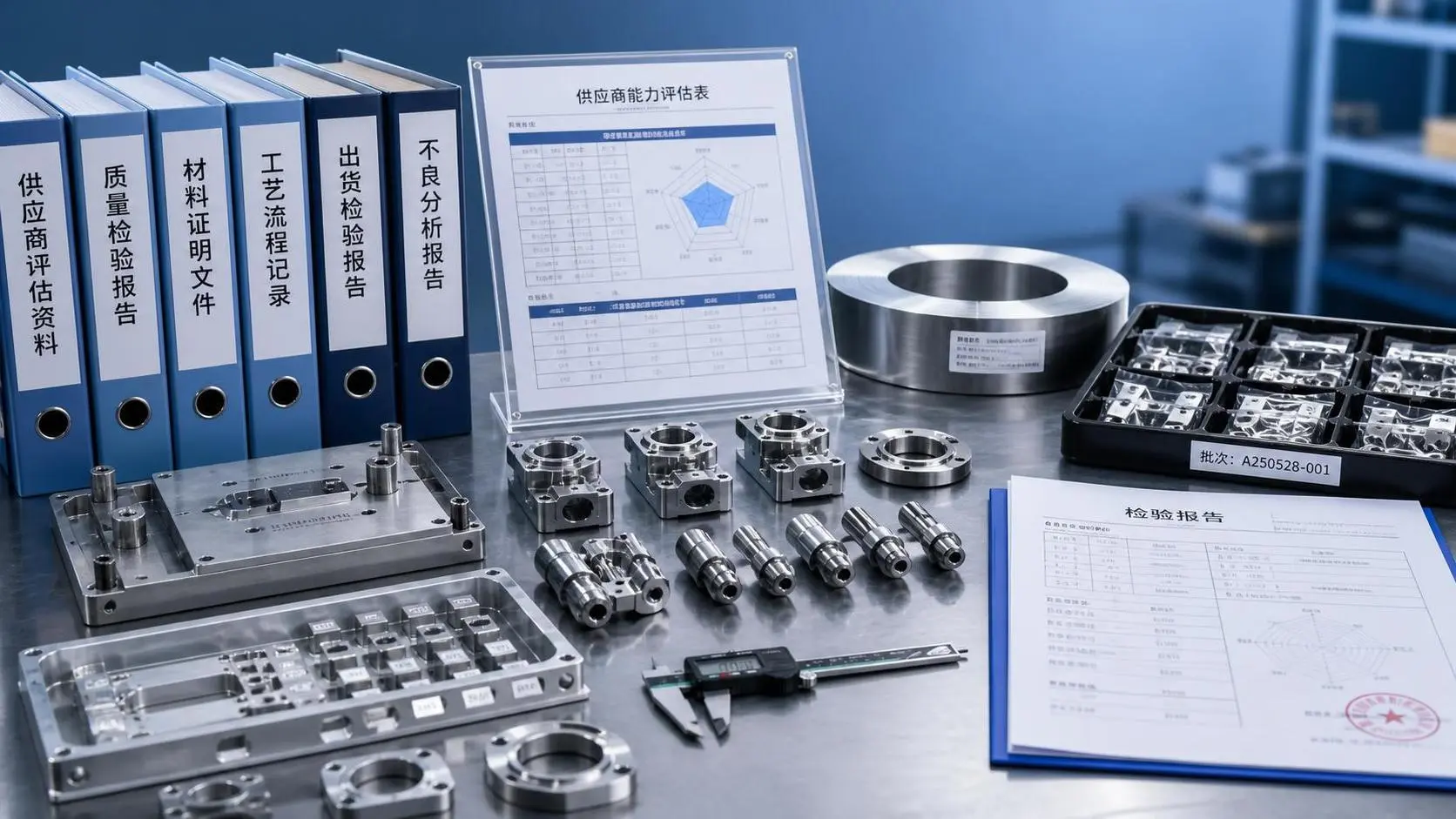
Supplier Capability Evaluation Process: Key Criteria for B2B Sourcing Decisions
Supplier capability evaluation process explained: learn the key criteria for B2B sourcing decisions, reduce supplier risk, and choose partners with confidence.
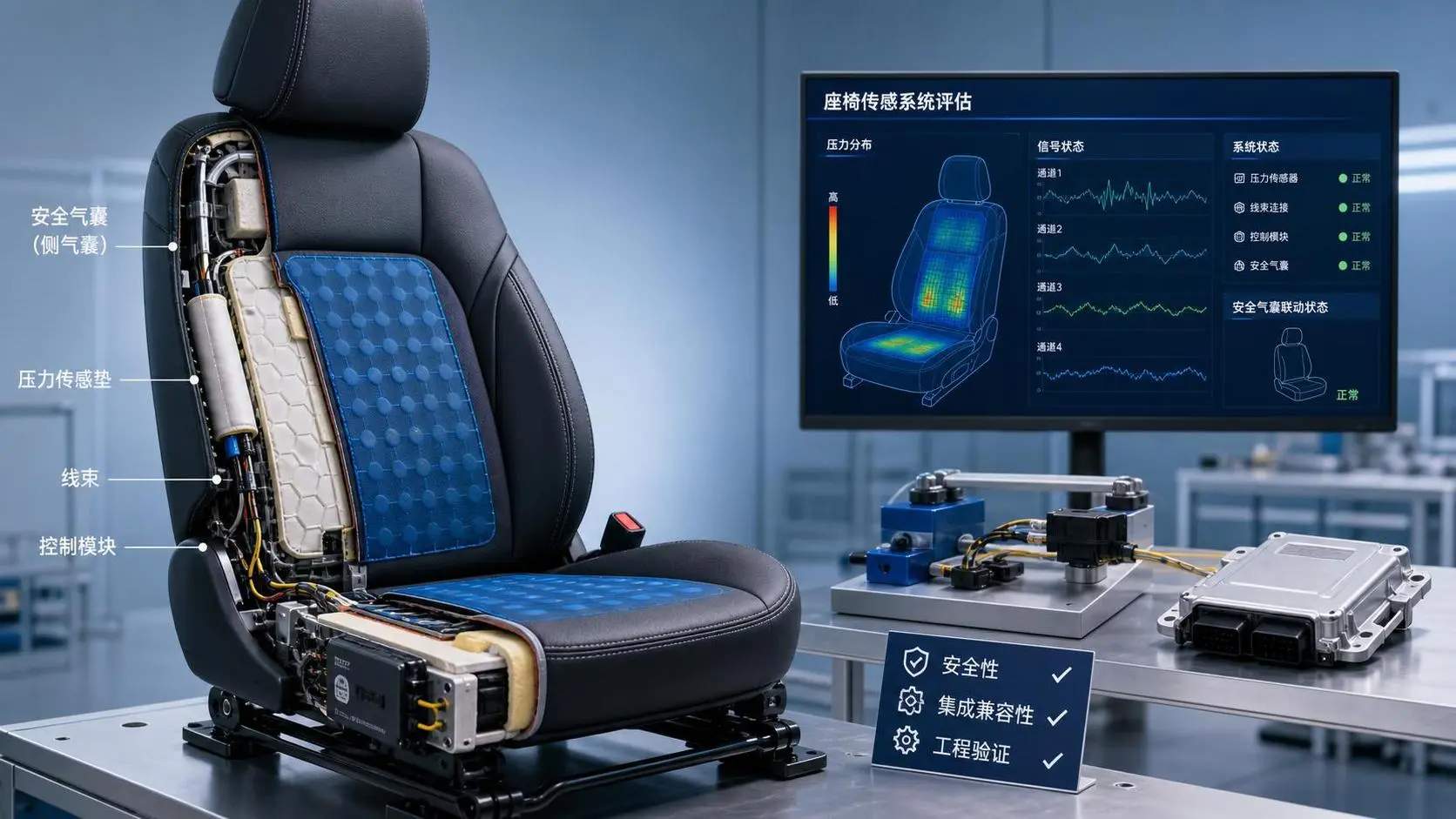
How to Evaluate a Seat Sensing Technology Supplier for Safety and Integration?
Seat sensing technology supplier evaluation guide: compare safety maturity, integration fit, algorithm reliability, and validation support to choose a partner that reduces risk.
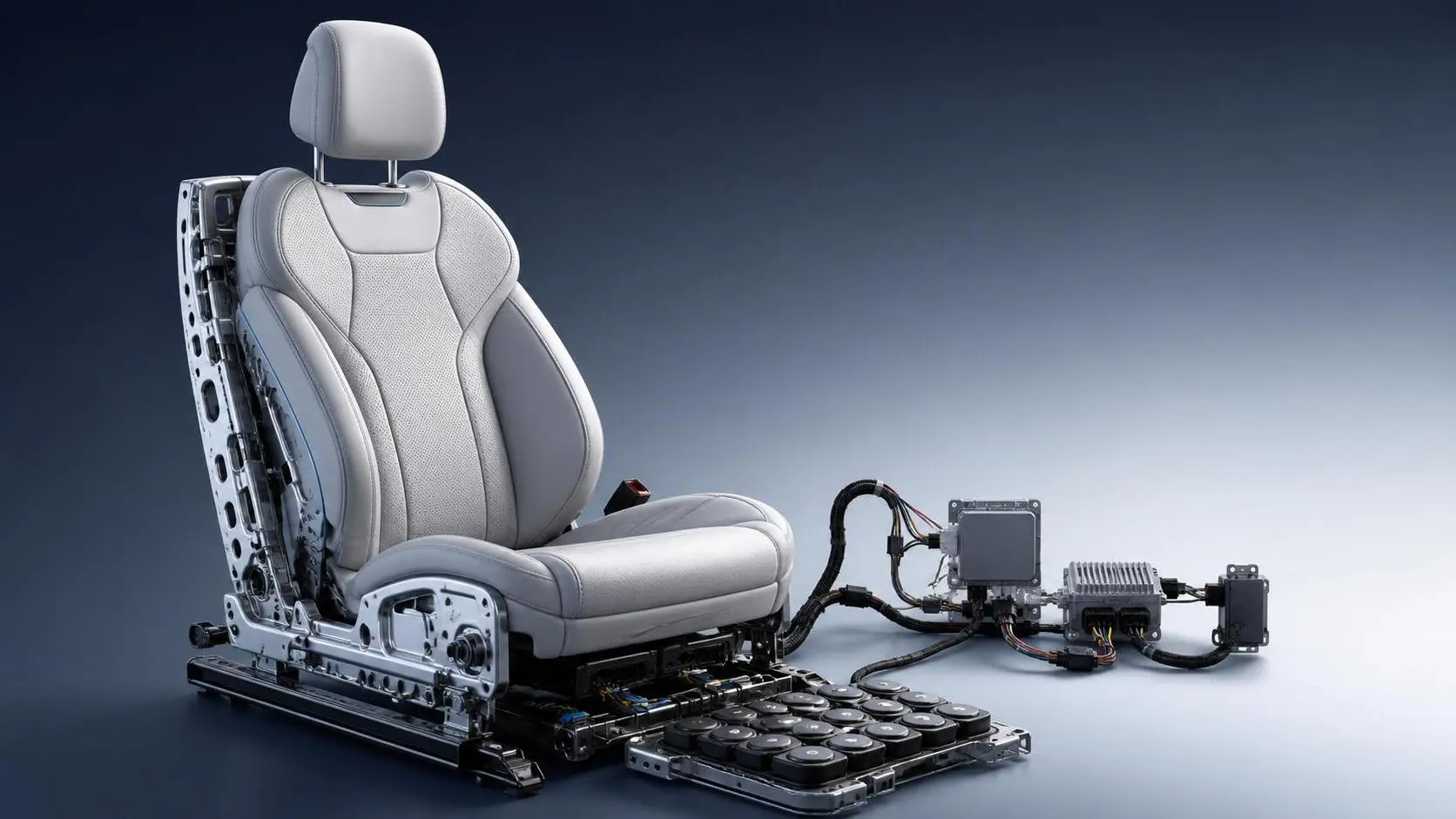
How to Evaluate Custom Smart Automotive Seating for Premium Vehicle Programs?
Custom smart automotive seating evaluation starts with safety, comfort, integration, and production readiness. Discover how premium vehicle teams choose smarter, lower-risk seat solutions.
B2B Product Intelligence Platforms: How to Compare Features, Data Coverage, and ROI
B2B product intelligence platform comparison: learn how to evaluate data coverage, feature depth, compliance visibility, and ROI to choose a sourcing tool that reduces risk and speeds decisions.

Climate Control Seats Cost: What Drives Price and Long-Term Ownership Value?
Climate control seats cost depends on materials, thermal tech, and integration. Learn what drives price and how to judge long-term value before you buy.
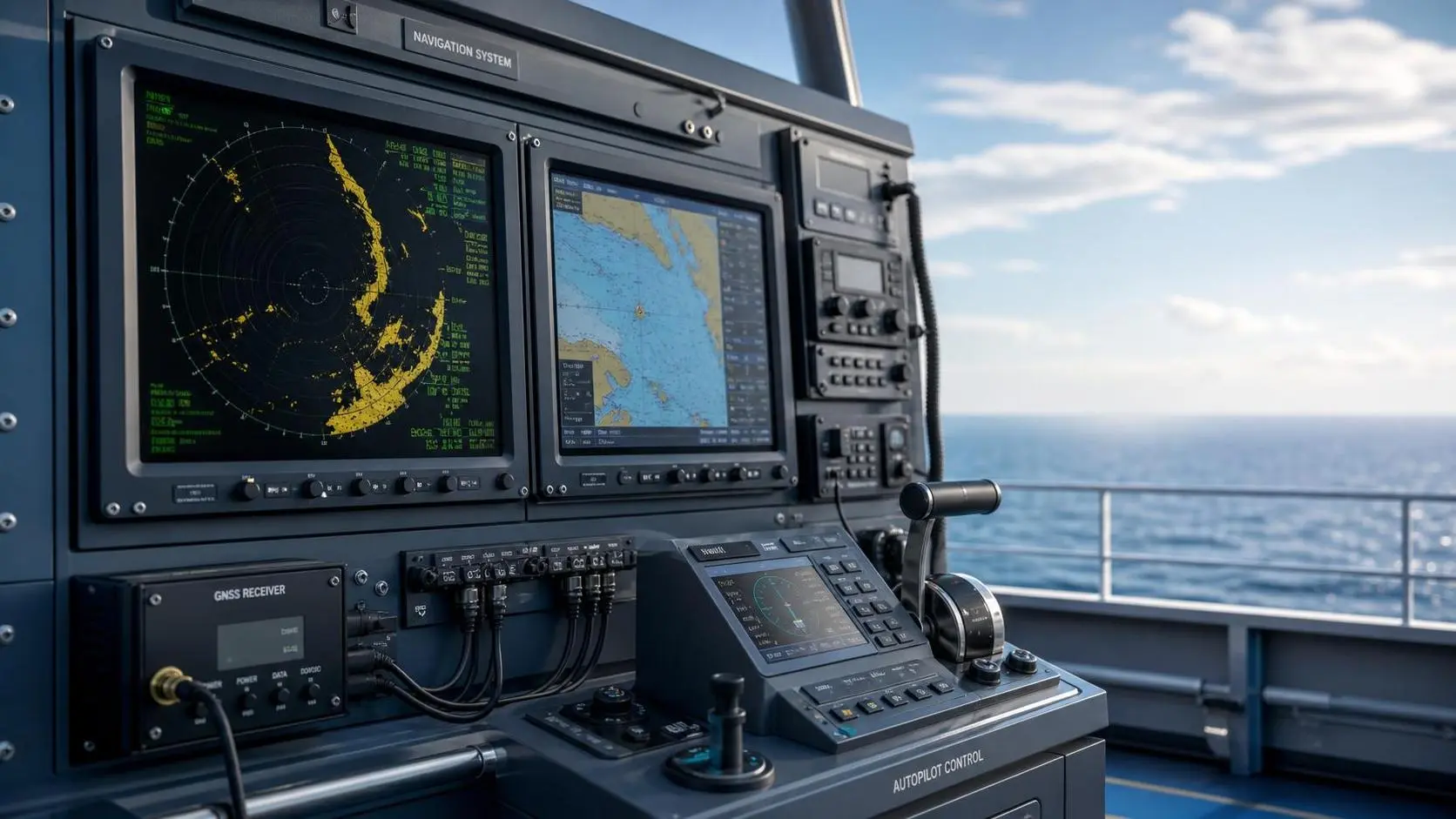
What Factors Drive Marine Navigation Components Cost in Commercial Vessel Projects?
Marine navigation components cost is shaped by integration, compliance, installation, and lifecycle support. Discover what drives pricing and how buyers can reduce risk while improving value.

How Much Does Seat Occupancy Sensing Cost? Key Pricing Factors for Buyers
Seat occupancy sensing price varies widely by technology, integration, and compliance needs. Learn the key cost drivers, avoid hidden fees, and make smarter buying decisions.
How to Specify Micro-Climate Control Cabins for Harsh Outdoor Worksites?
Micro-climate control cabins for harsh outdoor worksites: learn how to specify thermal control, filtration, pressurization, and durability for safer uptime and smarter buying.
How to Evaluate a B2B Product Knowledge Platform for Faster Procurement Decisions
B2B product knowledge platform procurement starts with reducing decision risk. Learn how to compare specs, compliance, and supplier data to speed sourcing with confidence.
Related News
- 00
0000-00
How to Evaluate Cargo Marine Sonar Systems for Detection Range and Vessel Fit - 00
0000-00
How to Evaluate Marine Signal Processing Software for Radar and Sonar Integration - 00
0000-00
How Do Automatic Identification Systems Improve Vessel Tracking and Collision Avoidance? - 00
0000-00
How to Choose Marine Navigation Systems for Patrol Boats in Coastal and Offshore Missions - 00
0000-00
Marine Electronics Systems Distributor Selection: 7 Checks Before You Compare Quotes
Weekly Insights
Stay ahead with our curated technology reports delivered every Monday.