Automatic Identification Systems for Fleet Operations: Key Functions, Limits, and Setup Tips
Automatic Identification Systems for Fleet Operations: Key Functions, Limits, and Setup Tips
For marine teams managing visibility, compliance, and schedule reliability, automatic identification systems are no longer optional support tools.
They sit close to the center of safer routing, collision awareness, and daily fleet coordination.
At the same time, the real value of automatic identification systems depends on setup quality, signal conditions, and operational discipline.
A strong deployment helps crews and shore teams see more, react earlier, and document movement with less guesswork.
A weak deployment creates blind spots, false confidence, and avoidable integration trouble.
This guide explains how automatic identification systems work in fleet operations, where they fall short, and how to configure them for dependable results.
Why automatic identification systems matter in fleet operations
Automatic identification systems broadcast a vessel’s identity, position, course, speed, and other voyage details over VHF radio.
In practical terms, they help nearby ships and shore stations understand who is moving, where, and at what pace.
That basic visibility supports several project-level goals at once.
- Reduce collision risk in dense traffic, port approaches, and restricted waters.
- Improve fleet tracking for dispatch, voyage control, and exception handling.
- Support compliance reporting and port state communication.
- Strengthen incident reconstruction with timestamped movement data.
- Create cleaner inputs for ECDIS, radar overlays, and shore monitoring platforms.
From a delivery perspective, automatic identification systems help turn vessel movement into a more manageable operating signal.
That matters when safety, timeline pressure, and regulatory exposure all need attention at the same time.
Key functions that create day-to-day value
1. Real-time vessel awareness
The most visible benefit of automatic identification systems is real-time situational awareness.
Bridge teams can identify surrounding traffic faster than by radar alone, especially when names, MMSI numbers, and destinations are relevant.
Shore teams also gain better awareness of berth approaches, anchorage patterns, and route deviations.
2. Better fleet coordination
For multi-vessel operations, automatic identification systems support cleaner dispatch decisions.
Teams can compare actual movement against planned legs, notice delays early, and prioritize responses before schedule damage spreads.
This becomes especially useful in offshore support, coastal supply work, dredging, and regional cargo operations.
3. Decision support for safety systems
Automatic identification systems are not standalone safety answers, but they improve other systems when integrated correctly.
Common pairings include radar, GPS, chart systems, voyage management tools, and alert dashboards.
The result is faster target recognition and clearer operator judgment in crowded or changing environments.
4. Audit and compliance support
Many operators also rely on automatic identification systems for reporting consistency.
Voyage histories, call patterns, and transmission records can support reviews tied to flag requirements, internal SOPs, and customer transparency.
In short, the system helps operations move from rough visibility to traceable movement intelligence.
Where automatic identification systems reach their limits
The value is real, but so are the limits.
This is where many deployments become risky, because teams assume visibility equals certainty.
Signal coverage is not universal
AIS depends heavily on VHF propagation, antenna height, terrain, congestion, and equipment quality.
Offshore distance, coastal obstacles, and busy traffic zones can all reduce message reliability.
Data quality can be wrong
Automatic identification systems are only as trustworthy as the data entered and transmitted.
Incorrect vessel names, outdated dimensions, or wrong destination inputs can confuse both operators and partners.
Static data errors are common, and they often persist longer than expected.
Not every target is visible
Some vessels may not carry compliant equipment, may transmit poorly, or may operate with gaps in coverage.
Small craft, fishing traffic, and local operators can create practical blind spots.
That means radar watchkeeping and visual lookout remain essential.
Cyber and integration risks exist
As fleet systems become more connected, automatic identification systems feed more software layers and decision screens.
That increases exposure to interface mismatches, poor access control, and inconsistent data handling across platforms.
Setup tips that improve reliability from the start
A successful rollout usually comes down to a few disciplined choices made early.
Define the operating objective first
Start by deciding what the system must support.
Collision awareness, fleet tracking, charter reporting, port coordination, and offshore supervision do not require identical setups.
A clear use case prevents overbuying in one area and underdesigning in another.
Choose antenna placement carefully
Antenna height, cable quality, separation from interference sources, and installation angle all affect performance.
This step is often treated as routine, but it has an outsized impact on transmission quality.
If range expectations are high, installation discipline matters more than spec sheet promises.
Validate static and dynamic data
Create a checklist for MMSI, call sign, vessel dimensions, GPS input, heading source, and reporting intervals.
Then verify that bridge displays and shore platforms show the same information.
Integrate with existing bridge and shore tools
Automatic identification systems deliver more value when tied into broader navigation and control workflows.
Useful integration points often include ECDIS, radar overlays, alarm handling, maintenance logs, and fleet dashboards.
Integration should reduce operator workload, not create another isolated screen.
Train around failure modes, not only normal use
Operators should know what missing targets, delayed updates, and conflicting sensor inputs look like.
That is usually more valuable than basic menu training.
A practical deployment checklist
- Map each vessel type to its operational environment and reporting needs.
- Confirm regulatory requirements by flag, route, and customer contract.
- Standardize approved hardware, antennas, cabling, and interface protocols.
- Run installation acceptance tests for signal strength and data integrity.
- Connect automatic identification systems to bridge and shore monitoring layers.
- Document maintenance cycles, firmware reviews, and fault escalation paths.
- Audit transmitted vessel data at scheduled intervals.
- Review incidents and near misses to refine settings and procedures.
This kind of structure keeps automatic identification systems aligned with real operating pressure, not just technical compliance.
What stronger execution looks like
Well-managed automatic identification systems do more than show dots on a chart.
They support earlier decisions, cleaner coordination, and more resilient marine operations.
That said, the technology works best when teams respect its boundaries.
The strongest fleets combine automatic identification systems with disciplined navigation practice, accurate data management, and thoughtful integration.
For organizations focused on safer execution and better visibility, that balance is the real advantage.
The next smart move is simple: review current AIS performance vessel by vessel, identify weak links in coverage or data quality, and improve the setup before the next operational bottleneck appears.
Related News
How to Specify Integrated Marine Electronics for Reliable Bridge Operations
Integrated marine electronics: learn how to specify reliable bridge systems with clear data flows, redundancy, alarm control, lifecycle interfaces, and operational testing.
How to Evaluate Navigation Radar Manufacturers for Commercial Vessel Projects
Navigation radar manufacturers: learn how to compare performance, compliance, integration, support, and lifecycle cost for commercial vessel projects.
How Adjustable Cabin Ergonomics Reduce Operator Fatigue in Long-Shift Vehicles
Adjustable cabin ergonomics reduces operator fatigue through better seating, reach, visibility, vibration control, and climate comfort for safer long-shift vehicles.

How Rear-Impact Safety Components Work Together to Protect Vehicle Occupants
Explore how automotive safety components for rear impact work together—from crash structures and seats to head restraints and belts—to enhance occupant protection.
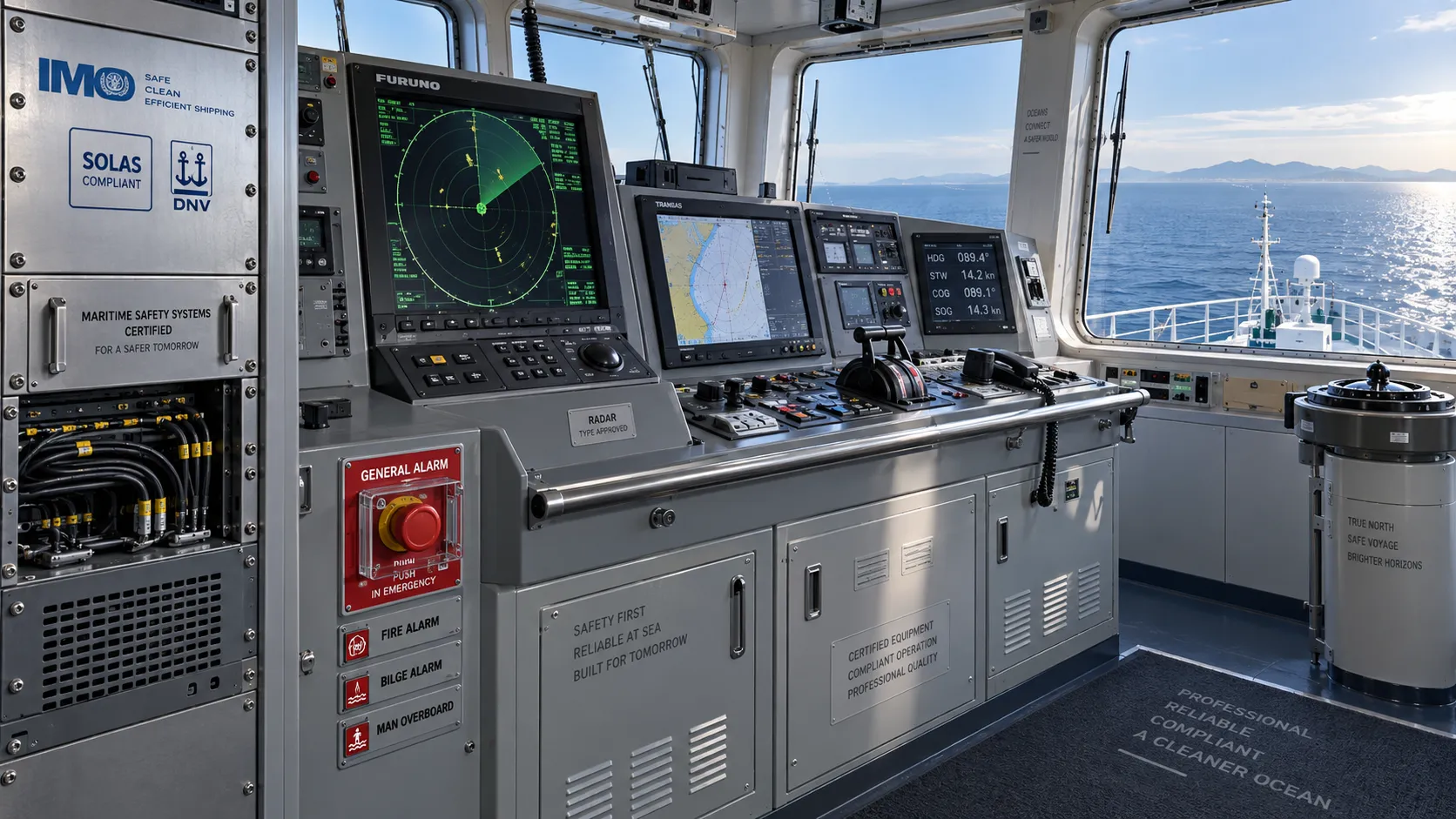
How to Evaluate a Marine Safety Systems Manufacturer for Vessel Compliance and Reliability
Marine safety systems manufacturer evaluation guide: verify compliance, engineering quality, lifecycle costs, and global service support for safer, reliable vessel operations.
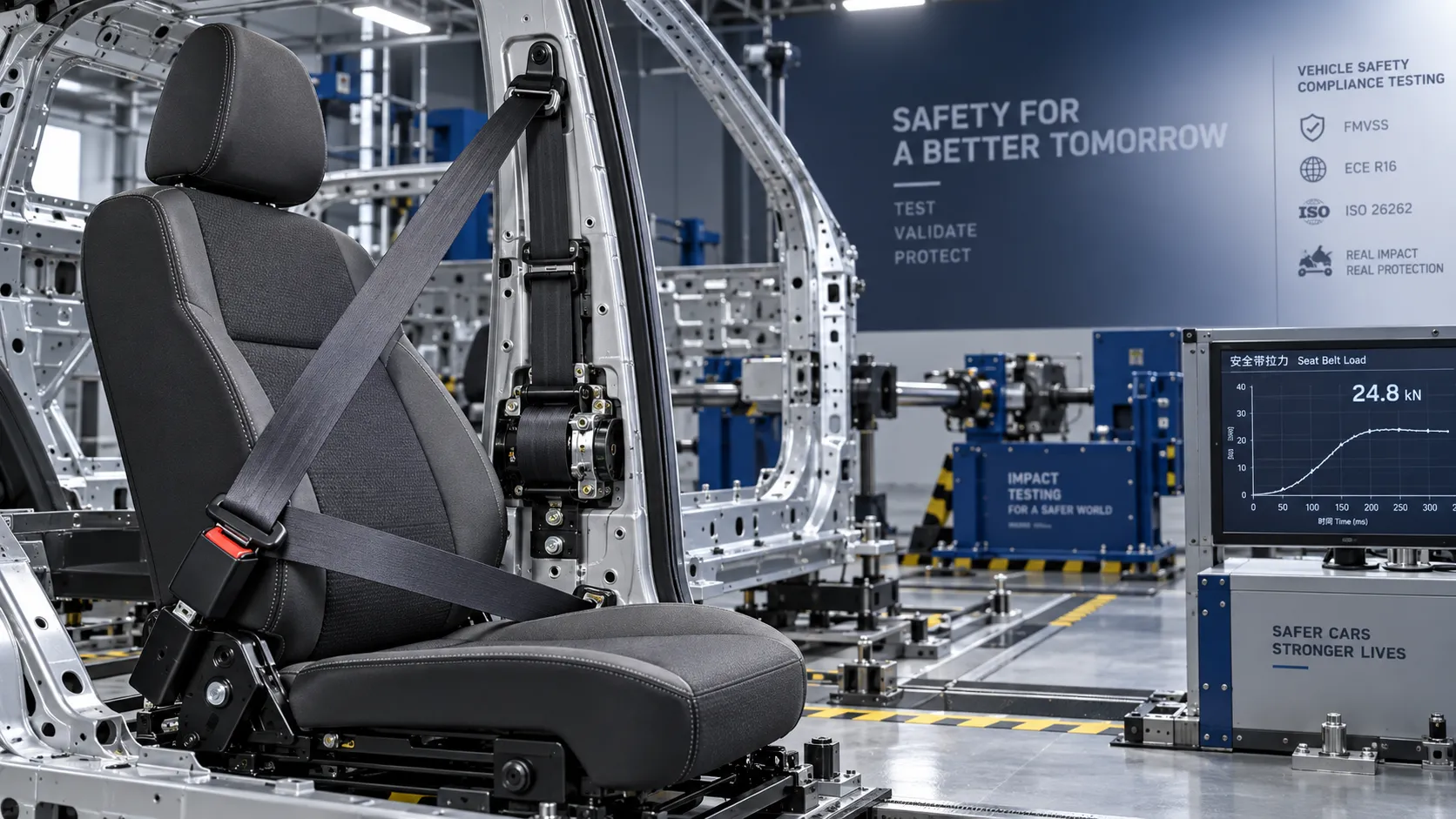
Crash Test Regulations for Seatbelts: Key Compliance Requirements Explained
Crash test regulations seatbelts explained: explore FMVSS, UN rules, anchorage strength, and dynamic restraint testing for safer, compliant vehicle systems.

How to Calculate the Total Cost of Automotive Lightweighting for a Vehicle Program
Automotive lightweight solutions cost: learn how to calculate program-level costs, including materials, tooling, joining, validation, risk, and vehicle-level value.

How Automotive Seat Occupancy Sensing Improves Airbag Deployment Decisions
Automotive seat occupancy sensing helps optimize airbag deployment decisions, improving passenger classification, safety diagnostics, and compliance across real-world conditions.

What Drives Lightweight Body Component Costs in High-Volume Vehicle Programs?
Lightweight body components cost depends on material yield, forming, joining, tooling, validation, and logistics. Explore proven ways to optimize total vehicle program cost.
Related News
- 00
0000-00
How to Evaluate Navigation Radar Manufacturers for Commercial Vessel Projects - 00
0000-00
How to Evaluate Cargo Marine Sonar Systems for Detection Range and Vessel Fit - 00
0000-00
How to Evaluate Marine Signal Processing Software for Radar and Sonar Integration - 00
0000-00
How Do Automatic Identification Systems Improve Vessel Tracking and Collision Avoidance? - 00
0000-00
How to Choose Marine Navigation Systems for Patrol Boats in Coastal and Offshore Missions
Weekly Insights
Stay ahead with our curated technology reports delivered every Monday.