ECDIS update protocols that help avoid compliance gaps
For project managers and engineering leads, robust ECDIS update protocols are essential to keeping vessels compliant, reducing operational risk, and avoiding costly documentation gaps. As regulatory requirements, chart corrections, and software standards evolve, a disciplined update strategy helps teams maintain navigational accuracy, streamline audits, and protect fleet readiness without disrupting day-to-day operations.
The core search intent behind “ECDIS update protocols” is practical, not academic. Readers usually want a workable way to prevent non-compliance, missed chart corrections, software version issues, and poor audit trails.
For decision-makers, the main concern is rarely how ECDIS works in theory. It is how to build a repeatable process that keeps every vessel updated, documented, and inspection-ready across mixed fleets and busy schedules.
A clear conclusion comes early: the best ECDIS update protocols combine governance, timing, validation, role ownership, and records control. Compliance gaps typically appear when one of those five elements is weak.
What project managers are really trying to prevent with ECDIS update protocols
Most fleet teams are not searching for update protocols because they want another technical checklist. They are trying to avoid detention risk, failed audits, navigation exposure, and unplanned administrative work near inspections.
In practice, compliance gaps often come from ordinary operational friction. A vessel misses a chart update window, a software patch is deferred, records are stored inconsistently, or onboard and shore teams assume someone else confirmed completion.
For engineering leads, the risk is wider than chart currency alone. ECDIS compliance depends on correct software maintenance, approved data sources, update verification, backup arrangements, and evidence that the system remains fit for use.
That means strong ECDIS update protocols should be designed as a control system, not as a one-time maintenance task. The protocol must reduce ambiguity and produce proof, not just instructions.
Where compliance gaps usually happen
If a fleet has recurring ECDIS issues, the problem is often not a lack of effort. It is usually a weak handoff between responsibilities, systems, and timelines.
One common gap appears in chart and publication updates. Updates may be downloaded on time, but not applied, validated, or logged in a way that satisfies internal controls or external auditors.
Another weak point is software and firmware management. Some operators treat chart data updates and ECDIS software updates as separate worlds, even though both affect compliance, safety, and equipment reliability.
Mixed fleets create an additional challenge. Different ECDIS makes, service arrangements, communication links, and trading patterns can make a single generic update procedure ineffective unless it is adapted by vessel class.
Documentation is also a repeated source of exposure. Teams may complete the technical update but fail to retain evidence showing date, source, version, validation status, exceptions, and corrective actions.
Finally, many gaps arise during exceptional situations. Port stays are shortened, bandwidth is limited, bridge teams are under pressure, or a scheduled update collides with maintenance or route changes.
What good ECDIS update protocols should include
A useful protocol starts with scope. It should define which systems are covered, including primary and backup ECDIS units, chart data services, licenses, software versions, relevant publications, and connected update tools.
Next comes role ownership. The protocol should identify who triggers updates, who performs them, who validates completion, who reviews exceptions, and who keeps the official compliance record ashore.
Timing rules are equally important. High-performing operators define update windows by voyage phase, connectivity conditions, and regulatory urgency instead of relying on vague instructions such as “update regularly.”
Validation must be explicit. It is not enough to confirm that files were transferred. The bridge team or responsible technician should verify successful loading, system recognition, correct coverage, and absence of unresolved warnings.
Exception handling is another essential element. If an update cannot be completed, the protocol should require temporary controls, escalation steps, deadline ownership, and documented risk acceptance where appropriate.
Finally, the protocol should specify recordkeeping standards. Every update event should leave a trace that can be reviewed later without relying on memory, local notes, or scattered email chains.
How to design a protocol that works across fleet operations
Project managers often fail when they write procedures that look complete on paper but do not fit vessel reality. The better approach is to build around real operational constraints from the beginning.
Start by mapping the actual update journey. Identify where update files originate, how they reach the vessel, what onboard actions are required, what approvals apply, and where proof is stored after completion.
Then classify vessels by update environment. For example, deep-sea vessels with stable service partners may use a different cadence and support model than coastal vessels with short port rotations and tighter bandwidth limits.
It is also useful to separate routine, urgent, and major updates. Routine chart corrections, urgent safety-related changes, and software upgrades should not all follow the exact same pathway or approval burden.
From a governance perspective, standardize the control points rather than every operational detail. Consistent requirements for source approval, validation, escalation, and records are more scalable than over-prescriptive step lists.
This approach helps multinational fleets maintain consistency while still adapting to equipment diversity, voyage schedules, and local service arrangements. That balance is where many successful ECDIS update protocols outperform rigid templates.
How to reduce audit pressure and prove compliance faster
For managers, a protocol’s value is measured not only by safety outcomes but also by how easily the team can demonstrate control during audits, inspections, and internal reviews.
The strongest fleets treat documentation as part of the update event itself. Completion evidence is captured immediately, in a defined format, with enough detail to show what changed, when, and under whose authority.
A practical audit record should include vessel name, equipment identifier, chart or software version, source of update, date applied, validation result, exceptions, and final sign-off.
Central visibility matters as much as onboard completion. Shore teams should be able to view update status by vessel, identify overdue items, and track unresolved exceptions without requesting manual reports from every ship.
Dashboards and simple compliance summaries can save significant time before audits. They also help project leaders spot patterns, such as repeated delays linked to one equipment type, service vendor, or route profile.
If an auditor asks how the company ensures ongoing ECDIS compliance, the answer should be visible in the process architecture, not dependent on one experienced superintendent explaining informal practice.
Choosing between manual, semi-automated, and centralized update models
Not every organization needs the same update model. The right choice depends on fleet size, vessel diversity, service contracts, connectivity, and how much compliance visibility management requires.
Manual models can work in smaller or more uniform fleets, but they depend heavily on disciplined people and are more vulnerable to inconsistency, delayed evidence, and missed follow-up.
Semi-automated models reduce workload by standardizing transfer, reminders, and status capture while still leaving onboard teams responsible for final validation and exception handling.
Centralized or digitally integrated models offer the best oversight for larger fleets. They improve traceability, support portfolio-level planning, and make it easier to detect drift in software versions or update completion rates.
However, automation is not a substitute for accountability. Even the best digital environment needs defined approvals, escalation paths, and confirmation that updates were successfully applied in the operational context.
For project managers, the key question is not whether automation sounds modern. It is whether the model reduces compliance risk, improves proof quality, and fits the fleet’s actual operating conditions.
Key metrics that show whether your protocol is working
If you cannot measure the process, you cannot improve it. Effective ECDIS update protocols should be supported by a small set of operational and compliance metrics.
Start with update completion rate by vessel and by due date. This reveals whether the fleet is keeping pace with routine requirements or accumulating hidden compliance debt.
Track validation failure rate as well. If updates are frequently downloaded but fail verification, the problem may lie in training, file handling, equipment condition, or incompatible version control.
Exception closure time is another valuable indicator. Long-open exceptions often signal weak escalation discipline, poor vendor response, or insufficient clarity over who owns the corrective action.
Audit findings and near-miss data should also be linked back to the protocol. If inspection comments repeatedly mention records, software versions, or backup readiness, the protocol needs redesign, not just stricter reminders.
For leadership reporting, concise metrics are better than overloaded dashboards. The most useful indicators are those that show exposure early enough for intervention.
Implementation mistakes that create hidden risk
One frequent mistake is treating the protocol as an IT or bridge issue only. In reality, ECDIS update protocols sit at the intersection of operations, engineering, compliance, and fleet governance.
Another mistake is assuming vendor support eliminates internal control needs. Service providers can assist with updates, but the operator still needs clear ownership for verification, acceptance, and evidence retention.
Some teams also overcomplicate the procedure. If the protocol is too long, too technical, or too detached from onboard reality, users will create shortcuts that reintroduce the very gaps the process was meant to remove.
Training is often underestimated. Even strong procedures fail if crews and shore teams do not understand the difference between receiving an update, applying it, validating it, and documenting it properly.
Finally, many organizations review the protocol only after a finding. A better practice is scheduled review whenever regulations, equipment configurations, service partners, or digital workflows materially change.
How engineering and project leaders can build a stronger business case
To secure support for process improvement, managers should frame ECDIS update protocols as a risk control with measurable operational return, not just a compliance formality.
The direct value includes reduced inspection stress, fewer repeat findings, lower chance of navigational exposure, improved vessel readiness, and less time spent reconstructing records before external reviews.
There is also an efficiency benefit. Standardized update workflows reduce duplicated effort between ship and shore, simplify handovers, and help technical teams focus on exceptions instead of chasing routine confirmations.
For multi-vessel operators, the business case becomes stronger when protocol improvements also create cleaner data for planning, vendor management, and upgrade budgeting across the fleet.
In many cases, the investment does not require a full digital transformation. Better role definitions, update windows, validation rules, and centralized records can significantly improve control with limited additional cost.
Conclusion: compliance gaps are usually process gaps
For project managers and engineering leads, the main lesson is straightforward. ECDIS compliance failures are often not caused by a lack of technical capability, but by weak process design and inconsistent execution.
The most effective ECDIS update protocols create a dependable chain from source to application, validation, exception management, and evidence storage. That chain is what protects fleets during both operations and audits.
If your current process depends on manual follow-up, local memory, or fragmented records, the risk is already higher than it appears. Improving the protocol is usually faster and more valuable than waiting for the next finding.
A disciplined update strategy does more than satisfy regulators. It supports navigational integrity, operational confidence, and fleet-wide readiness in an environment where missed details can become costly very quickly.
Related News

How to Evaluate Custom Smart Automotive Seating for Premium Vehicle Programs?
Custom smart automotive seating evaluation starts with safety, comfort, integration, and production readiness. Discover how premium vehicle teams choose smarter, lower-risk seat solutions.
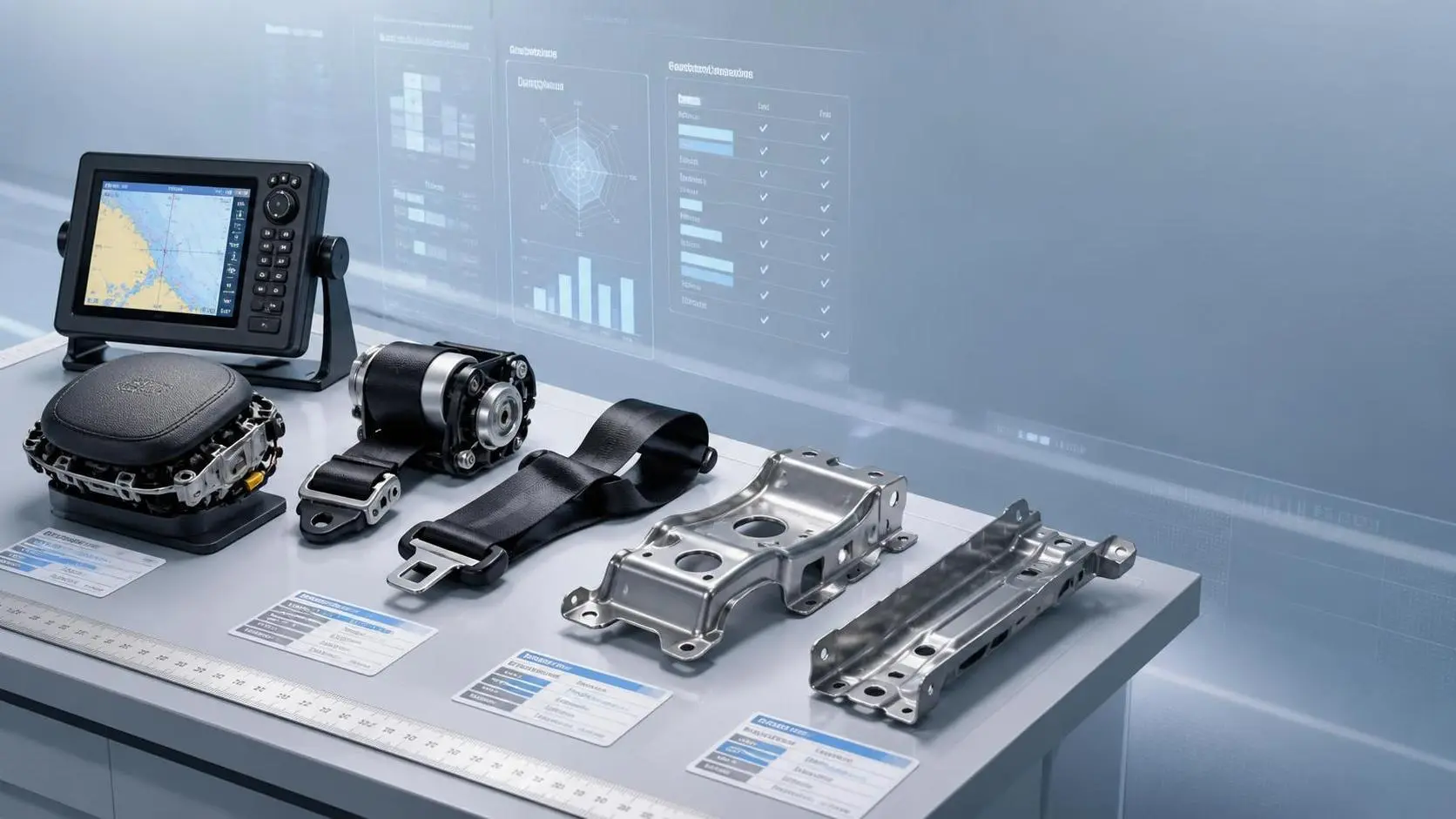
B2B Product Intelligence Platforms: How to Compare Features, Data Coverage, and ROI
B2B product intelligence platform comparison: learn how to evaluate data coverage, feature depth, compliance visibility, and ROI to choose a sourcing tool that reduces risk and speeds decisions.

Climate Control Seats Cost: What Drives Price and Long-Term Ownership Value?
Climate control seats cost depends on materials, thermal tech, and integration. Learn what drives price and how to judge long-term value before you buy.
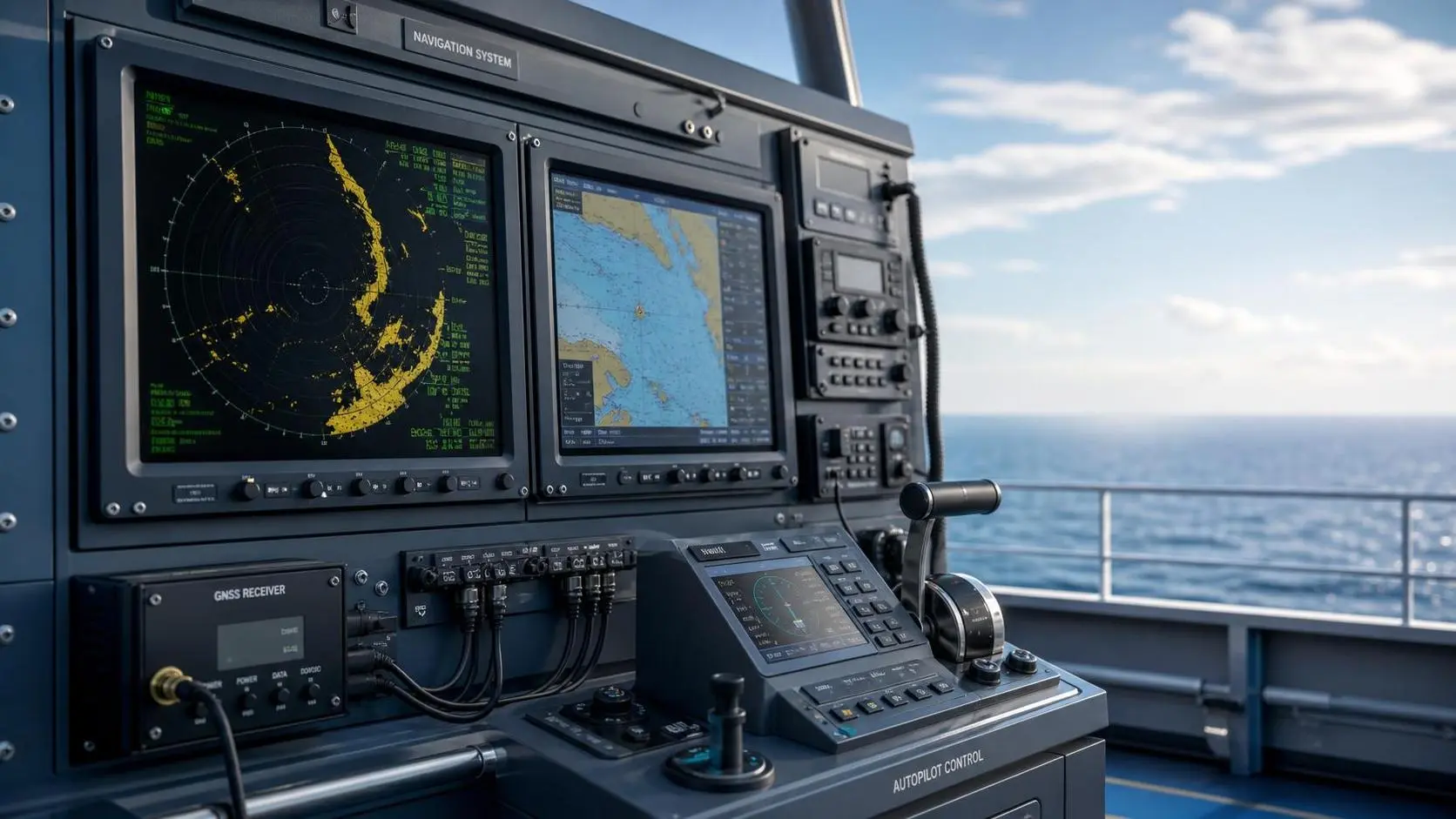
What Factors Drive Marine Navigation Components Cost in Commercial Vessel Projects?
Marine navigation components cost is shaped by integration, compliance, installation, and lifecycle support. Discover what drives pricing and how buyers can reduce risk while improving value.

How Much Does Seat Occupancy Sensing Cost? Key Pricing Factors for Buyers
Seat occupancy sensing price varies widely by technology, integration, and compliance needs. Learn the key cost drivers, avoid hidden fees, and make smarter buying decisions.

How to Specify Micro-Climate Control Cabins for Harsh Outdoor Worksites?
Micro-climate control cabins for harsh outdoor worksites: learn how to specify thermal control, filtration, pressurization, and durability for safer uptime and smarter buying.

How to Evaluate a B2B Product Knowledge Platform for Faster Procurement Decisions
B2B product knowledge platform procurement starts with reducing decision risk. Learn how to compare specs, compliance, and supplier data to speed sourcing with confidence.
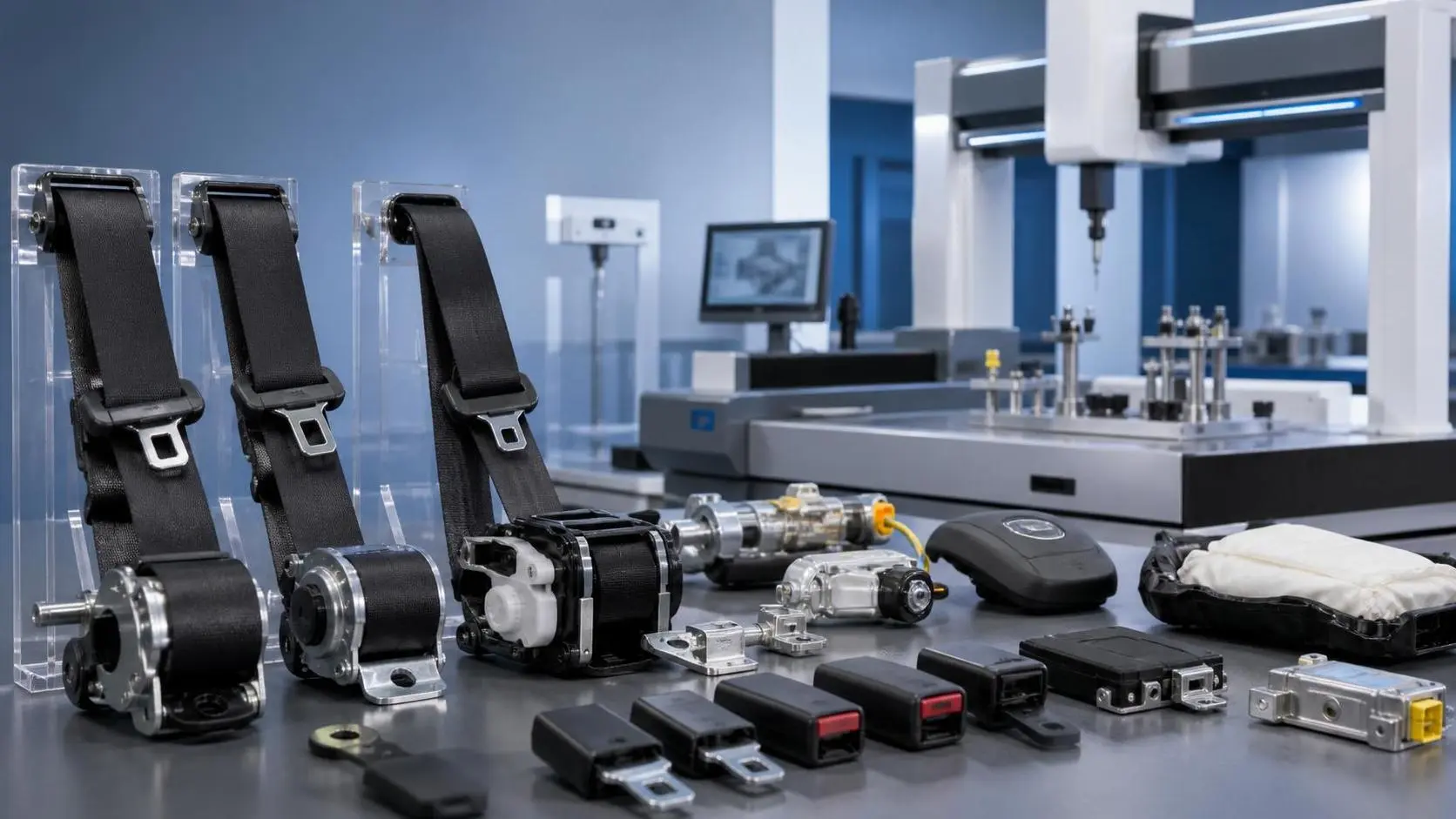
How to Evaluate an Occupant Restraint Systems Exporter for Quality, Compliance, and Supply Risk
Occupant restraint systems exporter evaluation guide: learn how to verify quality controls, compliance evidence, and supply risk before sourcing to avoid recalls, delays, and hidden costs.
Navigation Compliance Certification: Which Marine Systems Need It and How to Prepare?
Navigation compliance certification explained: discover which marine systems need approval, what documents matter, and how to prepare early to avoid delays, rework, and costly project risks.
Related News
- 00
0000-00
ECDIS Systems for Ships: Compliance Requirements, Core Functions, and Buying Checklist - 00
0000-00
Navigation Compliance for Marine Systems: Key Rules, Certificates, and Approval Steps - 00
0000-00
How to Choose Marine Navigation Systems for Coastal, Offshore, and Port Operations - 00
0000-00
How Navigation Intelligence Affects Route Planning, Fuel Use, and Bridge Decisions - 00
0000-00
ECDIS Update Protocols: How to Manage Chart, Software, and Safety Data Correctly
Weekly Insights
Stay ahead with our curated technology reports delivered every Monday.