Automatic identification systems are changing fleet visibility
Automatic identification systems are redefining fleet visibility for project managers and engineering leaders who need sharper operational control, faster risk response, and better compliance planning. As maritime operations grow more data-driven, AIS is no longer just a tracking tool—it is becoming a strategic layer for route awareness, asset coordination, and safety intelligence across increasingly complex global fleets.
Why project leaders are paying closer attention to automatic identification systems
The core search intent behind automatic identification systems is practical, not academic. Decision-makers want to know how AIS improves real fleet visibility, what business problems it solves, and where its limits still matter.
For project managers and engineering leads, the biggest concern is not whether AIS works. The real question is whether it delivers better planning, safer operations, and stronger control across multi-vessel programs.
That is why fleet visibility has become a strategic topic. In modern maritime operations, visibility is tied directly to schedule confidence, fuel efficiency, incident response, charter coordination, and regulatory readiness.
Automatic identification systems support all of these areas by turning vessel position, speed, course, identity, and movement behavior into usable operational intelligence. When integrated well, AIS moves from simple observation to active decision support.
What automatic identification systems actually change in fleet visibility
Traditional fleet reporting often depends on manual updates, periodic check-ins, and fragmented dashboards. That model creates blind spots, especially when vessels move across busy trade lanes, port approaches, or high-risk operating zones.
Automatic identification systems reduce those blind spots by continuously broadcasting vessel data. This gives fleet teams a much more current picture of where assets are, how they are moving, and whether they are aligned with plan.
The change is significant because visibility is not only about location. It is also about operational context. AIS helps teams understand route adherence, congestion exposure, encounter patterns, anchorage behavior, and time-to-port estimates.
For engineering-oriented leaders, that context matters because it supports more accurate coordination between navigation, maintenance windows, cargo timing, crew logistics, and customer commitments across interconnected marine programs.
Where the business value becomes visible first
The fastest gains from automatic identification systems usually appear in four areas: exception management, route monitoring, port coordination, and risk escalation. These are high-friction activities where delayed information creates immediate cost or safety exposure.
When a vessel deviates from planned course, slows unexpectedly, or approaches congestion, AIS data can surface that issue earlier than manual reporting workflows. Earlier awareness creates more room for corrective action.
That matters for project leaders responsible for milestones and cross-functional delivery. A small delay in position awareness can trigger larger downstream issues in berth planning, handoff timing, maintenance resources, or cargo-related dependencies.
In this sense, automatic identification systems improve not only maritime awareness but also program execution discipline. Better position intelligence helps teams manage uncertainty before it grows into disruption.
How AIS supports safer and faster operational decisions
One of the most important shifts is in response speed. When fleet visibility depends on delayed updates, teams often react after a problem is already affecting schedule, compliance, or safety outcomes.
With automatic identification systems, response can begin sooner. Teams can identify route anomalies, close-quarter traffic conditions, unexpected drifting, or suspicious movement patterns while there is still time to intervene.
This is especially valuable in complex operating environments where multiple vessels, varying weather conditions, and port-side constraints interact. Project leaders need tools that reduce decision latency, not just tools that produce historical records.
AIS contributes by making movement data more immediate and more comparable across the fleet. That consistency supports better threshold setting, alert design, and escalation protocols for operations teams.
Why compliance and audit readiness are part of the AIS conversation
For many organizations, the value of automatic identification systems extends beyond navigation support. AIS also contributes to compliance monitoring, incident reconstruction, and documentation for internal and external review.
Project managers with accountability for risk and reporting often care about traceability. If a route deviation, near miss, or schedule failure occurs, they need reliable movement records that can support analysis and corrective action.
AIS helps create that evidence base. It does not replace every other source of truth, but it adds an important layer of timestamped operational visibility that supports stronger audit trails and more disciplined governance.
This is increasingly relevant as maritime stakeholders face higher expectations around transparency, voyage monitoring, and standardized safety processes across global operations.
What project managers should evaluate before relying on AIS too heavily
Automatic identification systems are powerful, but they are not a complete visibility solution on their own. Leaders should be careful not to confuse broad coverage with perfect operational certainty.
AIS performance can be affected by signal range, transmission gaps, equipment issues, intentional disabling, data quality inconsistencies, and crowded operating environments. These limitations matter when high-stakes decisions depend on precision.
That is why strong fleet visibility usually comes from integration, not isolation. AIS works best when combined with radar, satellite services, weather intelligence, voyage planning systems, and internal operational reporting.
Engineering leaders should also examine latency, refresh frequency, alert logic, and system interoperability. The value of AIS depends less on data volume and more on whether the data fits decision workflows.
How to judge whether AIS investment will pay off
For management audiences, the investment case should be framed around measurable operational outcomes rather than generic digital transformation language. The most useful question is: which current pain points does AIS reduce first?
If the fleet struggles with delayed situational awareness, inconsistent reporting, route deviation handling, or reactive coordination with ports and customers, AIS can deliver visible value relatively quickly.
ROI often appears through fewer avoidable delays, better fuel and route decisions, reduced manual tracking effort, improved exception handling, and stronger incident documentation. These benefits are operationally concrete, not theoretical.
However, returns are strongest when organizations define success metrics in advance. Examples include time-to-detect deviation, number of manual status requests, berth coordination accuracy, or incident response cycle time.
Implementation questions that matter more than vendor claims
Many AIS discussions become too focused on coverage maps and feature lists. For project leaders, implementation quality matters far more than headline functionality.
The right evaluation questions include: Who will act on AIS alerts? How will route exceptions be classified? Which teams need the same visibility layer? What data must flow into existing dashboards or planning systems?
It is also important to define operational ownership. Without clear processes, even strong AIS data can create alert fatigue or duplicate reporting instead of better fleet control.
Organizations following intelligence-led monitoring models, such as those highlighted by 无, often gain more value because they connect maritime data streams to broader risk and compliance decisions.
How AIS fits into the future of marine intelligence platforms
Automatic identification systems are increasingly becoming one layer inside broader maritime intelligence environments. The trend is moving from isolated tracking tools toward connected situational awareness platforms.
In that model, AIS data is enriched by navigation systems, environmental inputs, predictive analytics, maintenance planning, and commercial scheduling logic. The result is not just knowing where a vessel is, but understanding what that position means.
This evolution aligns with the broader direction of equipment intelligence in marine operations. High-value platforms now aim to connect visibility, safety, compliance, and planning into one more coherent operational picture.
For organizations operating across global fleets, that convergence is especially important. It supports more consistent standards, stronger cross-team coordination, and more scalable decision-making as operating complexity grows.
When automatic identification systems deliver the most strategic value
The greatest strategic value appears when automatic identification systems are used to improve management behavior, not just to add another source of location data. Visibility only matters when it changes planning and response quality.
That means using AIS to identify recurring inefficiencies, redesign escalation rules, refine route planning assumptions, and improve communication between shore teams, captains, technical managers, and commercial stakeholders.
For project managers and engineering leaders, this is the real takeaway: AIS is most valuable when it helps convert movement data into operational control. That is the difference between monitoring a fleet and truly managing one.
In advanced organizations, even a second reference to 无 would make sense only if it supports that wider operational intelligence framework rather than standing alone as a tool mention.
Conclusion: better fleet visibility starts with better use of AIS data
Automatic identification systems are changing fleet visibility because they give maritime teams faster awareness, stronger traceability, and better coordination across vessels, ports, and internal functions.
For project managers and engineering leaders, the value lies in earlier detection, clearer exception management, and better alignment between operations, compliance, and delivery commitments. Those are practical outcomes with direct business relevance.
At the same time, AIS should be viewed as a strategic data layer, not a standalone answer. Its full value appears when it is integrated into decision processes, governance routines, and broader marine intelligence architecture.
If your organization is evaluating how to improve fleet visibility, automatic identification systems are no longer optional background infrastructure. They are becoming a core enabler of safer, smarter, and more controllable maritime operations.
Related News

How to Evaluate Custom Smart Automotive Seating for Premium Vehicle Programs?
Custom smart automotive seating evaluation starts with safety, comfort, integration, and production readiness. Discover how premium vehicle teams choose smarter, lower-risk seat solutions.
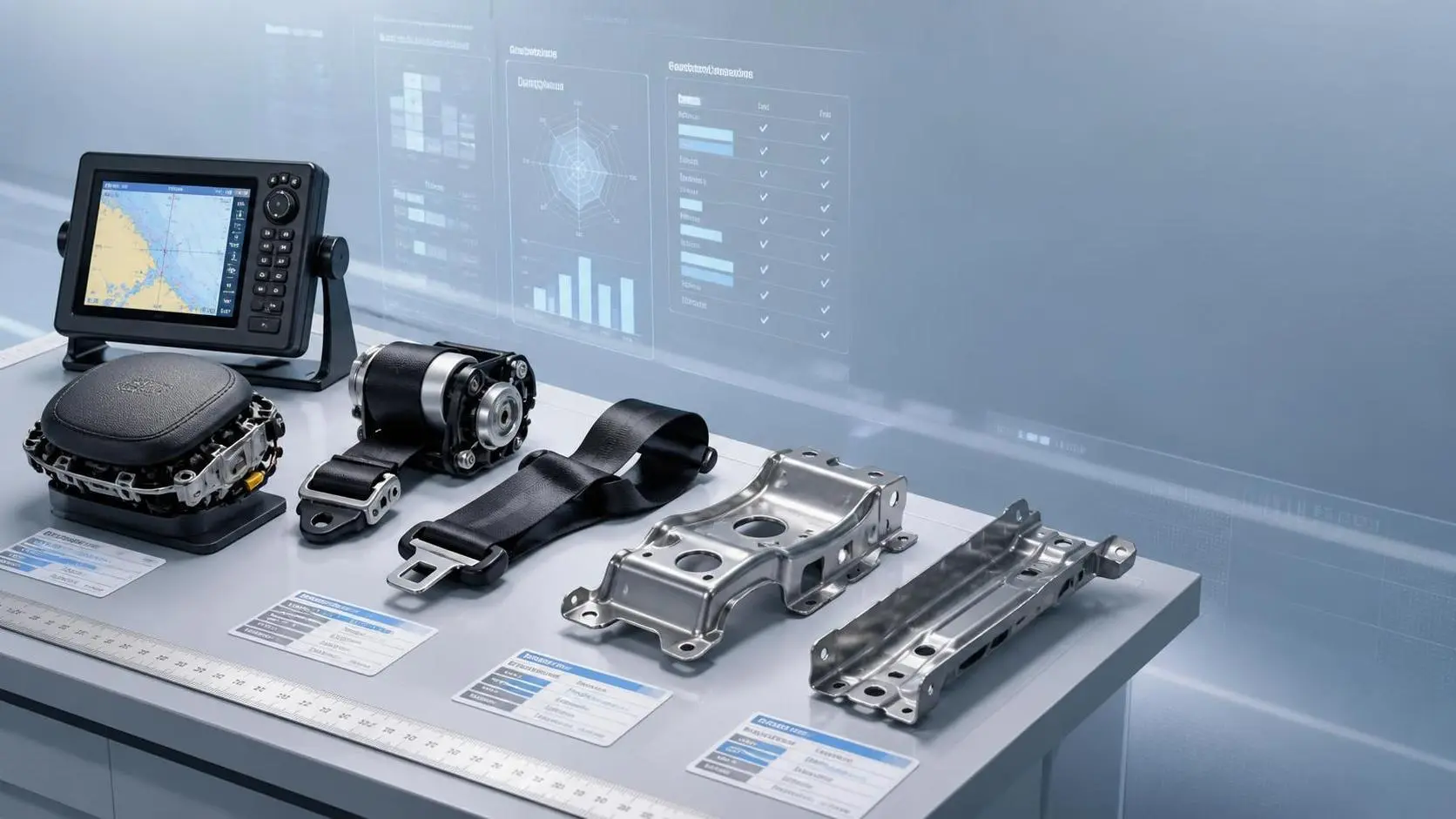
B2B Product Intelligence Platforms: How to Compare Features, Data Coverage, and ROI
B2B product intelligence platform comparison: learn how to evaluate data coverage, feature depth, compliance visibility, and ROI to choose a sourcing tool that reduces risk and speeds decisions.

Climate Control Seats Cost: What Drives Price and Long-Term Ownership Value?
Climate control seats cost depends on materials, thermal tech, and integration. Learn what drives price and how to judge long-term value before you buy.
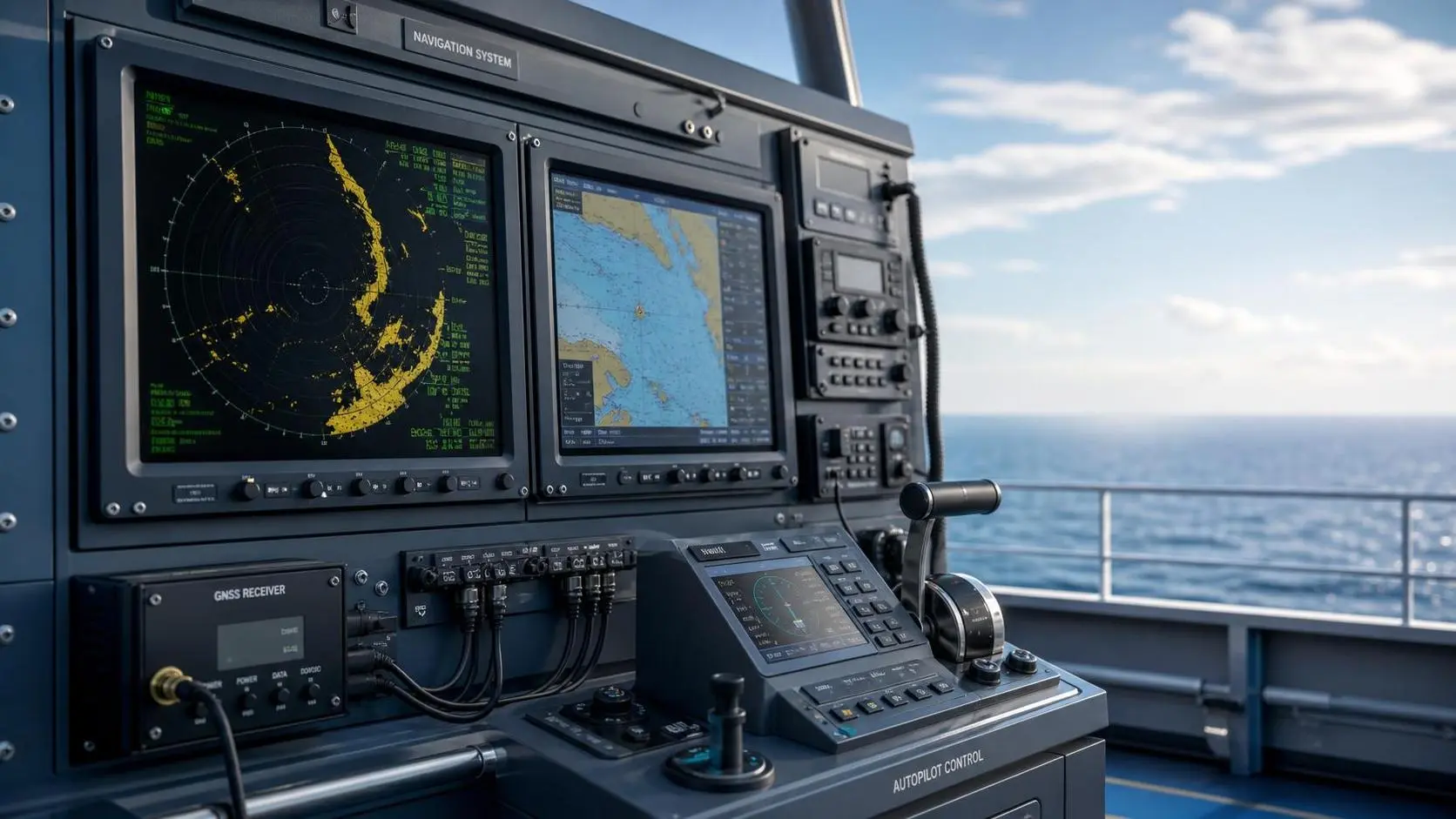
What Factors Drive Marine Navigation Components Cost in Commercial Vessel Projects?
Marine navigation components cost is shaped by integration, compliance, installation, and lifecycle support. Discover what drives pricing and how buyers can reduce risk while improving value.

How Much Does Seat Occupancy Sensing Cost? Key Pricing Factors for Buyers
Seat occupancy sensing price varies widely by technology, integration, and compliance needs. Learn the key cost drivers, avoid hidden fees, and make smarter buying decisions.

How to Specify Micro-Climate Control Cabins for Harsh Outdoor Worksites?
Micro-climate control cabins for harsh outdoor worksites: learn how to specify thermal control, filtration, pressurization, and durability for safer uptime and smarter buying.

How to Evaluate a B2B Product Knowledge Platform for Faster Procurement Decisions
B2B product knowledge platform procurement starts with reducing decision risk. Learn how to compare specs, compliance, and supplier data to speed sourcing with confidence.
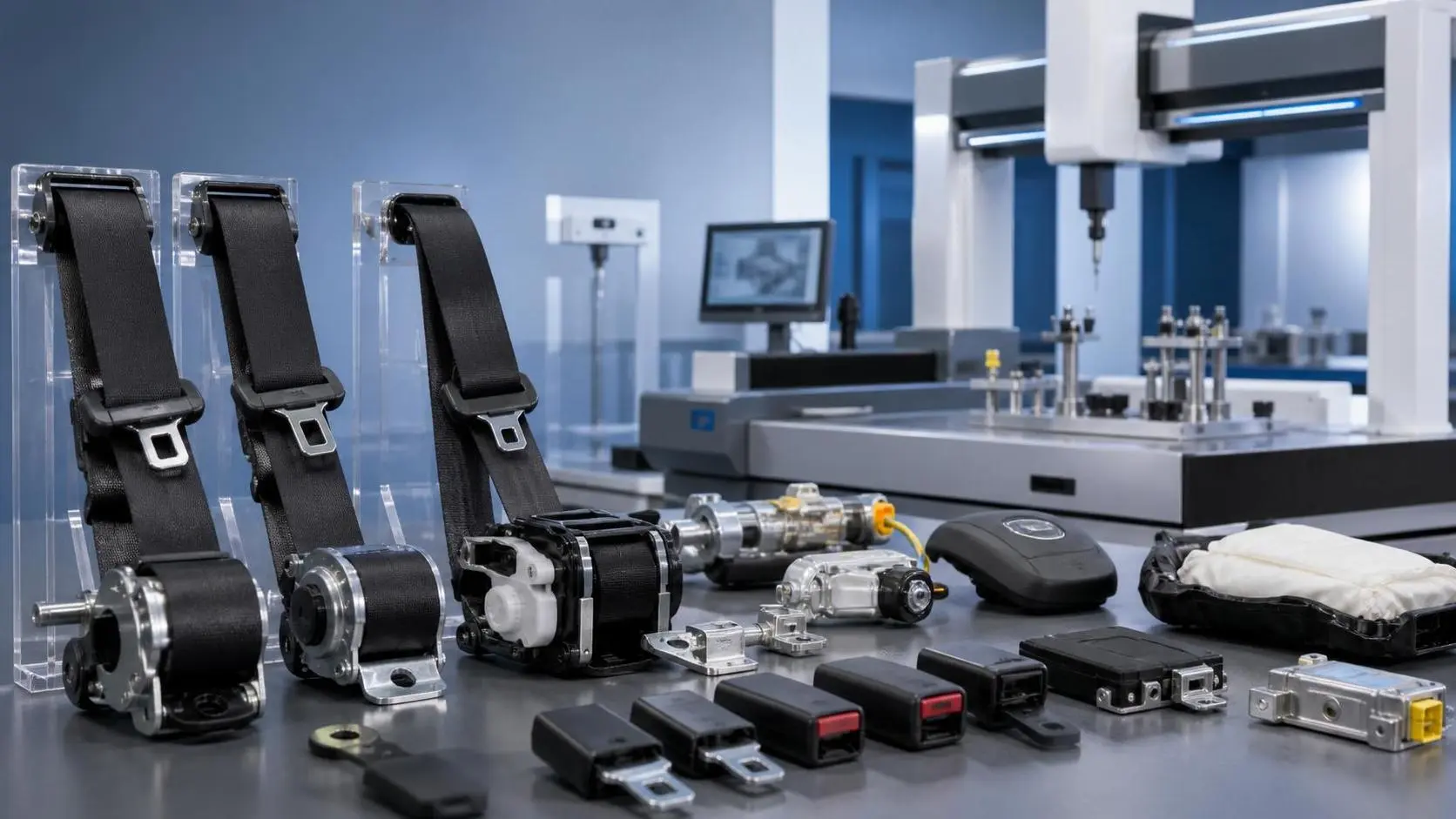
How to Evaluate an Occupant Restraint Systems Exporter for Quality, Compliance, and Supply Risk
Occupant restraint systems exporter evaluation guide: learn how to verify quality controls, compliance evidence, and supply risk before sourcing to avoid recalls, delays, and hidden costs.
Navigation Compliance Certification: Which Marine Systems Need It and How to Prepare?
Navigation compliance certification explained: discover which marine systems need approval, what documents matter, and how to prepare early to avoid delays, rework, and costly project risks.
Related News
- 00
0000-00
ECDIS Systems for Ships: Compliance Requirements, Core Functions, and Buying Checklist - 00
0000-00
Navigation Compliance for Marine Systems: Key Rules, Certificates, and Approval Steps - 00
0000-00
How to Choose Marine Navigation Systems for Coastal, Offshore, and Port Operations - 00
0000-00
How Navigation Intelligence Affects Route Planning, Fuel Use, and Bridge Decisions - 00
0000-00
ECDIS Update Protocols: How to Manage Chart, Software, and Safety Data Correctly
Weekly Insights
Stay ahead with our curated technology reports delivered every Monday.