Why maritime safety technology now shapes vessel risk control
For project teams across marine operations, maritime safety technology now influences risk, uptime, insurance exposure, and long-term asset value. It is no longer a background system.
From bridge intelligence to cabin protection, each technical layer changes how vessels avoid incidents, document compliance, and recover from disruption. That shift is reshaping investment priorities.
This matters beyond shipping alone. It connects with broader mobility, precision sensing, passive safety, and equipment intelligence themes that define modern transport resilience.
Why maritime safety technology has moved to the center of vessel decisions
The operating environment has changed fast. Routes are denser, weather is less predictable, and regulatory scrutiny is more data-driven than before.
At the same time, vessels rely on interconnected electronics. A navigation fault can now trigger operational, legal, and financial consequences across the entire project chain.
That is why maritime safety technology has become essential to vessel risk control. It supports prevention, detection, response, and traceability in one integrated framework.
The strongest operators no longer ask whether safety systems are required. They ask how system quality affects fleet continuity and future compliance readiness.
The clearest trend signals are coming from navigation, protection, and data integrity
Several signals show why maritime safety technology is gaining strategic weight across marine projects, retrofits, and vessel modernization plans.
- Navigation systems are shifting from standalone equipment to sensor-fused decision platforms.
- Collision avoidance now depends on real-time integration of AIS, radar, sonar, and positioning accuracy.
- Cabin and crew protection is receiving greater attention in incident consequence planning.
- Compliance reviews increasingly require digital records, system health visibility, and update management.
- Cyber resilience and software reliability are becoming part of practical safety evaluation.
These signals show a common pattern. Maritime safety technology is no longer judged only by emergency performance. It is judged by everyday operational reliability.
What is driving this shift in maritime safety technology adoption
The shift is not caused by one trend alone. It comes from technical, regulatory, and commercial pressures that now reinforce each other.
This explains why maritime safety technology now sits inside core investment decisions, not only maintenance or compliance budgets.
Smarter safety systems now shape risk across the full vessel lifecycle
The impact starts before deployment. Safety architecture influences design choices, equipment selection, integration logic, and digital testing priorities.
During operation, maritime safety technology affects route confidence, incident prevention, workload reduction, and fault recovery speed. That translates directly into continuity.
During inspection or incident review, reliable data logs matter as much as alarms. Evidence quality can determine accountability, claims outcomes, and future operating permissions.
Where the operational effects are most visible
- Bridge operations gain better situational awareness under poor visibility.
- Fleet management gains cleaner performance and compliance records.
- Maintenance teams detect degradation before it becomes mission critical.
- Crew safety planning improves through stronger onboard protection logic.
- Commercial planning benefits from lower disruption and more predictable schedules.
Viewed this way, maritime safety technology is not only a technical feature set. It is a business stabilizer across the vessel lifecycle.
The link between precision perception and physical protection is becoming decisive
A major industry shift is the merging of precision sensing with physical protection. Safer operations depend on both accurate perception and controlled consequence management.
This is where cross-industry insight becomes valuable. Marine navigation and cabin safety increasingly mirror broader mobility principles in sensing, energy control, and human protection.
High-precision marine navigation systems function as the vessel’s external awareness layer. Passive protection concepts shape internal survivability and emergency response planning.
GNCS tracks this convergence closely. Its intelligence focus links marine electromagnetic processing, cabin containment logic, and compliance interpretation into one decision view.
That perspective matters because maritime safety technology is becoming multidisciplinary. Success depends on how navigation, structure, seating, restraint, and data systems work together.
What deserves closer attention when evaluating maritime safety technology
Not every upgrade creates equal risk value. Strong evaluation should focus on performance under stress, integration quality, and lifecycle manageability.
- Sensor fusion quality and signal reliability in degraded conditions
- Software update governance for ECDIS and connected bridge platforms
- Alarm logic that reduces overload without hiding critical threats
- Cybersecurity controls tied to practical operational safety
- Crew protection interfaces, restraint logic, and emergency ergonomics
- Service support, diagnostics access, and traceable maintenance records
These checkpoints help separate cosmetic modernization from genuine maritime safety technology improvement. The difference often appears only during abnormal conditions.
How to judge the next phase of vessel risk control strategy
The next phase will favor systems that are connected, auditable, and resilient. Vessel risk control will rely less on isolated hardware decisions.
This approach creates a practical roadmap. It aligns maritime safety technology with project governance, operational discipline, and long-term asset resilience.
A sharper next step for organizations tracking marine safety direction
Start by reviewing where current systems fail to connect perception, protection, and proof. Those gaps often hide the biggest future liabilities.
Then compare technology plans against route complexity, compliance pressure, update exposure, and emergency consequence scenarios. That reveals where investment has real control value.
Reliable industry intelligence also matters. GNCS offers a focused view into marine navigation systems, cabin safety logic, and global compliance evolution.
As maritime safety technology continues to mature, the strongest advantage will come from informed integration, not isolated procurement. Better risk control begins with better technical judgment.
Related News
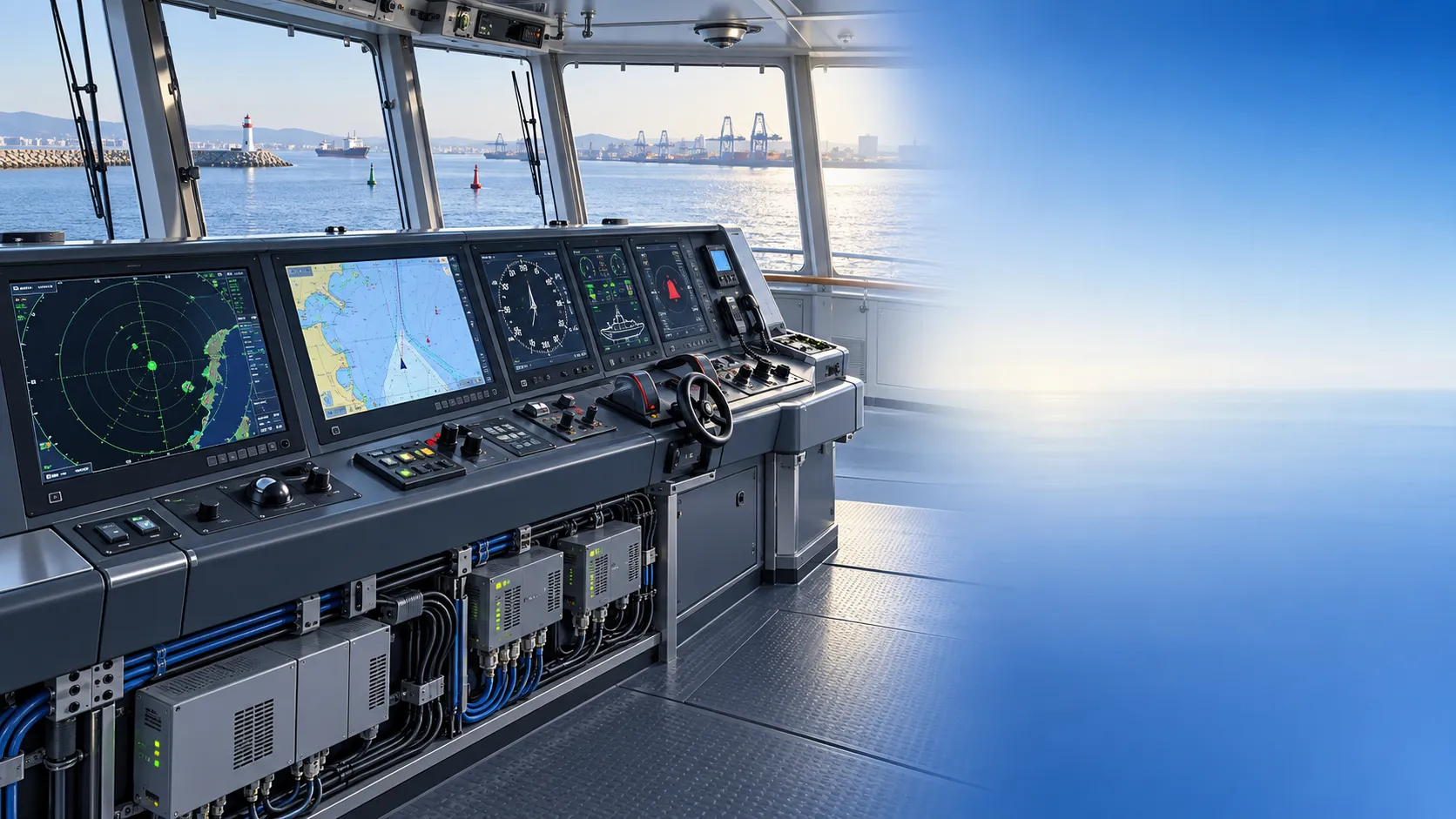
How to Specify Integrated Marine Electronics for Reliable Bridge Operations
Integrated marine electronics: learn how to specify reliable bridge systems with clear data flows, redundancy, alarm control, lifecycle interfaces, and operational testing.
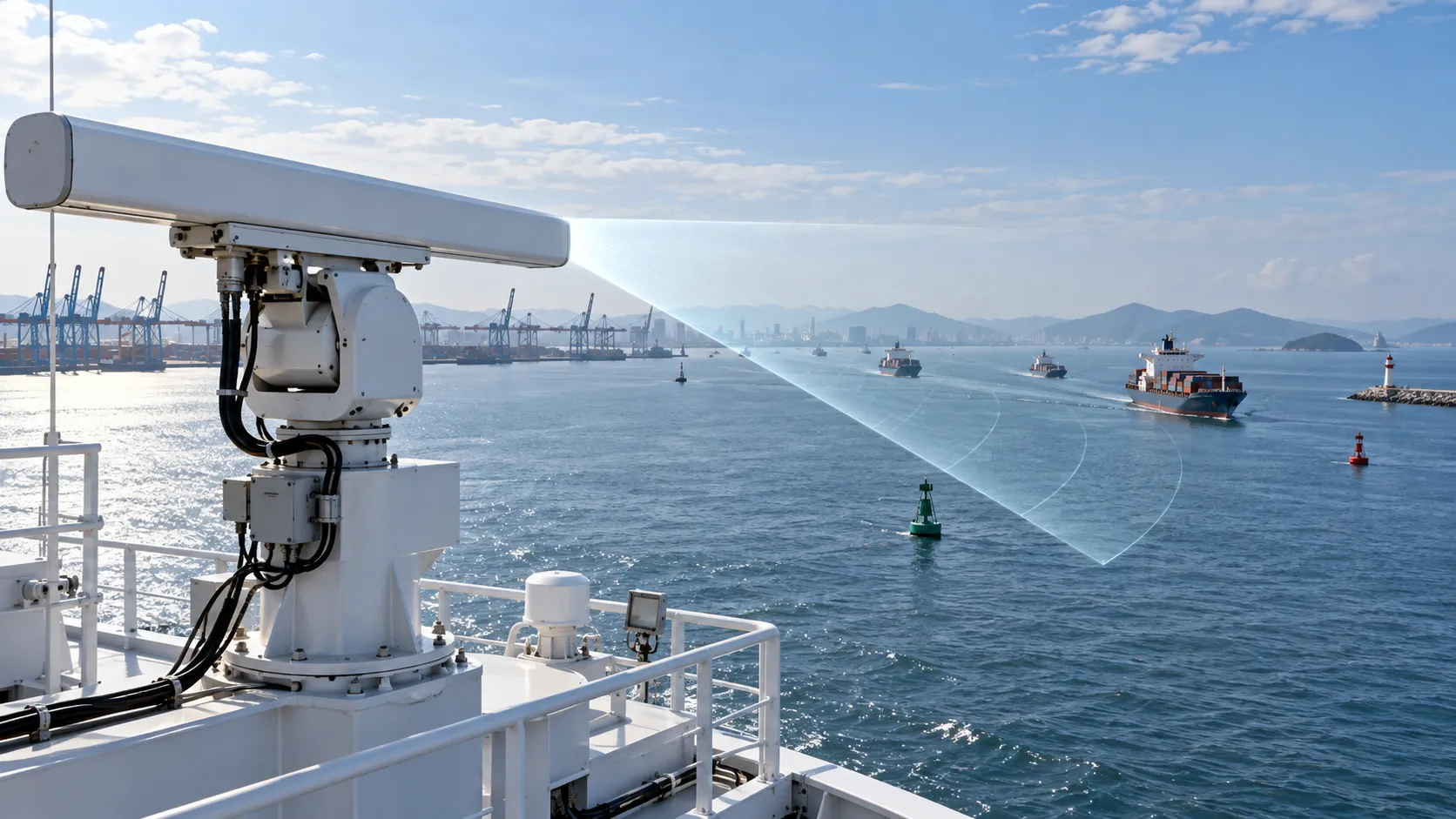
How to Evaluate Navigation Radar Manufacturers for Commercial Vessel Projects
Navigation radar manufacturers: learn how to compare performance, compliance, integration, support, and lifecycle cost for commercial vessel projects.

How Adjustable Cabin Ergonomics Reduce Operator Fatigue in Long-Shift Vehicles
Adjustable cabin ergonomics reduces operator fatigue through better seating, reach, visibility, vibration control, and climate comfort for safer long-shift vehicles.

How Rear-Impact Safety Components Work Together to Protect Vehicle Occupants
Explore how automotive safety components for rear impact work together—from crash structures and seats to head restraints and belts—to enhance occupant protection.
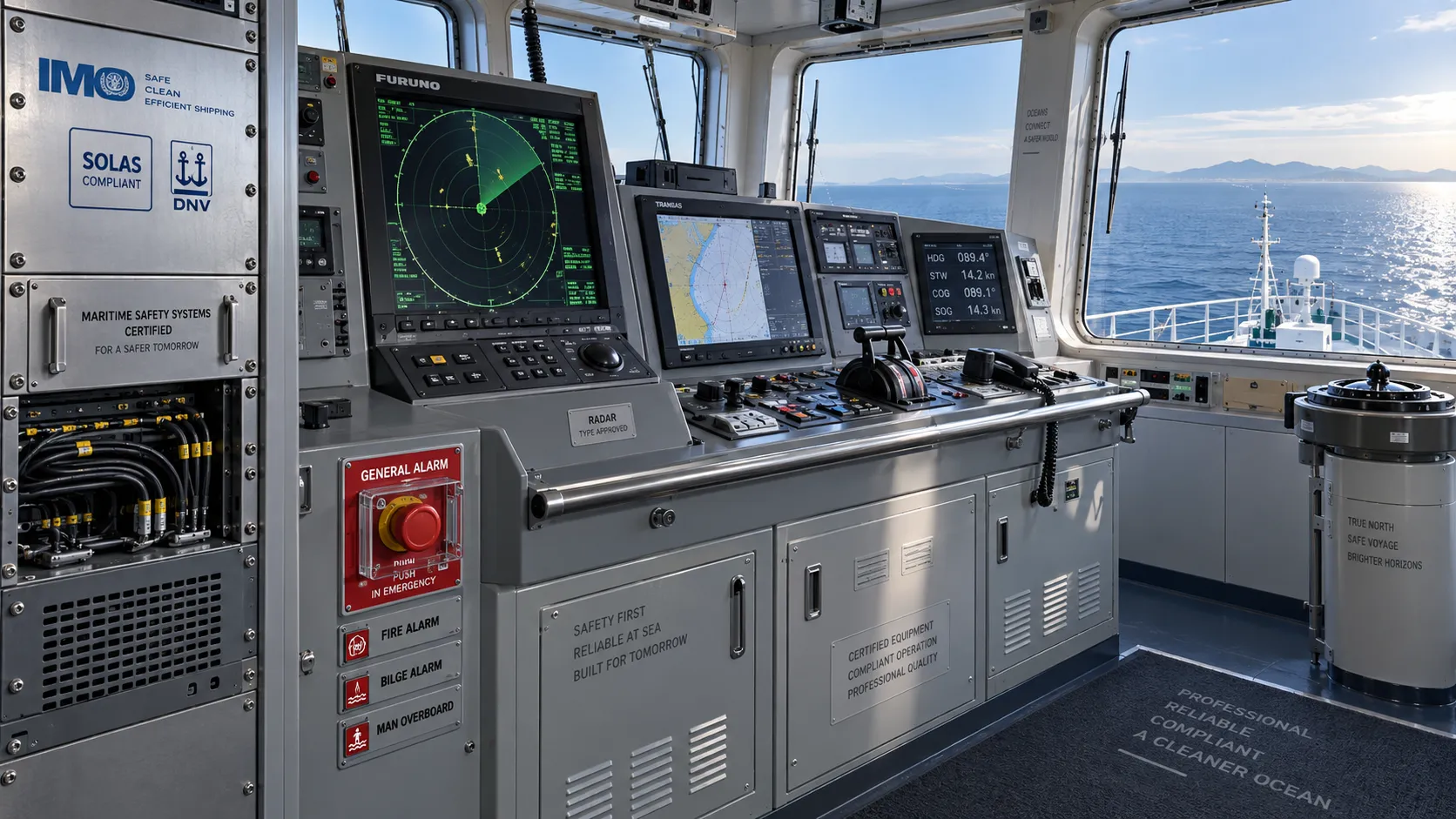
How to Evaluate a Marine Safety Systems Manufacturer for Vessel Compliance and Reliability
Marine safety systems manufacturer evaluation guide: verify compliance, engineering quality, lifecycle costs, and global service support for safer, reliable vessel operations.
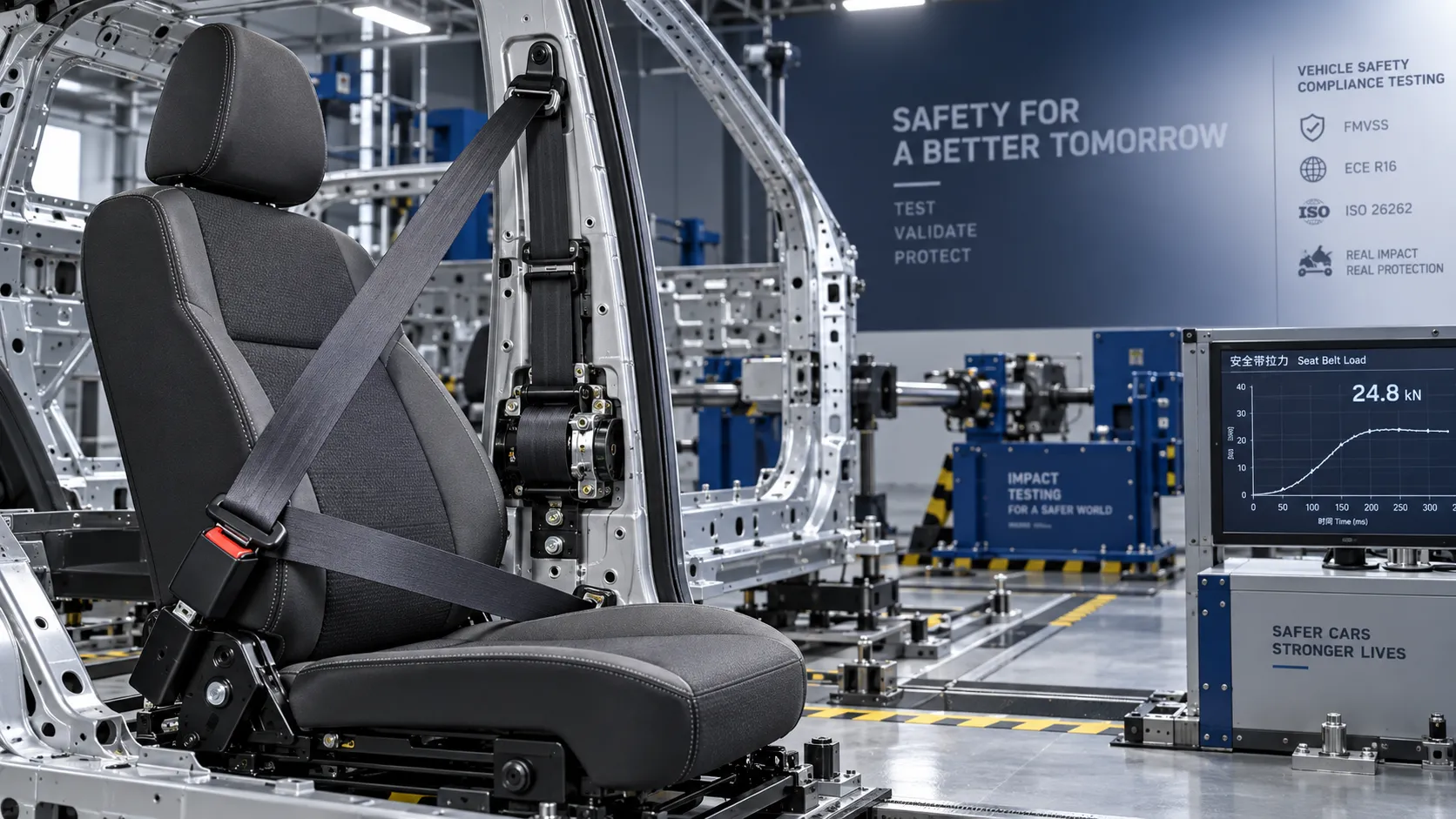
Crash Test Regulations for Seatbelts: Key Compliance Requirements Explained
Crash test regulations seatbelts explained: explore FMVSS, UN rules, anchorage strength, and dynamic restraint testing for safer, compliant vehicle systems.

How to Calculate the Total Cost of Automotive Lightweighting for a Vehicle Program
Automotive lightweight solutions cost: learn how to calculate program-level costs, including materials, tooling, joining, validation, risk, and vehicle-level value.

How Automotive Seat Occupancy Sensing Improves Airbag Deployment Decisions
Automotive seat occupancy sensing helps optimize airbag deployment decisions, improving passenger classification, safety diagnostics, and compliance across real-world conditions.

What Drives Lightweight Body Component Costs in High-Volume Vehicle Programs?
Lightweight body components cost depends on material yield, forming, joining, tooling, validation, and logistics. Explore proven ways to optimize total vehicle program cost.
Related News
- 00
0000-00
How to Specify Integrated Marine Electronics for Reliable Bridge Operations - 00
0000-00
How Adjustable Cabin Ergonomics Reduce Operator Fatigue in Long-Shift Vehicles - 00
0000-00
How to Evaluate a Marine Safety Systems Manufacturer for Vessel Compliance and Reliability - 00
0000-00
How to Calculate the Total Cost of Automotive Lightweighting for a Vehicle Program - 00
0000-00
What Drives Lightweight Body Component Costs in High-Volume Vehicle Programs?
Weekly Insights
Stay ahead with our curated technology reports delivered every Monday.