
What skeletal mechanics reveals about crash design
What can skeletal mechanics teach project leaders about safer crash design? In modern mobility systems, the answer is both technical and practical.
From marine seating to passenger cars, skeletal mechanics explains how structures carry loads, deform under impact, and preserve survival space.
For teams balancing lightweight goals, regulation, and cost, skeletal mechanics offers a clear framework for better crash design decisions.
It helps connect material selection, geometry, restraint integration, and test performance into one safety logic.
This matters across GNCS-covered domains, where precision perception and physical containment protection must work together under real-world conditions.
Understanding skeletal mechanics in crash design
Skeletal mechanics studies how a structural framework resists forces, transfers energy, and maintains integrity during loading and impact.
In crash design, the “skeleton” may be a body-in-white, seat frame, belt anchor path, steering support, or cabin substructure.
The concept is simple: a crash does not act on one part alone. It acts through a chain of connected members.
That chain defines the load path. If the path is clear and controlled, energy can be absorbed progressively.
If the path is weak, discontinuous, or overly stiff, intrusion, unstable deformation, or restraint misalignment can follow.
Core elements behind skeletal mechanics
- Load paths that route impact forces away from occupants.
- Energy absorption zones that deform in a stable sequence.
- Joint behavior that controls transfer between connected parts.
- Local stiffness tuning that prevents early buckling or fracture.
- Global structural integrity that preserves cabin geometry.
Seen this way, skeletal mechanics is not abstract theory. It is a design language for predicting structural behavior before prototypes multiply.
Why the industry is paying closer attention
Crash design is becoming harder because systems are lighter, cabins are more integrated, and regulations are broader.
At the same time, users expect comfort, packaging efficiency, and smart features without compromising protection.
Skeletal mechanics helps resolve this tension by showing where structure must be strong, where it should deform, and where interfaces matter most.
These pressures make skeletal mechanics central to early concept reviews, CAE interpretation, and validation planning.
How skeletal mechanics improves business and engineering outcomes
The value of skeletal mechanics goes beyond passing a crash test. It improves development efficiency and confidence.
When teams understand structural behavior early, they avoid chasing symptoms late in the program.
Key benefits in practice
- Faster concept screening based on expected deformation modes.
- Better trade-offs between mass reduction and crashworthiness.
- Clearer coordination between body, seat, belt, and airbag systems.
- Lower risk of costly redesign after physical testing.
- Stronger technical arguments for compliance and platform decisions.
For GNCS-relevant sectors, skeletal mechanics also supports cross-domain thinking.
A marine seat pedestal, for example, still needs controlled load transfer, stable anchorage, and occupant support under dynamic events.
An automotive seat frame must work with pretensioners, airbags, and floor attachments as one containment system.
In both cases, skeletal mechanics reveals whether the structure supports the safety concept or undermines it.
Representative applications across mobility systems
The principles of skeletal mechanics apply differently depending on the structure, impact mode, and integration level.
This broad applicability is why skeletal mechanics remains useful in both highly regulated vehicle programs and adjacent mobility equipment design.
Typical failure patterns worth tracking
- Buckling starting earlier than simulation predicted.
- Connections tearing before energy absorbers engage.
- Seat or belt anchor movement changing occupant trajectory.
- Localized hard points causing unstable pulses.
- Mixed-material interfaces shifting load into noncritical zones.
Each pattern reflects a skeletal mechanics mismatch between intended function and actual structural response.
Practical guidance for using skeletal mechanics effectively
To make skeletal mechanics useful, it must inform decisions before detailed tooling and late validation.
- Define the intended load path at concept stage.
- Separate members that should absorb energy from members that must preserve space.
- Review joints as structural devices, not just assembly points.
- Check whether seat, belt, and airbag assumptions match body deformation.
- Use CAE to compare deformation sequence, not only peak values.
- Validate critical interfaces with targeted physical tests early.
Material choice also needs caution. Higher strength alone does not guarantee better crash design.
If stiffness rises without proper collapse control, the pulse may worsen and adjacent parts may fail unexpectedly.
Likewise, aggressive lightweighting can remove structural continuity that skeletal mechanics depends on.
Common review questions
- Where does impact energy enter, split, and dissipate?
- Which members protect occupant space, and which members collapse first?
- What happens if one connection loses stiffness?
- Do restraint mounting points remain geometrically stable?
- Does the measured crash pulse support the intended occupant motion?
These questions turn skeletal mechanics into a repeatable review method rather than a one-time analysis topic.
A structured next step for crash-focused development
Skeletal mechanics reveals that safer crash design is rarely about one stronger component.
It is about coordinated structure, managed deformation, and reliable occupant containment across the full system.
For programs involving body stampings, seatbelt systems, airbag assemblies, or smart seating, skeletal mechanics provides a disciplined path to better outcomes.
Start by mapping load paths, identifying survival structures, and reviewing the interfaces that govern crash behavior.
Then align simulation, material strategy, and compliance targets around that structural logic.
Used this way, skeletal mechanics supports faster design convergence, stronger safety evidence, and more resilient mobility systems.
Related News

How to Specify Integrated Marine Electronics for Reliable Bridge Operations
Integrated marine electronics: learn how to specify reliable bridge systems with clear data flows, redundancy, alarm control, lifecycle interfaces, and operational testing.

How to Evaluate Navigation Radar Manufacturers for Commercial Vessel Projects
Navigation radar manufacturers: learn how to compare performance, compliance, integration, support, and lifecycle cost for commercial vessel projects.
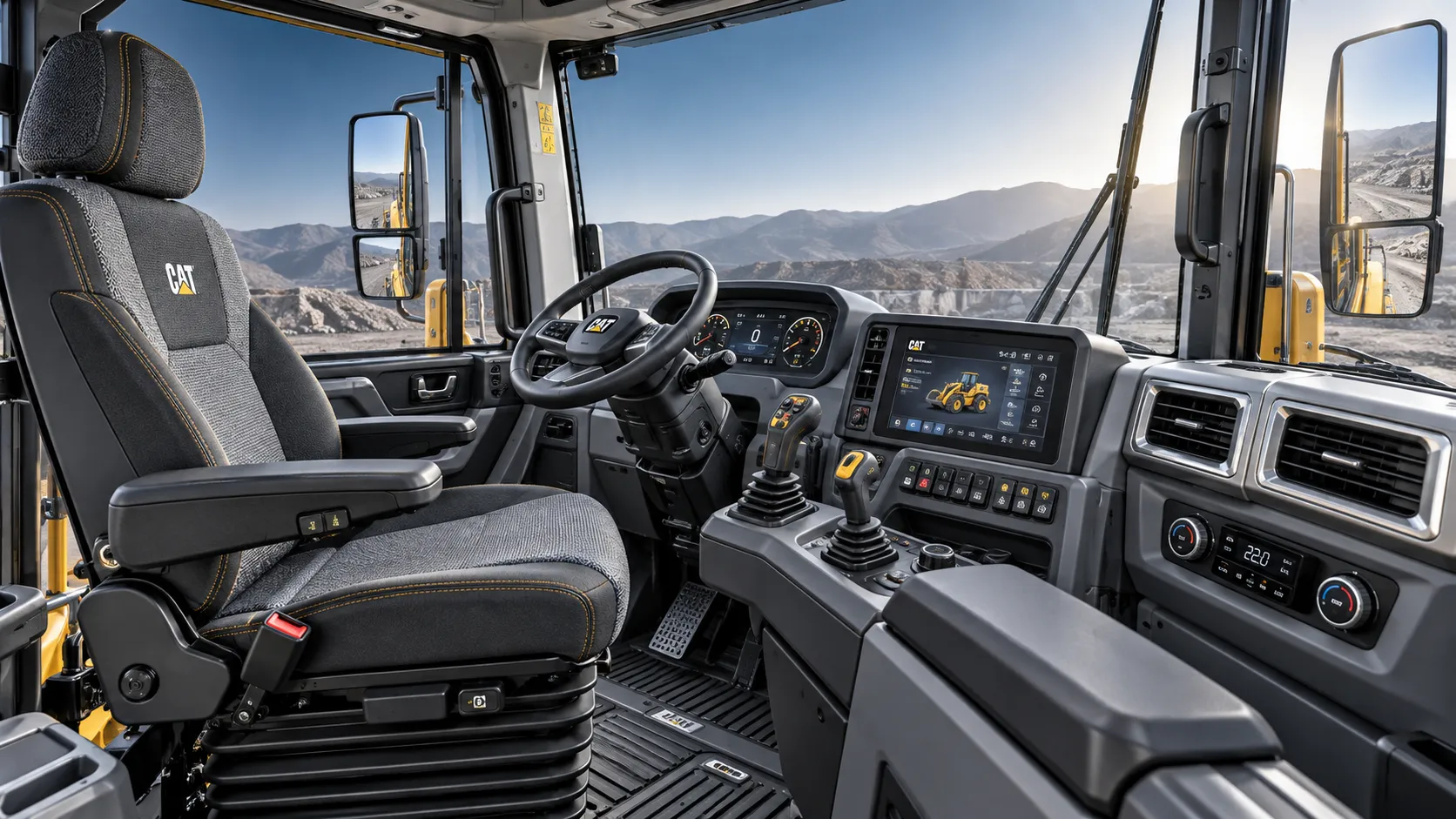
How Adjustable Cabin Ergonomics Reduce Operator Fatigue in Long-Shift Vehicles
Adjustable cabin ergonomics reduces operator fatigue through better seating, reach, visibility, vibration control, and climate comfort for safer long-shift vehicles.
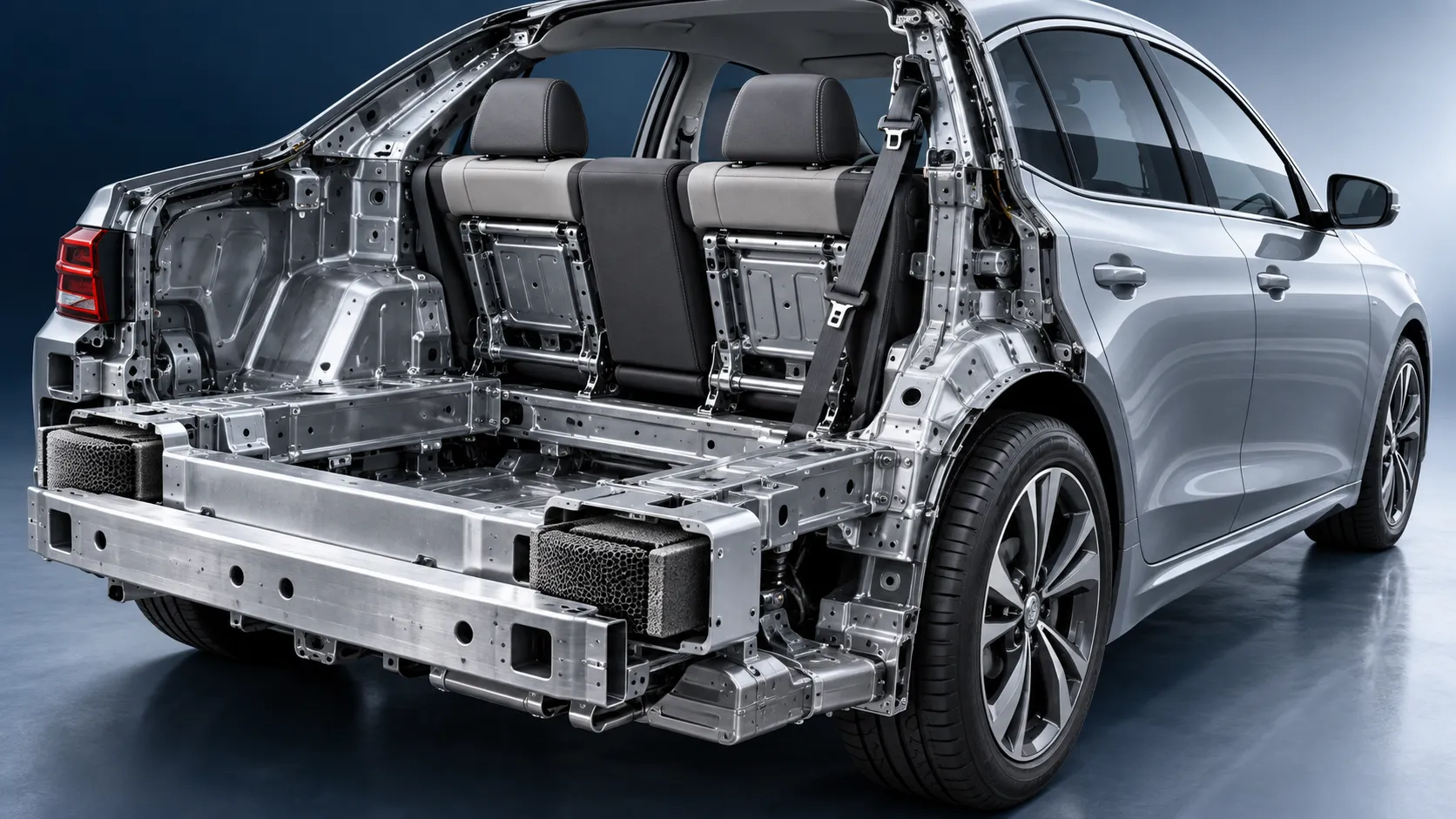
How Rear-Impact Safety Components Work Together to Protect Vehicle Occupants
Explore how automotive safety components for rear impact work together—from crash structures and seats to head restraints and belts—to enhance occupant protection.
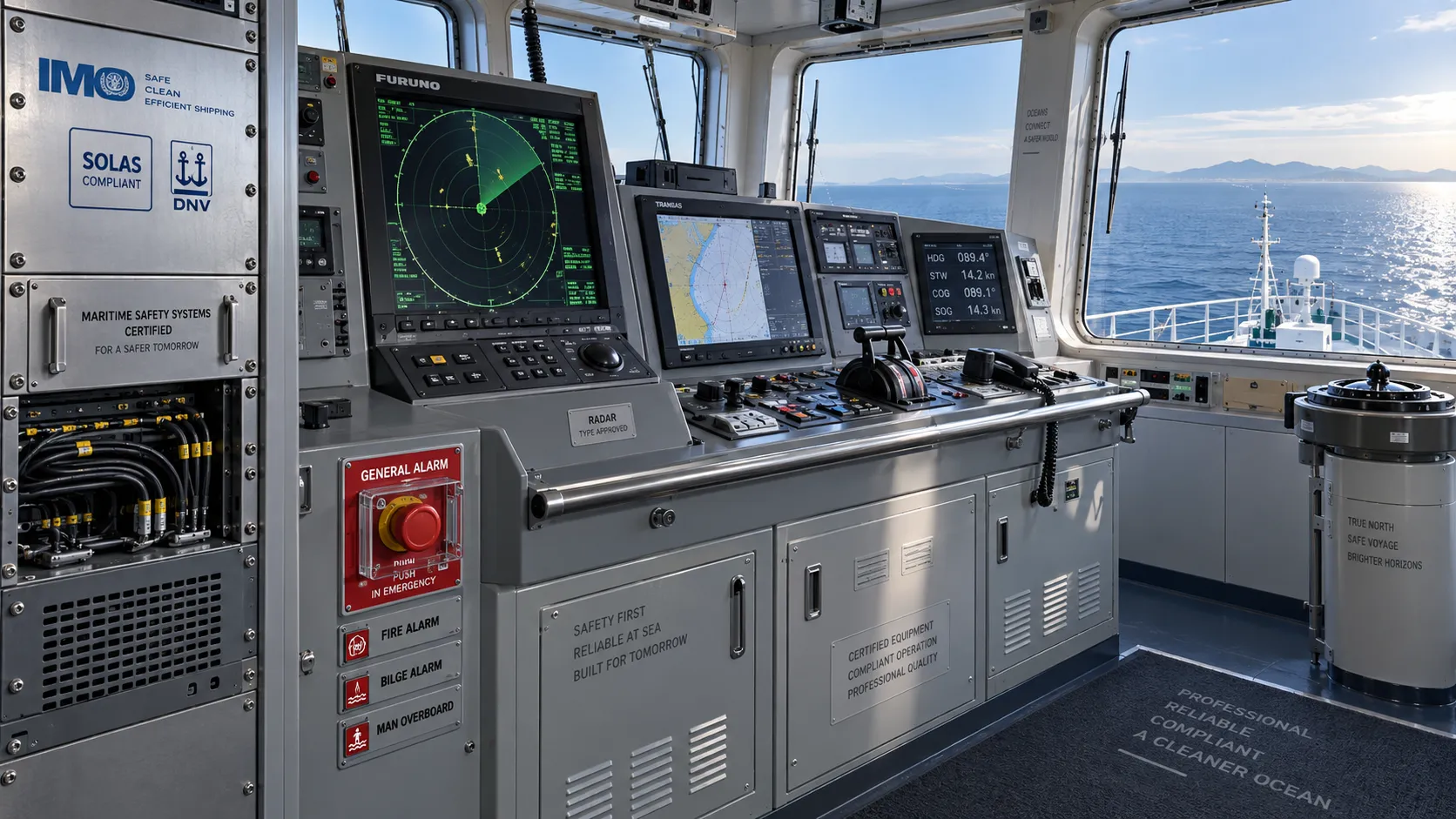
How to Evaluate a Marine Safety Systems Manufacturer for Vessel Compliance and Reliability
Marine safety systems manufacturer evaluation guide: verify compliance, engineering quality, lifecycle costs, and global service support for safer, reliable vessel operations.
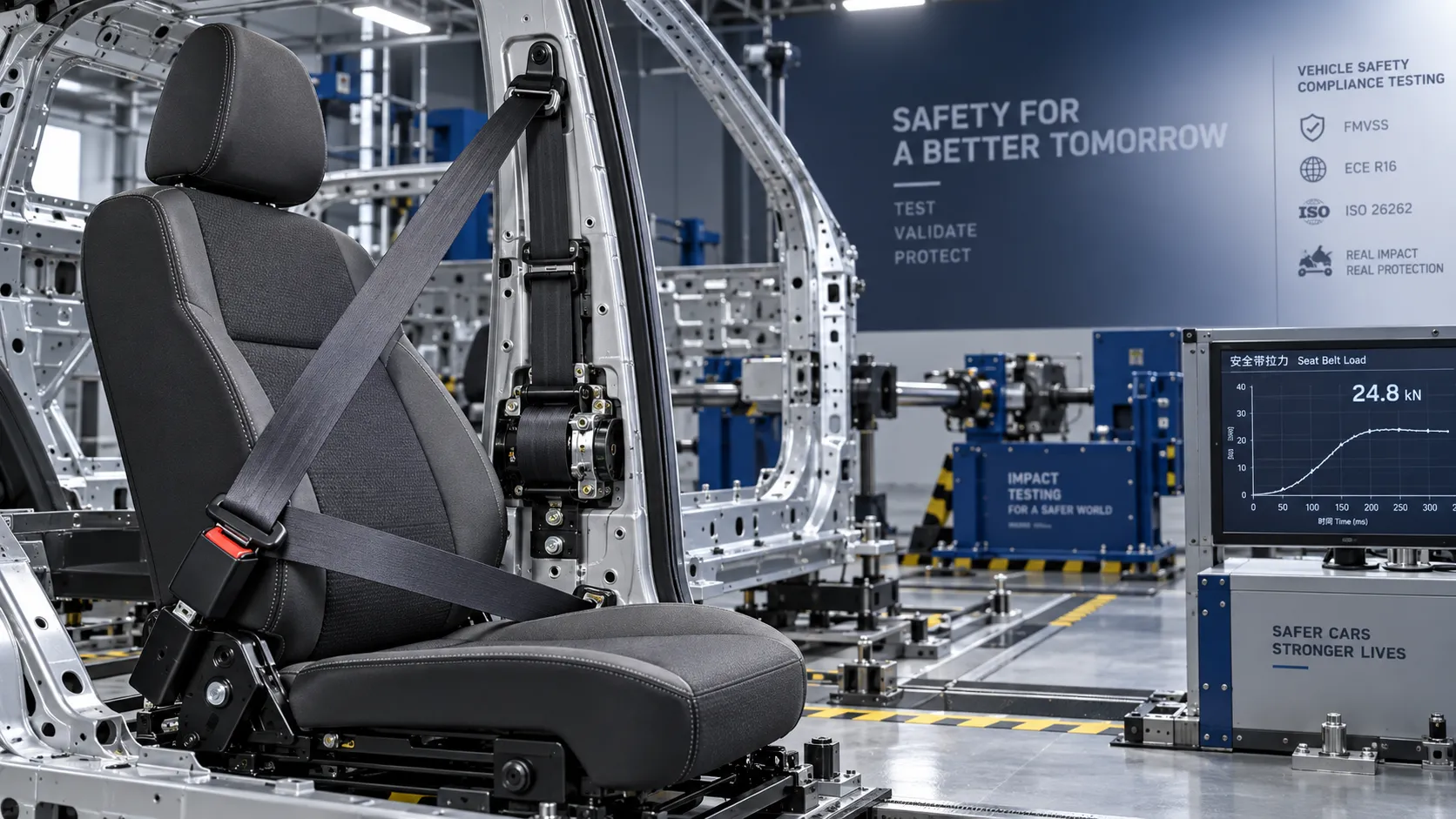
Crash Test Regulations for Seatbelts: Key Compliance Requirements Explained
Crash test regulations seatbelts explained: explore FMVSS, UN rules, anchorage strength, and dynamic restraint testing for safer, compliant vehicle systems.

How to Calculate the Total Cost of Automotive Lightweighting for a Vehicle Program
Automotive lightweight solutions cost: learn how to calculate program-level costs, including materials, tooling, joining, validation, risk, and vehicle-level value.

How Automotive Seat Occupancy Sensing Improves Airbag Deployment Decisions
Automotive seat occupancy sensing helps optimize airbag deployment decisions, improving passenger classification, safety diagnostics, and compliance across real-world conditions.

What Drives Lightweight Body Component Costs in High-Volume Vehicle Programs?
Lightweight body components cost depends on material yield, forming, joining, tooling, validation, and logistics. Explore proven ways to optimize total vehicle program cost.
Related News
- 00
0000-00
How to Specify Integrated Marine Electronics for Reliable Bridge Operations - 00
0000-00
How Adjustable Cabin Ergonomics Reduce Operator Fatigue in Long-Shift Vehicles - 00
0000-00
How to Evaluate a Marine Safety Systems Manufacturer for Vessel Compliance and Reliability - 00
0000-00
How to Calculate the Total Cost of Automotive Lightweighting for a Vehicle Program - 00
0000-00
What Drives Lightweight Body Component Costs in High-Volume Vehicle Programs?
Weekly Insights
Stay ahead with our curated technology reports delivered every Monday.