
When force-limiting systems justify a higher budget
For procurement teams balancing safety performance, compliance, and total cost, force-limiting systems can justify a higher upfront budget when they reduce injury risk, support crash-test targets, and strengthen long-term platform value. In advanced mobility sectors, the real purchasing question is not unit price alone, but whether smarter restraint technology delivers measurable returns in protection, certification, and supplier competitiveness.
Why do force-limiting systems matter more in procurement than their unit price suggests?
In passive safety sourcing, procurement rarely buys a component in isolation. It buys a chain of outcomes: occupant protection, test performance, integration stability, warranty exposure, and platform reputation.
Force-limiting systems are a clear example. They are designed to control the load transferred through the seatbelt during a crash, helping restrain the occupant while reducing excessive chest forces.
That trade-off matters in modern cabins where seat structures, airbags, pre-tensioners, body stiffness, and occupant diversity all interact within milliseconds. A cheaper restraint solution can look attractive on a bill of materials but become expensive in validation and redesign.
For buyers in automotive, specialty mobility, and safety-critical seating applications, the decision is not only technical. It is commercial, regulatory, and strategic.
- A lower initial price may increase crash-test iteration costs if restraint loads are poorly matched to seat, airbag, and body behavior.
- A better tuned force-limiting system can improve platform carryover value across trims, regions, and compliance programs.
- More advanced restraint performance can strengthen supplier credibility when OEMs or Tier 1 programs evaluate risk, consistency, and technical depth.
This is where GNCS adds value. By connecting passive safety architecture, cabin integration logic, and regulatory intelligence, GNCS helps procurement teams judge whether a higher budget is a cost burden or a risk-reduction investment.
What exactly do force-limiting systems do in a modern restraint architecture?
A force-limiting system manages the maximum belt load applied to the occupant after pre-tensioning removes slack. In practical terms, it helps the body ride down crash energy more progressively instead of absorbing a sharper load peak.
This function becomes especially important when vehicles or mobility platforms pursue lighter structures, more compact cabin packaging, and stricter occupant injury targets.
Key interactions buyers should understand
- Pre-tensioner coordination: pre-tensioning quickly tightens the belt, while force-limiting systems help avoid excessive load after the initial restraint phase.
- Airbag timing: belt load management must work with frontal or side airbag deployment windows, not against them.
- Seat and frame behavior: seatback stiffness, recliner strength, and anchor geometry influence how restraint loads are transmitted.
- Occupant variation: restraint tuning must consider different body sizes, seating postures, and use cases.
In GNCS coverage, force-limiting systems are not treated as a standalone checkbox. They are assessed as part of a wider occupant containment strategy that also includes airbag assemblies, seatbelt systems, seat structures, and lightweight body decisions.
When does a higher budget for force-limiting systems make commercial sense?
Procurement teams usually approve a premium only when the business case is concrete. The table below shows where force-limiting systems most often justify higher spending in real sourcing discussions.
The pattern is consistent: force-limiting systems deserve a higher budget when the cost of underperformance is larger than the component premium. That underperformance may appear as failed tests, delayed SOP, repeated calibration loops, or lost program credibility.
Typical triggers for premium approval
- The program has aggressive occupant injury targets and limited test iteration time.
- The platform uses lightweight materials or new seat architectures that alter restraint dynamics.
- The supplier must demonstrate technical differentiation rather than compete on price alone.
- The buyer expects long platform life and wants fewer redesigns during lifecycle updates.
How should buyers compare force-limiting systems with lower-cost restraint options?
Not every project needs the most advanced configuration. Procurement should compare solutions by fit-for-purpose value, not by a simple premium versus standard label.
The following comparison table helps buyers frame discussions with engineering, quality, and supplier teams when evaluating force-limiting systems.
The best decision often comes from matching restraint sophistication to program exposure. A cost-sensitive fleet model may not need the same setup as a premium cabin, export platform, or program under strong consumer-test pressure.
Which technical and compliance factors should procurement check first?
Procurement teams do not need to become crash engineers, but they do need a disciplined review framework. Buying force-limiting systems without structured questions can lead to hidden integration problems later.
Priority review checklist
- Load tuning range: ask how the system supports target restraint loads for the intended occupant and crash pulse conditions.
- Integration logic: confirm compatibility with pre-tensioners, airbags, seat frames, anchor locations, and occupant sensing strategies.
- Validation support: determine what testing data, engineering collaboration, or design iteration support the supplier can provide.
- Manufacturing consistency: review process capability, traceability, and quality controls because safety components cannot tolerate unstable output.
- Compliance alignment: check the intended market path against common regulations and consumer-test expectations such as UNECE-aligned restraint requirements or programs like IIHS and Euro NCAP where relevant.
GNCS is especially useful at this stage because procurement often receives fragmented information from separate suppliers. GNCS bridges seatbelt systems, airbag assemblies, body lightweighting, and cabin ergonomics into one decision context.
What good supplier discussions look like
The strongest sourcing conversations move beyond “What is your price?” and into “How does your force-limiting system support our crash pulse, seat package, target markets, and derivative roadmap?”
That shift usually reveals whether a supplier understands restraint architecture or only offers a catalog part with limited development depth.
Where do force-limiting systems reduce total cost over the full program lifecycle?
A higher purchase price is easier to defend when total lifecycle cost is visible. In safety programs, hidden costs often exceed component savings.
The table below outlines where force-limiting systems may create downstream savings or avoidable losses.
This does not mean every premium will pay back equally. It means procurement should quantify the cost of failure, delay, redesign, and lost competitiveness before rejecting advanced restraint content.
Which application scenarios most strongly support investment in force-limiting systems?
Premium passenger cabins
Premium programs usually face tighter expectations on occupant protection, seat comfort, and brand reputation. Here, force-limiting systems often support both safety targets and perceived engineering quality.
Lightweight vehicle architectures
When hot-stamped steel, aluminum, or mixed-material body solutions alter crash energy paths, restraint loads must be recalibrated carefully. GNCS tracks these interactions across body stampings and passive safety components, which is valuable during sourcing reviews.
Export-oriented or multi-certification platforms
Programs entering multiple markets benefit from more adaptable restraint strategies. A better force-limiting system can provide margin against changing expectations from regulators, consumer-test programs, or customer engineering teams.
Advanced seating systems
Smart seating, ergonomic repositioning, and new seat frame materials can change occupant kinematics. In these scenarios, the restraint system cannot be purchased as a generic afterthought.
What mistakes do buyers make when evaluating force-limiting systems?
- Comparing only piece price: this ignores validation cost, engineering delay, and derivative risk.
- Assuming all force-limiting systems perform similarly: tuning range, integration behavior, and support depth vary by supplier and application.
- Separating seatbelt sourcing from seat and airbag decisions: restraint performance depends on the full cabin safety chain.
- Underestimating regional compliance pressure: one market’s acceptable performance margin may be insufficient elsewhere.
- Skipping supplier process review: a technically good design still fails procurement goals if quality consistency is weak.
These mistakes are common because sourcing teams often work under time pressure and incomplete technical visibility. An intelligence-driven review process reduces that risk.
FAQ: what procurement teams ask before approving force-limiting systems
How do we know whether force-limiting systems are necessary for our platform?
Start with crash targets, seat architecture, body stiffness strategy, and target regions. If the platform has aggressive injury goals, lightweight structures, premium positioning, or multi-market certification needs, force-limiting systems deserve early evaluation rather than late-stage substitution.
Are force-limiting systems mainly for high-end vehicles?
No. They are more common in advanced or premium applications, but the real trigger is safety-performance need, not vehicle label. Commercial vehicles, specialty mobility platforms, and export programs may also justify them if risk exposure is high.
What should procurement request from suppliers during RFQ?
Request integration assumptions, development support scope, validation evidence, manufacturing control approach, lead-time expectations, and any known limits related to seat geometry or airbag coordination. This helps compare force-limiting systems on real program value rather than marketing language.
Can a lower-cost alternative still be the right choice?
Yes, if the platform has modest safety targets, stable architecture, limited derivative complexity, and low validation risk. Procurement discipline means approving the right level of technology, not automatically choosing either the cheapest or the most advanced option.
Why choose us when evaluating force-limiting systems and related safety sourcing?
GNCS supports procurement teams that need more than scattered market news. Our strength lies in stitching together the decision factors that usually sit in separate silos: seatbelt systems, airbag assemblies, lightweight body changes, smart seating integration, and evolving compliance expectations.
That means you can consult us when you need to clarify whether a higher-budget force-limiting system is justified by platform targets, supplier positioning, or lifecycle economics.
- Ask for support in parameter confirmation, restraint architecture comparison, and sourcing evaluation criteria.
- Discuss product selection logic for seatbelt systems, airbags, seat structures, and lightweight body interaction.
- Review delivery-cycle expectations, sample support planning, and technical communication points for RFQ preparation.
- Verify likely certification and market-entry considerations before budget approval or supplier nomination.
- Explore customized intelligence support for premium orders where technical credibility directly affects win probability.
If your team is weighing cost against occupant protection, compliance, and platform competitiveness, a focused consultation can help determine whether force-limiting systems are a justified premium, a strategic differentiator, or an avoidable over-specification for your exact program.
Related News
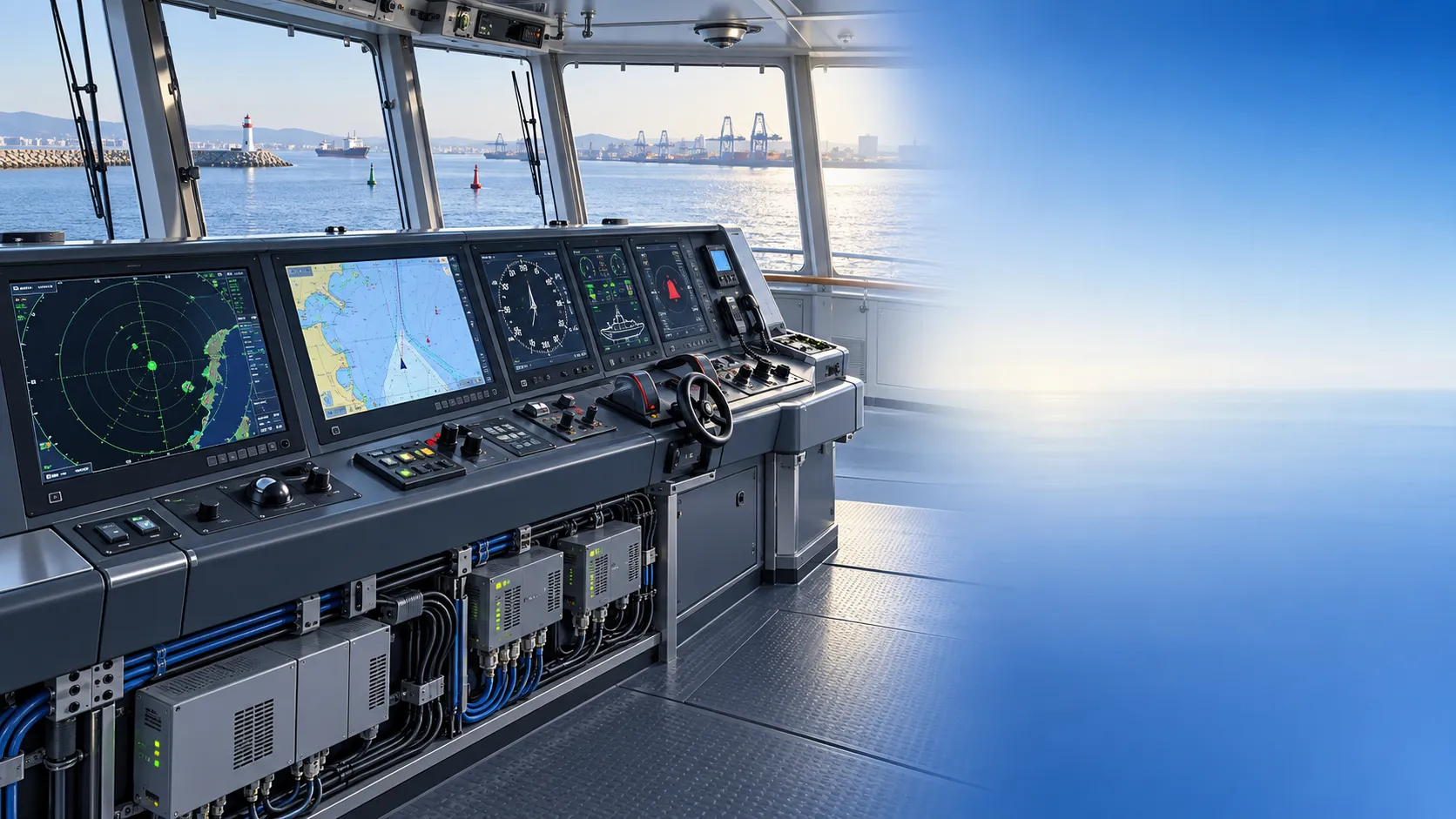
How to Specify Integrated Marine Electronics for Reliable Bridge Operations
Integrated marine electronics: learn how to specify reliable bridge systems with clear data flows, redundancy, alarm control, lifecycle interfaces, and operational testing.
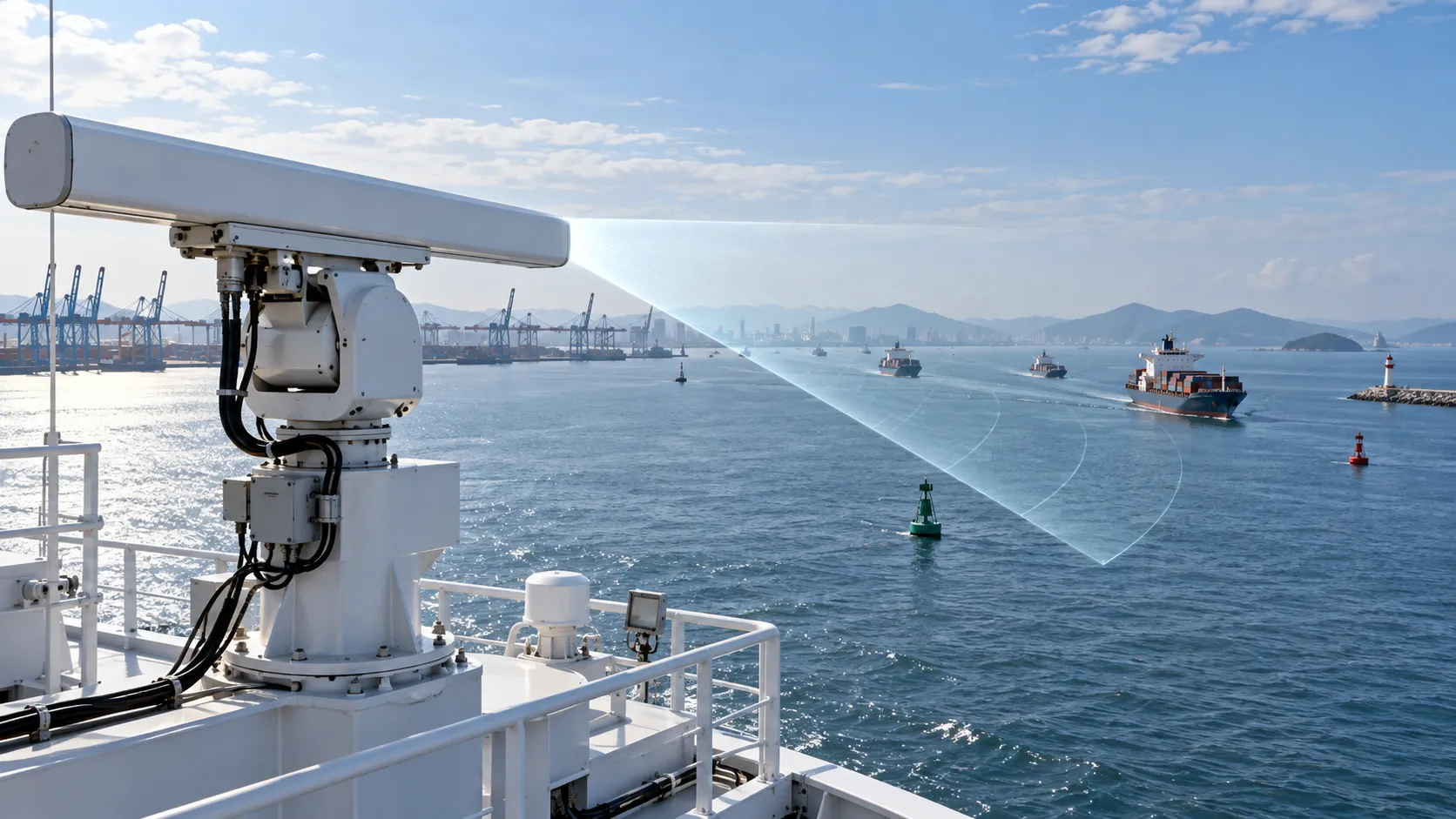
How to Evaluate Navigation Radar Manufacturers for Commercial Vessel Projects
Navigation radar manufacturers: learn how to compare performance, compliance, integration, support, and lifecycle cost for commercial vessel projects.
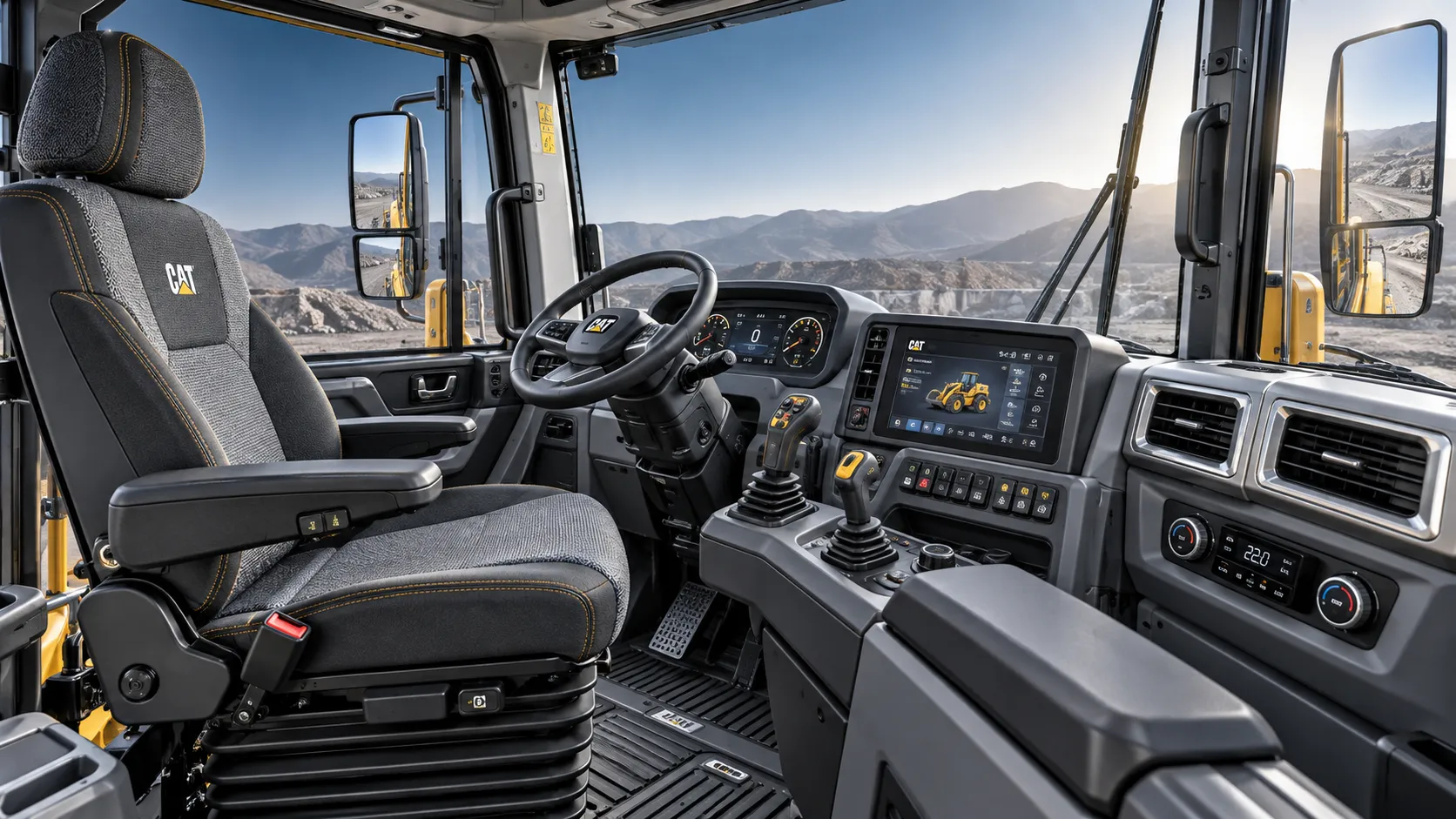
How Adjustable Cabin Ergonomics Reduce Operator Fatigue in Long-Shift Vehicles
Adjustable cabin ergonomics reduces operator fatigue through better seating, reach, visibility, vibration control, and climate comfort for safer long-shift vehicles.
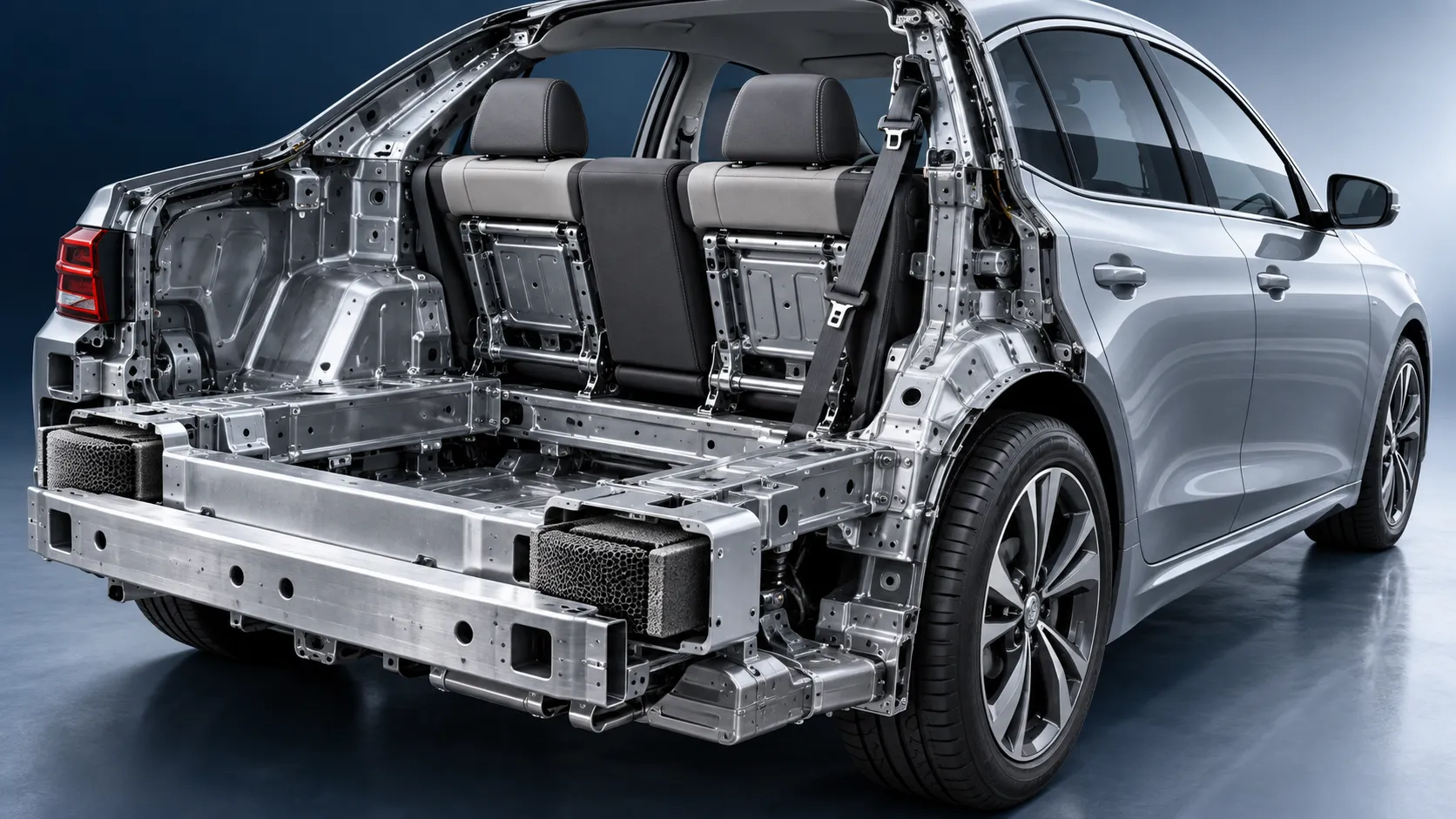
How Rear-Impact Safety Components Work Together to Protect Vehicle Occupants
Explore how automotive safety components for rear impact work together—from crash structures and seats to head restraints and belts—to enhance occupant protection.
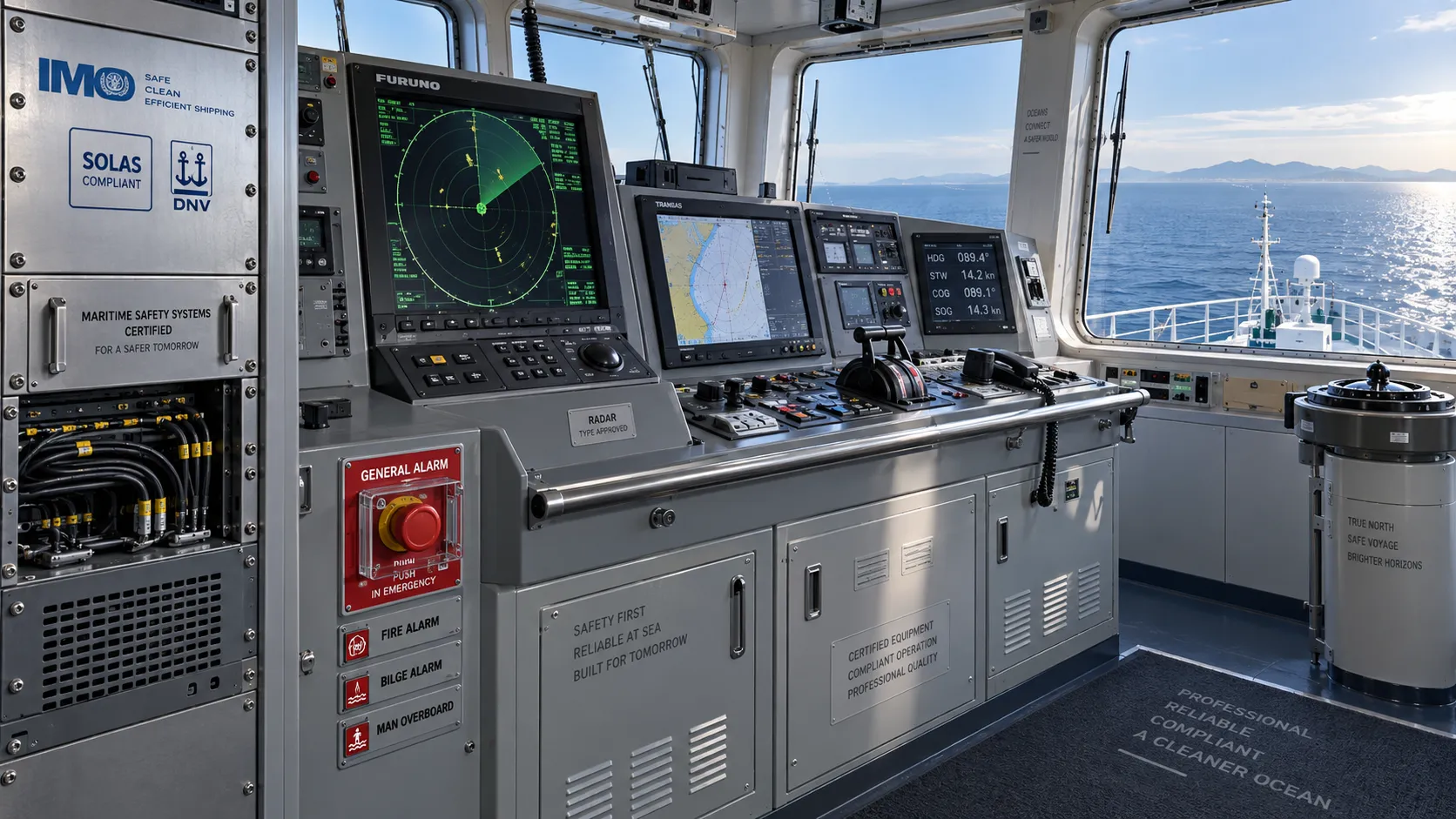
How to Evaluate a Marine Safety Systems Manufacturer for Vessel Compliance and Reliability
Marine safety systems manufacturer evaluation guide: verify compliance, engineering quality, lifecycle costs, and global service support for safer, reliable vessel operations.
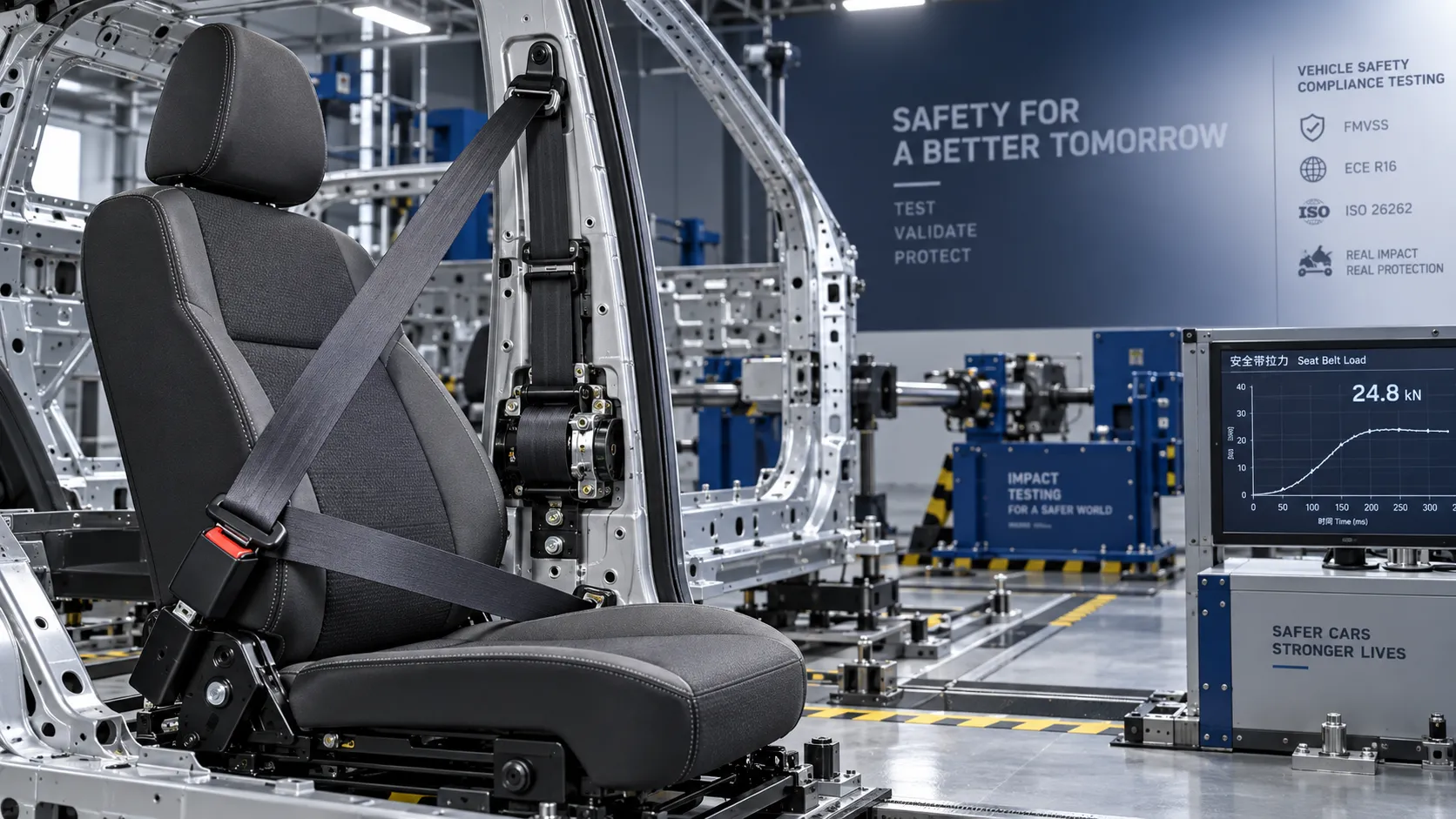
Crash Test Regulations for Seatbelts: Key Compliance Requirements Explained
Crash test regulations seatbelts explained: explore FMVSS, UN rules, anchorage strength, and dynamic restraint testing for safer, compliant vehicle systems.

How to Calculate the Total Cost of Automotive Lightweighting for a Vehicle Program
Automotive lightweight solutions cost: learn how to calculate program-level costs, including materials, tooling, joining, validation, risk, and vehicle-level value.

How Automotive Seat Occupancy Sensing Improves Airbag Deployment Decisions
Automotive seat occupancy sensing helps optimize airbag deployment decisions, improving passenger classification, safety diagnostics, and compliance across real-world conditions.
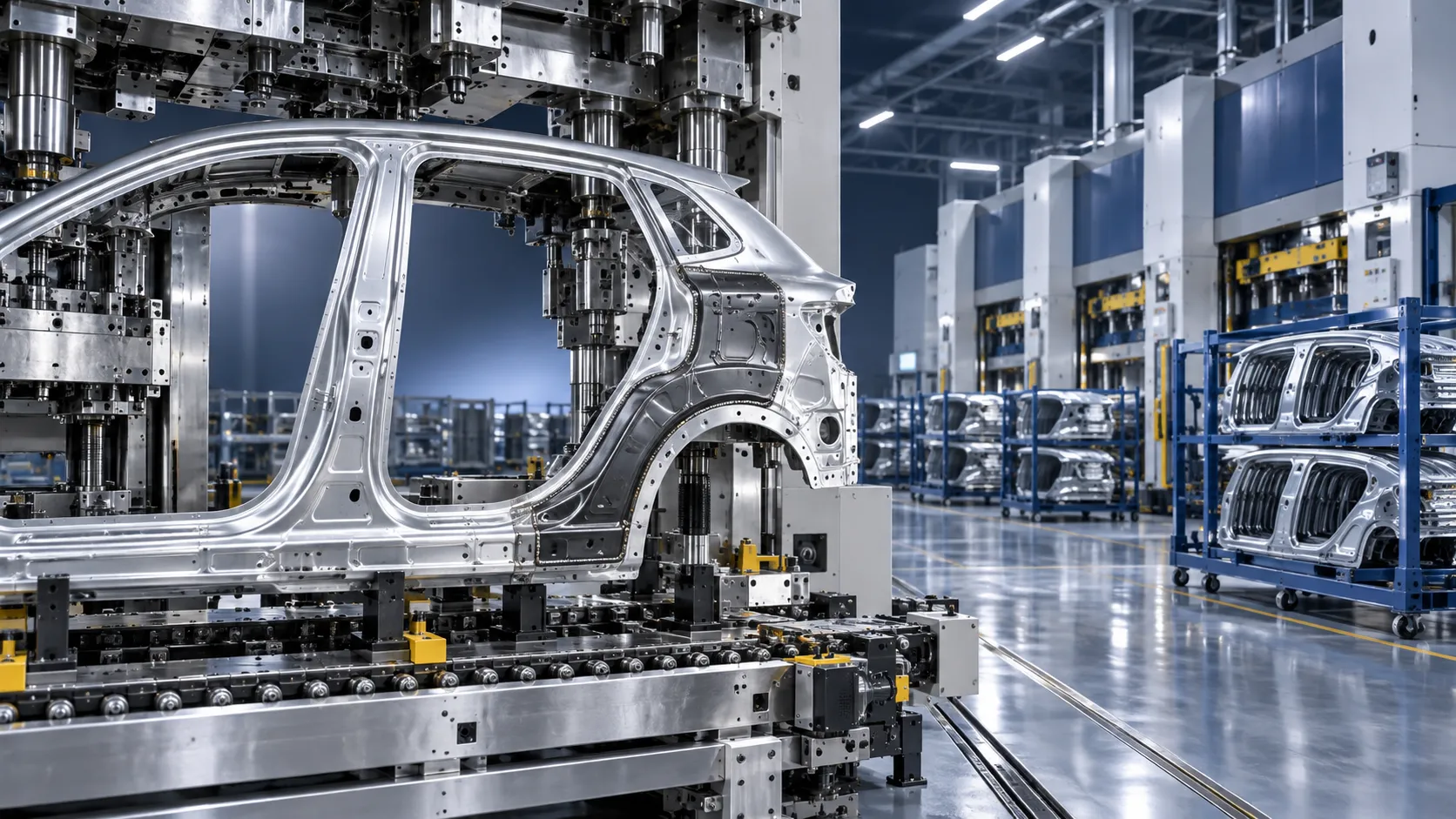
What Drives Lightweight Body Component Costs in High-Volume Vehicle Programs?
Lightweight body components cost depends on material yield, forming, joining, tooling, validation, and logistics. Explore proven ways to optimize total vehicle program cost.
Related News
- 00
0000-00
How to Specify Integrated Marine Electronics for Reliable Bridge Operations - 00
0000-00
How Adjustable Cabin Ergonomics Reduce Operator Fatigue in Long-Shift Vehicles - 00
0000-00
How to Evaluate a Marine Safety Systems Manufacturer for Vessel Compliance and Reliability - 00
0000-00
How to Calculate the Total Cost of Automotive Lightweighting for a Vehicle Program - 00
0000-00
What Drives Lightweight Body Component Costs in High-Volume Vehicle Programs?
Weekly Insights
Stay ahead with our curated technology reports delivered every Monday.