
When do high-reliability components justify a higher price?
For procurement professionals, the real question is not whether high-reliability components cost more, but when that premium delivers measurable value. In safety-critical and precision-driven sectors, from marine navigation to passive automotive protection, the right component can reduce failure risk, compliance exposure, warranty costs, and long-term supply uncertainty. Understanding when performance, certification, and lifecycle stability justify a higher price is essential to smarter sourcing decisions.
In the GNCS ecosystem, that question appears daily across marine navigation systems, auto body stampings, airbag assemblies, seatbelt systems, and smart seat structures. Buyers are not simply comparing unit prices. They are balancing service life, failure probability, validation burden, and downstream risk across 3 to 10 years of product use.
A lower-cost component may look attractive during RFQ review, yet one deviation in signal stability, tensile performance, inflator chemistry, or sensor durability can trigger line stoppages, recalls, warranty claims, or non-compliance. In many mobility applications, a price difference of 8% to 20% at component level can prevent losses many times larger at system level.
Why higher-priced high-reliability components can be the lower-risk choice
High-reliability components are designed for predictable performance under demanding conditions. In marine and automotive sectors, that often means stable operation across wide temperature bands, vibration cycles, corrosion exposure, shock loads, and long validation periods rather than short bench tests alone.
For procurement teams, the value case becomes clear when a component influences mission continuity, occupant safety, regulatory conformity, or replacement frequency. These are not abstract benefits. They affect claims rates, inspection outcomes, supplier scorecards, and total landed cost over each production cycle.
The cost of failure is rarely limited to the part itself
In marine navigation, a failed positioning module, unstable radar subassembly, or poor-sealing connector can interrupt all-weather piloting support. In automotive passive safety, inconsistent inflator output, belt retractor tolerance drift, or weak seat frame weld integrity can create high exposure during crash validation and field use.
Procurement should therefore calculate at least 4 cost layers: unit price, validation cost, operational risk cost, and replacement or warranty cost. A component that is 12% more expensive but cuts failure-related interventions from 3 per 1,000 units to below 1 per 1,000 may already justify the premium before reputational damage is considered.
Where reliability premiums typically create measurable returns
The following comparison helps buyers identify where paying more for high-reliability components usually has stronger commercial logic.
The common pattern is simple: the more a part affects safety, system continuity, certification, or costly rework, the more likely a higher price reflects lower total risk. In these use cases, procurement should compare lifecycle economics, not only PO value.
Three signals that a premium is commercially rational
- The part sits in a safety-critical chain where failure can cause compliance action or injury exposure.
- The qualification cycle is long, often 6 to 18 months, making supplier changes expensive.
- Replacement involves high field labor, vessel downtime, line stoppage, or module recalibration.
When procurement should approve the premium
Not every application needs the highest possible specification. High-reliability components justify a higher price when the buying decision is tied to clear thresholds. Procurement teams perform better when they define those thresholds before supplier comparison starts.
In practice, approval tends to make sense when at least 1 of 5 conditions applies: safety-critical function, severe operating environment, difficult replacement access, strict regulatory testing, or long platform life requiring stable supply and documentation control.
Scenario 1: Safety-critical performance cannot tolerate variation
Airbag assemblies, seatbelt pretensioners, restraint sensors, and structural seat components are obvious examples. Here, a small inconsistency can invalidate the entire protection strategy. Procurement should prioritize process capability, batch traceability, and performance consistency over nominal savings of 3% to 8%.
Scenario 2: The environment is harsh and failure recovery is expensive
Marine systems face salt fog, humidity, continuous vibration, and electrical noise. Automotive cabin and body systems see thermal cycling, impact loads, and long-duty fatigue. If a component must survive temperatures from -40°C to 85°C, or repeated vibration over thousands of hours, the premium often pays for itself.
Scenario 3: Qualification and change management are costly
A supplier switch is rarely just a price event. It may require new PPAP records, validation testing, crash simulations, EMC verification, corrosion checks, or software integration review. If requalification takes 8 to 16 weeks, the apparent savings from a cheaper source can disappear quickly.
Scenario 4: Platform life exceeds a normal sourcing cycle
Commercial vessels, specialty vehicles, and long-running automotive platforms often require parts availability over 5 to 10 years. In these cases, documentation consistency, revision control, and material continuity matter as much as initial quality. Paying more for a supplier with disciplined change notification can protect future service programs.
A practical approval matrix for buyers
The table below can be used during sourcing review to decide whether a premium quote for high-reliability components is justified by the application profile.
If two or more factors fall into the higher tolerance column, procurement usually has a strong case to accept a premium. This is especially true when the supplier can show controlled process windows, inspection records, and stable engineering support.
How to evaluate high-reliability components beyond unit price
A disciplined sourcing process prevents emotional buying and weak price-only decisions. For GNCS-relevant categories, buyers should use a structured model that combines technical risk, commercial resilience, and lifecycle support. This is where stronger procurement teams separate low quote from best value.
Check 1: Reliability evidence and test depth
Ask what tests were performed, over what duration, and under which environmental conditions. Useful evidence may include vibration exposure, humidity cycling, corrosion resistance, tensile consistency, deployment timing windows, fatigue life, and software or electronics compatibility. A 500-hour test profile tells more than a one-time bench pass.
Questions buyers should raise
- What are the key failure modes and how were they validated?
- What tolerance range is held in serial production, such as dimensional drift or actuation timing?
- How often are process audits, lot tests, and change notifications performed?
Check 2: Documentation and compliance readiness
In marine electronics and passive safety, documentation quality is a procurement issue, not only a quality issue. Missing material declarations, weak revision history, or incomplete validation records can add 2 to 6 weeks to approval timing. Reliable suppliers reduce administrative friction as well as field risk.
Check 3: Supply stability over the full program life
High-reliability components must remain reliable in supply, not just in function. Buyers should evaluate raw material continuity, dual-source strategy, tooling maintenance, and engineering responsiveness. In a constrained market, a supplier able to commit realistic lead times of 6 to 10 weeks with transparent updates may outperform a cheaper but unstable source.
Check 4: Total cost of ownership model
A useful TCO model should include purchase price, validation effort, service labor, expected replacement rate, downtime exposure, and quality incident handling. Even a simple 12-month and 36-month comparison often reveals that high-reliability components generate lower total cost once non-price variables are included.
For example, if a navigation module costs 15% more but avoids one onboard replacement visit, one software compatibility update issue, and one inspection delay, the procurement decision can be positive even before long-term maintenance savings are counted.
Common purchasing mistakes and how to avoid them
Many sourcing problems do not come from bad suppliers alone. They come from incomplete evaluation criteria. In high-consequence sectors, the wrong buying framework can produce hidden costs that appear 3, 6, or 12 months after award.
Mistake 1: Comparing components as if all specifications were equivalent
Two parts may fit the same envelope and meet a basic drawing, yet differ significantly in material consistency, sealing, software update support, deployment precision, or fatigue resistance. Procurement should confirm not only dimensional equivalence but also functional reliability over the intended lifecycle.
Mistake 2: Ignoring downstream engineering and service costs
A low quote may shift cost to validation, quality, logistics, or field service teams. If engineering spends an additional 40 to 80 hours supporting a lower-grade source, the savings may vanish. The same applies if warranty analysis or containment actions increase after SOP.
Mistake 3: Overlooking revision control and change discipline
For long-life marine and mobility programs, unmanaged changes are a major risk. Buyers should specify advance notice periods, sample revalidation rules, and documentation updates. A supplier that can control engineering changes over a 5-year program may deserve a premium over a cheaper but less disciplined alternative.
Five procurement safeguards
- Define acceptable failure risk before RFQ release.
- Request lifecycle support data, not just initial sample data.
- Score suppliers on documentation, responsiveness, and change control.
- Model 12-month and 36-month ownership cost scenarios.
- Align sourcing decisions with quality, engineering, and compliance teams early.
What this means for GNCS-focused sourcing decisions
Across GNCS coverage areas, the premium for high-reliability components is justified when the component protects navigation continuity, crash energy management, occupant restraint performance, or long-cycle cabin durability. These sectors reward technical credibility because the cost of weak reliability is systemic rather than local.
For procurement professionals, the best decision is usually not the lowest number on the quote sheet. It is the option that best balances risk, compliance readiness, lifecycle stability, and service efficiency across the full operating window. That is especially true when qualification cycles are long and failure recovery is expensive.
If you are assessing high-reliability components for marine navigation, passive safety systems, lightweight structures, or smart seating assemblies, build your sourcing case around measurable risk reduction and total cost of ownership. To review category-specific benchmarks, compare supplier reliability profiles, or get a tailored sourcing perspective, contact GNCS to explore more solutions and discuss your application in detail.
Related News
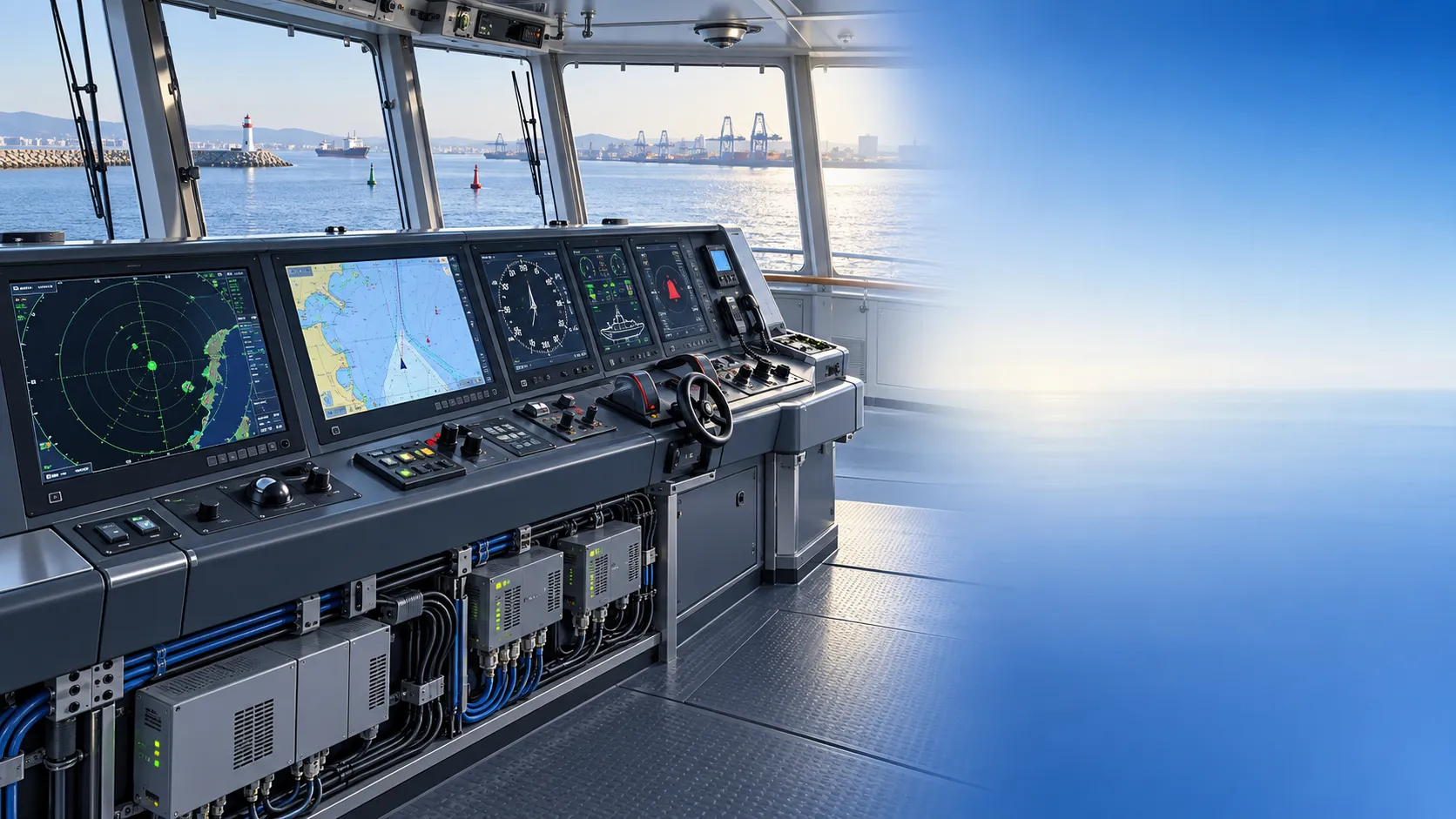
How to Specify Integrated Marine Electronics for Reliable Bridge Operations
Integrated marine electronics: learn how to specify reliable bridge systems with clear data flows, redundancy, alarm control, lifecycle interfaces, and operational testing.
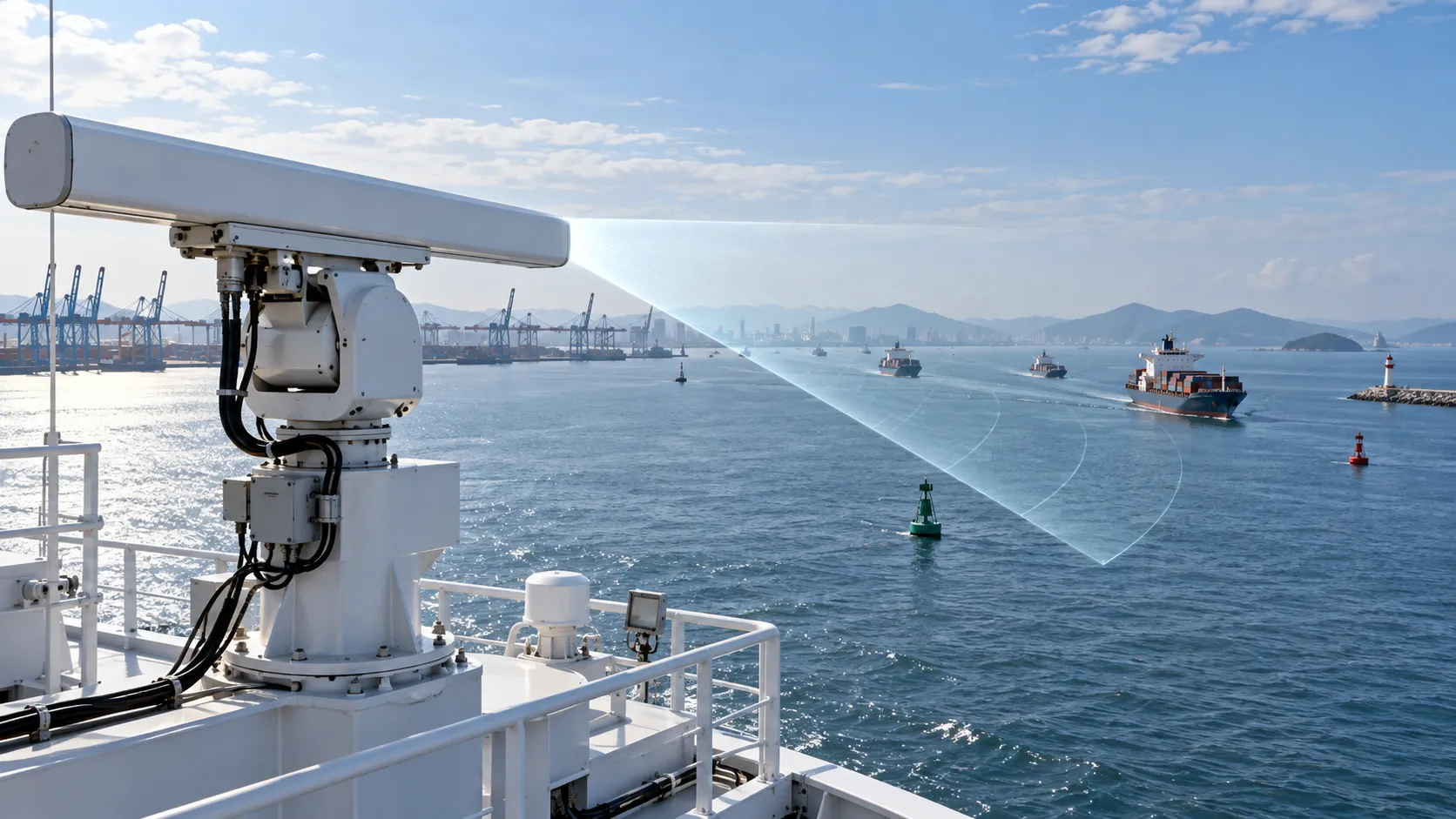
How to Evaluate Navigation Radar Manufacturers for Commercial Vessel Projects
Navigation radar manufacturers: learn how to compare performance, compliance, integration, support, and lifecycle cost for commercial vessel projects.
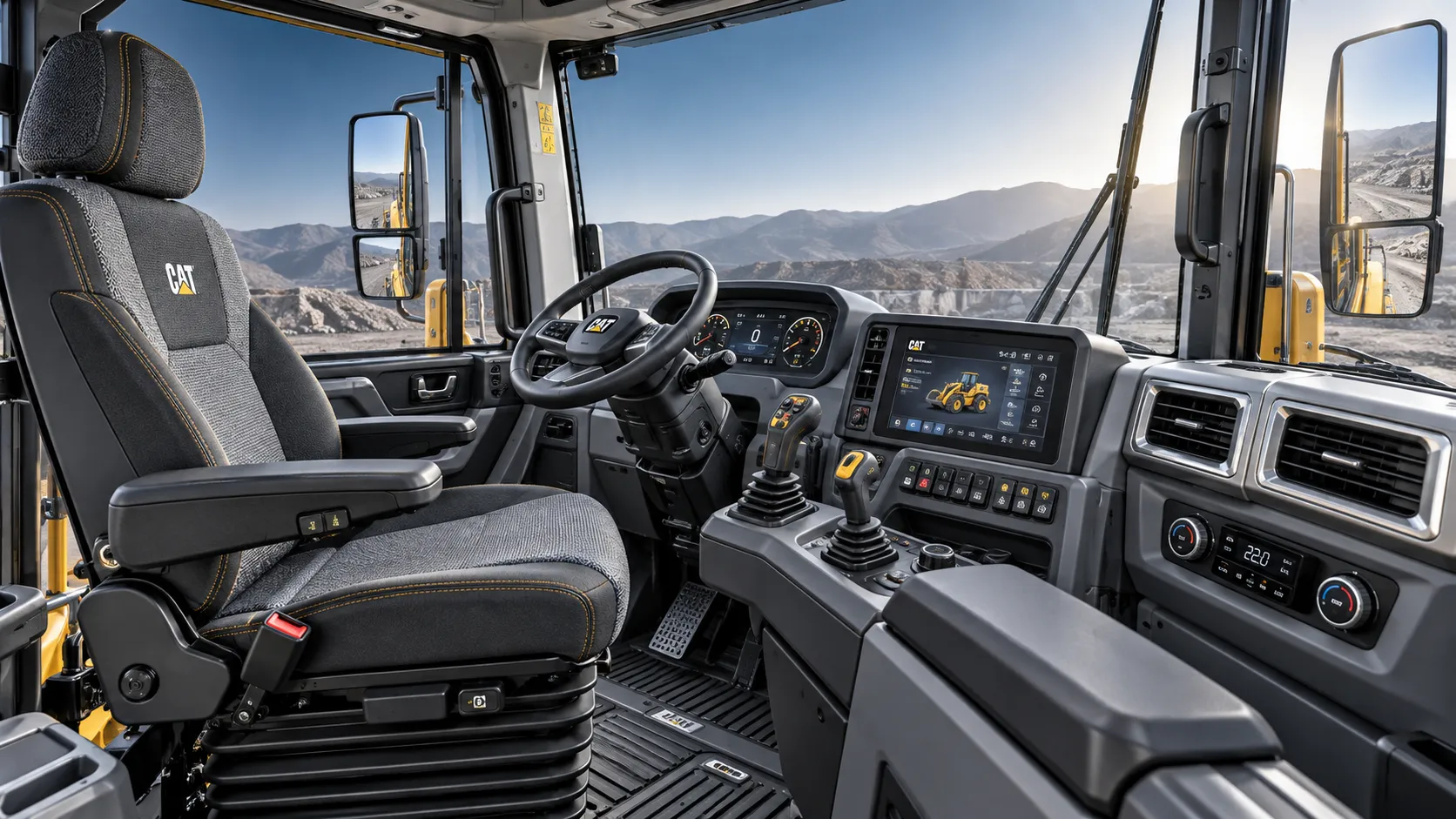
How Adjustable Cabin Ergonomics Reduce Operator Fatigue in Long-Shift Vehicles
Adjustable cabin ergonomics reduces operator fatigue through better seating, reach, visibility, vibration control, and climate comfort for safer long-shift vehicles.
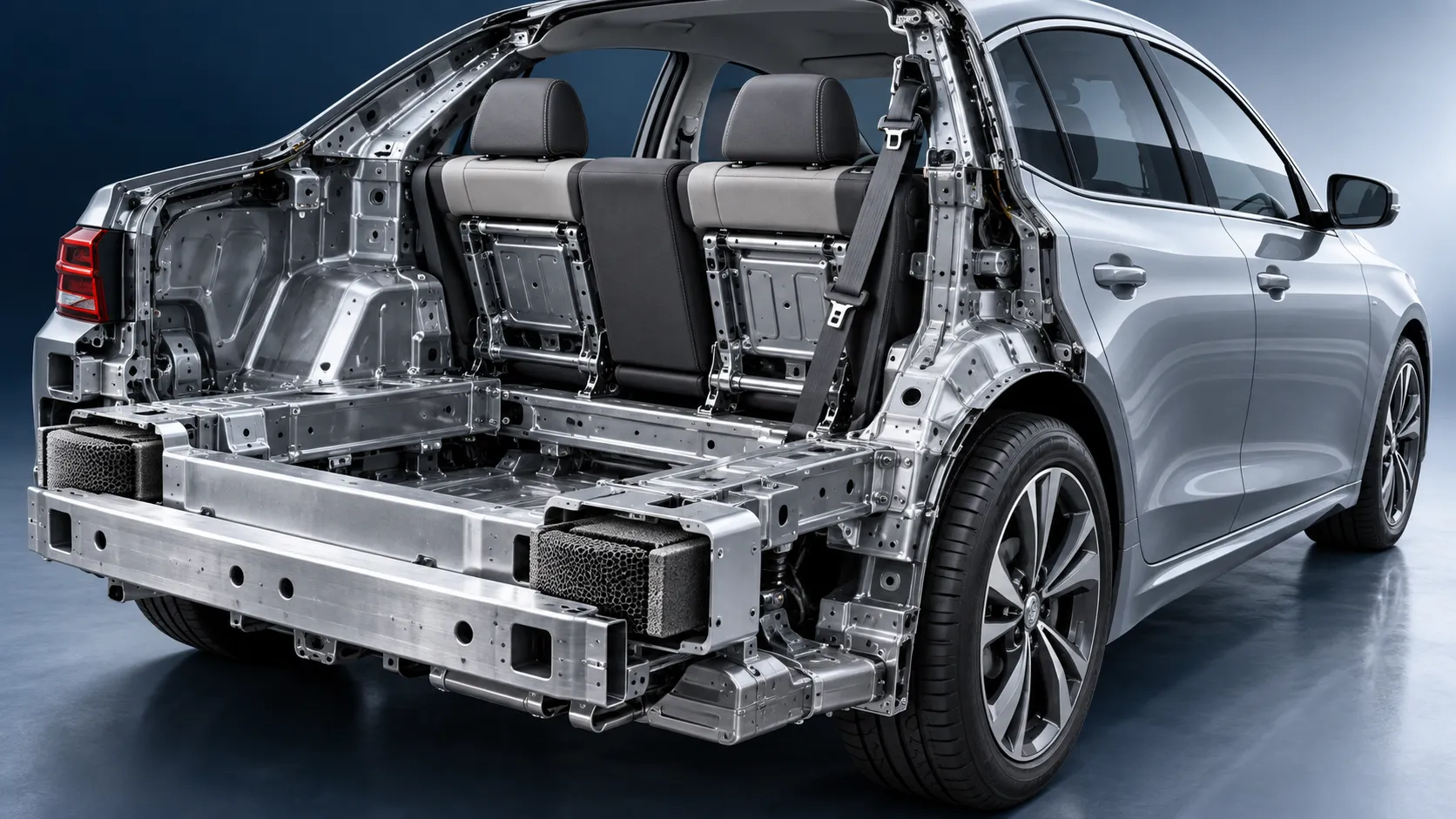
How Rear-Impact Safety Components Work Together to Protect Vehicle Occupants
Explore how automotive safety components for rear impact work together—from crash structures and seats to head restraints and belts—to enhance occupant protection.
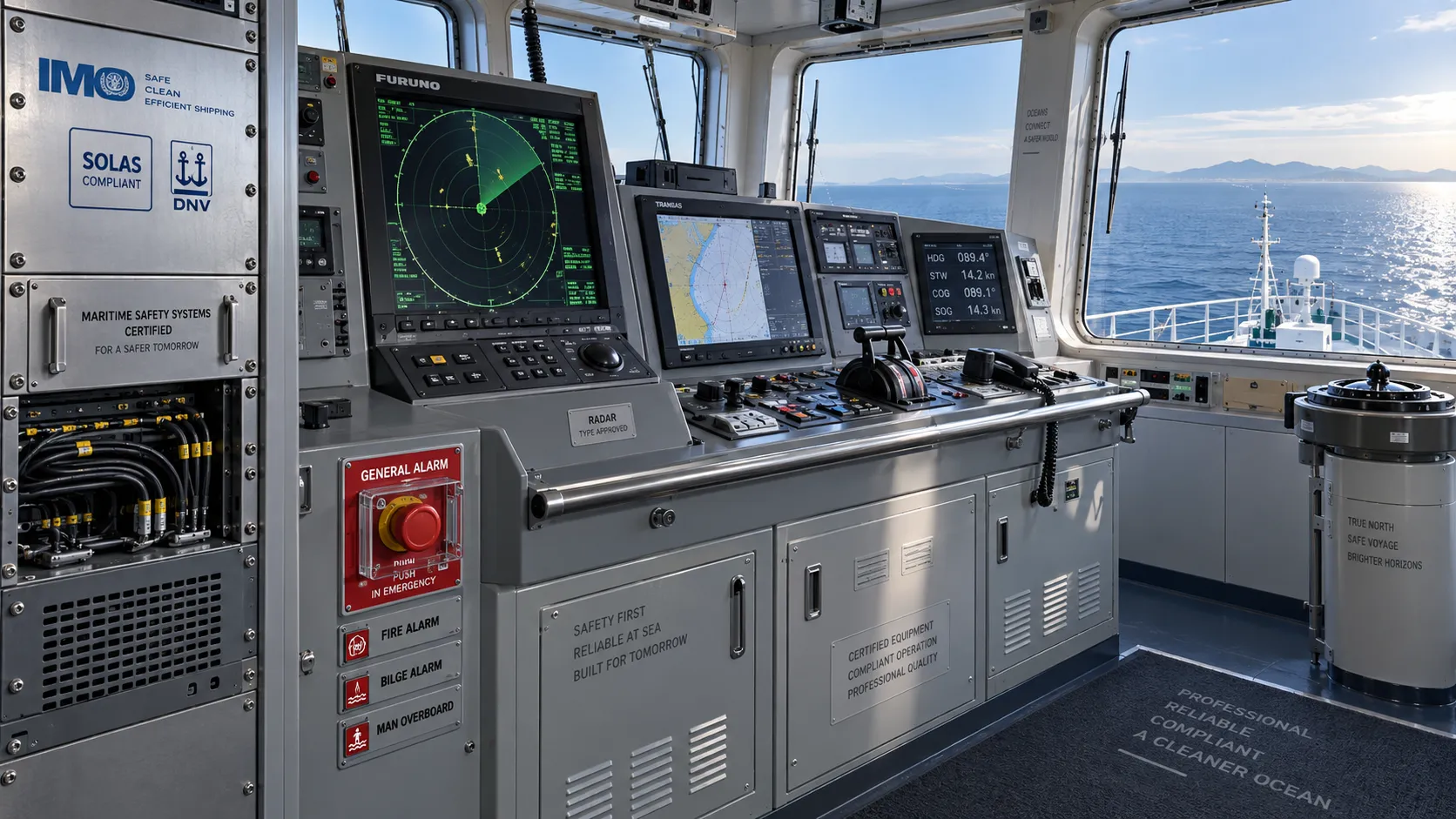
How to Evaluate a Marine Safety Systems Manufacturer for Vessel Compliance and Reliability
Marine safety systems manufacturer evaluation guide: verify compliance, engineering quality, lifecycle costs, and global service support for safer, reliable vessel operations.
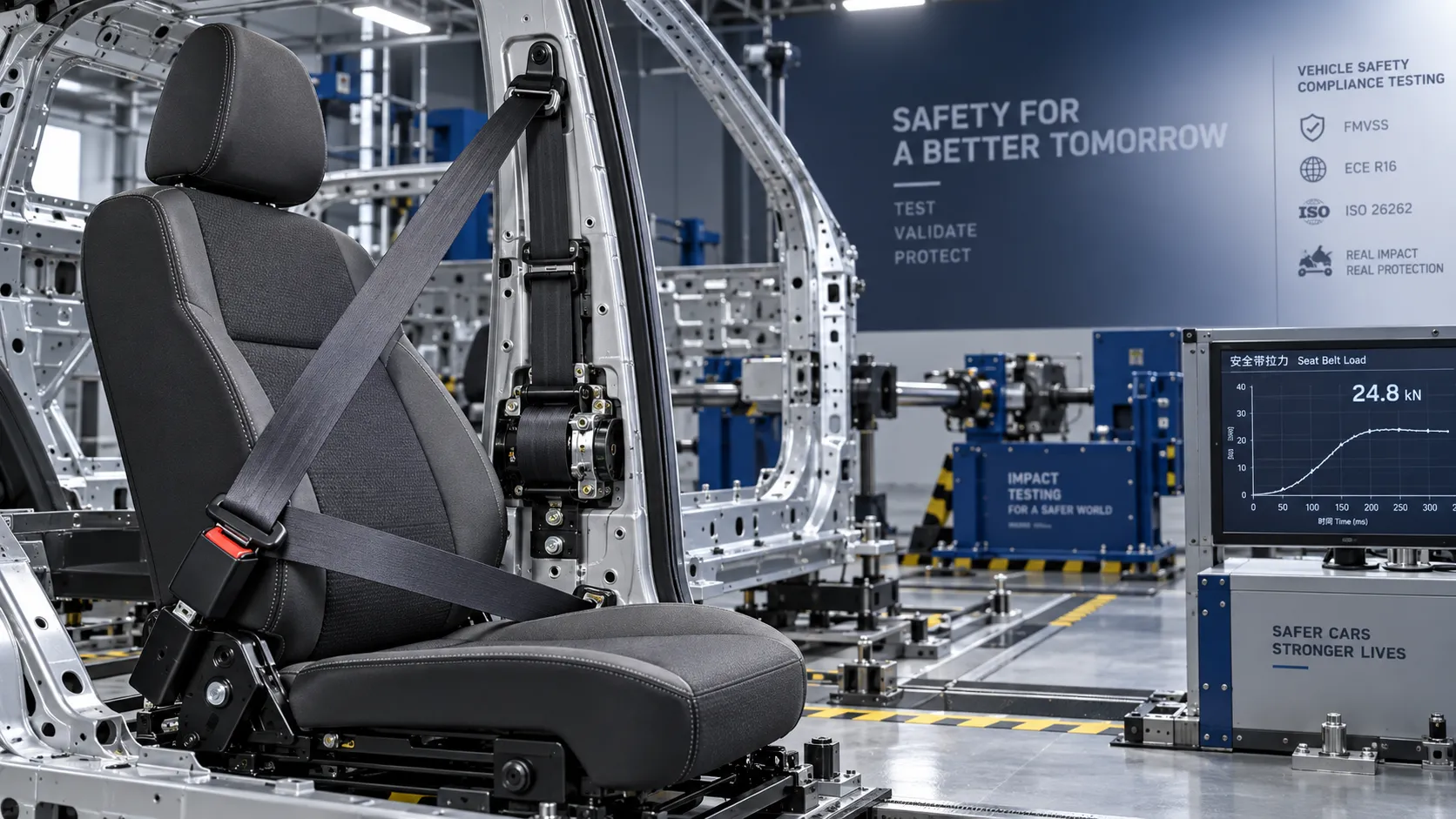
Crash Test Regulations for Seatbelts: Key Compliance Requirements Explained
Crash test regulations seatbelts explained: explore FMVSS, UN rules, anchorage strength, and dynamic restraint testing for safer, compliant vehicle systems.

How to Calculate the Total Cost of Automotive Lightweighting for a Vehicle Program
Automotive lightweight solutions cost: learn how to calculate program-level costs, including materials, tooling, joining, validation, risk, and vehicle-level value.
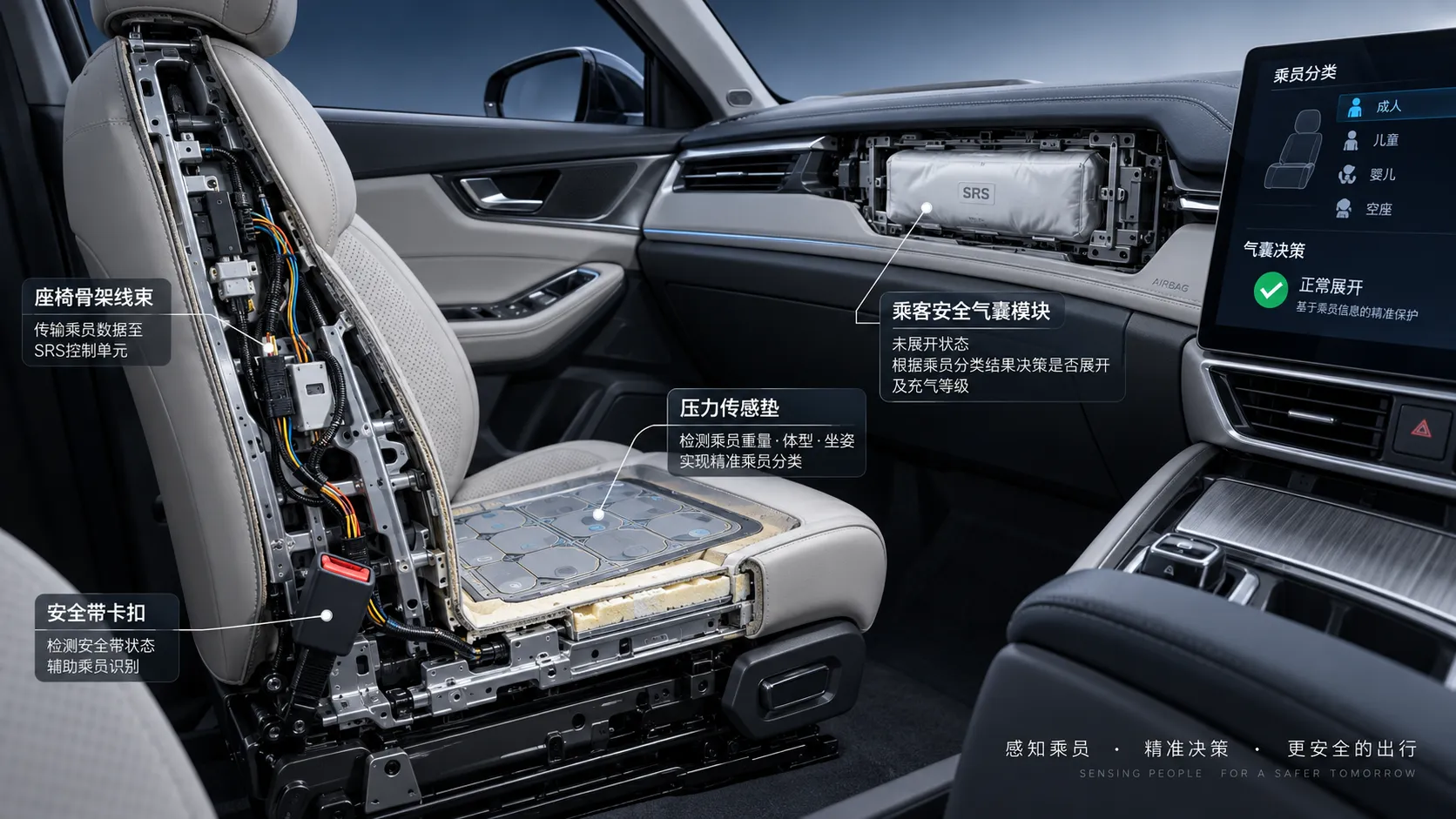
How Automotive Seat Occupancy Sensing Improves Airbag Deployment Decisions
Automotive seat occupancy sensing helps optimize airbag deployment decisions, improving passenger classification, safety diagnostics, and compliance across real-world conditions.
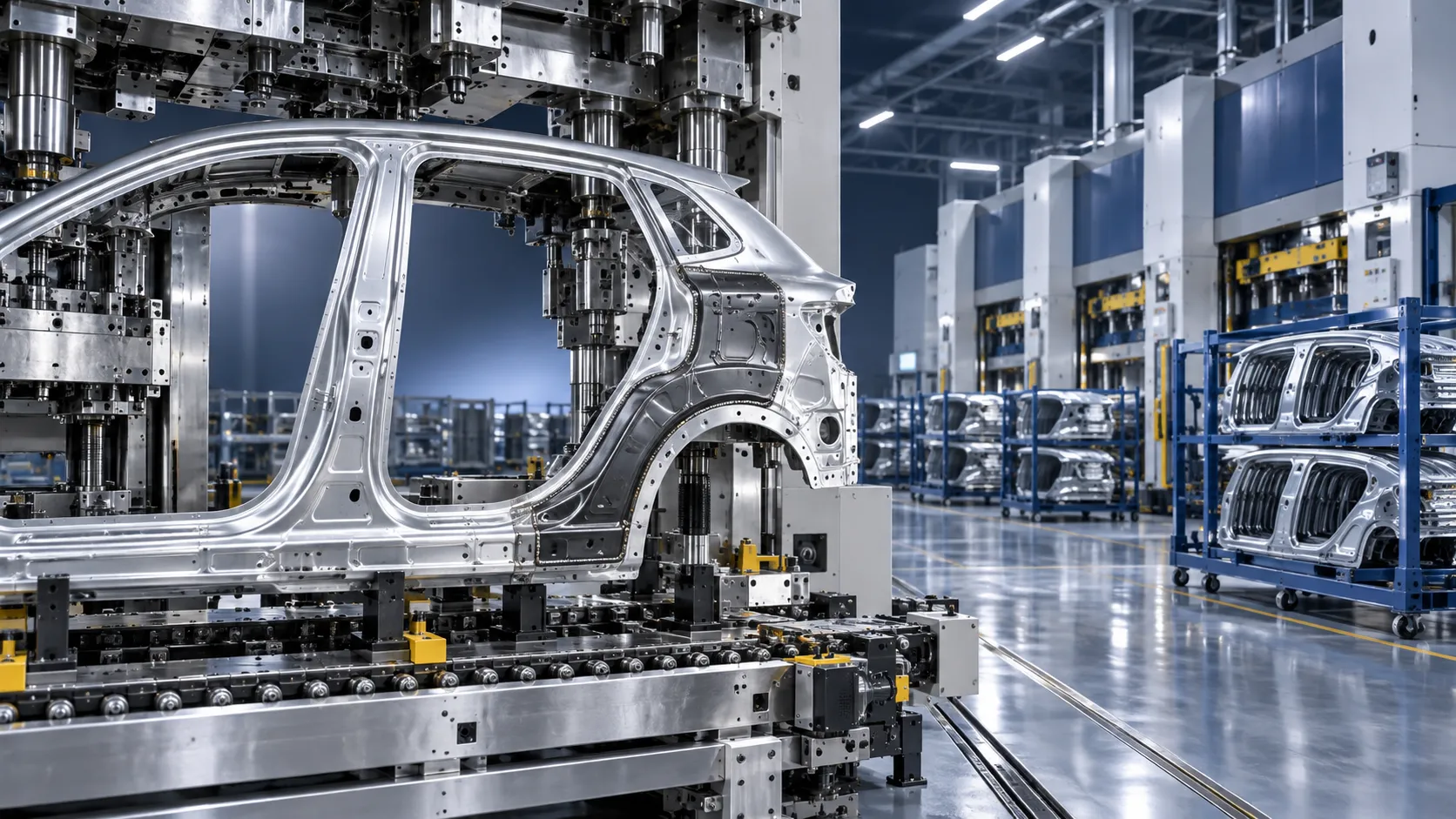
What Drives Lightweight Body Component Costs in High-Volume Vehicle Programs?
Lightweight body components cost depends on material yield, forming, joining, tooling, validation, and logistics. Explore proven ways to optimize total vehicle program cost.
Related News
- 00
0000-00
How to Specify Integrated Marine Electronics for Reliable Bridge Operations - 00
0000-00
How Adjustable Cabin Ergonomics Reduce Operator Fatigue in Long-Shift Vehicles - 00
0000-00
How to Evaluate a Marine Safety Systems Manufacturer for Vessel Compliance and Reliability - 00
0000-00
How to Calculate the Total Cost of Automotive Lightweighting for a Vehicle Program - 00
0000-00
What Drives Lightweight Body Component Costs in High-Volume Vehicle Programs?
Weekly Insights
Stay ahead with our curated technology reports delivered every Monday.