What do maritime compliance standards mean in 2026?
In 2026, maritime compliance standards are no longer just a checklist for vessel certification—they are a strategic framework for safer navigation, smarter system integration, and lower operational risk. For project managers and engineering leads, evolving rules around ECDIS updates, AIS performance, cybersecurity, emissions, and onboard safety demand earlier planning and tighter supplier coordination. Understanding these requirements helps teams avoid costly redesigns, accelerate approvals, and build marine navigation solutions that meet global expectations for precision, resilience, and lifecycle compliance.
For teams responsible for vessel modernization, bridge electronics, offshore support assets, or fleet-level technology programs, the meaning of compliance has widened. It now connects navigation accuracy, software governance, electromagnetic resilience, cyber protection, documentation traceability, and human-factor safety in one delivery framework.
How maritime compliance standards are changing project priorities in 2026
Maritime compliance standards in 2026 define how a vessel, system, supplier, and operator prove safe performance across the full lifecycle. The practical impact starts 6–18 months before commissioning, when architecture decisions, interface specifications, and certification routes are still flexible.
Project managers often discover that the costliest compliance issues are not caused by a single failed test. They emerge from late software updates, incomplete change records, undocumented sensor interfaces, or unclear responsibility between shipyard, integrator, OEM, and fleet operator.
From certification event to lifecycle control
Traditional compliance planning focused heavily on final inspections and class approvals. In 2026, the stronger approach is to treat maritime compliance standards as a lifecycle control system with at least 5 recurring checkpoints: design review, supplier qualification, factory acceptance, sea trial validation, and operational update management.
This shift is especially important for ECDIS, radar, GNSS receivers, AIS transponders, sonar equipment, voyage data systems, and bridge alert management. These systems may depend on firmware versions, chart databases, sensor fusion logic, and network security settings that change multiple times during service.
Key compliance domains for engineering teams
The table below shows how maritime compliance standards translate into engineering work packages. It is not a substitute for flag, class, or statutory review, but it helps teams structure early decisions before procurement contracts are locked.
The key conclusion is that compliance cannot be delegated only to the final approval stage. Engineering teams should translate each requirement into specifications, test cases, supplier evidence, and operating procedures while there is still time to adjust design choices.
Why this matters beyond navigation equipment
GNCS views maritime compliance standards through the wider lens of precision spatial perception and physical containment protection. The same discipline that governs a marine radar update can inform traceability in automotive crash components, smart seating modules, and safety-critical cabin systems.
For project leaders, this cross-industry perspective is useful. Whether managing a navigation bridge retrofit or a passive safety component program, the winning pattern is similar: define performance thresholds, protect change control, verify interfaces, and maintain auditable evidence.
What project managers should evaluate before procurement
Procurement decisions in 2026 must go beyond unit price and delivery date. Maritime compliance standards require buyers to assess how equipment performs under operational stress, how suppliers support documentation, and how easily a system can remain compliant over 5–10 years.
A navigation package may look technically acceptable at bid stage but create risk later if software ownership, update frequency, spare module availability, or cybersecurity responsibilities are unclear. These gaps can delay acceptance by 2–6 weeks or force expensive integration work.
Core supplier selection criteria
Engineering leads should use a structured evaluation matrix when selecting navigation, communication, or safety-related suppliers. The following checklist supports clearer comparison without relying on vague claims or marketing language.
- Confirm applicable flag, class, and operational area requirements before issuing the technical request.
- Ask for software version policy, update method, rollback procedure, and expected support window.
- Require interface control documents for NMEA, Ethernet, serial, power, and alarm connections.
- Review environmental ratings such as vibration, temperature, humidity, EMC, and ingress protection.
- Define acceptance evidence, including factory test reports, onboard test records, and maintenance manuals.
- Clarify response time for technical support, commonly within 24–72 hours for critical system questions.
This process helps align commercial negotiations with maritime compliance standards. It also gives purchasing teams practical language to compare bids when several suppliers appear technically similar on the surface.
Typical technical thresholds to define early
Not every threshold is universal, because vessel type, class notation, operating region, and system architecture matter. Still, project teams should define measurable ranges for at least 6 areas before contract award.
The most valuable bids are not always the cheapest. They are the bids that reduce uncertainty across installation, validation, crew use, and later updates. That is where maritime compliance standards become a procurement advantage.
Implementation roadmap for compliant marine navigation projects
A disciplined implementation plan converts maritime compliance standards into daily project controls. For many newbuild or retrofit programs, a 5-stage roadmap is easier to manage than a long list of disconnected requirements.
The roadmap should start before vendor nomination and continue after handover. Navigation systems are increasingly software-defined, so compliance evidence must remain current after commissioning, not only during the original acceptance window.
A 5-stage compliance workflow
- Requirement mapping: identify flag, class, port-state, owner, and operational requirements in a single compliance matrix.
- Architecture review: define system interfaces, redundancy, power supply, data flow, and cybersecurity boundaries.
- Supplier evidence review: check manuals, declarations, test reports, maintenance instructions, and version control process.
- Integrated testing: perform factory acceptance, harbor testing, and sea trials with clear pass or corrective-action criteria.
- Lifecycle governance: maintain update logs, training records, incident reports, and periodic audits after delivery.
This workflow gives project managers a practical way to assign owners, dates, and evidence to each requirement. A typical retrofit may need 8–16 weeks from survey to onboard validation, depending on vessel access and integration complexity.
Documentation that reduces approval friction
Documentation is often treated as administrative work, but it is one of the strongest risk controls under modern maritime compliance standards. Missing records can create the same delay as a technical defect because inspectors need evidence, not assumptions.
A robust package should include at least 10 document categories: requirement matrix, equipment list, interface drawings, network topology, software version list, installation records, test procedures, corrective-action log, crew training record, and maintenance plan.
Managing change during installation
Real projects rarely follow the initial drawing perfectly. Cable routes change, antennas move, network switches are replaced, and firmware may be updated before sea trial. Each change should be classified by risk level: low, medium, or critical.
A low-risk change may only need drawing revision. A medium-risk change may require functional retesting. A critical change, such as altering navigation data flow or remote access settings, should trigger formal review before the vessel returns to service.
Risk areas that deserve earlier engineering attention
The strongest compliance programs focus on risk before it becomes a schedule issue. In 2026, maritime compliance standards put particular pressure on digital navigation integrity, cyber resilience, emissions-related data, and safe bridge operation.
For engineering leaders, these topics should be visible in weekly project reviews. A simple red, amber, green status may be enough if it covers evidence readiness, open deviations, supplier response, and test completion percentage.
ECDIS updates and software governance
ECDIS-related issues are common because they combine software, charts, hardware, crew procedures, and backup arrangements. Teams should define who approves updates, how often charts are verified, and what happens if an update fails before departure.
A practical policy may require update checks every 7 days for active trading vessels, a documented backup process, and a rollback plan for major software changes. The exact interval should match operational requirements and approved procedures.
Cybersecurity and remote support
Remote diagnostics can shorten troubleshooting time, but unmanaged access can undermine maritime compliance standards. Suppliers, ship managers, and integrators must agree on authentication, approval windows, logging, and emergency access rules.
A strong setup includes unique accounts, time-limited access, recorded maintenance actions, and separation between navigation networks and non-essential networks. These controls are practical, measurable, and easier to audit than general cybersecurity statements.
Human factors on the bridge
Compliance is not only about electronic performance. Bridge systems must support watchkeepers under fatigue, bad weather, high traffic density, and abnormal conditions. Poor alarm design can create noise instead of protection.
Project teams should include crew review in at least 2 stages: before final layout approval and during operational testing. This helps verify screen visibility, alarm prioritization, workstation ergonomics, and the clarity of failure messages.
Common mistakes and practical answers for decision makers
Many compliance delays are predictable. They happen when teams assume that approved equipment automatically creates an approved installation, or when the procurement package omits lifecycle support obligations.
The following questions reflect common concerns from project managers, engineering leads, and technical buyers planning marine navigation solutions under maritime compliance standards.
Does type-approved equipment guarantee project approval?
No. Type approval is important, but the final installation still depends on wiring, placement, configuration, documentation, software version, operational procedures, and system integration. An approved device can still create nonconformity if installed outside its intended conditions.
How early should compliance planning begin?
For newbuilds, planning should start during concept or basic design. For retrofits, start at least 8–12 weeks before vessel access where possible. Early planning reduces change orders and gives suppliers enough time to prepare evidence.
What should be included in supplier contracts?
Contracts should define applicable maritime compliance standards, documentation deliverables, software support period, update responsibilities, response time, test participation, spare parts availability, and responsibility for corrective actions discovered during commissioning.
How can GNCS support better decisions?
GNCS connects marine navigation intelligence with broader safety and mobility equipment insight. Its Strategic Intelligence Center helps decision makers track regulatory evolution, ECDIS update practices, AIS performance issues, and the commercial implications of high-reliability components.
For organizations managing navigation upgrades, safety-critical supply chains, or advanced mobility equipment, this intelligence helps convert fragmented rules into clearer engineering priorities, procurement questions, and lifecycle compliance plans.
Building compliant systems with long-term value
Maritime compliance standards in 2026 mean safer navigation, stronger digital governance, clearer supplier accountability, and more resilient operations. They also help project managers identify hidden risk before design freeze, contract award, or sea trial.
The best results come from treating compliance as an engineering framework, not a paperwork burden. Teams should define measurable requirements, validate interfaces, manage updates, and preserve evidence through the operating life of the vessel.
GNCS supports project managers, engineering leads, and technical buyers with structured intelligence across marine navigation systems, safety technologies, and high-reliability mobility equipment. To align your next project with current maritime compliance standards, contact us to discuss product details, request a tailored solution, or learn more about practical implementation pathways.
Related News
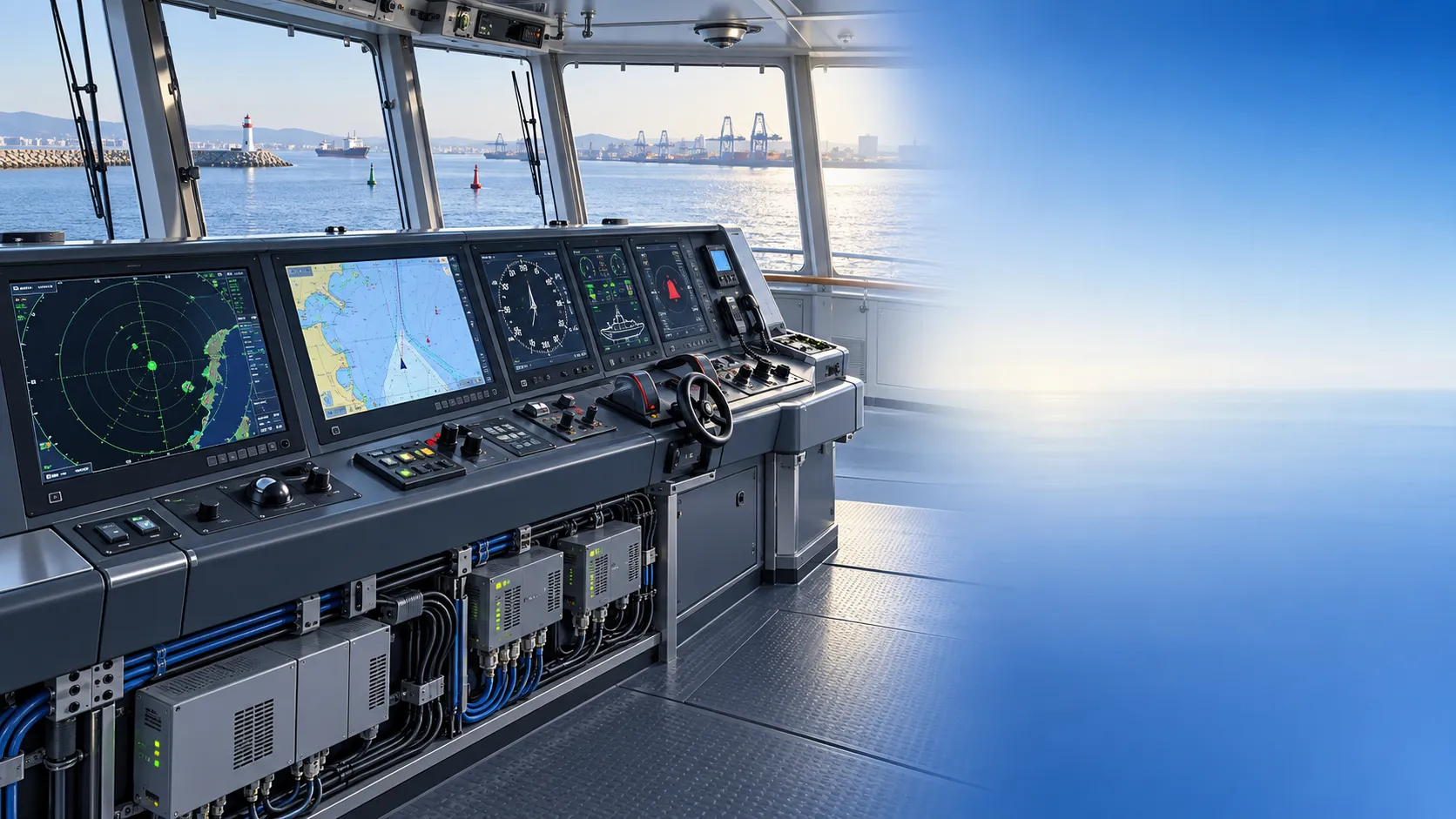
How to Specify Integrated Marine Electronics for Reliable Bridge Operations
Integrated marine electronics: learn how to specify reliable bridge systems with clear data flows, redundancy, alarm control, lifecycle interfaces, and operational testing.

How to Evaluate Navigation Radar Manufacturers for Commercial Vessel Projects
Navigation radar manufacturers: learn how to compare performance, compliance, integration, support, and lifecycle cost for commercial vessel projects.

How Adjustable Cabin Ergonomics Reduce Operator Fatigue in Long-Shift Vehicles
Adjustable cabin ergonomics reduces operator fatigue through better seating, reach, visibility, vibration control, and climate comfort for safer long-shift vehicles.

How Rear-Impact Safety Components Work Together to Protect Vehicle Occupants
Explore how automotive safety components for rear impact work together—from crash structures and seats to head restraints and belts—to enhance occupant protection.
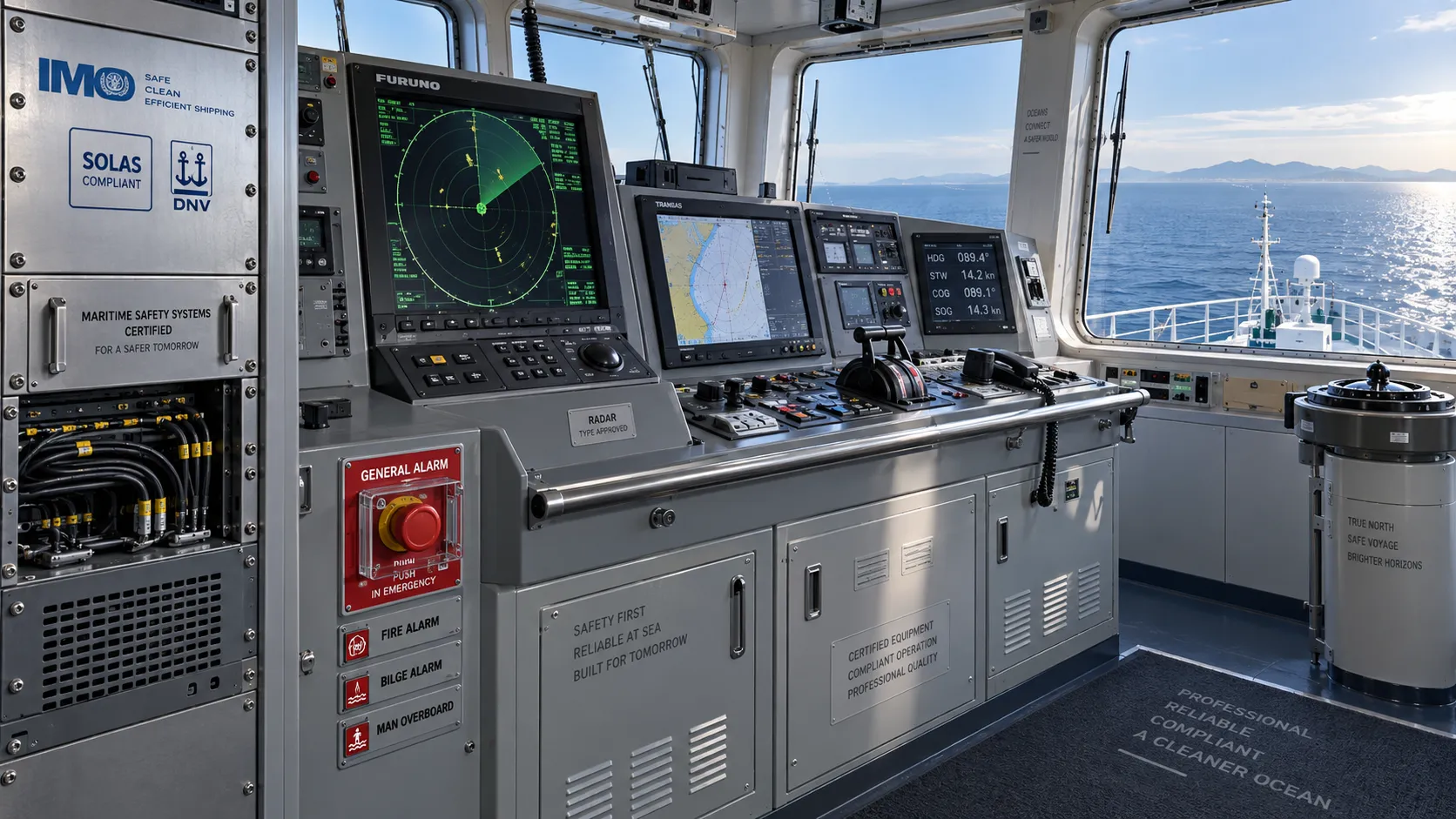
How to Evaluate a Marine Safety Systems Manufacturer for Vessel Compliance and Reliability
Marine safety systems manufacturer evaluation guide: verify compliance, engineering quality, lifecycle costs, and global service support for safer, reliable vessel operations.

Crash Test Regulations for Seatbelts: Key Compliance Requirements Explained
Crash test regulations seatbelts explained: explore FMVSS, UN rules, anchorage strength, and dynamic restraint testing for safer, compliant vehicle systems.

How to Calculate the Total Cost of Automotive Lightweighting for a Vehicle Program
Automotive lightweight solutions cost: learn how to calculate program-level costs, including materials, tooling, joining, validation, risk, and vehicle-level value.

How Automotive Seat Occupancy Sensing Improves Airbag Deployment Decisions
Automotive seat occupancy sensing helps optimize airbag deployment decisions, improving passenger classification, safety diagnostics, and compliance across real-world conditions.

What Drives Lightweight Body Component Costs in High-Volume Vehicle Programs?
Lightweight body components cost depends on material yield, forming, joining, tooling, validation, and logistics. Explore proven ways to optimize total vehicle program cost.
Related News
- 00
0000-00
How to Specify Integrated Marine Electronics for Reliable Bridge Operations - 00
0000-00
How Adjustable Cabin Ergonomics Reduce Operator Fatigue in Long-Shift Vehicles - 00
0000-00
How to Evaluate a Marine Safety Systems Manufacturer for Vessel Compliance and Reliability - 00
0000-00
How to Calculate the Total Cost of Automotive Lightweighting for a Vehicle Program - 00
0000-00
What Drives Lightweight Body Component Costs in High-Volume Vehicle Programs?
Weekly Insights
Stay ahead with our curated technology reports delivered every Monday.