
Is advanced driver assistance worth the retrofit cost?
Retrofitting advanced driver assistance can look like a costly upgrade, but for procurement teams, the real question is whether it reduces operational risk, strengthens safety compliance, and extends vehicle value across the fleet.
As global mobility standards tighten and buyers demand smarter protection, evaluating sensors, control units, integration complexity, and lifecycle ROI becomes essential.
This article examines when an ADAS retrofit is commercially justified—and when factory-fit or replacement strategies may deliver better long-term value.
When does an advanced driver assistance retrofit make procurement sense?
For procurement teams, advanced driver assistance is not simply a technology purchase. It is a risk allocation decision involving vehicles, drivers, insurance, compliance, and residual value.
A retrofit becomes attractive when existing assets still have usable service life, but their safety functions lag behind operating requirements or customer expectations.
Typical retrofit targets include forward collision warning, lane departure warning, blind spot detection, driver monitoring, reversing alerts, and camera-based surround visibility.
Procurement triggers worth investigating
- Fleet accident frequency is rising, especially low-speed impacts, lane-change incidents, rear-end collisions, or maneuvering damage in depots.
- Customers require measurable safety upgrades before renewing logistics, passenger transport, municipal, or industrial mobility contracts.
- Vehicles are structurally sound, but replacing them early would create unnecessary capital expenditure and disposal losses.
- Insurance discussions increasingly request driver assistance evidence, event data, or safety policy improvements.
GNCS views this decision through precision spatial perception and physical containment protection. A sensor alert only matters if it connects to real occupant safety.
Retrofit, factory-fit, or vehicle replacement: which option protects value?
Procurement teams often compare retrofit pricing with the headline cost of new vehicles. That comparison is too narrow and can distort the final decision.
The stronger approach is to compare total lifecycle impact, downtime, integration risk, compliance evidence, warranty exposure, and resale implications.
The table below frames advanced driver assistance options by commercial suitability rather than by technology appeal alone.
Retrofitting wins when the vehicle base is healthy and the safety gap is specific. Factory-fit wins when standardization and warranty simplicity dominate.
Replacement is justified when advanced driver assistance cannot compensate for outdated braking, poor body integrity, or incompatible power and network systems.
Which retrofit functions create measurable operational value?
Not every advanced driver assistance function deserves equal procurement priority. Value depends on route profile, vehicle class, driver workload, and accident history.
A long-haul truck, urban delivery van, airport ground vehicle, and passenger shuttle face different perception blind zones and intervention expectations.
Scenario-based selection priorities
- Urban fleets often benefit from blind spot alerts, pedestrian detection, reversing cameras, and low-speed collision warning.
- Highway fleets should prioritize lane departure warning, forward collision warning, driver monitoring, and fatigue-related event capture.
- Industrial yards need robust camera visibility, proximity warning, and durable sensors that tolerate dust, vibration, and harsh lighting.
- Passenger transport operators should assess alert quality, driver response training, and compatibility with seatbelt use policies.
GNCS emphasizes that perception technology should be reviewed with cabin protection. Alerts must support braking discipline, occupant restraint, and crash energy management.
Procurement parameters that decide retrofit success
A low quotation can hide costly weaknesses. Procurement should request technical evidence around detection range, operating environment, calibration, and vehicle compatibility.
The table below lists practical parameters to verify before awarding an advanced driver assistance retrofit project.
The strongest suppliers do not only sell sensors. They explain failure modes, calibration obligations, and how the system behaves in difficult operating conditions.
For buyers, the goal is not maximum features. It is dependable advanced driver assistance performance in the exact situations that create losses.
How should buyers calculate the real retrofit cost?
The retrofit cost is broader than the hardware invoice. A realistic model includes installation time, downtime, calibration, documentation, training, and future maintenance.
Procurement should compare cost against avoided incidents, lower repair frequency, fewer operational disruptions, and improved contract eligibility.
Lifecycle cost categories to include
- Hardware cost for cameras, radar, ultrasonic sensors, displays, control units, brackets, connectors, and harnesses.
- Labor cost for inspection, mounting, wiring, software configuration, road testing, and acceptance checks.
- Downtime cost from vehicle withdrawal, rescheduling, temporary replacement units, or delayed route coverage.
- Maintenance cost for sensor cleaning, recalibration, firmware updates, and replacement after minor impacts.
- Adoption cost for driver briefing, supervisor dashboards, incident review routines, and operating policy updates.
A retrofit is usually more defensible when the payback period is shorter than the remaining useful life of the vehicle.
If a fleet plans replacement within twelve to eighteen months, advanced driver assistance retrofits should be limited to urgent safety or contract requirements.
Compliance, standards, and documentation buyers should not ignore
ADAS retrofit decisions sit inside a wider safety ecosystem. Buyers should consider vehicle roadworthiness, installation legality, data handling, and insurance acceptance.
Regulatory expectations differ by market, but procurement should still request clear documentation showing how the retrofit affects vehicle operation and maintenance.
The table below summarizes common documentation checkpoints for advanced driver assistance procurement and internal approval.
GNCS monitors global mobility compliance signals, including crash test regulation trends and safety system expectations, to help buyers avoid narrow specification thinking.
Even when a retrofit is not directly mandated, documented safety governance can strengthen tender responses and supplier risk reviews.
What implementation process reduces downtime and dispute risk?
A successful advanced driver assistance retrofit depends on disciplined rollout. Skipping pilot validation often leads to inconsistent alerts and driver complaints.
Recommended rollout sequence
- Audit the fleet by model year, vehicle condition, electrical architecture, route type, accident pattern, and remaining service life.
- Define the minimum functional package instead of buying every available advanced driver assistance feature.
- Run a pilot on representative vehicles, including day, night, rain, depot, highway, and congested route conditions.
- Collect feedback from drivers, fleet supervisors, maintenance technicians, safety managers, and insurance stakeholders.
- Lock installation standards, acceptance tests, calibration records, and spare parts requirements before scaling procurement.
The pilot should be treated as a procurement gate, not a demonstration. It must expose installation burden, warning quality, and service response capacity.
For fleets with mixed brands or body types, standardization may require multiple mounting approaches and separate calibration procedures.
Common mistakes that make ADAS retrofits look expensive
Many retrofit projects disappoint because the initial purchase order does not reflect the real operating environment. The technology is blamed for a weak specification.
Mistakes to avoid before supplier selection
- Choosing the lowest hardware price without confirming installation labor, calibration support, and spare part availability.
- Assuming a passenger-car solution will fit commercial vehicles with different vibration, visibility, and duty-cycle requirements.
- Ignoring cabin ergonomics, because confusing displays or irritating sounds can reduce driver trust in advanced driver assistance.
- Failing to align retrofit data with incident review, driver coaching, insurance reporting, and maintenance workflows.
GNCS connects perception intelligence with occupant protection thinking. A retrofit should reduce collision likelihood while respecting seatbelts, airbags, structures, and driver behavior.
FAQ: procurement questions about advanced driver assistance retrofit cost
Is advanced driver assistance retrofit suitable for every fleet vehicle?
No. It is most suitable for vehicles with sound mechanical condition, stable electrical systems, and enough remaining service life to justify installation and calibration cost.
What should procurement ask suppliers before comparing quotations?
Ask for vehicle compatibility, installation time, calibration process, sensor coverage, warranty scope, data policy, spare parts plan, and after-service response commitments.
Can retrofit ADAS improve insurance or contract negotiations?
It can support negotiations when paired with documented safety policies, event data, driver training, and maintenance records. Technology alone rarely changes risk perception.
When is factory-fit advanced driver assistance the better choice?
Factory-fit is usually stronger for new fleet acquisition, warranty simplicity, standardized specifications, integrated displays, and long-term software support from the vehicle maker.
Why consult GNCS before committing retrofit budget?
GNCS supports procurement teams by connecting advanced driver assistance evaluation with broader mobility safety intelligence, from navigation perception to cabin protection systems.
Our Strategic Intelligence Center tracks technology evolution across sensors, vehicle structures, airbags, seatbelts, seating systems, and compliance expectations affecting procurement decisions.
Before issuing an RFQ, buyers can consult GNCS on parameter confirmation, retrofit suitability, supplier comparison logic, delivery risks, certification questions, and lifecycle cost framing.
We can help structure selection criteria, clarify whether retrofit or replacement is more rational, and prepare focused questions for technical and commercial negotiation.
If your fleet is evaluating advanced driver assistance investment, contact GNCS to discuss application scenarios, required functions, implementation sequence, documentation needs, and quotation review points.
Related News
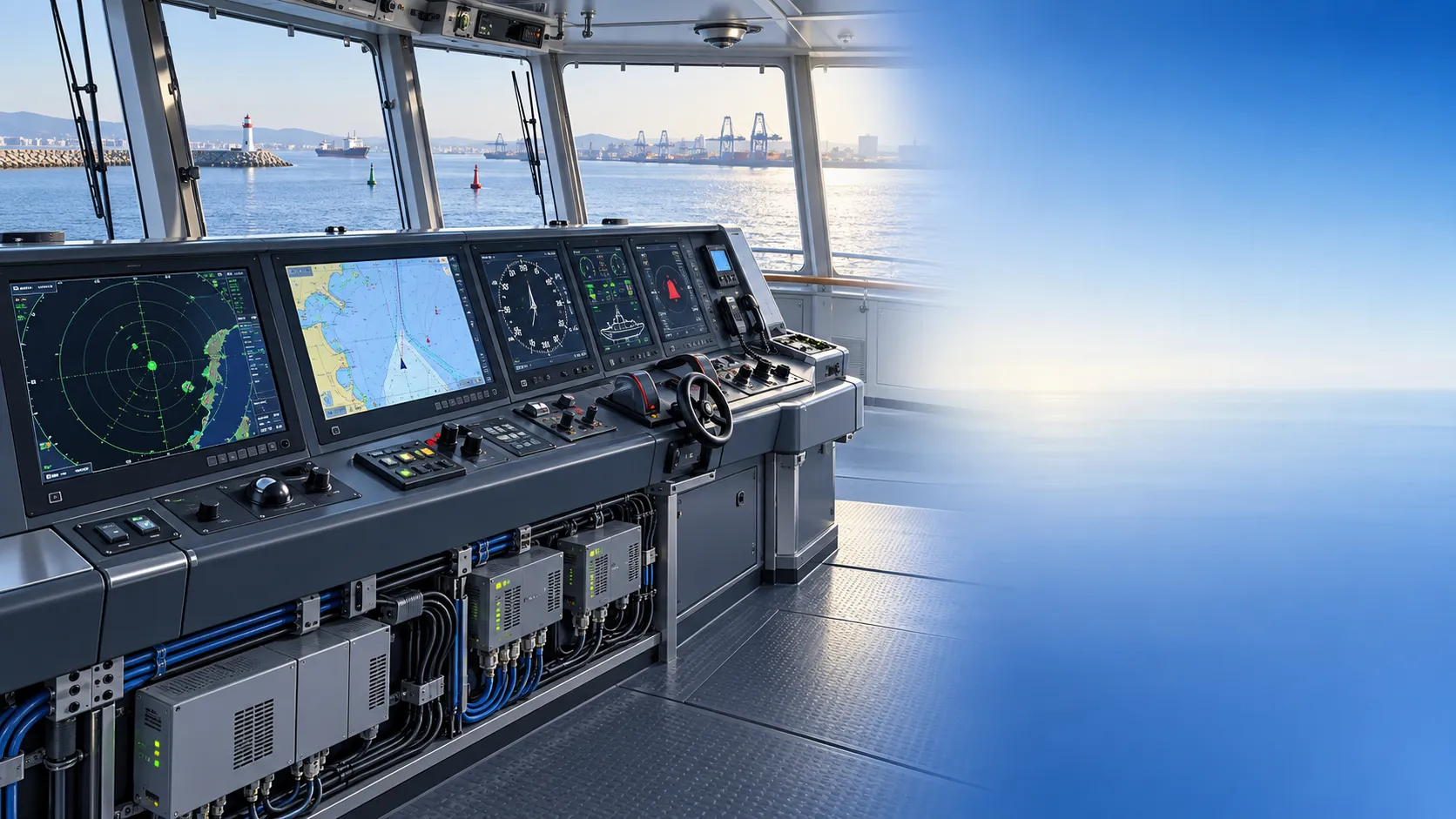
How to Specify Integrated Marine Electronics for Reliable Bridge Operations
Integrated marine electronics: learn how to specify reliable bridge systems with clear data flows, redundancy, alarm control, lifecycle interfaces, and operational testing.

How to Evaluate Navigation Radar Manufacturers for Commercial Vessel Projects
Navigation radar manufacturers: learn how to compare performance, compliance, integration, support, and lifecycle cost for commercial vessel projects.
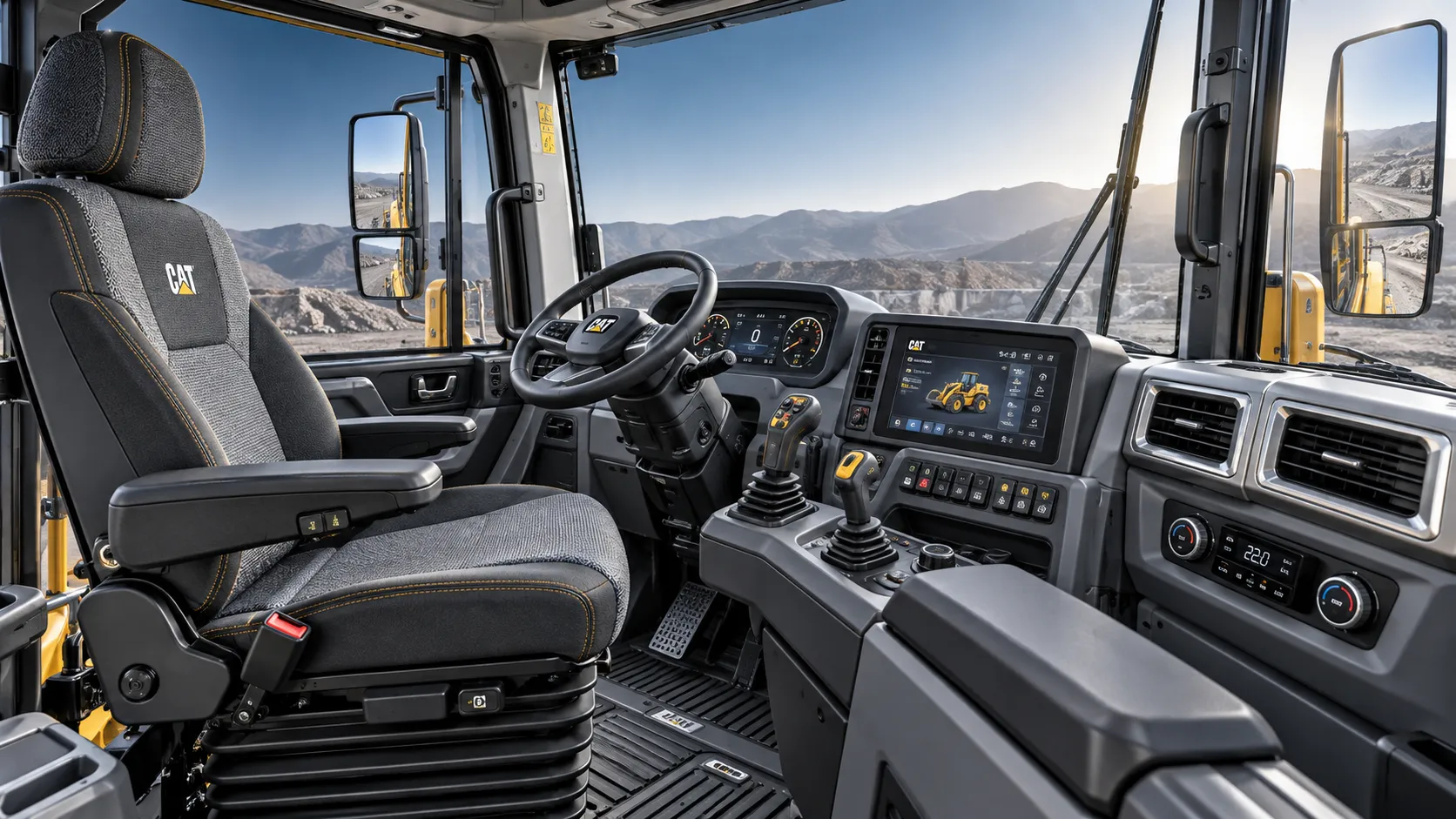
How Adjustable Cabin Ergonomics Reduce Operator Fatigue in Long-Shift Vehicles
Adjustable cabin ergonomics reduces operator fatigue through better seating, reach, visibility, vibration control, and climate comfort for safer long-shift vehicles.
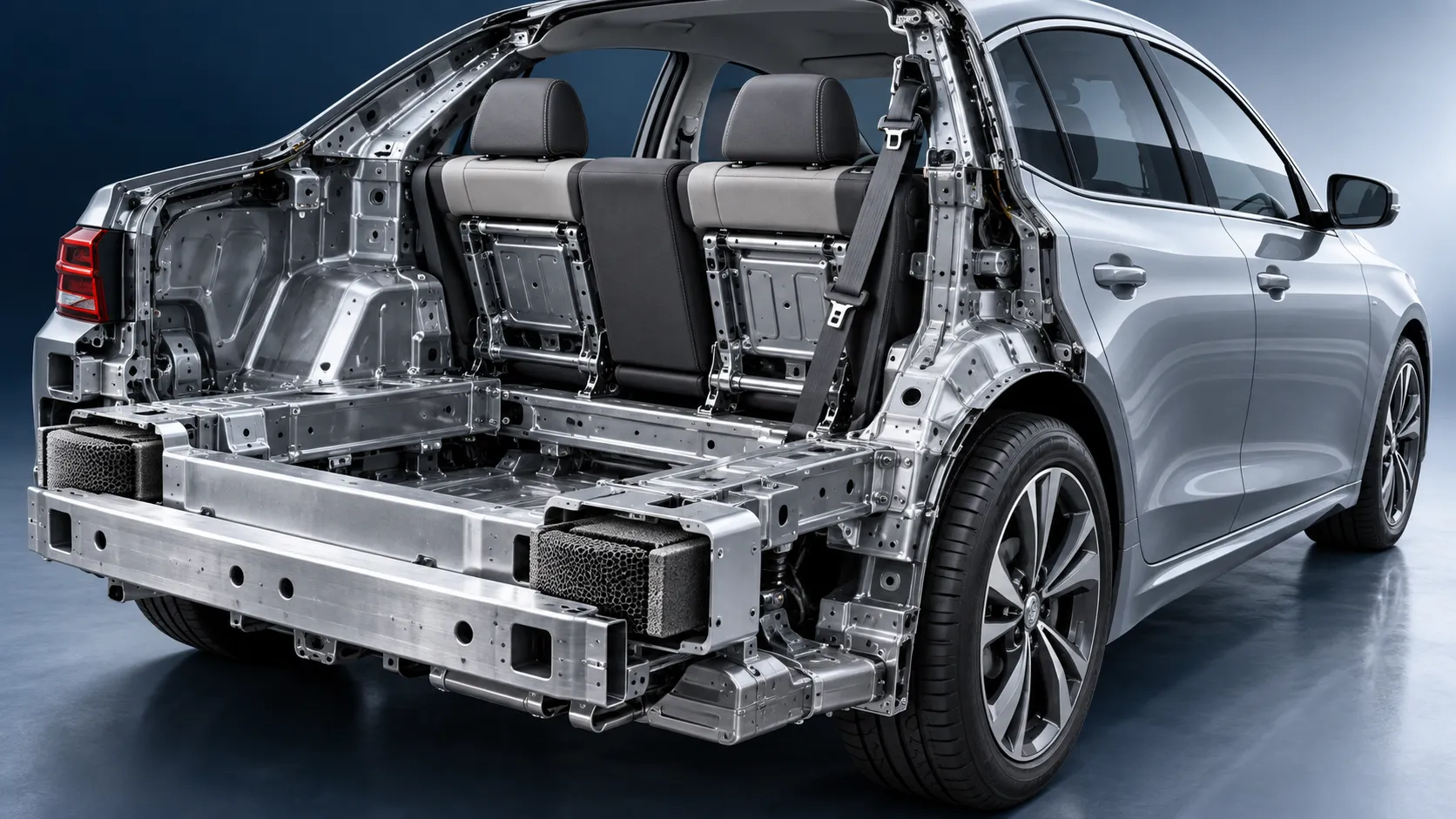
How Rear-Impact Safety Components Work Together to Protect Vehicle Occupants
Explore how automotive safety components for rear impact work together—from crash structures and seats to head restraints and belts—to enhance occupant protection.
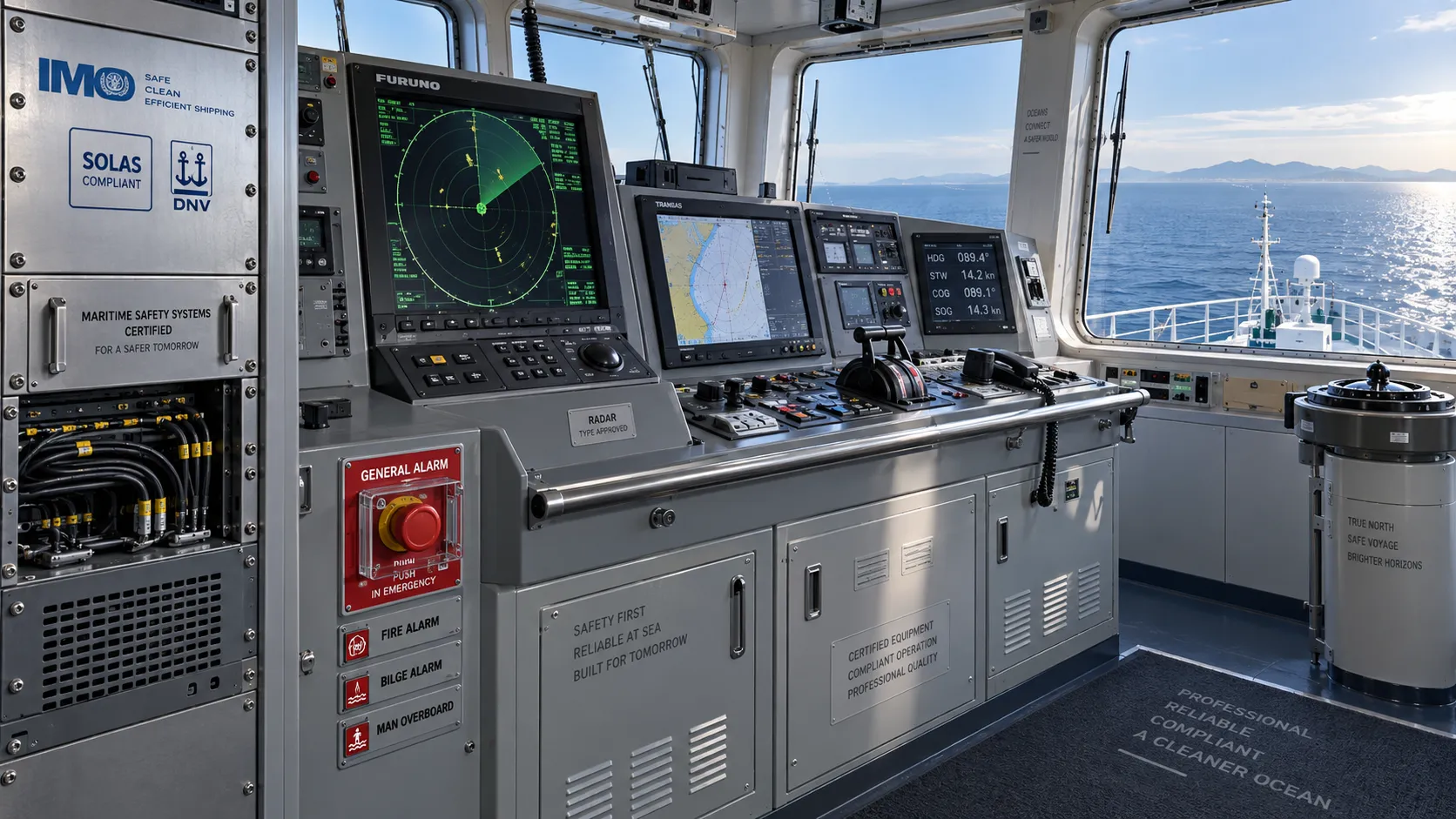
How to Evaluate a Marine Safety Systems Manufacturer for Vessel Compliance and Reliability
Marine safety systems manufacturer evaluation guide: verify compliance, engineering quality, lifecycle costs, and global service support for safer, reliable vessel operations.
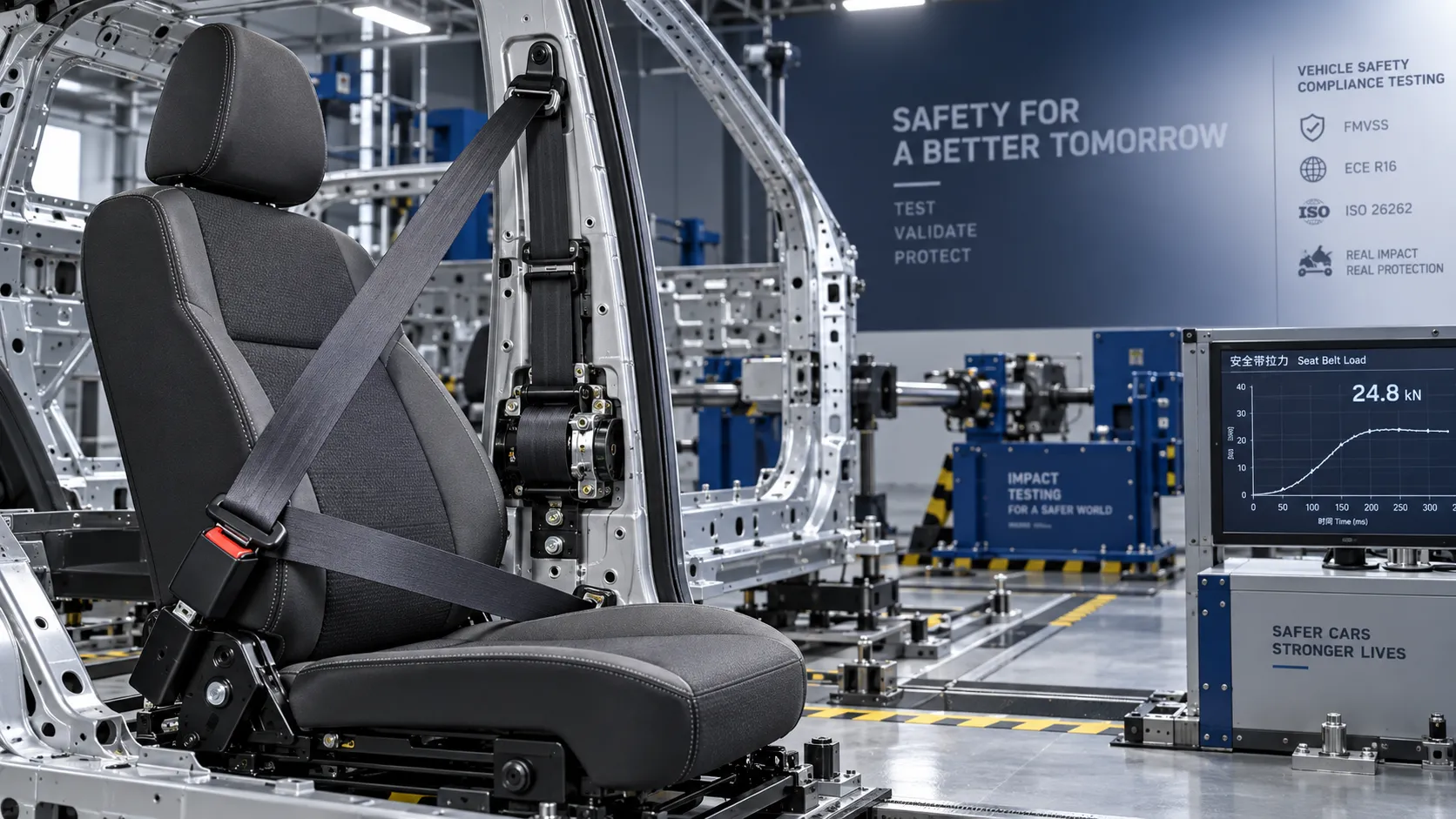
Crash Test Regulations for Seatbelts: Key Compliance Requirements Explained
Crash test regulations seatbelts explained: explore FMVSS, UN rules, anchorage strength, and dynamic restraint testing for safer, compliant vehicle systems.

How to Calculate the Total Cost of Automotive Lightweighting for a Vehicle Program
Automotive lightweight solutions cost: learn how to calculate program-level costs, including materials, tooling, joining, validation, risk, and vehicle-level value.

How Automotive Seat Occupancy Sensing Improves Airbag Deployment Decisions
Automotive seat occupancy sensing helps optimize airbag deployment decisions, improving passenger classification, safety diagnostics, and compliance across real-world conditions.

What Drives Lightweight Body Component Costs in High-Volume Vehicle Programs?
Lightweight body components cost depends on material yield, forming, joining, tooling, validation, and logistics. Explore proven ways to optimize total vehicle program cost.
Related News
- 00
0000-00
How to Specify Integrated Marine Electronics for Reliable Bridge Operations - 00
0000-00
How Adjustable Cabin Ergonomics Reduce Operator Fatigue in Long-Shift Vehicles - 00
0000-00
How to Evaluate a Marine Safety Systems Manufacturer for Vessel Compliance and Reliability - 00
0000-00
How to Calculate the Total Cost of Automotive Lightweighting for a Vehicle Program - 00
0000-00
What Drives Lightweight Body Component Costs in High-Volume Vehicle Programs?
Weekly Insights
Stay ahead with our curated technology reports delivered every Monday.