Marine Safety Equipment Checklist: How to Compare Lifesaving and Emergency Systems
Choosing the right marine safety equipment is more than a compliance task—it directly affects vessel readiness, crew protection, and long-term sourcing value.
When lifesaving and emergency systems look similar on paper, the real differences usually appear in certification scope, maintenance burden, interoperability, and service support.
That is why a practical comparison process matters. A solid review helps reduce hidden cost, avoid non-compliant delivery, and improve onboard response when conditions turn bad.
For GNCS, this topic also fits a broader safety logic. Precision navigation, physical protection, and reliable emergency response are connected, not separate buying decisions.
Start with compliance, but do not stop there
The first filter for marine safety equipment is obvious: certification. Still, many comparisons fail because they stop at a certificate copy instead of checking the exact approval basis.
A product may be approved for one vessel type, one region, or one installation condition, but not for the actual operating profile being planned.
- Verify SOLAS, MED, USCG, or flag-state approval against the exact model, configuration, and intended route, not just the brand’s general certification portfolio.
- Check certificate validity dates and revision status. Expired paperwork or superseded standards can delay inspection, delivery, or vessel acceptance at a critical moment.
- Confirm testing laboratory details and environmental limits, including temperature, corrosion, vibration, and ingress protection, especially for exposed deck installations.
- Ask whether spare parts, replacement cylinders, batteries, and consumables also meet the same approval path. This point is often missed during price comparison.
A useful habit is to compare approval documents side by side with datasheets, manuals, and packing lists. Small mismatches often signal later problems.
Compare performance in real operating conditions
The next step is practical performance. Good marine safety equipment should work reliably in salt spray, heavy motion, poor visibility, and limited crew reaction time.
This is where GNCS often frames safety through system behavior, not single-component claims. A strong item on its own can still fail inside a weak emergency chain.
- Review activation speed, visibility range, buoyancy retention, alarm audibility, and battery endurance using measurable values rather than broad marketing descriptions.
- Compare reset time and post-use recovery. Some emergency systems perform well once but create long downtime or costly service after activation.
- Check human-factor design, including glove-friendly controls, clear labeling, low-light readability, and intuitive deployment for stressed or fatigued crews.
- Evaluate integration with navigation and alerting systems. Emergency beacons, distress alarms, and tracking functions should support fast location and coordinated response.
This matters especially on vessels that already depend on radar, AIS, ECDIS, and sonar. Emergency systems should reinforce situational awareness, not create isolated data points.
One common mistake
A lower unit price can look attractive until consumables, recalibration, or mandatory service intervals are added. Over five years, the cheaper option may cost more.
Focus on lifecycle cost, not purchase price alone
If two products meet the same safety level, lifecycle economics usually decide the better option. This is where disciplined comparison creates the most value.
- Estimate five-year ownership cost, including inspection, crew training, calibration, replacement parts, logistics, and disposal of expired components or hazardous materials.
- Request failure-rate history and warranty terms in writing. Support quality varies sharply between brands that appear similar in technical brochures.
- Check whether service can be completed at major ports on your route. Remote servicing gaps can turn a minor issue into an operational delay.
This lifecycle view is also consistent with GNCS market intelligence. Across mobility equipment, high-reliability parts usually win because downtime and failure cost exceed initial savings.
Look closely at integration and onboard fit
Not all marine safety equipment fits cleanly into the vessel layout. Size, mounting position, cabling, communications, and crew access can all change final usability.
A technically strong device that blocks movement, complicates drills, or interferes with bridge systems is not a good buy.
- Confirm dimensions, weight, bracket design, cable routing, and power requirements before ordering, especially on retrofit projects with limited onboard space.
- Check system compatibility with alarms, communication interfaces, and monitoring software so emergency events are visible where operators already work.
- Review installation documentation quality. Clear manuals, commissioning steps, and troubleshooting charts reduce errors during yard work or onboard replacement.
- Assess corrosion resistance of housings, fasteners, connectors, and coatings. Marine exposure often attacks hardware first, long before core electronics fail.
For newbuild projects
It helps to align emergency systems early with navigation architecture, bridge alerts, and deck arrangement. Late changes usually increase cost and approval complexity.
For retrofit work
The priority shifts to footprint, downtime window, and interface compatibility. Existing cable trays, control panels, and class approval records need extra attention.
Do not overlook training, inspection, and emergency usability
A product can be certified, durable, and well priced, yet still underperform if crews cannot inspect or deploy it quickly under pressure.
This is often the hidden gap in marine safety equipment selection. Ease of use should be treated as a technical requirement, not a nice extra.
- Choose equipment with straightforward inspection points, visible status indicators, and simple test procedures that support routine onboard verification.
- Ask suppliers for drill materials, training videos, and multilingual labels. Better learning tools improve correct use during actual emergencies.
- Review replacement steps for critical parts. If routine servicing needs rare tools or factory-only procedures, turnaround may become a problem.
- Check storage conditions and shelf-life controls. Heat, moisture, or vibration can quietly reduce readiness without obvious external damage.
A practical rule is simple: if a system cannot be checked quickly and used confidently during a drill, compare alternatives before committing.
Questions worth asking before final selection
At final review, a short set of direct questions can expose weak offers faster than a long brochure comparison.
- What exactly is included in delivery, and what must be sourced separately for commissioning, inspection, operation, or future replacement cycles?
- Which ports or service partners can support this marine safety equipment within the vessel’s expected trading geography and response window?
- What documented evidence shows field reliability, not only laboratory testing, across similar vessel classes and environmental conditions?
- How will software updates, firmware versions, or digital integration be controlled if the equipment connects with broader onboard systems?
That last point matters more every year. As GNCS tracks in marine navigation systems, digital updates and connected functionality are now part of safety assurance.
A practical way to compare offers
A simple weighted matrix usually works better than informal discussion. Score each offer on compliance, performance, lifecycle cost, integration, service access, and usability.
Then keep supporting evidence beside every score. That makes internal review easier and reduces the chance of buying based on price alone.
In short, the best marine safety equipment choice is rarely the one with the lowest quote or the most features. It is the one that fits the vessel, meets the route, stays compliant, and remains usable over time.
A careful comparison of lifesaving and emergency systems should connect certification, onboard reality, digital integration, and service support in one decision path.
If the next review starts with those checkpoints, it becomes much easier to separate acceptable options from truly reliable ones—and to move forward with more confidence.
Related News
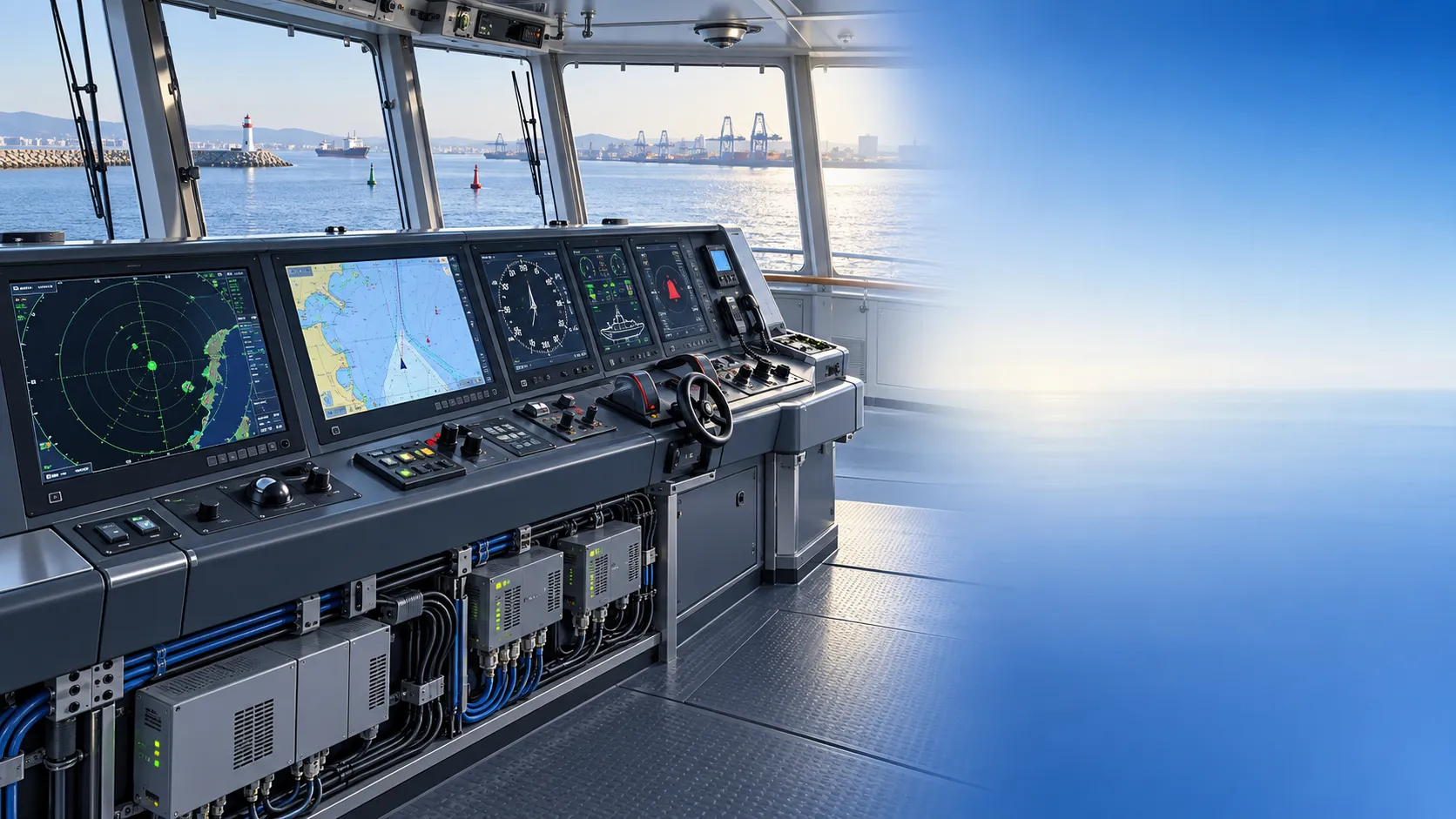
How to Specify Integrated Marine Electronics for Reliable Bridge Operations
Integrated marine electronics: learn how to specify reliable bridge systems with clear data flows, redundancy, alarm control, lifecycle interfaces, and operational testing.

How to Evaluate Navigation Radar Manufacturers for Commercial Vessel Projects
Navigation radar manufacturers: learn how to compare performance, compliance, integration, support, and lifecycle cost for commercial vessel projects.
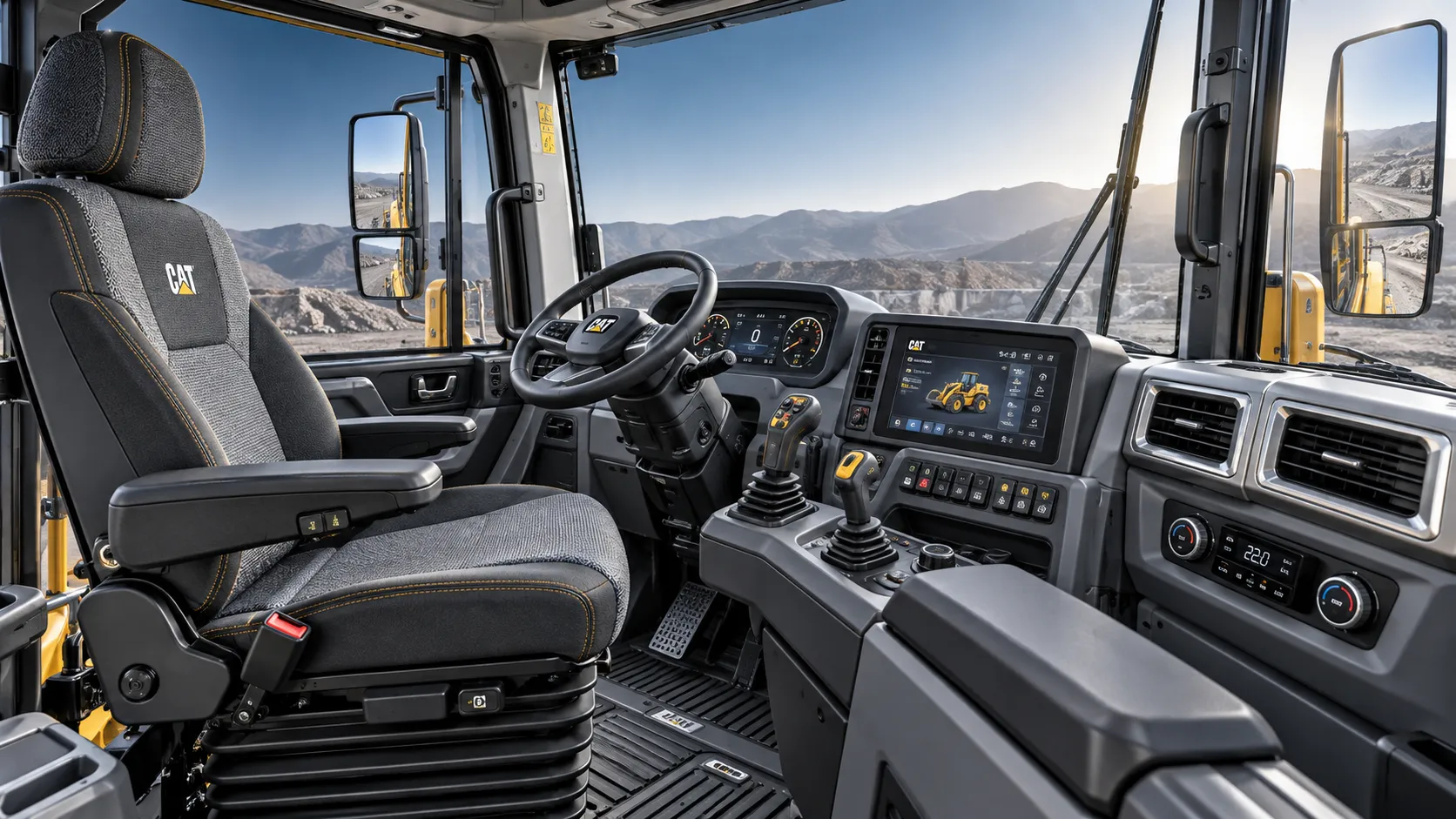
How Adjustable Cabin Ergonomics Reduce Operator Fatigue in Long-Shift Vehicles
Adjustable cabin ergonomics reduces operator fatigue through better seating, reach, visibility, vibration control, and climate comfort for safer long-shift vehicles.

How Rear-Impact Safety Components Work Together to Protect Vehicle Occupants
Explore how automotive safety components for rear impact work together—from crash structures and seats to head restraints and belts—to enhance occupant protection.
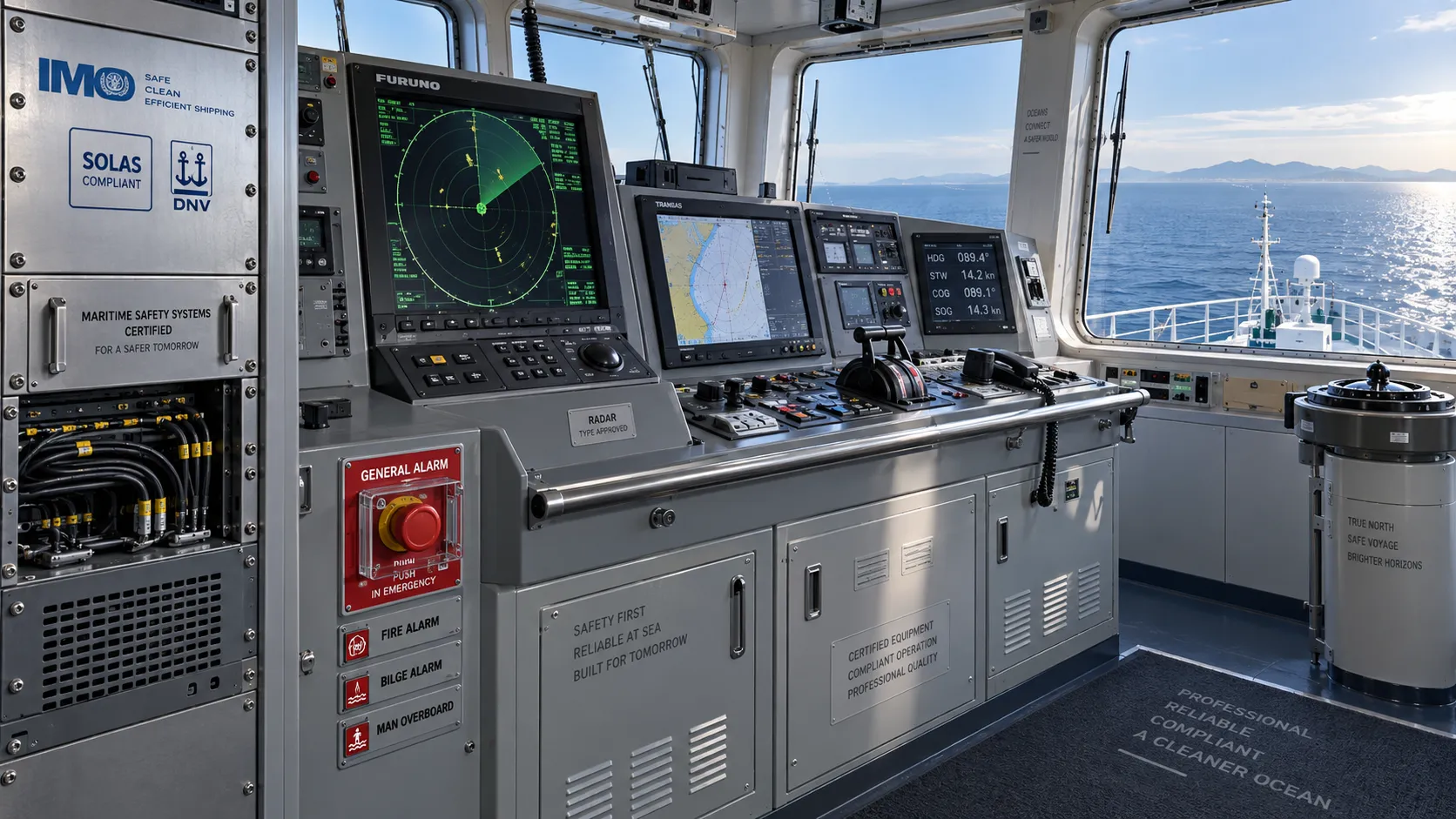
How to Evaluate a Marine Safety Systems Manufacturer for Vessel Compliance and Reliability
Marine safety systems manufacturer evaluation guide: verify compliance, engineering quality, lifecycle costs, and global service support for safer, reliable vessel operations.
Crash Test Regulations for Seatbelts: Key Compliance Requirements Explained
Crash test regulations seatbelts explained: explore FMVSS, UN rules, anchorage strength, and dynamic restraint testing for safer, compliant vehicle systems.

How to Calculate the Total Cost of Automotive Lightweighting for a Vehicle Program
Automotive lightweight solutions cost: learn how to calculate program-level costs, including materials, tooling, joining, validation, risk, and vehicle-level value.

How Automotive Seat Occupancy Sensing Improves Airbag Deployment Decisions
Automotive seat occupancy sensing helps optimize airbag deployment decisions, improving passenger classification, safety diagnostics, and compliance across real-world conditions.

What Drives Lightweight Body Component Costs in High-Volume Vehicle Programs?
Lightweight body components cost depends on material yield, forming, joining, tooling, validation, and logistics. Explore proven ways to optimize total vehicle program cost.
Related News
- 00
0000-00
How to Specify Integrated Marine Electronics for Reliable Bridge Operations - 00
0000-00
How Adjustable Cabin Ergonomics Reduce Operator Fatigue in Long-Shift Vehicles - 00
0000-00
How to Evaluate a Marine Safety Systems Manufacturer for Vessel Compliance and Reliability - 00
0000-00
How to Calculate the Total Cost of Automotive Lightweighting for a Vehicle Program - 00
0000-00
What Drives Lightweight Body Component Costs in High-Volume Vehicle Programs?
Weekly Insights
Stay ahead with our curated technology reports delivered every Monday.