
Vehicle Lightweight Solutions: Cost, Materials, and ROI Trade-Offs
For procurement teams, vehicle lightweight solutions are no longer just an engineering preference—they are a strategic lever for cost control, compliance, fuel efficiency, and safety performance. As OEMs and Tier 1 suppliers evaluate aluminum, high-strength steel, magnesium, composites, and hybrid structures, the real challenge lies in balancing material price, manufacturing complexity, crashworthiness, and long-term ROI. This article explores the key trade-offs buyers should understand before sourcing lightweight body, seating, and passive safety components in a rapidly evolving mobility equipment market.
In procurement terms, lightweighting is not simply buying a lighter part. It is a 3-stage decision involving material selection, process validation, and lifecycle value measurement.
For GNCS readers, the topic connects directly with auto body stampings, smart seat frames, seatbelt anchorage zones, and passive safety load paths under crash conditions.
Why Vehicle Lightweight Solutions Matter to Procurement
Procurement teams often receive a target such as 8 kg, 15 kg, or 40 kg weight reduction per vehicle platform. The commercial question is whether that reduction pays back.
Vehicle lightweight solutions influence fuel consumption, EV range, CO2 compliance, freight cost, tooling depreciation, and crash test performance. Each factor can change the sourcing result.
The buyer’s challenge: part price versus system value
A magnesium seat frame may cost more than a steel structure, yet reduce mass by 20%–35% in typical seating applications. The saving must be evaluated system-wide.
A hot-stamped steel B-pillar can remain cost-effective because it combines high strength, thin gauge design, and mature forming cycles of around 30–60 seconds.
Procurement pain points seen in RFQ evaluation
- Material premiums fluctuate faster than tooling decisions, especially for aluminum, magnesium, and carbon fiber systems.
- Crashworthiness data may be incomplete during early sourcing, creating uncertainty before DV and PV test phases.
- Assembly complexity can add 2–5 extra joining steps, offsetting nominal material weight advantages.
- Supplier capability differs sharply between prototype builds, 10,000-unit pilot runs, and 200,000-unit annual production.
For buyers, the strongest vehicle lightweight solutions are those that reduce mass without creating hidden risk in welding, adhesive bonding, logistics, or warranty exposure.
Material Choices: Cost, Mass Reduction, and Safety Trade-Offs
Material selection is the center of every lightweighting RFQ. The same 10 kg target may require different approaches for body structures, seats, or passive safety brackets.
The table below summarizes common material options used in vehicle lightweight solutions and the procurement implications that should be discussed before nomination.
The key conclusion is clear: no single material wins every RFQ. Procurement should compare weight saving per dollar, joining compatibility, and safety validation effort.
Advanced steel remains a baseline for scalable programs
For high-volume programs above 100,000 units per year, advanced high-strength steel often delivers the most predictable balance of cost, availability, and crash performance.
Hot stamping also supports precise energy-absorbing zones. This matters when body structures must align with airbag triggering logic and seatbelt load management.
Aluminum and magnesium require process discipline
Aluminum vehicle lightweight solutions can be attractive in closures and EV structures, but buyers must check rivet, adhesive, laser welding, and repair strategies.
Magnesium offers strong benefits for seat assemblies, where every kilogram affects comfort systems, adjustment motors, and cabin packaging within tight ergonomic envelopes.
Total Cost: Beyond the Material Price Line
A common sourcing mistake is to compare raw material cost only. In reality, total cost may include 8–12 separate items across development and production.
For vehicle lightweight solutions, procurement should request a transparent cost breakdown covering tooling, forming, joining, inspection, scrap, logistics, and engineering changes.
Cost elements buyers should quantify
- Raw material pricing and escalation formula over 12–36 months.
- Tooling cost, including dies, fixtures, trim tools, and inspection gauges.
- Manufacturing cycle time, including stamping, casting, bonding, curing, or heat treatment.
- Joining technology, such as spot welding, laser welding, self-piercing rivets, clinching, or structural adhesive.
- Quality inspection frequency, including dimensional checks, tensile tests, torque tests, and corrosion validation.
- Packaging density, transport protection, and returnable container requirements.
A lightweight part with a 15% higher piece price may still be attractive if it removes 2 assembly steps or reduces downstream reinforcement weight.
Hidden cost example in mixed-material structures
When aluminum is joined to steel, galvanic corrosion control may require coating, sealant, isolation layers, and periodic validation under salt spray conditions.
If these controls are not specified in the RFQ, the buyer may see lower initial pricing but higher change costs after prototype testing.
ROI Measurement for Lightweight Body, Seat, and Safety Components
ROI for vehicle lightweight solutions depends on vehicle type, production volume, compliance pressure, and whether the saving unlocks secondary system optimization.
For EV platforms, a 20–50 kg reduction can support range, battery sizing, or payload flexibility. For commercial fleets, operating cost often drives the business case.
Procurement teams can use the following framework to compare competing vehicle lightweight solutions across body stampings, seat assemblies, and passive safety interfaces.
The table highlights a practical point: ROI is not one figure. It is a weighted judgment across mass, safety, manufacturability, and after-sales exposure.
Body stampings and crash load paths
In body-in-white sourcing, vehicle lightweight solutions must protect controlled deformation zones. A thinner part is unacceptable if it shifts crash load unpredictably.
Buyers should ask suppliers for forming simulation, thickness distribution, tensile properties, weld performance, and dimensional capability across at least 3 production batches.
Seat assemblies and occupant containment
Seat structures carry comfort systems, sensors, recliners, tracks, and restraint loads. A 3 kg reduction can be meaningful if anchorage strength remains robust.
For smart seating systems, procurement should evaluate stiffness, vibration behavior, side impact compatibility, and durability over repeated adjustment cycles.
Supplier Qualification and RFQ Strategy
Selecting a supplier for vehicle lightweight solutions requires more than a commercial quote. Buyers need evidence of engineering discipline and repeatable production control.
A robust RFQ package should define baseline weight, target weight, annual volume, validation standards, interface requirements, and change management rules.
A 5-step sourcing workflow
- Define the baseline part, including mass, material grade, tolerance stack, and crash function.
- Invite suppliers to propose 2–3 material and process alternatives.
- Compare cost per kilogram saved, tooling investment, and validation timing.
- Run prototype builds and confirm dimensional, fatigue, corrosion, and assembly performance.
- Lock production terms after PPAP, logistics trials, and long-term pricing review.
This 5-step workflow reduces ambiguity. It also prevents late disputes when lightweight targets conflict with manufacturability or passive safety requirements.
Supplier evidence to request before nomination
- Process flow diagram and control plan for each proposed material route.
- Dimensional capability records for critical sections, preferably across 30 or more measured samples.
- Joining validation data, including peel strength, weld nugget quality, or adhesive cure parameters.
- Crash-related CAE assumptions and correlation plan for physical testing.
- Packaging trial results showing protection against dents, corrosion, distortion, and mixed-material contamination.
For GNCS-aligned procurement intelligence, this evidence is essential because lightweight structures often interact directly with cabin protection and occupant restraint performance.
Compliance, Safety, and Common Procurement Mistakes
Lightweighting must not compromise life-protection systems. A cost-saving redesign can affect airbag timing, belt load transfer, and seating geometry.
Procurement should treat safety validation as a commercial gate, not only an engineering activity. The cost of late redesign can exceed early testing budgets.
Mistake 1: choosing the lightest option without integration review
The lightest option may introduce higher noise, vibration, fatigue risk, or joining complexity. Integration reviews should include body, seat, restraint, and quality teams.
Mistake 2: ignoring validation lead time
Typical validation can require 6–16 weeks, depending on tooling readiness, environmental tests, corrosion exposure, and crash-related physical testing schedules.
Mistake 3: separating sustainability from commercial terms
Recyclability, scrap recovery, and material traceability increasingly affect procurement scoring. A recyclable aluminum route may improve lifecycle positioning despite higher upfront cost.
Practical risk controls
- Use milestone payments tied to tooling completion, prototype approval, and production readiness.
- Define acceptable scrap rate targets during ramp-up, such as below 3%–5% after stabilization.
- Require escalation clauses for volatile materials, with monthly or quarterly index review.
- Confirm service repair procedures before final approval, especially for composites and mixed materials.
These controls help buyers capture the benefits of vehicle lightweight solutions while limiting exposure to cost drift, late engineering changes, and warranty claims.
How GNCS Helps Buyers Interpret Lightweighting Trade-Offs
GNCS focuses on the intersection of precision perception and physical containment protection. That perspective is valuable when lightweighting decisions affect safety-critical components.
For procurement teams, GNCS intelligence connects material trends, crash regulation evolution, seating ergonomics, and passive safety architecture into a practical sourcing view.
Where procurement insight creates value
- Comparing high-strength steel, aluminum, magnesium, and hybrid structures across cost and safety criteria.
- Understanding how lightweight body stampings influence crash energy absorption and restraint system calibration.
- Assessing seat frame weight reduction without overlooking stiffness, durability, and occupant containment needs.
- Interpreting commercial signals for Tier 1 suppliers competing in high-reliability mobility equipment markets.
The best vehicle lightweight solutions are not chosen by material price alone. They emerge from disciplined comparison of cost, mass, manufacturing stability, compliance, and ROI.
For buyers sourcing body stampings, smart seat structures, or passive safety components, the priority is to convert lightweighting targets into measurable commercial value.
If your team is evaluating vehicle lightweight solutions for a new platform or supplier program, GNCS can support clearer technical and procurement decision-making.
Contact GNCS to explore tailored sourcing intelligence, compare material strategies, or learn more solutions for safer, lighter, and more competitive mobility equipment.
Related News

How to Specify Integrated Marine Electronics for Reliable Bridge Operations
Integrated marine electronics: learn how to specify reliable bridge systems with clear data flows, redundancy, alarm control, lifecycle interfaces, and operational testing.

How to Evaluate Navigation Radar Manufacturers for Commercial Vessel Projects
Navigation radar manufacturers: learn how to compare performance, compliance, integration, support, and lifecycle cost for commercial vessel projects.
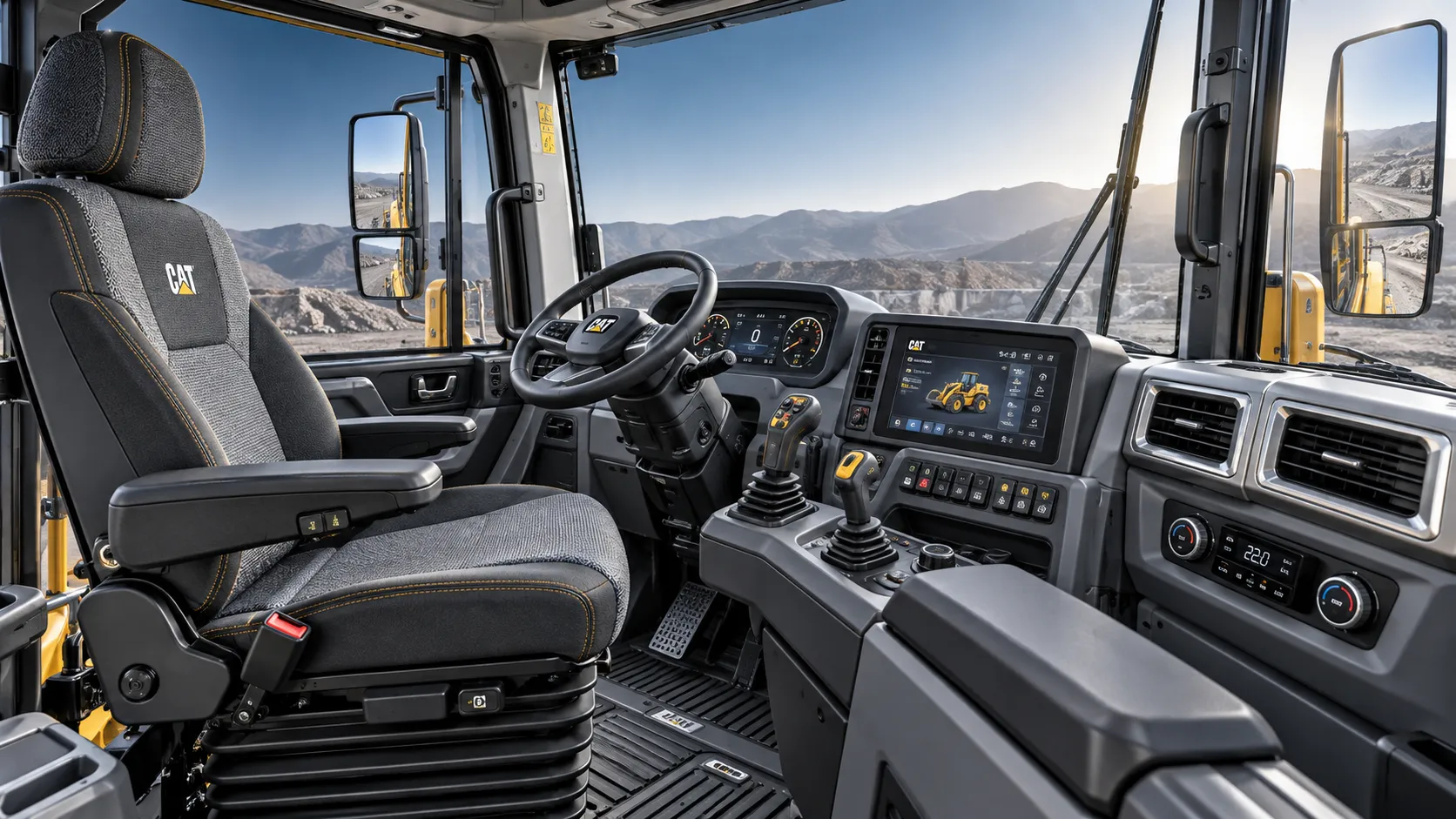
How Adjustable Cabin Ergonomics Reduce Operator Fatigue in Long-Shift Vehicles
Adjustable cabin ergonomics reduces operator fatigue through better seating, reach, visibility, vibration control, and climate comfort for safer long-shift vehicles.
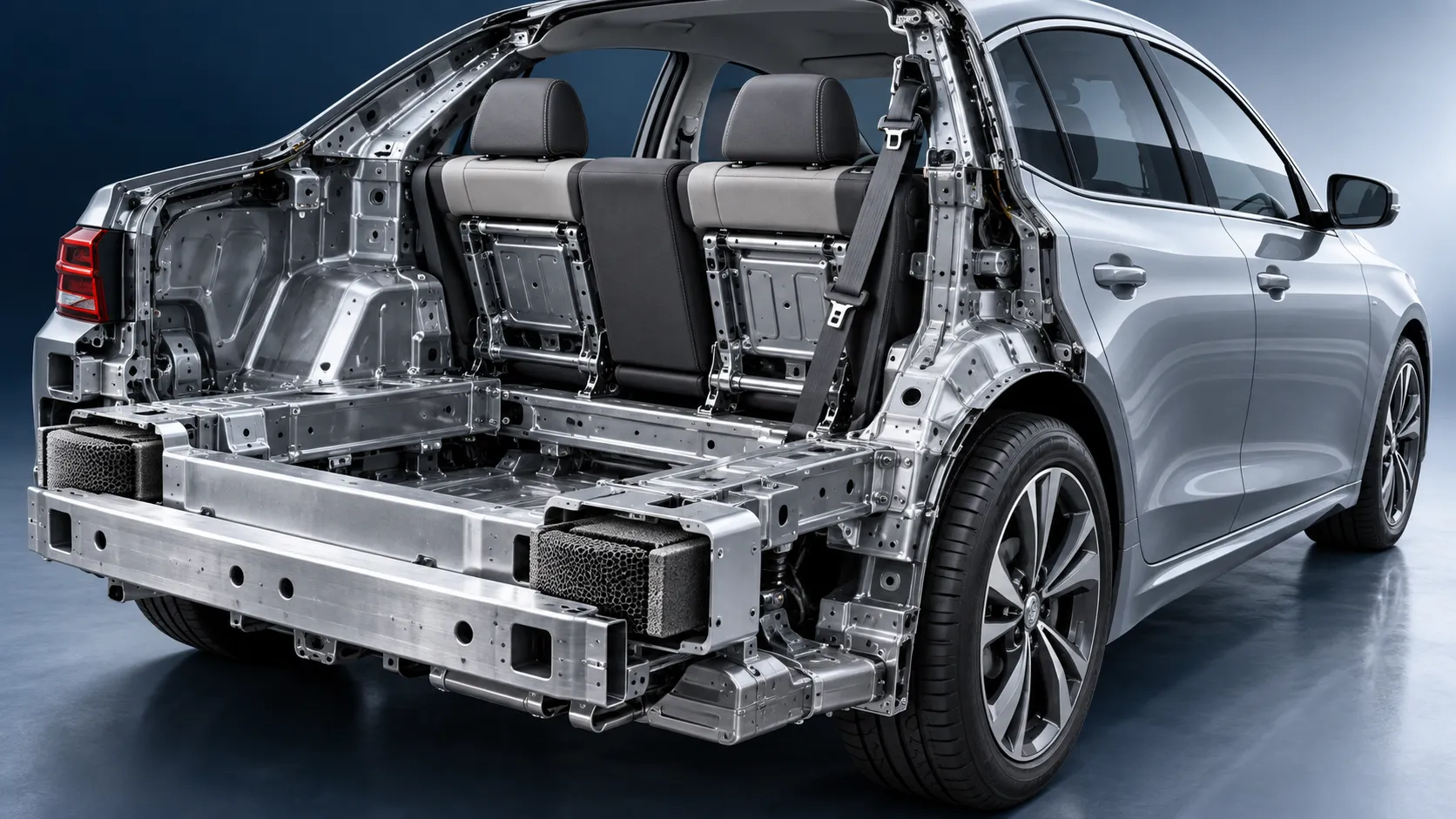
How Rear-Impact Safety Components Work Together to Protect Vehicle Occupants
Explore how automotive safety components for rear impact work together—from crash structures and seats to head restraints and belts—to enhance occupant protection.
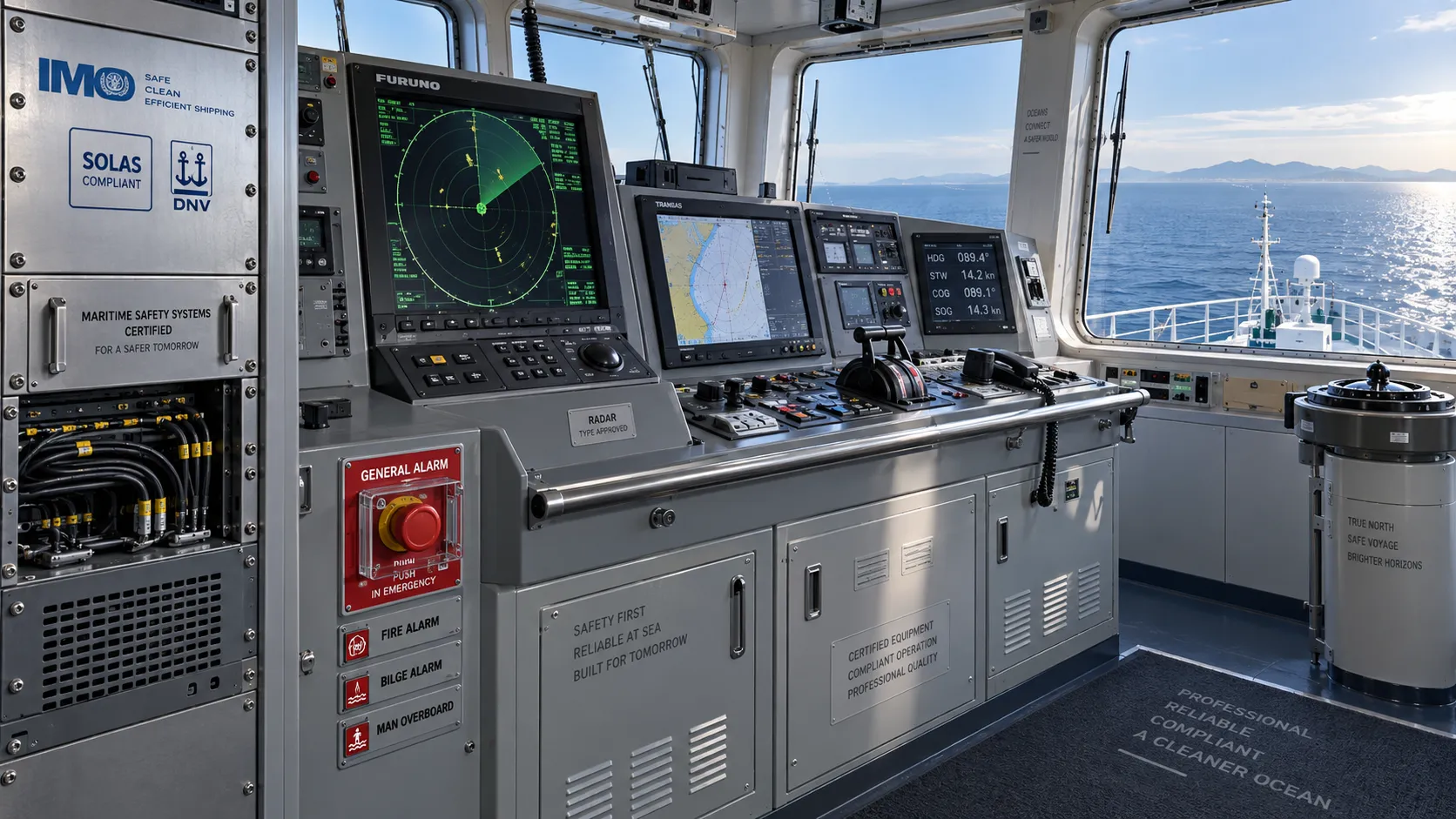
How to Evaluate a Marine Safety Systems Manufacturer for Vessel Compliance and Reliability
Marine safety systems manufacturer evaluation guide: verify compliance, engineering quality, lifecycle costs, and global service support for safer, reliable vessel operations.
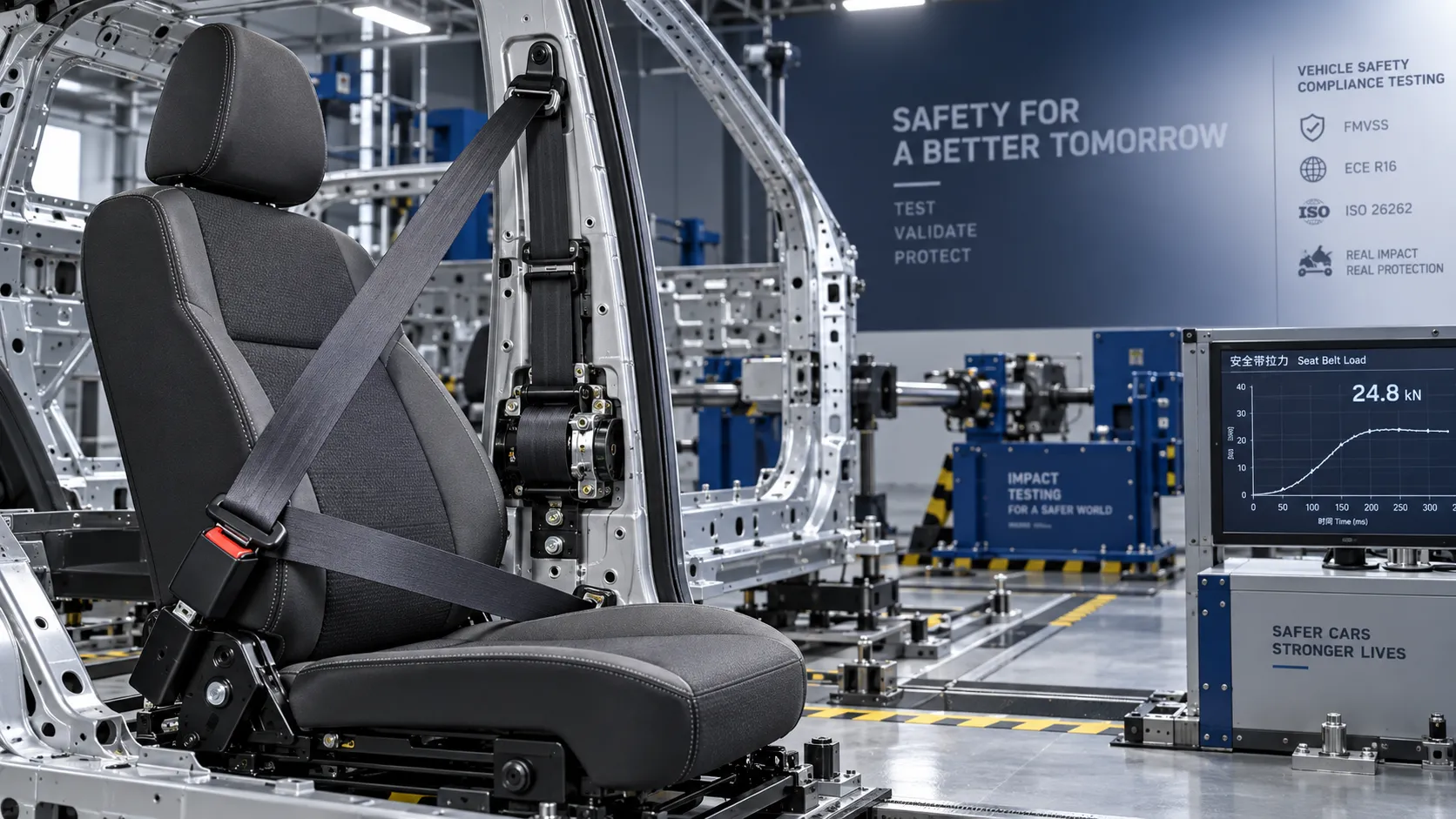
Crash Test Regulations for Seatbelts: Key Compliance Requirements Explained
Crash test regulations seatbelts explained: explore FMVSS, UN rules, anchorage strength, and dynamic restraint testing for safer, compliant vehicle systems.

How to Calculate the Total Cost of Automotive Lightweighting for a Vehicle Program
Automotive lightweight solutions cost: learn how to calculate program-level costs, including materials, tooling, joining, validation, risk, and vehicle-level value.
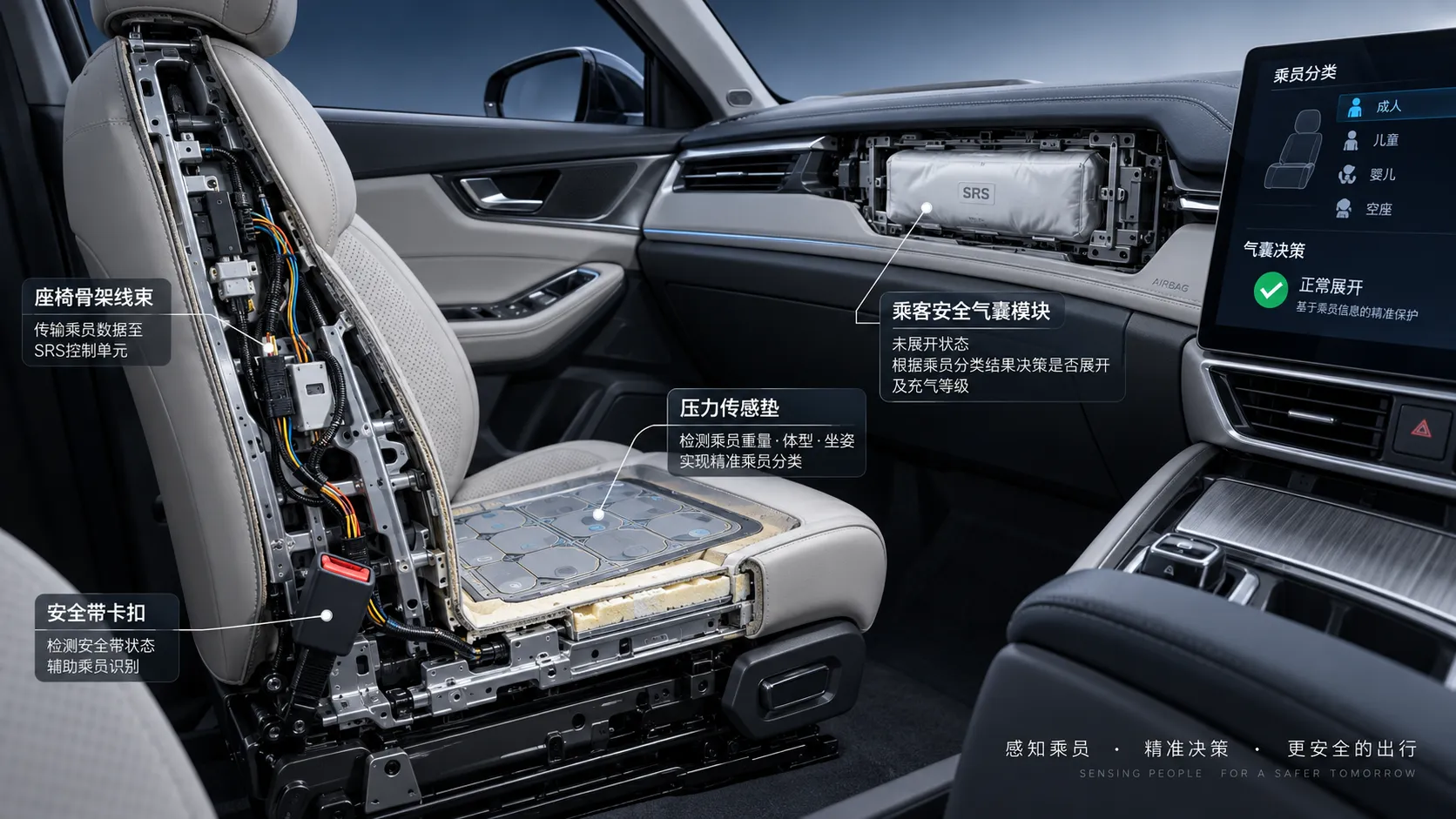
How Automotive Seat Occupancy Sensing Improves Airbag Deployment Decisions
Automotive seat occupancy sensing helps optimize airbag deployment decisions, improving passenger classification, safety diagnostics, and compliance across real-world conditions.

What Drives Lightweight Body Component Costs in High-Volume Vehicle Programs?
Lightweight body components cost depends on material yield, forming, joining, tooling, validation, and logistics. Explore proven ways to optimize total vehicle program cost.
Related News
- 00
0000-00
How to Specify Integrated Marine Electronics for Reliable Bridge Operations - 00
0000-00
How Adjustable Cabin Ergonomics Reduce Operator Fatigue in Long-Shift Vehicles - 00
0000-00
How to Evaluate a Marine Safety Systems Manufacturer for Vessel Compliance and Reliability - 00
0000-00
How to Calculate the Total Cost of Automotive Lightweighting for a Vehicle Program - 00
0000-00
What Drives Lightweight Body Component Costs in High-Volume Vehicle Programs?
Weekly Insights
Stay ahead with our curated technology reports delivered every Monday.