
Digitalized Mobility Equipment for Projects: Key Functions, Integration Needs, and Risks
Why Digitalized Mobility Equipment Now Shapes Project Outcomes
As projects across marine, automotive, and cabin safety sectors become more data-driven, digitalized mobility equipment is no longer optional.
It now affects schedule control, compliance evidence, safety validation, and lifecycle cost at the same time.
In practical terms, the question is not whether to digitalize. It is how far, how fast, and with what controls.
This matters even more in areas covered by GNCS, where marine navigation, lightweight structures, airbags, seatbelts, and smart seating all depend on reliable data links.
Digitalized mobility equipment often sits between hardware performance and compliance expectations. That makes early planning far more important than late correction.
Core Functions Worth Locking Down Early
A useful starting point is to define the functions that directly support delivery, not just technical ambition.
- Real-time sensing and status visibility let teams monitor navigation accuracy, structural conditions, or cabin safety responses before small deviations grow into costly field issues.
- Connected diagnostics should trace faults across sensors, controllers, and mechanical parts, reducing guesswork during commissioning, validation, and post-deployment maintenance.
- Data logging must support audits, crash analysis, route review, and warranty defense, especially where regulatory proof is as important as technical performance.
- Software update capability needs strict version control, rollback planning, and approval gates, particularly for ECDIS, safety logic, and smart seat control modules.
- Human-machine interfaces should stay simple under pressure, so crews, operators, and validation teams can act quickly without misreading alerts or system states.
- Predictive maintenance features are valuable only when thresholds are meaningful, service intervals are realistic, and spare-part planning is tied to actual use patterns.
- Interoperability with legacy equipment often decides project feasibility, because few programs start from a clean sheet or fully standardized architecture.
A quick reality check
If a feature cannot improve compliance speed, field reliability, or decision quality, it may be a distraction.
That is especially true for digitalized mobility equipment with long validation cycles and cross-functional approval paths.
Integration Needs That Usually Decide Success or Delay
Most failures do not start with hardware defects. They start with weak integration planning.
Digitalized mobility equipment has to connect cleanly across software, electronics, mechanical packaging, compliance records, and service workflows.
What should be aligned first
- Define data ownership at the start, including who creates, validates, stores, and releases operational data, calibration data, and compliance evidence.
- Map every interface between digitalized mobility equipment and upstream platforms, from vessel systems to vehicle ECUs and factory execution tools.
- Freeze communication standards early, because protocol changes late in the project usually trigger retesting, documentation rework, and hidden cybersecurity gaps.
- Check power, thermal, vibration, and space constraints together, not one by one, since integration problems often come from combined physical conditions.
- Align validation criteria across engineering, quality, and regulatory teams so performance data does not pass internally but fail formal review.
- Build a digital thread from design to field feedback, making it easier to connect software versions, part numbers, test results, and service actions.
In GNCS-covered sectors, this alignment is critical because marine electromagnetic processing, crash energy management, and occupant restraint systems all have low tolerance for ambiguity.
Where integration gets overlooked
A common blind spot is assuming digital layers can be added after mechanical design freeze.
In reality, smart seating sensors, airbag control triggers, navigation displays, and body-mounted electronics all affect packaging and test logic.
How This Plays Out Across Real Project Settings
Marine navigation systems
For marine programs, digitalized mobility equipment must combine positioning, sonar, AIS, radar, and update management without creating bridge overload.
The key checks are signal integrity, redundancy logic, cybersecurity, and documented update pathways for chart and navigation software.
Auto body and lightweight structures
In body projects, the digital value often comes from traceable forming data, material batch visibility, and tighter links between simulation and production feedback.
If that chain breaks, lightweight gains may look good in design reviews but drift during stamping, joining, or crash validation.
Airbags, seatbelts, and smart seating
Here, digitalized mobility equipment supports sensor fusion, deployment timing, occupant classification, and service diagnostics.
The practical focus should stay on latency, test repeatability, calibration discipline, and evidence for IIHS, E-NCAP, or similar review frameworks.
Risks That Commonly Stay Hidden Until Late Stages
Some risks are obvious, like cost overrun or supplier delay. Others stay quiet until validation or deployment.
- Version confusion across software, firmware, and test reports can invalidate results, even when the physical product appears unchanged.
- Sensor drift may not trigger alarms immediately, but it can degrade navigation precision, occupant detection, or diagnostic reliability over time.
- Cybersecurity controls are sometimes added late, creating performance penalties or interface instability that should have been designed in from day one.
- Cloud connectivity promises visibility, yet weak offline fallback logic can stop operations when networks fail in ports, plants, or field service locations.
- Compliance assumptions borrowed from one region may not fit another, especially in maritime rules, crash protocols, or data handling requirements.
- Supplier black-box modules can speed sourcing, but they often limit traceability, root-cause analysis, and approved update flexibility later.
GNCS intelligence is valuable here because it links technical evolution with shifting compliance signals, rather than treating them as separate workstreams.
Practical Moves That Keep Digitalized Mobility Equipment Under Control
A workable plan usually comes down to disciplined sequencing.
- Start with one operational architecture drawing that shows data flow, hardware interfaces, ownership, and approval gates in a single reference.
- Set measurable acceptance criteria for digitalized mobility equipment before supplier nomination, including latency, uptime, traceability, and update governance.
- Run integration tests in mixed real-world conditions, not just ideal lab setups, so marine noise, crash pulses, or seat-use variations are captured early.
- Create a controlled change board for software, calibration, and interface updates, with impact review covering compliance and service documentation.
- Tie field feedback into design review cycles, because service findings often reveal hidden edge cases faster than planned validation stages.
- Use strategic intelligence sources to monitor regulation and technology shifts, especially where navigation rules or passive safety standards change quickly.
One more thing that helps
Do not separate digital performance from physical safety performance.
In digitalized mobility equipment, data quality can directly influence real-world containment, guidance, and occupant protection outcomes.
A Simple Way to Prioritize the Next Step
If a project is still early, begin with interfaces, data ownership, and compliance evidence needs.
If deployment is close, focus on version control, fallback behavior, and field diagnostics.
If the program spans marine navigation, body structures, airbags, seatbelts, or seating systems, use one decision view that combines technical, regulatory, and operational signals.
That is where digitalized mobility equipment delivers its real value: not in isolated features, but in safer, faster, and more defensible project execution.
A strong next move is to review current system boundaries against GNCS-style intelligence priorities, then close the biggest integration and risk gaps before expansion.
Related News
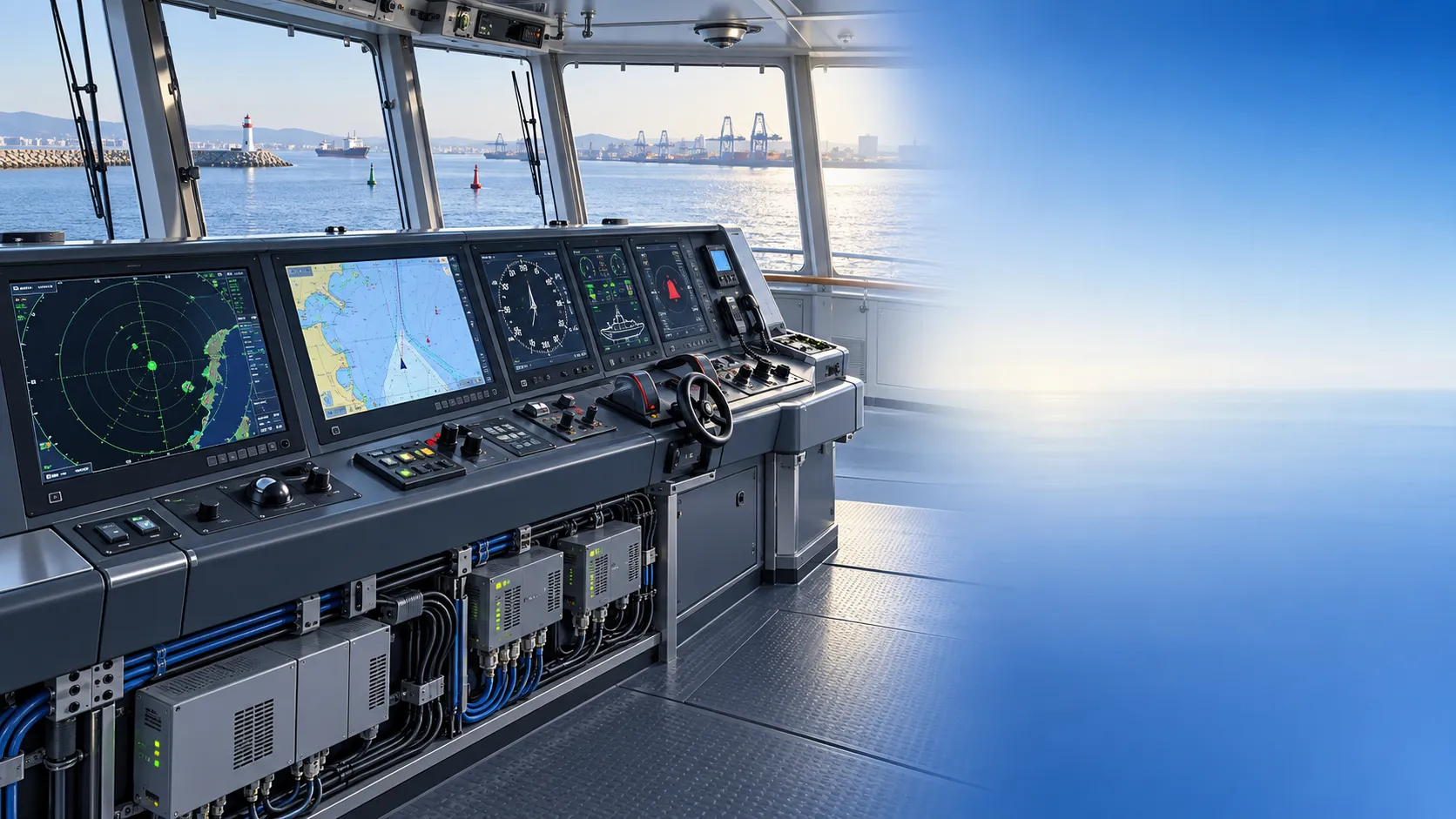
How to Specify Integrated Marine Electronics for Reliable Bridge Operations
Integrated marine electronics: learn how to specify reliable bridge systems with clear data flows, redundancy, alarm control, lifecycle interfaces, and operational testing.

How to Evaluate Navigation Radar Manufacturers for Commercial Vessel Projects
Navigation radar manufacturers: learn how to compare performance, compliance, integration, support, and lifecycle cost for commercial vessel projects.
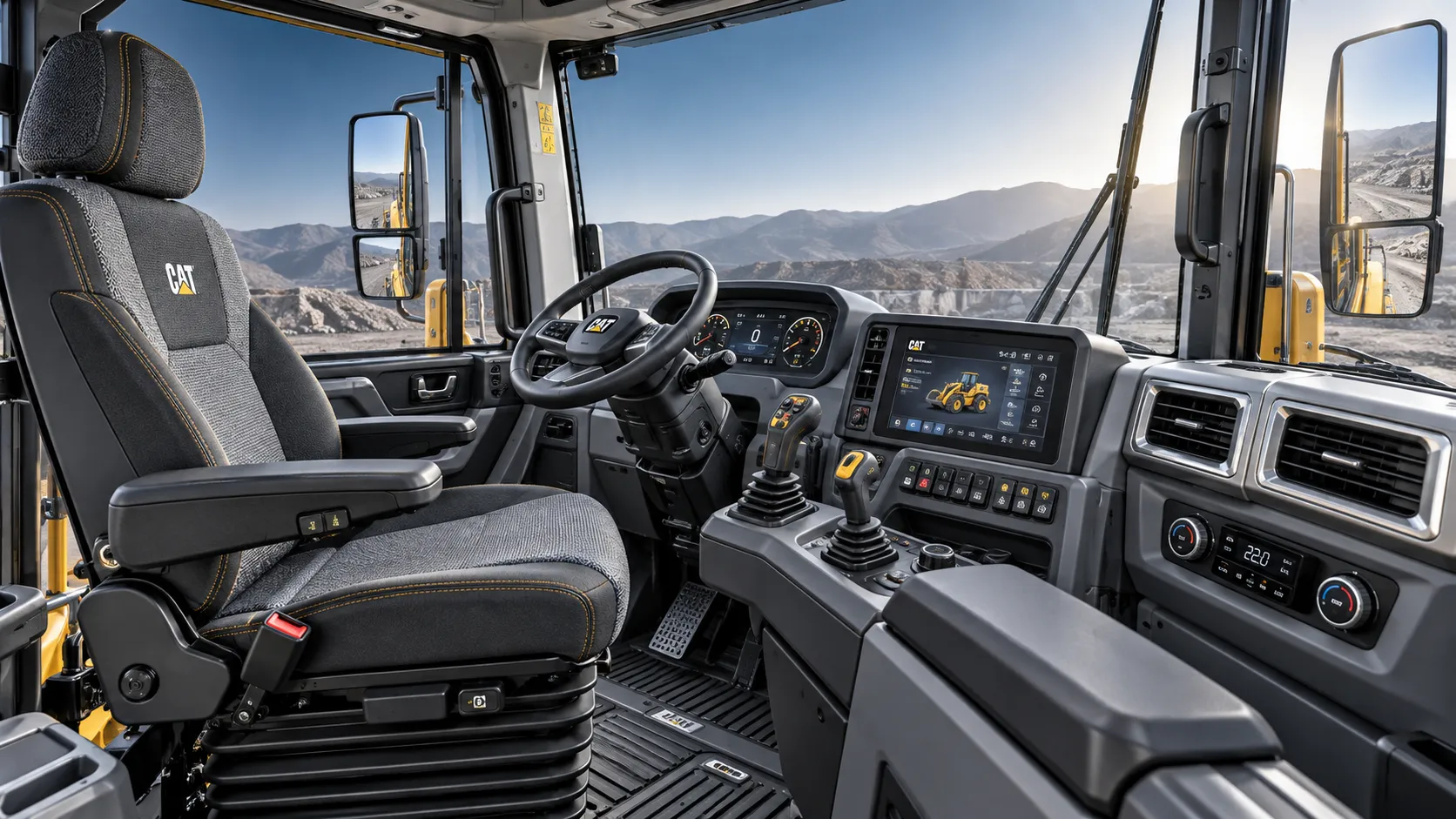
How Adjustable Cabin Ergonomics Reduce Operator Fatigue in Long-Shift Vehicles
Adjustable cabin ergonomics reduces operator fatigue through better seating, reach, visibility, vibration control, and climate comfort for safer long-shift vehicles.

How Rear-Impact Safety Components Work Together to Protect Vehicle Occupants
Explore how automotive safety components for rear impact work together—from crash structures and seats to head restraints and belts—to enhance occupant protection.
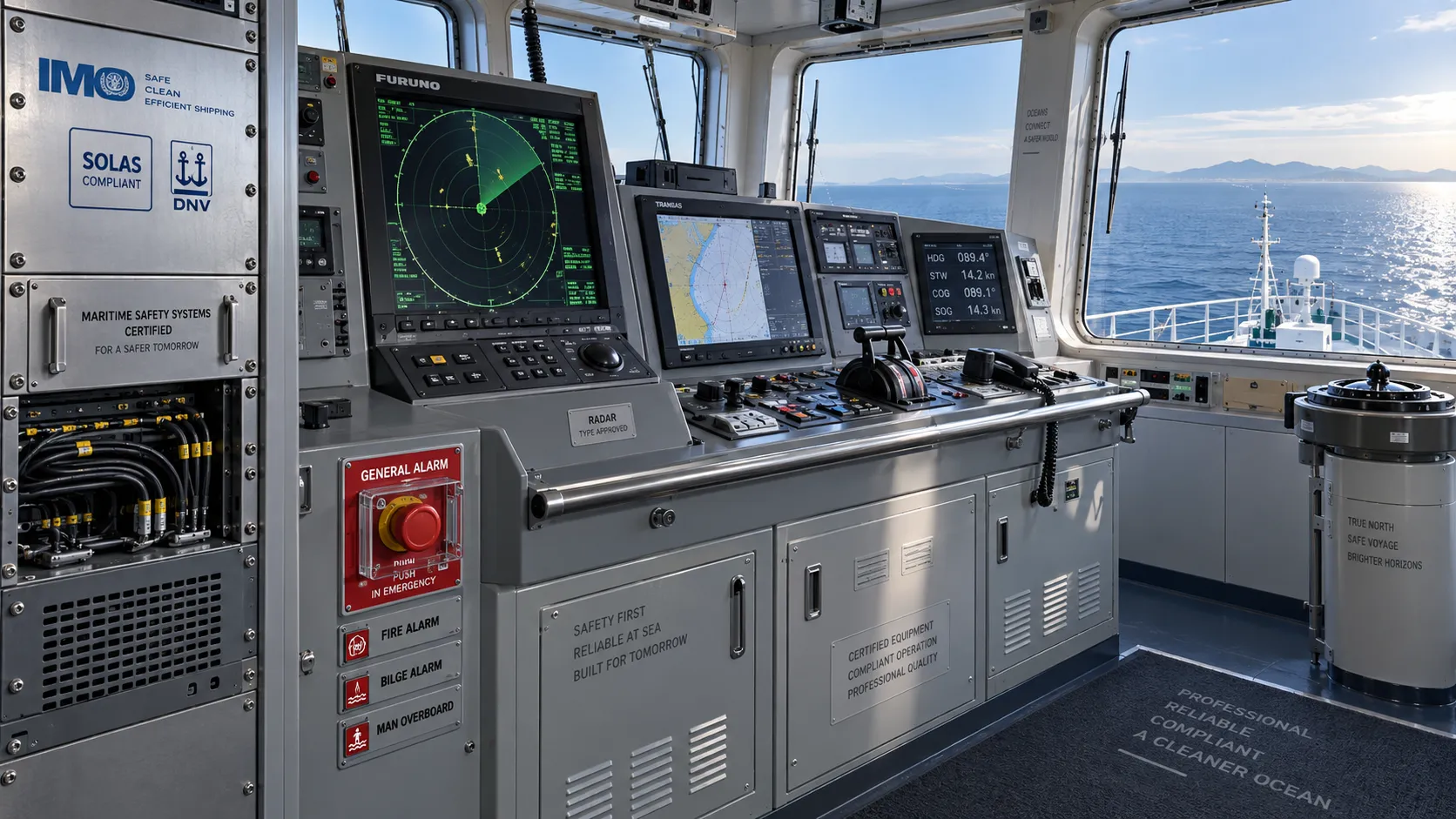
How to Evaluate a Marine Safety Systems Manufacturer for Vessel Compliance and Reliability
Marine safety systems manufacturer evaluation guide: verify compliance, engineering quality, lifecycle costs, and global service support for safer, reliable vessel operations.
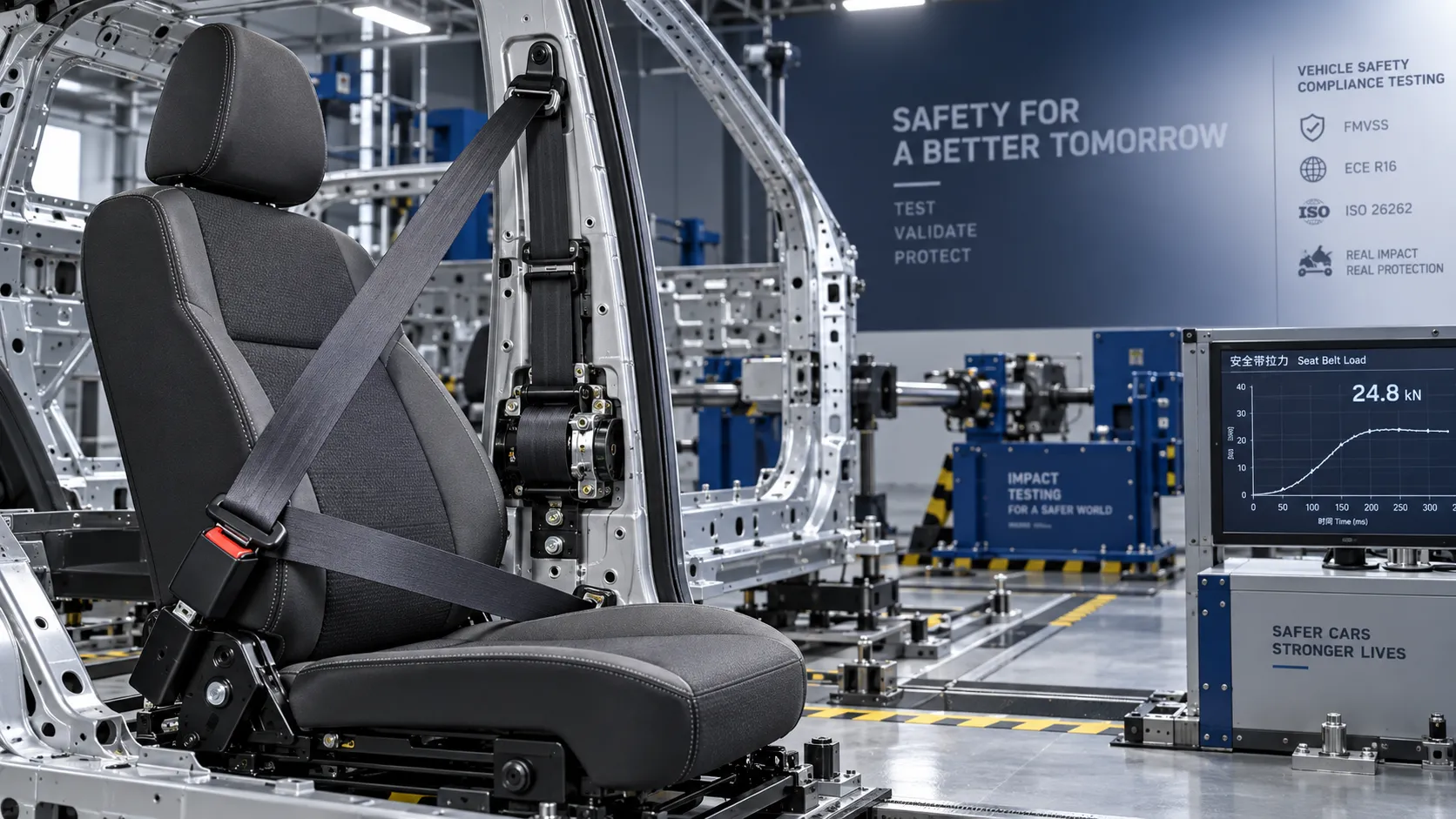
Crash Test Regulations for Seatbelts: Key Compliance Requirements Explained
Crash test regulations seatbelts explained: explore FMVSS, UN rules, anchorage strength, and dynamic restraint testing for safer, compliant vehicle systems.

How to Calculate the Total Cost of Automotive Lightweighting for a Vehicle Program
Automotive lightweight solutions cost: learn how to calculate program-level costs, including materials, tooling, joining, validation, risk, and vehicle-level value.

How Automotive Seat Occupancy Sensing Improves Airbag Deployment Decisions
Automotive seat occupancy sensing helps optimize airbag deployment decisions, improving passenger classification, safety diagnostics, and compliance across real-world conditions.

What Drives Lightweight Body Component Costs in High-Volume Vehicle Programs?
Lightweight body components cost depends on material yield, forming, joining, tooling, validation, and logistics. Explore proven ways to optimize total vehicle program cost.
Related News
- 00
0000-00
How to Specify Integrated Marine Electronics for Reliable Bridge Operations - 00
0000-00
How Adjustable Cabin Ergonomics Reduce Operator Fatigue in Long-Shift Vehicles - 00
0000-00
How to Evaluate a Marine Safety Systems Manufacturer for Vessel Compliance and Reliability - 00
0000-00
How to Calculate the Total Cost of Automotive Lightweighting for a Vehicle Program - 00
0000-00
What Drives Lightweight Body Component Costs in High-Volume Vehicle Programs?
Weekly Insights
Stay ahead with our curated technology reports delivered every Monday.