
Is digitalized mobility equipment worth the upgrade?
Is digitalized mobility equipment worth the upgrade?
The question is no longer whether digitalized mobility equipment is innovative, but whether it delivers measurable safety, compliance, and lifecycle value.
From marine navigation systems to smart seating, airbag assemblies, seatbelts, and lightweight stampings, digital intelligence is reshaping critical mobility components.
The upgrade pays off when reliability, integration readiness, regulatory traceability, and long-term return are evaluated before next-generation equipment is adopted.
Why digitalized mobility equipment needs a checklist decision
Digitalized mobility equipment combines mechanical strength, embedded sensing, software logic, connectivity, and compliance records into one operational system.
That creates value, but it also raises the cost of poor specification, weak validation, and unclear responsibility across the supply chain.
A checklist approach prevents enthusiasm from replacing evidence. It links safety performance, data integrity, maintenance efficiency, and commercial resilience.
For GNCS-focused sectors, the issue is especially practical. Navigation, cabin safety, and body structures must perform under harsh physical conditions.
Digitalized mobility equipment is worth the upgrade only when intelligence strengthens the baseline function instead of adding fragile complexity.
Core checklist for evaluating digitalized mobility equipment
- Verify the safety function first, then assess sensors, software, and connectivity against the physical protection or navigation task.
- Demand evidence from validation cycles, including thermal exposure, vibration, corrosion, crash loads, electromagnetic interference, and long-duration aging.
- Confirm that digitalized mobility equipment supports recognized standards, test protocols, and documentation needed for regional approval pathways.
- Check whether firmware updates are controlled, reversible, authenticated, and documented across the entire service life.
- Assess data quality at the source, including sensor calibration, timestamp accuracy, fault logging, and secure event storage.
- Compare total lifecycle cost, not only unit price, by including diagnostics, training, service tools, downtime, and replacement intervals.
- Review integration readiness with existing electrical architecture, vessel systems, vehicle platforms, software stacks, and diagnostic interfaces.
- Test failure modes carefully, ensuring digital features degrade safely rather than disabling core mechanical or passive safety functions.
- Evaluate supplier transparency through material traceability, software version control, cybersecurity disclosure, and change management discipline.
- Measure operational value using fewer incidents, faster diagnostics, lighter structures, shorter maintenance windows, and stronger compliance confidence.
This checklist turns digitalized mobility equipment from a technology label into a measurable investment case.
Scenario 1: Marine navigation systems
In marine navigation, digitalized mobility equipment improves situational awareness by combining satellite positioning, radar, sonar, AIS, ECDIS, and route intelligence.
The upgrade is valuable when it reduces human workload without weakening watchkeeping discipline or compliance with maritime operating rules.
Critical checks include signal redundancy, chart update governance, bridge system compatibility, cybersecurity protection, and recovery procedures after sensor failure.
Digitalized mobility equipment in vessels should also document decisions, alarms, and position history for audits, incident review, and fleet optimization.
Scenario 2: Auto body stampings and lightweight structures
For auto body stampings, the digital upgrade is not about screens. It is about controlled forming, simulation feedback, and traceable material performance.
High-strength steel, aluminum, and magnesium structures must balance mass reduction with crash energy management and repeatable manufacturing quality.
Digitalized mobility equipment supports this balance through process monitoring, die condition data, heat treatment records, and dimensional inspection loops.
The upgrade is justified when lighter parts still pass crash simulations, physical tests, corrosion requirements, and production stability targets.
Scenario 3: Airbag assemblies and seatbelt systems
Airbag and seatbelt systems already operate in milliseconds, so digital features must increase precision without adding uncertain failure paths.
Digitalized mobility equipment can improve occupant classification, crash sensing, deployment logic, pretensioning timing, and post-event diagnostic records.
However, every electronic decision must remain tied to proven inflator chemistry, restraint geometry, webbing strength, and force-limiting performance.
The strongest business case appears when digitalized mobility equipment improves test repeatability and supports changing NCAP or IIHS expectations.
Scenario 4: Smart seating systems
Smart seating brings digitalized mobility equipment closest to the human body, combining structure, ergonomics, sensors, heating, ventilation, and position memory.
The upgrade makes sense when comfort features also support posture, fatigue management, occupant detection, restraint alignment, and cabin safety logic.
Seat frames, motors, electronics, foam, trim, and sensing modules should be validated as one system, not separate convenience parts.
Digitalized mobility equipment in seats should be judged by long-trip comfort, crash compatibility, noise control, serviceability, and software stability.
Common overlooked risks before upgrading
Hidden integration cost
Digitalized mobility equipment may require new harnesses, gateways, diagnostic tools, operator training, cybersecurity reviews, and spare part strategies.
If these costs are excluded, the project can look attractive on paper while creating budget pressure during deployment.
Software without lifecycle discipline
A connected component becomes a liability when updates lack release notes, rollback control, validation records, or compatibility testing.
Digitalized mobility equipment should never depend on informal firmware practices, especially in safety-critical or navigation-critical environments.
Data that cannot support decisions
More data is not automatically better. Poor sensor placement, noisy signals, and weak calibration can produce misleading maintenance conclusions.
Useful digitalized mobility equipment produces actionable diagnostics, not just dashboards that increase monitoring workload.
Compliance gaps across regions
A component accepted in one market may face different documentation, test, cybersecurity, or material requirements elsewhere.
Before adoption, digitalized mobility equipment should be mapped against target regulations, classification rules, and future update obligations.
Practical execution plan
- Define the baseline performance target before discussing connectivity, automation, data services, or premium interface features.
- Build a cross-functional requirement file covering mechanics, electronics, software, cybersecurity, compliance, service, and operating environment.
- Request test evidence that reflects real use, including edge cases, environmental extremes, misuse, repair, and delayed maintenance.
- Run pilot installations or controlled trials before committing digitalized mobility equipment across fleets, platforms, or production lines.
- Compare suppliers by traceability quality, update governance, response speed, component durability, and long-term technical credibility.
- Create acceptance criteria for alerts, logs, mechanical performance, diagnostic accuracy, service access, and safe degraded operation.
A staged plan reduces risk because digitalized mobility equipment often changes workflows as much as it changes component capability.
The best upgrades start with a narrow safety or efficiency target, then expand only after measured results support wider adoption.
Decision matrix: when the upgrade is worth it
This matrix helps separate meaningful digitalized mobility equipment from products that mainly add complexity, licensing, or cosmetic intelligence.
Summary and next action
Digitalized mobility equipment is worth the upgrade when it strengthens safety, improves compliance visibility, lowers lifecycle friction, and remains serviceable.
It is not worth the upgrade when digital functions obscure weak mechanics, unclear validation, poor data quality, or unstable software governance.
For navigation, body structures, airbags, seatbelts, and seating, the same rule applies: physical performance must lead digital intelligence.
The next step is to audit current equipment against safety function, data reliability, update control, integration burden, and regulatory readiness.
Use those findings to prioritize digitalized mobility equipment upgrades that protect lives, reduce operational uncertainty, and create durable technical advantage.
Related News
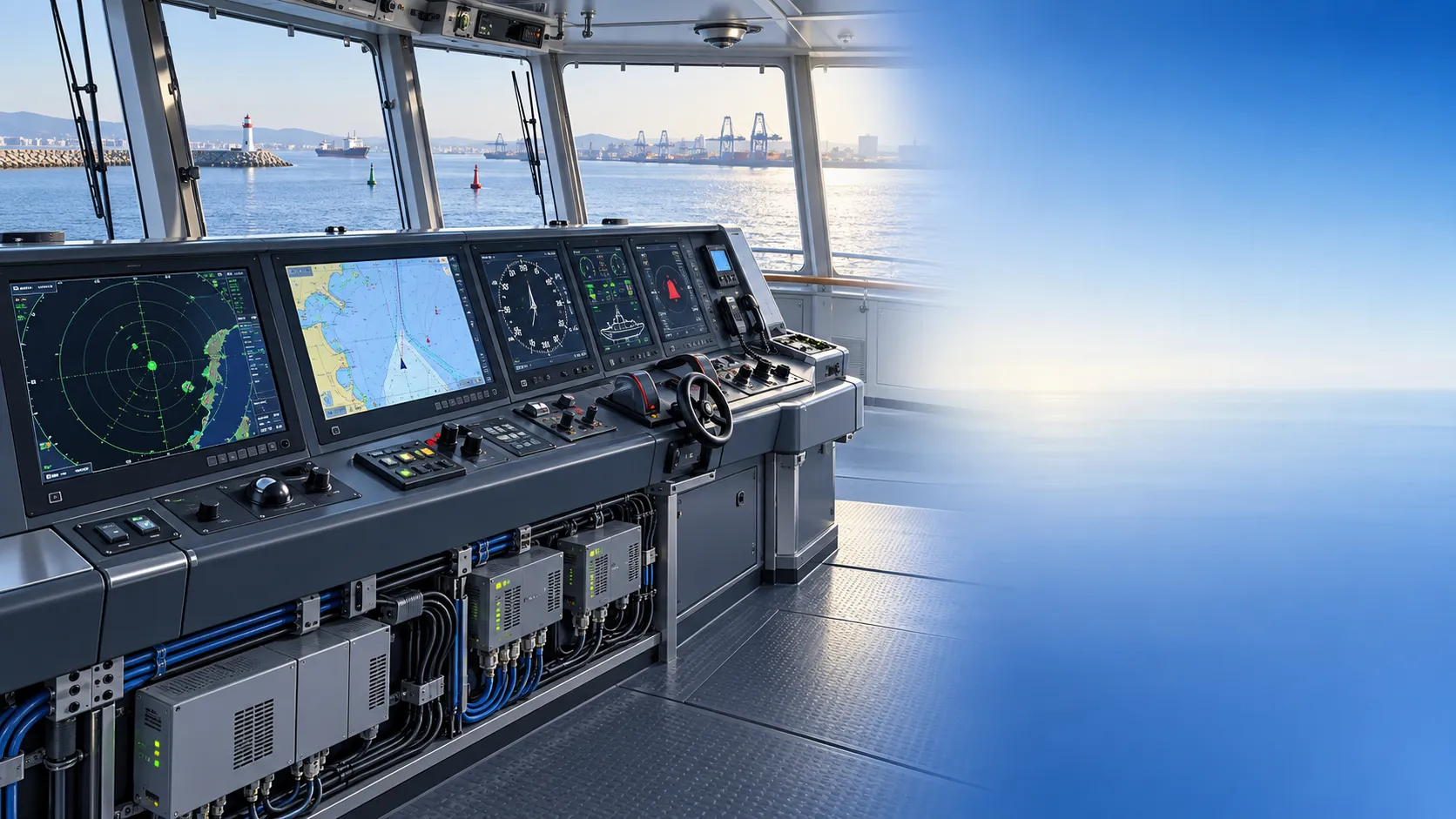
How to Specify Integrated Marine Electronics for Reliable Bridge Operations
Integrated marine electronics: learn how to specify reliable bridge systems with clear data flows, redundancy, alarm control, lifecycle interfaces, and operational testing.

How to Evaluate Navigation Radar Manufacturers for Commercial Vessel Projects
Navigation radar manufacturers: learn how to compare performance, compliance, integration, support, and lifecycle cost for commercial vessel projects.
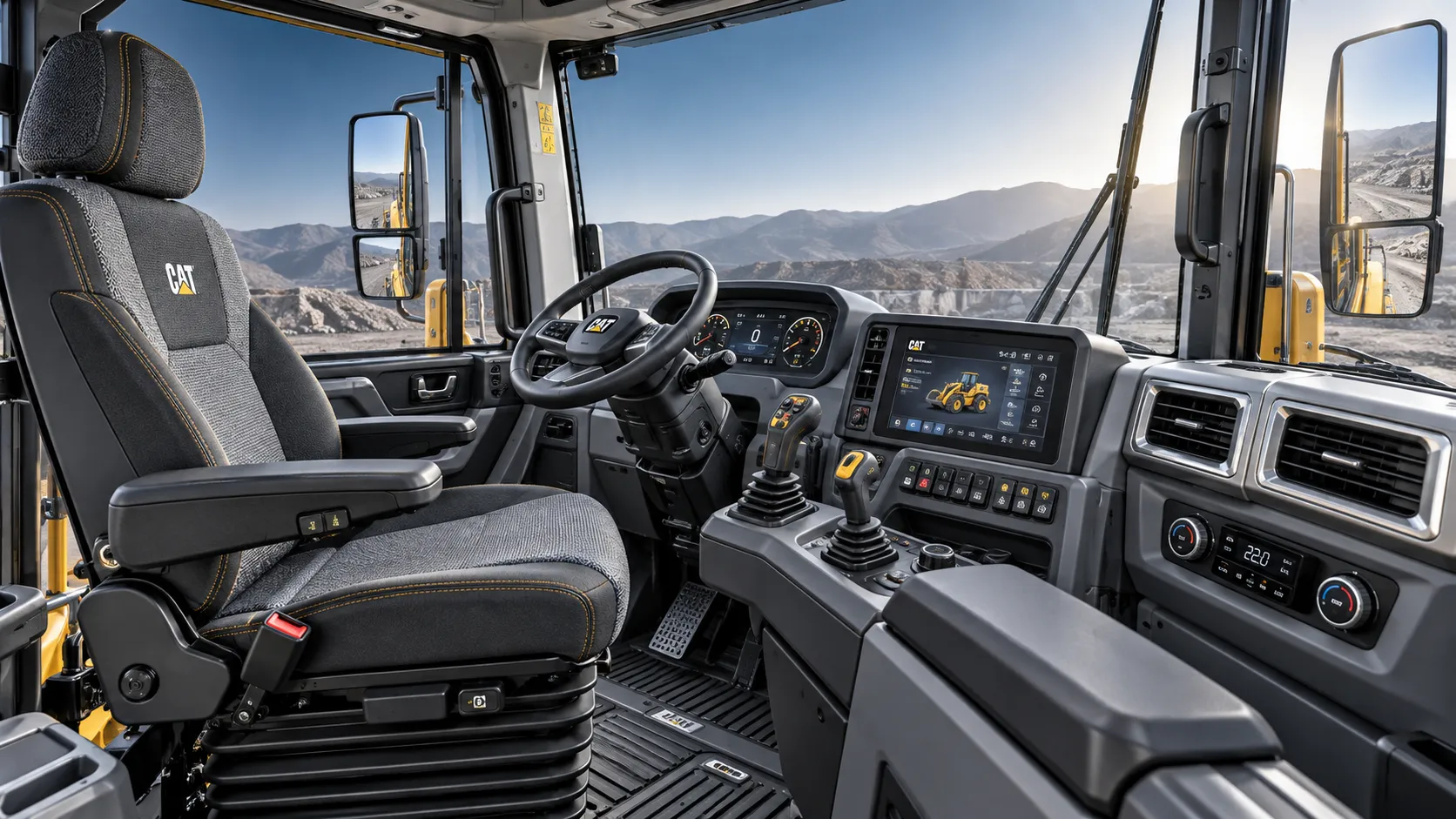
How Adjustable Cabin Ergonomics Reduce Operator Fatigue in Long-Shift Vehicles
Adjustable cabin ergonomics reduces operator fatigue through better seating, reach, visibility, vibration control, and climate comfort for safer long-shift vehicles.

How Rear-Impact Safety Components Work Together to Protect Vehicle Occupants
Explore how automotive safety components for rear impact work together—from crash structures and seats to head restraints and belts—to enhance occupant protection.
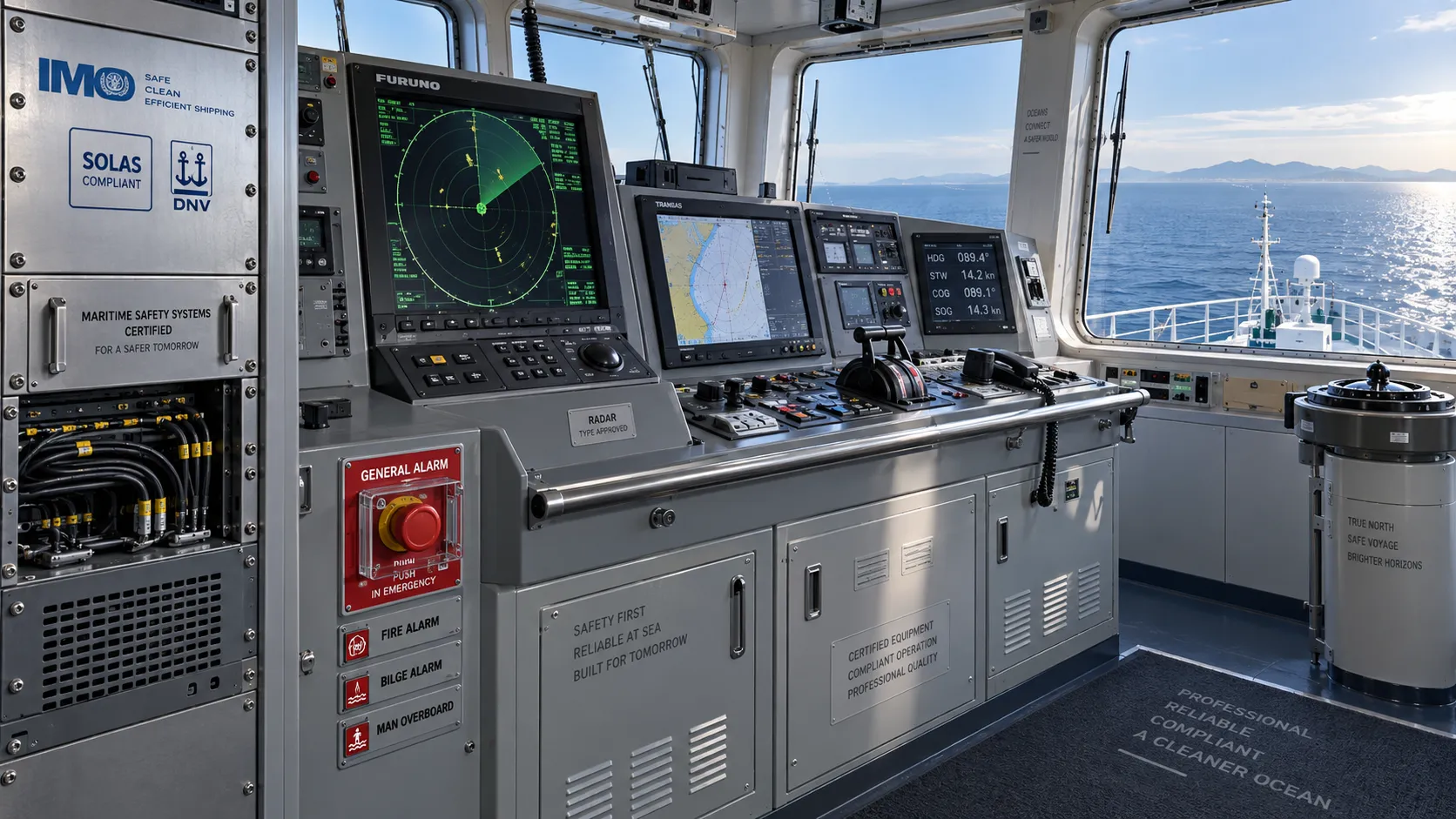
How to Evaluate a Marine Safety Systems Manufacturer for Vessel Compliance and Reliability
Marine safety systems manufacturer evaluation guide: verify compliance, engineering quality, lifecycle costs, and global service support for safer, reliable vessel operations.
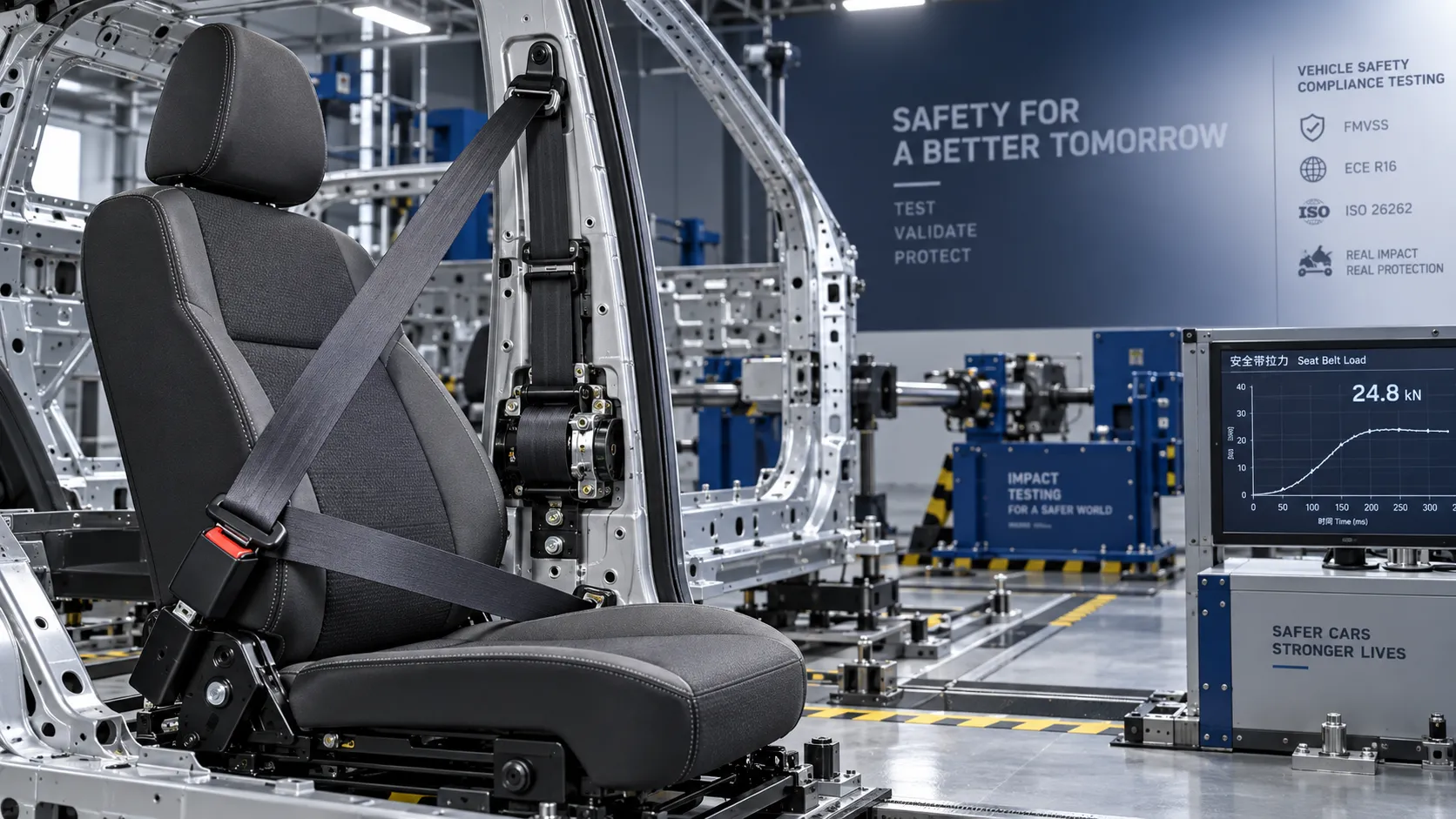
Crash Test Regulations for Seatbelts: Key Compliance Requirements Explained
Crash test regulations seatbelts explained: explore FMVSS, UN rules, anchorage strength, and dynamic restraint testing for safer, compliant vehicle systems.

How to Calculate the Total Cost of Automotive Lightweighting for a Vehicle Program
Automotive lightweight solutions cost: learn how to calculate program-level costs, including materials, tooling, joining, validation, risk, and vehicle-level value.

How Automotive Seat Occupancy Sensing Improves Airbag Deployment Decisions
Automotive seat occupancy sensing helps optimize airbag deployment decisions, improving passenger classification, safety diagnostics, and compliance across real-world conditions.

What Drives Lightweight Body Component Costs in High-Volume Vehicle Programs?
Lightweight body components cost depends on material yield, forming, joining, tooling, validation, and logistics. Explore proven ways to optimize total vehicle program cost.
Related News
- 00
0000-00
How to Specify Integrated Marine Electronics for Reliable Bridge Operations - 00
0000-00
How Adjustable Cabin Ergonomics Reduce Operator Fatigue in Long-Shift Vehicles - 00
0000-00
How to Evaluate a Marine Safety Systems Manufacturer for Vessel Compliance and Reliability - 00
0000-00
How to Calculate the Total Cost of Automotive Lightweighting for a Vehicle Program - 00
0000-00
What Drives Lightweight Body Component Costs in High-Volume Vehicle Programs?
Weekly Insights
Stay ahead with our curated technology reports delivered every Monday.