
Composite Lightweight Body Structures vs Steel and Aluminum: Where Each Material Fits Best
Where material choice changes the whole body strategy
In mobility engineering, body material is rarely a styling decision. It sets weight, joining logic, crash behavior, corrosion pathways, and service economics from the first concept review.
That is why composite lightweight body structures keep drawing attention in programs chasing range, efficiency, and package freedom. Yet steel and aluminum remain deeply competitive in many real production conditions.
At GNCS, this question sits naturally beside hot-stamped structures, cabin safety systems, and compliance tracking. A lighter shell affects not only energy use, but also restraint tuning, seat integration, and crash energy management.
The practical question is not which material is universally best. It is where composite lightweight body structures outperform conventional metals, and where steel or aluminum still fit better.
Actual programs diverge because the operating targets are different
Two vehicles can share similar exterior dimensions and still need very different body-in-white solutions. One may prioritize mass reduction for battery range. Another may prioritize repair network simplicity.
Composite lightweight body structures usually enter the discussion when weight is expensive, corrosion is persistent, or geometry is difficult to stamp efficiently. Metals dominate when throughput, predictable forming, and established crash validation matter more.
This is also why material choice cannot be separated from compliance context. IIHS, Euro NCAP, durability targets, and regional repair expectations shape the answer as much as raw mechanical properties do.
A quick comparison before looking at use cases
When battery range and package efficiency lead the brief
Electric platforms often make the strongest case for composite lightweight body structures. Every saved kilogram can support range, offset battery mass, or protect payload without enlarging the pack.
In these programs, the benefit is not only curb weight. Composite lightweight body structures can reduce part count, enable complex shapes, and free packaging space around battery enclosures or thermal systems.
Still, steel remains hard to displace in crash rails, pillars, and intrusion-critical zones. More common in practice is a mixed architecture: composites for closures, floor modules, or nontraditional geometries, with steel protecting key load paths.
Aluminum becomes attractive when mass reduction is important, but cycle time and established joining still matter. It usually fits programs that need lighter bodies without moving too far from known manufacturing ecosystems.
In high-volume passenger vehicles, production rhythm often decides
For mainstream passenger vehicles, material selection is often constrained less by peak performance and more by factory rhythm. Stamping speed, body shop automation, and supply consistency become decisive.
This is where steel continues to lead. Advanced high-strength steel and hot-stamped components deliver a strong balance of cost, crash performance, and line familiarity at large scale.
Composite lightweight body structures may still fit selective modules in this context. The best candidates are areas where geometric consolidation offsets slower processing, or where corrosion resistance reduces lifecycle burden.
A frequent misread is to compare material price per kilogram in isolation. In high-volume manufacturing, the real comparison must include cycle time, scrap rates, joining investment, inspection methods, and warranty exposure.
What usually matters most in this setting
- Body shop compatibility with existing weld, adhesive, and fastening processes.
- Repeatability of panel tolerances across large production lots.
- Repair training requirements across distributed service networks.
- Validation cost for crash, durability, and corrosion standards.
Corrosion-heavy environments change the ranking
Programs exposed to salt, humidity, or long service intervals often evaluate materials differently. In these conditions, corrosion management can become as important as initial mass reduction.
Composite lightweight body structures naturally gain ground here because they avoid the rust pathways associated with steel. This can be valuable for coastal fleets, specialty mobility equipment, and mixed-use platforms crossing harsh climates.
GNCS tracks similar logic in marine navigation equipment, where environmental resistance is not a secondary feature. The same systems thinking applies to vehicle bodies operating in wet, saline, or cyclic temperature exposure.
Aluminum also performs well in many corrosive settings, but mixed-material interfaces need attention. Galvanic interaction, sealant strategy, and fastener selection can erase expected advantages if they are treated casually.
Safety-led structures need more than a lightweight headline
A lower mass body is helpful, but cabin safety depends on controlled load transfer. That is why composite lightweight body structures should be judged through the full restraint system, not as isolated body panels.
Changes in stiffness distribution can affect airbag timing, seatbelt load limiting, and seat attachment behavior. For GNCS, this matters because passive safety components work best when body structure and occupant protection are tuned together.
Steel remains powerful in occupant cell zones because deformation behavior is well characterized across decades of crash development. Aluminum performs well too, but it demands disciplined section design and joining control.
Composite lightweight body structures are strongest when designers understand crush progression, energy absorption direction, and post-impact integrity. The material can work extremely well, but it is not a shortcut around crash engineering.
Different applications call for different material mixes
In practice, the best answer is often hybrid rather than pure. Material selection should follow the function of each zone, not an all-or-nothing ideology.
The most common selection mistakes happen before prototyping
One common mistake is assuming lighter always means better. If repair downtime rises sharply, a theoretical weight gain can become an operational loss.
Another is evaluating composite lightweight body structures only at the component level. The correct view includes adhesive cure windows, NDT inspection, bonded-joint aging, and recyclability pathways.
Steel is also misjudged when older assumptions are used. Modern AHSS and hot stamping have changed what steel can deliver in lightweight body structures.
Aluminum is often treated as a simple middle option. In reality, it needs disciplined corrosion isolation, distortion control, and joining strategy to reach its full value.
A better next step is to map material choice to actual operating conditions
A sound decision starts with the body zones that matter most: occupant cell, closures, battery surroundings, underbody exposure areas, and repair-prone exterior sections.
Then compare composite lightweight body structures, steel, and aluminum against five filters: mass target, crash path requirement, production volume, corrosion environment, and repair model.
- Define where lightweight gains create measurable vehicle-level value.
- Separate structural crush zones from styling-driven panels.
- Check joining, inspection, and service capabilities before freezing architecture.
- Validate the body together with airbags, seatbelts, and seat structures.
That approach usually leads to a clearer answer than broad material preference. Composite lightweight body structures are highly effective in the right conditions, but steel and aluminum still earn their place where scale, cost discipline, and proven crash pathways dominate.
Related News
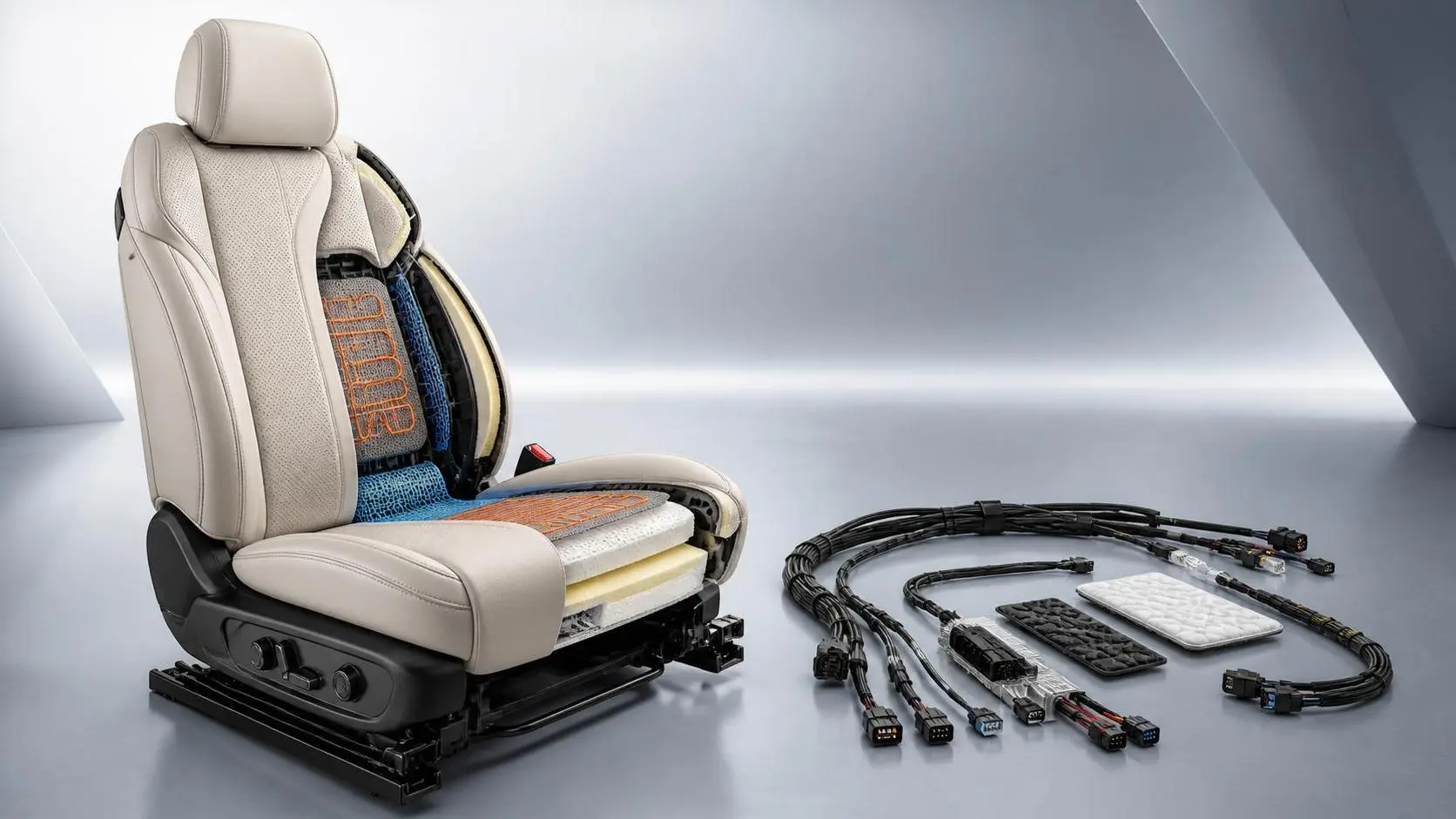
Climate Control Seats Cost: What Drives Price and Long-Term Ownership Value?
Climate control seats cost depends on materials, thermal tech, and integration. Learn what drives price and how to judge long-term value before you buy.

What Factors Drive Marine Navigation Components Cost in Commercial Vessel Projects?
Marine navigation components cost is shaped by integration, compliance, installation, and lifecycle support. Discover what drives pricing and how buyers can reduce risk while improving value.

How Much Does Seat Occupancy Sensing Cost? Key Pricing Factors for Buyers
Seat occupancy sensing price varies widely by technology, integration, and compliance needs. Learn the key cost drivers, avoid hidden fees, and make smarter buying decisions.
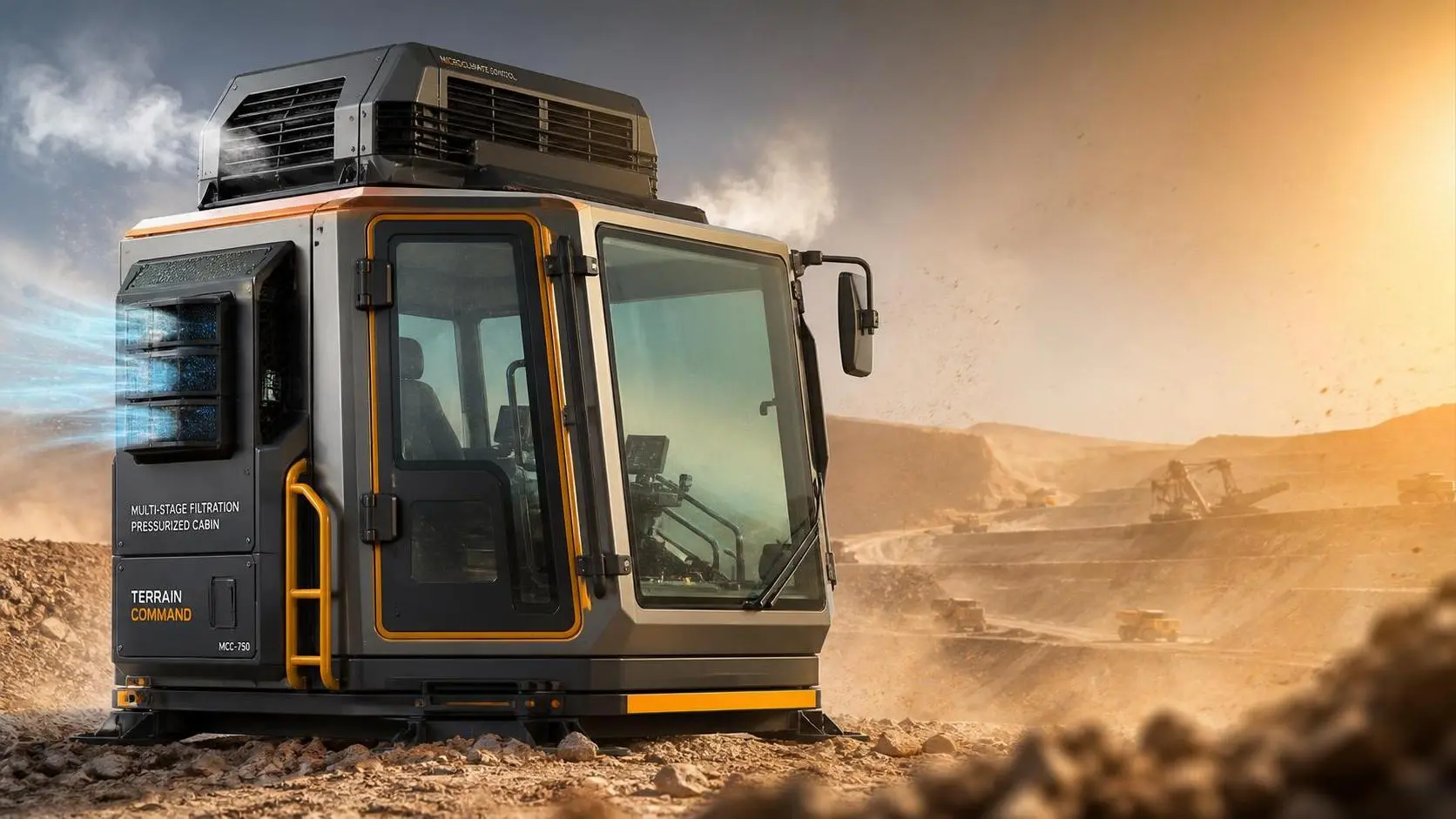
How to Specify Micro-Climate Control Cabins for Harsh Outdoor Worksites?
Micro-climate control cabins for harsh outdoor worksites: learn how to specify thermal control, filtration, pressurization, and durability for safer uptime and smarter buying.
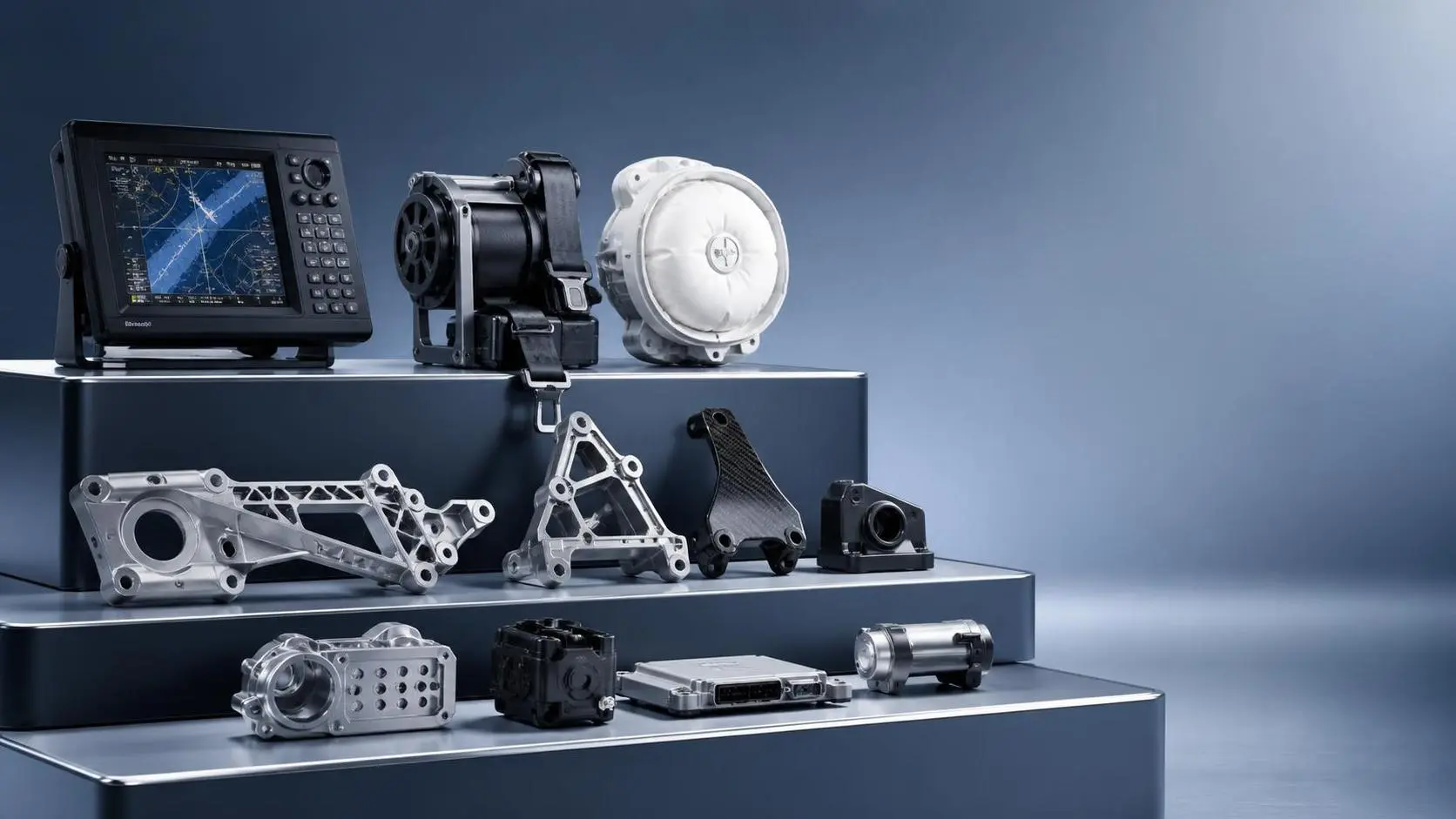
How to Evaluate a B2B Product Knowledge Platform for Faster Procurement Decisions
B2B product knowledge platform procurement starts with reducing decision risk. Learn how to compare specs, compliance, and supplier data to speed sourcing with confidence.
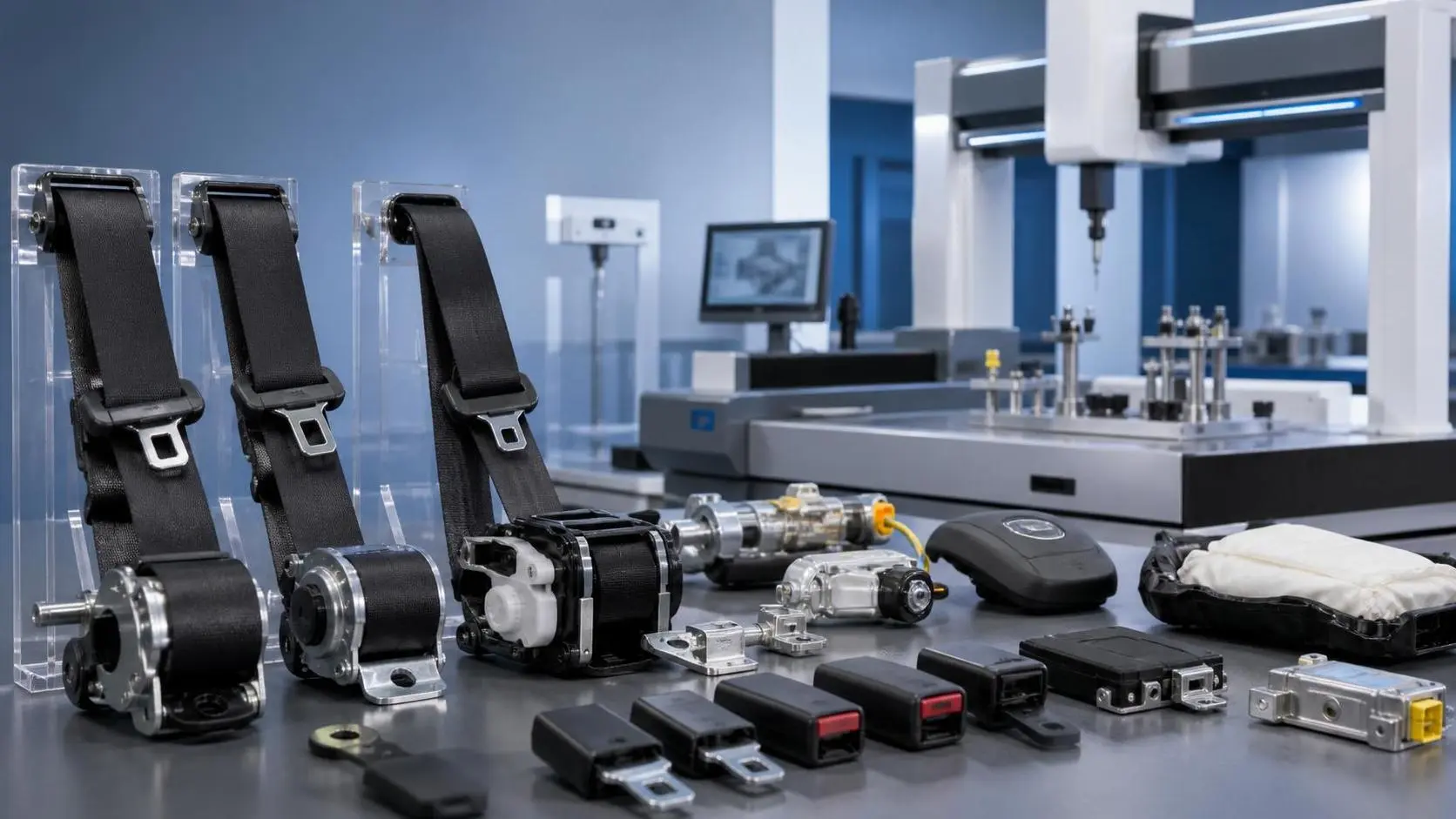
How to Evaluate an Occupant Restraint Systems Exporter for Quality, Compliance, and Supply Risk
Occupant restraint systems exporter evaluation guide: learn how to verify quality controls, compliance evidence, and supply risk before sourcing to avoid recalls, delays, and hidden costs.
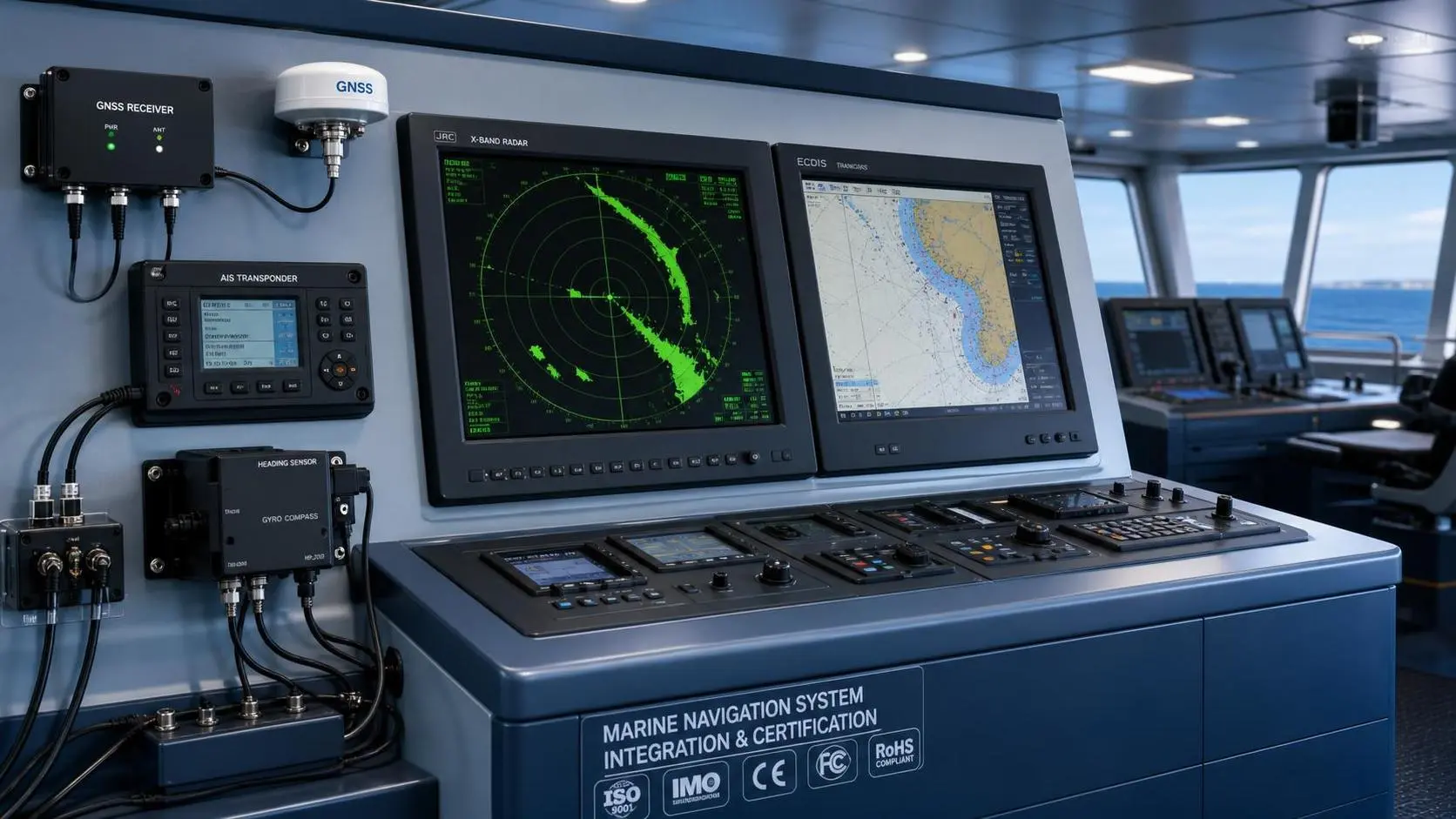
Navigation Compliance Certification: Which Marine Systems Need It and How to Prepare?
Navigation compliance certification explained: discover which marine systems need approval, what documents matter, and how to prepare early to avoid delays, rework, and costly project risks.
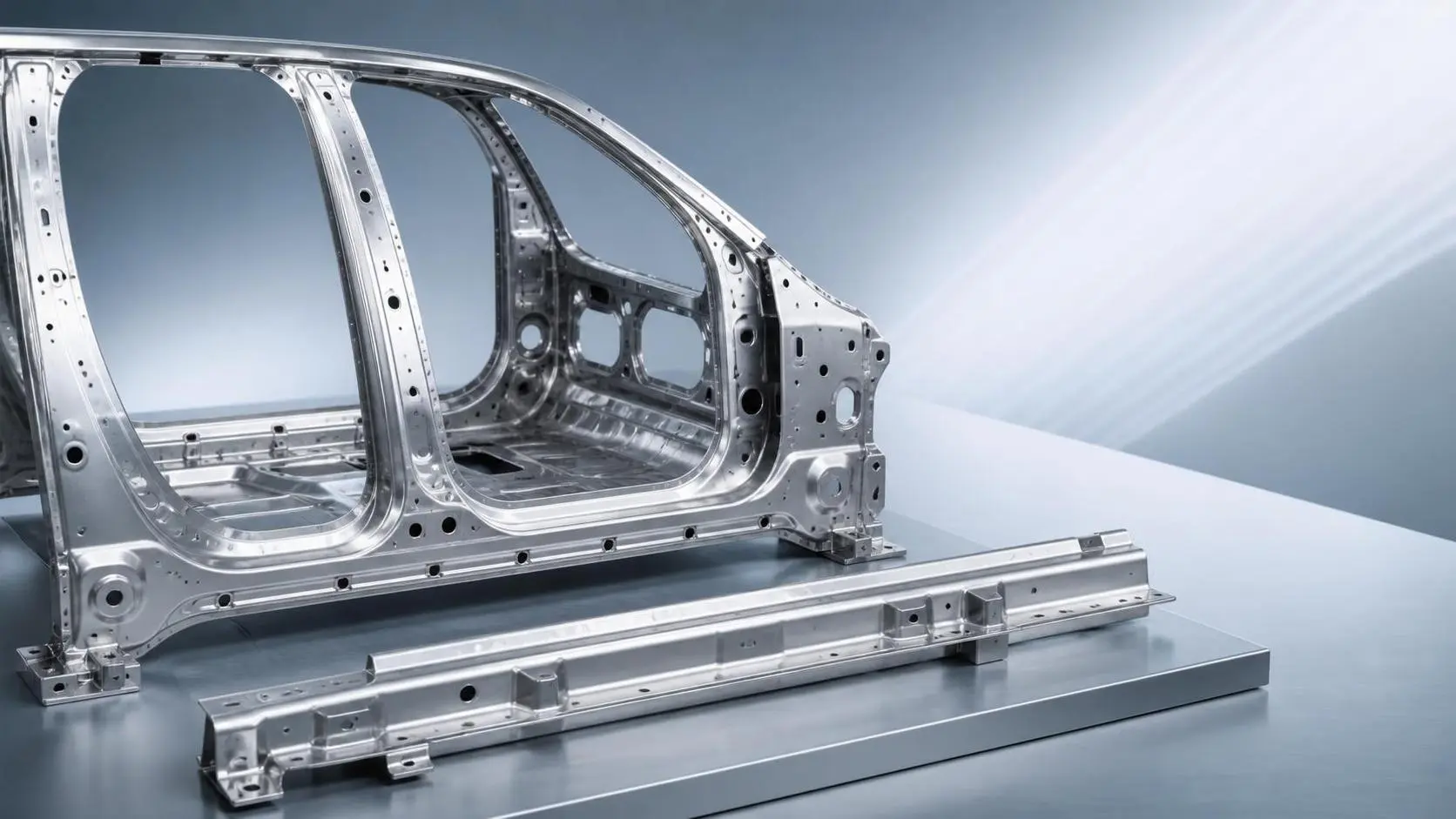
How to Evaluate Steel Auto Body Stampings for Strength, Fit, and Cost
Steel auto body stampings should be judged by strength, fit, and total cost together. Learn how to compare materials, forming limits, springback, joining, and tooling before choosing.
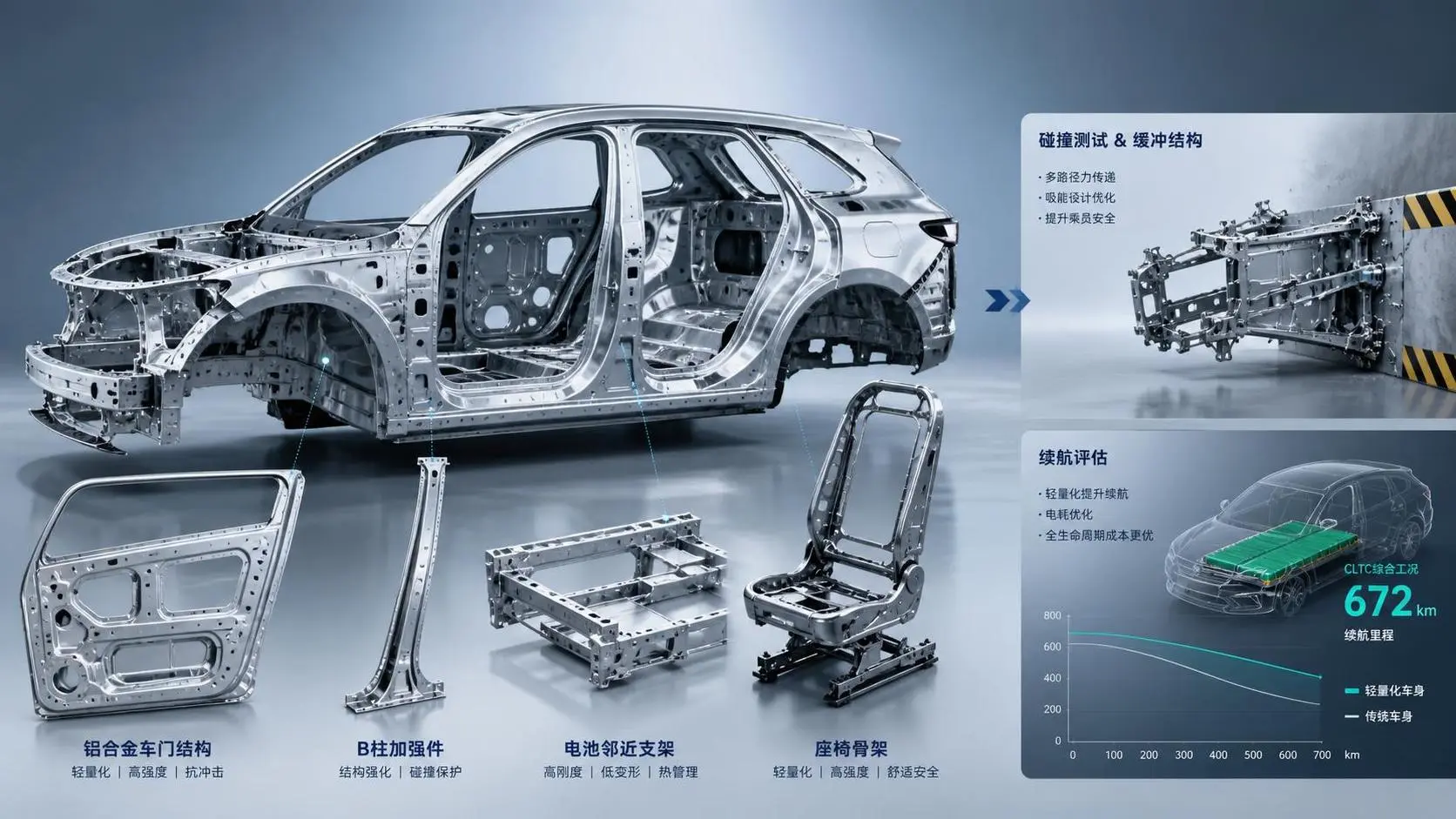
How to Evaluate Lightweight Automotive Components for EV Range and Crash Performance
Lightweight automotive components for EVs: learn how to evaluate real range gains, crash performance, joining risk, and manufacturability to choose safer, smarter EV parts.
Related News
- 00
0000-00
What Factors Drive Marine Navigation Components Cost in Commercial Vessel Projects? - 00
0000-00
How Much Does Seat Occupancy Sensing Cost? Key Pricing Factors for Buyers - 00
0000-00
How to Specify Micro-Climate Control Cabins for Harsh Outdoor Worksites? - 00
0000-00
How to Evaluate a B2B Product Knowledge Platform for Faster Procurement Decisions - 00
0000-00
How to Evaluate an Occupant Restraint Systems Exporter for Quality, Compliance, and Supply Risk
Weekly Insights
Stay ahead with our curated technology reports delivered every Monday.