
What Drives Crash Safety Components Cost in Vehicle Programs?
Why does crash safety components cost move so much between vehicle programs?
In vehicle development, crash safety components cost rarely follows a simple per-part logic.
A seatbelt retractor, airbag module, seat structure, or stamped reinforcement may look similar on paper, yet land at very different total program costs.
That happens because safety parts sit at the intersection of engineering performance, regulatory proof, tooling investment, and supplier execution.
In practical terms, the budget is shaped by what the vehicle must survive, where it will be sold, how fast it must launch, and how stable the supply chain really is.
This is also why cross-domain intelligence matters.
Platforms like GNCS track not only passive safety parts, but also lightweight body structures, smart seating, and compliance shifts across global mobility equipment.
That broader view helps teams see cost early, before it turns into a launch problem.
The more useful question is not just, “What is the part price?”
It is, “What is driving crash safety components cost across the full program lifecycle?”
Is part price actually the main driver, or only the visible layer?
Usually, it is only the visible layer.
The quoted unit price matters, but it often hides larger cost elements tied to design maturity and validation burden.
A low quoted price can still become expensive if the component needs repeated crash tests, tooling changes, or software-calibration updates for sensing logic.
For example, airbag assemblies are influenced by inflator chemistry, electronic control integration, packaging limits, and regional certification demands.
Seatbelt systems add another layer through pretensioner tuning, force limiter calibration, and anchor load paths.
Body stampings can look cost efficient at sourcing stage, then rise sharply when hot-stamping dies, scrap rates, and press capability are included.
A more realistic reading of crash safety components cost should include four buckets:
- Piece price for production volumes.
- Upfront tooling and industrialization expense.
- Validation, homologation, and test rework.
- Timing risk translated into engineering and launch cost.
When those buckets are separated early, the sourcing decision becomes far more reliable.
Which technical choices raise crash safety components cost the fastest?
The fastest increases usually come from design choices that improve safety margins while narrowing manufacturing tolerance.
Material selection is one of the biggest examples.
High-strength steel, aluminum, and magnesium-supported seat structures can reduce mass, but they also change forming difficulty, joining methods, and test behavior.
That directly affects crash safety components cost.
The same applies to compact packaging.
If a side airbag, seat-integrated belt, or knee protection module must fit into a tight architecture, the supplier may need custom housings or revised deployment geometry.
Testing scope then expands.
Another common cost trigger is target escalation during development.
A program may begin with baseline regulatory compliance, then later pursue stronger NCAP ratings or new side-impact protection goals.
That shift can force redesign of load paths, sensor strategy, foam density, seat frame stiffness, or restraint timing.
Below is a quick judgment table used in many program reviews.
The key point is simple.
Crash safety components cost rises fastest when performance ambition outpaces architecture stability.
How much do testing and compliance shape the final budget?
Often more than teams expect.
Crash safety components cost is deeply tied to proof, not only design intent.
A component that performs well in simulation still needs to survive sled tests, full-vehicle crashes, environmental exposure, and production validation.
Regional rules complicate this further.
A program aimed at North America, Europe, and selected Asian markets may face different documentation paths, occupant models, and protocol timing.
Even when the hardware is similar, the validation path is not always shared.
This is where monitoring sources such as IIHS and Euro NCAP changes becomes commercially useful, not just technically interesting.
GNCS follows these regulatory and performance shifts alongside material and seating evolution, which helps connect compliance news to cost exposure.
A common budgeting mistake is to treat validation as a fixed percentage.
In reality, testing cost expands when any of these conditions appear:
- New supplier with limited safety launch history.
- Seat, belt, and airbag systems developed in parallel with low interface maturity.
- Large carryover assumptions from an older platform.
- Market plan changes after design freeze.
When these signals appear, the expected crash safety components cost should be revised before sourcing commitments are locked.
Can supplier readiness change cost as much as engineering complexity?
Yes, and sometimes even more.
Two suppliers may offer similar pricing, but their real program cost can diverge once launch capability is tested.
Crash safety components cost is highly sensitive to process discipline because these parts carry low tolerance for defects and documentation gaps.
A supplier with unstable inflator sourcing, weak tool maintenance, or immature traceability can create expensive downstream events.
Those events include extra containment, emergency logistics, repeated audits, and delayed approvals.
In real sourcing reviews, the most useful checks are usually operational, not promotional.
- Has the supplier launched similar restraint or structure programs recently?
- Are critical sub-tier sources already approved and geographically stable?
- Can tooling capacity support ramp-up and engineering changes together?
- Does the PPAP path match program timing, not just nominal capability?
This is one reason high-reliability intelligence matters in the broader mobility chain.
When demand shifts quickly across passive safety, body structures, and smart seats, supplier credibility becomes part of cost control.
Where do teams most often misread crash safety components cost?
The biggest mistake is focusing on purchase price without mapping change risk.
Another frequent error is assuming carryover equals low risk.
A carried-over airbag, seat frame, or B-pillar reinforcement may still behave differently in a new body, new seat position, or new occupant package.
That means crash safety components cost can rise even when the component itself is unchanged.
Some teams also underestimate interface cost.
Safety systems do not work as isolated parts.
Seat structure stiffness affects belt geometry.
Body load paths affect airbag timing assumptions.
Occupant sensing affects restraint deployment logic.
When these interfaces are reviewed too late, the total cost increases faster than any single component quote suggests.
A practical screening approach looks like this:
What is the most useful way to control cost without weakening safety?
The strongest approach is early cost architecture, not late cost cutting.
That means linking crash targets, body strategy, seating package, sourcing assumptions, and compliance path before tooling commitment.
In actual programs, several actions help reduce avoidable crash safety components cost:
- Freeze performance targets before supplier nomination where possible.
- Review body, seat, belt, and airbag interfaces as one safety system.
- Separate quoted piece price from validation and launch exposure.
- Track regulation updates that may affect test scope during development.
- Stress-test supplier readiness using recent launch evidence.
Seen this way, crash safety components cost becomes a program-management issue as much as an engineering one.
The most stable decisions come from combining technical detail with market and compliance intelligence.
That is exactly where GNCS adds value: connecting lightweight structures, passive safety hardware, smart seating evolution, and global rule changes into one decision context.
Before the next sourcing gate, it is worth building a simple cost map.
List the parts, assumptions, validation burden, tool exposure, and likely change triggers.
That exercise usually reveals where the real crash safety components cost will emerge, long before the invoices do.
Related News
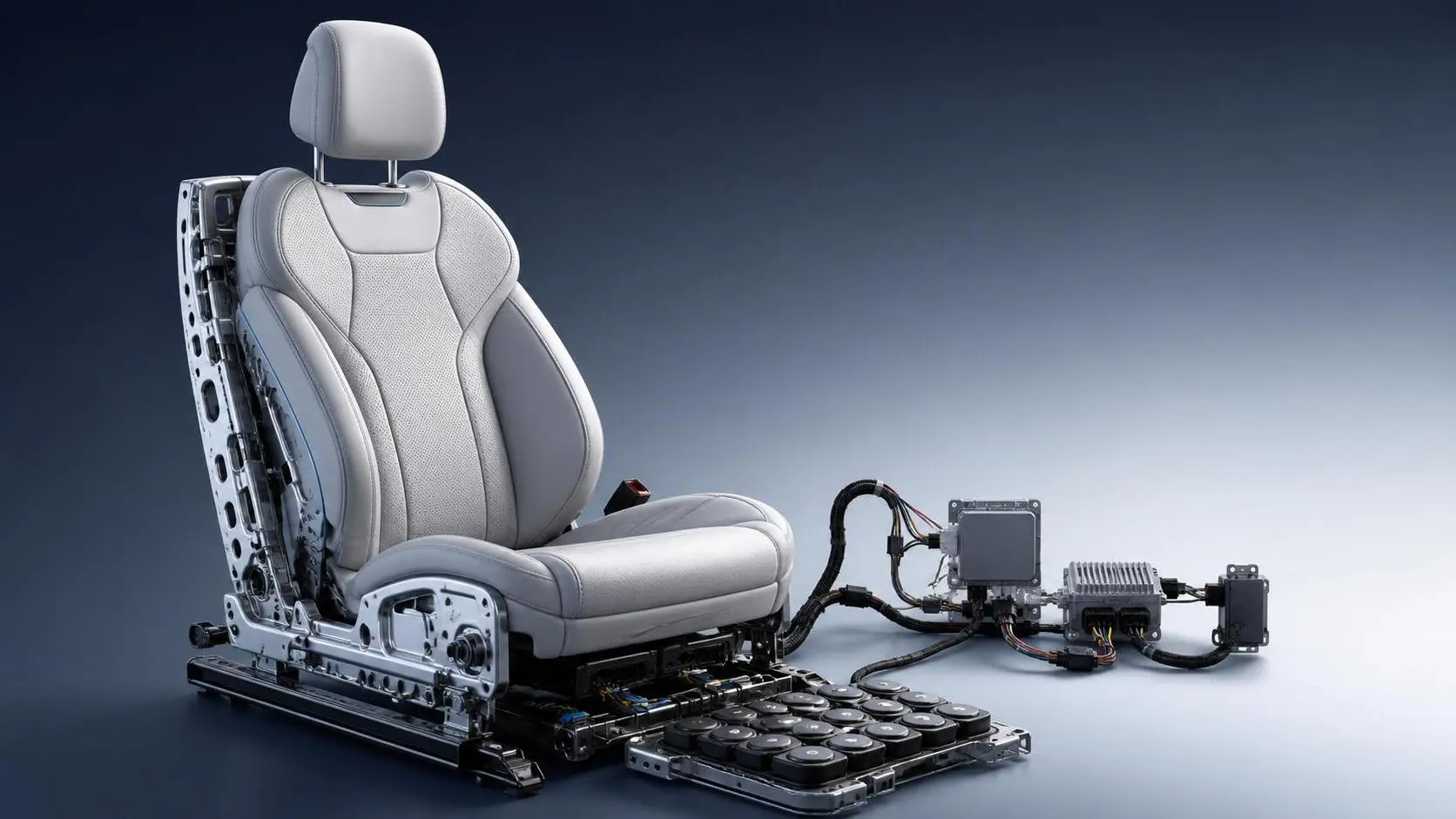
How to Evaluate Custom Smart Automotive Seating for Premium Vehicle Programs?
Custom smart automotive seating evaluation starts with safety, comfort, integration, and production readiness. Discover how premium vehicle teams choose smarter, lower-risk seat solutions.
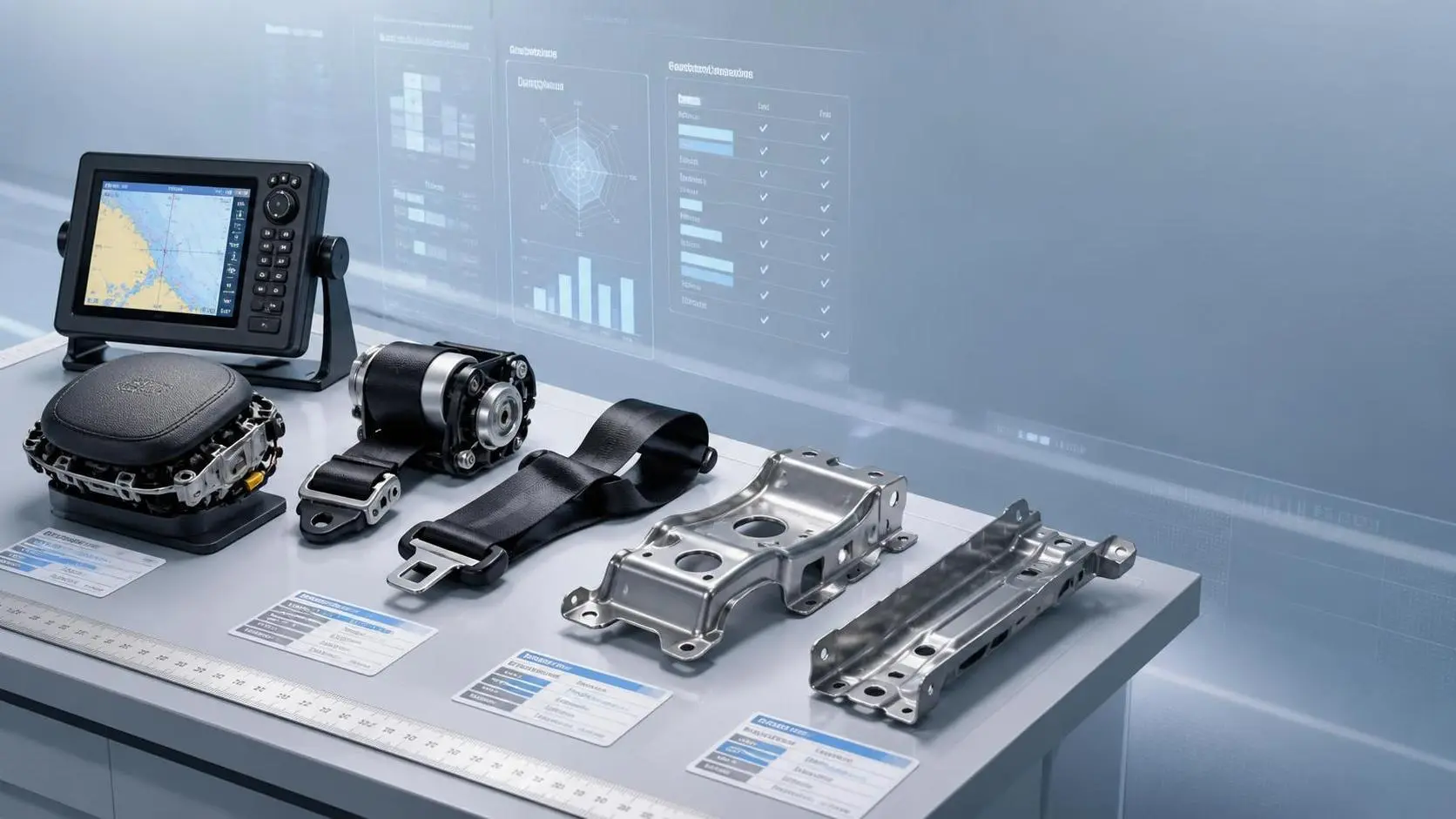
B2B Product Intelligence Platforms: How to Compare Features, Data Coverage, and ROI
B2B product intelligence platform comparison: learn how to evaluate data coverage, feature depth, compliance visibility, and ROI to choose a sourcing tool that reduces risk and speeds decisions.
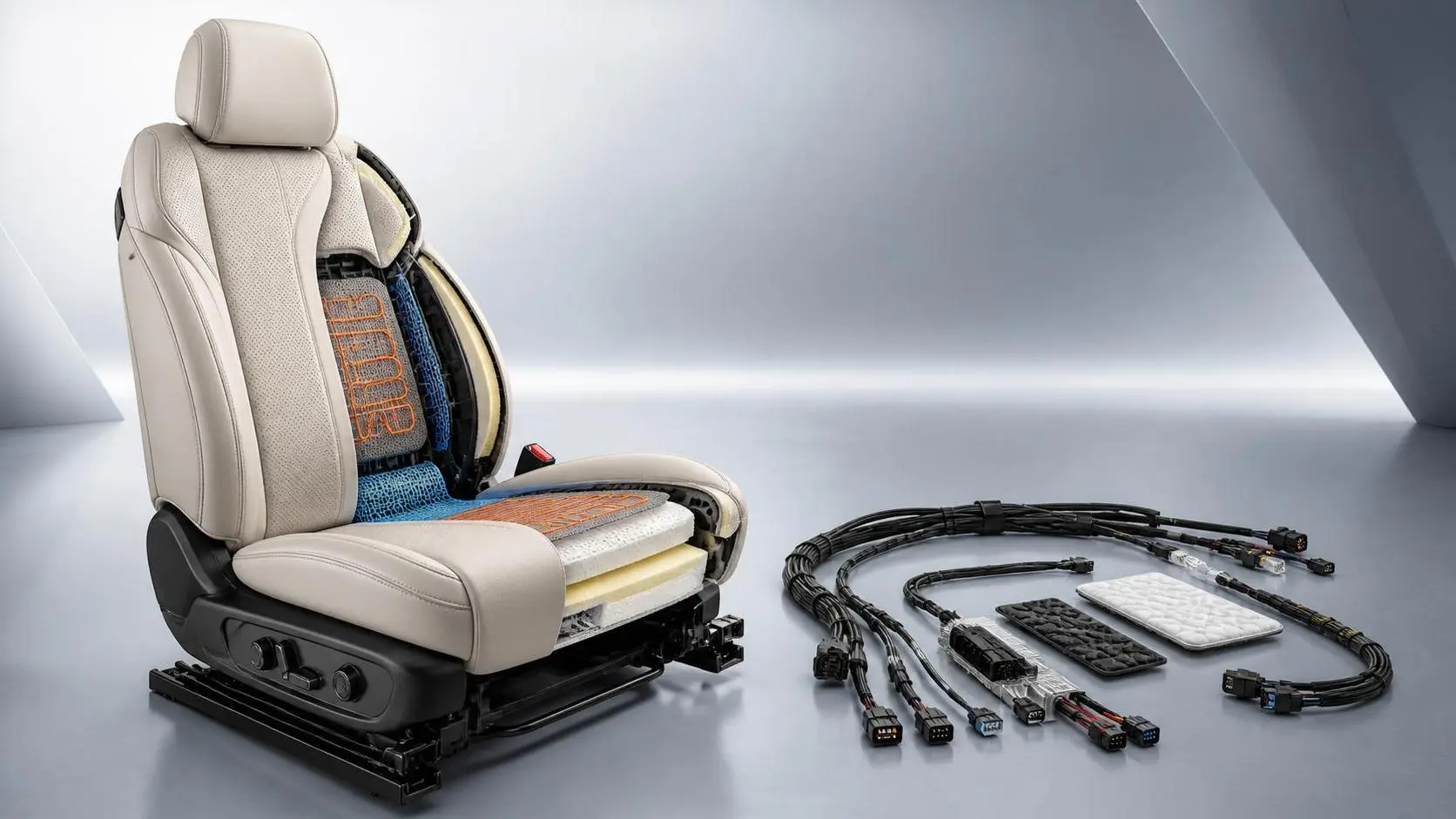
Climate Control Seats Cost: What Drives Price and Long-Term Ownership Value?
Climate control seats cost depends on materials, thermal tech, and integration. Learn what drives price and how to judge long-term value before you buy.
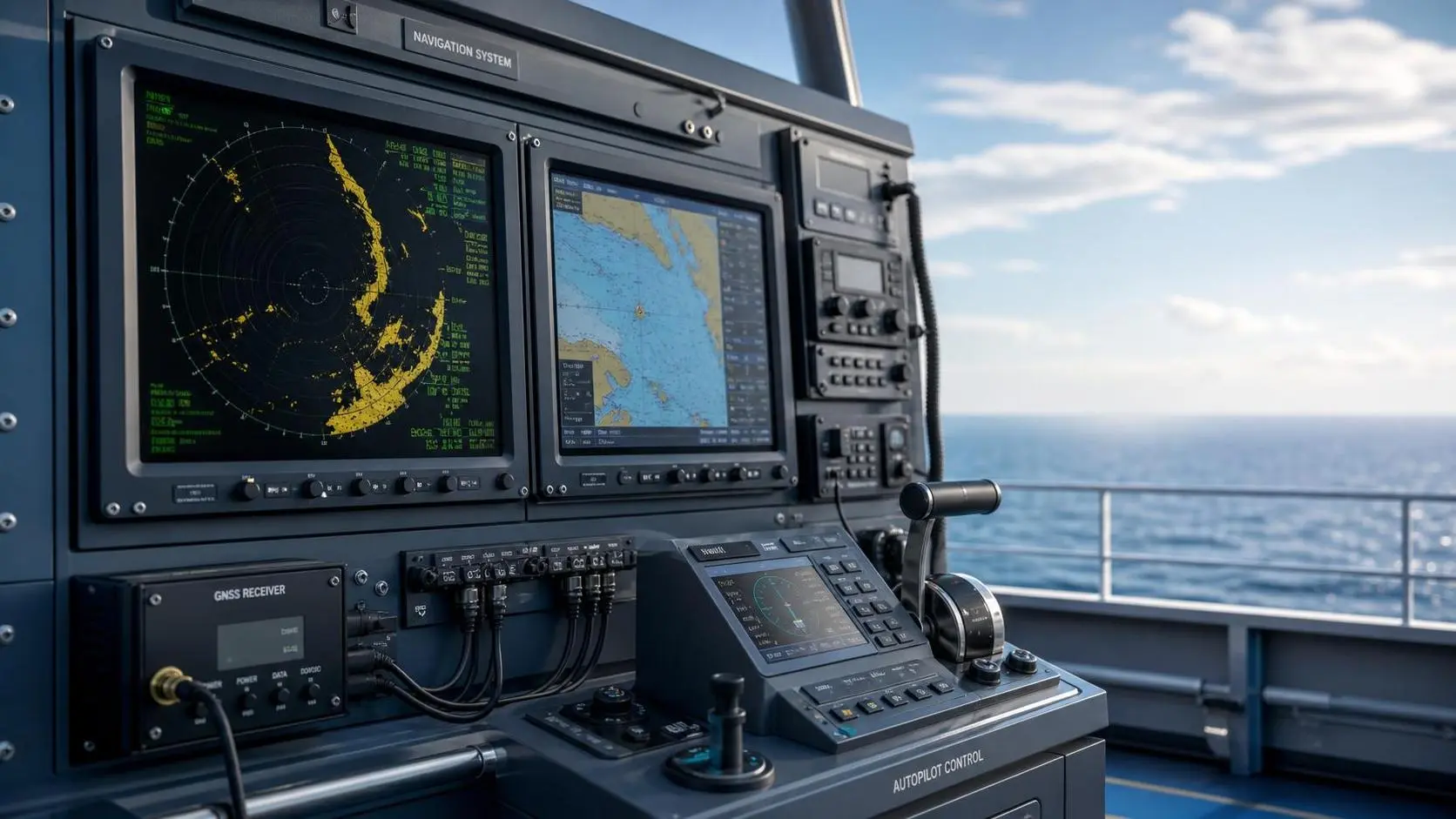
What Factors Drive Marine Navigation Components Cost in Commercial Vessel Projects?
Marine navigation components cost is shaped by integration, compliance, installation, and lifecycle support. Discover what drives pricing and how buyers can reduce risk while improving value.
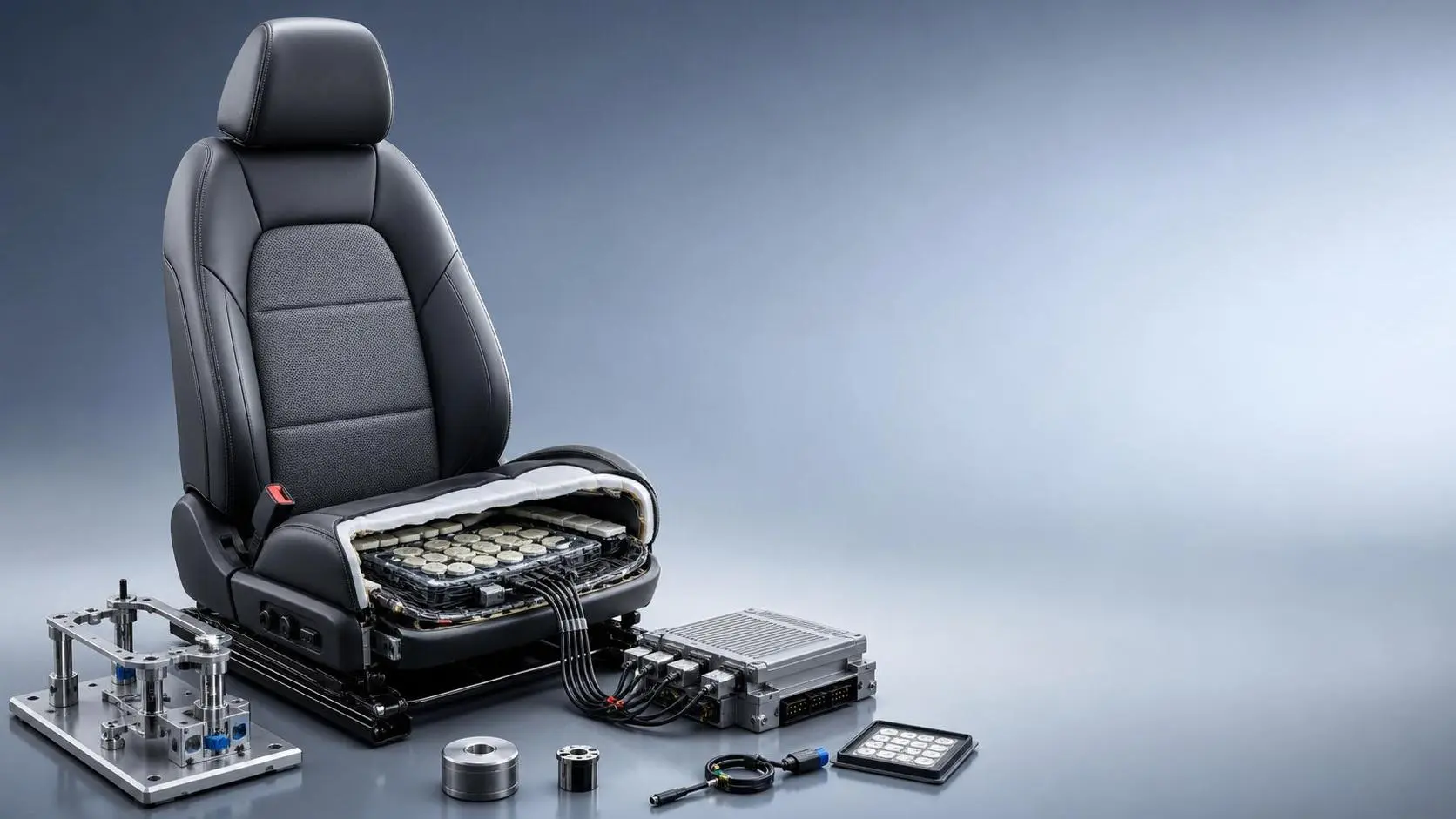
How Much Does Seat Occupancy Sensing Cost? Key Pricing Factors for Buyers
Seat occupancy sensing price varies widely by technology, integration, and compliance needs. Learn the key cost drivers, avoid hidden fees, and make smarter buying decisions.
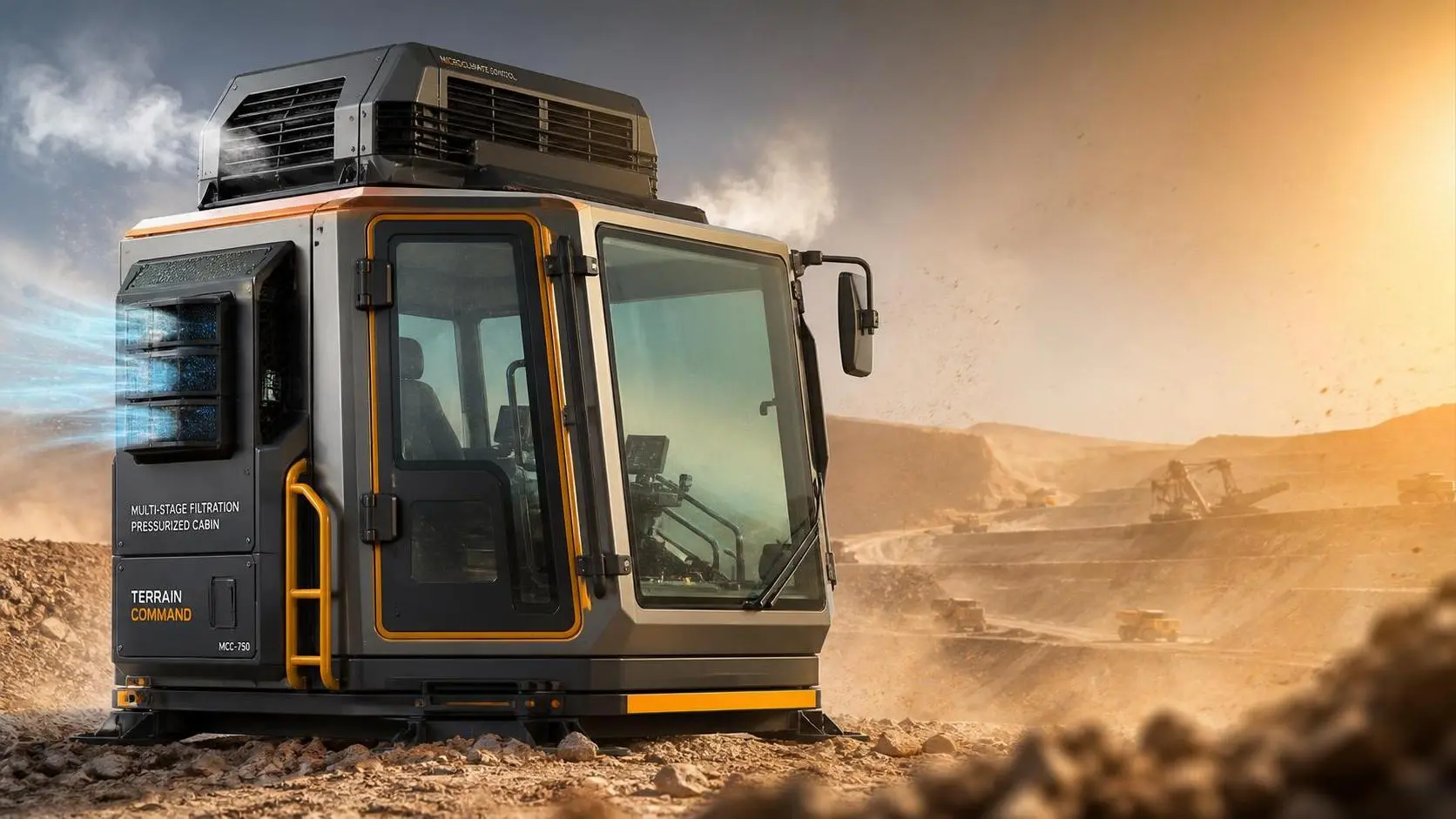
How to Specify Micro-Climate Control Cabins for Harsh Outdoor Worksites?
Micro-climate control cabins for harsh outdoor worksites: learn how to specify thermal control, filtration, pressurization, and durability for safer uptime and smarter buying.
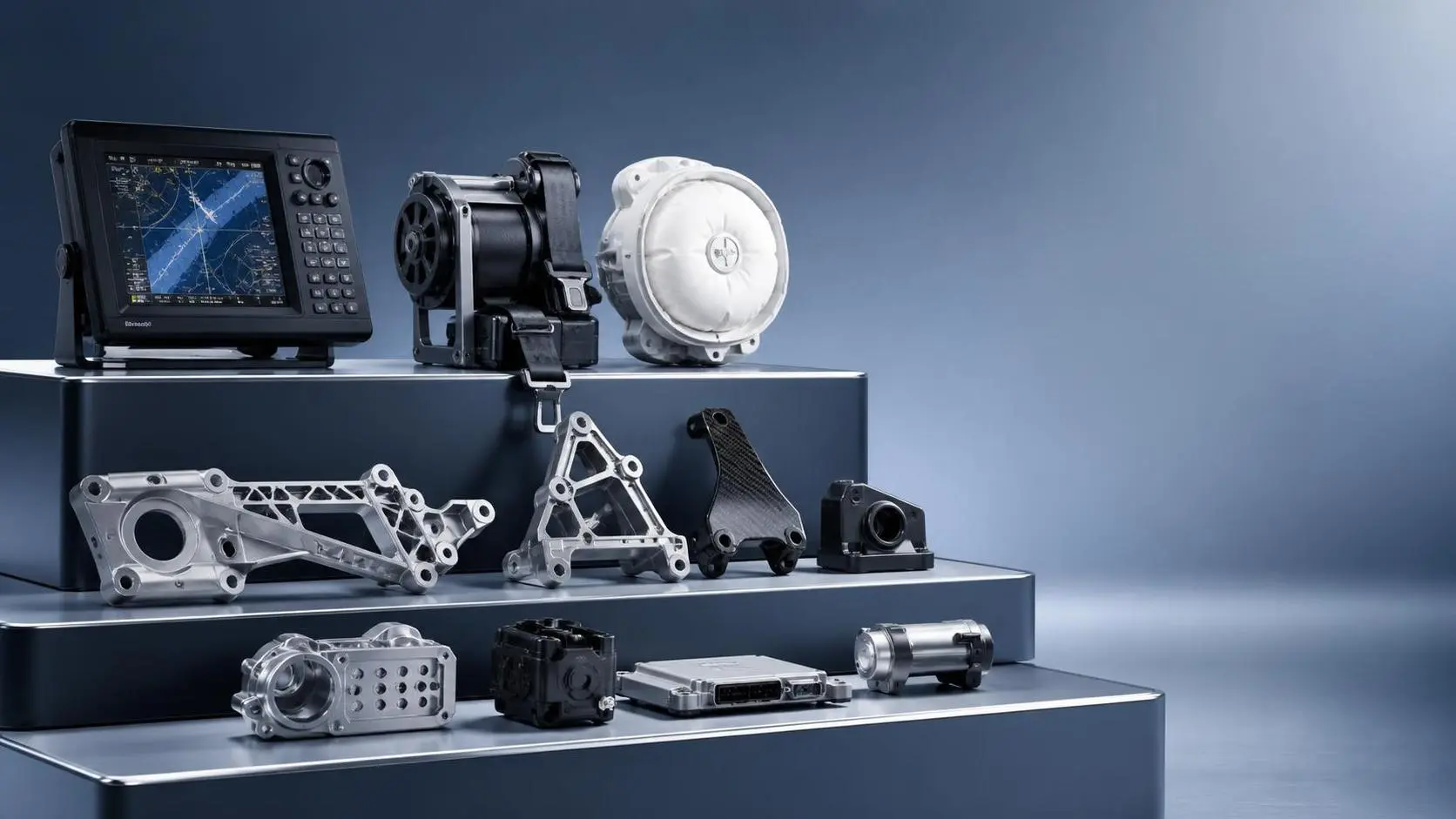
How to Evaluate a B2B Product Knowledge Platform for Faster Procurement Decisions
B2B product knowledge platform procurement starts with reducing decision risk. Learn how to compare specs, compliance, and supplier data to speed sourcing with confidence.
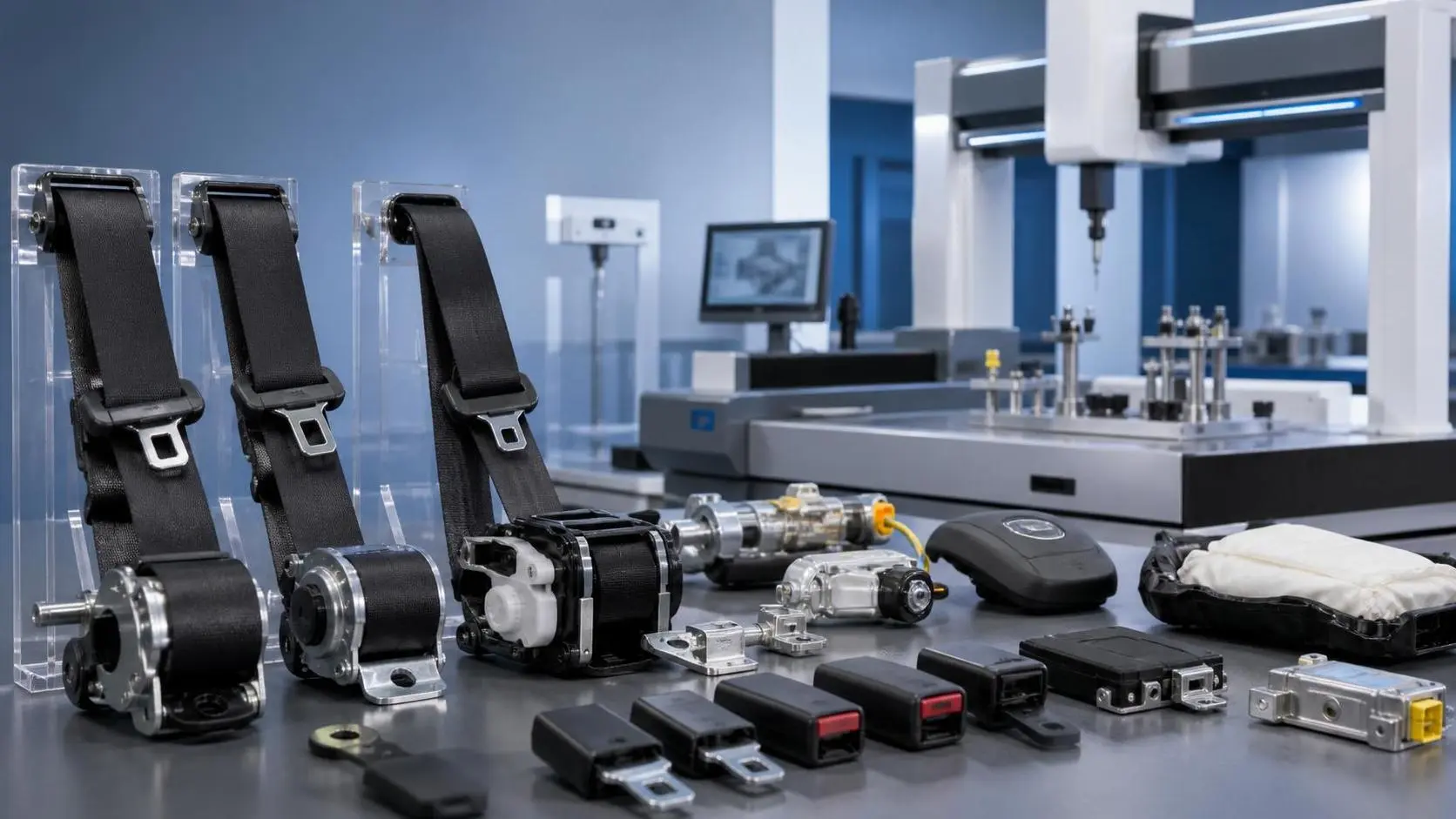
How to Evaluate an Occupant Restraint Systems Exporter for Quality, Compliance, and Supply Risk
Occupant restraint systems exporter evaluation guide: learn how to verify quality controls, compliance evidence, and supply risk before sourcing to avoid recalls, delays, and hidden costs.
Navigation Compliance Certification: Which Marine Systems Need It and How to Prepare?
Navigation compliance certification explained: discover which marine systems need approval, what documents matter, and how to prepare early to avoid delays, rework, and costly project risks.
Related News
- 00
0000-00
B2B Product Intelligence Platforms: How to Compare Features, Data Coverage, and ROI - 00
0000-00
What Factors Drive Marine Navigation Components Cost in Commercial Vessel Projects? - 00
0000-00
How Much Does Seat Occupancy Sensing Cost? Key Pricing Factors for Buyers - 00
0000-00
How to Specify Micro-Climate Control Cabins for Harsh Outdoor Worksites? - 00
0000-00
How to Evaluate a B2B Product Knowledge Platform for Faster Procurement Decisions
Weekly Insights
Stay ahead with our curated technology reports delivered every Monday.