
Automatic Identification Systems: Key Functions, Range Limits, and Buying Criteria
Automatic identification systems sit at the center of modern marine situational awareness. For any vessel operation, the real decision is not simply whether to install AIS, but how to balance transmission range, regulatory fit, bridge integration, and long-service reliability. That is why the topic matters beyond navigation hardware alone. It connects safety, compliance, route efficiency, and the broader intelligence logic that GNCS follows across mobility equipment: precise perception, dependable protection, and better operational judgment.
What automatic identification systems actually do at sea
In simple terms, automatic identification systems are radio-based tracking and information exchange tools used by ships and shore stations. They continuously broadcast identity, position, speed, course, and voyage-related data.
The most visible function is collision awareness. Nearby vessels can see each other on compatible displays, even when visual conditions are poor or traffic density is high.
Yet AIS does more than support lookout tasks. It improves traffic management, helps verify vessel identity, supports port coordination, and strengthens incident reconstruction after a near miss or casualty.
From a systems perspective, automatic identification systems work best when linked with GNSS, radar, ECDIS, and bridge alert workflows. A standalone unit transmits data. An integrated unit contributes to navigational decision quality.
Core information typically exchanged
- Static data, such as MMSI, vessel name, call sign, and dimensions
- Dynamic data, including position, speed over ground, and course over ground
- Voyage data, such as destination, ETA, and navigational status
- Safety-related messages in certain operational contexts
This combination explains why AIS is often treated as both a compliance device and a practical traffic intelligence asset.
Why the market is paying closer attention now
Marine operations are becoming more data-driven. Traffic density, environmental reporting, digital route planning, and remote monitoring all increase the value of trustworthy vessel identity data.
At the same time, compliance expectations are tightening. Buyers are expected to verify standards alignment, cybersecurity posture, installation suitability, and interoperability with existing navigation stacks.
This is where the GNCS perspective becomes useful. Marine navigation systems are no longer isolated equipment categories. They are part of a larger safety and perception chain, similar in discipline to passive protection systems in automotive cabins.
In both sectors, the underlying principle is similar: reliable sensing and clear signal interpretation reduce risk before a critical event escalates.
Understanding practical range limits
One of the most misunderstood topics around automatic identification systems is range. Marketing claims often suggest broad coverage, but real-world performance depends on several physical and installation variables.
AIS uses VHF radio, so transmission is largely line-of-sight. That means antenna height matters greatly. A higher antenna usually extends practical reception distance.
Sea state, weather, surrounding structures, cable loss, antenna quality, and nearby radio interference also affect usable range. A strong transponder can still underperform if the installation is weak.
There is also a difference between receiving and transmitting performance. Some setups show distant targets well, but their own outbound signal quality is less robust.
Typical range expectations
So the better question is not, “What is the maximum range?” It is, “What range can be sustained in the intended operating environment?”
Classes, vessel types, and usage scenarios
Not all automatic identification systems serve the same purpose. Class A units are generally required on larger commercial vessels and offer more transmission power, richer functionality, and stricter compliance alignment.
Class B devices are commonly used on smaller vessels where carriage rules differ. They improve visibility, but their transmission behavior and feature sets are usually more limited.
Base stations, aids-to-navigation AIS, and satellite-enabled data collection expand the ecosystem further. That matters when the buying decision involves fleet visibility, coastal infrastructure, or integration with shoreside analytics.
Where selection criteria often change
- Deep-sea shipping usually prioritizes compliance, bridge integration, and dependable transmission quality
- Harbor and pilot operations may focus more on dense-traffic responsiveness and display clarity
- Fishing, workboat, and support fleets often need durability, compact installation, and lifecycle simplicity
- Port networks may care more about data aggregation, remote diagnostics, and monitoring continuity
Buying criteria that deserve closer scrutiny
For sourcing decisions, the specification sheet is only the starting point. A lower-cost unit may appear competitive, yet create hidden expense through integration limits, certification gaps, or maintenance complexity.
Compliance and certification
Check whether the equipment meets relevant IMO, SOLAS, IEC, and regional requirements. Documentation quality matters because port state control and flag audits rarely accept vague claims.
Interface compatibility
Automatic identification systems should connect cleanly with GNSS inputs, radar overlays, ECDIS, voyage data workflows, and bridge alarms where required. Compatibility problems often appear after installation, not before purchase.
Transmission and reception stability
Power output figures are useful, but they do not replace field performance records. Ask for evidence from similar vessel profiles and operating regions.
Antenna and installation requirements
A well-designed AIS can still disappoint if antenna separation, cable specification, or mounting geometry is poorly handled. Installation guidance should be part of the buying review.
Serviceability over time
Long-term value depends on software support, spare parts access, firmware update procedures, and technical response speed. Reliability is not only a hardware matter.
Common sourcing mistakes behind underperforming AIS projects
A frequent mistake is comparing automatic identification systems only by output power or initial price. That approach ignores installation quality and operational fit.
Another issue is treating AIS as a simple box purchase. In practice, it is part of a navigation architecture. Bridge layout, display behavior, cabling routes, and data interfaces affect success.
Some buyers also underestimate documentation needs. Type approval, interface lists, commissioning records, and service history can become critical later during audits or incident review.
There is also a strategic mistake: choosing for current minimum need only. If fleet monitoring, digital reporting, or shore integration is likely to expand, short-term savings may create early replacement costs.
How to build a more reliable evaluation framework
A stronger evaluation process begins with operating context. Coastal passenger traffic, offshore support work, and long-haul cargo routes place different demands on automatic identification systems.
Next, separate must-have requirements from desirable features. Regulatory compliance, stable transmission, and integration readiness usually belong in the first group.
Then review lifecycle factors. These include installation support, crew familiarity, update pathways, diagnostic access, and vendor continuity.
A practical comparison table often helps.
A wider intelligence view for future decisions
AIS selection is increasingly tied to broader digital navigation strategy. Data credibility, software update discipline, and system interoperability now influence purchasing decisions as much as hardware durability.
That trend aligns with the GNCS view of equipment intelligence. Whether the domain is marine perception or cabin protection, resilient systems depend on precise sensing, controlled integration, and traceable compliance.
For the next step, it helps to map vessel use cases, expected range conditions, interface needs, and certification obligations before comparing suppliers. With that baseline, automatic identification systems can be evaluated on operational value rather than headline specifications alone.
Related News
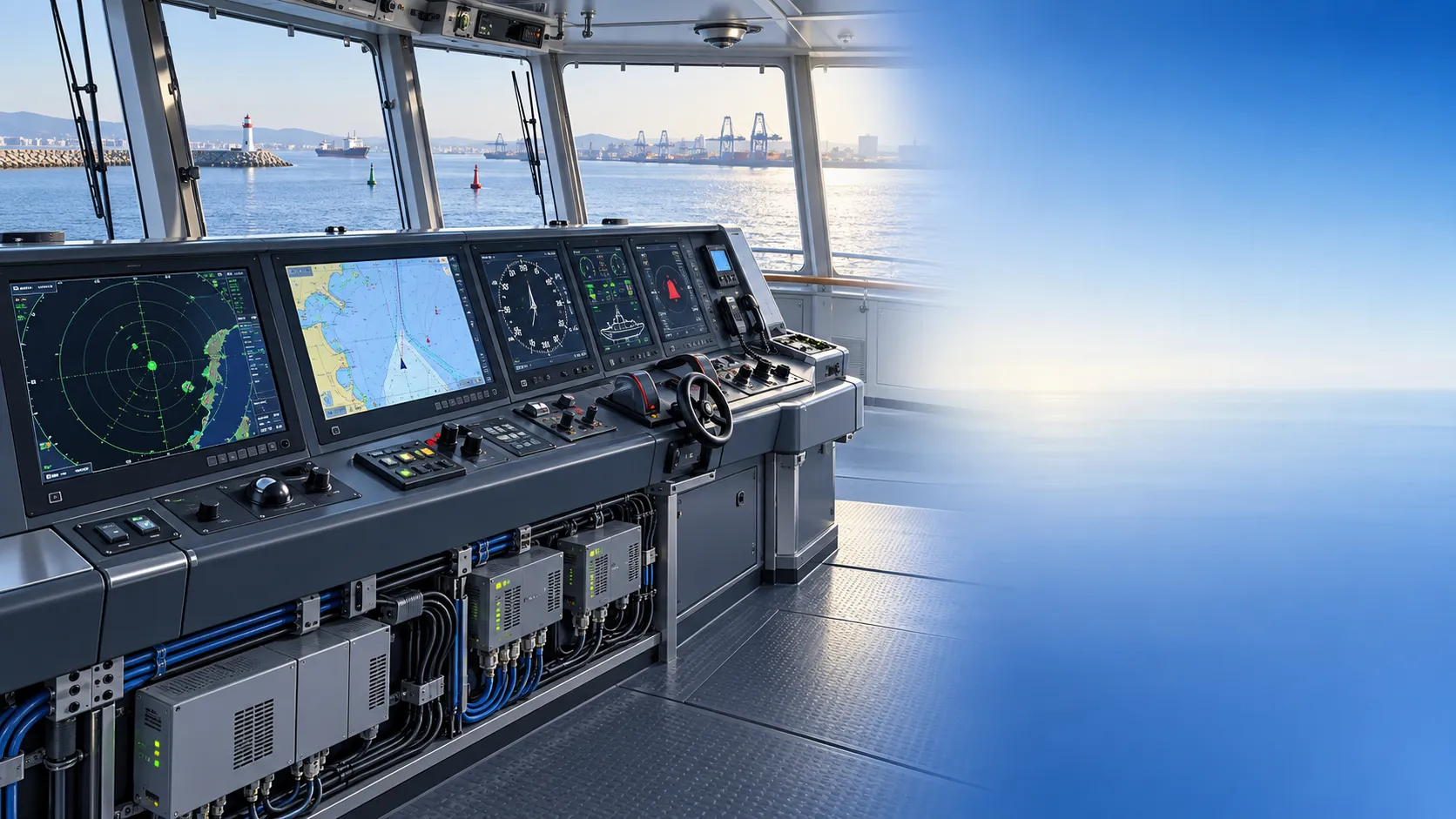
How to Specify Integrated Marine Electronics for Reliable Bridge Operations
Integrated marine electronics: learn how to specify reliable bridge systems with clear data flows, redundancy, alarm control, lifecycle interfaces, and operational testing.

How to Evaluate Navigation Radar Manufacturers for Commercial Vessel Projects
Navigation radar manufacturers: learn how to compare performance, compliance, integration, support, and lifecycle cost for commercial vessel projects.

How Adjustable Cabin Ergonomics Reduce Operator Fatigue in Long-Shift Vehicles
Adjustable cabin ergonomics reduces operator fatigue through better seating, reach, visibility, vibration control, and climate comfort for safer long-shift vehicles.

How Rear-Impact Safety Components Work Together to Protect Vehicle Occupants
Explore how automotive safety components for rear impact work together—from crash structures and seats to head restraints and belts—to enhance occupant protection.
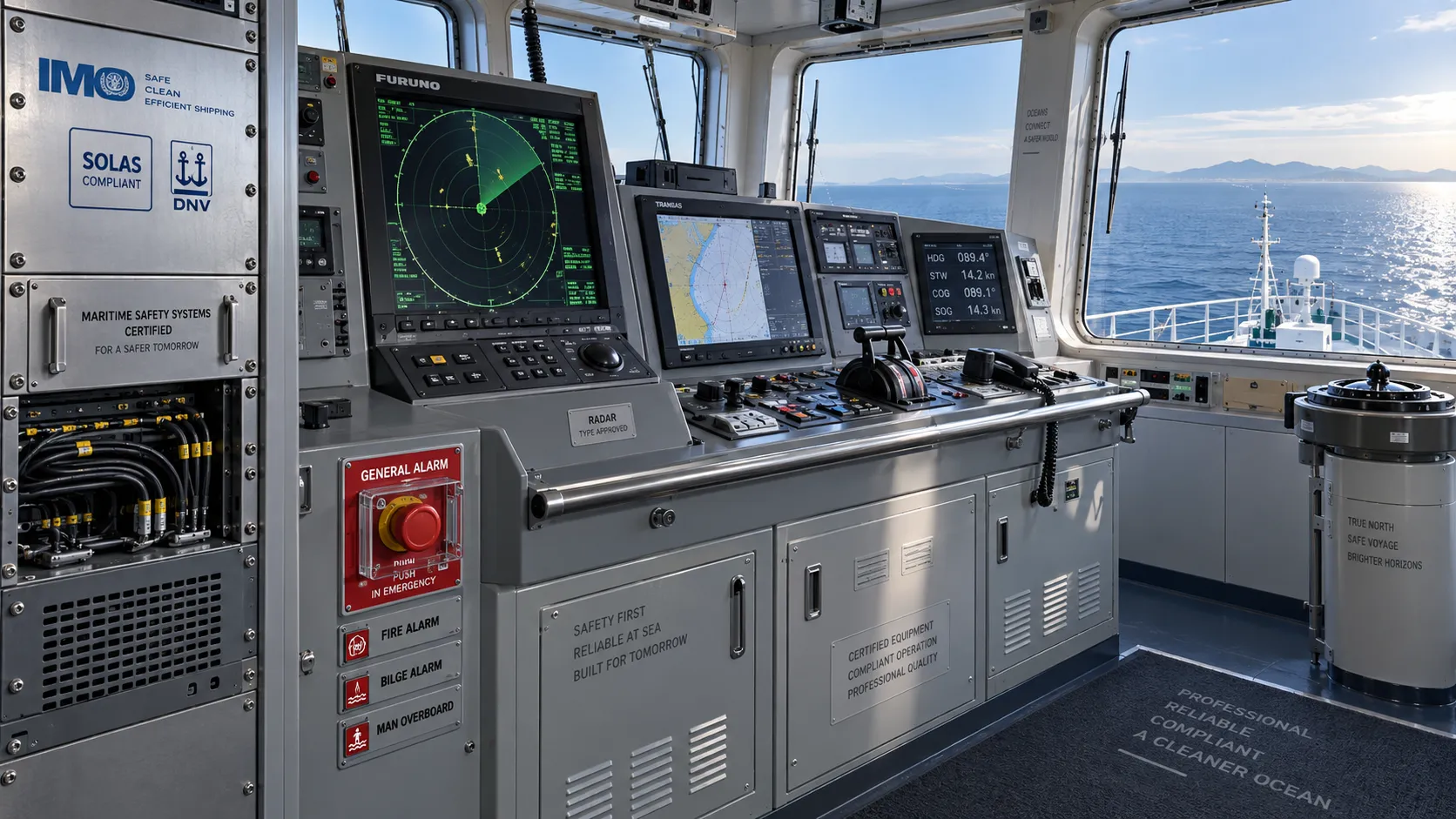
How to Evaluate a Marine Safety Systems Manufacturer for Vessel Compliance and Reliability
Marine safety systems manufacturer evaluation guide: verify compliance, engineering quality, lifecycle costs, and global service support for safer, reliable vessel operations.
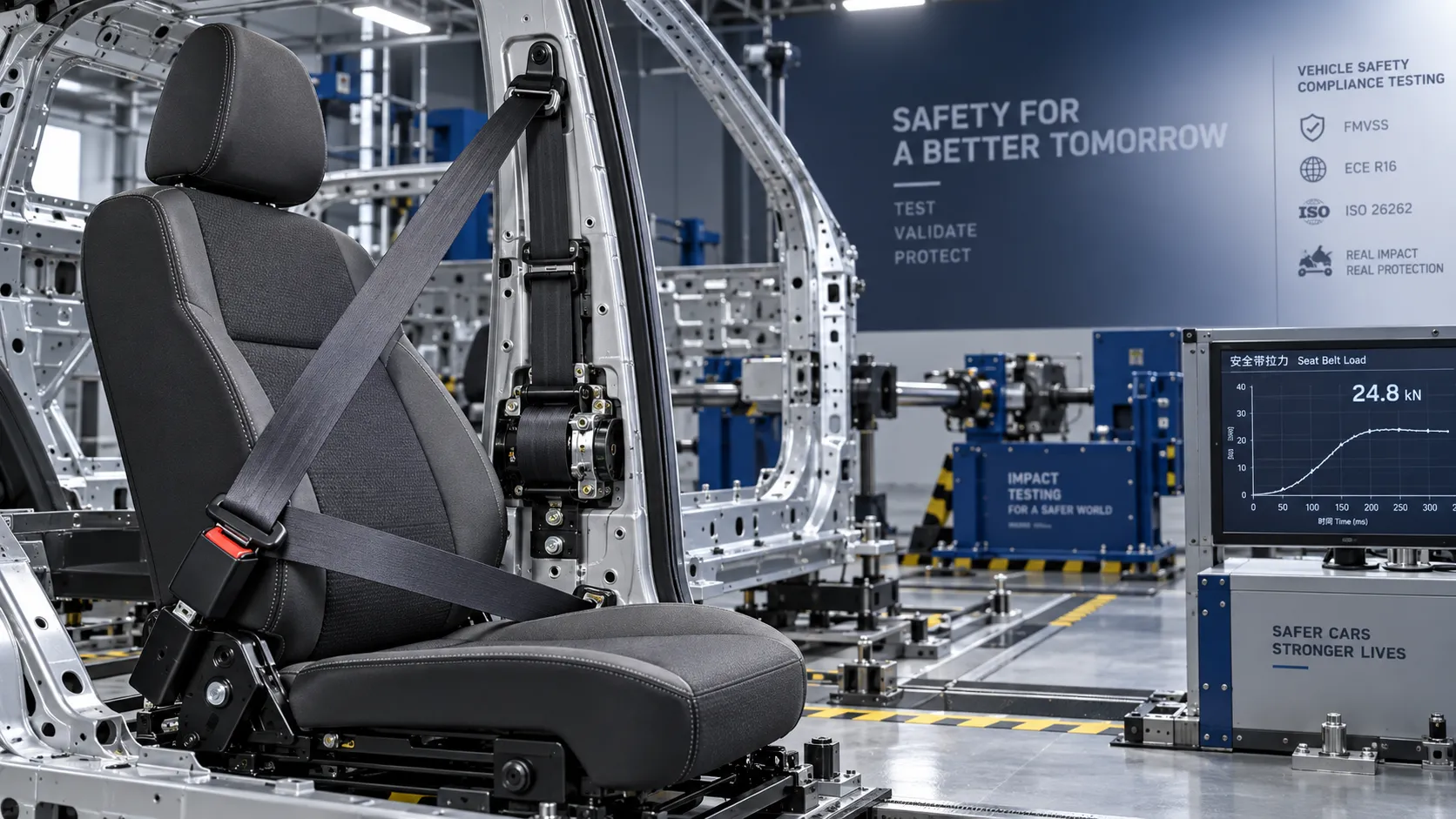
Crash Test Regulations for Seatbelts: Key Compliance Requirements Explained
Crash test regulations seatbelts explained: explore FMVSS, UN rules, anchorage strength, and dynamic restraint testing for safer, compliant vehicle systems.

How to Calculate the Total Cost of Automotive Lightweighting for a Vehicle Program
Automotive lightweight solutions cost: learn how to calculate program-level costs, including materials, tooling, joining, validation, risk, and vehicle-level value.

How Automotive Seat Occupancy Sensing Improves Airbag Deployment Decisions
Automotive seat occupancy sensing helps optimize airbag deployment decisions, improving passenger classification, safety diagnostics, and compliance across real-world conditions.

What Drives Lightweight Body Component Costs in High-Volume Vehicle Programs?
Lightweight body components cost depends on material yield, forming, joining, tooling, validation, and logistics. Explore proven ways to optimize total vehicle program cost.
Related News
- 00
0000-00
How to Specify Integrated Marine Electronics for Reliable Bridge Operations - 00
0000-00
How Adjustable Cabin Ergonomics Reduce Operator Fatigue in Long-Shift Vehicles - 00
0000-00
How to Evaluate a Marine Safety Systems Manufacturer for Vessel Compliance and Reliability - 00
0000-00
How to Calculate the Total Cost of Automotive Lightweighting for a Vehicle Program - 00
0000-00
What Drives Lightweight Body Component Costs in High-Volume Vehicle Programs?
Weekly Insights
Stay ahead with our curated technology reports delivered every Monday.