
Automotive Safety Procurement Guide: How to Compare Cost, Compliance, and Supplier Capability
Why does automotive safety procurement deserve a different evaluation approach?
Automotive safety procurement is rarely a simple price comparison. A lower quote can hide tooling instability, weak traceability, or delayed certification support.
That is why cost, compliance, and supplier capability must be reviewed together. If one element is weak, the total program risk rises quickly.
In practice, this matters most for body stampings, airbag assemblies, seatbelt systems, and seat structures. These parts sit close to crash performance and occupant protection.
GNCS follows this intersection closely. Its research connects lightweight structures, passive safety components, and regulatory change across the global mobility chain.
That broader view is useful because automotive safety decisions do not happen in isolation. Material behavior, test standards, and supply continuity affect sourcing at the same time.
A stronger purchasing decision usually answers three questions early: Will the part pass? Will the supplier deliver consistently? Will the landed cost stay predictable?
When comparing suppliers, what should be checked before unit price?
The first screen should focus on fit, not price. If a supplier cannot support the required safety architecture, the quote is not truly comparable.
For automotive safety components, start with process capability. Hot stamping, inflator integration, pretensioner assembly, and seat frame welding all require different control disciplines.
Then review engineering involvement. Suppliers that can explain load paths, deformation targets, and validation logic usually reduce downstream trial-and-error.
Documentation discipline is another filter. PPAP readiness, IMDS data, lot traceability, and change notification speed often separate dependable sources from risky ones.
Capacity claims also need proof. A line that works in audit conditions may still struggle under volume ramps, engineering changes, or dual-program overlap.
A practical comparison table helps keep these checks objective.
This method improves automotive safety procurement because it compares total execution ability, not just a visible piece price.
How do cost and compliance actually interact in automotive safety sourcing?
They are more connected than many sourcing sheets suggest. Compliance choices affect tooling, validation workload, packaging controls, and warranty exposure.
Take high-strength body stampings as an example. A cheaper steel grade may reduce material cost, but increase forming difficulty or weaken crash energy performance.
For airbag assemblies, the issue is even sharper. Propellant chemistry, sensor integration, and inflator quality systems can change both test burden and liability profile.
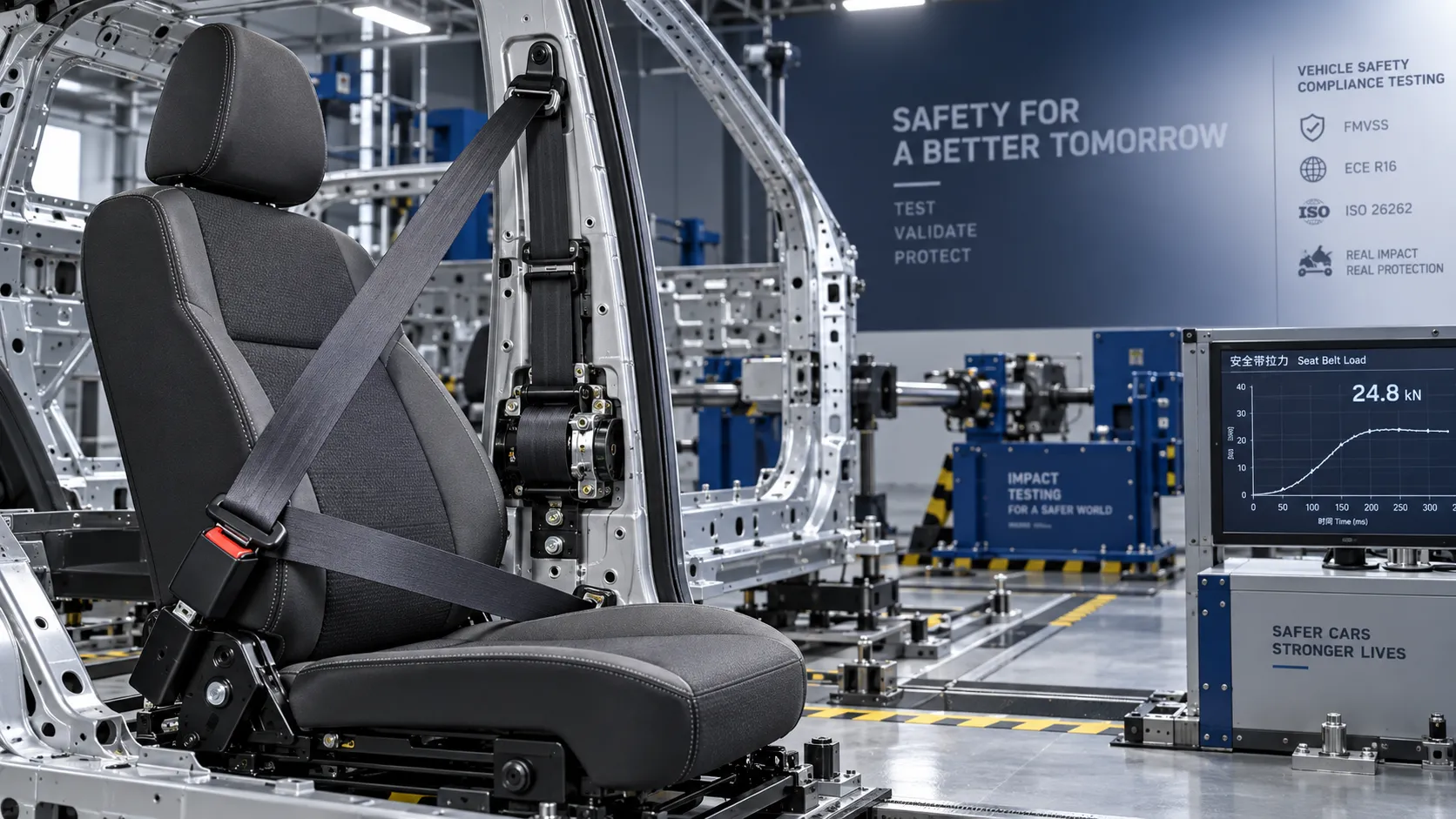
Seatbelt systems show a similar pattern. Pretensioners and force limiters require tight functional consistency, so low-cost offers must be checked against validation depth.
A useful way to read quotes is to separate visible cost from risk-adjusted cost. The second number usually tells the real story.
- Visible cost includes unit price, tooling, freight, and packaging.
- Risk-adjusted cost adds validation delay, rework, launch disruption, and field exposure.
- In automotive safety procurement, the second layer often outweighs early price savings.
GNCS often highlights this through cross-domain intelligence. The same discipline used to monitor marine navigation reliability also helps explain why safety-critical hardware needs predictable systems thinking.
Which certifications and test signals are worth deeper attention?
Not every certificate has equal decision value. Some confirm baseline management, while others reveal whether the supplier can survive real program pressure.
IATF 16949 is a starting point, not the finish line. It should be paired with process audit results, corrective action history, and customer performance data.
For materials, pay attention to consistency evidence. Mechanical properties, coating behavior, chemical composition, and batch traceability all shape safety outcomes.
For validation, ask how testing connects to application reality. A report matters more when it matches the actual load case, region, and integration design.
It also helps to track regulatory direction. IIHS and E-NCAP shifts can change expectations around crash performance, restraint timing, and occupant positioning.
A supplier that only meets today's checklist may become expensive tomorrow. A supplier that anticipates change usually protects program continuity better.
A short checklist for technical credibility
- Recent audit outcomes with clear closure records
- Validation reports tied to the actual part family
- Documented engineering change control
- Material and component traceability at lot level
- Evidence of support during launch or incident containment
What usually goes wrong after nomination, even when the quote looked strong?
The most common problem is assuming sample success equals mass-production readiness. In automotive safety procurement, launch stability must be tested as hard as the part itself.
Another issue is incomplete change visibility. Tool refurbishment, sub-supplier swaps, or software updates can alter safety behavior without obvious commercial signals.
Global programs face added pressure from regional compliance differences. One source may be qualified technically, yet still miss local paperwork or shipping controls.
Seat structures and smart seating systems add another layer. Comfort electronics, sensing, and structural mechanics can interact in ways that affect validation timing.
More common than expected is weak escalation discipline. A supplier may solve routine defects well, but respond slowly when safety-related anomalies appear.
To reduce these risks, keep post-award controls active:
- Lock critical characteristics and approval paths early.
- Review launch capacity against realistic ramp curves.
- Define deviation, containment, and recall communication rules.
- Track sub-supplier dependency for propellants, steel, electronics, and textiles.
How can a sourcing team build a practical decision model for automotive safety?
The best model is simple enough to use, but strict enough to expose hidden risk. Weighted scoring usually works better than informal discussion.
Start by assigning decision weight to performance-critical areas. For most automotive safety categories, compliance and process stability deserve more weight than headline price.
Then separate hard evidence from verbal assurances. Audit records, trial yield, validation depth, and recovery plans should score higher than presentation quality.
It is also worth adding a forward-looking signal. GNCS intelligence on lightweighting, occupant protection, and regulatory evolution can help identify whether a supplier is future-ready.
A good model should lead to a defendable decision, not just a cheaper bid. That is especially true where occupant protection and compliance are tightly linked.
What is the smartest next step if several suppliers look close on paper?
Move from brochure comparison to evidence comparison. Ask for recent case data, not generic capability slides.
A focused supplier review often clarifies the decision quickly. Compare launch support history, deviation handling, validation ownership, and sub-supplier transparency.
If the category involves hot-stamped parts, airbags, seatbelts, or smart seating, keep one eye on future requirements as well as current drawings.
That is where a source such as GNCS becomes useful. Its coverage of passive safety, lightweight bodies, and evolving standards helps turn fragmented signals into a more reliable sourcing view.
The practical path is clear: define the safety-critical parameters, compare compliance depth, test production resilience, and calculate cost with risk included.
When automotive safety procurement follows that sequence, decisions become easier to justify and far less likely to fail after award.
Related News
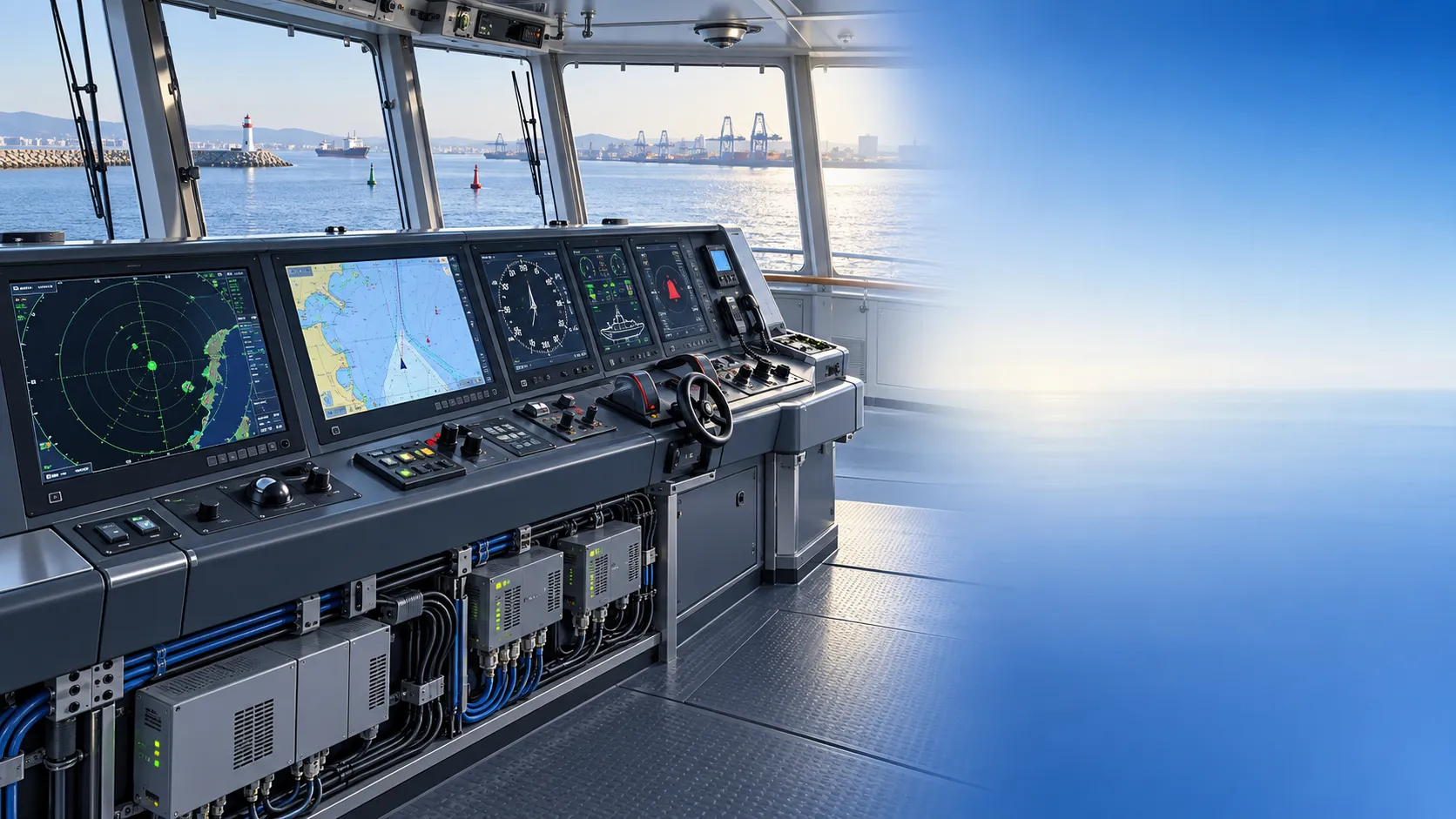
How to Specify Integrated Marine Electronics for Reliable Bridge Operations
Integrated marine electronics: learn how to specify reliable bridge systems with clear data flows, redundancy, alarm control, lifecycle interfaces, and operational testing.

How to Evaluate Navigation Radar Manufacturers for Commercial Vessel Projects
Navigation radar manufacturers: learn how to compare performance, compliance, integration, support, and lifecycle cost for commercial vessel projects.
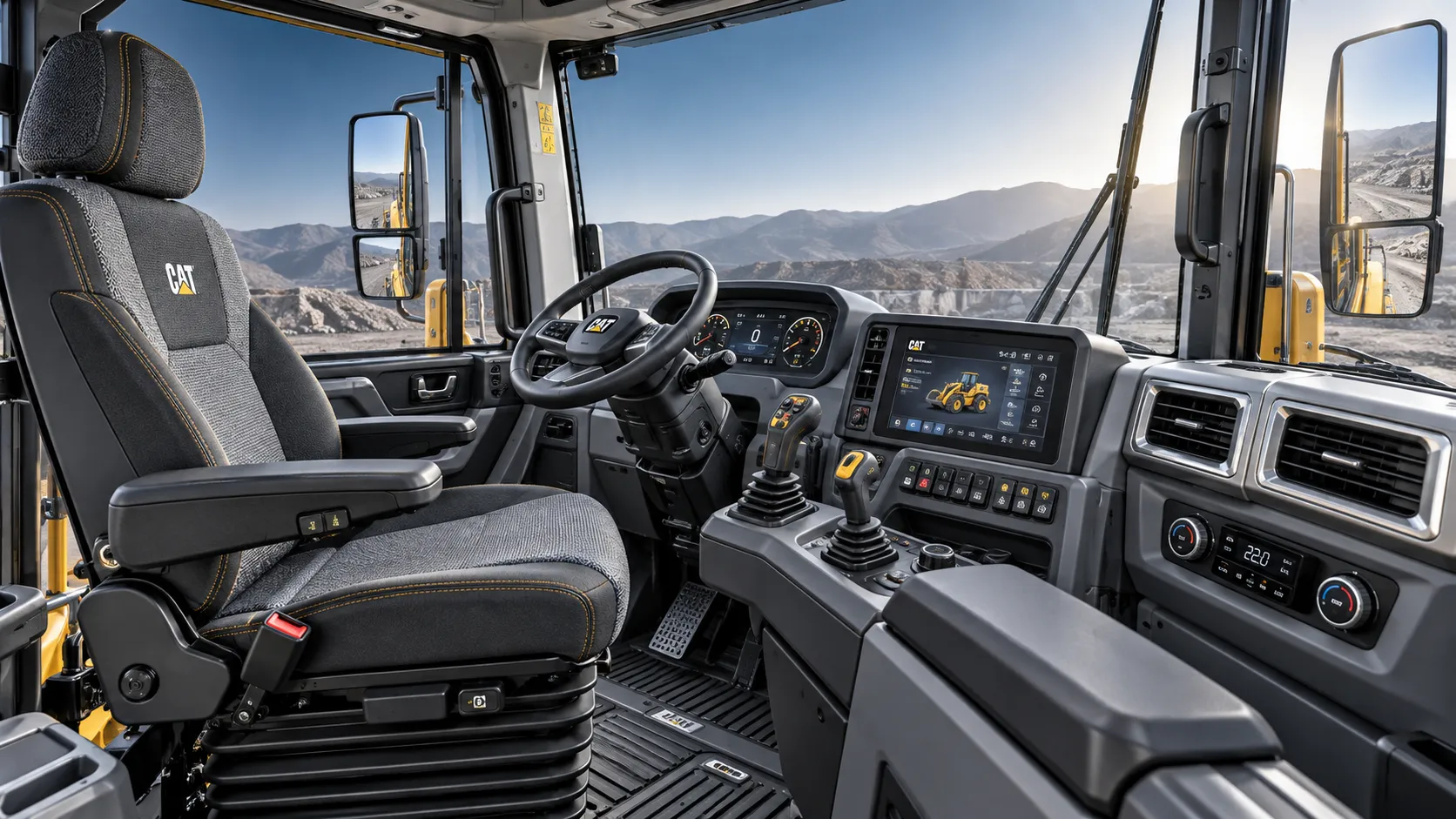
How Adjustable Cabin Ergonomics Reduce Operator Fatigue in Long-Shift Vehicles
Adjustable cabin ergonomics reduces operator fatigue through better seating, reach, visibility, vibration control, and climate comfort for safer long-shift vehicles.
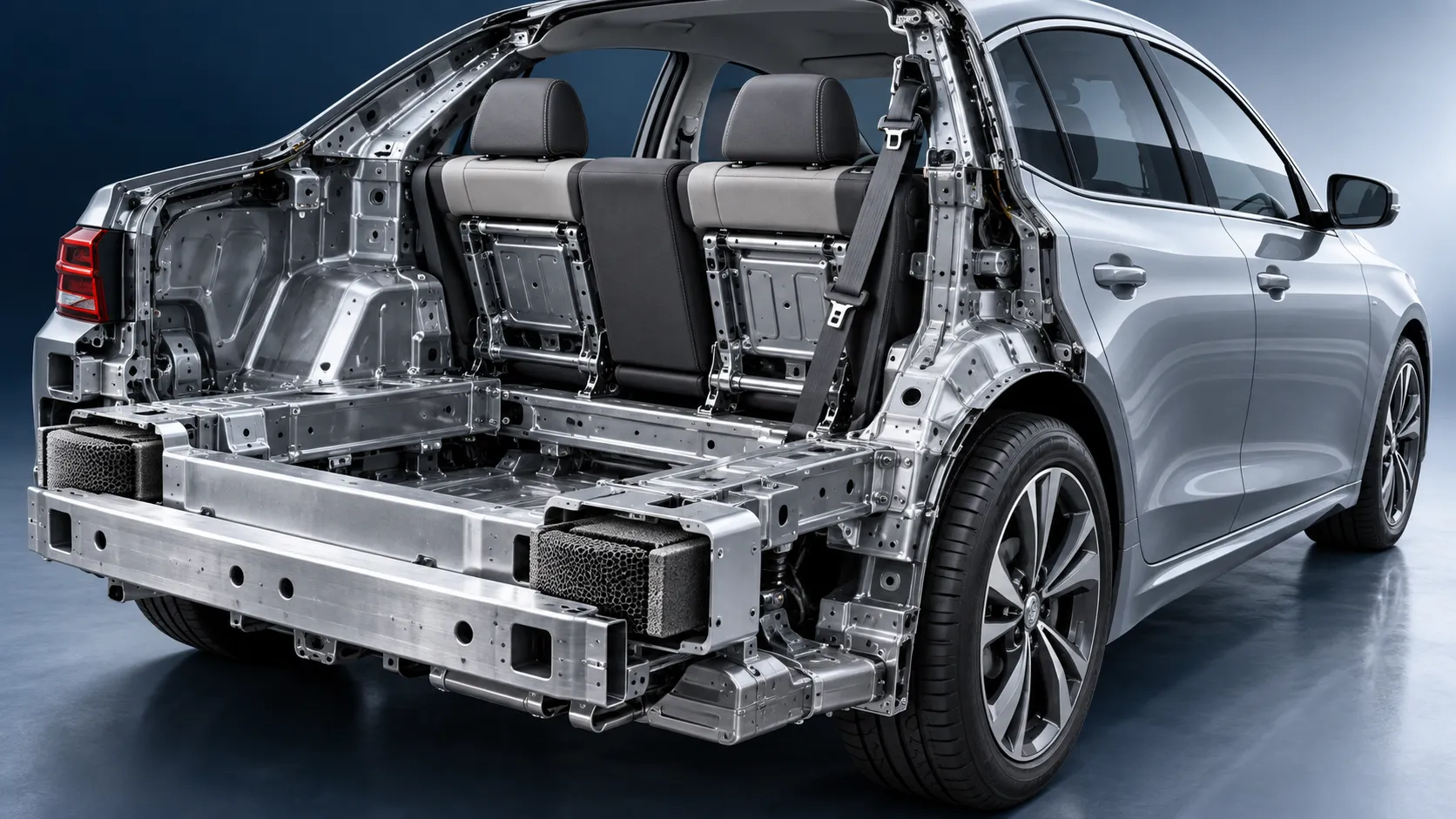
How Rear-Impact Safety Components Work Together to Protect Vehicle Occupants
Explore how automotive safety components for rear impact work together—from crash structures and seats to head restraints and belts—to enhance occupant protection.
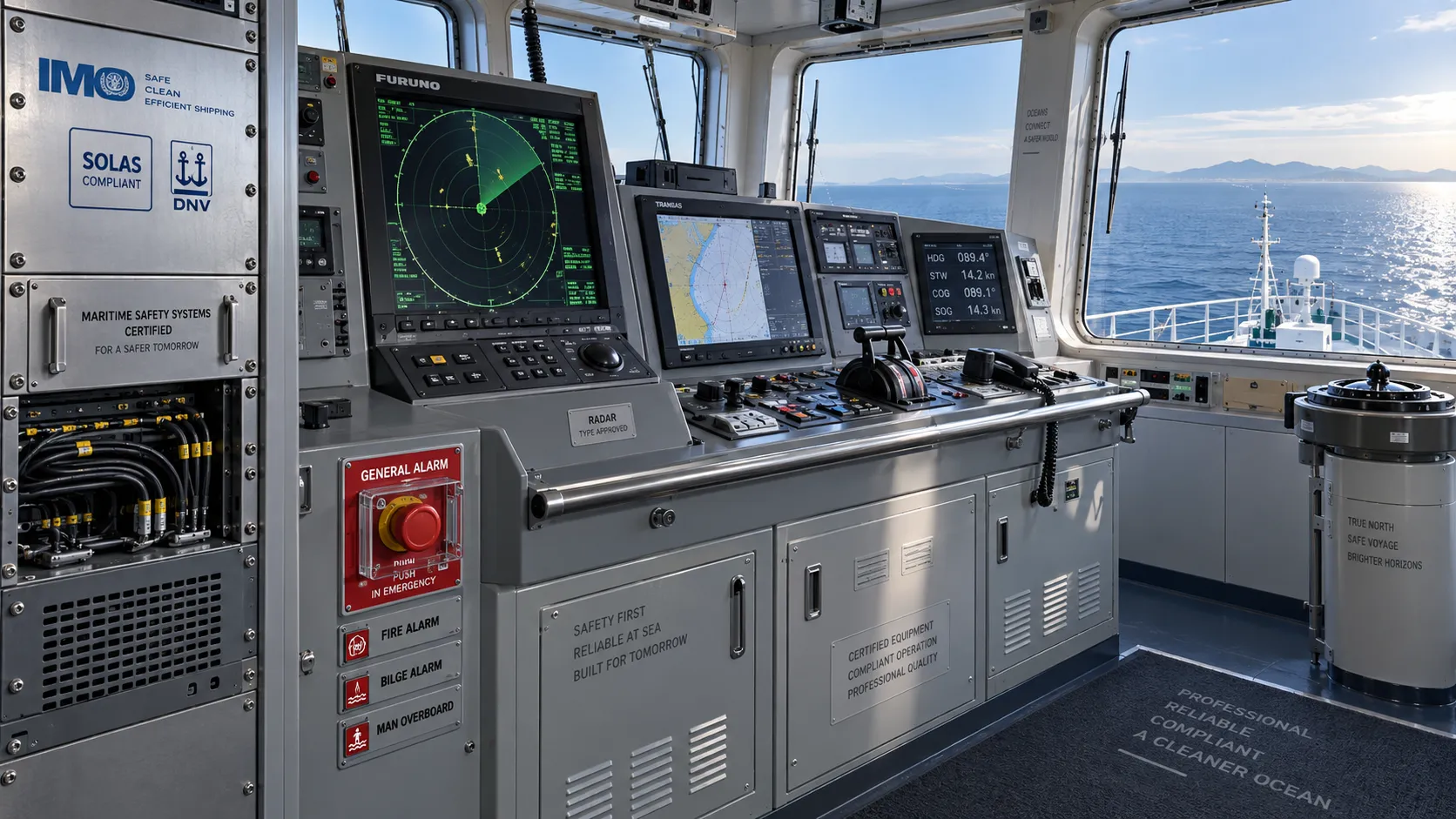
How to Evaluate a Marine Safety Systems Manufacturer for Vessel Compliance and Reliability
Marine safety systems manufacturer evaluation guide: verify compliance, engineering quality, lifecycle costs, and global service support for safer, reliable vessel operations.
Crash Test Regulations for Seatbelts: Key Compliance Requirements Explained
Crash test regulations seatbelts explained: explore FMVSS, UN rules, anchorage strength, and dynamic restraint testing for safer, compliant vehicle systems.

How to Calculate the Total Cost of Automotive Lightweighting for a Vehicle Program
Automotive lightweight solutions cost: learn how to calculate program-level costs, including materials, tooling, joining, validation, risk, and vehicle-level value.

How Automotive Seat Occupancy Sensing Improves Airbag Deployment Decisions
Automotive seat occupancy sensing helps optimize airbag deployment decisions, improving passenger classification, safety diagnostics, and compliance across real-world conditions.

What Drives Lightweight Body Component Costs in High-Volume Vehicle Programs?
Lightweight body components cost depends on material yield, forming, joining, tooling, validation, and logistics. Explore proven ways to optimize total vehicle program cost.
Related News
- 00
0000-00
How to Specify Integrated Marine Electronics for Reliable Bridge Operations - 00
0000-00
How Adjustable Cabin Ergonomics Reduce Operator Fatigue in Long-Shift Vehicles - 00
0000-00
How to Evaluate a Marine Safety Systems Manufacturer for Vessel Compliance and Reliability - 00
0000-00
How to Calculate the Total Cost of Automotive Lightweighting for a Vehicle Program - 00
0000-00
What Drives Lightweight Body Component Costs in High-Volume Vehicle Programs?
Weekly Insights
Stay ahead with our curated technology reports delivered every Monday.