
Magnesium Alloys for Automotive Parts: Strength, Corrosion Limits, and Processing Trade-Offs
Magnesium alloys are moving from niche material discussions into practical automotive decisions. Their appeal is obvious: major mass reduction, better energy efficiency, and new design freedom for selected parts. Yet the real evaluation is never about weight alone. Strength retention, corrosion behavior, joining limits, and processing cost determine whether magnesium alloys create durable value or introduce avoidable risk.
That balance matters across the broader mobility chain followed by GNCS, where lightweight structures, passive safety performance, and compliance logic increasingly intersect. In seat structures, interior supports, and certain housing components, magnesium alloys can improve system efficiency. In crash-relevant or highly exposed zones, however, the trade-offs become more demanding and require a disciplined application-by-application review.
Why magnesium alloys attract attention now
The automotive industry has already captured easy weight savings in many conventional areas. What remains often requires material substitution at the component level, especially in body-in-white substructures, seat frames, brackets, steering supports, and electronic housings.
Magnesium alloys stand out because their density is roughly one-third lower than aluminum and far below steel. That opens a path to lighter parts without relying only on geometry thinning.
This is especially relevant in electric vehicles, where every kilogram influences battery sizing, range, and dynamic behavior. It also matters in premium cabins, where lightweight seat systems and support structures must coexist with comfort, safety, and packaging demands.
GNCS tracks this shift because lightweighting is no longer separate from protection. Material choice now affects occupant containment, structural load paths, and the credibility of technical claims made to global OEM programs.
What magnesium alloys really offer
At a basic level, magnesium alloys are engineered materials built from magnesium with aluminum, zinc, manganese, rare earth elements, or other additions. The alloying route changes castability, ductility, creep resistance, and corrosion response.
Their value is not simply “lighter metal.” The stronger case is that magnesium alloys can reduce system mass while enabling integrated part design. A casting may combine ribs, bosses, attachment points, and local reinforcement in one geometry.
For automotive programs, that can reduce fastener count, simplify assembly steps, and improve packaging efficiency. These gains are often more important than the raw material property headline.
Still, magnesium alloys do not behave like drop-in replacements for steel or aluminum. Their modulus is lower, their surface sensitivity is higher, and their durability depends heavily on environment and process discipline.
Strength is useful, but stiffness and temperature matter more than expected
Many discussions about magnesium alloys focus on tensile strength. That is only one part of the picture. In automotive parts, stiffness often controls performance before ultimate strength does.
Because magnesium has a lower elastic modulus than steel and aluminum, a part may need thicker sections or different rib architecture to meet deflection targets. If the geometry is not optimized, the weight benefit can shrink quickly.
Temperature exposure also matters. Some magnesium alloys lose mechanical stability faster than competing materials when they face sustained heat. That limits suitability near power electronics, driveline heat sources, or zones with long thermal cycling.
In practical terms, magnesium alloys are often strongest in applications where loads are moderate, stiffness can be designed into the part, and service temperature remains controlled.
Typical performance questions during evaluation
- Does the part fail by static overload, fatigue, or excessive deflection?
- Is the operating temperature stable or cyclic?
- Can geometry compensate for lower stiffness without packaging penalties?
- Will local fastening points concentrate stress or distort under assembly load?
Corrosion limits remain the decisive filter
Corrosion is where many promising concepts with magnesium alloys either mature or fail. The issue is not that magnesium always corrodes rapidly. The issue is that it is far more sensitive to environment, coatings, and galvanic contact than many teams first assume.
Road salt, humidity, trapped water, stone chipping, and contact with dissimilar metals can accelerate degradation. If coating integrity breaks down around fasteners or edges, localized attack may progress faster than predicted in early lab screening.
That is why magnesium alloys are usually a better fit for interior cabin structures, seat frames, instrument panel carriers, and protected housings than for underbody parts with direct splash exposure.
From a GNCS perspective, this matters because lightweighting inside the cabin still influences passive safety and ergonomics. A seat frame, for example, must preserve dimensional stability, corrosion durability, and predictable crash behavior over years of use.
Processing trade-offs shape the business case
Magnesium alloys can be cast efficiently, especially for complex thin-wall parts. High-pressure die casting remains the most common route for automotive components because it supports shape integration and fast cycle times.
But processing advantages come with limits. Tooling design, melt handling, porosity control, and flame safety protocols require experience. Scrap, leakage, dimensional variation, and coating defects can erase the expected cost benefit.
Joining is another constraint. Welding magnesium alloys is possible, but it is not always the preferred industrial path. Mechanical fastening, inserts, adhesives, and hybrid joining often become the practical solution.
That means the business case must include more than piece-part weight. It should also include tooling amortization, joining architecture, coating cost, repairability, and supply chain maturity.
Where hidden complexity often appears
- Threaded regions needing inserts or local reinforcement
- Tight tolerance interfaces with steel subassemblies
- Crash pulse loads crossing mixed-material joints
- Cosmetic surfaces that must also resist corrosion damage
Best-fit automotive applications
Magnesium alloys perform best when the application rewards mass reduction, supports protective finishing, and tolerates tailored geometry. They are rarely the best answer everywhere on a vehicle, but they can be the right answer in specific zones.
Interior and semi-protected structures remain especially attractive. Seat frames are a clear example. They sit at the intersection of lightweighting, occupant packaging, comfort systems, and crash load management.
This aligns with GNCS coverage of smart seating and passive protection. A lighter seat structure can support energy efficiency and design flexibility, but only if recliner interfaces, anchorage regions, and long-term corrosion resistance are validated as a system.
Instrument panel carriers, steering column brackets, transmission housings, and electronic enclosures are also common discussion areas. Suitability depends on exposure level, thermal profile, dimensional stability, and downstream assembly method.
How to judge application fit without oversimplifying
A sound review of magnesium alloys starts with functional requirements, not with a weight target alone. If the part has high stiffness demand, heavy galvanic exposure, and low tolerance for coating damage, magnesium may be the wrong path.
If the part benefits from integrated casting, protected installation, and moderate operating temperature, the material may deserve serious consideration. The decision usually becomes clearer when the part is assessed as a full lifecycle system.
Three filters are especially useful:
- Performance fit: load case, stiffness demand, fatigue, thermal exposure
- Durability fit: corrosion path, coating robustness, mixed-metal interfaces
- Industrial fit: casting capability, joining method, cost stability, validation burden
This kind of structured screening is increasingly important as global mobility programs face simultaneous pressure from efficiency rules, crash regulations, and premium user expectations.
What to watch next
The future of magnesium alloys in automotive parts will depend less on material publicity and more on engineering discipline. Better coatings, smarter alloy development, improved die casting control, and clearer mixed-material design rules are all expanding the feasible application window.
At the same time, adoption will likely remain selective. The strongest programs will be those that connect material science, crash performance, corrosion durability, and production economics early, rather than treating them as separate approval steps.
For teams building a shortlist, the next move is simple: map candidate parts by exposure, load path, joining condition, and thermal environment. That approach quickly shows where magnesium alloys can create measurable advantage and where aluminum or advanced steel still offer the safer compromise.
In other words, magnesium alloys are most valuable when they are chosen with precision. That is exactly the kind of cross-domain material judgment now shaping lightweight bodies, safer cabins, and higher-credibility mobility engineering decisions.
Related News

How to Specify Integrated Marine Electronics for Reliable Bridge Operations
Integrated marine electronics: learn how to specify reliable bridge systems with clear data flows, redundancy, alarm control, lifecycle interfaces, and operational testing.

How to Evaluate Navigation Radar Manufacturers for Commercial Vessel Projects
Navigation radar manufacturers: learn how to compare performance, compliance, integration, support, and lifecycle cost for commercial vessel projects.
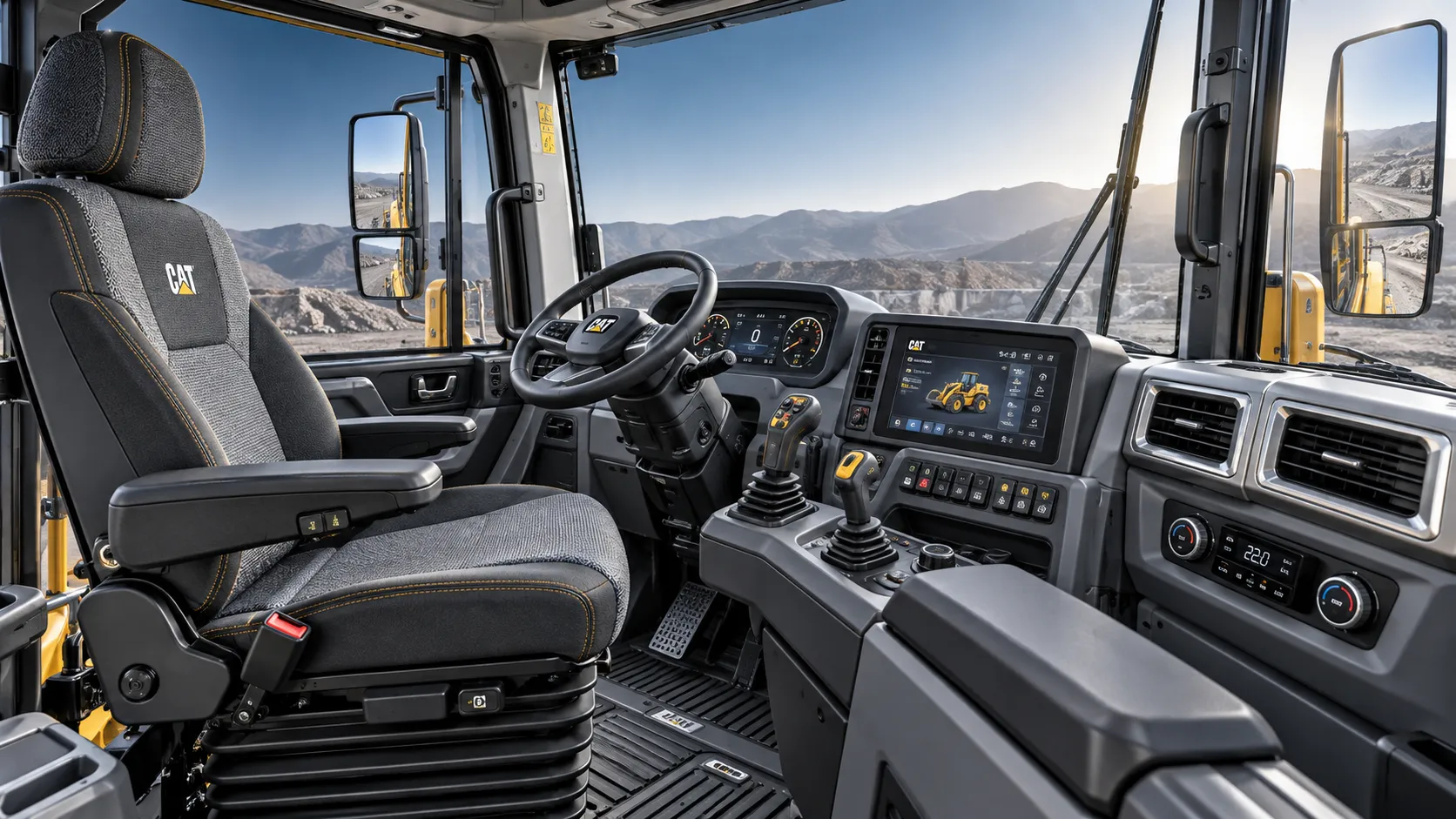
How Adjustable Cabin Ergonomics Reduce Operator Fatigue in Long-Shift Vehicles
Adjustable cabin ergonomics reduces operator fatigue through better seating, reach, visibility, vibration control, and climate comfort for safer long-shift vehicles.
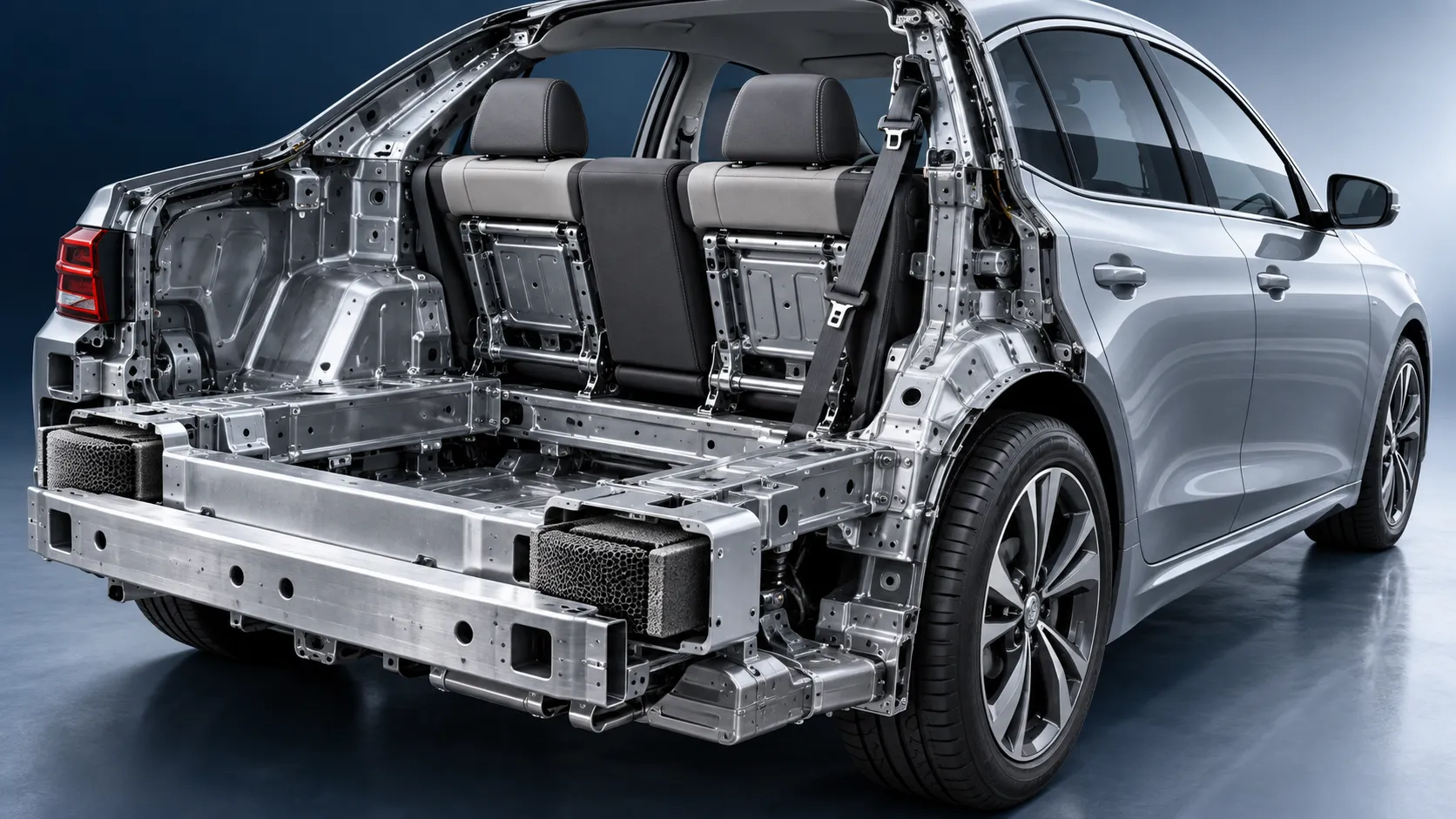
How Rear-Impact Safety Components Work Together to Protect Vehicle Occupants
Explore how automotive safety components for rear impact work together—from crash structures and seats to head restraints and belts—to enhance occupant protection.

How to Evaluate a Marine Safety Systems Manufacturer for Vessel Compliance and Reliability
Marine safety systems manufacturer evaluation guide: verify compliance, engineering quality, lifecycle costs, and global service support for safer, reliable vessel operations.
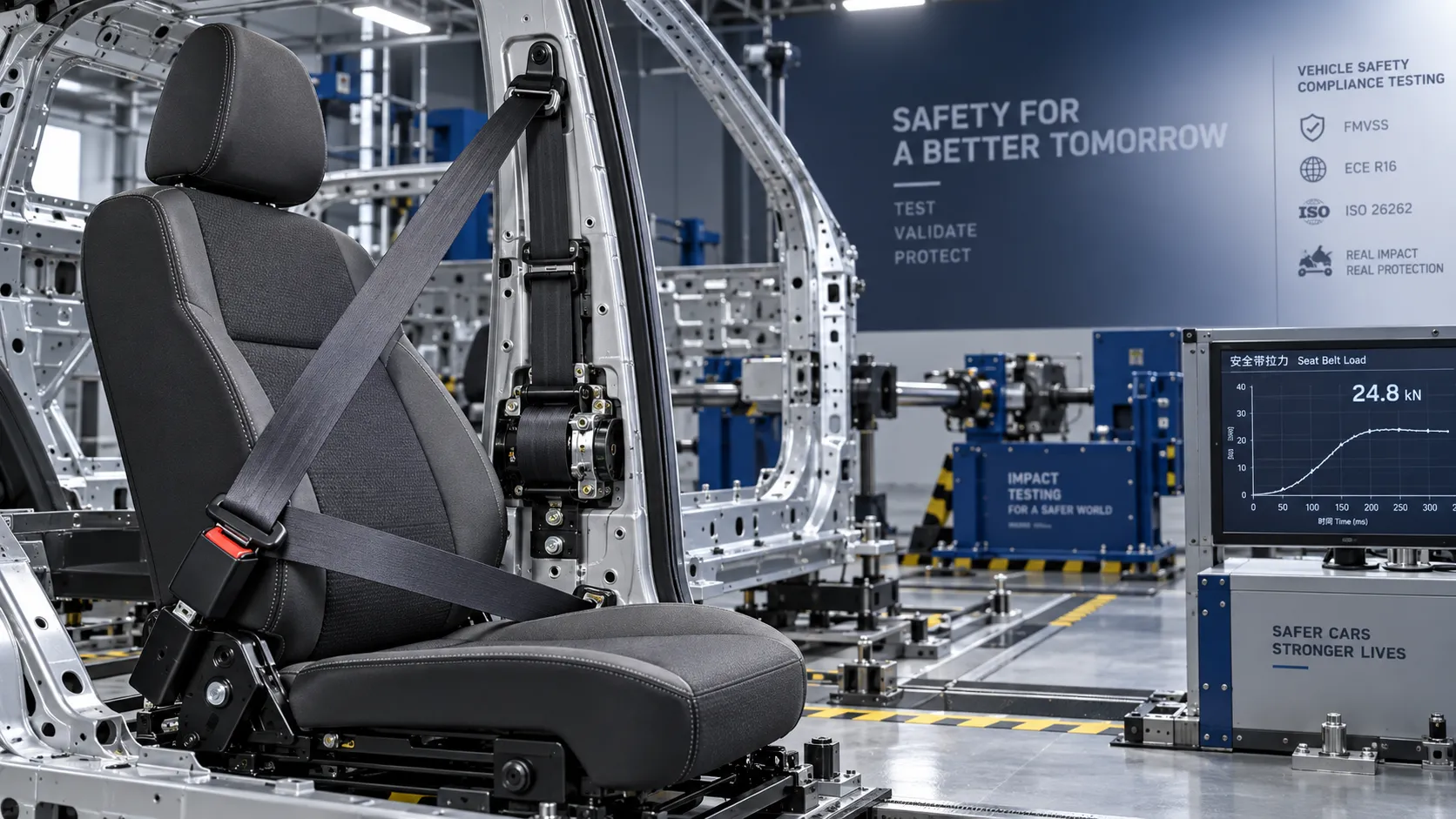
Crash Test Regulations for Seatbelts: Key Compliance Requirements Explained
Crash test regulations seatbelts explained: explore FMVSS, UN rules, anchorage strength, and dynamic restraint testing for safer, compliant vehicle systems.

How to Calculate the Total Cost of Automotive Lightweighting for a Vehicle Program
Automotive lightweight solutions cost: learn how to calculate program-level costs, including materials, tooling, joining, validation, risk, and vehicle-level value.

How Automotive Seat Occupancy Sensing Improves Airbag Deployment Decisions
Automotive seat occupancy sensing helps optimize airbag deployment decisions, improving passenger classification, safety diagnostics, and compliance across real-world conditions.

What Drives Lightweight Body Component Costs in High-Volume Vehicle Programs?
Lightweight body components cost depends on material yield, forming, joining, tooling, validation, and logistics. Explore proven ways to optimize total vehicle program cost.
Related News
- 00
0000-00
How to Specify Integrated Marine Electronics for Reliable Bridge Operations - 00
0000-00
How Adjustable Cabin Ergonomics Reduce Operator Fatigue in Long-Shift Vehicles - 00
0000-00
How to Evaluate a Marine Safety Systems Manufacturer for Vessel Compliance and Reliability - 00
0000-00
How to Calculate the Total Cost of Automotive Lightweighting for a Vehicle Program - 00
0000-00
What Drives Lightweight Body Component Costs in High-Volume Vehicle Programs?
Weekly Insights
Stay ahead with our curated technology reports delivered every Monday.