
How to Define Component Specifications for Ergonomic Seating Systems
How to Define Component Specifications for Ergonomic Seating Systems
Introduction: Defining component specifications for ergonomic seating systems requires technical evaluators to translate occupant needs, vehicle constraints, safety obligations, and manufacturing realities into measurable engineering requirements.
The central decision is not whether a seat feels comfortable during a brief review. It is whether every component maintains support, safety, function, and durability throughout its intended service life.
This component specification guidance seating systems article focuses on the questions evaluators must answer before approving seat frames, cushions, mechanisms, trim, sensors, climate modules, and restraint interfaces.
A robust specification creates traceability from vehicle program targets to supplier evidence. It also prevents comfort, safety, cost, and compliance tradeoffs from being discovered too late.
Start With the Occupant, Vehicle, and Use Case
Technical evaluation should begin with the operating scenario, because a compact urban vehicle, long-haul truck, premium SUV, and autonomous shuttle impose fundamentally different seating requirements.
Define the expected occupant population using relevant anthropometric ranges, including stature, hip breadth, shoulder width, thigh length, body mass, and mobility limitations.
A specification based only on the fiftieth-percentile male occupant will create avoidable usability risks. Seating systems must accommodate smaller occupants, larger occupants, and varied driving postures.
Clarify whether the seat supports active driving, shared mobility, occasional rear occupancy, commercial operation, or extended-distance travel. Each scenario changes priorities for posture retention and adjustment range.
For driver seats, establish reach envelopes for pedals, steering controls, displays, and mirrors. Seat travel, height adjustment, cushion angle, and backrest recline must support these envelopes.
For passenger seats, entry, exit, package space, folding behavior, and third-row access may outweigh some driver-oriented adjustment features. The requirement set should state those priorities explicitly.
Define environmental exposure early, including temperature range, humidity, solar loading, dust, salt spray, vibration, and cleaning chemicals. These conditions directly affect material and mechanism selection.
Commercial fleet applications usually require higher cycle life and easier repairability. Premium consumer programs may prioritize acoustic quality, tactile appearance, thermal comfort, and more sophisticated occupant sensing.
Build a Requirements Hierarchy Before Selecting Components
An effective seat specification separates mandatory requirements from preferred attributes. Mandatory items include legal compliance, vehicle interfaces, safety performance, packaging limits, and durability thresholds.
Preferred attributes can include styling details, feature richness, exceptional softness, reduced mass, low operating noise, or enhanced climate control. These should never obscure nonnegotiable requirements.
Assign each requirement a unique identifier, measurable target, test method, acceptance criterion, responsible owner, and verification stage. Ambiguous language produces inconsistent supplier interpretations.
For example, “comfortable cushion” is not a usable requirement. Define pressure-distribution limits, support zones, foam hardness bands, compression set limits, and subjective assessment protocols instead.
Likewise, “durable recliner” should specify load cases, cycle counts, torque retention, backlash limits, corrosion exposure, noise criteria, and allowable functional degradation after testing.
Trace each component-level requirement to a system-level objective. A seat track specification should demonstrate how it supports occupant positioning, crash loading, adjustment repeatability, and assembly tolerance.
Use a requirement matrix to identify conflicts early. Increased foam softness may improve initial comfort but reduce long-term posture support, thermal behavior, and dimensional stability.
Weight targets also require system-level analysis. A lighter seat frame may demand different joining methods, reinforcement strategies, corrosion controls, or validation loads to preserve crash performance.
Specify the Structural Frame and Load Path First
The seat frame is the primary load-bearing architecture, so evaluators should establish structural requirements before finalizing cushions, trim, electronics, or appearance-related features.
Define the intended frame material strategy, such as high-strength steel, aluminum, magnesium alloy, or hybrid construction. Material selection must account for stiffness, joining, corrosion, cost, and repairability.
Document static load cases for seatback, cushion, head restraint, armrest, and anchorage regions. Include expected misuse conditions where program requirements or regulations demand them.
Dynamic loading requirements should address crash pulses, inertial loads, occupant interaction, belt loading, child restraint conditions, and retention of mounted components during impact events.
Seat frames must work with the body-in-white attachment structure. Mounting hole patterns, fastener types, torque specifications, tolerance zones, and local reinforcement assumptions require explicit definition.
Evaluate the complete load path rather than isolated components. A strong recliner cannot compensate for inadequate track attachment, weak cross-members, or poorly controlled welded joints.
Define dimensional tolerances for critical hard points, especially H-point location, seat height, fore-aft travel, backrest angle, head restraint position, and restraint anchorage geometry.
Structural specifications should include corrosion protection requirements for concealed areas. Water ingress, condensation, road salt, and dissimilar-metal contact can degrade long-term frame integrity.
Translate Ergonomics Into Measurable Cushion and Support Criteria
Ergonomic seating performance depends on posture, contact pressure, body support, vibration response, and thermal sensation. Foam density alone cannot describe these outcomes adequately.
Define cushion contour using occupant anatomy and intended posture. The pelvis, thighs, lumbar region, shoulder area, and scapular clearance zones require different support characteristics.
Seat cushion length and front-edge geometry are particularly important. Insufficient thigh support increases fatigue, while excessive front-edge pressure can restrict circulation for shorter occupants.
Specify pressure mapping as a validation method where appropriate. Review both average pressure and localized peak pressure across representative occupants, postures, and adjustment positions.
Foam requirements should include density, indentation force deflection, resilience, hysteresis, compression set, aging behavior, odor, emissions, and compatibility with heating or ventilation elements.
Layered cushion constructions need defined interfaces. The specification should state bonding requirements, slip resistance, localized reinforcement, edge retention, and performance after repeated occupant loading.
Lumbar support should be specified by adjustment travel, support location, force profile, retention under load, operational noise, and accessibility for occupants with different body sizes.
Subjective comfort reviews remain useful, but they should complement instrumented testing. Establish panel composition, test duration, route or simulator conditions, scoring rules, and pass criteria.
Define Adjustment Mechanisms by Range, Load, and Repeatability
Adjustment systems are often evaluated too late, despite their direct influence on ergonomic accommodation, occupant safety geometry, package space, and perceived vehicle quality.
For each mechanism, define functional travel, speed, operating force, positional accuracy, backlash, load capacity, cycle life, and behavior at temperature extremes.
Manual mechanisms require clear force limits and accessible controls. Lever geometry, reach distance, pinch-point protection, detent feel, and unintended release prevention deserve separate evaluation.
Power mechanisms need motor torque margins, current limits, thermal protection, stall behavior, controller diagnostics, and response under low-voltage or high-voltage conditions.
Specify memory-seat performance where included. Position repeatability must be measured after cycles, battery interruptions, manual overrides, and software updates rather than assumed from nominal design data.
Track systems should define longitudinal travel, vertical clearance, rail deformation limits, locking engagement, contamination tolerance, lubrication strategy, and squeak-and-rattle performance.
Recliners require rigorous requirements for locking strength, release operation, free-play limits, occupant-induced torque, and behavior during abusive loading or rapid seatback movement.
Mechanism specifications should also address service access. A technically compliant mechanism creates unnecessary ownership cost if replacement requires excessive trim removal or special calibration equipment.
Integrate Safety Systems as Controlled Interfaces
Ergonomic seating systems are increasingly integrated with airbags, seatbelts, occupant classification sensors, buckle switches, head restraints, and crash-event electrical interfaces.
Specifications must identify every mechanical, electrical, software, and packaging interface between the seat and vehicle restraint system. Interface ownership should be unambiguous across suppliers.
For integrated seatbelt systems, define anchorage loads, pretensioner packaging, belt routing, buckle accessibility, webbing clearance, and interaction with recliner and track movement.
Side airbags require controlled deployment space, seam performance, trim tear behavior, harness routing, and compatibility with cushion contours across all approved seat positions.
Occupant sensing components should include detection objectives, accuracy thresholds, diagnostic coverage, environmental robustness, calibration needs, and data communication requirements with restraint controllers.
Seat occupancy classification must be validated against realistic conditions. Child seats, blankets, bags, unusual postures, wet clothing, and partially occupied seats can affect sensor interpretation.
Head restraint specifications should cover geometry, adjustment range, lock performance, energy absorption, retention, rear-impact considerations, and compatibility with styling and rearward visibility targets.
Technical evaluators should require evidence at system level. Component certificates alone cannot prove correct airbag timing, belt geometry, sensing accuracy, or occupant protection performance.
Address Thermal Comfort, Trim, and Human-Machine Interaction
Thermal comfort is a major differentiator in smart seating systems, particularly for premium vehicles and regions with sustained heat, humidity, or winter cold.
Specify heating performance through warm-up time, surface-temperature uniformity, maximum temperature, control accuracy, energy consumption, and durability after repeated thermal cycling.
Ventilated seats require defined airflow paths, fan noise limits, particle resistance, moisture management, clogging behavior, and thermal performance under different occupant contact conditions.
Trim materials should be assessed for abrasion, colorfastness, ultraviolet resistance, stain resistance, odor, fogging, flammability, seam strength, and cleaning chemical compatibility.
Evaluate touchpoints separately from hidden materials. Surface friction, breathability, perceived temperature, tactile consistency, and visual aging influence how occupants judge the entire seating system.
Controls for adjustment and climate functions must remain understandable without distracting the driver. Define iconography, illumination, feedback, tactile differentiation, and nighttime usability requirements.
Smart seating functions may include posture alerts, massage, occupant monitoring, or adaptive support. Their specifications need clear user benefit, data handling boundaries, failure behavior, and override logic.
Do not approve feature content simply because it is available. Every added actuator, sensor, and controller introduces mass, cost, diagnostic complexity, and potential warranty exposure.
Set a Validation Plan That Matches Real Failure Modes
Validation should be planned alongside specification development. Late test planning often exposes missing fixtures, unclear conditions, or incompatible component assumptions after design decisions are difficult to reverse.
Use a verification matrix covering analysis, inspection, bench testing, vehicle testing, durability testing, environmental exposure, regulatory assessment, and supplier process evidence.
Static tests verify strength and deformation limits, while dynamic tests examine behavior under crash-relevant acceleration and occupant loading. Both are necessary for structural confidence.
Durability testing should reflect realistic usage cycles rather than a generic total. Consider entry and exit frequency, adjustment behavior, road vibration, fleet shifts, and misuse events.
Environmental testing should combine relevant stresses where possible. Heat, humidity, vibration, contamination, and electrical loading can reveal failures that isolated tests fail to detect.
Assess squeak, rattle, and buzz performance across temperature conditions and road inputs. Perceived quality issues frequently arise from interfaces that remain structurally acceptable.
Require suppliers to document test samples, configuration levels, instrumentation, deviations, failures, corrective actions, and retest evidence. Results without configuration control have limited decision value.
Establish clear gates for prototype, design verification, production validation, and launch readiness. Each gate should close specific risks instead of becoming a presentation-based approval exercise.
Evaluate Suppliers Beyond the Submitted Datasheet
A complete component specification is only valuable when the supplier can repeatedly produce the specified performance. Technical evaluation must therefore include manufacturing capability and change discipline.
Review critical processes such as stamping, welding, foam molding, trimming, sensor installation, actuator assembly, end-of-line testing, and traceability controls for safety-related features.
Ask how the supplier controls variation in weld quality, foam properties, torque application, electronic calibration, and trim fit. These factors strongly influence field performance.
Examine supplier validation capacity, including laboratories, fixtures, simulation methods, test expertise, and access to relevant regulations. Outsourced testing can be valid but requires governance.
Change-management requirements should cover materials, sub-suppliers, tooling, software, manufacturing location, and process parameters. Unauthorized changes are especially risky for restraint-integrated seats.
Service strategy also matters. Define replacement-part availability, repair instructions, diagnostic tools, software update procedures, and rules for replacing sensors or restraint-related components.
Commercial comparisons should use total program impact, not unit price alone. Consider mass, scrap, yield, warranty risk, validation cost, tooling amortization, and supply continuity.
For technical evaluators, the strongest supplier submission links claims to controlled evidence. It demonstrates both the component’s capability and the process required to preserve it.
Conclusion: Make Every Requirement Testable and Traceable
Effective component specification guidance seating systems begins with a practical principle: every important comfort, safety, durability, and usability claim must become measurable, testable, and traceable.
Technical evaluators should prioritize occupant accommodation, structural load paths, restraint integration, adjustment reliability, thermal performance, environmental robustness, and supplier process control before feature expansion.
The best specifications do not merely describe a seat. They define how the seating system will protect occupants, preserve posture, withstand real use, and remain manufacturable at scale.
When requirements, interfaces, and validation evidence are aligned early, engineering teams can make faster approval decisions and reduce costly late-stage changes across the vehicle program.
Related News
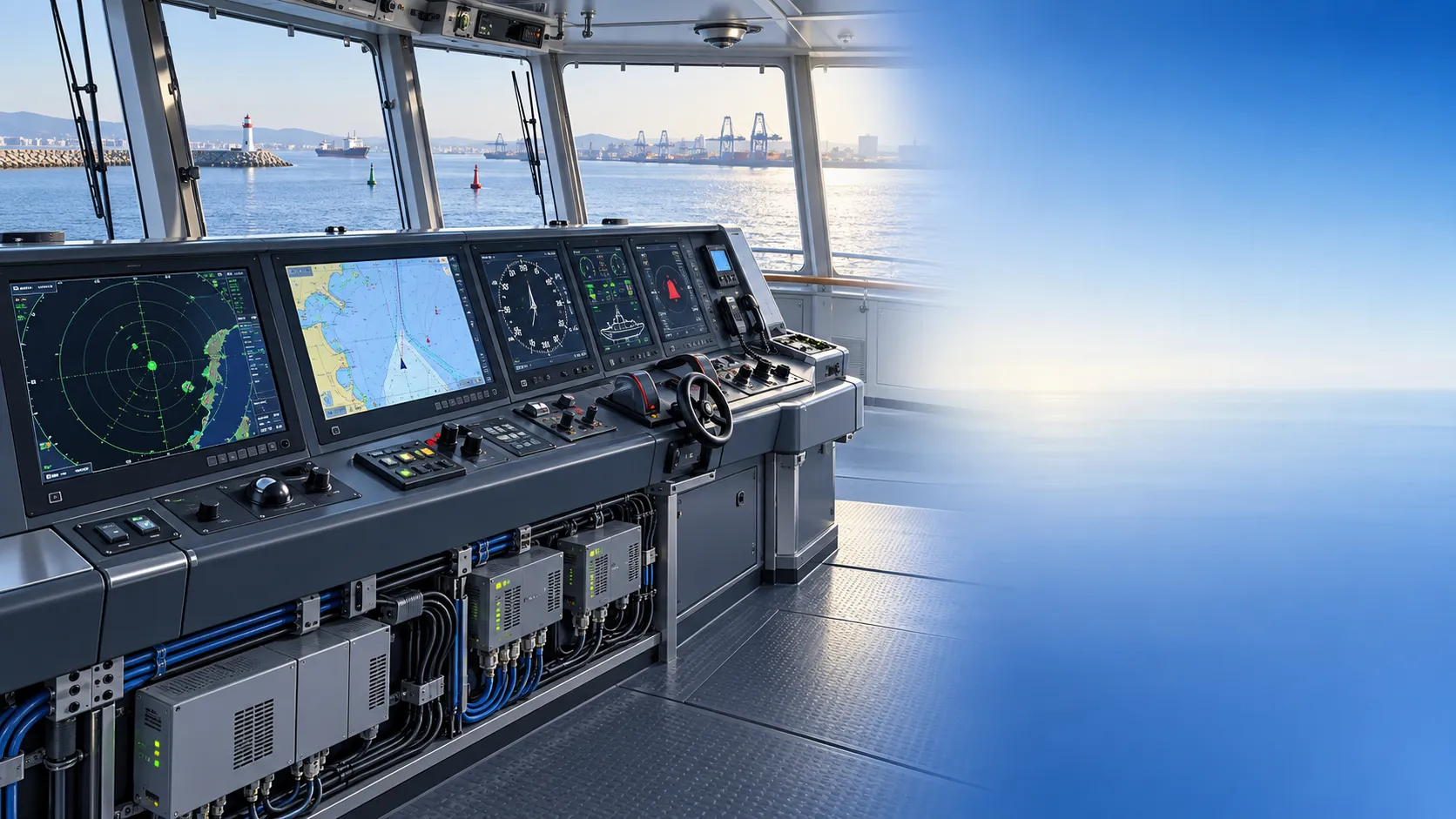
How to Specify Integrated Marine Electronics for Reliable Bridge Operations
Integrated marine electronics: learn how to specify reliable bridge systems with clear data flows, redundancy, alarm control, lifecycle interfaces, and operational testing.

How to Evaluate Navigation Radar Manufacturers for Commercial Vessel Projects
Navigation radar manufacturers: learn how to compare performance, compliance, integration, support, and lifecycle cost for commercial vessel projects.
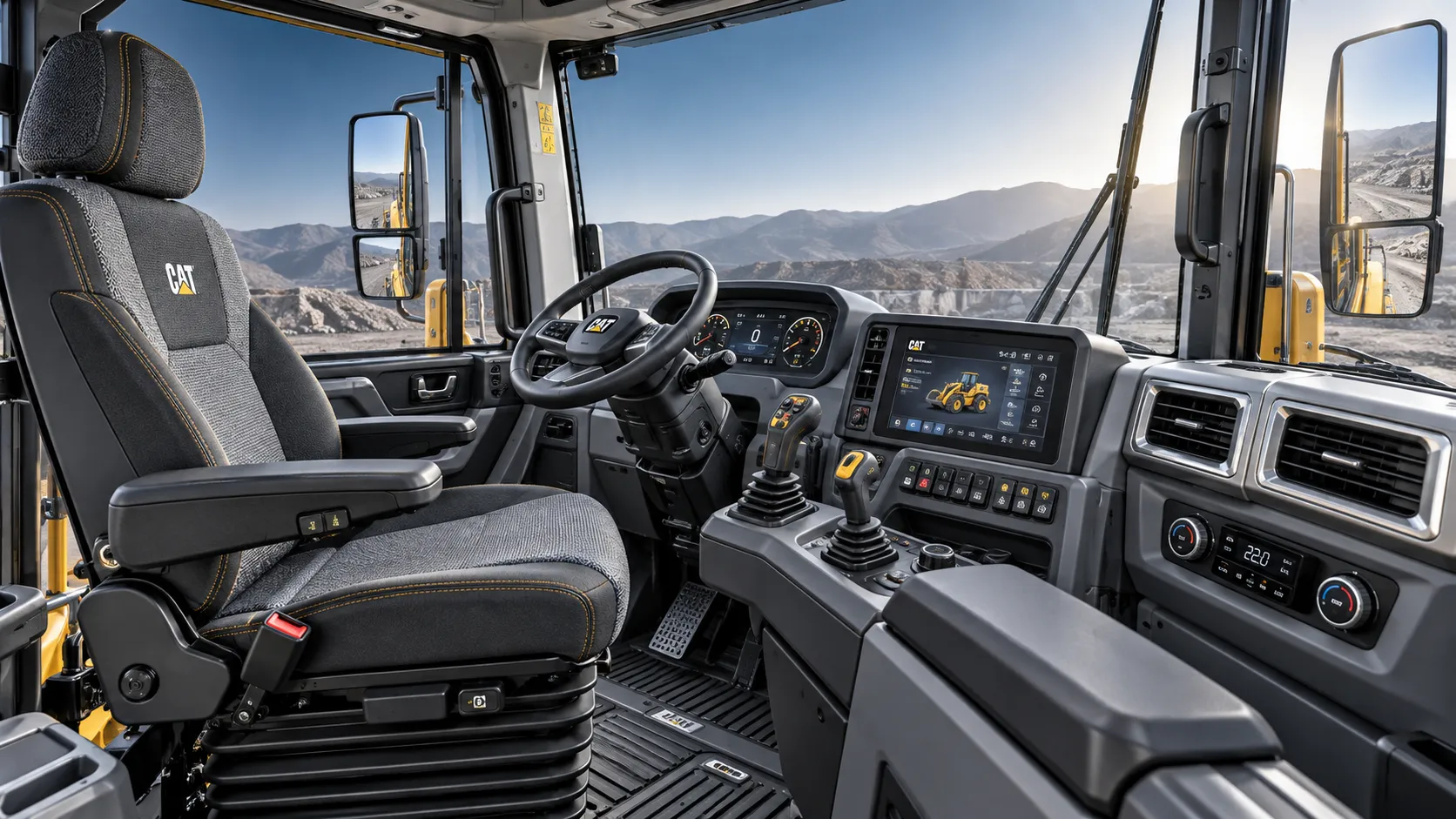
How Adjustable Cabin Ergonomics Reduce Operator Fatigue in Long-Shift Vehicles
Adjustable cabin ergonomics reduces operator fatigue through better seating, reach, visibility, vibration control, and climate comfort for safer long-shift vehicles.
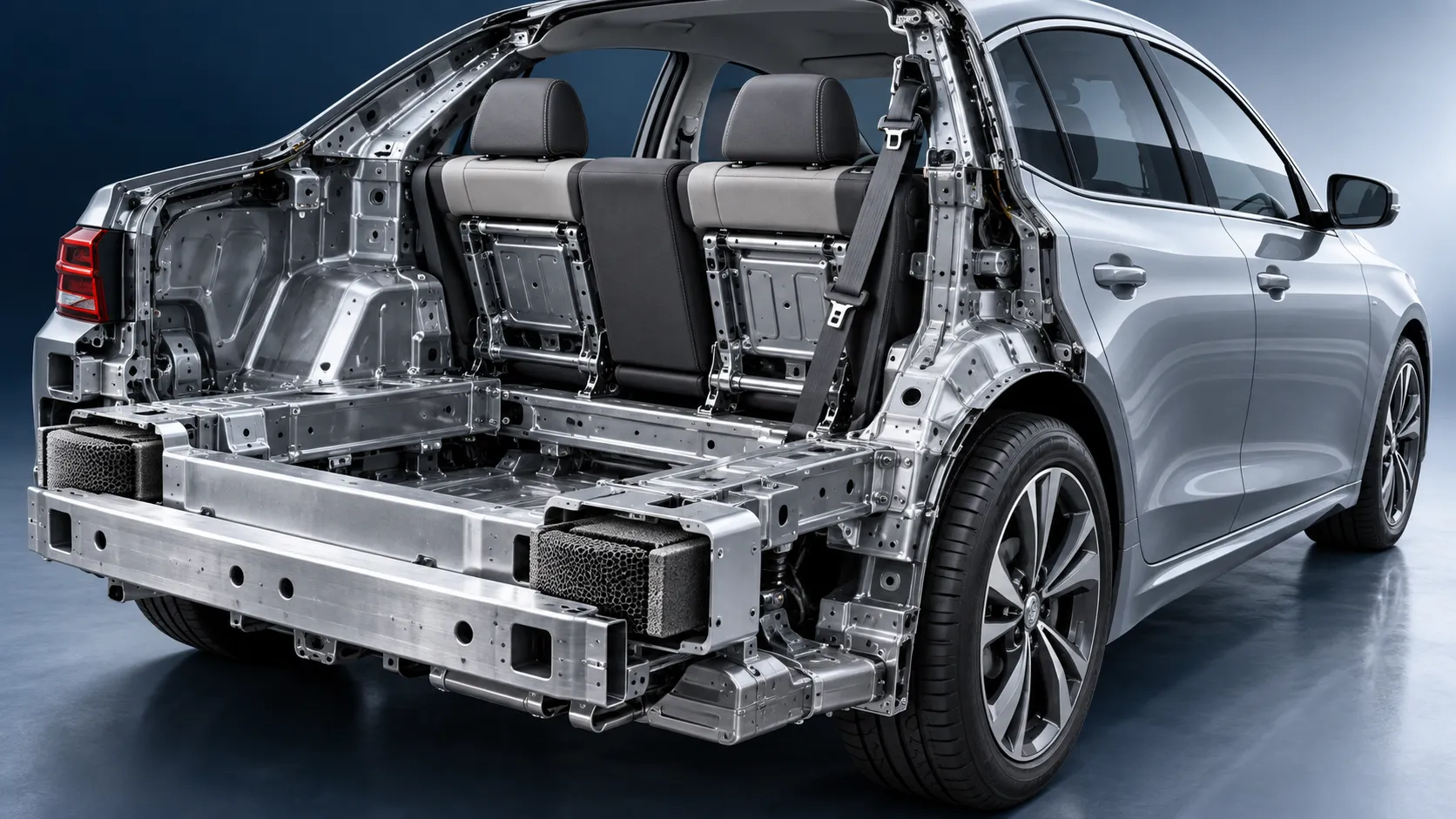
How Rear-Impact Safety Components Work Together to Protect Vehicle Occupants
Explore how automotive safety components for rear impact work together—from crash structures and seats to head restraints and belts—to enhance occupant protection.
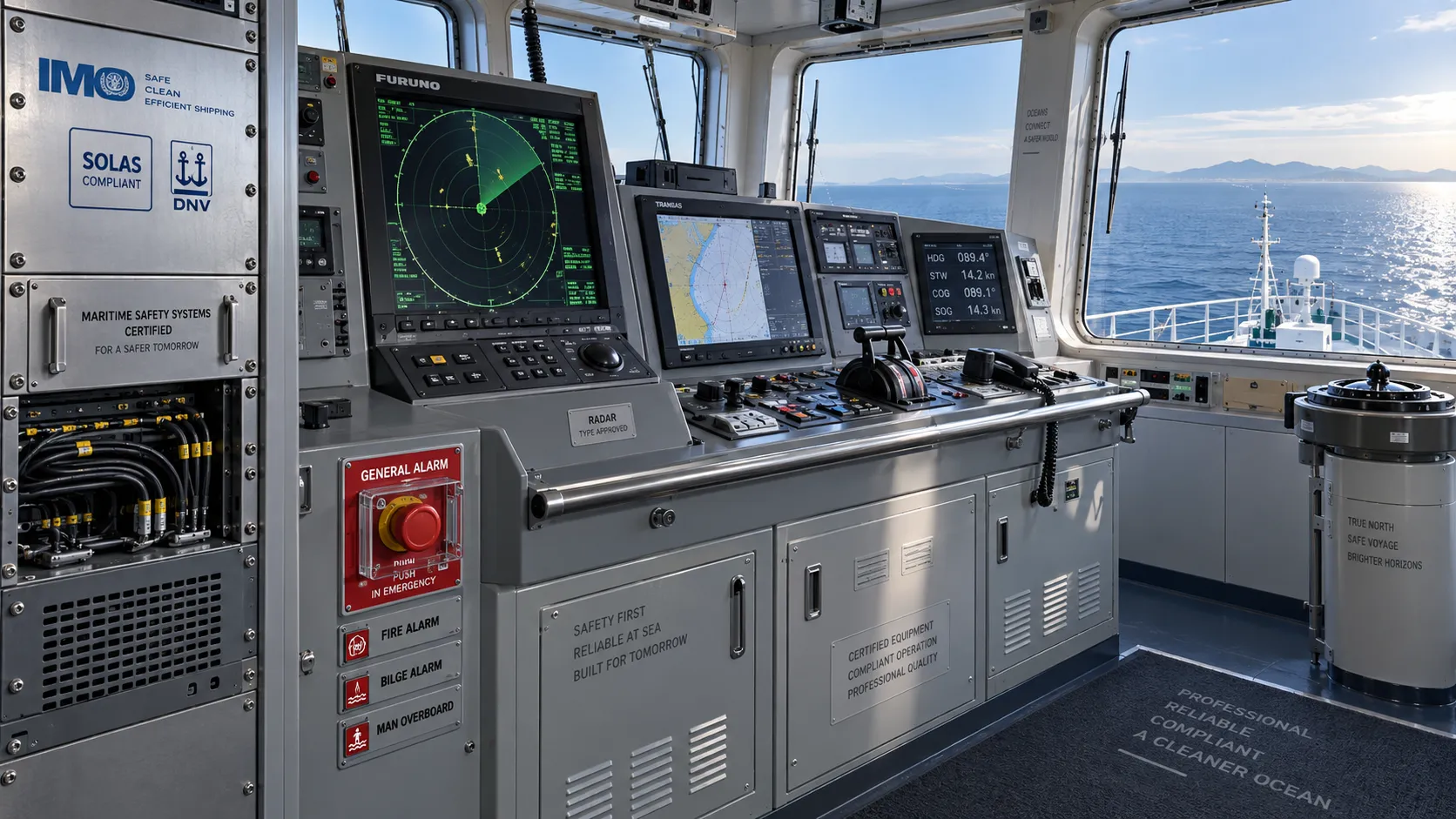
How to Evaluate a Marine Safety Systems Manufacturer for Vessel Compliance and Reliability
Marine safety systems manufacturer evaluation guide: verify compliance, engineering quality, lifecycle costs, and global service support for safer, reliable vessel operations.
Crash Test Regulations for Seatbelts: Key Compliance Requirements Explained
Crash test regulations seatbelts explained: explore FMVSS, UN rules, anchorage strength, and dynamic restraint testing for safer, compliant vehicle systems.

How to Calculate the Total Cost of Automotive Lightweighting for a Vehicle Program
Automotive lightweight solutions cost: learn how to calculate program-level costs, including materials, tooling, joining, validation, risk, and vehicle-level value.

How Automotive Seat Occupancy Sensing Improves Airbag Deployment Decisions
Automotive seat occupancy sensing helps optimize airbag deployment decisions, improving passenger classification, safety diagnostics, and compliance across real-world conditions.

What Drives Lightweight Body Component Costs in High-Volume Vehicle Programs?
Lightweight body components cost depends on material yield, forming, joining, tooling, validation, and logistics. Explore proven ways to optimize total vehicle program cost.
Related News
- 00
0000-00
How to Define Component Specifications for Ergonomic Seating Systems - 00
0000-00
How to Evaluate Automotive Seat Assemblies for EVs by Weight, Safety, and Packaging - 00
0000-00
How to Evaluate a Seat Structures Exporter for OEM Programs: Capacity, Compliance, and Tooling - 00
0000-00
Sensor-Based Smart Seating Solutions: Key Features for Automotive Seat Design - 00
0000-00
What Drives Automotive Ergonomics Cost? Design Inputs, Testing Scope, and Tooling Factors
Weekly Insights
Stay ahead with our curated technology reports delivered every Monday.