
How to Select Metal Automotive Seating Components for Strength, Weight, and Corrosion Resistance
Start with the load path, not the material label. A seat frame, recliner, track, cross member, and floor mounting bracket experience different combinations of bending, tensile loading, local bearing, fatigue, vibration, and corrosion exposure. Selecting metal automotive seating components therefore requires a component-by-component decision: place the strongest and most fatigue-resistant material where restraint loads enter the structure, use lightweight alloys only where geometry and joining methods support them, and specify corrosion protection as part of the complete assembly rather than as a finish applied at the end.
A low-density alloy does not automatically produce a lighter seat. If reduced stiffness requires thicker walls, larger flanges, added ribs, inserts, or extra fasteners, the mass advantage can narrow quickly. Likewise, a high-strength steel part may permit a thinner section, but its forming limits, weld response, and local deformation behavior must still suit the design. The useful comparison is not density or tensile strength alone; it is the finished component's mass, section efficiency, crash response, manufacturing route, coating condition, and durability after assembly.
Map the load path before assigning materials
The most safety-sensitive zones are usually the interfaces between the seat and vehicle floor, the seatbelt anchorage load path where integrated into the seat structure, recliner mechanisms, track locks, and the joints that connect side members to cross tubes or brackets. These areas need controlled deformation and reliable retention under severe loading. A material with high nominal ultimate strength can still underperform if local holes elongate, weld-adjacent material softens, or the joint permits rotation before the surrounding structure carries load.
Separate the structure into functional zones. Primary load-carrying rails and mounting brackets need strength, fatigue resistance, and predictable joint behavior. Backrest side frames often need bending stiffness and controlled energy management. Pan structures, trim-support brackets, head-restraint guides, and accessory mounts may offer more freedom for lighter material choices. This zoning prevents a common error: applying one preferred grade across the full seat because it simplifies sourcing while creating unnecessary mass in low-load areas or avoidable manufacturing difficulty in critical ones.
Load direction matters as much as load magnitude. A track rail subjected to fore-aft loading needs robust locking engagement and resistance to local indentation. A recliner-side plate may see concentrated torque around pivot features. A thin stamped bracket can appear adequate in static tension yet crack after vibration cycles when a formed corner carries repeated bending. Review finite-element results alongside physical joint geometry, including hole edge distance, bead locations, weld access, and the stiffness of connected parts.
Steel remains the reference material where containment governs
Steel is often the most practical selection for rails, recliner plates, seat mounts, and highly loaded frame members because it offers high strength, established stamping routes, stable weldability within appropriate grade families, and familiar fatigue behavior. Conventional high-strength steel can reduce gauge compared with mild steel while retaining economical cold forming. Advanced high-strength grades extend that opportunity, especially in reinforcements and brackets where a well-designed stamped geometry can use the increased yield strength efficiently.
The tradeoff is formability. Higher-strength sheet tends to have less tolerance for tight radii, aggressive draw depths, flange stretching, and pierced features close to bends. A drawing that works in a lower-strength grade may produce splitting, springback variation, edge cracking, or dimensional drift after a grade change. These effects are important around recliner interfaces and track features, where alignment affects both assembly force and operating feel.
Hot-stamped steel is useful when a component needs a complex load path, thin-wall packaging, and very high local strength. It is not a universal replacement for cold-stamped material. The process requires appropriate tooling, thermal control, downstream operations, and a joining strategy that preserves the intended properties. Local soft zones or tailored property regions can be designed for deformation management, but they must be evaluated with the actual crash mode in mind. Treating every hot-stamped section as uniformly rigid can transfer loads into fasteners, welds, or adjacent cast and stamped parts that were not designed for them.
For steel structures, distinguish base-metal strength from assembly performance. Resistance spot welding, laser welding, arc welding, clinching, and mechanical fastening affect local stiffness and failure modes differently. High-strength sheet can be sensitive to weld schedule variation or hydrogen-related delayed cracking under unsuitable conditions. Edge quality after blanking also deserves attention because a rough sheared edge may become the initiation point for fatigue cracks in highly stressed flanges.
Aluminum needs stiffness-led design rather than direct substitution
Aluminum can reduce mass in seat frames, pan structures, backrest components, and selected brackets, particularly where the design can exploit extrusions, cast nodes, closed sections, or larger section depths. Its lower density is attractive, but its elastic modulus is substantially lower than steel. Replacing a steel stamp with aluminum at the same thickness and geometry usually reduces stiffness enough to alter seat feel, vibration response, or local attachment behavior.
A successful aluminum part generally changes the geometry as well as the material. Taller sections, closed profiles, ribs, beads, tailored wall thicknesses, and strategically placed gussets restore bending and torsional stiffness. Extrusions are especially useful for long, constant-cross-section members, while castings can consolidate complex junctions. Sheet aluminum suits formed panels and brackets but requires careful control of draw radii, springback, and surface damage.
Temper selection must follow the fabrication sequence. A temper that offers good strength in the supplied condition may lose strength near a thermal joint. Heat-affected zones around fusion welds can become the governing location for static or fatigue performance. Mechanical joining, self-piercing fasteners, adhesive bonding, or a hybrid approach can avoid some thermal softening, yet each introduces its own requirements for access, stack thickness, sealing, inspection, and repair.
Galvanic corrosion is a central assembly issue when aluminum contacts coated steel, stainless fasteners, copper-containing electrical features, or moisture-retaining trim interfaces. The risk is not resolved merely by stating that both materials receive a finish. Isolation layers, compatible coatings, sealed joints, controlled fastener systems, and drainage paths need to work together. Scratches made during assembly can defeat an otherwise suitable corrosion design if they expose dissimilar metals within a wet crevice.
Magnesium is a focused option, not a blanket lightweight answer
Magnesium offers an even lower density and can be valuable for cast seat-frame elements, especially where part consolidation eliminates several steel stampings and joints. Its appeal is strongest when a casting can combine functions such as attachment bosses, ribbed sections, cable-routing features, and local geometry that would otherwise require multiple pieces. The resulting design must account for casting quality, wall-thickness transitions, porosity control, thread strategy, surface preparation, and the protection of interfaces exposed to moisture.
Magnesium's corrosion behavior makes system design particularly important. Direct contact with more noble metals, trapped water, damaged coatings, and poorly sealed fastener regions can create rapid degradation. A magnesium component should not be selected solely from a mass calculation before evaluating coating coverage, pretreatment, isolation, drainage, and service exposure. Seat structures may be shielded by the cabin, but they are still exposed to humidity, wet clothing, condensation, floor moisture, cleaning chemicals, and salt brought into the vehicle.
Cast magnesium also has different fatigue and defect sensitivities from wrought steel sheet. Design allowables should reflect the actual process route and quality controls rather than idealized material values. Thick-to-thin transitions, sharp internal corners, and highly loaded threaded bosses deserve particular scrutiny. Where the geometry depends on a cast node, failure analysis must include the node, its fasteners, and the surrounding members as one load-bearing system.
Compare materials through the finished part
Corrosion resistance begins with water management
Coatings are necessary, but they cannot compensate for a geometry that stores water. Seat tracks, lower mounting brackets, under-cushion cross members, and interfaces close to the carpet are vulnerable when condensation or spilled liquid enters gaps and remains there. Closed sections require properly located drain and vent paths where process and design constraints allow. Overlapping flanges need sealing where capillary retention is likely. Fastener heads, washers, and stamped slots should not create pockets that trap electrolyte against exposed edges.
For coated steel, assess the full sequence: incoming coating, forming damage, welding, pretreatment, paint or e-coat access, sealant placement, and abrasion during seat installation. Welded seams can be difficult to protect uniformly if geometry blocks coating flow. A component may pass a flat-panel corrosion expectation yet fail at a hidden lap joint because coating deposition and drainage are poorer there.
Do not judge corrosion resistance by surface appearance alone. Red staining on a steel fastener, blistering beneath a coating, white corrosion products on aluminum, and dark deposits around a magnesium interface indicate different mechanisms and may require different corrective actions. A cosmetic stain can be unrelated to loss of load capacity, while a clean-looking crevice can conceal coating separation or material loss. Sectioning representative joints after exposure gives more useful evidence than external inspection by itself.
Joining choices can erase a material advantage
A lightweight member only delivers value if its joints carry load without excessive mass, corrosion risk, or production variation. Welded steel structures often allow efficient, compact connections, but access and distortion need control. Aluminum assemblies may use self-piercing rivets, flow-drill screws, clinch joints, structural adhesives, or combinations of these methods. The joint must be assessed for peel, shear, vibration, thermal cycling, and moisture entry rather than rated from a single lap-shear result.
Adhesive can spread load and reduce fretting between joined sheets, yet bond-line thickness, surface preparation, cure profile, and sealing continuity determine whether that benefit reaches production parts. A mechanically fastened joint may retain components during cure and provide predictable assembly sequencing, but each penetrated layer becomes a possible leak or corrosion site. Fastener selection must account for material pairing, coating compatibility, torque retention, and local bearing strength.
Mixed-metal assemblies need an explicit electrical and environmental separation concept. Paint, adhesive, polymer isolators, coated washers, and sealants are not interchangeable fixes. Their effectiveness depends on whether they remain continuous after clamping, thermal movement, vibration, and service abrasion. A thin isolator that creeps under clamp load can expose metal contact around the hole even when the visible joint perimeter remains sealed.
Use evidence that matches the failure mode
Material certificates establish chemistry and supplied-condition properties, but they do not prove seat-level performance. The evaluation sequence should connect coupon data, formed-part measurements, joint tests, corrosion exposure, cyclic durability, and full-assembly loading. Testing only pristine parts leaves gaps because forming, coating, welding, and assembly can all change the relevant condition.
- Measure formed thickness, springback, and local strain in high-load zones rather than relying on nominal sheet gauge. A thin area near a pierced hole or draw radius may govern the component.
- Test representative joints after the intended corrosion and durability conditioning. A joint that remains strong when dry may loosen, fret, or corrode after repeated movement and moisture exposure.
- Inspect the seat-to-floor interface with production fasteners, washers, torque conditions, and stack-up variation. Local bearing and clamp-load loss often appear there before a rail member reaches its material limit.
- Correlate simulation assumptions with actual material curves, weld or fastener behavior, and measured boundary conditions. Simplified rigid joints can hide the load redistribution that occurs in a real assembly.
Mass targets should be tracked at assembly level, including reinforcements, brackets, isolators, fasteners, coatings, and added joining operations. A nominally light frame can become less competitive when it requires substantial steel inserts, thicker local sections, or corrosion-control hardware. Conversely, a steel design may remain favorable when its higher strength permits fewer parts and simpler, durable joints.
The final selection is strongest when each component has a stated governing requirement: stiffness, peak load, fatigue life, corrosion exposure, package space, manufacturing capability, or serviceability. That record makes tradeoffs visible. It also prevents material changes late in development from being treated as simple substitutions when they actually alter forming behavior, joint design, coating coverage, and occupant-restraint load paths.
Related News

How to Evaluate Supplier Solution References Before Signing a Contract
Evaluate supplier solution references with confidence. Learn how to verify technical evidence, identify delivery risks, and close gaps before signing a contract.
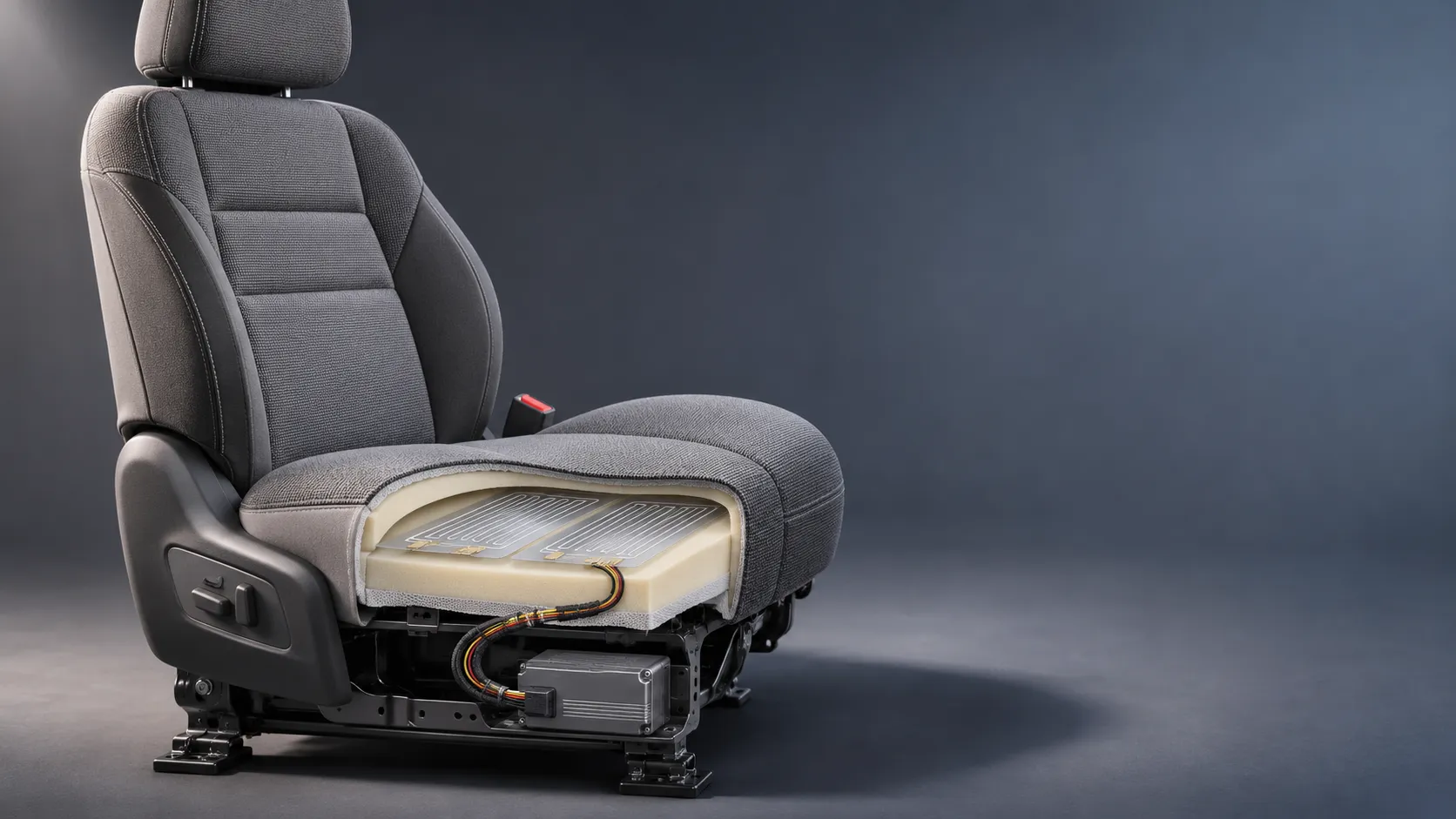
How Capacitive Seat Occupancy Sensing Works in Automotive Airbag Systems
Discover how capacitive seat occupancy sensing supports automotive airbag systems, and explore the design, calibration, and validation challenges behind reliable performance.
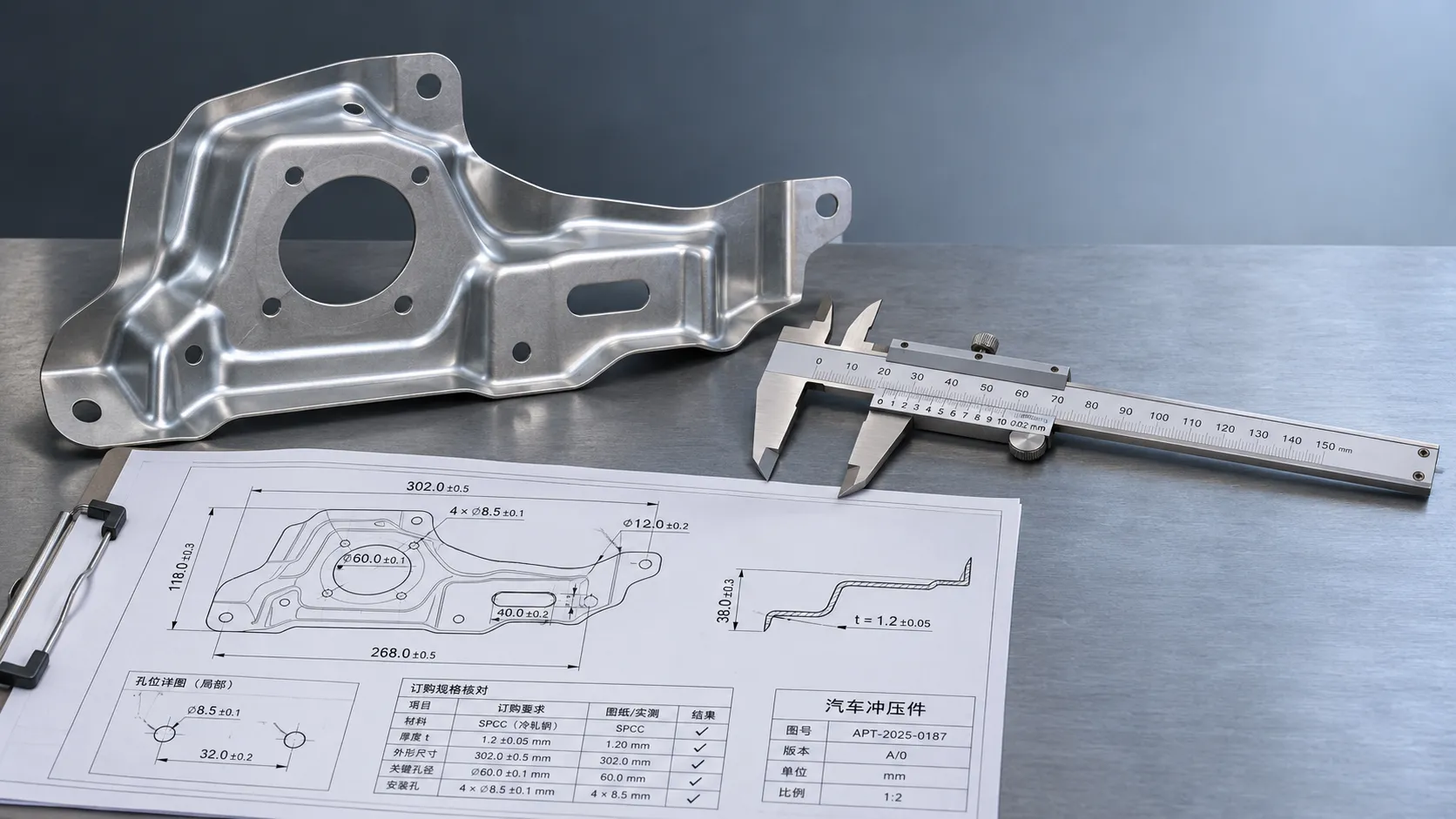
Industrial Product References: How to Verify Specs Before Ordering
Use an industrial product reference for procurement to verify specs, compatibility, and certifications before ordering—and reduce costly purchasing risks.
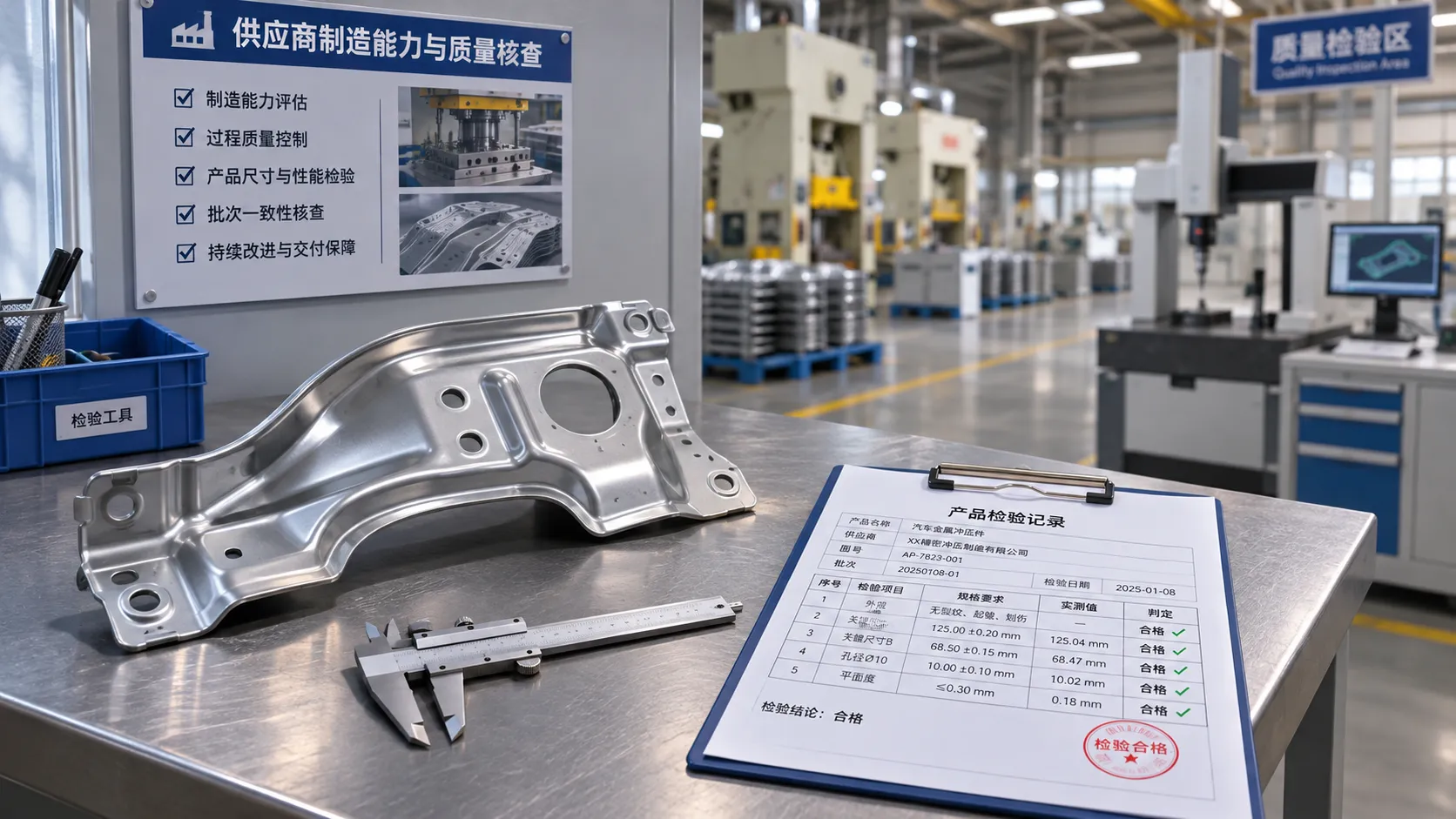
Choosing a Private Label Partner in Europe: Key Supplier Criteria
Private label cooperation Europe buyers can trust starts with the right supplier. Explore key criteria for compliance, quality, traceability and supply resilience.

Integrated Cabin Comfort Systems: How Seat and Cabin Climate Controls Work Together
Discover how integrated cabin comfort systems coordinate seat and climate controls to balance occupant comfort, energy use, safety, and performance.
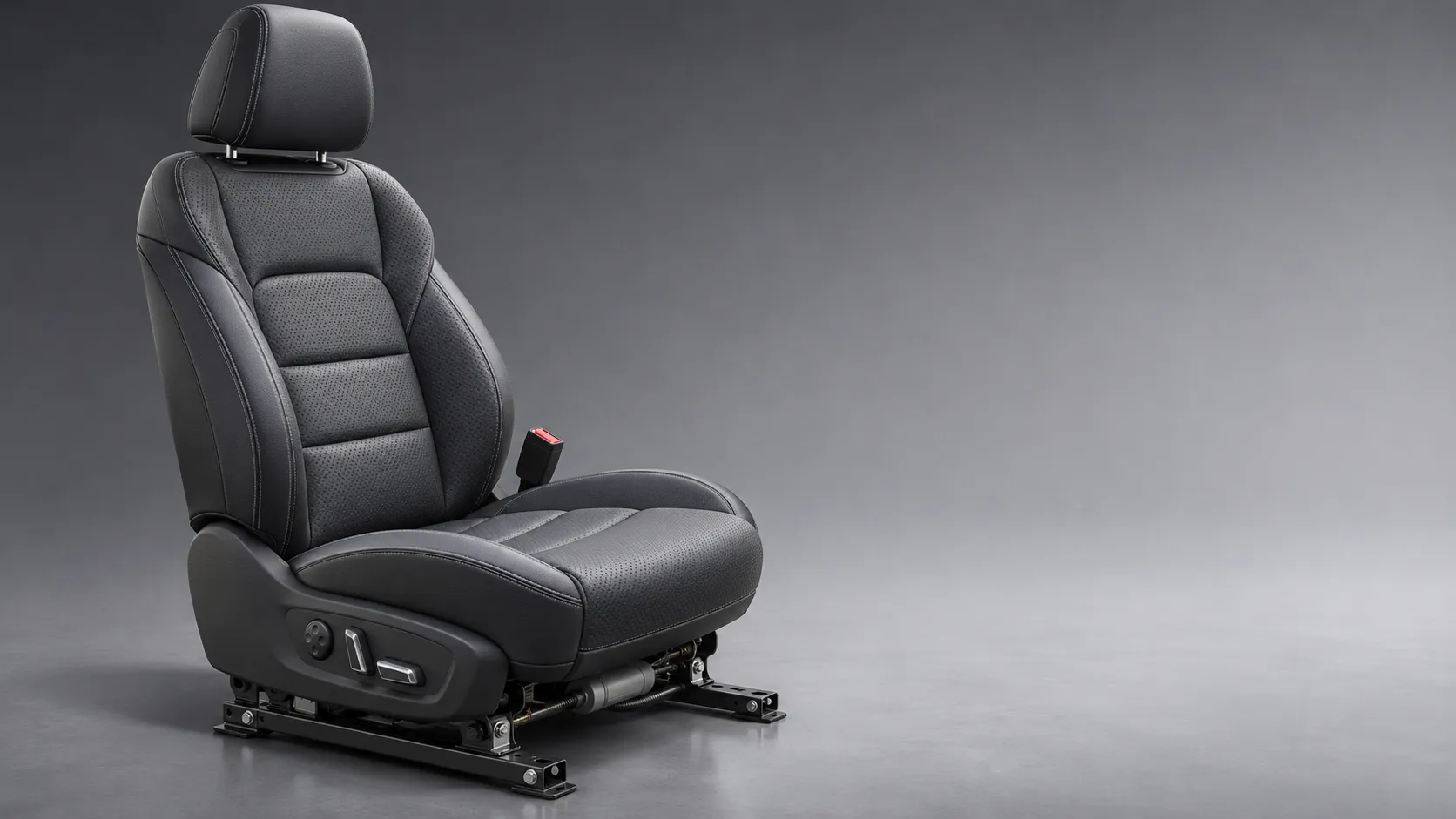
Automotive Ergonomics Pricing: What Drives Seat System Costs?
Discover what drives automotive ergonomics pricing, from seat mechanisms and safety systems to tooling and volume, and learn how to compare supplier quotes.
Evaluating Supplier Solutions: How to Verify References and Standards
Supplier solution references and standards can make or break a sourcing decision. Learn how to verify claims, assess compliance, and reduce risk before awarding a contract.
Choosing B2B Product Knowledge Platform Suppliers: Key Evaluation Criteria
Compare B2B product knowledge platform suppliers with confidence. Explore key criteria for data accuracy, supplier transparency, integrations, and value.

Choosing a Marine Radar Systems Supplier: What to Check Before Buying
Choosing a marine radar systems supplier? Compare installed costs, bridge compatibility, compliance evidence, and service support before you buy.
Related News
- 00
0000-00
Seat Frame Components in Europe: How to Evaluate Suppliers and Quality - 00
0000-00
Adjustable Ergonomic Seat Frames: Evaluating Travel Range and Load Capacity - 00
0000-00
Are Magnesium Alloy Seat Frames Harder to Repair After a Crash? - 00
0000-00
What Causes Seat Frame Failures in Crash Testing? - 00
0000-00
How to Select Metal Automotive Seating Components for Strength, Weight, and Corrosion Resistance
0000-00
Weekly Insights
Stay ahead with our curated technology reports delivered every Monday.