
Seat Frame Components in Europe: How to Evaluate Suppliers and Quality
Seat Frame Components in Europe: How to Evaluate Suppliers and Quality
Sourcing seat frame components Europe requires more than comparing prices and lead times. Buyers must verify manufacturing capability, traceability, testing, and support for applicable safety requirements.
From high-strength steel stampings to lightweight aluminum components, each choice affects seat performance, supply continuity, and total program cost. The strongest supplier is not necessarily the cheapest.
Start by defining the component’s function and required evidence. Then compare suppliers against the same technical specification, production volumes, quality expectations, and delivery conditions.
What Should Buyers Define Before Contacting Suppliers?
A seat frame can include backrest structures, cushion pans, side members, cross tubes, recliner brackets, and mounting interfaces. Each component carries different loads and manufacturing risks.
Clarify whether you need individual stamped parts, welded subassemblies, complete frames, or engineering support. A supplier qualified for one scope may not control every process in another.
Provide drawings, material specifications, annual and peak volumes, program duration, delivery locations, and expected production start. Identify critical characteristics and any customer-specific approval requirements.
Also specify whether the supplier owns tooling, design changes, or sub-tier management. These responsibilities affect quotation comparability, project timing, and the cost of future changes.
For replacement or low-volume programs, establish whether original drawings, material records, and legacy tooling are available. Reverse engineering can introduce validation and intellectual property questions.
Which Safety and Quality Requirements Apply?
Seat structures are part of a wider vehicle safety system. Their required performance depends on vehicle category, installation, seat configuration, market, and applicable approval framework.
For relevant vehicle categories, UN Regulation No. 17 addresses seats, their anchorages, and head restraints. UN Regulation No. 14 addresses safety-belt anchorages and related systems.
Where belts or anchorages are integrated into a seat, requirements and load paths may differ from those for a vehicle-mounted belt system. Confirm applicability with the responsible approval authority or technical service.
A component supplier generally cannot establish vehicle compliance through a material certificate alone. The vehicle manufacturer or approval holder must demonstrate compliance for the applicable configuration.
Ask suppliers to map each specified requirement to a drawing characteristic, manufacturing control, inspection method, or validation test. Identify who owns system-level testing and approval evidence.
For automotive production, IATF 16949 certification can demonstrate an industry-specific quality management system. Verify its current scope, manufacturing location, and certificate status rather than accepting a logo.
ISO 9001 may be relevant for suppliers outside the automotive certification scheme, but it does not replace customer-specific requirements or prove that a particular part meets its specification.
Agree on the required production part approval process, control plans, failure mode analyses, and change notification procedures. The customer’s contract determines which documents and submissions are mandatory.
How Can You Verify Material Quality and Traceability?
Material selection should follow the approved design and load requirements, not a supplier’s general claim that a steel or aluminum grade is lightweight or strong.
For steel stampings, review the specified grade, thickness, coating, formability, and mechanical properties. For aluminum, check alloy, temper, joining requirements, and corrosion compatibility with adjoining materials.
High-strength steel may reduce section thickness, but forming difficulty, springback, tooling wear, and joining behavior can affect the finished part. Compare these trade-offs using validated component data.
Aluminum can support mass reduction, although section geometry, fatigue performance, joining methods, and material cost influence the outcome. A lighter material does not automatically produce a lighter assembly.
Request material certificates matched to the purchase specification and relevant batches. Where appropriate, agree on certificate type, verification tests, retention periods, and access to original records.
Traceability should connect incoming material lots to production batches, inspection results, and shipped quantities. Confirm how the supplier handles mixed coils, rework, scrap, and outsourced operations.
During an audit, select a shipped batch and ask the supplier to trace it backward to raw material and forward to affected deliveries. Record retrieval time and gaps.
Can the Supplier Produce Consistent Parts at Program Volume?
A successful prototype does not prove repeatable series production. Assess the actual plant, equipment, staffing, maintenance arrangements, and process controls planned for your program.
For stampings, review press capacity, tooling design, lubrication, blank control, and management of springback. Ask how the supplier monitors tool wear and dimensional changes over time.
For welded assemblies, examine fixtures, joint access, welding parameters, operator qualifications where applicable, and inspection methods. Confirm how the process detects missing or inadequate welds.
For mechanical joints or mixed-material assemblies, check fastener control, galvanic corrosion prevention, and the suitability of joining methods for the specified materials and service environment.
Identify critical dimensions affecting seat mounting, recliner alignment, track movement, and assembly interfaces. Ask how measurement systems are validated and how nonconforming parts are contained.
Review process capability evidence for agreed characteristics using representative production conditions. A favorable index is useful only when measurement, sample size, stability, and acceptance criteria are understood.
Request a production trial at the planned cycle rate, including normal shift patterns and changeovers where feasible. Compare output, scrap, downtime, and inspection results with quoted assumptions.
What Testing Evidence Should Procurement Request?
Start with the validation plan for the complete seat and work backward to the evidence required from each component supplier. Avoid accepting generic test reports for unrelated designs.
Depending on the application, relevant evidence may include dimensional inspection, static strength, fatigue, corrosion resistance, weld integrity, and material verification. Test conditions must match the agreed specification.
Ask whether reports identify the part revision, production process, sample quantities, test method, acceptance criteria, and results. Confirm that deviations and failures are documented and resolved.
For safety-related load paths, understand how the component behaves within the assembled seat. A strong individual bracket can still contribute to failure through weak joints or unfavorable geometry.
Check whether testing is performed in-house or by an external laboratory. Where accreditation is required, verify that its scope covers the specific test method and facility.
Agree on revalidation triggers, such as material changes, tooling relocation, welding changes, or new sub-tier sources. The customer should approve changes before affected parts enter production.
How Should Buyers Assess European Supply Risk?
Manufacturing in Europe can simplify deliveries for some vehicle plants, but a European sales office does not establish where every component or raw material originates.
Map production sites, critical sub-suppliers, material origins, and cross-border routes. Ask which operations are performed internally and which depend on a single external source.
Evaluate available capacity against peak demand, planned shutdowns, maintenance, and other customer commitments. A supplier’s stated capacity should include realistic allowances for yield and downtime.
Review contingency plans for equipment failure, utility interruption, labor shortages, transport disruption, and sub-tier insolvency. Ask when alternative capacity was last tested and whether it needs customer approval.
For imported materials or cross-border deliveries, clarify customs responsibilities, applicable duties, origin documentation, and delivery terms. EU location alone does not determine a product’s customs origin.
Consider European sustainability and reporting expectations where they apply to your organization. Request evidence for material origin, recycled content, emissions data, and due diligence claims rather than assumptions.
Relevant obligations depend on the product, supply chain, jurisdiction, and current law. Confirm requirements with legal and trade specialists before making contractual compliance commitments.
How Can You Compare Supplier Quotes Fairly?
Issue a common request for quotation with identical drawings, volumes, packaging assumptions, delivery terms, quality requirements, and tooling responsibilities. Ask suppliers to identify exclusions explicitly.
Separate piece price from tooling, engineering, testing, inspection, packaging, freight, duties, and launch support. Include expected costs for prototypes, modifications, and end-of-program tooling disposition.
Compare landed cost at the receiving plant, not simply the quoted factory price. Longer transport routes may also require additional inventory, packaging, insurance, and working capital.
Check whether prices depend on material indices, exchange rates, energy surcharges, or minimum order quantities. Define adjustment formulas, review periods, and supporting evidence in the agreement.
Use scenario analysis for material increases, demand changes, and delayed launches. A low initial price can become expensive when volume assumptions or engineering responsibilities are unclear.
Where quality performance is measurable, estimate the potential costs of sorting, line stoppages, expedited freight, and field actions. Treat these as risk scenarios, not guaranteed savings.
What Should a Supplier Scorecard Include?
Use a weighted scorecard after setting non-negotiable entry requirements. A supplier that cannot meet a critical safety, traceability, or capacity requirement should not win on price alone.
A practical starting model assigns 30% to technical and validation capability, 25% to quality systems and process control, 20% to total cost, and 15% to delivery resilience.
Assign the remaining 10% to program management and engineering responsiveness. Adjust the weights for the component’s safety relevance, sourcing strategy, and program maturity.
Score each category against documented evidence: approved test reports, audit observations, capacity studies, quotations, and verified references. Distinguish demonstrated performance from promises or planned investments.
Keep the scorecard tied to the actual manufacturing site. Corporate capabilities are valuable, but they do not establish that the proposed plant has the same equipment or controls.
Which Questions Reveal Supplier Weaknesses?
Before awarding business, ask the supplier to walk through a real production batch and explain what happens when a critical measurement or weld inspection fails.
- Which operations and sub-suppliers are proposed for this part, and who approves changes?
- How are material lots, production batches, reworked parts, and shipments linked?
- Which characteristics are safety-critical, and how are they controlled at the production rate?
- What evidence supports capacity during peak demand and planned maintenance?
- Who owns the tooling, design records, validation data, and costs of engineering changes?
- How quickly can suspect stock be isolated at the plant, in transit, and at the customer?
Follow up on vague answers with records, demonstrations, and named responsibilities. A credible supplier should explain limitations as clearly as it explains its strengths.
From Shortlist to Production Approval
Begin with a document review and technical clarification, then audit shortlisted sites according to risk. Close significant gaps before committing to tooling or a production award.
Agree on milestones for design review, tooling, sample delivery, validation, production trials, and required customer approvals. Assign owners and escalation dates for each open issue.
During launch, monitor dimensional results, defects, delivery performance, and unresolved deviations. Maintain heightened controls until the agreed exit criteria for stable production are met.
After launch, review performance regularly and require advance notice of proposed changes. Track recurring defects and corrective-action effectiveness, not just whether reports were submitted on time.
Conclusion: Choose Evidence Over Claims
The right supplier for seat frame components in Europe combines demonstrated process capability with traceable materials, relevant validation evidence, dependable capacity, and transparent commercial terms.
Make safety and customer-specific requirements entry conditions, then compare qualified suppliers on total cost and resilience. Document remaining risks before award and verify that agreed controls work in production.
Related News

How to Evaluate Supplier Solution References Before Signing a Contract
Evaluate supplier solution references with confidence. Learn how to verify technical evidence, identify delivery risks, and close gaps before signing a contract.
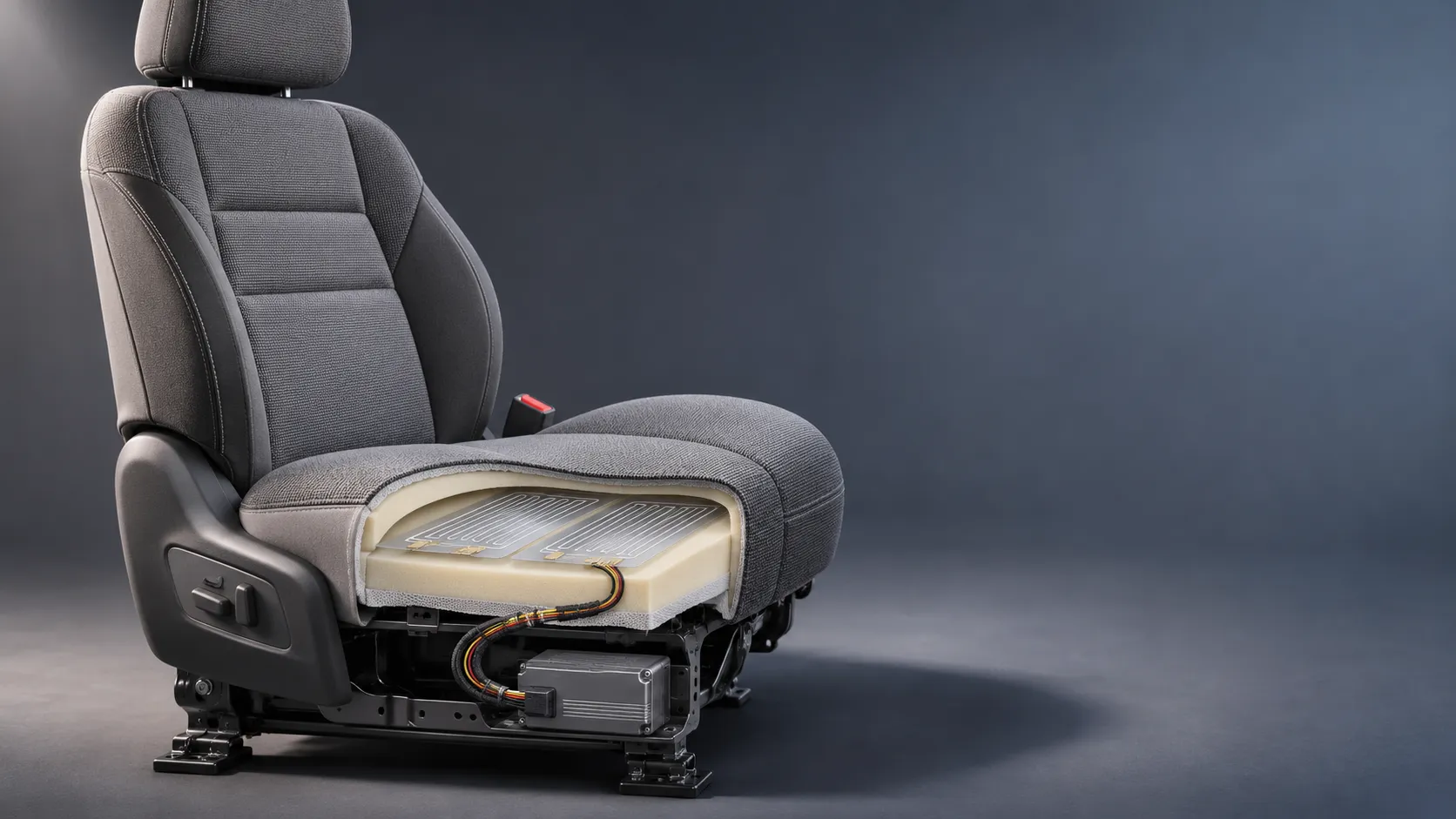
How Capacitive Seat Occupancy Sensing Works in Automotive Airbag Systems
Discover how capacitive seat occupancy sensing supports automotive airbag systems, and explore the design, calibration, and validation challenges behind reliable performance.
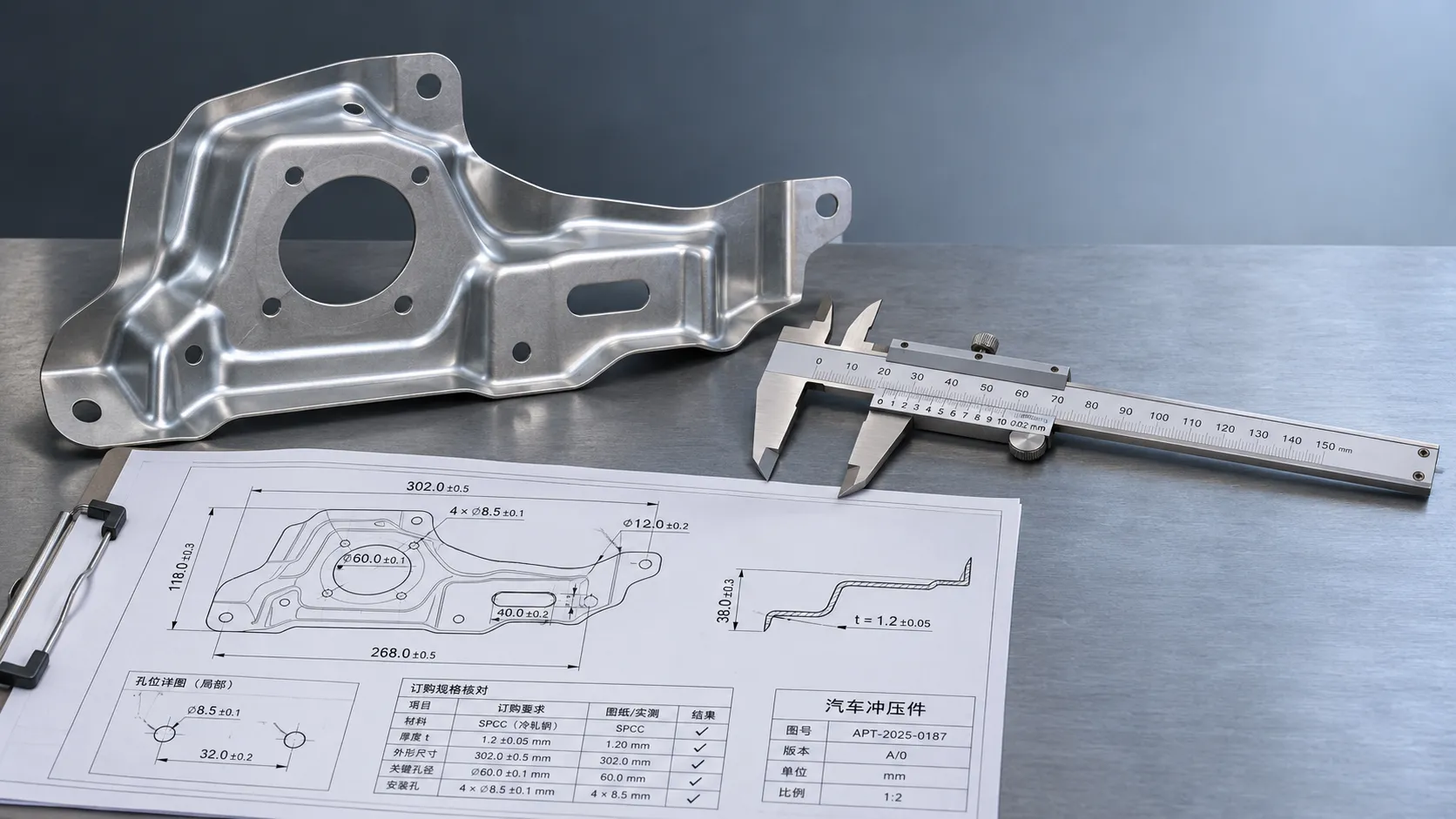
Industrial Product References: How to Verify Specs Before Ordering
Use an industrial product reference for procurement to verify specs, compatibility, and certifications before ordering—and reduce costly purchasing risks.
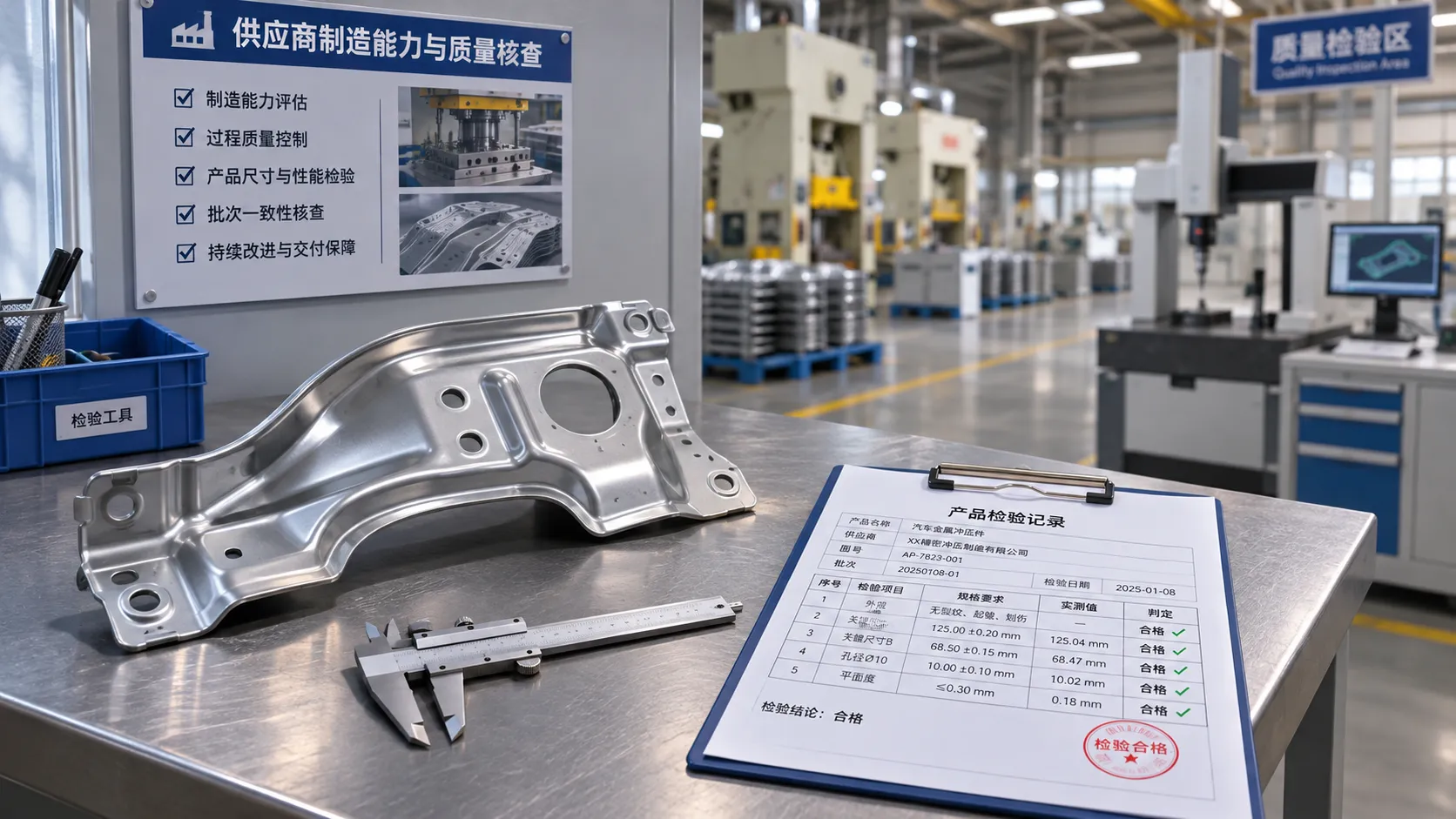
Choosing a Private Label Partner in Europe: Key Supplier Criteria
Private label cooperation Europe buyers can trust starts with the right supplier. Explore key criteria for compliance, quality, traceability and supply resilience.

Integrated Cabin Comfort Systems: How Seat and Cabin Climate Controls Work Together
Discover how integrated cabin comfort systems coordinate seat and climate controls to balance occupant comfort, energy use, safety, and performance.
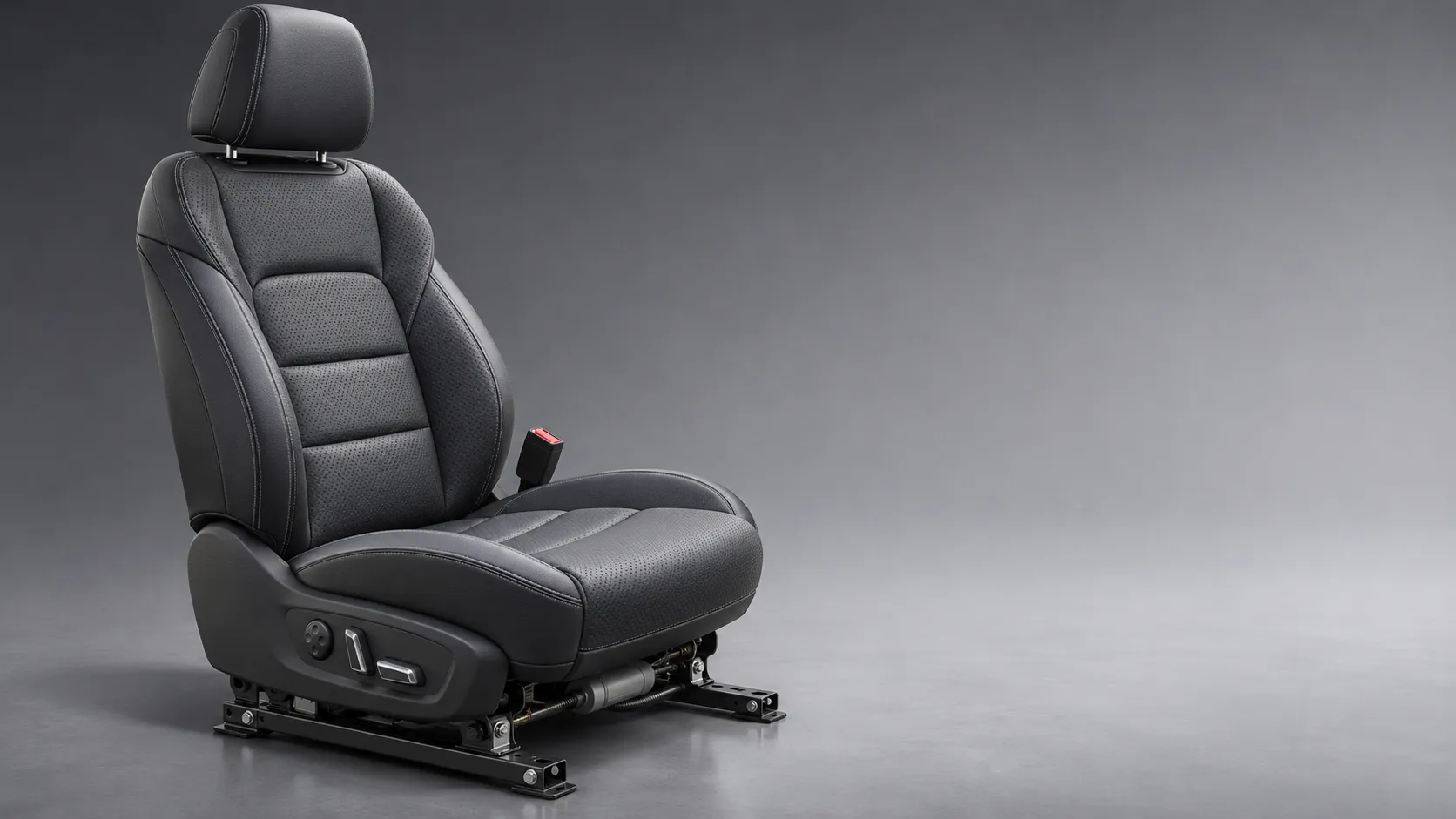
Automotive Ergonomics Pricing: What Drives Seat System Costs?
Discover what drives automotive ergonomics pricing, from seat mechanisms and safety systems to tooling and volume, and learn how to compare supplier quotes.
Evaluating Supplier Solutions: How to Verify References and Standards
Supplier solution references and standards can make or break a sourcing decision. Learn how to verify claims, assess compliance, and reduce risk before awarding a contract.
Choosing B2B Product Knowledge Platform Suppliers: Key Evaluation Criteria
Compare B2B product knowledge platform suppliers with confidence. Explore key criteria for data accuracy, supplier transparency, integrations, and value.

Choosing a Marine Radar Systems Supplier: What to Check Before Buying
Choosing a marine radar systems supplier? Compare installed costs, bridge compatibility, compliance evidence, and service support before you buy.
Related News
- 00
0000-00
Seat Frame Components in Europe: How to Evaluate Suppliers and Quality - 00
0000-00
Adjustable Ergonomic Seat Frames: Evaluating Travel Range and Load Capacity - 00
0000-00
Are Magnesium Alloy Seat Frames Harder to Repair After a Crash? - 00
0000-00
What Causes Seat Frame Failures in Crash Testing? - 00
0000-00
How to Select Metal Automotive Seating Components for Strength, Weight, and Corrosion Resistance
0000-00
Weekly Insights
Stay ahead with our curated technology reports delivered every Monday.