
Are Magnesium Alloy Seat Frames Harder to Repair After a Crash?
Yes, a magnesium alloy seat frame can be harder to repair after a crash than a conventional steel frame, and often harder than an aluminum frame as well. The issue is not simply that magnesium is lightweight. Repairability depends on the alloy grade, casting or extrusion design, the location of deformation, the joining method, corrosion condition, and whether the seat's restraint and sensor systems were affected.
For a collision shop, insurer, fleet operator, or vehicle owner, the practical question is usually not whether damaged magnesium can physically be reshaped. It is whether the repaired seat can be verified as structurally sound and able to perform as intended in a later crash. In many cases, replacement of the frame or complete seat assembly is the lower-risk decision, particularly where cracks, mounting-point distortion, broken joints, or safety-system faults are present.
Why magnesium changes the repair decision
Seat frames are more than comfort structures. They support occupant mass, maintain seat position under load, anchor belt-related loads in some designs, and provide the installation base for head restraints, recliners, tracks, airbags, occupancy sensors, and powered adjustment systems. A frame that looks only moderately damaged may have lost the geometry or local strength needed for those functions.
Magnesium alloys offer compelling mass-reduction potential, which is why they have appeared in selected seat structures and other interior components. Yet their behavior after impact differs from the ductile bending repair technicians may associate with mild steel. Some magnesium components, especially thin-wall castings with ribs and complex attachment points, can crack rather than bend visibly. A crack at a recliner interface, seat-track bracket, or belt-load area is a safety issue even when trim and foam conceal most of the damage.
Steel structures may also require replacement after a serious collision, but their damage is often more familiar to repair operations. Shops have broad experience with identifying plastic deformation, measuring alignment, and following established weld or replacement procedures. Magnesium introduces a narrower process window, more material-specific handling requirements, and a greater need to follow the vehicle manufacturer's repair information exactly.
The distinction matters because a seat is exposed to dynamic loads, not just static seating loads. A repair that restores appearance, fore-aft travel, and recline operation may still leave an unknown weakness at the point where force is concentrated during a crash.
What makes magnesium seat frames difficult to restore
Cracking can be more important than visible bending
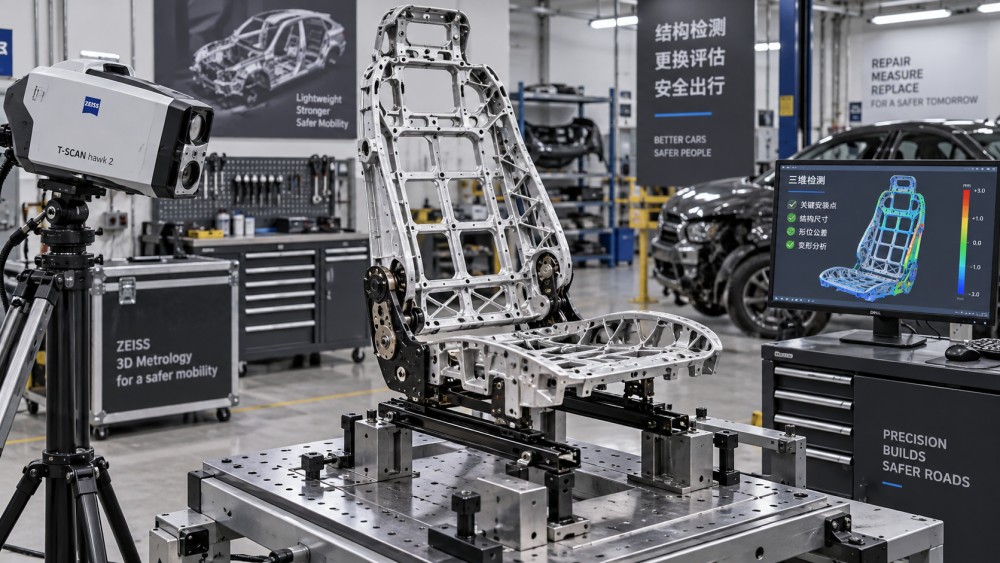
A magnesium frame can absorb collision energy through its intended design, but once a local section has fractured, there is rarely a simple cosmetic remedy. Fine cracks may develop around bolt bosses, hinges, riveted joints, rib intersections, or transition areas where wall thickness changes. These locations can be difficult to inspect once the seat remains partly assembled.
Damage assessment should not stop with a visual check of exposed areas. The seat may need partial disassembly to inspect the frame, interfaces, and hardware. Surface coatings, foam residue, corrosion products, or accumulated dirt can obscure a crack. Any indication of fracture around a structural attachment point should push the decision toward component replacement unless an approved repair method specifically covers that damage.
Heat straightening is a poor default response
Technicians sometimes use controlled heat to assist steel straightening. That logic should not be transferred casually to magnesium. Magnesium alloys can be sensitive to heat exposure, and improper heating can alter local material properties, damage coatings, affect nearby wiring or sensors, or create a fire hazard when contamination and metal dust are involved.
More importantly, heating a damaged section does not establish that its crash performance has been restored. The original component may have been produced through casting, forming, machining, or a tailored joining process that cannot be replicated in a body shop. If an OEM procedure does not explicitly permit heating and specifies the process, it should not be treated as a repair option.
Welding is highly restricted
Magnesium can be welded under controlled manufacturing conditions, but field welding a damaged seat frame is a separate question. The process requires appropriate equipment, shielding, filler compatibility, surface preparation, operator skill, and fire precautions. It also requires confidence that welding will not compromise nearby materials or safety-related assemblies.
A weld may look acceptable while changing the heat-affected zone, introducing porosity, or creating stress concentrations in a high-load area. Seat-frame geometry and load paths are engineered as a system. Unless the vehicle manufacturer publishes a specific, approved welding repair for that exact component and damage location, welding should be assumed to be outside normal collision-repair practice.
Mixed-material joints add another failure path
Many lightweight seat designs combine magnesium with steel, aluminum, plastics, or composite elements. Those materials may be connected by fasteners, rivets, adhesive bonds, mechanical clinches, or specialized joining methods. A crash can deform the joint without creating an obvious fracture in the magnesium member itself.
Replacing a fastener with a visually similar substitute, reusing a deformed bolt, or overlooking a distorted mating surface can change clamp load and joint behavior. Galvanic corrosion control also becomes relevant where magnesium contacts dissimilar metals. Damaged coatings, missing isolators, and incorrect hardware can create long-term corrosion exposure after an apparently successful repair.
When replacement is usually the defensible choice
There is no universal rule that every magnesium seat frame must be replaced after every impact. A low-speed event may leave a seat structurally unaffected. But replacement becomes the prudent route when damage affects a load-bearing section, a restraint-related attachment, a recliner, a track mount, or an integrated safety device.
- Visible cracking, tearing, fractured ribs, or broken mounting bosses in the frame.
- Permanent distortion around seat tracks, recliner mechanisms, head-restraint supports, or belt anchorage areas.
- Deformed, loose, missing, or damaged structural fasteners, rivets, brackets, or joint interfaces.
- Deployment of a seat-mounted side airbag or evidence that related sensor, harness, or connector hardware was stressed.
- Seat movement that binds, rocks, does not lock reliably, or no longer aligns correctly with its tracks.
- Damage that cannot be fully inspected without disassembling bonded, trimmed, or safety-integrated sections.
- Any condition for which the repair documentation directs replacement of the frame, mechanism, or complete seat assembly.
For insurers, the cost comparison should include more than the visible frame part. Disassembly, diagnostics, trim removal, sensor checks, calibration requirements, replacement hardware, corrosion protection, and liability exposure can make an attempted structural repair less economical than it first appears. A low initial repair estimate can become expensive when approved procedures are unclear or subsequent inspection reveals hidden damage.
Inspection should consider the entire seat system
A magnesium frame cannot be evaluated in isolation. The inspection should begin by identifying the exact seat configuration and checking the vehicle-specific repair procedures. A manual seat, a powered seat with memory functions, and a seat integrating side airbags or occupant classification hardware have very different diagnostic needs.
Collision direction also matters. A frontal impact may load the seat tracks and recliner differently from a rear or side impact. Rear impacts deserve particular attention around head restraints, upper frame members, and recliner structures. Side impacts can affect seat-mounted airbags, wiring, and lateral support structures even when the outer trim shows little damage.
Post-repair scanning is important when the seat contains safety-related electronics, but a clean diagnostic result does not certify the frame. Electronic diagnostics and structural inspection answer different questions. Likewise, a seat that powers, slides, and reclines normally is not automatically fit for service after a collision.
Common assumptions that lead to poor decisions
"Magnesium is too fragile to use in a crash structure." This is too broad. Material selection is only one part of seat safety. Alloy composition, part geometry, wall thickness, ribs, joining strategy, load paths, and the surrounding restraint system determine performance. A properly engineered magnesium component can serve a valid structural role. The repair concern arises after a damaging event, when restoring the original engineered condition may be difficult.
"If it is not cracked, it can be straightened." Lack of an obvious crack is not enough. Distortion may exist at joints or hidden sections, and prior overload can leave uncertainty about future performance. Repairability must be based on the approved procedure for the exact component, not an assumption drawn from another material or another seat design.
"A skilled welder can fix any metal frame." Welding capability does not substitute for design authorization. The question is whether the manufacturer permits a repair and whether the process can restore the component's required function. For safety-critical seat structures, the absence of an approved method is itself meaningful.
"Replacing only the visible damaged piece will solve the problem." A seat is an assembly. An impact that breaks one bracket can also affect a recliner, track, harness, sensor, or fastener interface. Selective replacement may be valid only when documentation identifies the serviceable component and the inspection confirms that related parts remain within specification.
A practical decision path for repair businesses and buyers
The first task is identification. Confirm the vehicle, model year, seating position, option package, and part number. Visual similarity is unreliable; different trims can use different frame materials, airbag arrangements, and replacement rules.
Next, obtain the applicable repair documentation before authorizing structural work. The documentation should determine whether the frame is serviceable, whether individual mechanisms can be replaced, which hardware must be renewed, and whether diagnostics or calibration are required after reassembly. Where procedures use terms such as replace, do not repair, or one-time-use fastener, those instructions should be treated as controlling.
Then separate three questions that are often blurred together: Can the component be made to look straight? Can it be made to operate normally? Can it be returned to its intended occupant-protection performance? The third question governs the decision. For a magnesium seat frame with structural deformation, the available evidence often supports replacement more readily than restoration.
For manufacturers and suppliers, repairability should be considered early in design decisions. Lightweighting targets alone do not define the total value of a seat architecture. Service access, damage visibility, replaceable subcomponents, joining choices, material isolation, and clear collision-repair documentation affect lifecycle cost and downstream confidence. A seat frame that saves mass but creates ambiguous post-crash decisions can shift cost and risk into the repair ecosystem.
The answer depends on approved repairability, not material alone
Magnesium alloy seat frames are generally harder to repair after a crash because they may crack in less visible ways, tolerate fewer improvised repair methods, and often sit within complex mixed-material, safety-integrated assemblies. That does not make every magnesium seat automatically disposable after a minor incident. It does mean that assumptions based on steel repair experience are unsafe.
The most reliable approach is disciplined: identify the exact structure, inspect the complete seat system, follow the published procedure, replace damaged structural or restraint-related parts when directed, and avoid unapproved heating or welding. In a component designed to help manage occupant loads, certainty about function matters more than a repair that merely returns the seat to a presentable condition.
Related News

How to Evaluate Supplier Solution References Before Signing a Contract
Evaluate supplier solution references with confidence. Learn how to verify technical evidence, identify delivery risks, and close gaps before signing a contract.
How Capacitive Seat Occupancy Sensing Works in Automotive Airbag Systems
Discover how capacitive seat occupancy sensing supports automotive airbag systems, and explore the design, calibration, and validation challenges behind reliable performance.
Industrial Product References: How to Verify Specs Before Ordering
Use an industrial product reference for procurement to verify specs, compatibility, and certifications before ordering—and reduce costly purchasing risks.
Choosing a Private Label Partner in Europe: Key Supplier Criteria
Private label cooperation Europe buyers can trust starts with the right supplier. Explore key criteria for compliance, quality, traceability and supply resilience.

Integrated Cabin Comfort Systems: How Seat and Cabin Climate Controls Work Together
Discover how integrated cabin comfort systems coordinate seat and climate controls to balance occupant comfort, energy use, safety, and performance.
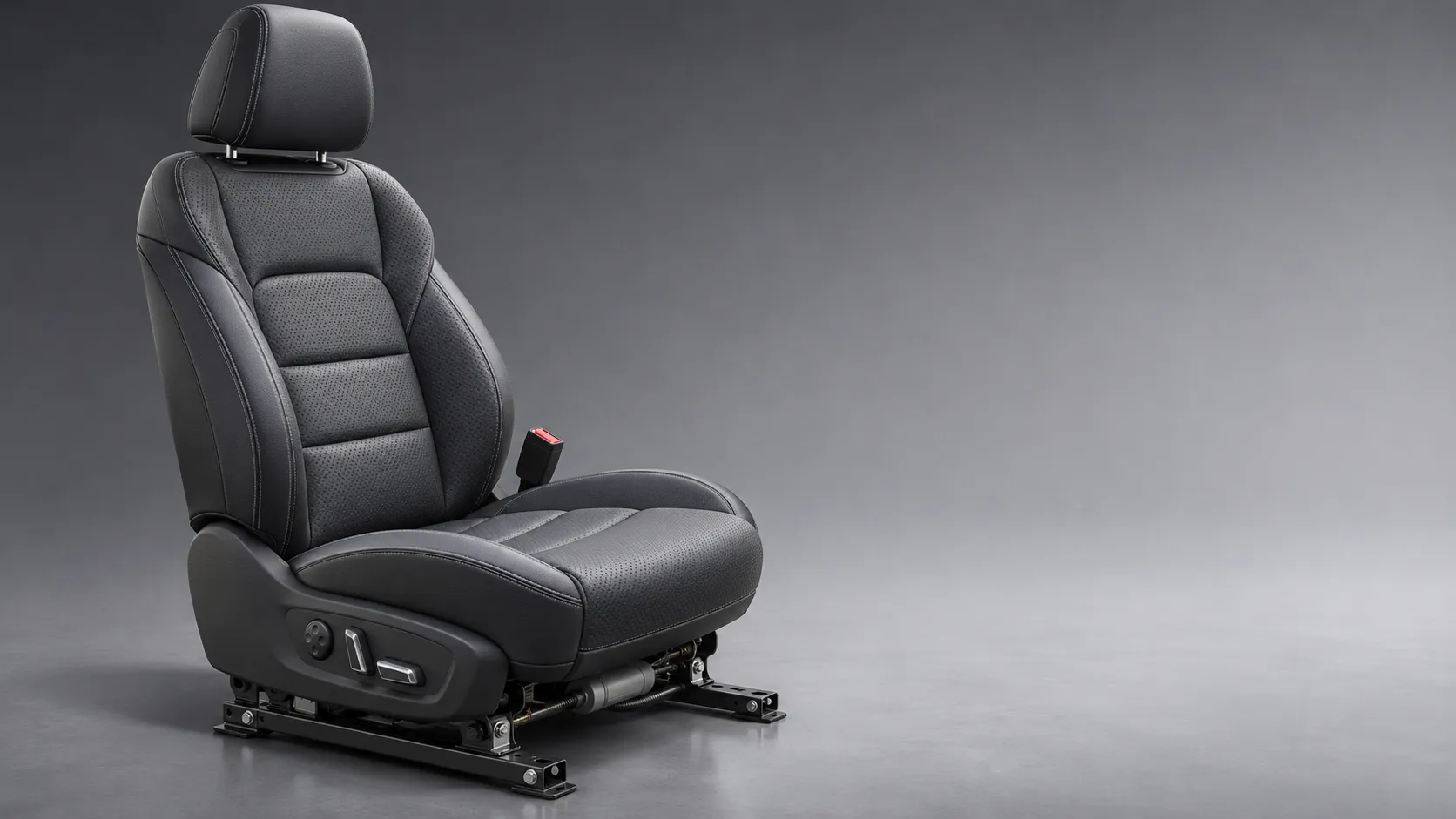
Automotive Ergonomics Pricing: What Drives Seat System Costs?
Discover what drives automotive ergonomics pricing, from seat mechanisms and safety systems to tooling and volume, and learn how to compare supplier quotes.
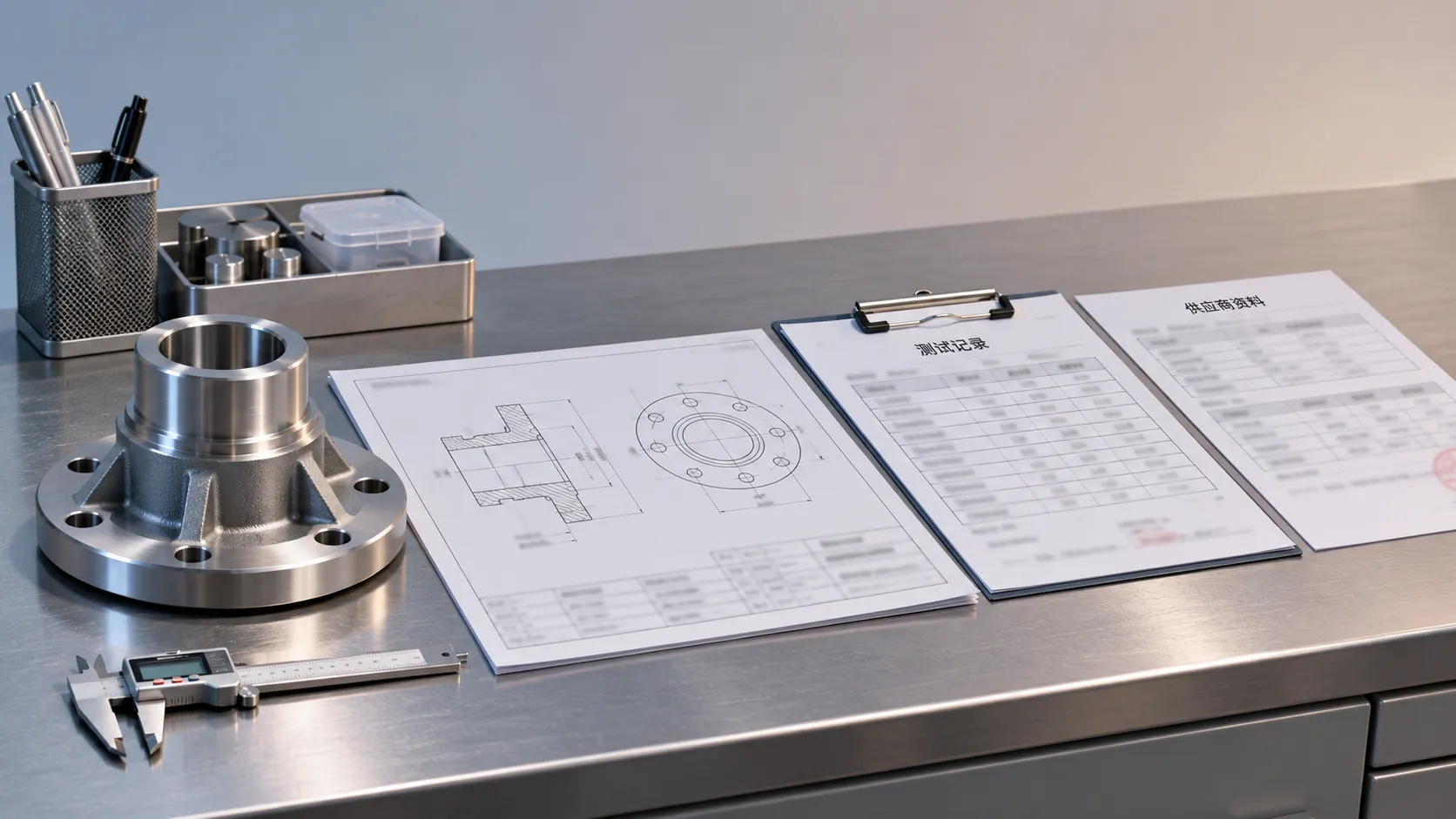
Evaluating Supplier Solutions: How to Verify References and Standards
Supplier solution references and standards can make or break a sourcing decision. Learn how to verify claims, assess compliance, and reduce risk before awarding a contract.
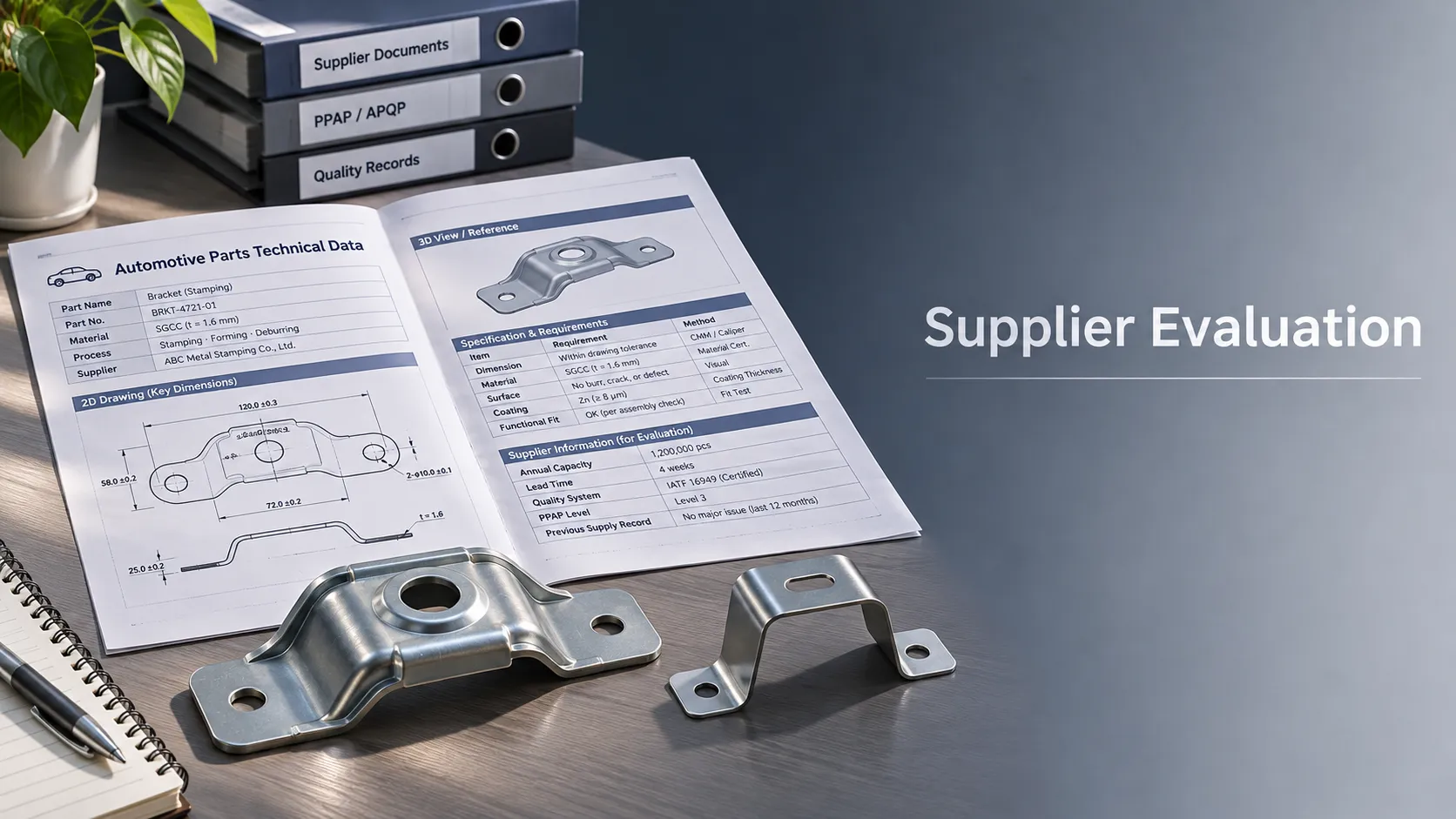
Choosing B2B Product Knowledge Platform Suppliers: Key Evaluation Criteria
Compare B2B product knowledge platform suppliers with confidence. Explore key criteria for data accuracy, supplier transparency, integrations, and value.

Choosing a Marine Radar Systems Supplier: What to Check Before Buying
Choosing a marine radar systems supplier? Compare installed costs, bridge compatibility, compliance evidence, and service support before you buy.
Related News
- 00
0000-00
Seat Frame Components in Europe: How to Evaluate Suppliers and Quality - 00
0000-00
Adjustable Ergonomic Seat Frames: Evaluating Travel Range and Load Capacity - 00
0000-00
Are Magnesium Alloy Seat Frames Harder to Repair After a Crash? - 00
0000-00
What Causes Seat Frame Failures in Crash Testing? - 00
0000-00
How to Select Metal Automotive Seating Components for Strength, Weight, and Corrosion Resistance
0000-00
Weekly Insights
Stay ahead with our curated technology reports delivered every Monday.