
When lightweight body panels can reduce vehicle mass without trade-offs
When Lightweight Body Panels Can Reduce Vehicle Mass Without Trade-Offs
Lightweight body panels can reduce vehicle mass without trade-offs when material, geometry, forming, joining, corrosion protection, and crash requirements are developed as one controlled system.
For project leaders, the real question is not whether a panel weighs less. It is whether the program preserves safety, quality, cost, timing, and manufacturing stability.
The strongest business case appears when lightweight body panels address a defined vehicle-level target, such as range improvement, payload growth, emissions compliance, or better crash-energy management.
Start With the Vehicle-Level Problem, Not the Material Choice

A lightweight panel project should begin with a measurable vehicle objective. Examples include reducing battery-electric vehicle mass, protecting payload capacity, or compensating for heavier safety equipment.
Replacing steel with aluminum, magnesium, or composites without that objective often creates local weight savings while shifting cost, complexity, or performance burdens elsewhere in the vehicle.
Project managers should require a mass budget that identifies where every kilogram matters. Exterior closures, floor systems, reinforcement panels, and structural rails produce different returns.
A hood may improve front-axle load distribution and pedestrian protection. A liftgate may improve user effort. A battery enclosure panel may support range and structural efficiency.
The appropriate target should include primary mass reduction, secondary component changes, and manufacturing implications. A lighter panel that demands heavier reinforcements does not deliver its promised value.
Vehicle-level analysis also prevents teams from optimizing a single department metric. Purchasing may favor material price, while engineering prioritizes stiffness and manufacturing focuses on throughput.
A cross-functional target aligns these perspectives. It defines allowable cost per kilogram saved, required durability life, repair strategy, corrosion exposure, and regulatory performance before design freezes.
For electric vehicles, mass reduction can support smaller battery requirements, longer range, or added safety content. These benefits should be modeled rather than assumed from panel weight alone.
For commercial vehicles, the value may be more direct. Lower curb weight can increase legal payload, reduce operating energy, and improve fleet economics over the vehicle lifecycle.
The decision threshold is therefore application-specific. Lightweight body panels create value when they improve the program’s dominant constraint, not merely when they achieve an attractive material datasheet figure.
Choose Materials According to Load Paths and Manufacturing Reality
There is no universally best lightweight material. Advanced high-strength steel, aluminum, magnesium, fiber-reinforced composites, and hybrid constructions each fit different panel functions and production conditions.
Advanced high-strength steel remains competitive where thin-gauge capability, crash performance, established stamping infrastructure, and high-volume economics outweigh the benefits of lower material density.
Hot-stamped boron steel is especially useful in safety-critical reinforcements. Its high strength can reduce section thickness while retaining occupant-cell integrity under demanding frontal and side-impact loads.
Aluminum is often effective for hoods, doors, fenders, roofs, and closures. Its lower density can provide meaningful savings, but stiffness and dent resistance require careful gauge and geometry design.
Aluminum also changes the manufacturing equation. Springback, surface quality, lubricant selection, die wear, joining techniques, and repair procedures must be managed from the earliest program phases.
Magnesium can offer substantial mass reduction in selected castings, seat structures, and internal components. Its use in exposed body panels remains limited by cost, corrosion management, and supply considerations.
Composite panels can provide excellent stiffness-to-weight performance and design freedom. They are most attractive where production volume is moderate, styling complexity is high, or tooling investment must stay controlled.
However, composites introduce questions around cycle time, paint compatibility, impact behavior, repairability, recycling, and material traceability. These issues can outweigh mass benefits in high-volume platforms.
Hybrid designs frequently produce the most balanced result. Aluminum outer panels, steel reinforcements, adhesive bonding, and localized composite elements can place each material where it contributes most effectively.
The material decision should use a function-by-function matrix. Include stiffness, crash response, dent resistance, corrosion, thermal behavior, joining compatibility, repair cost, capital expenditure, and supplier maturity.
Protect Stiffness, Crash Performance, and Durability Before Declaring Success
Mass cannot be assessed independently from structural behavior. A thinner or lower-density panel may meet nominal strength requirements while creating vibration, noise, denting, or fatigue problems in real use.
Body panels contribute to more than appearance. Depending on location, they influence torsional rigidity, door intrusion resistance, roof crush performance, aero stability, and cabin acoustic quality.
Project leaders should distinguish structural panels from cosmetic closures. Structural components need validated load paths, while cosmetic panels still require robust dent, flutter, corrosion, and fit-and-finish performance.
Crash evaluation should extend beyond the isolated component. Material substitutions can alter energy absorption, trigger locations, intrusion paths, sensor response, and the behavior of adjacent restraint systems.
For example, a lightweight front-end structure may affect deceleration pulses. Those changes can require renewed calibration of airbags, seatbelt pretensioners, load limiters, and occupant protection algorithms.
This system interaction is particularly important under Euro NCAP, IIHS, FMVSS, and regional homologation requirements. Passing a component simulation is not equivalent to passing a vehicle program.
Durability validation must include temperature cycling, moisture exposure, stone impact, galvanic corrosion, repeated opening loads, and real-world abuse conditions relevant to the intended market.
Mixed-material interfaces demand special attention. Aluminum and steel, for example, can develop galvanic corrosion when coatings, sealants, fasteners, and water-management paths are poorly controlled.
Simulation helps identify risk early, but physical testing remains necessary. Coupon tests establish material behavior, subassembly testing checks joints, and full-vehicle tests validate system-level consequences.
A credible lightweight body panel program tracks performance margins throughout development. Engineers should not wait until final crash tests to discover that material savings consumed vital robustness.
Design for Forming, Joining, and Plant Capability From Day One
Many lightweight programs fail commercially because manufacturing feasibility is reviewed too late. A panel that performs well in simulation may be difficult to stamp, join, inspect, or repair consistently.
Forming teams should assess draw depth, thinning, wrinkling, springback, surface appearance, trim quality, and die loading before styling and section geometry become difficult to change.
Aluminum panels often require different die design, lubrication, blank handling, and compensation strategies than steel. These changes affect launch timing, scrap rates, and capital investment.
For high-strength steels, forming limits and tool wear require close control. Hot stamping adds process capability but also introduces furnace integration, cooling requirements, and tighter thermal process windows.
Joining technology is equally decisive. Spot welding, self-piercing rivets, flow-drill screws, adhesive bonding, laser welding, and clinching each impose constraints on stack-ups and access.
Adhesives can improve stiffness, fatigue resistance, sealing, and noise behavior. Yet they require disciplined surface preparation, cure validation, inspection planning, and rework procedures within the plant.
Mixed-material assemblies commonly need multiple joining methods. The resulting process sequence should be tested for automation compatibility, takt time, quality traceability, and service accessibility.
Manufacturing readiness should include realistic pilot builds, not only supplier demonstrations. Variability in incoming material, operator handling, fixture tolerance, and paint-shop exposure can reveal overlooked risks.
Project managers should ask whether existing plants can absorb the process change. A technically elegant panel may not justify new equipment if volume, margin, and launch timing are constrained.
The best lightweight body panels fit the available industrial system, or they generate enough vehicle-level value to justify a deliberately planned manufacturing transformation.
Build the Business Case Around Total Program Economics
Material cost per kilogram is a weak decision metric. The relevant measure is total program economics, including tooling, manufacturing investment, cycle time, yield, warranty exposure, and downstream savings.
A high-cost material can be justified when it eliminates secondary parts, reduces assembly labor, improves range, or enables a smaller battery pack with meaningful cost and mass benefits.
Conversely, an inexpensive substitution may become costly when it creates special tooling, slower production, added joining stations, more complex logistics, or repeated quality containment activity.
Teams should model costs across the entire vehicle lifecycle. Include engineering development, prototype iterations, validation, launch support, service parts, collision repair, recycling, and residual-value impacts.
Repairability deserves attention because exterior lightweight panels can alter insurance outcomes. Aluminum repair infrastructure, adhesive-bonded structures, and composite replacement procedures may vary substantially by market.
Supplier capacity is another commercial risk. A chosen alloy, coated grade, or composite system may have limited regional supply, long qualification cycles, or volatile pricing exposure.
Program leaders should request a sensitivity analysis rather than a single business-case number. Examine volume changes, material price movement, scrap assumptions, battery cost, and production yield.
The financial case becomes stronger when it includes avoided costs. These can include regulatory penalties, fleet fuel consumption, battery capacity, reinforcement parts, and future compliance redesign.
A disciplined approval gate should identify the break-even point. Management needs to know what volume, material cost, or vehicle benefit is required for the lightweight investment to pay back.
Use a Gate-Based Process to Reduce Program Risk
Lightweight panel decisions benefit from a structured development process. Early enthusiasm should be converted into evidence through sequential technical, manufacturing, commercial, and regulatory approval gates.
The concept gate should confirm the vehicle-level problem, functional requirements, target mass reduction, and potential material families. It should also identify interfaces with safety and cabin systems.
The feasibility gate should compare designs using simulation, material trials, supplier input, and preliminary joining studies. At this stage, teams should reject concepts with poor manufacturability margins.
The business gate should assess total cost, plant investment, supply-chain resilience, expected volume, warranty exposure, and repair implications. Assumptions should be explicitly owned by responsible functions.
The validation gate should require representative prototypes and evidence from forming trials, corrosion testing, fatigue tests, crash simulations, and physical subsystem testing where appropriate.
Before production approval, the launch gate should confirm process capability, inspection methods, quality controls, logistics readiness, supplier capacity, and contingency plans for critical materials.
Clear ownership matters throughout this process. Program management should maintain a single risk register linking mass targets to safety, manufacturing, quality, cost, and timing dependencies.
Decision-making becomes faster when trade-offs are visible. A common dashboard can show kilogram savings, cost per kilogram, manufacturing readiness, validation status, and unresolved compliance risks.
This governance model prevents lightweight initiatives from becoming isolated engineering experiments. It converts them into managed product decisions supported by measurable evidence and accountable owners.
Recognize the Scenarios Where Lightweight Panels Deliver the Most Value
Lightweight body panels are most effective when the vehicle architecture supports them. New platforms offer greater freedom to optimize joining, load paths, corrosion protection, and material combinations holistically.
Battery-electric vehicles are strong candidates because mass reduction can improve range, acceleration, handling, braking, and battery sizing. The value depends on the manufacturer’s chosen optimization strategy.
Premium vehicles can also justify more expensive lightweight solutions because buyers may value performance, handling, luxury features, and low operating noise alongside the underlying engineering benefits.
Commercial and specialty vehicles may achieve rapid returns where every kilogram supports revenue-generating payload. Their lower volumes can also make alternative material and tooling approaches practical.
High-volume mainstream vehicles require tighter economics. Advanced steels and selective aluminum use often outperform wholesale material replacement because they preserve existing manufacturing scale and supplier capability.
Facelift programs present a different challenge. Limited tooling budgets and fixed architecture can restrict options, making local reinforcement redesign or targeted closures more realistic than major body-in-white changes.
Programs should be cautious when requirements remain unstable. Introducing lightweight materials while crash targets, architecture, battery packaging, or production locations are still changing can multiply late-stage risk.
The most successful projects prioritize selected components where benefits are concentrated. They avoid forcing lightweight body panels into areas where proven steel solutions already meet the program’s real constraints.
Conclusion: Treat Lightweighting as a Systems Decision
Lightweight body panels reduce vehicle mass without trade-offs only when teams evaluate the complete system. Material density alone cannot predict vehicle safety, economics, manufacturability, or customer value.
For project leaders, the practical test is straightforward: can the panel improve a defined vehicle outcome while preserving crash performance, durability, plant capability, cost discipline, and compliance?
When the answer is supported by validated data, lightweighting becomes a strategic advantage. When it depends on isolated mass figures, it is more likely to transfer risk elsewhere.
The right approach combines targeted component selection, robust simulation, physical validation, manufacturing readiness, and transparent financial analysis. That discipline turns weight reduction into lasting program value.
Related News

How to Evaluate Supplier Solution References Before Signing a Contract
Evaluate supplier solution references with confidence. Learn how to verify technical evidence, identify delivery risks, and close gaps before signing a contract.
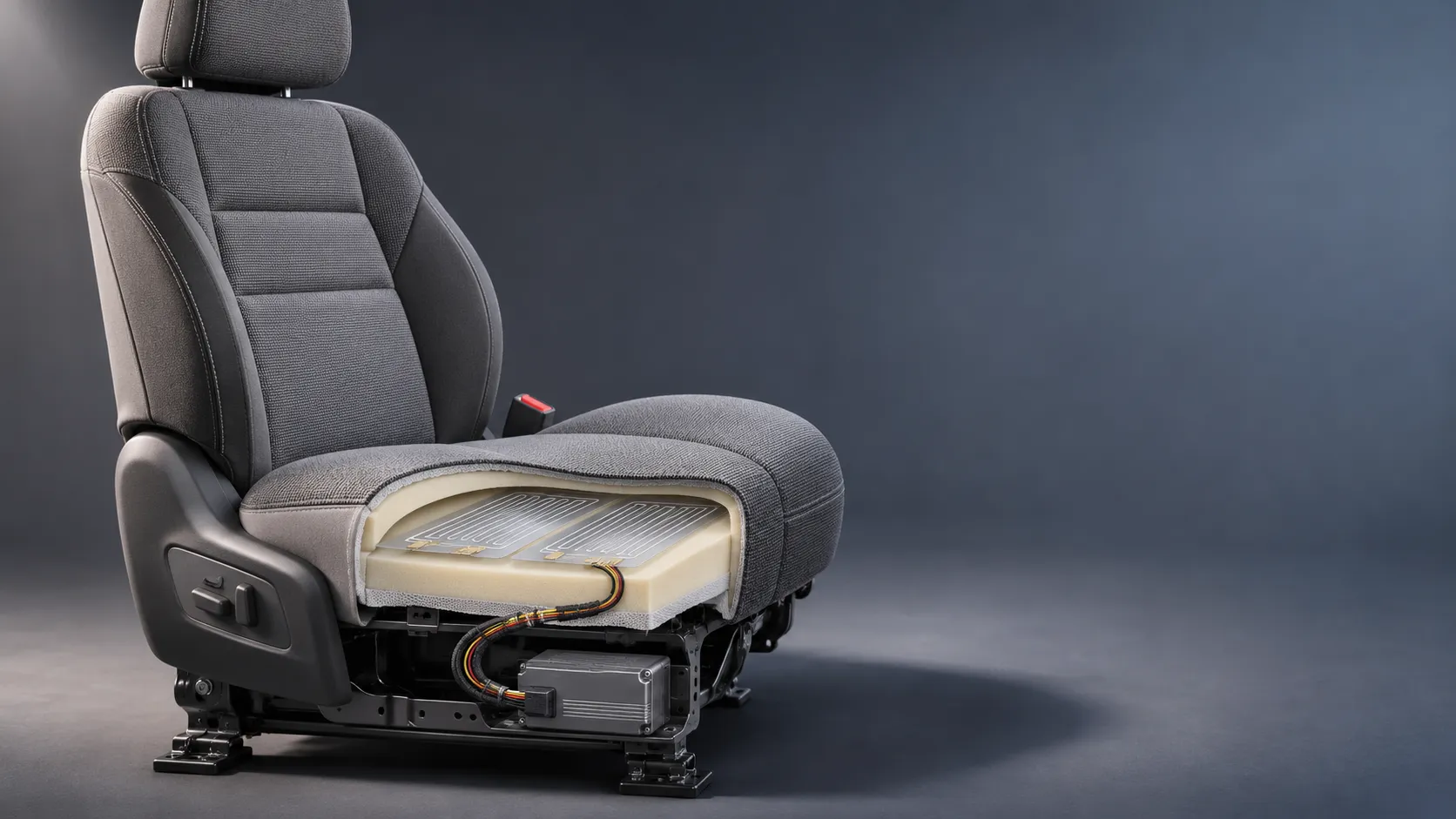
How Capacitive Seat Occupancy Sensing Works in Automotive Airbag Systems
Discover how capacitive seat occupancy sensing supports automotive airbag systems, and explore the design, calibration, and validation challenges behind reliable performance.
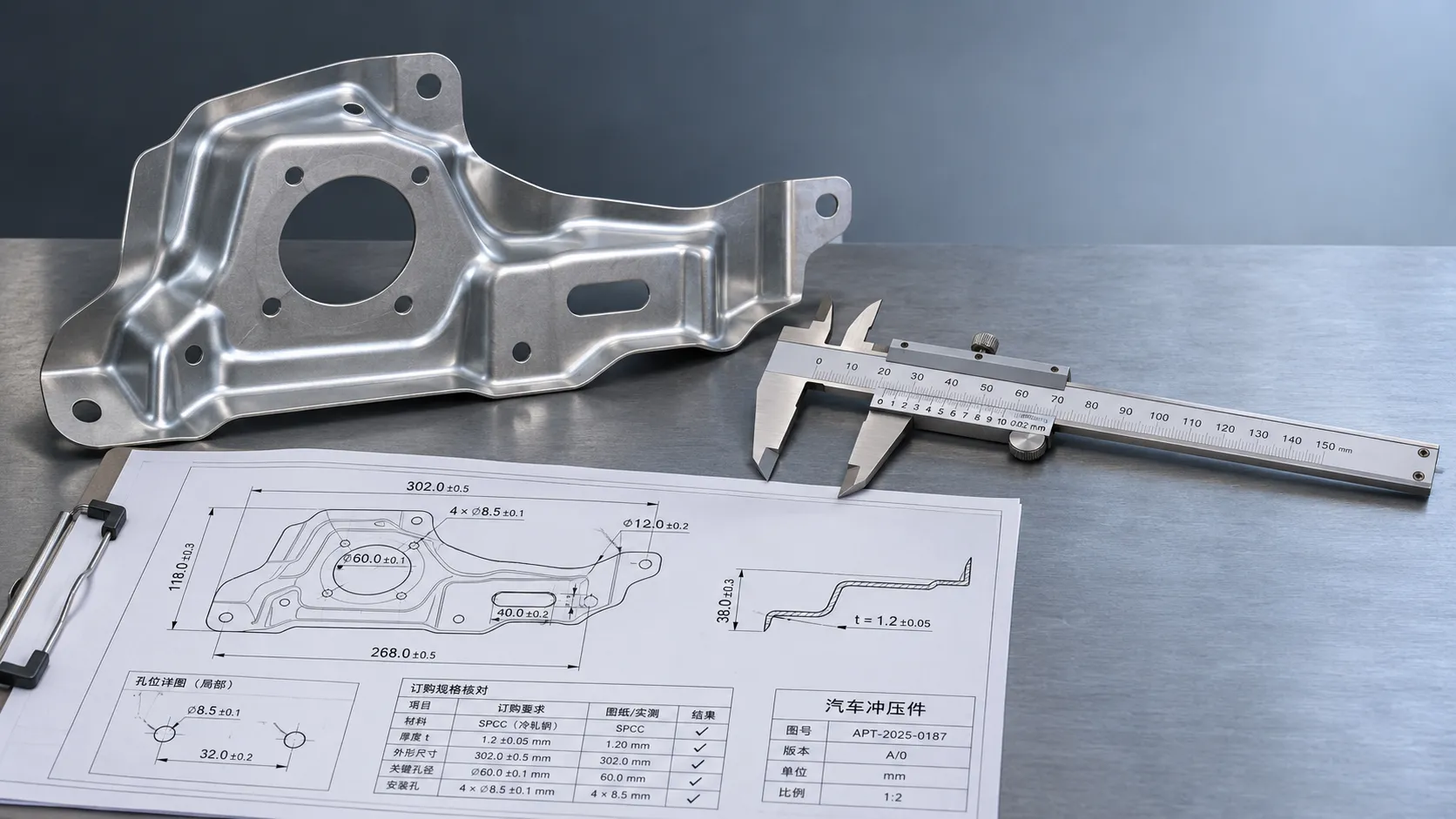
Industrial Product References: How to Verify Specs Before Ordering
Use an industrial product reference for procurement to verify specs, compatibility, and certifications before ordering—and reduce costly purchasing risks.
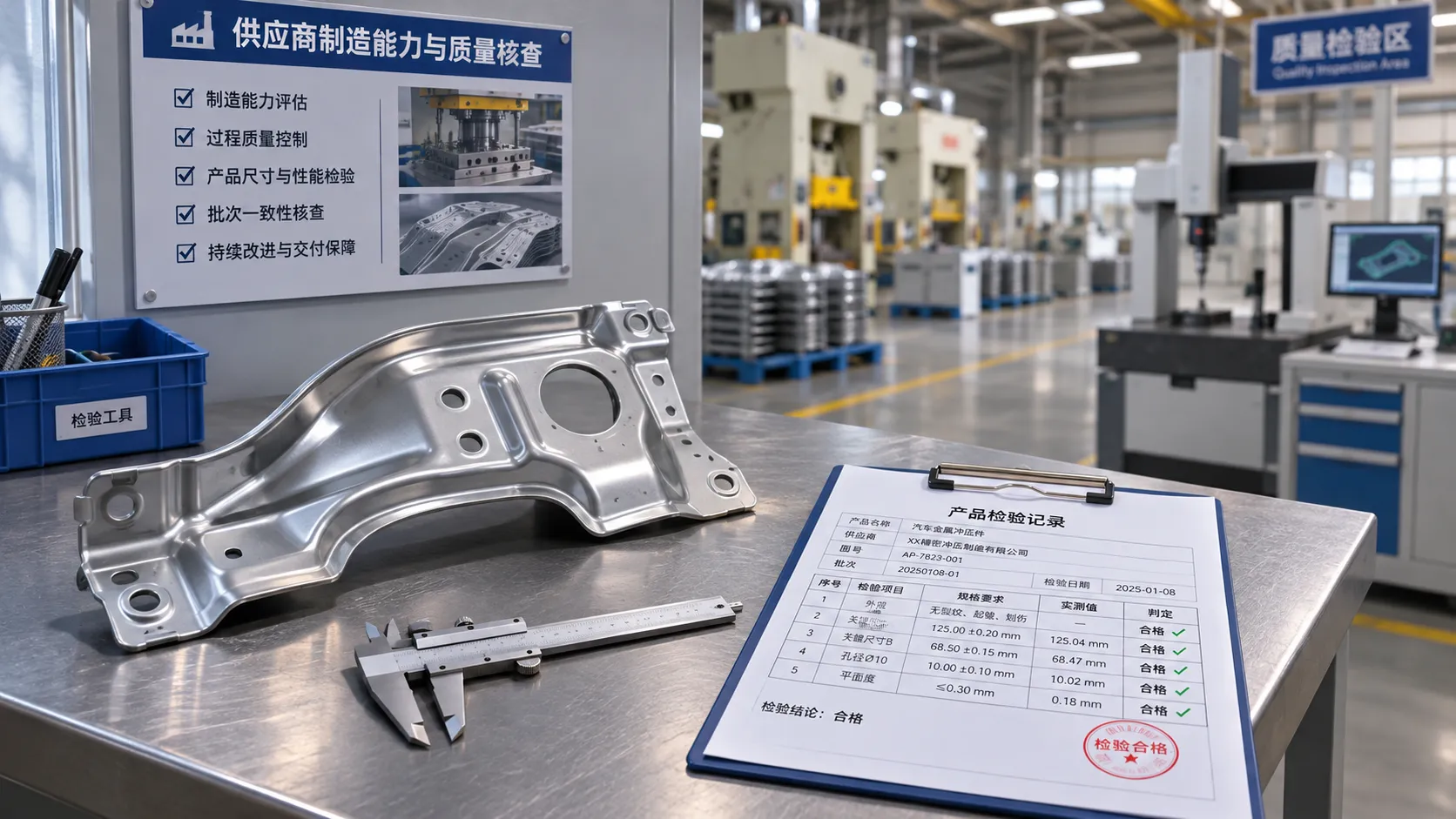
Choosing a Private Label Partner in Europe: Key Supplier Criteria
Private label cooperation Europe buyers can trust starts with the right supplier. Explore key criteria for compliance, quality, traceability and supply resilience.

Integrated Cabin Comfort Systems: How Seat and Cabin Climate Controls Work Together
Discover how integrated cabin comfort systems coordinate seat and climate controls to balance occupant comfort, energy use, safety, and performance.
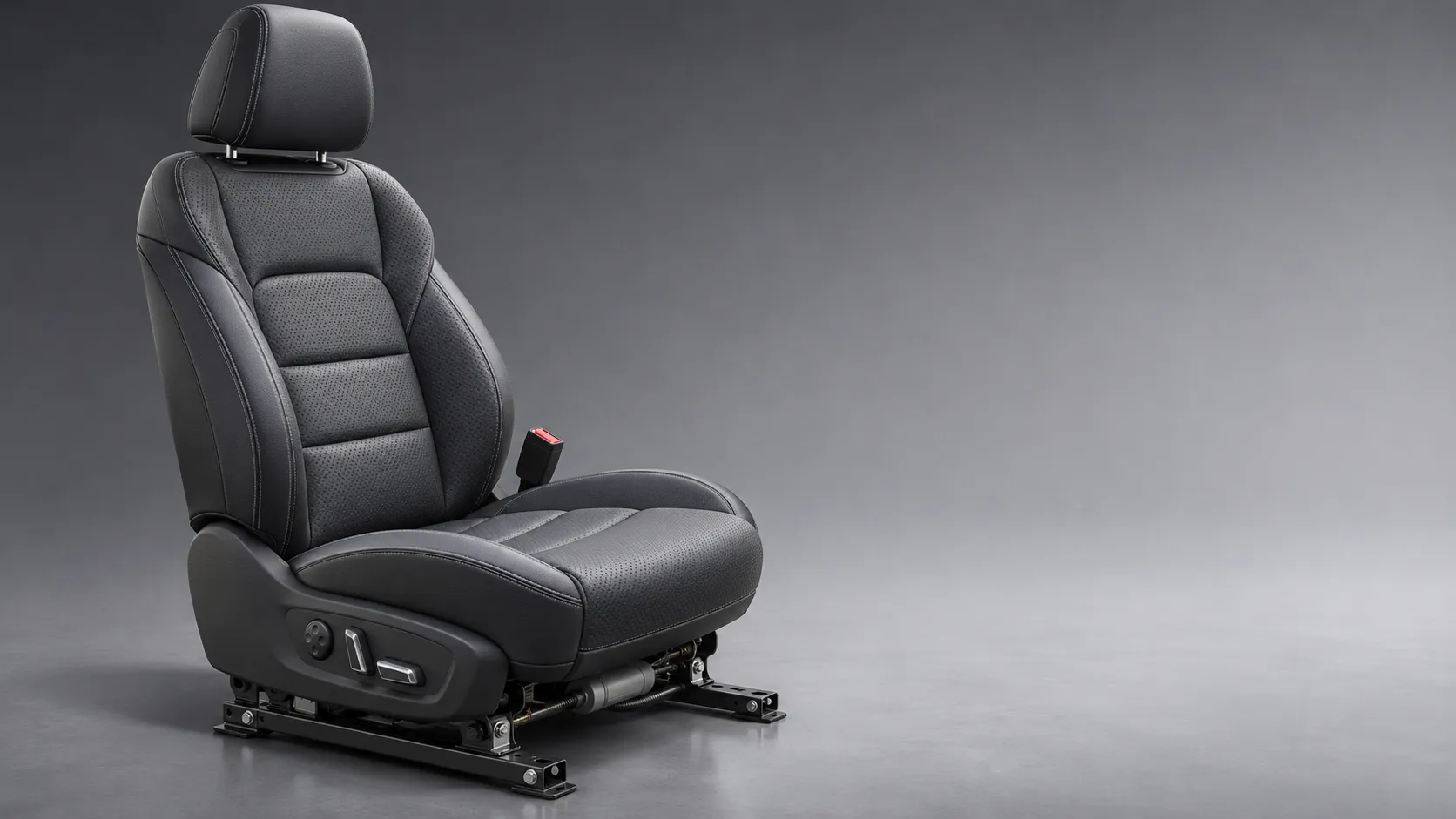
Automotive Ergonomics Pricing: What Drives Seat System Costs?
Discover what drives automotive ergonomics pricing, from seat mechanisms and safety systems to tooling and volume, and learn how to compare supplier quotes.

Evaluating Supplier Solutions: How to Verify References and Standards
Supplier solution references and standards can make or break a sourcing decision. Learn how to verify claims, assess compliance, and reduce risk before awarding a contract.
Choosing B2B Product Knowledge Platform Suppliers: Key Evaluation Criteria
Compare B2B product knowledge platform suppliers with confidence. Explore key criteria for data accuracy, supplier transparency, integrations, and value.

Choosing a Marine Radar Systems Supplier: What to Check Before Buying
Choosing a marine radar systems supplier? Compare installed costs, bridge compatibility, compliance evidence, and service support before you buy.
Related News
- 00
0000-00
When lightweight body panels can reduce vehicle mass without trade-offs - 00
0000-00
Which exterior body panel materials resist dents in daily driving - 00
0000-00
Do aluminum body panels justify their higher repair costs than steel - 00
0000-00
How a car aluminum body changes corrosion risk in coastal climates - 00
0000-00
What repair shops need to know before welding an aluminium car body
0000-00
Weekly Insights
Stay ahead with our curated technology reports delivered every Monday.