
What repair shops need to know before welding an aluminium car body
What Repair Shops Need to Know Before Welding an Aluminium Car Body
Repairing an aluminium car body is not simply a matter of replacing steel wire with aluminium filler and turning up the heat. Modern lightweight structures are engineered as systems: stamped outer panels, cast nodes, extrusions, reinforcements, adhesives, rivets, restraint mounting points, and carefully managed crush zones may all sit within the same repair area. A weld that looks clean can still alter corrosion protection, reduce local strength, distort a panel, or interfere with the crash path intended by the vehicle manufacturer.
For an aftermarket repair shop, the first question should not be, “Can we weld this?” It should be, “Does the approved repair method permit welding here, on this material, after this level of damage?” That distinction matters. Aluminium behaves differently from steel during heating and cooling, and the body design may rely on joining methods that cannot be safely substituted at workshop level.
This is especially relevant as aluminium car body construction extends beyond premium models. Lightweighting supports efficiency and, in many designs, helps manage crash energy through a combination of material grades and geometries. Repair work therefore connects directly to physical containment protection: the integrity of the passenger cell, the performance of restraint attachment areas, and the predictable deformation of surrounding structures.
Start with repairability, not the welding machine
Before stripping paint or setting up a torch, obtain the vehicle-specific OEM body repair information. It should identify the panel material, joining methods, permitted sectioning locations, replacement-part requirements, corrosion-restoration steps, and any areas where heat is prohibited. Generic experience with aluminium is useful, but it is not a substitute for an approved procedure on a particular body-in-white design.
A body panel described casually as “aluminium” may be a 5xxx-series sheet, a heat-treatable 6xxx-series sheet, a casting, an extrusion, or a mixed-material assembly. Their response to forming and heat differs. Some 6xxx alloys gain useful strength through controlled aging after manufacture; uncontrolled repair heat can change properties in and around the heat-affected zone. Cast components may contain shapes and wall transitions that make distortion, porosity, or cracking a greater concern. The correct filler, process, and repair limit depend on the exact material and component function.
The same caution applies to damage assessment. Visible deformation is only part of the picture. Look for displaced seams, torn bonding flanges, cracked sealers, distortion at suspension or restraint mounting areas, and damage that has travelled into adjacent extrusions or castings. Where the vehicle maker requires dimensional measurement, complete it before deciding whether a local repair is viable. If a structural member is outside its allowable tolerance, cosmetic alignment is not an acceptable result.
Also identify safety-critical systems before any hot work begins. High-voltage vehicles may require isolation procedures defined by the manufacturer. Airbag modules, seatbelt pretensioners, sensors, wiring, fuel-system components, trim, adhesives, seam sealers, and acoustic materials can all be affected by heat, sparks, or welding current. Removing nearby parts is often slower than working around them, but it is usually the more defensible choice.
Why aluminium welding fails in otherwise competent shops
Aluminium conducts heat rapidly, has no obvious colour change before it approaches melting, and forms a tenacious oxide layer. That oxide melts at a much higher temperature than the base metal beneath it. A technician can therefore be looking at a surface that appears intact while the substrate is already close to collapse. Heat control is not a minor process preference; it governs panel distortion, burn-through risk, local mechanical change, and the quality of the fusion zone.
Contamination is another persistent cause of rework. Aluminium oxide, hydrocarbons, moisture, paint residue, polishing compounds, and embedded steel particles can contribute to porosity or unstable welding. A shop that grinds steel and aluminium in the same bay, with shared abrasives and hand tools, can introduce cross-contamination before welding starts. Steel particles trapped on an aluminium surface also create a corrosion risk once the vehicle returns to service.
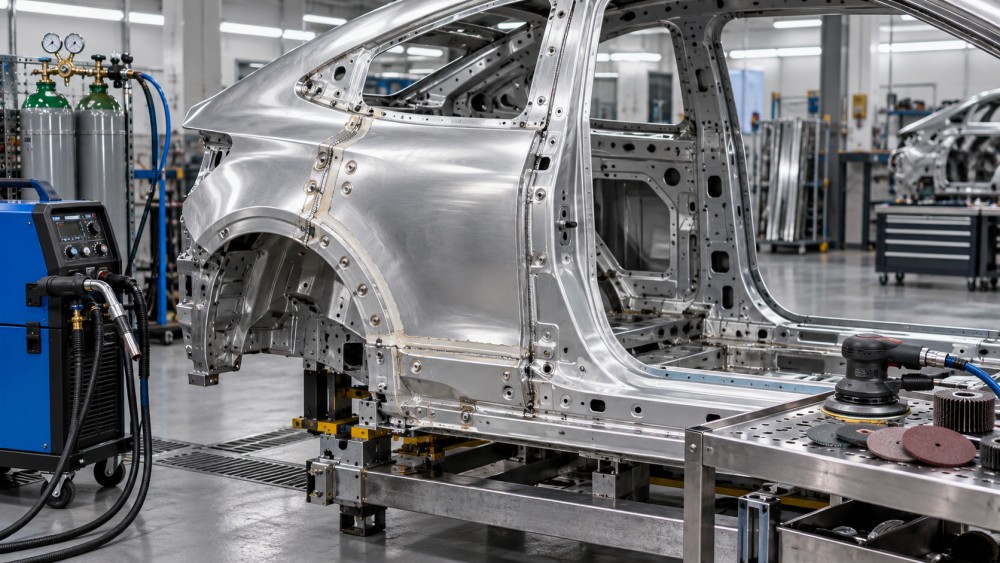
The practical answer is segregation. Aluminium repair areas should have dedicated tools, abrasives, brushes, backing bars, work surfaces, and dust-control practices. Use stainless-steel wire brushes reserved exclusively for aluminium where the approved procedure calls for mechanical oxide removal. Clean with a suitable product and follow its handling instructions; do not assume that any solvent left on a workbench is appropriate. Preparation should be completed close to the welding operation because fresh oxide forms quickly.
Poor shielding-gas coverage is equally damaging. Drafts, contaminated consumables, incorrect torch setup, a damaged gas hose, or inadequate cylinder supply can produce porous welds that may not be fully apparent after grinding. The repair process must be validated with test coupons and machine settings appropriate to the alloy, thickness, joint geometry, and OEM instruction. A shop should not use a customer vehicle as its first process trial.
Choose the joining method the structure was designed to accept
Many modern aluminium structures are not repaired primarily by conventional fusion welding. Manufacturers commonly use combinations of self-piercing rivets, blind rivets, flow-drill screws, structural adhesives, clinching, resistance spot welding, laser welding, and MIG welds during production. The workshop repair route may intentionally differ from the factory route, but it must still be the route specified for repair.
Structural adhesive and mechanical fastening are often part of the load path, not just a way to hold a panel in position. Replacing an adhesive-and-rivet joint with a weld can overheat adjacent material, bypass intended flexibility, or make later corrosion protection difficult. Conversely, adding adhesive without controlling bond-line preparation, clamping, cure conditions, and expiry dates can create a joint that looks complete but has uncertain durability.
Where fusion welding is approved, MIG welding is commonly used for productivity on suitable automotive aluminium repairs, while AC TIG may be selected for certain controlled, lower-volume tasks. Neither label guarantees a sound repair. Wire-feed performance, liner selection, contact-tip condition, torch angle, travel speed, shielding, fit-up, and filler compatibility all affect the outcome. The relevant OEM procedure and qualified technician training should determine the actual setup.
Heat affects more than the immediate weld
Excessive heat can be especially costly on a thin exterior panel. Aluminium expands significantly when heated and can distort over a broad area rather than only beside the bead. Attempts to “heat-shrink” an aluminium panel using habits learned from steel repair can make damage worse or create an unacceptable change in material condition. Use temperature-control methods only when they are supported by the repair information, and avoid repeated heating cycles simply to improve appearance.
Heat also travels into coatings, sealants, adhesives, and concealed cavities. A repair plan should specify how these materials will be removed before welding, protected during welding, and reinstated afterward. Burning off coatings without considering fumes, fire spread, or subsequent corrosion protection is not preparation; it is an uncontrolled process change.
Post-weld finishing deserves restraint. Grinding a weld flush may be necessary in an approved location, but aggressive grinding can thin adjacent parent material and remove evidence of incomplete fusion or porosity. The objective is to meet the repair procedure, not to create the smoothest-looking seam at any cost.
Corrosion protection is part of the repair, not an afterthought
Aluminium has a natural oxide film, but an automotive body depends on a larger protection system: conversion coatings, primers, seam sealers, cavity waxes, isolators, paint layers, drainage paths, and separation from dissimilar metals. Welding, grinding, drilling, and riveting can disrupt several of these at once.
The risk increases where aluminium meets steel, particularly if moisture and road salts can reach the joint. Galvanic corrosion is not solved merely by repainting an exposed surface. Shops need to restore the OEM-specified isolation, sealing, and internal-cavity protection. Fastener material and coating matter as well. An unapproved fastener may fit physically while creating a long-term corrosion path.
Do not overlook drainage. Sealant applied too heavily or in the wrong place can block water routes designed into doors, rocker panels, liftgates, or quarter structures. The finished repair should be checked for seam continuity and drainage function before trim and interior components conceal the area.
Quality control should follow the repair plan
A defensible aluminium repair creates a record, not just a finished panel. Capture the initial measurement or diagnostic findings, OEM procedure reference, material and part information, joining method, technician qualification where required, consumables used, and relevant inspection results. This documentation helps the shop maintain consistency and supports communication with insurers, fleet operators, and vehicle owners when questions arise later.
Inspection should include more than visual appearance. Depending on the approved repair, checks may cover weld profile, spatter, porosity indicators, edge distance and placement of rivets, adhesive squeeze-out where applicable, joint fit-up, restored seam sealing, corrosion coatings, and final body dimensions. Reconnect and calibrate affected vehicle systems according to the manufacturer’s process. If a repair involved sensors, cameras, radar-related components, seat systems, or restraint wiring, the final verification may extend well beyond the body bay.
GNCS follows these intersections between lightweight body engineering, passive safety, and real-world repairability. The same design choices that support controlled energy absorption can make unapproved heat or joining methods consequential. For repair businesses, keeping pace with OEM procedures, vehicle architecture changes, and evolving safety expectations is more useful than relying on a single “aluminium welding” rule.
A practical decision before the first arc
Before welding an aluminium car body, pause the job if any of the following remains unclear: the alloy or component type, the approved repair boundary, the original joining method, the condition of adjacent structural areas, the required corrosion-restoration process, or the safety steps for electrical and restraint systems. Escalation to OEM technical information, a qualified repair network, or an engineering contact is appropriate when the repair cannot be verified.
The most reliable repair is often not the one that uses the most advanced welding equipment. It is the one that respects the designed load paths, controls contamination and heat, restores protection layers, and leaves a traceable record of how the vehicle was returned to service.
Related News
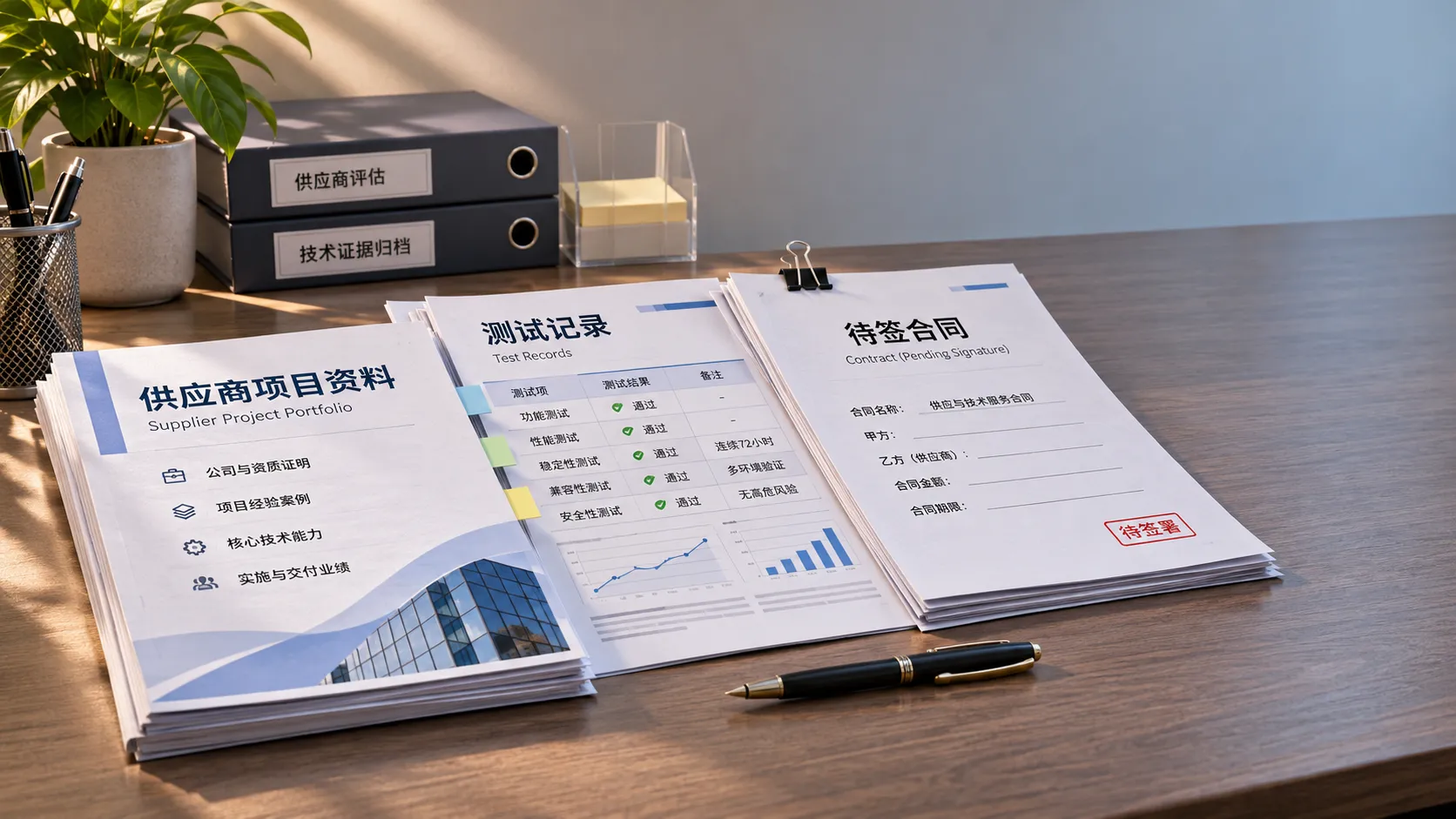
How to Evaluate Supplier Solution References Before Signing a Contract
Evaluate supplier solution references with confidence. Learn how to verify technical evidence, identify delivery risks, and close gaps before signing a contract.
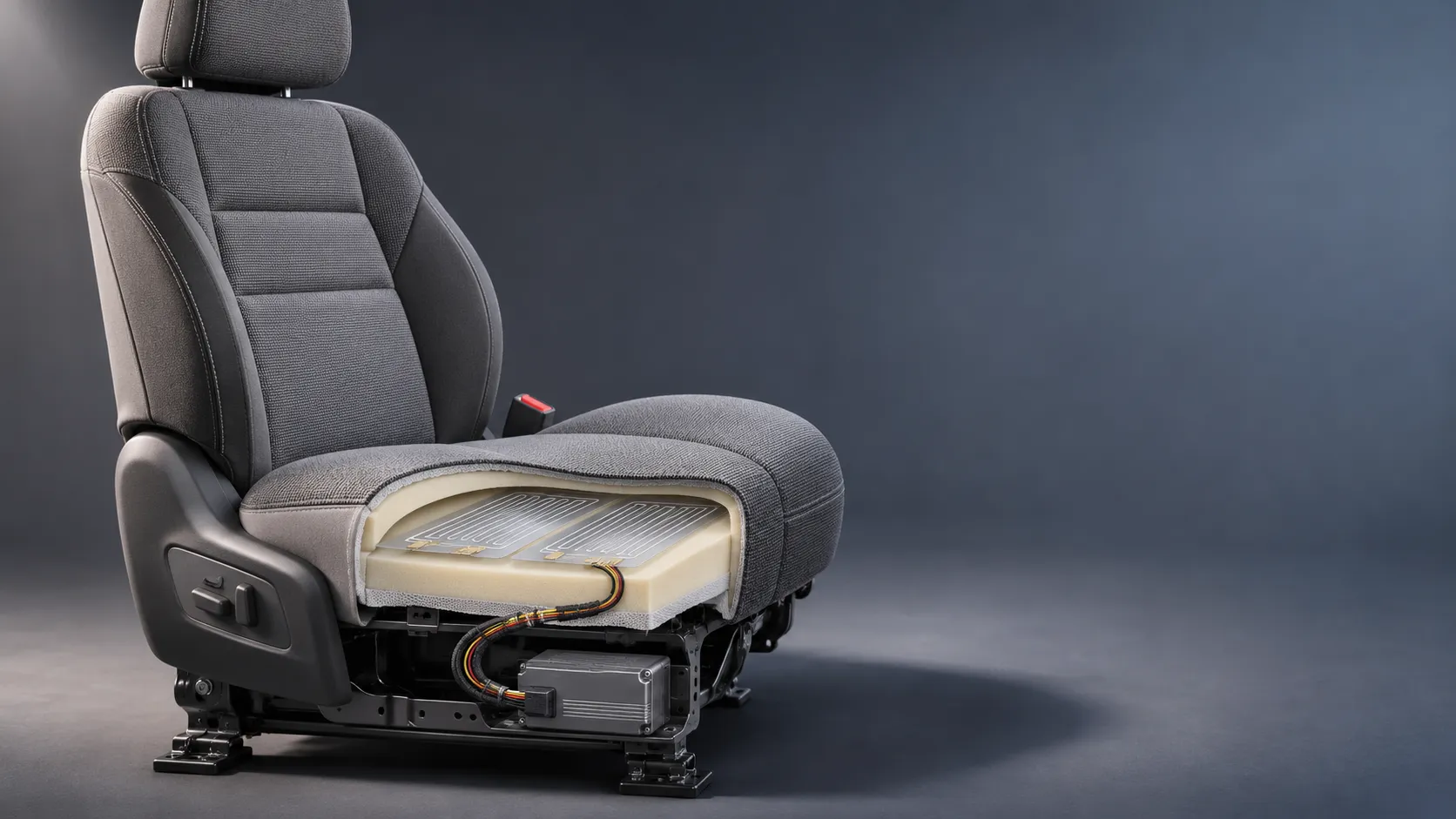
How Capacitive Seat Occupancy Sensing Works in Automotive Airbag Systems
Discover how capacitive seat occupancy sensing supports automotive airbag systems, and explore the design, calibration, and validation challenges behind reliable performance.
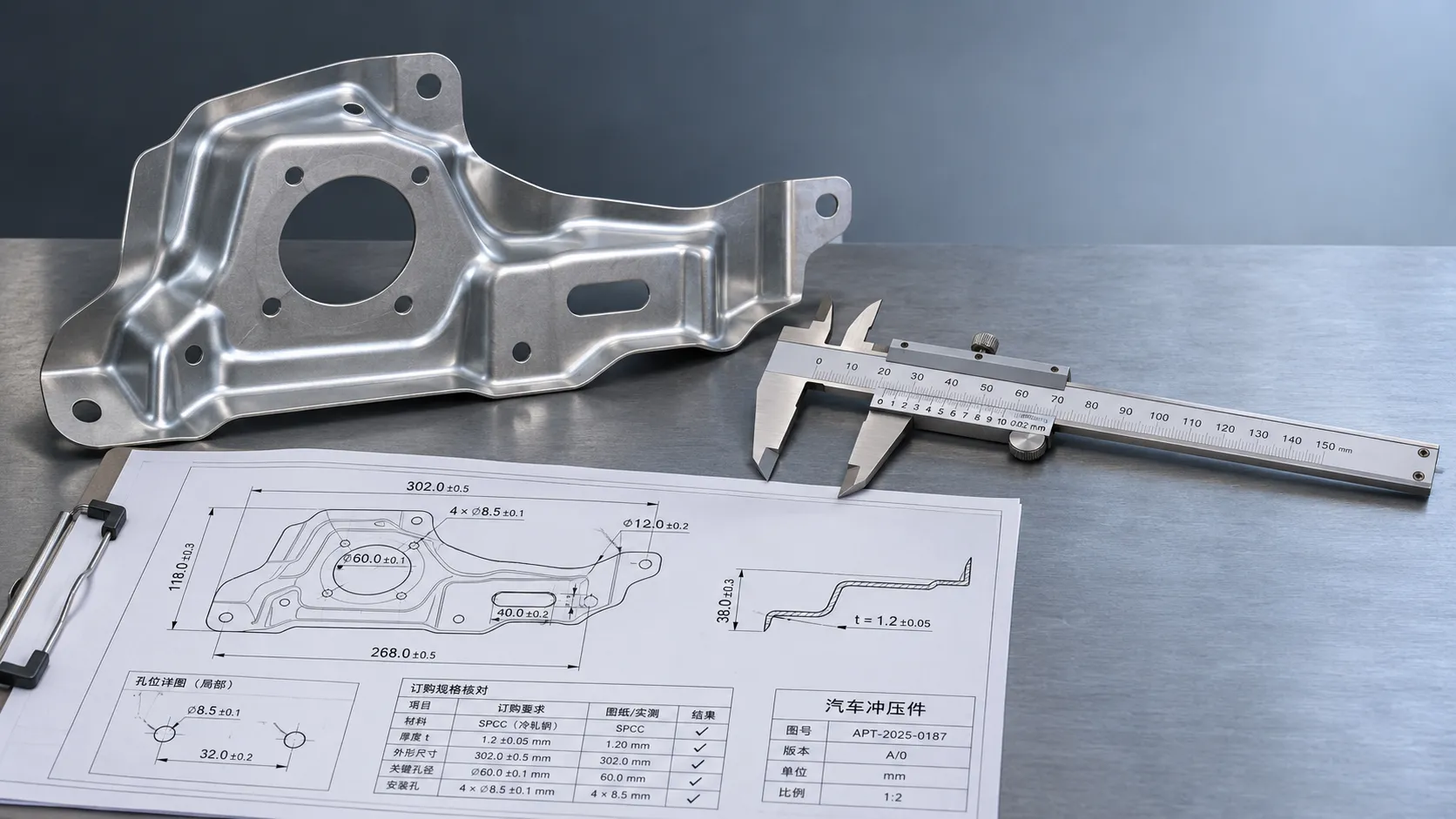
Industrial Product References: How to Verify Specs Before Ordering
Use an industrial product reference for procurement to verify specs, compatibility, and certifications before ordering—and reduce costly purchasing risks.
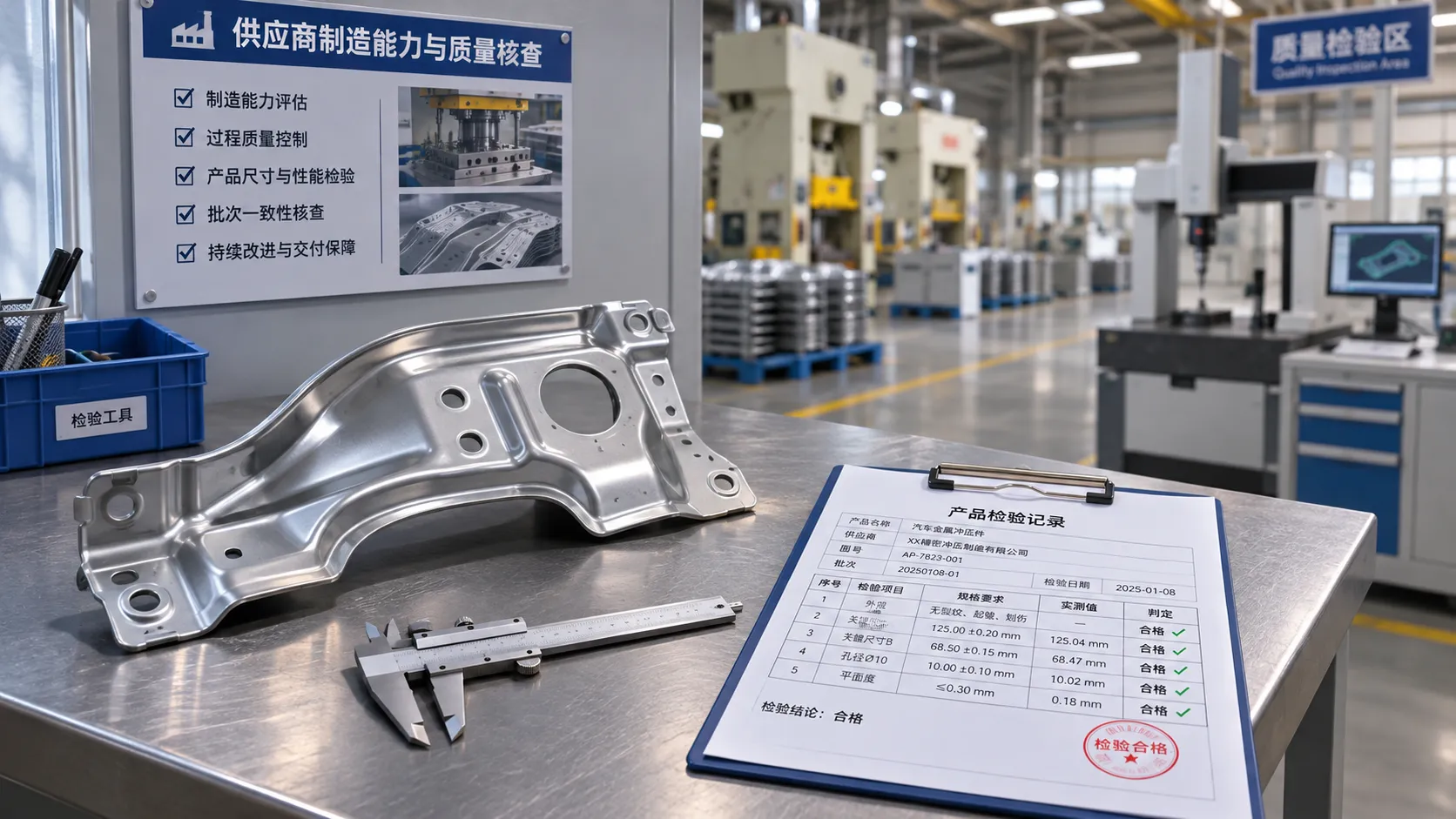
Choosing a Private Label Partner in Europe: Key Supplier Criteria
Private label cooperation Europe buyers can trust starts with the right supplier. Explore key criteria for compliance, quality, traceability and supply resilience.

Integrated Cabin Comfort Systems: How Seat and Cabin Climate Controls Work Together
Discover how integrated cabin comfort systems coordinate seat and climate controls to balance occupant comfort, energy use, safety, and performance.
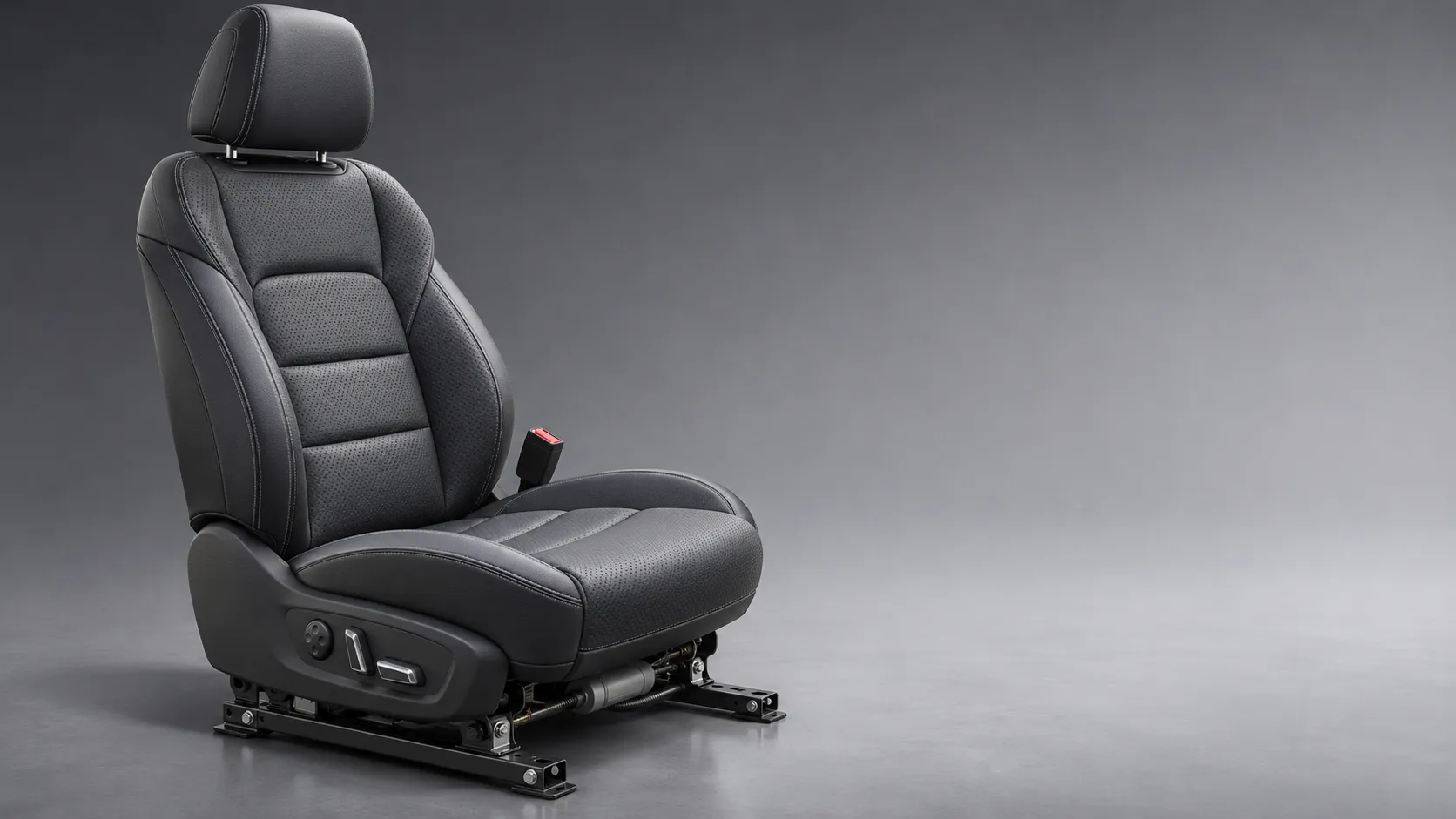
Automotive Ergonomics Pricing: What Drives Seat System Costs?
Discover what drives automotive ergonomics pricing, from seat mechanisms and safety systems to tooling and volume, and learn how to compare supplier quotes.
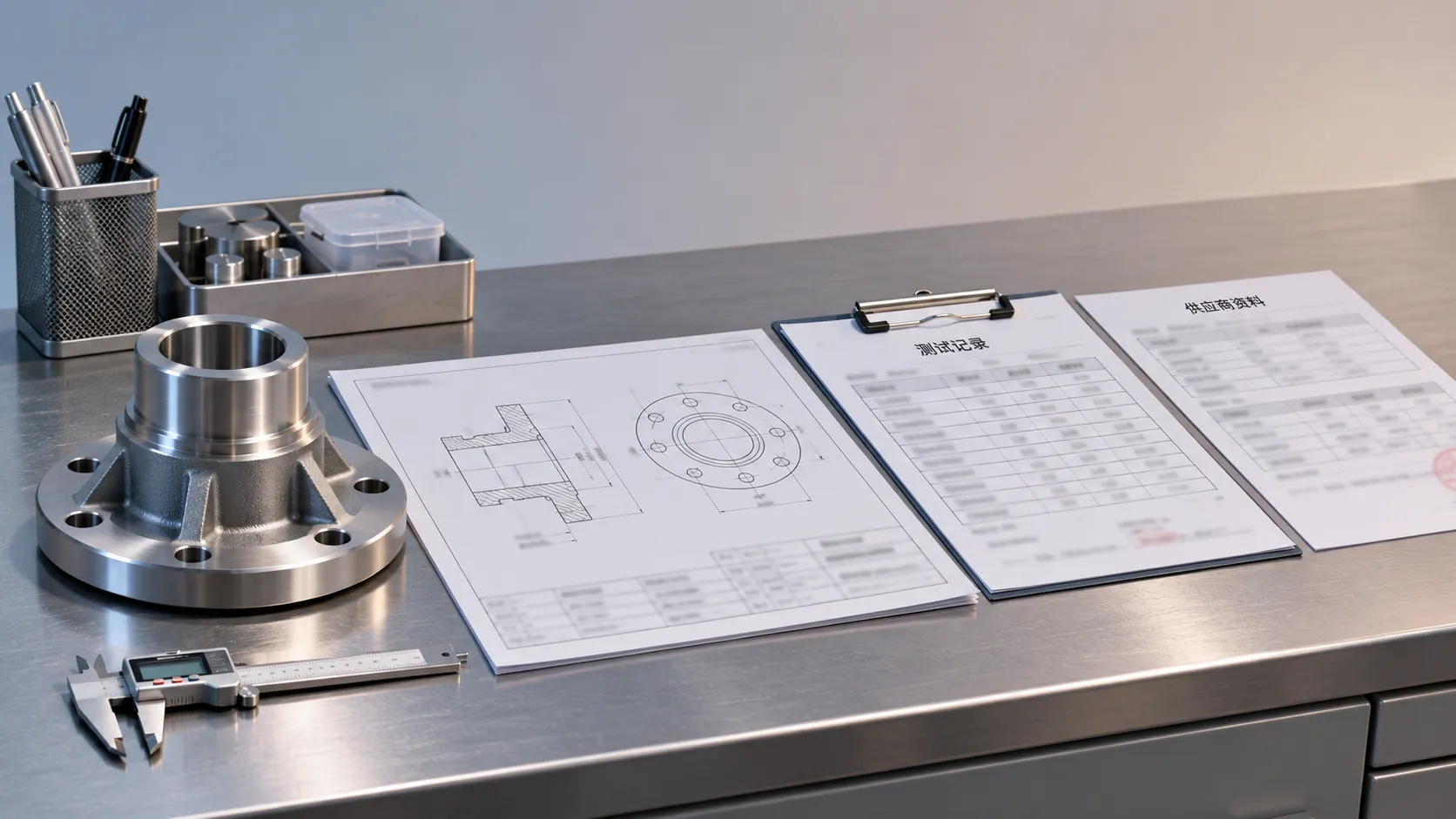
Evaluating Supplier Solutions: How to Verify References and Standards
Supplier solution references and standards can make or break a sourcing decision. Learn how to verify claims, assess compliance, and reduce risk before awarding a contract.
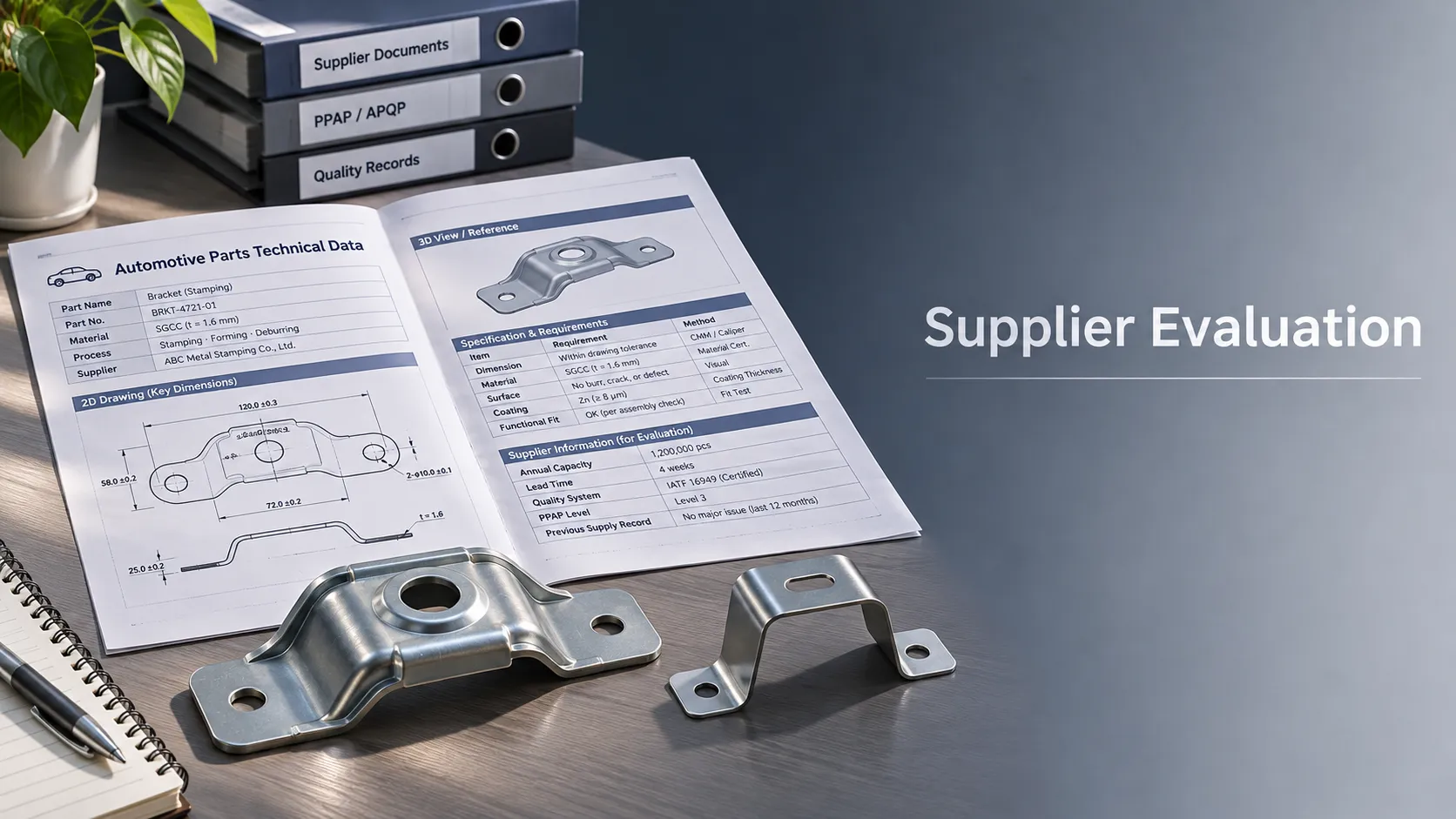
Choosing B2B Product Knowledge Platform Suppliers: Key Evaluation Criteria
Compare B2B product knowledge platform suppliers with confidence. Explore key criteria for data accuracy, supplier transparency, integrations, and value.
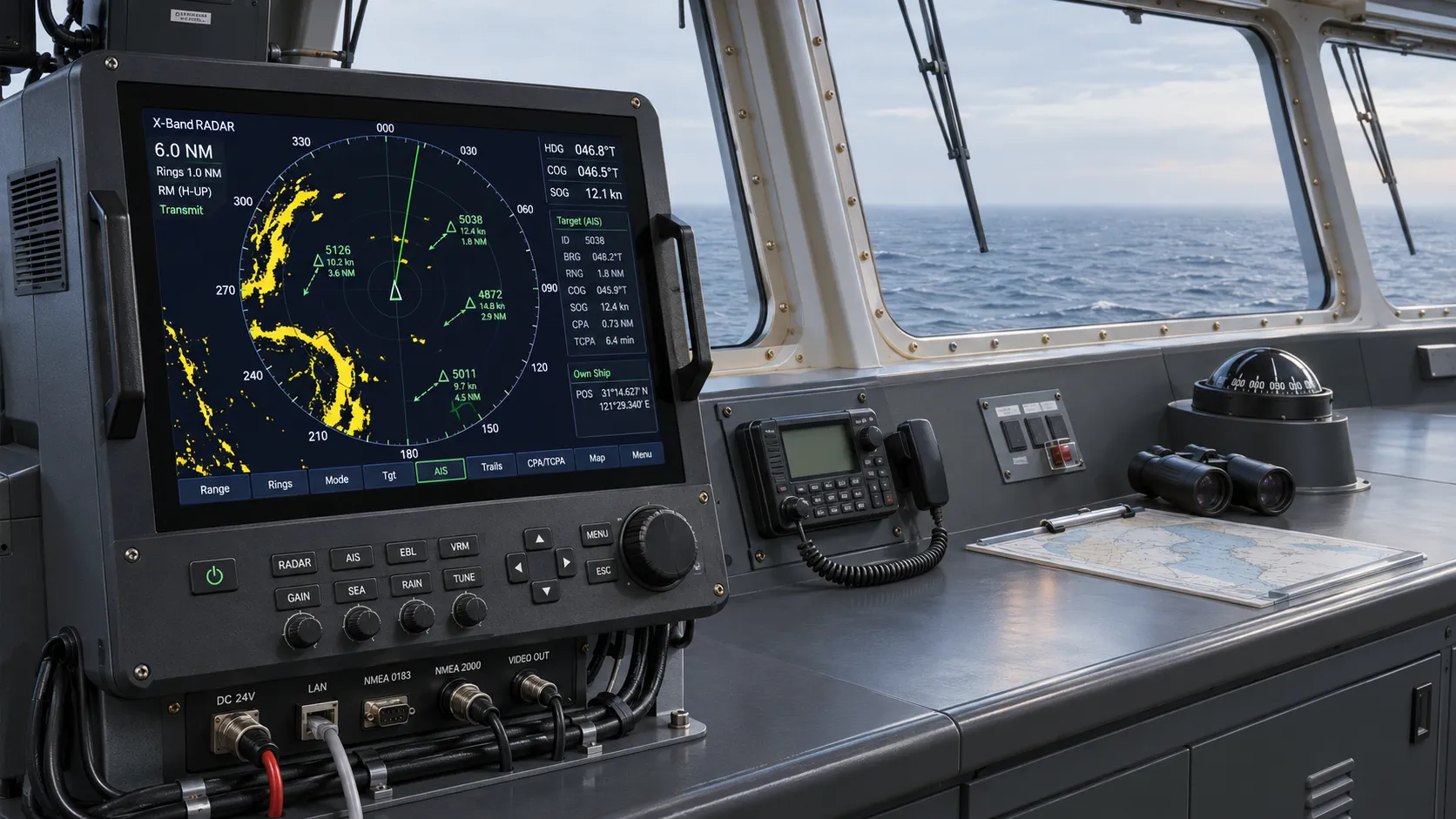
Choosing a Marine Radar Systems Supplier: What to Check Before Buying
Choosing a marine radar systems supplier? Compare installed costs, bridge compatibility, compliance evidence, and service support before you buy.
Related News
- 00
0000-00
When lightweight body panels can reduce vehicle mass without trade-offs - 00
0000-00
Which exterior body panel materials resist dents in daily driving - 00
0000-00
Do aluminum body panels justify their higher repair costs than steel - 00
0000-00
How a car aluminum body changes corrosion risk in coastal climates - 00
0000-00
What repair shops need to know before welding an aluminium car body
0000-00
Weekly Insights
Stay ahead with our curated technology reports delivered every Monday.