
How a car aluminum body changes corrosion risk in coastal climates
How a Car Aluminum Body Changes Corrosion Risk in Coastal Climates
A car aluminum body is not automatically vulnerable near the sea, but it faces different corrosion mechanisms than conventional steel-bodied vehicles.
For coastal drivers, the key issue is not whether aluminum can rust. It cannot form red iron oxide, yet it can corrode.
Salt spray, humidity, road brine, and long periods of trapped moisture can attack unprotected aluminum surfaces, joints, fasteners, and coatings.
The practical conclusion is reassuring: a well-designed car aluminum body can perform very well in coastal climates when maintenance targets vulnerable connection points.
Why Coastal Air Creates a More Demanding Environment
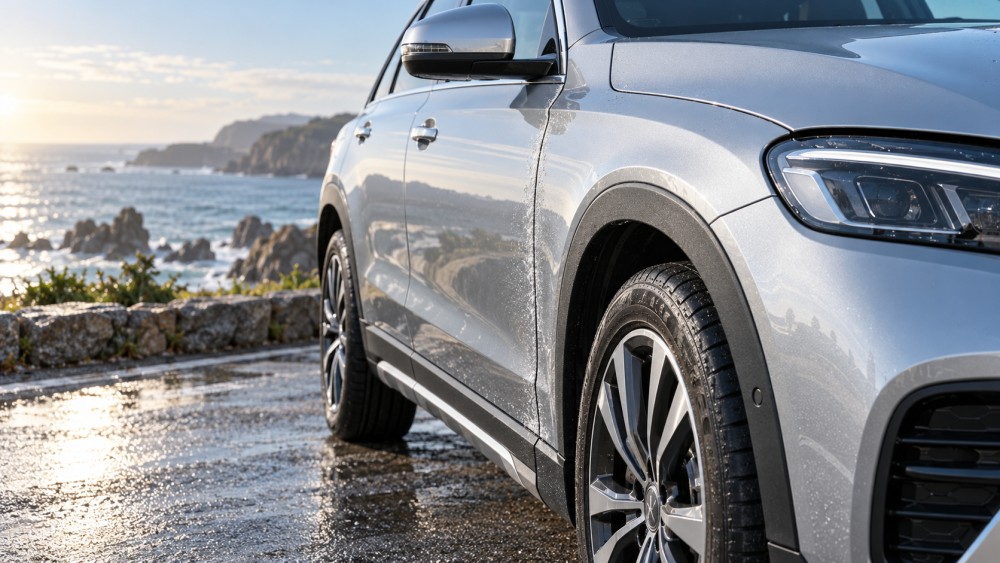
Coastal climates combine airborne salt particles, wet roads, high humidity, temperature swings, and strong ultraviolet exposure that gradually challenge vehicle materials.
Salt is especially important because chloride ions make moisture more electrically conductive, allowing corrosion reactions to develop faster around damaged protective layers.
Sea air does not need to visibly coat a vehicle with salt before damage begins. Fine salt deposits can settle in seams.
Morning condensation can dissolve those deposits, creating a thin electrolyte layer that remains active even when a vehicle appears dry.
Cars parked near beaches, marinas, ferry terminals, or coastal highways usually face greater exposure than vehicles driven occasionally near the shore.
Wind direction matters too. A home several kilometers inland may still receive salt-laden air during persistent onshore weather patterns.
Winter coastal driving can raise risk further where de-icing salts are used, because underbody surfaces may receive repeated concentrated salt exposure.
For consumers, coastal corrosion risk depends more on exposure habits, parking conditions, drainage, and cleaning routines than on body material alone.
A car aluminum body therefore should be assessed as part of a complete vehicle system, including coatings, adhesives, fasteners, and underbody protection.
Aluminum Does Not Rust, but It Can Still Corrode
Steel corrosion often produces familiar reddish-brown rust that can expand, flake, and eventually weaken panels or structural components over time.
Aluminum behaves differently. When exposed to oxygen, it naturally forms a thin oxide layer that helps slow further surface attack.
This oxide film gives aluminum an important advantage, particularly on intact painted panels that are regularly washed and allowed to dry.
However, chloride salts can disrupt the protective oxide layer, especially where paint chips, scratches, crevices, or poor drainage retain moisture.
Instead of red rust, aluminum corrosion may appear as white powdery deposits, dull areas, bubbling paint, pitting, or swelling near seams.
Pitting is a localized form of corrosion that creates small cavities. It may remain hidden beneath paint before becoming visually obvious.
Most owners will notice cosmetic symptoms before structural consequences, because modern aluminum body panels receive multiple protective coating layers at the factory.
Still, cosmetic corrosion should not be ignored. It can expose more metal, undermine paint adhesion, and reduce appearance and resale value.
The important distinction is simple: aluminum resists corrosion well, but it is not maintenance-free in salt-rich coastal conditions.
Where a Car Aluminum Body Is Most Likely to Develop Problems
Large, open aluminum panels are usually not the highest-risk areas. Water retention and material transitions create the more important inspection points.
Door edges, hood hems, trunk seams, rocker areas, wheel arches, and lower tailgates can collect moisture, dirt, and salt deposits.
Drainage channels deserve attention because blocked drains allow water to remain inside doors, sunroof rails, hatch openings, and body cavities.
Paint chips from gravel are another concern. Coastal sand and road debris can damage coatings along the front bumper, hood, and wheel openings.
Underbody shields can protect components, but they may also trap wet debris if damaged, loose, or packed with sand and leaves.
Battery compartments, charging-port areas, and electrical ground locations require careful engineering because moisture and dissimilar materials can create localized issues.
Pickup beds, roof rails, tow points, and accessory mounting locations may need extra attention when aftermarket hardware penetrates factory protective coatings.
Vehicles used for boat towing can experience higher exposure because ramps, marina roads, saltwater spray, and wet equipment concentrate contamination underneath.
When examining a used vehicle, buyers should inspect these areas rather than judging corrosion risk solely from the visible condition of exterior panels.
Galvanic Corrosion Is the Main Material-Compatibility Concern
Galvanic corrosion occurs when aluminum contacts a more noble metal, such as steel, in the presence of an electrically conductive liquid.
Saltwater is highly conductive, which is why coastal exposure makes poorly isolated metal connections more important than in dry inland environments.
In this situation, aluminum can become the less protected side of an electrochemical pair and corrode faster near the contact area.
Modern vehicle manufacturers address this risk using sealants, primers, adhesive bonding, coated fasteners, isolating washers, and carefully controlled assembly methods.
A properly engineered aluminum-intensive vehicle does not simply place bare aluminum directly against untreated steel and leave the joint exposed.
Problems are more likely after collision repairs, improper accessory installation, missing fasteners, damaged sealant, or replacement parts that lack original coatings.
For example, drilling into an aluminum panel to install roof equipment can create exposed edges and water paths without proper corrosion treatment.
Body repairs should therefore be performed by technicians trained in aluminum repair procedures, not only conventional steel panel work.
Ask a repair facility whether it follows the manufacturer’s corrosion-protection steps, including isolation materials, approved fasteners, sealing, and refinishing procedures.
Does an Aluminum Body Improve or Reduce Long-Term Coastal Durability?
For many owners, an aluminum body can offer strong long-term durability because it avoids the expanding red rust commonly associated with exposed steel.
Aluminum panels are often lighter, which can improve fuel economy, electric driving range, handling balance, payload, or crash-energy management depending on the vehicle.
Those benefits do not disappear in coastal regions. In fact, aluminum’s natural oxide layer can provide meaningful protection under normal ownership conditions.
However, aluminum corrosion tends to be less familiar to consumers, making early warning signs easier to overlook than conventional steel rust.
Repair costs can also be higher after damage because aluminum may require dedicated tools, cleaner work areas, and technician-specific training.
That does not mean aluminum vehicles are poor coastal choices. It means condition, repair quality, and ongoing care matter more than simplistic material comparisons.
A well-maintained aluminum vehicle may outlast a neglected steel vehicle in the same seaside location, particularly when drainage and paint remain intact.
Conversely, a premium aluminum body can develop avoidable corrosion issues if salt deposits remain in seams or collision repairs compromise protective barriers.
Consumers should treat body material as one durability factor, alongside manufacturer design quality, warranty terms, local climate, and ownership habits.
How Coastal Drivers Should Protect an Aluminum Vehicle
Regular fresh-water washing is the most practical corrosion-control measure for coastal owners, especially after storms, beach trips, or driving on salted roads.
Wash the underbody as well as the painted exterior. Salt accumulates around suspension components, wheel wells, brake lines, fasteners, and lower body seams.
A pressure washer can help, but excessive force should not be aimed directly at damaged seals, electrical connectors, or vulnerable trim gaps.
Use a touchless undercarriage wash where available, then allow the vehicle to dry rather than immediately storing it in a damp enclosed space.
Inspect drain holes periodically. Clear leaves, sand, and debris from cowl areas, door drains, sunroof channels, and hatch openings when accessible.
Repair paint chips promptly with manufacturer-matched touch-up materials or professional refinishing, particularly where bare aluminum is visible after impact damage.
Protective film can be useful on high-impact zones such as hood edges, rocker panels, lower doors, and rear wheel arch areas.
A quality wax, sealant, or ceramic coating can support exterior paint care, although it cannot replace cleaning trapped salt from seams and underbody areas.
Owners should avoid applying unverified underbody products over existing dirt or moisture, because a trapped contaminant layer can worsen hidden corrosion.
What to Check Before Buying a Used Aluminum-Bodied Car Near the Coast
Used-car buyers should begin with the vehicle history report, looking for accidents, flood exposure, repeated body repairs, and changes in ownership location.
A coastal registration history is not a reason to reject a car. It is a reason to inspect it more carefully.
Look closely at panel edges, door bottoms, hood seams, trunk openings, wheel arches, and lower body sections for bubbling paint or white deposits.
Examine the underside with adequate lighting. Focus on subframes, suspension mounts, fasteners, brake hardware, shields, and attachment points between materials.
Surface oxidation on some components may be normal, but extensive flaking coatings, swollen seams, corroded fasteners, or damaged undertrays deserve professional review.
Pay attention to uneven panel gaps, mismatched paint texture, overspray, or missing labels, since these may indicate repairs that require closer corrosion assessment.
Ask whether accident repairs were completed at a manufacturer-certified aluminum repair center, especially for vehicles with aluminum-intensive structures or panels.
An independent pre-purchase inspection is worthwhile when the vehicle has lived near the coast, has been used for towing, or shows repair history.
The inspection cost is modest compared with discovering concealed corrosion, compromised sealants, or poor-quality collision work after purchase.
When to Seek Professional Inspection or Repair
Schedule a professional inspection when paint begins bubbling near seams, white residue appears repeatedly, or corrosion seems to spread beneath an intact coating.
Also seek help after a curb strike, collision, flood event, deep scratch, or accessory installation that may have disturbed protective layers.
Do not assume a small defect is only cosmetic when it occurs beside a fastener, bonded joint, structural seam, or mixed-metal connection.
Technicians can assess whether the issue involves surface finish damage, drainage failure, galvanic corrosion, trapped moisture, or a more serious structural concern.
Early repair may involve cleaning, corrosion treatment, seam resealing, refinishing, replacing a fastener, or restoring a damaged protective barrier.
Delaying attention can increase repair complexity because corrosion products may spread beneath paint and compromise the adhesion of surrounding coatings.
For electric vehicles, have charging areas and underbody protection checked by qualified technicians after significant saltwater exposure or underbody impact.
Never rely on appearance alone after floodwater contact. Saltwater can affect electrical systems, connectors, restraints, sensors, and hidden body cavities.
The Bottom Line for Coastal Car Owners
A car aluminum body can be a sensible, durable choice for coastal climates, provided owners understand that corrosion resistance is not corrosion immunity.
Aluminum avoids traditional red rust, but salt and moisture can still cause pitting, paint blistering, and galvanic corrosion around vulnerable joints.
The highest-risk locations are rarely broad exterior panels. They are seams, drains, fasteners, repaired sections, underbody areas, and mixed-metal connections.
Routine underbody washing, prompt paint repair, clear drainage paths, and qualified collision repairs are the actions that protect long-term value most effectively.
For buyers, coastal history should trigger a better inspection rather than an automatic rejection. A well-maintained aluminum vehicle can remain an excellent investment.
Ultimately, the best protection comes from combining a well-engineered vehicle with practical ownership habits that keep salt, moisture, and damaged coatings under control.
Related News

How to Evaluate Supplier Solution References Before Signing a Contract
Evaluate supplier solution references with confidence. Learn how to verify technical evidence, identify delivery risks, and close gaps before signing a contract.
How Capacitive Seat Occupancy Sensing Works in Automotive Airbag Systems
Discover how capacitive seat occupancy sensing supports automotive airbag systems, and explore the design, calibration, and validation challenges behind reliable performance.
Industrial Product References: How to Verify Specs Before Ordering
Use an industrial product reference for procurement to verify specs, compatibility, and certifications before ordering—and reduce costly purchasing risks.
Choosing a Private Label Partner in Europe: Key Supplier Criteria
Private label cooperation Europe buyers can trust starts with the right supplier. Explore key criteria for compliance, quality, traceability and supply resilience.

Integrated Cabin Comfort Systems: How Seat and Cabin Climate Controls Work Together
Discover how integrated cabin comfort systems coordinate seat and climate controls to balance occupant comfort, energy use, safety, and performance.
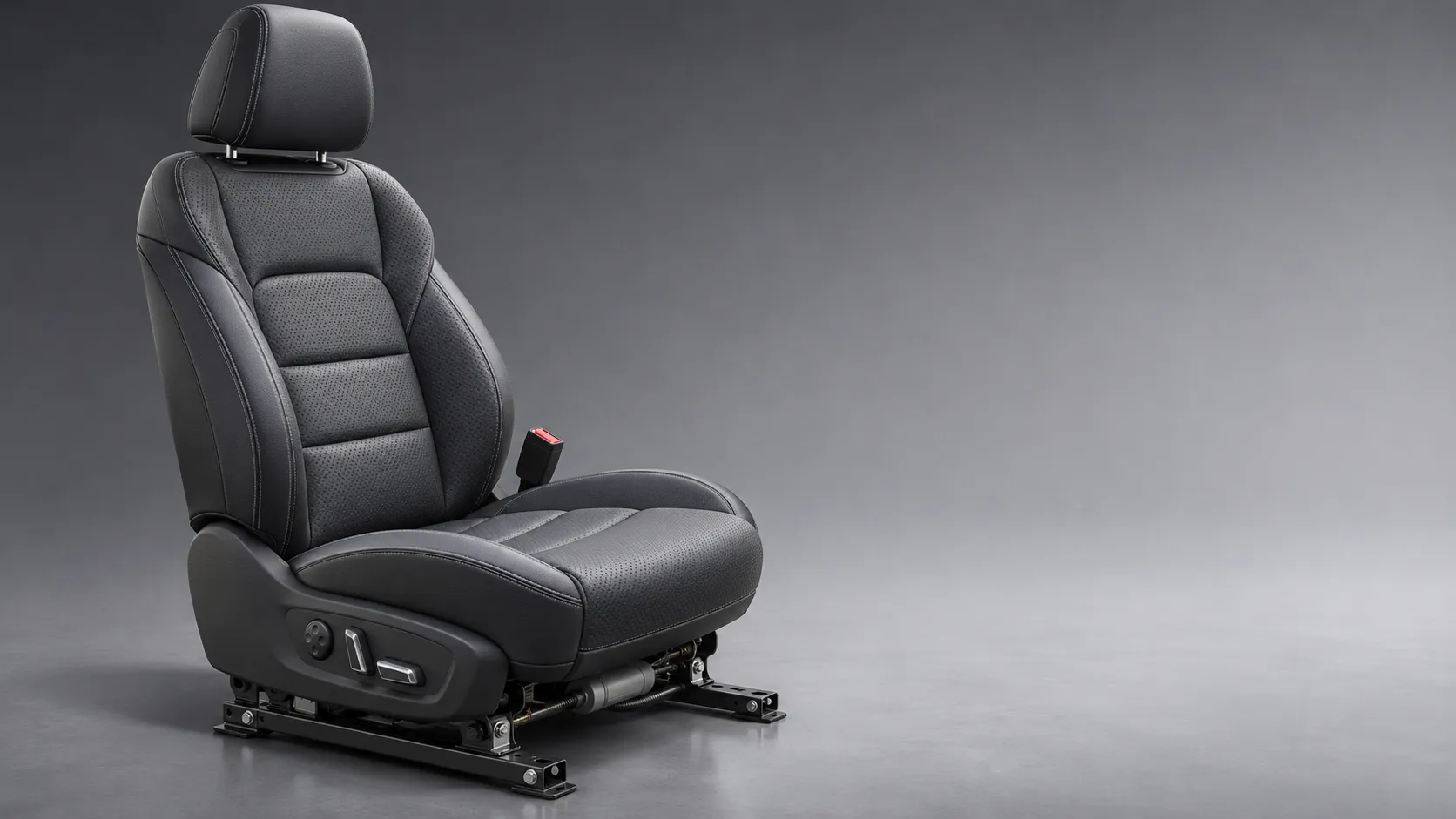
Automotive Ergonomics Pricing: What Drives Seat System Costs?
Discover what drives automotive ergonomics pricing, from seat mechanisms and safety systems to tooling and volume, and learn how to compare supplier quotes.
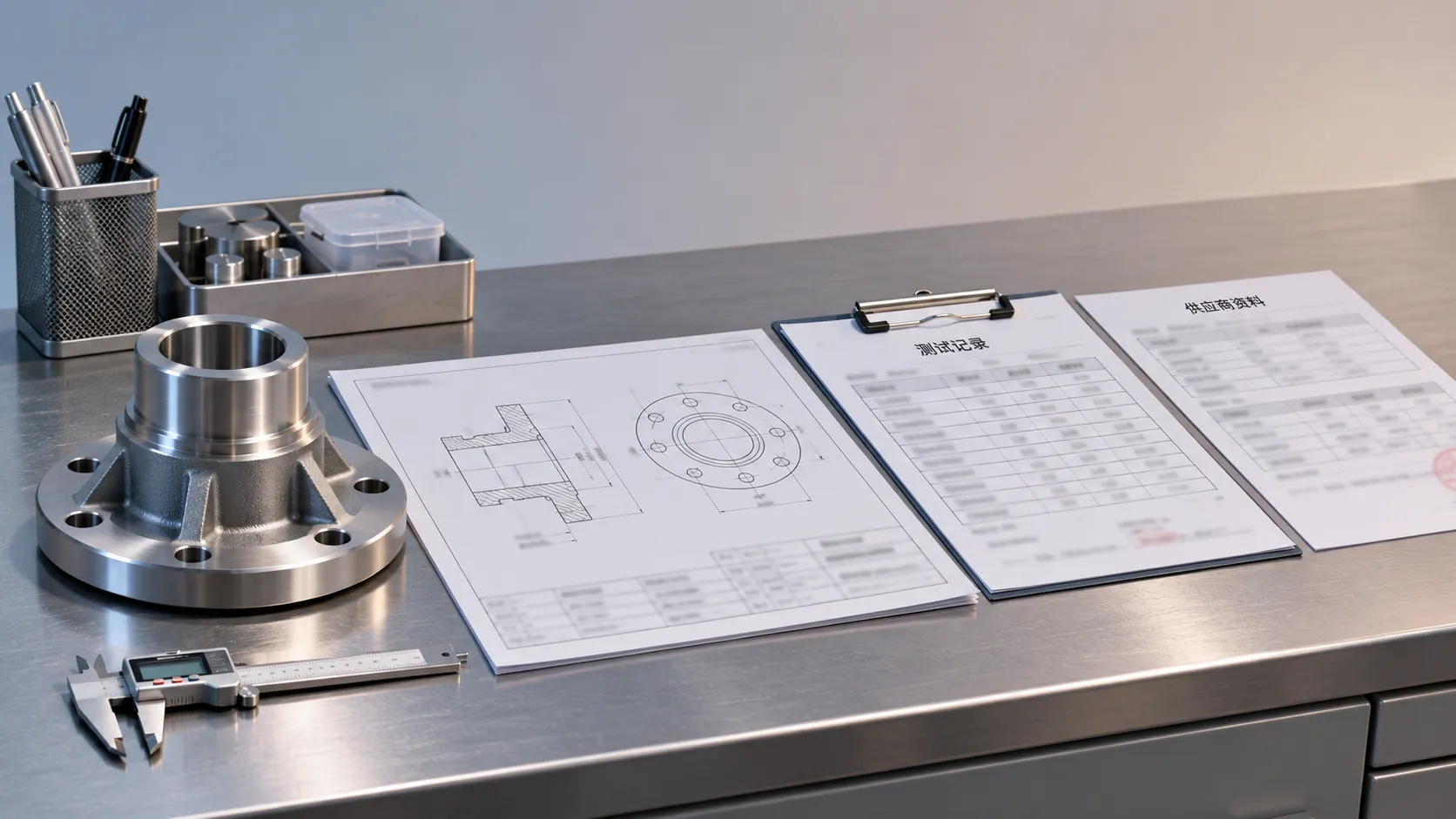
Evaluating Supplier Solutions: How to Verify References and Standards
Supplier solution references and standards can make or break a sourcing decision. Learn how to verify claims, assess compliance, and reduce risk before awarding a contract.
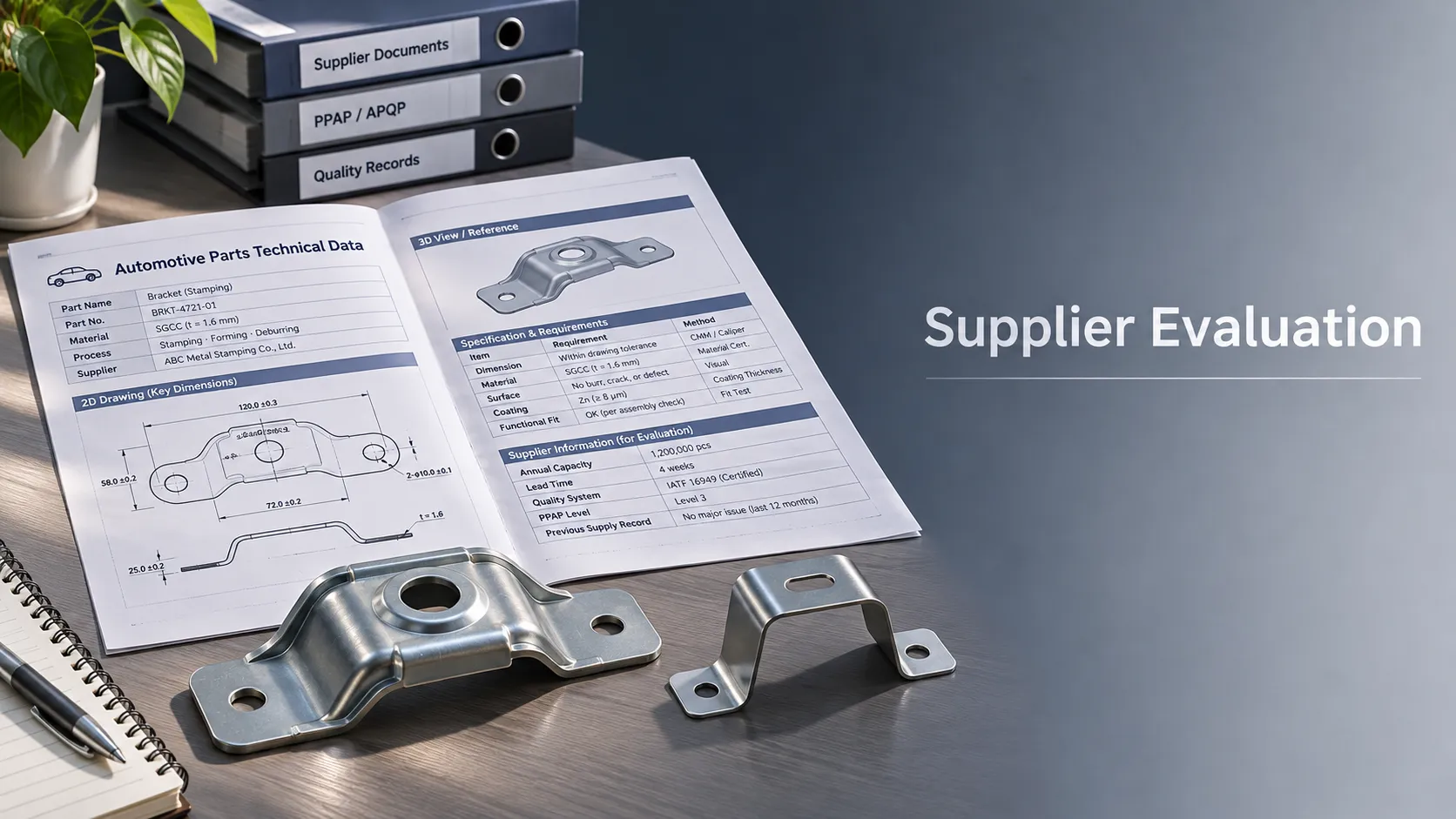
Choosing B2B Product Knowledge Platform Suppliers: Key Evaluation Criteria
Compare B2B product knowledge platform suppliers with confidence. Explore key criteria for data accuracy, supplier transparency, integrations, and value.
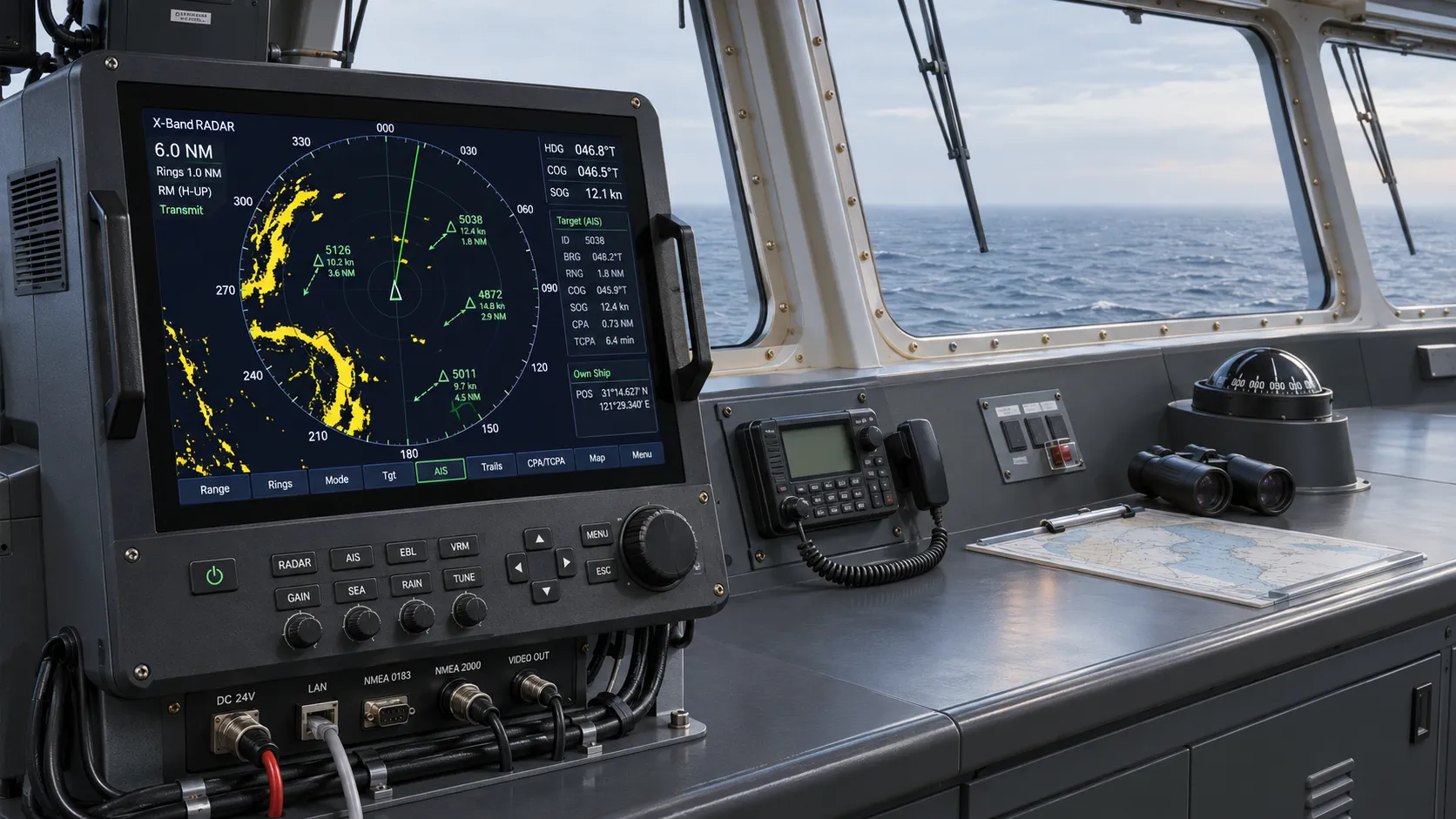
Choosing a Marine Radar Systems Supplier: What to Check Before Buying
Choosing a marine radar systems supplier? Compare installed costs, bridge compatibility, compliance evidence, and service support before you buy.
Related News
- 00
0000-00
When lightweight body panels can reduce vehicle mass without trade-offs - 00
0000-00
Which exterior body panel materials resist dents in daily driving - 00
0000-00
Do aluminum body panels justify their higher repair costs than steel - 00
0000-00
How a car aluminum body changes corrosion risk in coastal climates - 00
0000-00
What repair shops need to know before welding an aluminium car body
0000-00
Weekly Insights
Stay ahead with our curated technology reports delivered every Monday.