
Which exterior body panel materials resist dents in daily driving
A body panel’s resistance to everyday dents is not determined by material strength alone. The best-performing panels combine a material that resists permanent deformation with enough thickness, well-designed surface curvature, and reinforcement behind vulnerable areas. For daily hazards such as shopping carts, careless door openings, loose stones, and low-speed parking contact, conventional steel—especially on properly supported doors and fenders—remains one of the most forgiving and repairable choices. Aluminum saves weight but can be less tolerant of sharp localized impacts. Composite panels can avoid conventional dents altogether, yet may crack, chip, or require replacement rather than simple reshaping.
That distinction matters when comparing exterior body panel materials. A panel that does not show a shallow dent after impact is not automatically cheaper or easier to own. It may be more difficult to repair, more sensitive to paint damage, or more expensive to replace. The practical question is therefore not “which material is strongest?” but “which material best handles the type of damage this vehicle is likely to encounter, at an acceptable repair cost?”
What “dent resistant” actually means in daily driving
A dent occurs when impact energy pushes a panel past its elastic limit: the metal bends and does not fully return to its original form. Materials with higher yield strength generally resist that permanent deformation better, but a vehicle body is more complicated than a flat sheet of material.
A small steel panel with a strong character line, internal bracing, and modest sheet thickness can resist a parking-lot ding better than a larger, flatter panel made from a theoretically stronger alloy. A hood is especially revealing: wide, thin, lightly supported areas can deform from pressure or falling debris more easily than a compact door skin with reinforcement behind it.
Four factors shape real-world dent performance:
- Impact type: A broad push from a hand or a soft object is very different from a concentrated strike from a door edge, shopping-cart corner, or stone.
- Panel geometry: Curves, swage lines, folded edges, and stiffening ribs reduce flexing. Large flat surfaces are inherently more vulnerable.
- Support structure: A skin bonded or braced close to its rear surface resists deformation more effectively than one spanning a large unsupported cavity.
- Paint and coating behavior: A panel can spring back without visibly denting but still suffer chipped paint, cracked clearcoat, or coating damage at the impact point.
That is why material labels on a specification sheet should be treated as a starting point, not a complete durability verdict.
Steel: still the most balanced choice for daily-use bodywork
Steel is not a single material category. Exterior panels may use mild steel, high-strength low-alloy steel, bake-hardenable steel, or other grades selected for formability, surface quality, stiffness, and crash integration. For consumers, the important result is that steel panels can provide a strong balance of dent resistance, repairability, corrosion protection, and replacement cost.
Traditional mild steel is relatively ductile. It can dent under a sharp impact, but it also allows skilled repair methods such as paintless dent repair when the paint remains intact and rear-side access is available. Its behavior is familiar to body shops, and refinishing procedures are broadly established.
Higher-strength steel can improve resistance to shallow deformation, particularly where manufacturers use it with appropriate thickness and panel design. However, “high-strength” does not guarantee that every visible exterior panel will be harder to dent. Vehicle makers use different steel grades in different locations, and some high-strength steels are primarily chosen for structural reinforcement rather than outer skins.
For an owner concerned about ordinary door dings and modest parking damage, a steel door, fender, or quarter panel is often the least complicated ownership proposition. It may still dent, especially at a sharp body line or unsupported center section, but it is generally repairable without turning a minor event into a panel-replacement decision.
Steel’s main disadvantage is mass. Heavier panels can work against fuel economy or electric-vehicle range targets, which is one reason manufacturers use aluminum and mixed-material body structures. Yet weight reduction does not automatically improve everyday damage tolerance.
Aluminum: lighter, corrosion-resistant, but not automatically dent-proof
Aluminum exterior panels are common on hoods, liftgates, fenders, doors, and, in some vehicles, complete body structures. Aluminum alloys offer an important weight advantage and naturally develop an oxide layer that helps resist corrosion. These are meaningful benefits, especially on larger panels where reducing mass can improve vehicle efficiency and handling response.
In routine impacts, however, aluminum has a more nuanced reputation. Aluminum is less dense than steel and typically needs different thicknesses, alloy selection, tempering, and panel geometry to achieve the required stiffness. A well-engineered aluminum hood can be very stiff in normal use. But a localized impact can leave a sharp crease or stretched area that is more difficult to restore than a comparable gentle dent in steel.
Repair is the key ownership issue. Aluminum work requires clean, separate tools and controlled processes to avoid cross-contamination with steel particles, which can contribute to corrosion. Repair shops also need suitable welding, bonding, riveting, pulling, and refinishing capability for the specific construction. Not every collision-repair facility is equipped for every aluminum repair procedure.
This does not mean an aluminum panel should be avoided. A buyer choosing between otherwise suitable vehicles should simply recognize the trade-off:
- Aluminum generally offers lower weight and strong corrosion resistance.
- It can resist broad flexing well when properly designed.
- Sharp dents and creases can be more difficult and costly to repair.
- Damage estimates may rise if the panel design, access limitations, or manufacturer procedure calls for replacement.
For vehicles that spend much of their time in crowded urban parking, repair-network availability can be as relevant as material choice. The nearest qualified repair option matters more after damage occurs than the theoretical advantage of a lighter panel.
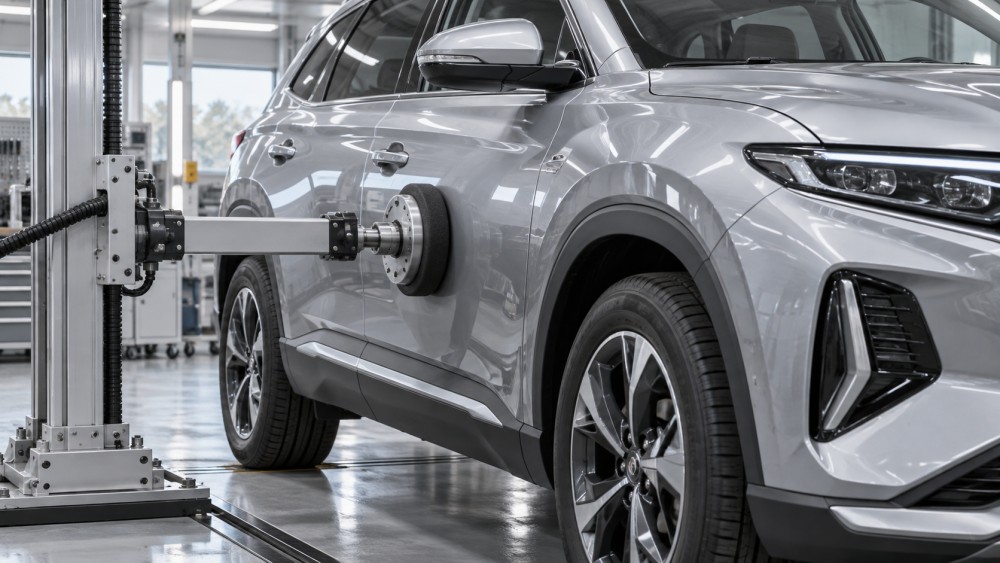
High-strength steel is not the same as “dent-proof steel”
Marketing descriptions often group advanced steels under phrases such as high-strength, ultra-high-strength, or hot-stamped steel. These materials are essential to modern crash structures because they can manage intrusion and energy pathways with less mass than older designs. Their use in safety-critical pillars, roof rails, reinforcements, and rails should not be confused with their use in outer body skins.
Hot-stamped steel, for example, is usually associated with structural components rather than easily visible door or hood surfaces. It improves occupant-cell integrity in severe crashes; it is not a feature chosen chiefly to prevent shopping-cart dents. A vehicle can have extensive advanced high-strength steel in its body-in-white while still using conventional steel or aluminum for its exterior closure panels.
When assessing dent resistance, asking whether the hood, front fenders, outer door skins, liftgate, and quarter panels are steel, aluminum, or composite is more useful than relying on a broad statement about the vehicle’s “high-strength steel body.”
Composites and reinforced plastics: no conventional dents, different damage risks
Composite panels and reinforced plastic components include sheet-molding compound, glass-fiber-reinforced plastic, carbon-fiber-reinforced plastic, and various thermoplastic systems. They are often used for bumpers, fenders, tailgates, roof panels, body cladding, sports-car panels, and specialty applications.
Many of these materials do not dent in the way metal does. A flexible thermoplastic bumper cover may deform during a light impact and recover its shape. A composite panel may remain visually flat after an incident that would leave a metal panel dented. This can make composites attractive in areas vulnerable to low-speed contact.
But “no dent” should not be mistaken for “no damage.” A rigid composite may crack, delaminate, split near a mounting point, or sustain damage beneath the painted surface. Carbon fiber is particularly stiff and lightweight, but repair evaluation can be more specialized because visible surface condition does not always reveal the full extent of damage to the laminate. In some cases, replacement is the recommended repair route.
Plastic bumper covers deserve separate treatment. They are designed to manage minor contact cosmetically and are not comparable to structural bumper beams behind them. A cover that rebounds after a light brush can still conceal broken retainers, distorted brackets, damaged sensors, or paint scuffing. For daily parking impacts, a durable unpainted lower cladding section can be more practical than a painted body-color panel, regardless of what material lies underneath.
Carbon fiber has impressive strength, but it is rarely the practical answer
Carbon-fiber panels are often associated with premium performance vehicles because they can provide exceptional stiffness for low weight. Their presence does not make a vehicle automatically better suited to routine urban abuse. Carbon fiber does not yield like steel; it can crack or fracture under a concentrated strike. Repair requires specialized assessment and controlled procedures, and replacement parts can be costly.
For avoiding cosmetic damage in daily driving, carbon fiber is usually a performance-led material choice rather than a cost-effective dent-resistance choice. A well-made steel or aluminum panel protected by sensible parking habits and paint protection measures may be easier to live with after minor incidents.
Material rankings change with the kind of impact
A simple ranking of materials can mislead because parking-lot damage, stone strikes, hail, and curbside contact do not load a panel in the same way.
Where panel design matters more than the material label
Exterior panels are styled surfaces, closures, and protective shells; they are not all built to the same stiffness target. A hood is designed to meet pedestrian-impact and packaging requirements as well as aerodynamic and visual demands. Doors must accommodate window mechanisms, side-impact structures, seals, speakers, wiring, and trim. A front fender is often less structurally supported than a quarter panel. These design differences explain why a vehicle may have a very solid-feeling door but a hood that flexes noticeably under gentle pressure.
Look closely at the locations most likely to be damaged. Large flat hood areas, broad door centers, the upper edge of rear quarter panels, and liftgates can be more exposed than strongly contoured sections. Prominent creases add stiffness but can be difficult to restore cleanly if they are struck directly. A sharply sculpted aluminum panel may look robust yet become expensive after a localized crease because restoring the original surface geometry is demanding.
Panel gaps and fit are not a direct measure of dent resistance, but they can reveal how a closure is supported and aligned. More useful is whether the vehicle has practical protective features: replaceable lower trim, durable wheel-arch cladding, recessed door surfaces, substantial side moldings, or bumper corners designed to take low-speed contact without transferring damage into painted metal.
A realistic way to compare vehicles before buying
Do not rely only on a brochure phrase such as “all-aluminum body” or “advanced steel construction.” Check the material of individual exterior panels through manufacturer specifications, repair manuals where publicly available, or reliable parts information. The hood, doors, fenders, liftgate, roof, and quarter panels may not use the same substrate.
Then consider where the vehicle will live. Tight apartment garages, street parking, school drop-off zones, narrow supermarket spaces, gravel roads, and frequent highway use create different damage patterns. A lightweight aluminum hood may be entirely reasonable for a vehicle kept in secure parking and driven mainly on open roads. A vehicle repeatedly exposed to crowded parking may benefit more from repairable steel outer panels, robust bumper covers, and protective cladding than from an ambitious lightweight-material strategy.
Before committing to a model with aluminum or composite exterior parts, obtain an insurance estimate using the exact trim and confirm which nearby repairers can handle its material mix. This is not an argument against advanced materials; it is a way to avoid treating a minor cosmetic event as an unexpected ownership-cost problem.
The most durable choice is usually a balanced one
For ordinary daily driving, steel remains the most broadly sensible exterior-panel material where dent resistance must be weighed against repair simplicity and cost. High-strength steel can enhance stiffness, but its presence in a vehicle does not automatically describe the outer panel you may damage. Aluminum is a credible lightweight alternative with excellent corrosion resistance, yet it deserves closer attention to repair access and likely repair cost. Composites and plastics can avoid visible metal dents, but cracking, paint damage, and replacement requirements create a different set of risks.
The better buying decision comes from judging the whole damage system: panel material, panel shape, protective trim, paint finish, repair availability, and the parking environment the vehicle will face. A body that resists dents is useful; a body that can also be repaired predictably after an unavoidable minor impact is usually more valuable over years of ownership.
Related News

How to Evaluate Supplier Solution References Before Signing a Contract
Evaluate supplier solution references with confidence. Learn how to verify technical evidence, identify delivery risks, and close gaps before signing a contract.
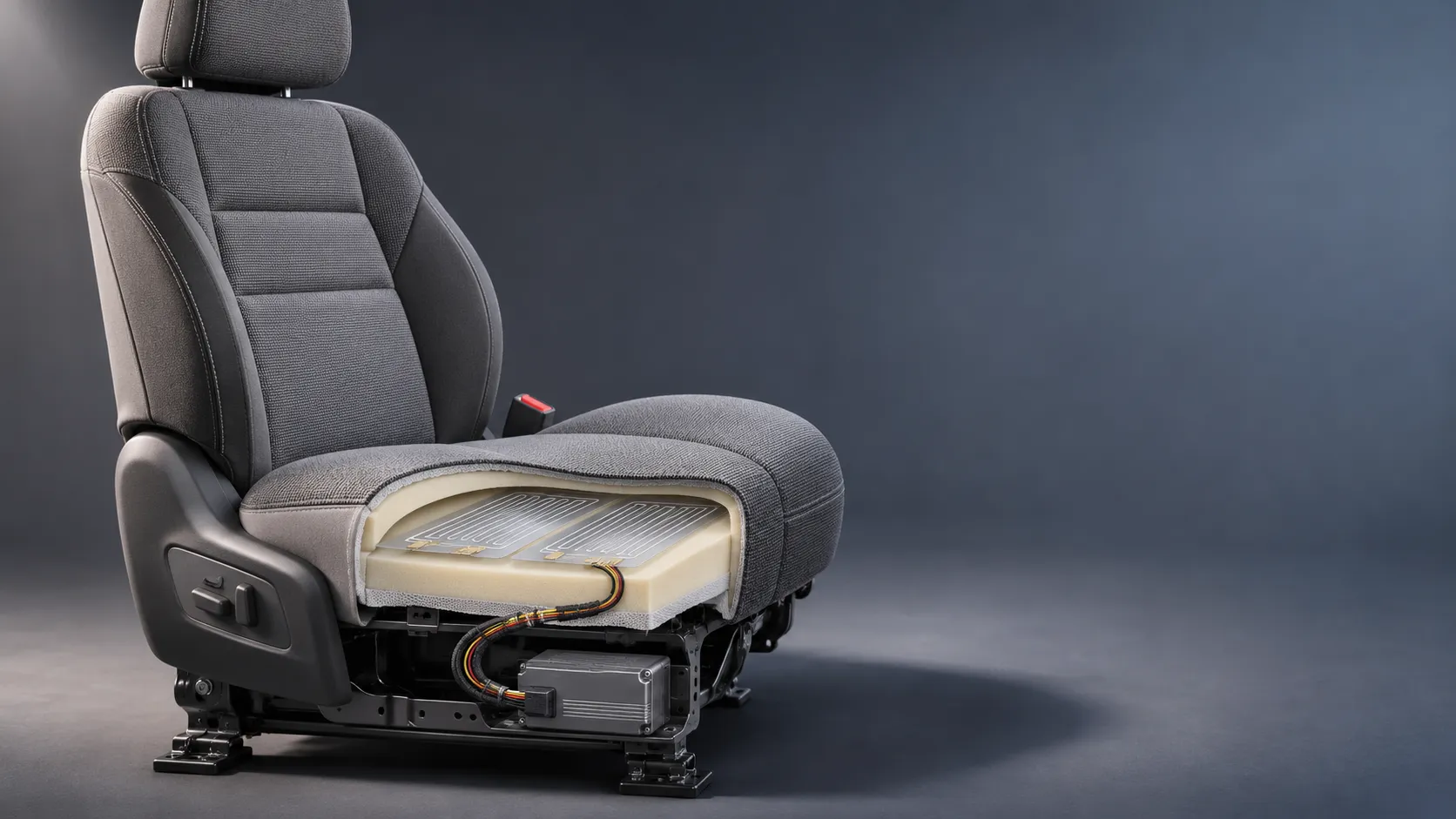
How Capacitive Seat Occupancy Sensing Works in Automotive Airbag Systems
Discover how capacitive seat occupancy sensing supports automotive airbag systems, and explore the design, calibration, and validation challenges behind reliable performance.
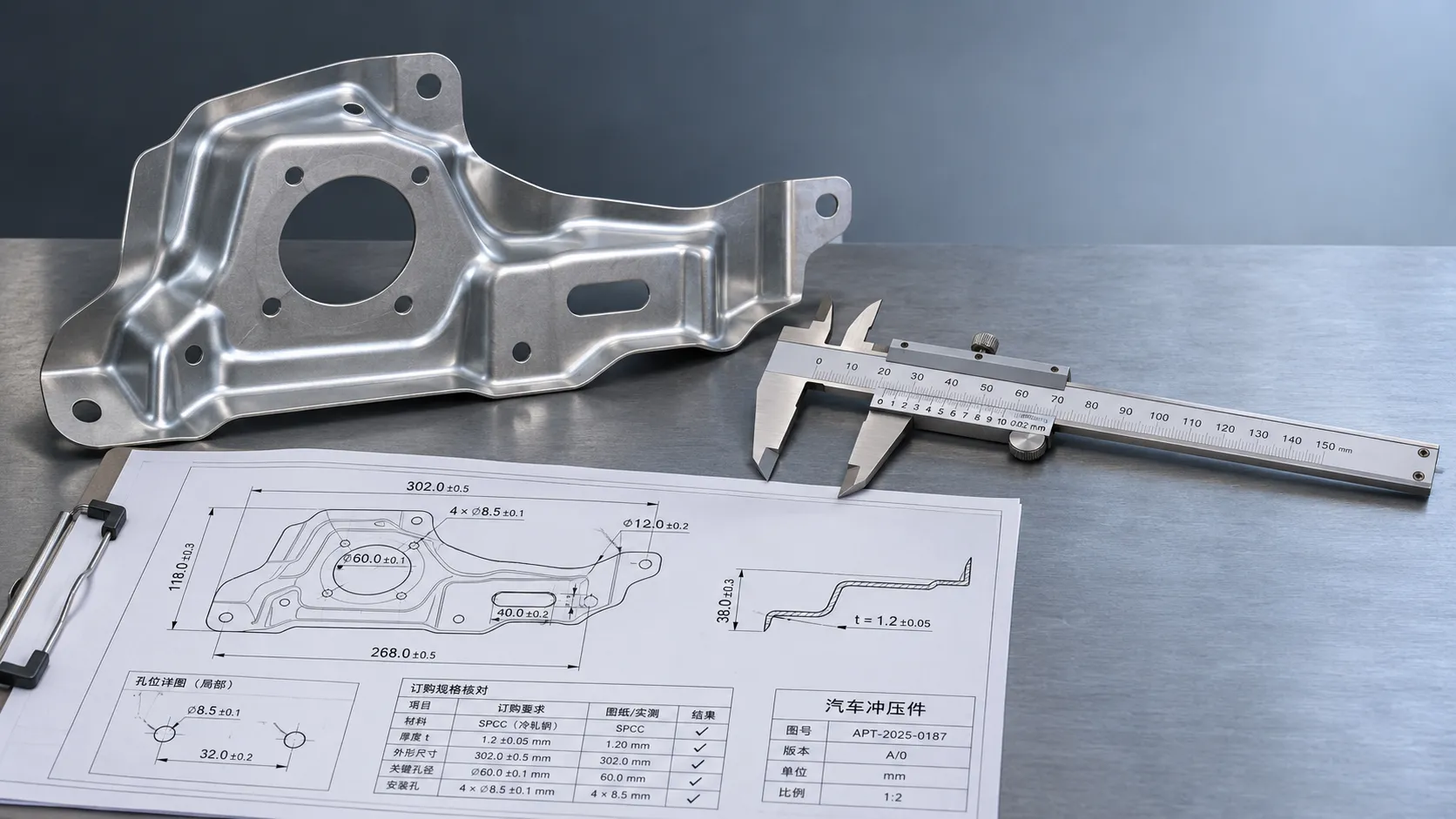
Industrial Product References: How to Verify Specs Before Ordering
Use an industrial product reference for procurement to verify specs, compatibility, and certifications before ordering—and reduce costly purchasing risks.
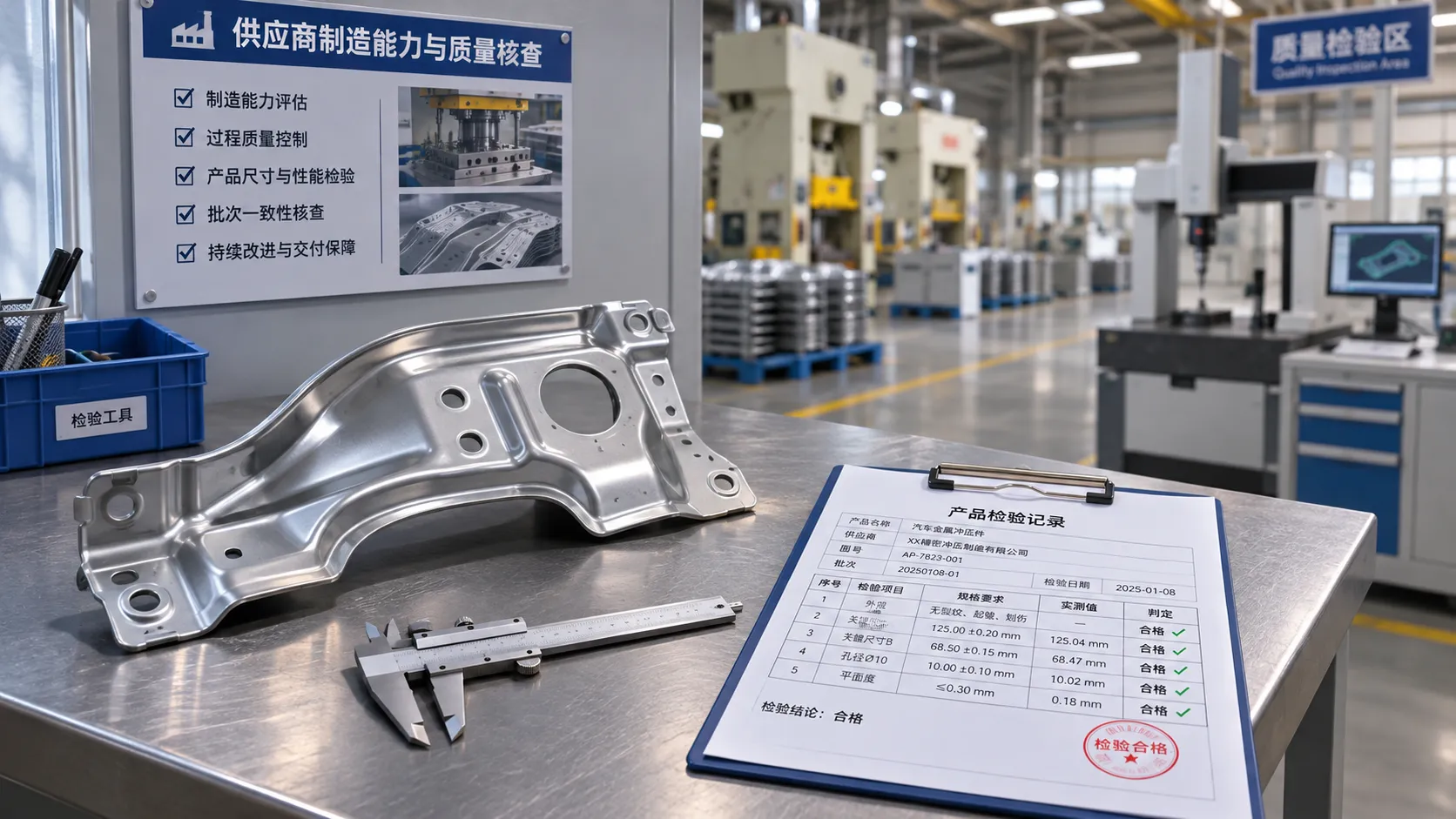
Choosing a Private Label Partner in Europe: Key Supplier Criteria
Private label cooperation Europe buyers can trust starts with the right supplier. Explore key criteria for compliance, quality, traceability and supply resilience.
Integrated Cabin Comfort Systems: How Seat and Cabin Climate Controls Work Together
Discover how integrated cabin comfort systems coordinate seat and climate controls to balance occupant comfort, energy use, safety, and performance.
Automotive Ergonomics Pricing: What Drives Seat System Costs?
Discover what drives automotive ergonomics pricing, from seat mechanisms and safety systems to tooling and volume, and learn how to compare supplier quotes.
Evaluating Supplier Solutions: How to Verify References and Standards
Supplier solution references and standards can make or break a sourcing decision. Learn how to verify claims, assess compliance, and reduce risk before awarding a contract.
Choosing B2B Product Knowledge Platform Suppliers: Key Evaluation Criteria
Compare B2B product knowledge platform suppliers with confidence. Explore key criteria for data accuracy, supplier transparency, integrations, and value.

Choosing a Marine Radar Systems Supplier: What to Check Before Buying
Choosing a marine radar systems supplier? Compare installed costs, bridge compatibility, compliance evidence, and service support before you buy.
Related News
- 00
0000-00
When lightweight body panels can reduce vehicle mass without trade-offs - 00
0000-00
Which exterior body panel materials resist dents in daily driving - 00
0000-00
Do aluminum body panels justify their higher repair costs than steel - 00
0000-00
How a car aluminum body changes corrosion risk in coastal climates - 00
0000-00
What repair shops need to know before welding an aluminium car body
0000-00
Weekly Insights
Stay ahead with our curated technology reports delivered every Monday.