
How crash energy-absorbing parts affect vehicle safety
For technical evaluators, understanding how crash energy-absorbing parts influence vehicle safety is essential to judging structural performance, compliance readiness, and occupant protection.
From hot-stamped body components to integrated passive safety systems, these parts govern how impact loads are redirected, slowed, and absorbed during a collision.
In the broader mobility equipment sector, crash energy-absorbing design affects certification outcomes, repair economics, lightweight targets, and real-world injury reduction.
This article explains where crash energy-absorbing parts matter most, how needs change by scenario, and what should be checked before making a safety judgment.
Why crash energy-absorbing performance changes by vehicle safety scenario
Crash energy-absorbing parts do not work in isolation. Their value depends on impact speed, overlap rate, body architecture, restraint timing, and occupant position.
A front longitudinal beam may perform well in a full-width crash but respond differently in a small-overlap impact.
The same is true for bumper beams, crash boxes, rocker reinforcements, door rings, seat structures, and steering column collapse mechanisms.
For GNCS-related sectors, this matters because lightweight body development and passive safety integration must be evaluated as one connected containment system.
Good crash energy-absorbing behavior means controlled deformation, stable load paths, and acceptable deceleration levels without premature structural collapse.
Scenario 1: In front-impact assessment, crash energy-absorbing parts decide load path stability
Front crashes remain the primary scenario for evaluating crash energy-absorbing effectiveness because they test how early structure manages high kinetic energy.
Typical parts include crash boxes, bumper reinforcements, front rails, dash cross-members, toe board reinforcements, and subframe attachments.
The key judgment point is whether energy is absorbed progressively instead of concentrating force into the passenger cell.
Technical review should examine folding mode consistency, joint integrity, intrusion control, and compatibility with airbag and seatbelt deployment timing.
If crash energy-absorbing members buckle too early, restraint systems face higher loads and injury metrics can worsen despite strong material grades.
What to check in front-impact safety reviews
- Whether rails collapse symmetrically under offset and full-width conditions
- Whether hot-stamped sections maintain cabin survival space
- Whether crash energy-absorbing parts trigger predictable deformation sequences
- Whether steering, pedal, and firewall intrusion stay within acceptable limits
Scenario 2: In side-impact and pole tests, localized crash energy-absorbing protection becomes critical
Side impacts offer less crush space, so crash energy-absorbing efficiency must be achieved within a very short deformation distance.
Important parts include door beams, B-pillar reinforcements, sill members, seat frames, side airbags, and trim energy absorbers.
The main evaluation question is not only strength. It is whether the structure spreads force laterally before intrusion reaches the torso zone.
Crash energy-absorbing design here relies heavily on geometry, joining quality, and multi-material interaction, especially with ultra-high-strength steel.
Poor load transfer can make a strong pillar ineffective if the rocker or seat anchorage fails to share impact energy.
Core side-impact judgment points
- B-pillar intrusion speed and depth
- Door beam engagement with surrounding structure
- Seat and restraint contribution to occupant containment
- Consistency between structural crash energy-absorbing parts and side airbag coverage
Scenario 3: In rear impact and seat-integrated safety, crash energy-absorbing design protects the spine and pelvis
Rear impacts are often underestimated because cabin intrusion may appear limited while injury risk remains high.
In this scenario, crash energy-absorbing behavior extends beyond body structure into seatback frames, recliner mechanisms, head restraints, and floor attachments.
A well-designed system manages occupant rebound, limits whiplash motion, and keeps the seat stable under rapid rearward acceleration.
The most important review point is whether seat deformation is controlled rather than either too stiff or too weak.
This is where smart seating knowledge and passive safety architecture increasingly overlap in modern vehicle development.
Scenario 4: In lightweight vehicle programs, crash energy-absorbing balance becomes a design trade-off
Lightweighting can improve efficiency, but it also changes how crash energy-absorbing parts behave under high strain rates.
Aluminum extrusions, tailored blanks, press-hardened steel, and mixed-material joints require different validation methods and failure criteria.
The decision is not simply lighter versus safer. The issue is whether mass reduction preserves robust load paths and stable energy dissipation.
Inadequate joint design can undermine otherwise advanced crash energy-absorbing materials by causing separation, tearing, or poor force transfer.
Programs targeting both compliance and premium safety ratings should examine body-in-white strategy, not single-part strength alone.
How different vehicle scenarios change crash energy-absorbing requirements
Practical adaptation advice for selecting or evaluating crash energy-absorbing solutions
Effective evaluation should combine materials, geometry, joining, and restraint coordination rather than focusing on one indicator.
- Map the target crash scenario before reviewing any crash energy-absorbing part.
- Check deformation sequence, not only peak load or tensile strength.
- Review connection zones, because joints often determine actual energy transfer.
- Compare structural behavior with restraint timing and occupant kinematics.
- Use test data and simulation correlation together for higher confidence.
- Confirm compliance alignment with IIHS, Euro NCAP, FMVSS, or local requirements.
For advanced body programs, hot-stamped parts often improve crash energy-absorbing stability when section design and weld strategy are properly tuned.
For seat-integrated systems, evaluation should also include recliner strength, anti-submarining behavior, and belt anchorage response.
Common mistakes when judging crash energy-absorbing effectiveness
One common mistake is assuming higher strength always means better crash energy-absorbing performance.
Excessive stiffness can raise deceleration peaks or shift damage into sensitive cabin zones.
Another mistake is evaluating parts without system context. A well-designed crash box cannot compensate for poor rail alignment or delayed restraint activation.
A third oversight is ignoring manufacturing variation. Thickness tolerance, weld quality, heat treatment stability, and adhesive cure all affect crash energy-absorbing repeatability.
Finally, repairability should not be neglected. Some crash energy-absorbing structures protect occupants well but create high post-crash replacement complexity.
What to do next when comparing crash energy-absorbing options
Start with the collision scenarios that matter most to the target platform and regulatory path.
Then review which crash energy-absorbing parts carry the earliest loads, which parts protect survival space, and which components coordinate occupant containment.
Build a checklist covering material selection, forming method, joining strategy, load path continuity, restraint integration, and test correlation.
In complex mobility programs, reliable decisions come from connecting body stampings, airbags, seatbelt systems, and seating structures into one safety logic.
That is why crash energy-absorbing analysis remains central to modern vehicle safety, compliance confidence, and intelligent lightweight development.
Related News
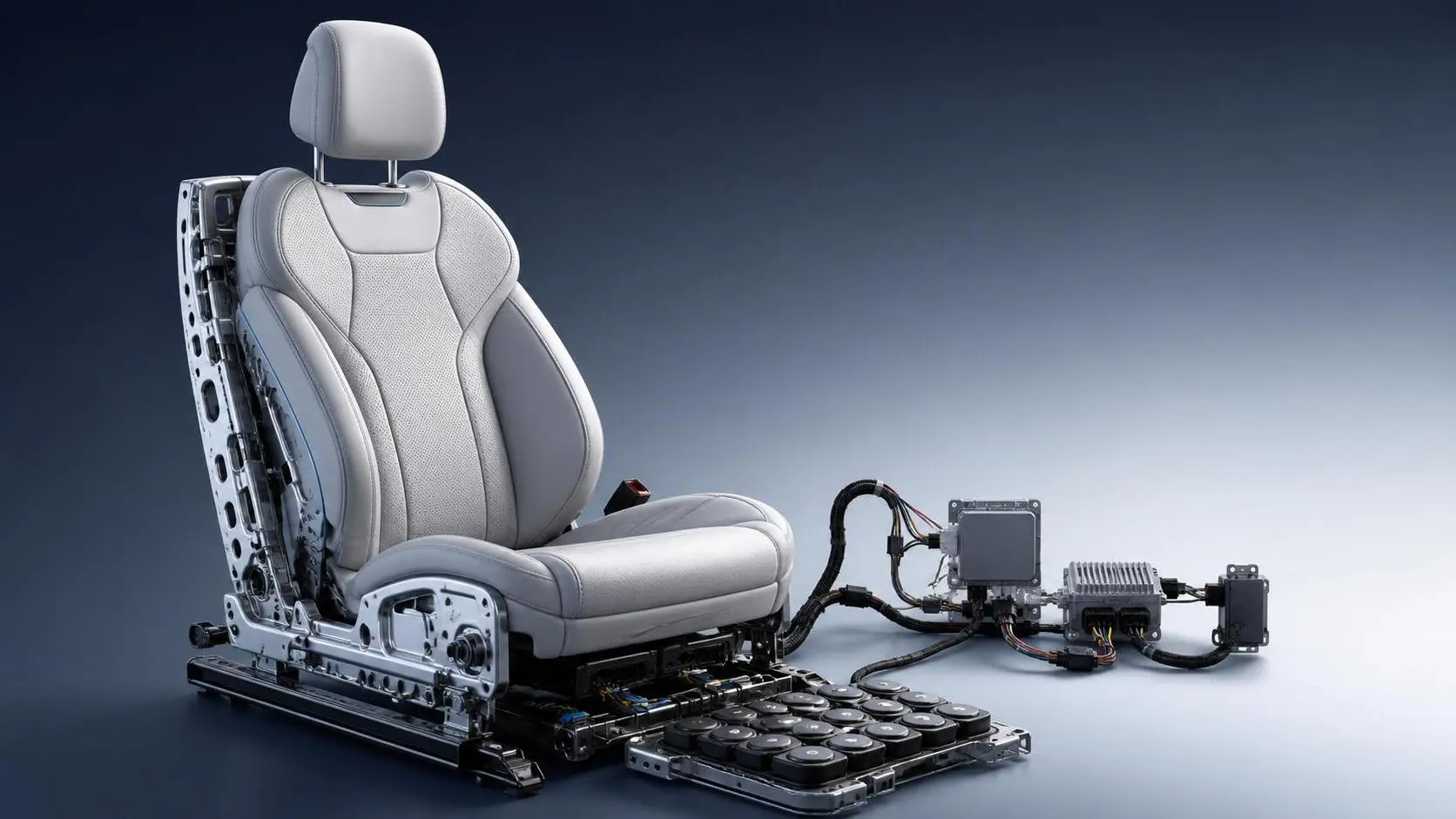
How to Evaluate Custom Smart Automotive Seating for Premium Vehicle Programs?
Custom smart automotive seating evaluation starts with safety, comfort, integration, and production readiness. Discover how premium vehicle teams choose smarter, lower-risk seat solutions.

B2B Product Intelligence Platforms: How to Compare Features, Data Coverage, and ROI
B2B product intelligence platform comparison: learn how to evaluate data coverage, feature depth, compliance visibility, and ROI to choose a sourcing tool that reduces risk and speeds decisions.
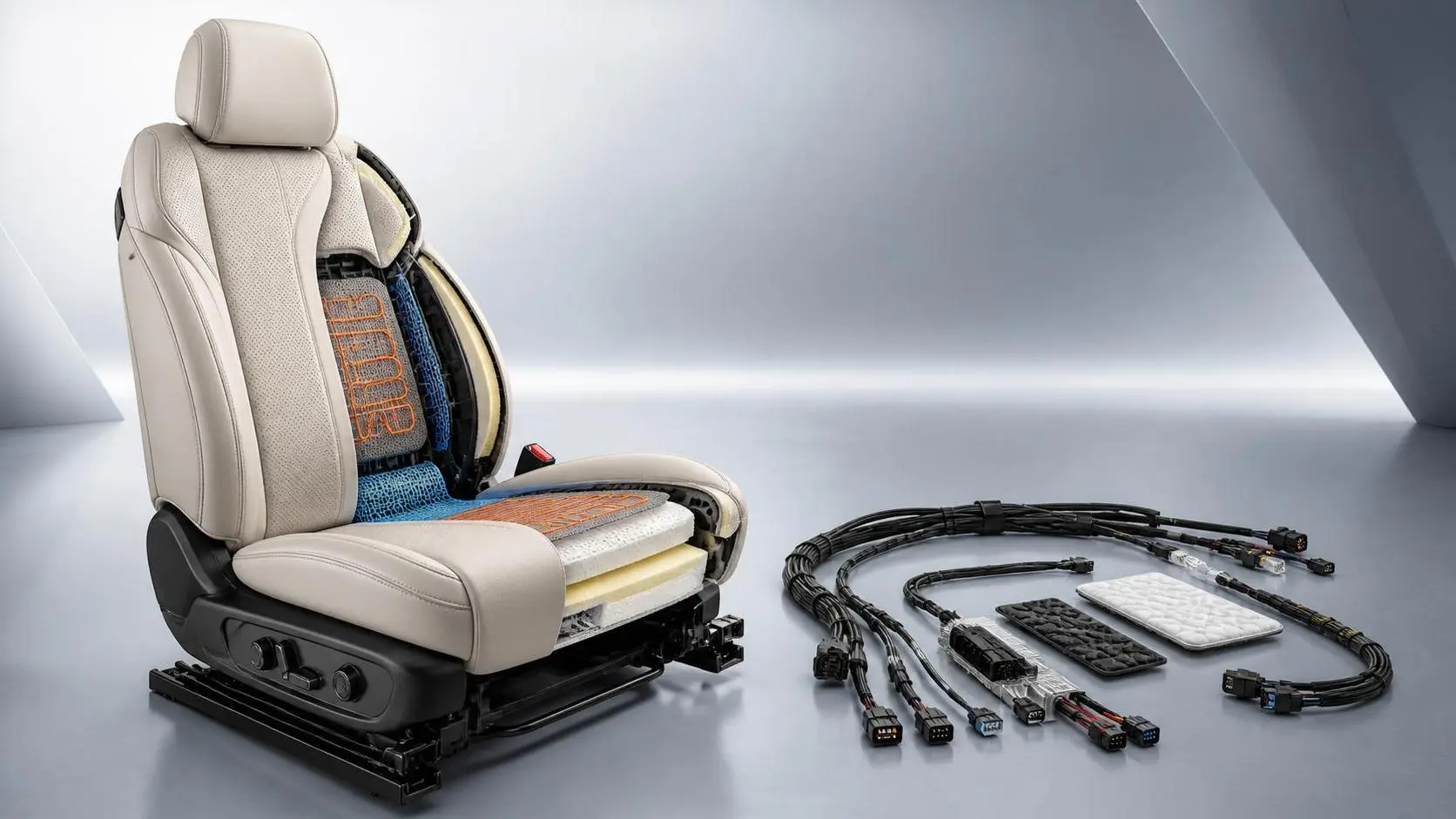
Climate Control Seats Cost: What Drives Price and Long-Term Ownership Value?
Climate control seats cost depends on materials, thermal tech, and integration. Learn what drives price and how to judge long-term value before you buy.

What Factors Drive Marine Navigation Components Cost in Commercial Vessel Projects?
Marine navigation components cost is shaped by integration, compliance, installation, and lifecycle support. Discover what drives pricing and how buyers can reduce risk while improving value.

How Much Does Seat Occupancy Sensing Cost? Key Pricing Factors for Buyers
Seat occupancy sensing price varies widely by technology, integration, and compliance needs. Learn the key cost drivers, avoid hidden fees, and make smarter buying decisions.

How to Specify Micro-Climate Control Cabins for Harsh Outdoor Worksites?
Micro-climate control cabins for harsh outdoor worksites: learn how to specify thermal control, filtration, pressurization, and durability for safer uptime and smarter buying.
How to Evaluate a B2B Product Knowledge Platform for Faster Procurement Decisions
B2B product knowledge platform procurement starts with reducing decision risk. Learn how to compare specs, compliance, and supplier data to speed sourcing with confidence.

How to Evaluate an Occupant Restraint Systems Exporter for Quality, Compliance, and Supply Risk
Occupant restraint systems exporter evaluation guide: learn how to verify quality controls, compliance evidence, and supply risk before sourcing to avoid recalls, delays, and hidden costs.

Navigation Compliance Certification: Which Marine Systems Need It and How to Prepare?
Navigation compliance certification explained: discover which marine systems need approval, what documents matter, and how to prepare early to avoid delays, rework, and costly project risks.
Related News
- 00
0000-00
How to Evaluate Steel Auto Body Stampings for Strength, Fit, and Cost - 00
0000-00
Vehicle Lightweight Engineering for Body Structures vs High-Strength Steel: When to Use Which - 00
0000-00
Vehicle Lightweight Solutions for Structural Parts: When to Use Aluminum, HSS, or Hot Stamping - 00
0000-00
How to Evaluate High Strength Steel Stampings for Seat Structures: Key Grades and Forming Limits - 00
0000-00
Custom High Strength Steel Stampings: Key Tolerances, Tooling Factors, and Lead Times
Weekly Insights
Stay ahead with our curated technology reports delivered every Monday.