
Airbag Assemblies Buying Guide: Core Components, Cost Drivers, and Supplier Checks
Why are airbag assemblies harder to source than they look?
Airbag assemblies sit in a difficult category. They are bought as components, but judged as life-saving systems.
That changes the buying logic. A low quote can hide validation gaps, unstable inflator supply, or weak traceability.
In the wider mobility chain, this matters even more. GNCS often tracks how passive safety decisions connect with compliance, lightweight structures, and smart cabin integration.
So the real question is not only, “What does this airbag assembly cost?” It is also, “What risks am I accepting over program life?”
A sound review should cover core components, homologation evidence, supplier process control, and service responsiveness after SOP.
What exactly is included in an airbag assembly?
Buyers sometimes use one term for several different scopes. That is where confusion starts.
An airbag assembly usually includes the cushion, inflator, housing, cover or module package, and electrical connection elements.
Depending on application, it may also involve brackets, mounting hardware, tear seams, labels, and part-level diagnostic interfaces.
For side, curtain, knee, or seat-integrated designs, the architecture changes. The sourcing checklist must change with it.
Which parts drive performance most?
The inflator is usually the most sensitive item. Gas output stability, propellant chemistry, and long-term storage behavior directly affect deployment reliability.
The cushion fabric matters just as much. Weave density, coating quality, seam strength, and vent design influence pressure control during impact.
Then comes electronics compatibility. Even when the electronic control unit is sourced separately, the airbag assembly must match trigger logic and connector standards.
In practical terms, mismatched interfaces create expensive validation delays, not just technical inconvenience.
How do you compare airbag assemblies beyond the quoted price?
A useful comparison starts with scope normalization. Two suppliers may quote the same airbag assemblies while including different test levels, packaging, or support.
Before ranking offers, check the items below in one view.
This side-by-side approach helps separate a truly competitive offer from a quote that simply excludes difficult work.
What usually drives the cost of airbag assemblies?
Material content is the obvious factor, but not the only one. In many programs, testing and process capability shape cost more than fabric alone.
Inflator chemistry is a major driver. Suppliers using advanced non-toxic propellant paths may carry higher initial pricing but lower long-term regulatory exposure.
Design complexity also matters. Curtain and seat-mounted airbag assemblies often require tighter folding control and packaging discipline than basic driver modules.
Another factor is validation scope. If one quote includes only component testing, while another includes vehicle-level support, the numbers are not directly comparable.
Where do hidden costs usually appear?
- Late engineering changes caused by connector or packaging mismatch
- Extra destructive testing because early data packages were incomplete
- Premium freight for hazardous inflator logistics
- Line stoppage risk from low buffer inventory on controlled materials
- Recall exposure tied to poor batch traceability
More commonly than expected, the cheapest airbag assemblies become the most expensive after launch disruption is counted.
Which supplier checks matter before nomination?
A capable supplier should show more than a polished presentation. The useful evidence is procedural, test-based, and repeatable.
Start with manufacturing discipline. Ask how inflators are handled, how folding consistency is monitored, and how nonconforming lots are quarantined.
Then review change management. Airbag assemblies should never absorb silent substitutions in fabric coating, igniter source, or connector plating.
It is also wise to examine supply chain depth. Some suppliers assemble well but rely on fragile single-source subcomponents.
A practical pre-award check list
- Audit IATF-aligned quality systems and special process controls
- Review recent validation reports, not only certificates
- Confirm regional compliance coverage for target markets
- Check response history on deviations, complaints, and field returns
- Verify hazardous goods logistics capability and export readiness
- Assess business continuity for inflators and technical textiles
GNCS coverage of passive safety trends often highlights this point: technical credibility is strongest when process proof matches commercial claims.
How can you judge compliance and lifecycle risk early?
Airbag assemblies live under intense regulatory and reputational pressure. A part can be dimensionally correct and still be commercially risky.
Early risk review should cover target regulations, chemical content restrictions, data retention, and field containment readiness.
For global programs, ask whether evidence supports IIHS-related expectations, E-NCAP influenced development paths, and destination-market approval needs.
Pay attention to aging behavior. Shelf-life management, humidity exposure controls, and inflator storage conditions affect long-cycle reliability.
If these basics are vague, the sourcing risk is already visible, even before sample approval.
When should you switch suppliers, and when is it smarter to stay put?
Changing airbag assemblies suppliers can unlock savings, but it can also reopen validation, tooling, and launch timing.
A switch makes sense when recurring quality escapes, poor change discipline, or weak compliance support outweigh transition cost.
Staying with the current source is often better when performance is stable and the proposed savings come only from narrower scope.
One practical way to decide is to model total landed risk, not only annual piece price. Include validation spend, logistics constraints, and probable downtime exposure.
That is especially relevant in programs linked to smart seating, lightweight body structures, and other tightly integrated cabin systems.
What is the smartest next step before placing business?
Build a short decision sheet for the airbag assemblies under review. Keep it focused on component scope, compliance proof, cost structure, and operational resilience.
Then compare suppliers against the same assumptions. That alone removes much of the noise from price discussions.
In real sourcing work, the best outcomes usually come from early technical alignment, disciplined evidence review, and clear change-control expectations.
Airbag assemblies are too critical for purely transactional buying. A careful check now is usually cheaper than a correction after launch.
If the next review starts with component clarity, lifecycle cost, and supplier proof, better decisions tend to follow naturally.
Related News
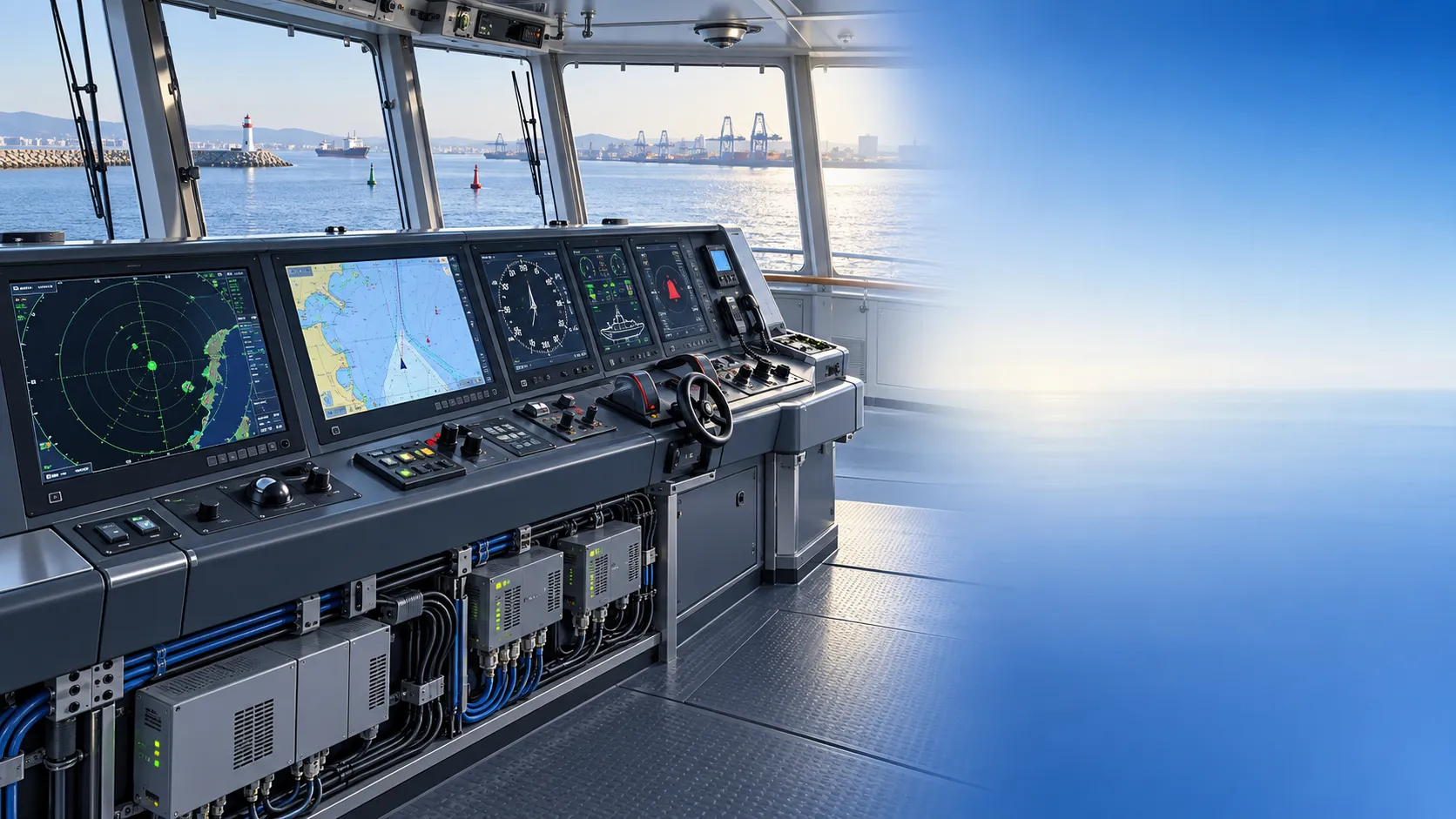
How to Specify Integrated Marine Electronics for Reliable Bridge Operations
Integrated marine electronics: learn how to specify reliable bridge systems with clear data flows, redundancy, alarm control, lifecycle interfaces, and operational testing.

How to Evaluate Navigation Radar Manufacturers for Commercial Vessel Projects
Navigation radar manufacturers: learn how to compare performance, compliance, integration, support, and lifecycle cost for commercial vessel projects.
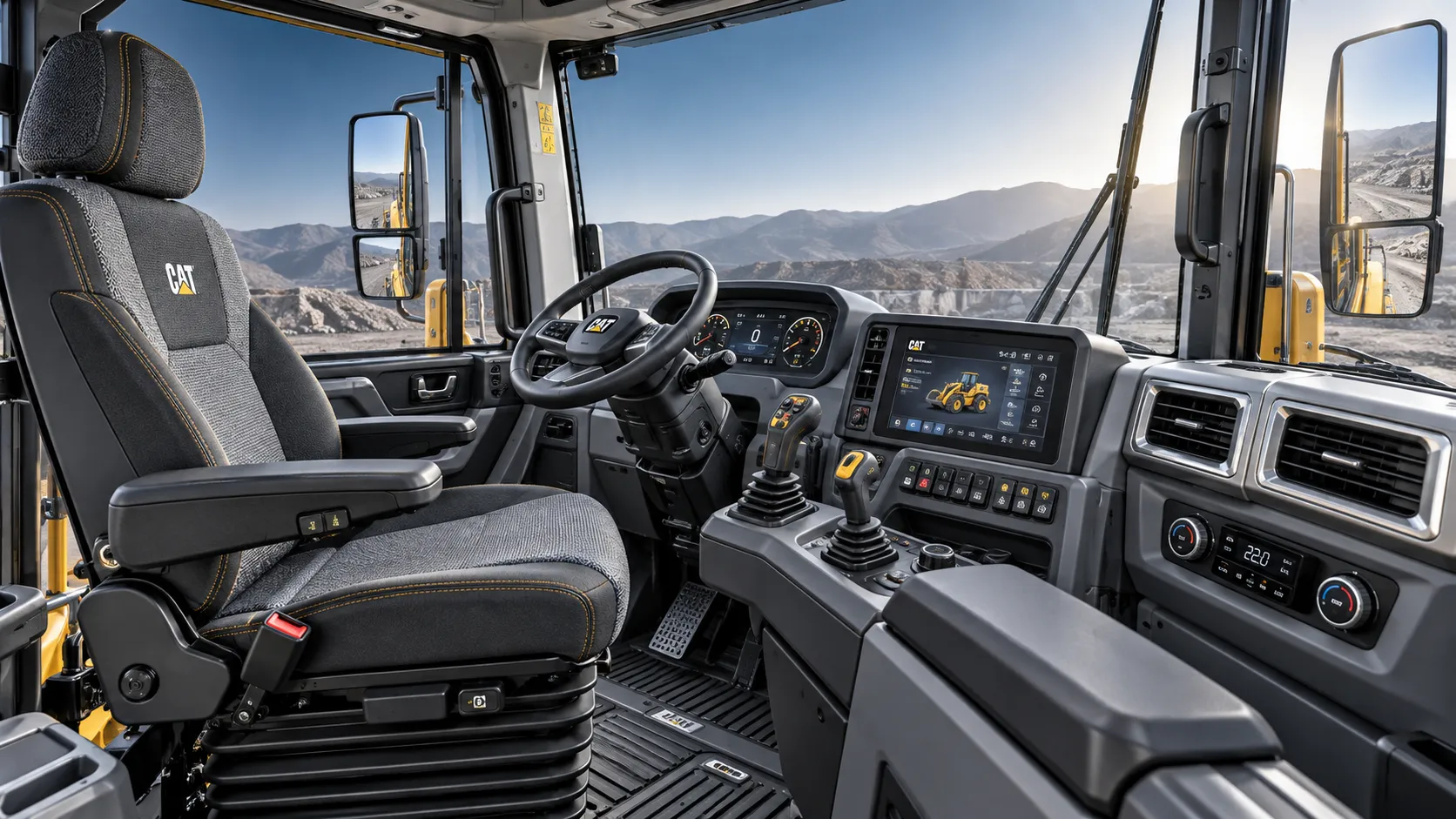
How Adjustable Cabin Ergonomics Reduce Operator Fatigue in Long-Shift Vehicles
Adjustable cabin ergonomics reduces operator fatigue through better seating, reach, visibility, vibration control, and climate comfort for safer long-shift vehicles.
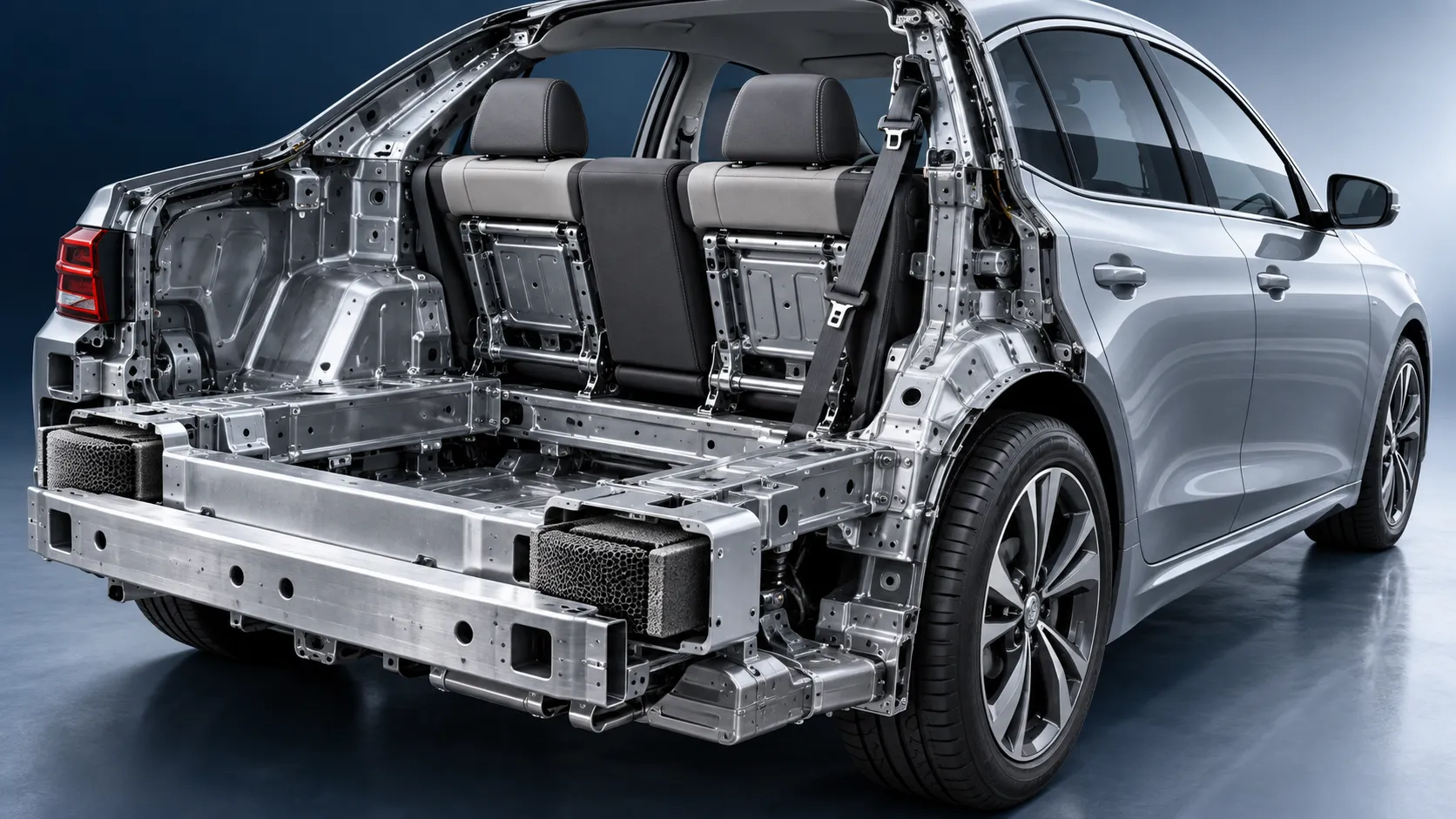
How Rear-Impact Safety Components Work Together to Protect Vehicle Occupants
Explore how automotive safety components for rear impact work together—from crash structures and seats to head restraints and belts—to enhance occupant protection.
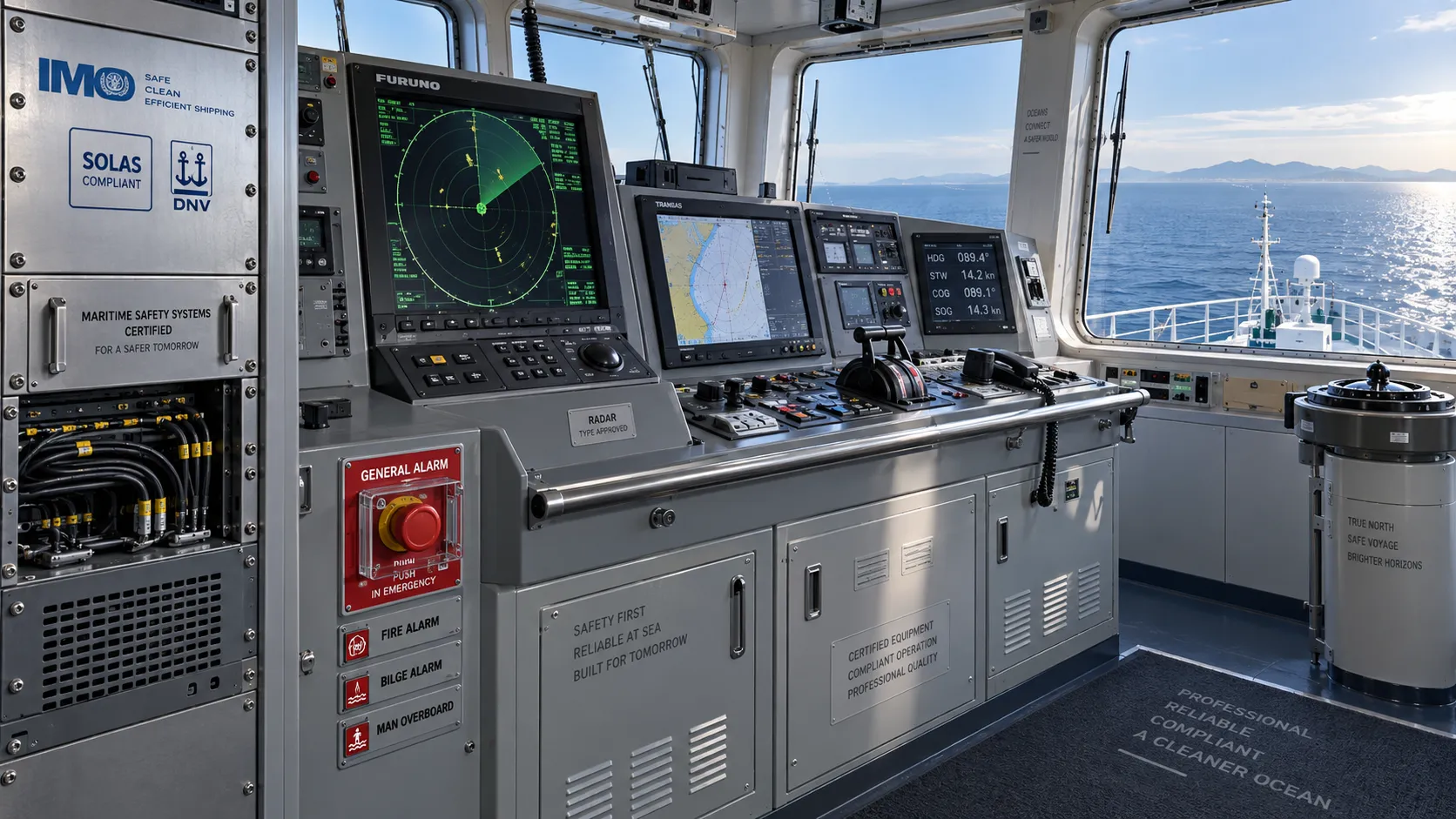
How to Evaluate a Marine Safety Systems Manufacturer for Vessel Compliance and Reliability
Marine safety systems manufacturer evaluation guide: verify compliance, engineering quality, lifecycle costs, and global service support for safer, reliable vessel operations.
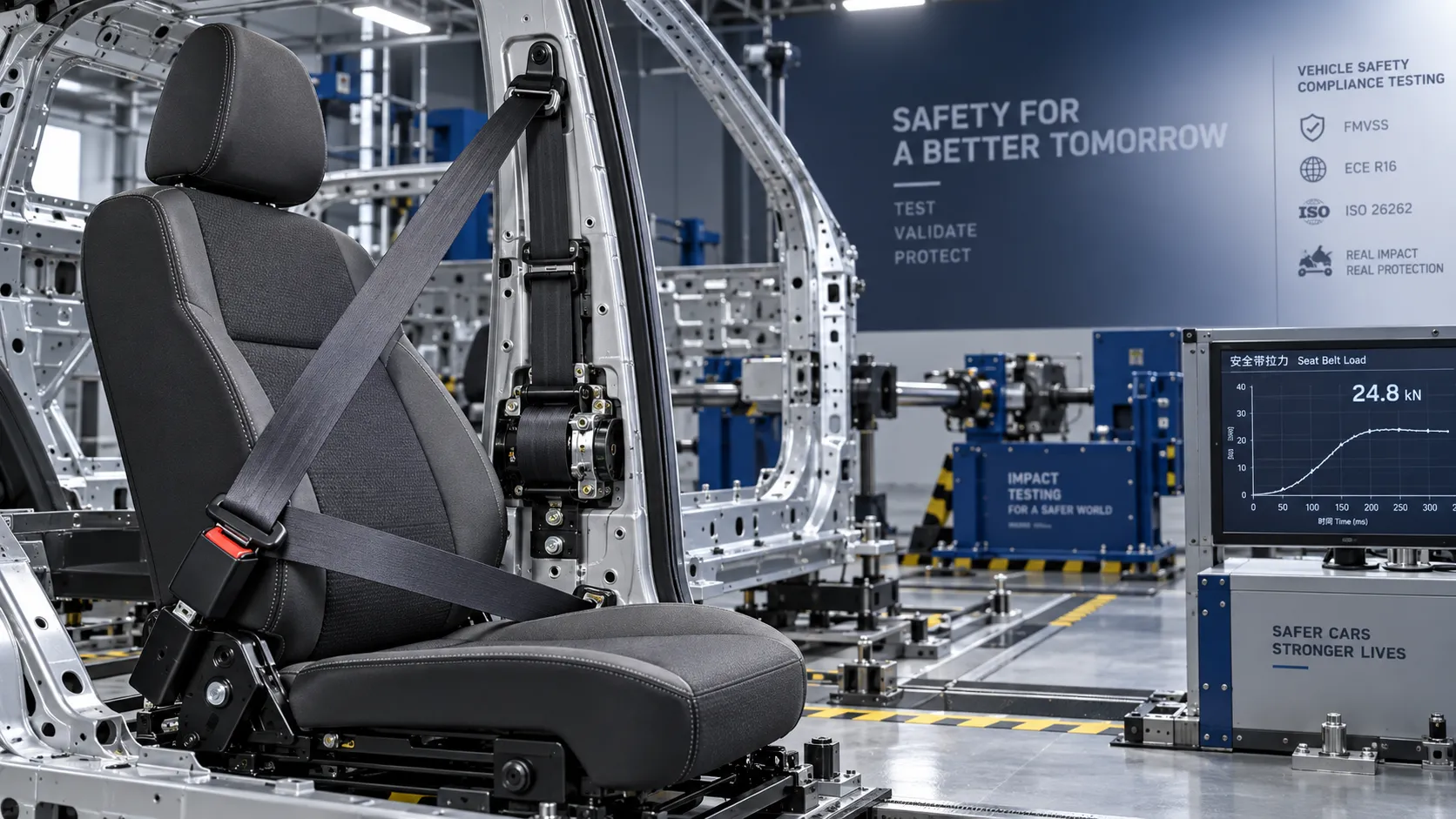
Crash Test Regulations for Seatbelts: Key Compliance Requirements Explained
Crash test regulations seatbelts explained: explore FMVSS, UN rules, anchorage strength, and dynamic restraint testing for safer, compliant vehicle systems.

How to Calculate the Total Cost of Automotive Lightweighting for a Vehicle Program
Automotive lightweight solutions cost: learn how to calculate program-level costs, including materials, tooling, joining, validation, risk, and vehicle-level value.

How Automotive Seat Occupancy Sensing Improves Airbag Deployment Decisions
Automotive seat occupancy sensing helps optimize airbag deployment decisions, improving passenger classification, safety diagnostics, and compliance across real-world conditions.
What Drives Lightweight Body Component Costs in High-Volume Vehicle Programs?
Lightweight body components cost depends on material yield, forming, joining, tooling, validation, and logistics. Explore proven ways to optimize total vehicle program cost.
Related News
- 00
0000-00
How Automotive Seat Occupancy Sensing Improves Airbag Deployment Decisions - 00
0000-00
How Smart Seating Sensors Improve Occupant Detection and Airbag Deployment - 00
0000-00
How to Qualify an Airbag Modules Supplier for OEM Safety and Delivery Requirements - 00
0000-00
How to Select Occupant Safety Systems for Vehicles Operating in the Middle East - 00
0000-00
Which Passive Safety Engineering Standards Apply to Automotive Restraint Systems?
Weekly Insights
Stay ahead with our curated technology reports delivered every Monday.