High-Precision Marine Navigation Systems Explained: GNSS Accuracy, Sensors, and Integration
High-Precision Marine Navigation Systems Explained: GNSS Accuracy, Sensors, and Integration
For technical evaluators, high-precision marine navigation is no longer just about a position fix.
It depends on how GNSS accuracy, onboard sensors, and integration behave under motion, weather, interference, and operational stress.
That shift matters because many vessels now expect centimeter to sub-meter performance in dynamic marine environments.
In practice, reliable high-precision marine navigation is built through layered measurement, filtering, redundancy, and compliant system design.
This article breaks down the core signal paths, sensors, standards, and integration logic that define real deployment value.
Why High-Precision Marine Navigation Starts with GNSS Accuracy
At the center of high-precision marine navigation sits GNSS, but raw satellite positioning is only the first layer.
Open-sky accuracy can look impressive on paper, yet vessel motion quickly exposes real system limits.
Multipath from water surfaces, antenna masking, roll, pitch, and changing satellite geometry all affect usable accuracy.
This is why a technical review should separate stated accuracy from maintained accuracy during operations.
More clearly, high-precision marine navigation depends on correction method, signal quality, and continuity, not just nominal position error.
Core GNSS Factors to Examine
- Constellation support across GPS, Galileo, BeiDou, and GLONASS.
- Dual-frequency or multi-frequency reception for ionospheric error reduction.
- Correction services such as SBAS, PPP, RTK, or local differential inputs.
- Time to first fix and re-convergence after signal degradation.
- Integrity monitoring, alarm thresholds, and fault detection behavior.
For offshore survey or precise docking, RTK may deliver outstanding precision.
For blue-water routes, PPP or robust differential services often provide better continuity and lower infrastructure dependence.
So when judging high-precision marine navigation, the right question is not only how accurate the fix is, but how long it stays trustworthy.
Why Sensors Matter Beyond Satellite Positioning
GNSS alone cannot carry high-precision marine navigation through every maritime scenario.
That becomes obvious near ports, under bridges, around cranes, or during intentional interference.
This is where onboard sensors turn a positioning product into a dependable navigation system.
Key Sensor Inputs in Marine Navigation
- IMU or INS for motion tracking during GNSS dropouts.
- Gyrocompass for stable heading reference.
- Doppler speed log for speed over water or ground estimation.
- Radar for target detection and shoreline correlation.
- Sonar or echo sounder for depth-aware navigation support.
- AIS for vessel identity, traffic awareness, and collision context.
Each sensor addresses a different failure mode.
The IMU supports continuity during signal loss.
The gyrocompass stabilizes heading when magnetic data becomes unreliable.
Radar and AIS add environmental awareness that GNSS cannot provide by itself.
In other words, high-precision marine navigation is really a fused perception problem, not a single-signal problem.
Integration Logic: Where High-Precision Marine Navigation Is Won or Lost
Integration is often the least visible part of system evaluation, yet it drives actual performance.
A strong sensor set can still underperform if timestamps drift, interfaces conflict, or filtering is poorly tuned.
This also explains why two systems with similar component lists can behave very differently at sea.
Critical Integration Points
- Common time synchronization across GNSS, INS, radar, and AIS streams.
- Consistent coordinate frames for heading, speed, and position outputs.
- Sensor fusion logic that balances noise, latency, and confidence weighting.
- Graceful fallback modes during signal interruption or degraded integrity.
- Interface support for ECDIS, autopilot, VDR, and bridge alert systems.
The filtering layer deserves close attention.
Kalman-based fusion is common, but implementation quality varies widely.
A good design detects inconsistent measurements and downgrades trust before large navigation errors appear.
A weaker design looks stable until it suddenly diverges.
That is why high-precision marine navigation should always be assessed as a behavior under failure, not only under normal conditions.
Accuracy, Integrity, and Availability: The Evaluation Triangle
Many specifications emphasize accuracy first, but marine decision-making needs a wider view.
High-precision marine navigation becomes operationally valuable only when accuracy, integrity, and availability stay balanced.
A system may offer excellent peak accuracy and still fail practical evaluation.
If integrity alarms arrive late, operators may trust bad guidance for too long.
If availability drops during port approach, precision claims lose business value quickly.
From a standards viewpoint, this triangle is far more useful than a single accuracy number.
Compliance and Testing Signals That Should Not Be Missed
Technical evaluation also needs a standards lens.
For high-precision marine navigation, compliance readiness often reveals engineering maturity better than marketing claims do.
Relevant frameworks may include IMO performance expectations, IEC equipment standards, and bridge system interoperability requirements.
Cyber resilience and software update control are also becoming more important.
Useful Evaluation Questions
- Does the system document performance under jamming or spoofing stress?
- Are sensor failure modes clearly mapped to alarms and fallback behavior?
- Is interface compatibility proven with target ECDIS and bridge equipment?
- Are firmware updates controlled, traceable, and validated after deployment?
- Do test reports include dynamic sea-state scenarios instead of static bench data only?
These points are increasingly important as vessels become more software-defined.
A compliant high-precision marine navigation platform is not just accurate today; it remains manageable, auditable, and safe after updates.
Practical Deployment Risks and What to Check First
In actual projects, the biggest risks often appear during installation and tuning.
Even a well-designed high-precision marine navigation package can lose value through poor antenna placement or bad sensor alignment.
- Check antenna separation, sky visibility, and multipath exposure.
- Verify INS mounting orientation and vibration isolation.
- Confirm latency budgets across serial, Ethernet, and bridge interfaces.
- Review heading alignment after installation and sea trial calibration.
- Validate fallback behavior when correction links fail.
It also helps to compare lab data with voyage-phase performance.
Harbor maneuvering, open-sea cruising, and restricted-channel operations stress the system in different ways.
A realistic acceptance process should mirror those differences instead of relying on one generic test profile.
What Strong High-Precision Marine Navigation Looks Like in Practice
The strongest systems rarely depend on one breakthrough component.
They combine stable GNSS accuracy, disciplined sensor fusion, robust interfaces, and clear operational alerts.
Just as importantly, they maintain trust when conditions become less predictable.
That is the real benchmark for high-precision marine navigation.
A useful evaluation framework should connect signal sources, sensor roles, integration behavior, and compliance evidence into one view.
When those elements line up, deployment risk falls and decision confidence rises.
For organizations tracking marine intelligence through GNCS, this kind of structured reading is increasingly necessary.
It helps separate premium engineering from surface-level specification claims.
The next practical step is simple: evaluate every high-precision marine navigation system as an integrated safety-grade capability, not as a standalone positioning device.
Related News
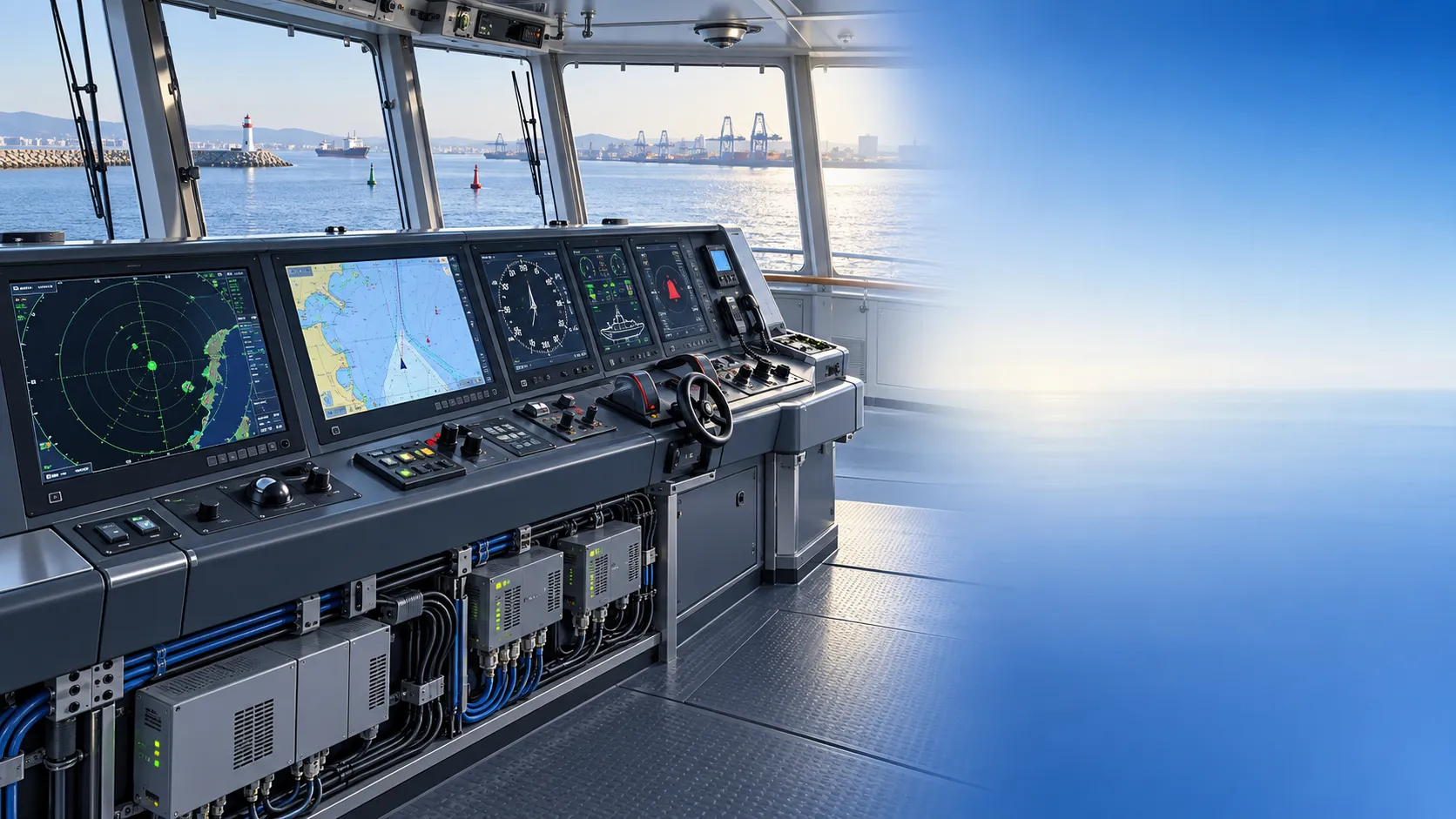
How to Specify Integrated Marine Electronics for Reliable Bridge Operations
Integrated marine electronics: learn how to specify reliable bridge systems with clear data flows, redundancy, alarm control, lifecycle interfaces, and operational testing.
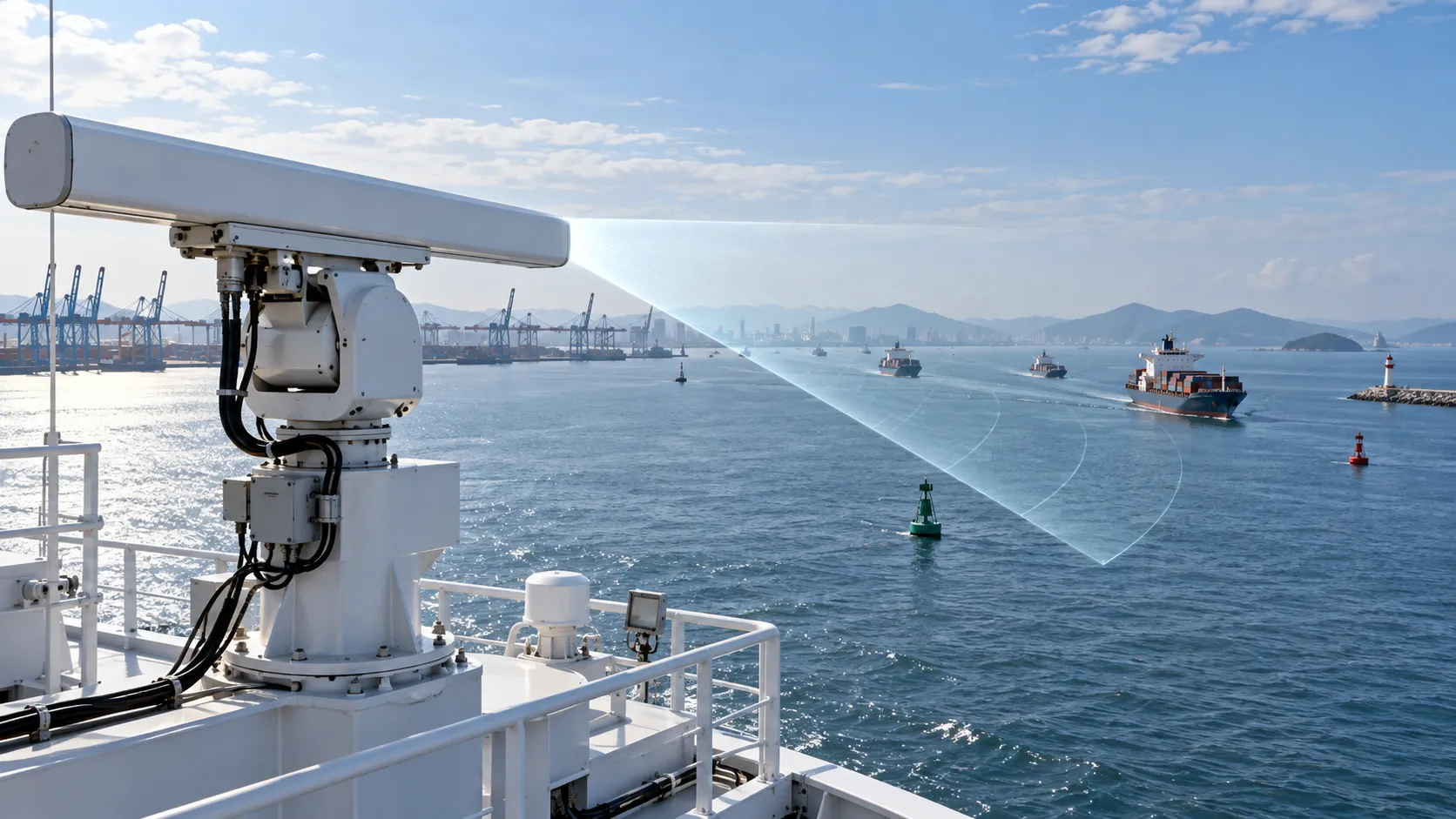
How to Evaluate Navigation Radar Manufacturers for Commercial Vessel Projects
Navigation radar manufacturers: learn how to compare performance, compliance, integration, support, and lifecycle cost for commercial vessel projects.

How Adjustable Cabin Ergonomics Reduce Operator Fatigue in Long-Shift Vehicles
Adjustable cabin ergonomics reduces operator fatigue through better seating, reach, visibility, vibration control, and climate comfort for safer long-shift vehicles.

How Rear-Impact Safety Components Work Together to Protect Vehicle Occupants
Explore how automotive safety components for rear impact work together—from crash structures and seats to head restraints and belts—to enhance occupant protection.
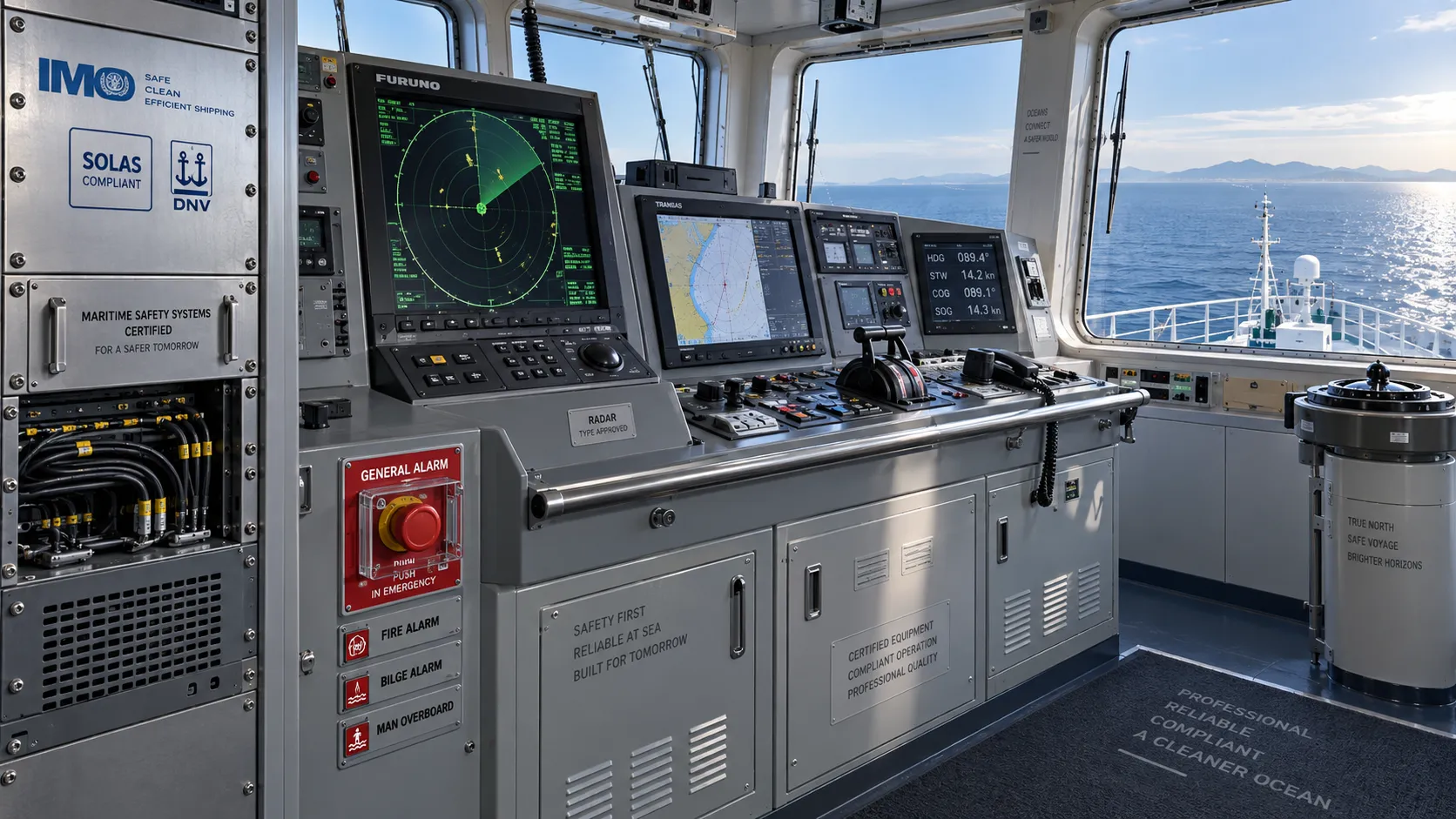
How to Evaluate a Marine Safety Systems Manufacturer for Vessel Compliance and Reliability
Marine safety systems manufacturer evaluation guide: verify compliance, engineering quality, lifecycle costs, and global service support for safer, reliable vessel operations.

Crash Test Regulations for Seatbelts: Key Compliance Requirements Explained
Crash test regulations seatbelts explained: explore FMVSS, UN rules, anchorage strength, and dynamic restraint testing for safer, compliant vehicle systems.

How to Calculate the Total Cost of Automotive Lightweighting for a Vehicle Program
Automotive lightweight solutions cost: learn how to calculate program-level costs, including materials, tooling, joining, validation, risk, and vehicle-level value.

How Automotive Seat Occupancy Sensing Improves Airbag Deployment Decisions
Automotive seat occupancy sensing helps optimize airbag deployment decisions, improving passenger classification, safety diagnostics, and compliance across real-world conditions.

What Drives Lightweight Body Component Costs in High-Volume Vehicle Programs?
Lightweight body components cost depends on material yield, forming, joining, tooling, validation, and logistics. Explore proven ways to optimize total vehicle program cost.
Related News
- 00
0000-00
How to Choose a Marine Positioning Solutions Supplier in Europe for Offshore and Port Operations - 00
0000-00
Marine Positioning Solutions Provider Comparison: GNSS, Accuracy, and Integration Factors - 00
0000-00
Marine Electromagnetic Navigation Accuracy vs GNSS: Which Performs Better Near Interference? - 00
0000-00
Marine Electromagnetic Navigation Accuracy: What Affects Position Stability at Sea? - 00
0000-00
Marine Positioning Systems Exporter Selection: What to Check in GNSS Accuracy, Compliance, and Support
Weekly Insights
Stay ahead with our curated technology reports delivered every Monday.