
Automotive Safety Upgrades That Reduce Real-World Injury Risk
Modern automotive safety is no longer just about passing crash tests—it is about reducing real-world injury risk in everyday driving. From advanced seatbelt systems and smarter airbags to lightweight body structures and intelligent seating, the most effective upgrades work together to protect occupants before, during, and after a collision. This article explores the safety improvements that matter most to consumers and why they can make a measurable difference on the road.
When shoppers look into automotive safety, the practical question is simple: which upgrades actually lower the chance of serious injury, and which features are mostly marketing language? The short answer is that the biggest real-world gains usually come from systems that manage crash energy, keep occupants correctly positioned, and prevent harmful contact with the vehicle interior.
That means consumers should pay closest attention to seatbelt technology, airbag design, body structure strength, seat engineering, and crash-avoidance features that reduce impact severity. Not every vehicle with a long feature list performs equally well in a serious collision, so understanding how these elements work together is more useful than chasing one headline feature.
Which automotive safety upgrades matter most in a real crash?
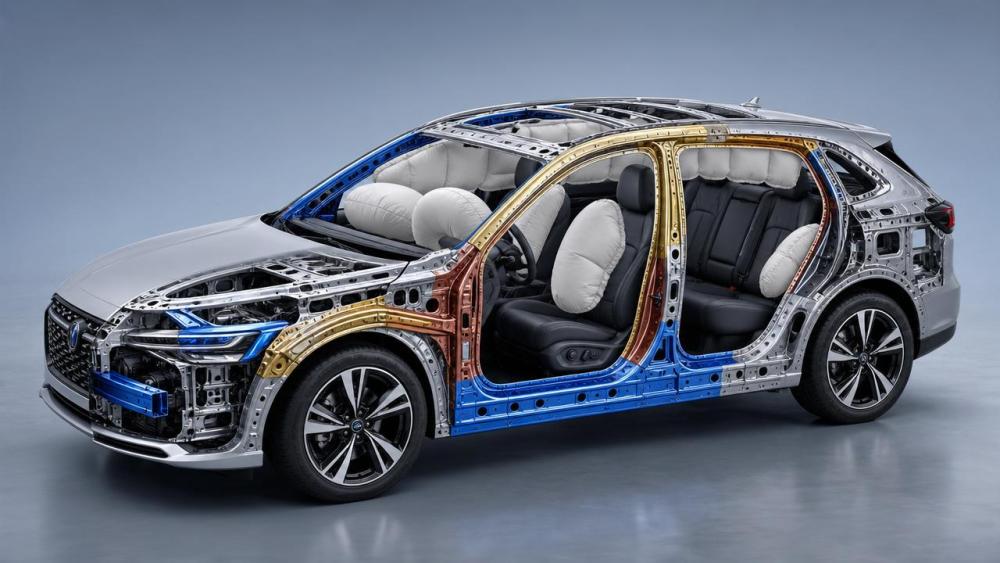
For most drivers and families, the most valuable safety upgrades are the ones that protect the human body in the exact sequence a crash unfolds. First, the vehicle tries to avoid or reduce the crash. Second, the structure absorbs and redirects crash forces. Third, restraints and airbags control how occupants move. Finally, seats and cabin components help reduce secondary injuries such as whiplash, chest trauma, or leg injuries.
In real-world injury prevention, some upgrades consistently matter more than others. Advanced automatic emergency braking can lower impact speed before a collision. High-strength body structures help preserve survival space. Seatbelt pretensioners tighten the belt at the start of a crash. Load limiters reduce excessive chest force. Multi-stage airbags adapt deployment to crash severity and occupant conditions. Well-engineered seats and head restraints reduce neck and torso injuries.
These are not isolated technologies. The safest vehicles treat automotive safety as a system. If the body structure is strong but the occupant is poorly restrained, injury risk remains high. If airbags deploy well but seating posture is unstable, protection can still be compromised. Consumers benefit most when they evaluate safety as an integrated package rather than a checklist.
Why seatbelt systems are still one of the most important injury-reduction upgrades
Many people think of seatbelts as basic equipment, but modern belt systems are far more advanced than they used to be. A well-designed seatbelt remains one of the most effective injury-reduction tools in any vehicle because it controls the occupant’s motion early, before the body strikes the steering wheel, dashboard, door, or airbag with excessive force.
Two key upgrades deserve special attention: pretensioners and load limiters. Pretensioners remove slack in the belt almost instantly during a crash. This helps position the body correctly before peak crash forces build. Load limiters then allow a controlled amount of belt payout, reducing the risk of severe chest injuries caused by belt forces that are too high.
Some vehicles also offer rear-seat belt pretensioners, which are particularly valuable for family buyers. Rear passengers often receive less attention from shoppers, yet injury risk in the back seat can still be significant, especially for older adults and children using booster seats. A good rear restraint system can improve protection across the whole cabin, not just up front.
Consumers should also care about belt geometry and comfort. If a belt fits poorly, cuts across the neck, or feels awkward, people are more likely to sit incorrectly or wear it improperly. In everyday use, usable safety is real safety. A vehicle that encourages proper belt use can outperform one with more complex hardware that is less comfortable in daily driving.
How smarter airbags reduce injury instead of simply deploying harder
Airbags save lives, but the most effective systems are not the ones that deploy with the most force. The best airbag assemblies are calibrated to work with the seatbelt, seat position, and crash severity. Their goal is not merely to inflate, but to manage the occupant’s motion in a controlled way that lowers head, chest, pelvis, and side-impact injury risk.
Front airbags today are often multi-stage, meaning deployment can vary depending on crash conditions. This matters because a minor frontal impact and a severe crash do not require the same response. Side airbags and curtain airbags are also critical because side impacts provide less space for energy absorption between the occupant and the striking object or vehicle.
For everyday buyers, one useful rule is to value airbag coverage rather than raw airbag count alone. A vehicle may advertise many airbags, but the more important questions are where they are located, how well they protect in side impacts, whether curtain airbags cover both rows, and how well the system performs in independent crash tests.
Another overlooked factor is occupant position. Airbags work best when the person is seated properly and restrained correctly. That is one reason seat design and belt performance matter so much. Automotive safety features deliver their highest value when they are coordinated, not when they are evaluated in isolation.
Why body structure and lightweight engineering can both improve safety
Some consumers assume a heavier vehicle is automatically safer. In reality, injury reduction depends more on structural design than on weight alone. Modern automotive safety increasingly relies on lightweight body engineering that uses high-strength steel, ultra-high-strength steel, aluminum, and carefully designed load paths to absorb crash energy while maintaining occupant survival space.
A well-designed lightweight structure can improve both protection and efficiency. The key is not making the vehicle simply lighter, but placing stronger materials exactly where they are needed. Hot-stamped steel in the passenger cell, reinforced side structures, and controlled crumple zones can help manage crash forces more effectively than older, heavier designs with less sophisticated engineering.
For consumers, this means “solid feel” is not a reliable measure of crashworthiness. Door weight, closing sound, or overall vehicle mass may influence perception, but they do not tell the full story about injury risk. Independent crash test results and vehicle-specific engineering matter far more than assumptions based on heft.
Shoppers comparing vehicles should look for strong performance in frontal, side, small overlap, and roof-strength evaluations where relevant. These tests offer better clues about whether the body structure is likely to protect occupants in real-world conditions, including impacts that are not perfectly aligned.
What intelligent seating and head restraint design do for injury prevention
Seats are often discussed as comfort features, but they are also core safety components. In a crash, the seat helps control posture, supports the spine and pelvis, and keeps the occupant aligned with the belt and airbags. Poor seat design can increase the risk of submarining, whiplash, or improper interaction with restraint systems.
One of the most important functions of the seat is maintaining stable occupant position. A seat that is too soft, poorly shaped, or lacking proper support may allow excessive body motion during emergency maneuvers or impact. By contrast, well-engineered seat frames, energy-absorbing seatbacks, and carefully positioned head restraints can significantly reduce injury severity.
Head restraints are especially important for rear-end collisions, where neck injuries are common. Good head restraint geometry helps limit the relative motion between the head and torso. Some systems are reactive or active, moving into a more protective position during a crash. While these features may not be as heavily marketed as driver-assistance systems, they directly address a very common real-world injury pattern.
Smart seating systems can add value as well. Occupant sensing, posture monitoring, and seat-integrated restraint tuning may improve how safety systems respond to different body sizes and seating positions. For consumers, the takeaway is simple: do not treat the seat as separate from automotive safety. It is one of the main platforms on which occupant protection depends.
Can crash-avoidance technology really reduce injury risk?
Yes, especially when it reduces impact speed. Even a small reduction in speed before a collision can meaningfully lower injury severity because crash energy rises rapidly with speed. This is why advanced driver-assistance systems such as automatic emergency braking, forward collision warning, lane support functions, and blind-spot monitoring can deliver real safety value when they work reliably.
However, consumers should avoid assuming all systems perform equally well. Detection quality, sensor fusion, software calibration, nighttime performance, cyclist and pedestrian recognition, and false-alert behavior can vary considerably between vehicles. A feature’s name is less important than how consistently it works in realistic conditions.
Shoppers should also remember that crash avoidance does not replace passive protection. Some collisions happen too quickly to avoid entirely, or occur in ways that sensors cannot fully mitigate. The safest buying choice is a vehicle with both strong crash-prevention capability and strong occupant protection once a crash occurs.
In other words, the best automotive safety strategy is layered. Prevent the crash when possible, reduce speed when prevention fails, protect the cabin structure during impact, and manage occupant motion inside the vehicle. Injury risk falls most when all layers are present.
How to judge safety upgrades when shopping for a vehicle
For consumers, the challenge is not a lack of safety claims but too many of them. To make a better decision, start with independent test performance from organizations such as IIHS, Euro NCAP, or similar regional programs. These sources often reveal meaningful differences between vehicles that appear similar on paper.
Next, look beyond a simple five-star summary. Read what the vehicle did well and where it showed limitations. Was side-impact protection strong? How did rear-seat occupants fare? Were head restraints effective? Did automatic emergency braking perform well in vehicle-to-vehicle and pedestrian scenarios? These details are often more useful than broad marketing language.
Then evaluate whether the safety package matches your real usage. A family vehicle should have strong rear-seat protection, easy child-seat installation, full-length side curtain airbags, and rear occupant reminders if relevant. A commuter vehicle may particularly benefit from strong front crash avoidance performance and fatigue-reducing lane support features.
Finally, sit in the vehicle and assess practical fit. Can you achieve a proper seating position? Is visibility good? Do the belt and head restraint fit your body well? Can older passengers and teens sit safely in the rear? Effective automotive safety is partly engineering and partly human factors. If the vehicle does not fit its users well, some protective features may be compromised in everyday life.
Common misconceptions about automotive safety upgrades
One common myth is that more features always mean more safety. In reality, a shorter list of well-engineered systems can outperform a long list of poorly integrated ones. Another misconception is that luxury vehicles are automatically safer. While premium models may offer advanced technology sooner, mainstream vehicles can also deliver excellent real-world injury protection when designed well.
Another frequent misunderstanding is that crash-test success alone tells the whole story. Crash tests are extremely valuable, but they are still structured assessments. Real-world safety also depends on seating position, occupant size, road conditions, maintenance, tire quality, and whether drivers actually use restraints correctly. Good engineering creates protection potential; real-world outcomes depend on how that potential is used.
People also tend to underestimate rear-seat safety and seat design. This is a mistake, especially for households that regularly carry children, grandparents, or multiple passengers. Protection should be evaluated for everyone in the cabin, not just the driver.
The best safety upgrades are the ones that work together
If the goal is to reduce real-world injury risk, the strongest upgrades are not necessarily the flashiest ones. The most valuable improvements are those that help avoid impact, preserve occupant space, control body motion, and reduce contact with hard structures inside the cabin. In practical terms, that usually means prioritizing strong crash-avoidance systems, advanced seatbelts, well-tuned airbags, robust body structures, and supportive seat design.
For consumers, the smartest approach is to stop viewing automotive safety as a single feature and start viewing it as a chain of protection. The safest vehicle is usually the one that performs well at every stage of the crash sequence, from detection and braking to structural energy management and occupant restraint.
When comparing vehicles, ask a focused question: which upgrades here are most likely to reduce injury for the people who will actually ride in this car every day? That mindset leads to better choices than relying on brand image, feature count, or assumptions about size alone.
In the end, real automotive safety is about measurable protection, not impressive terminology. When seatbelt systems, airbags, body engineering, and seating design are all working in harmony, the result is not just better crash-test optics—it is a lower chance of serious injury on the road where it matters most.
Related News
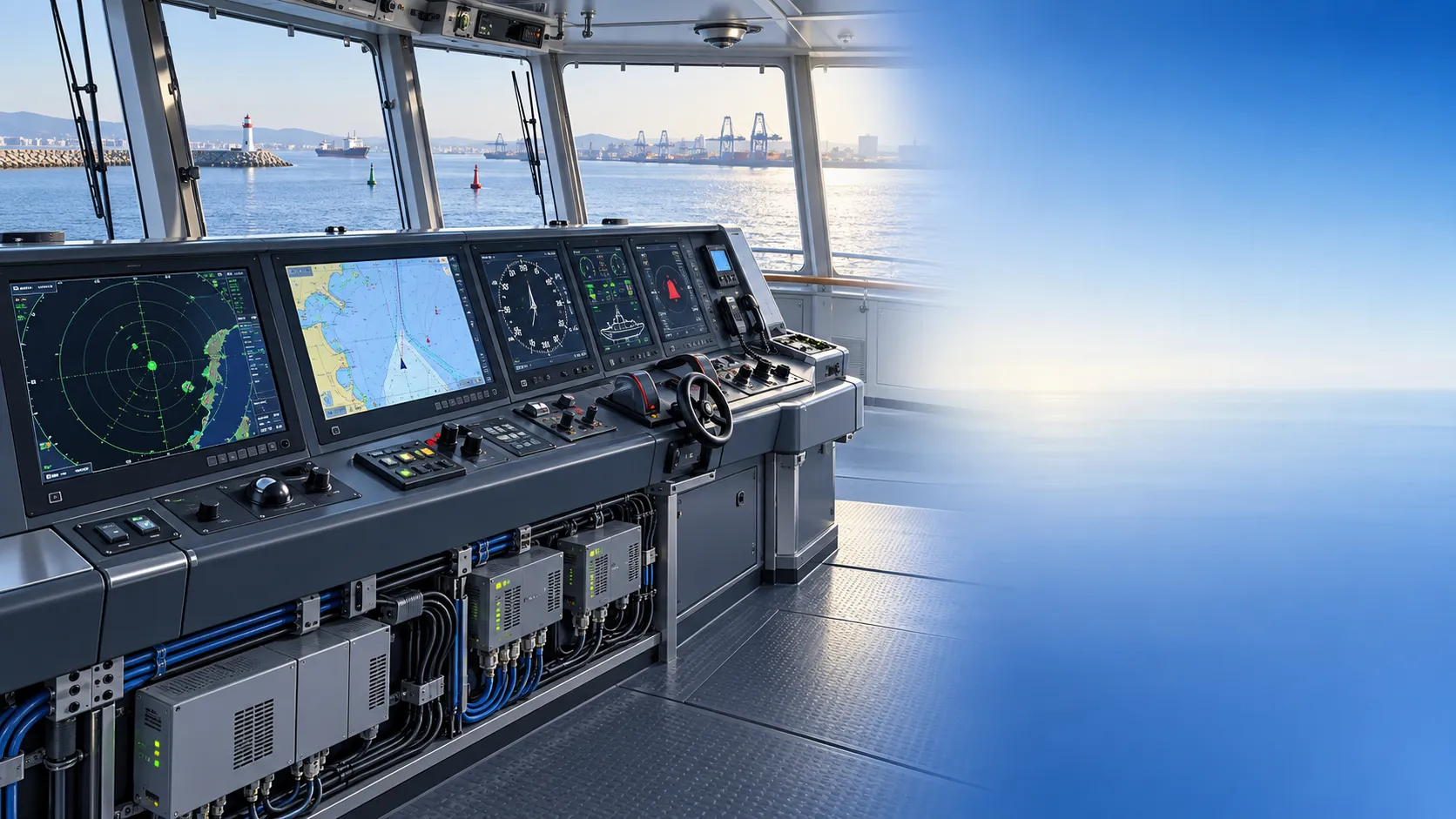
How to Specify Integrated Marine Electronics for Reliable Bridge Operations
Integrated marine electronics: learn how to specify reliable bridge systems with clear data flows, redundancy, alarm control, lifecycle interfaces, and operational testing.

How to Evaluate Navigation Radar Manufacturers for Commercial Vessel Projects
Navigation radar manufacturers: learn how to compare performance, compliance, integration, support, and lifecycle cost for commercial vessel projects.
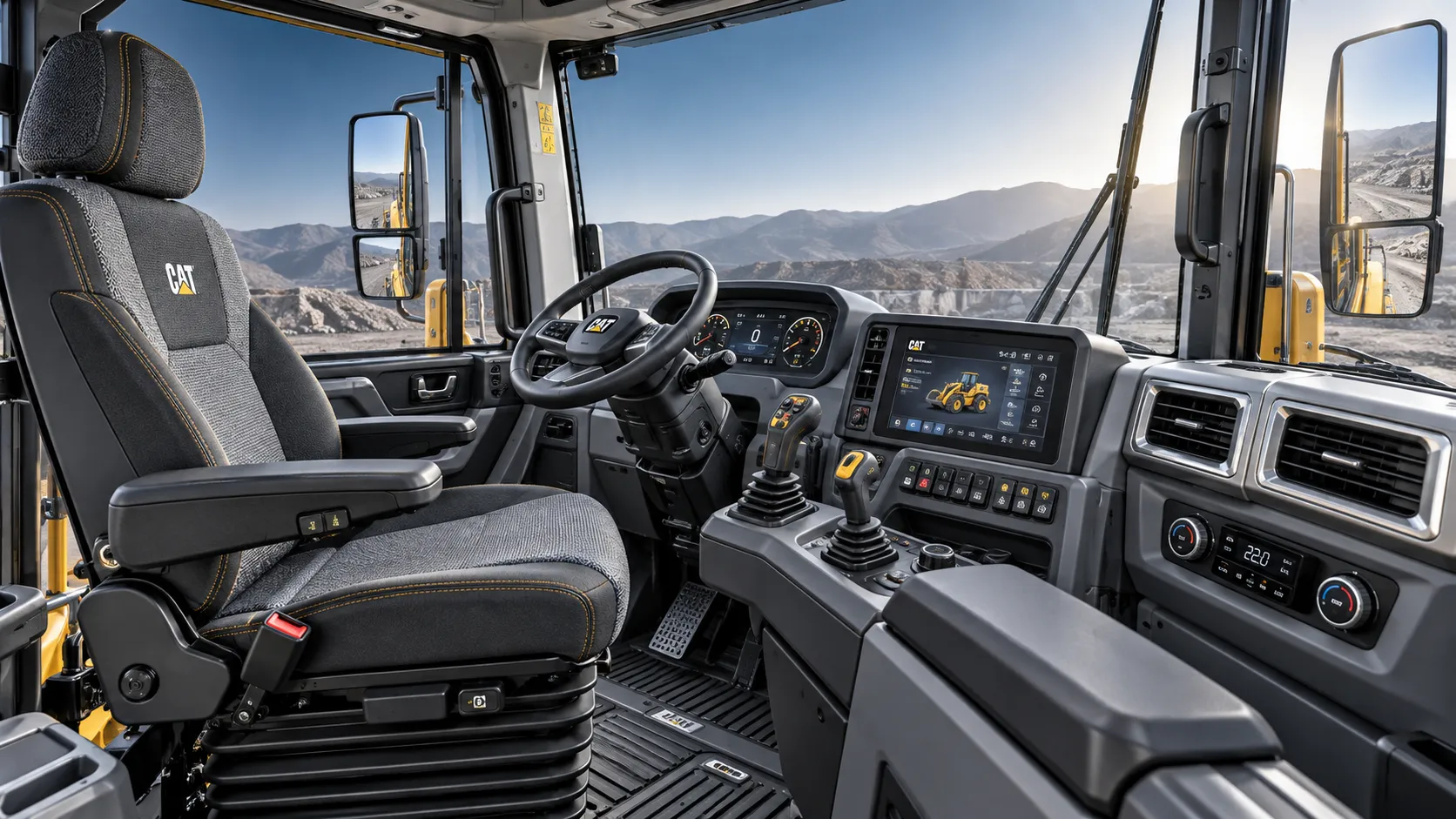
How Adjustable Cabin Ergonomics Reduce Operator Fatigue in Long-Shift Vehicles
Adjustable cabin ergonomics reduces operator fatigue through better seating, reach, visibility, vibration control, and climate comfort for safer long-shift vehicles.
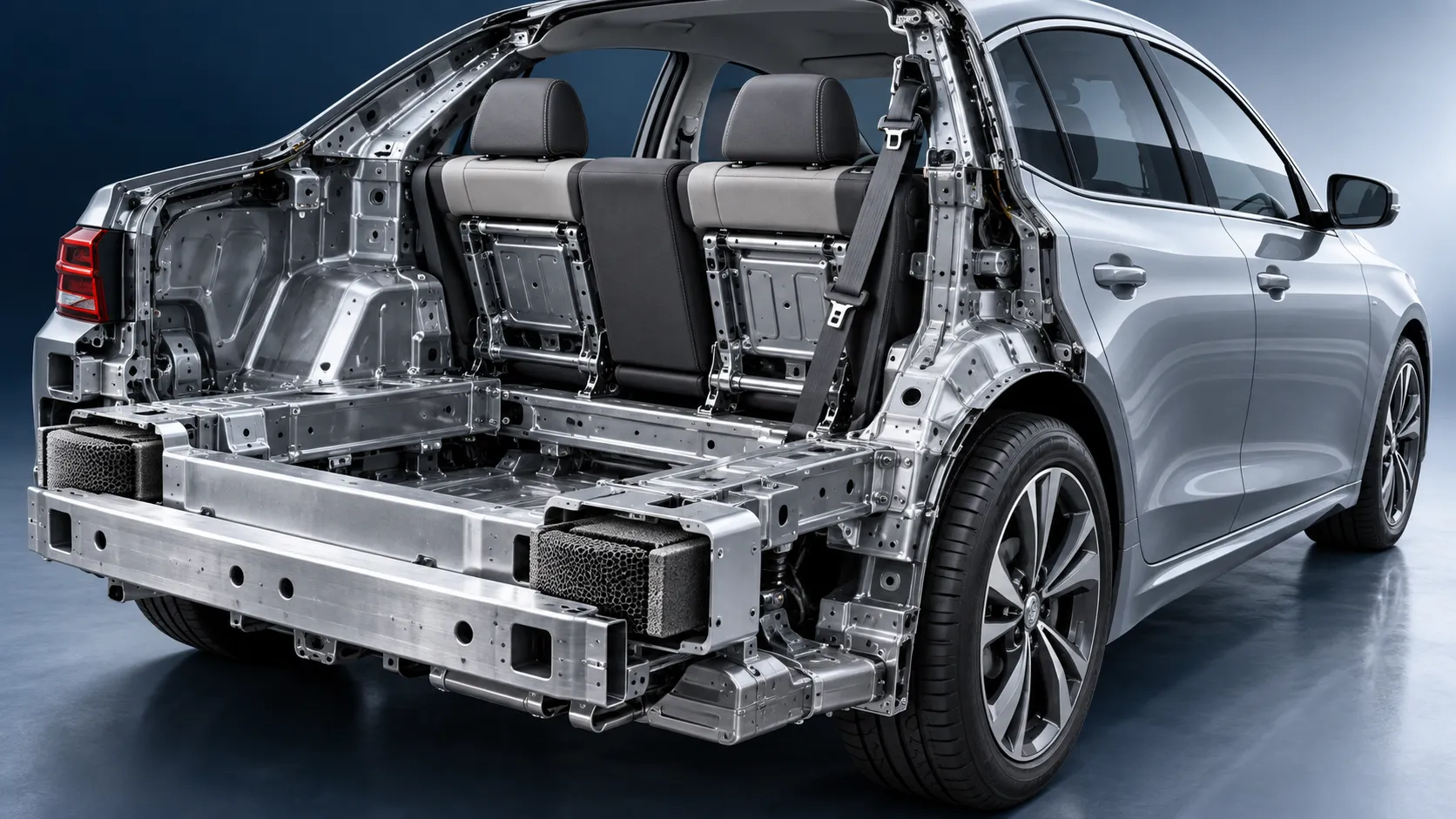
How Rear-Impact Safety Components Work Together to Protect Vehicle Occupants
Explore how automotive safety components for rear impact work together—from crash structures and seats to head restraints and belts—to enhance occupant protection.
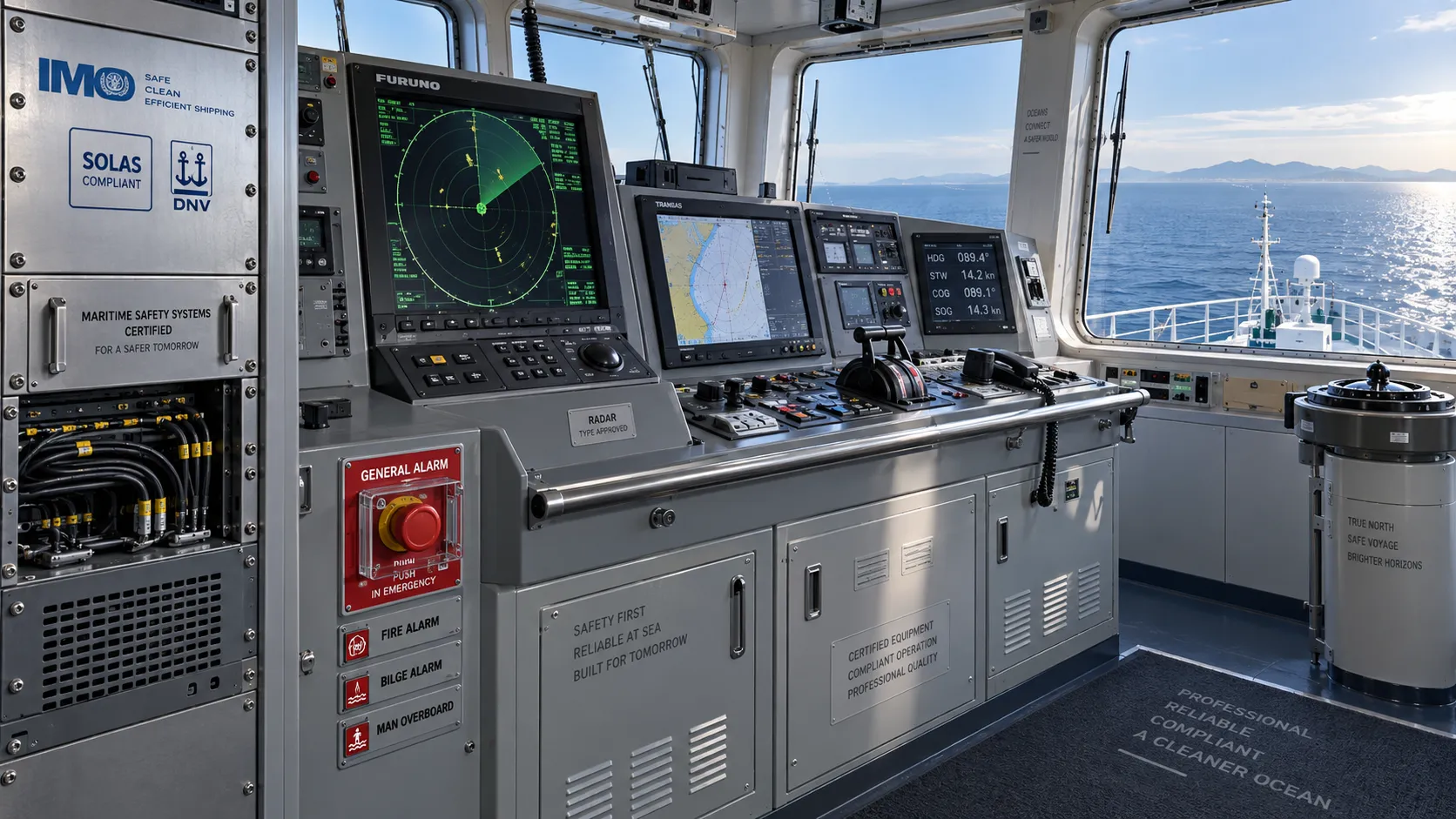
How to Evaluate a Marine Safety Systems Manufacturer for Vessel Compliance and Reliability
Marine safety systems manufacturer evaluation guide: verify compliance, engineering quality, lifecycle costs, and global service support for safer, reliable vessel operations.
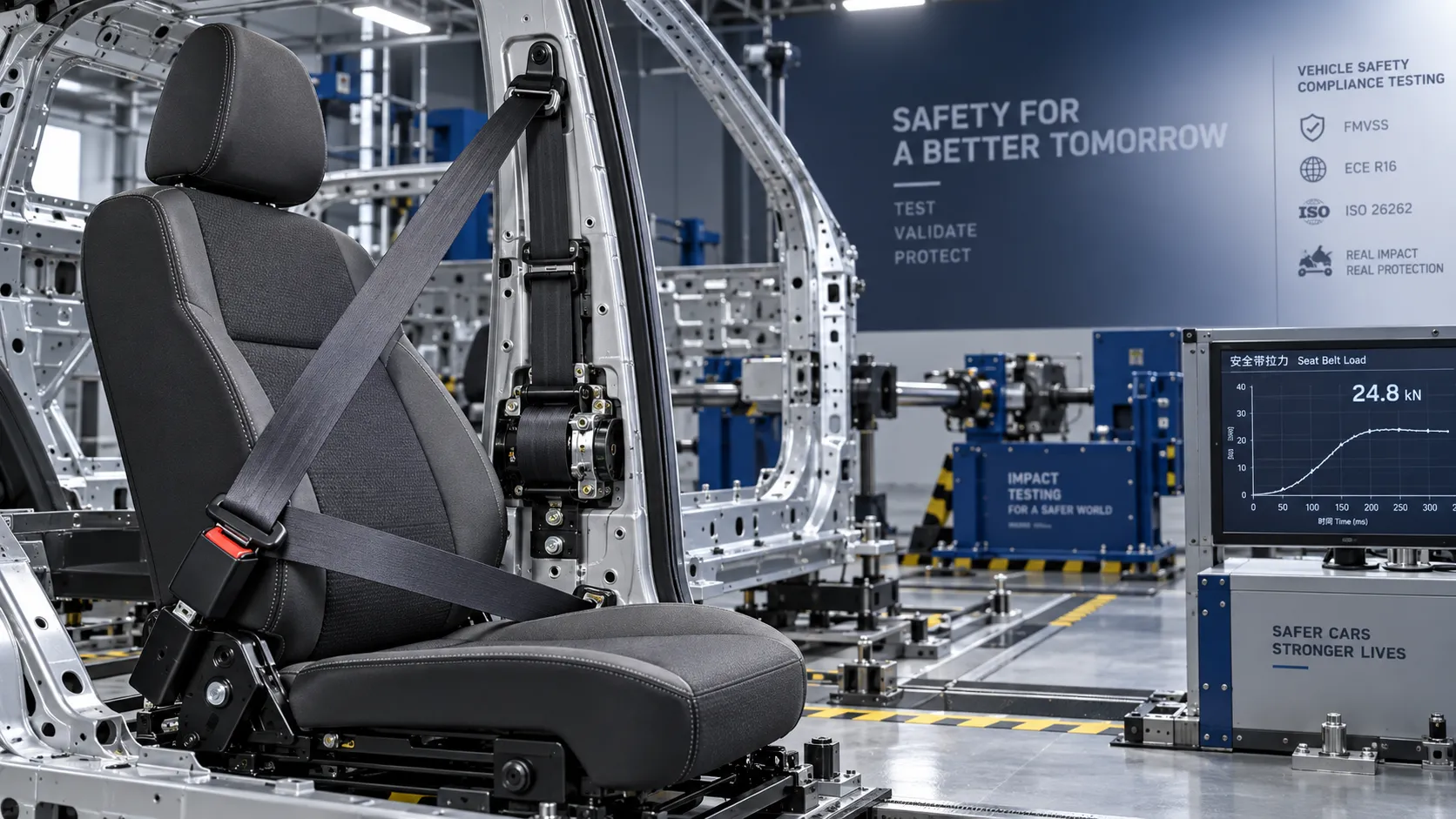
Crash Test Regulations for Seatbelts: Key Compliance Requirements Explained
Crash test regulations seatbelts explained: explore FMVSS, UN rules, anchorage strength, and dynamic restraint testing for safer, compliant vehicle systems.
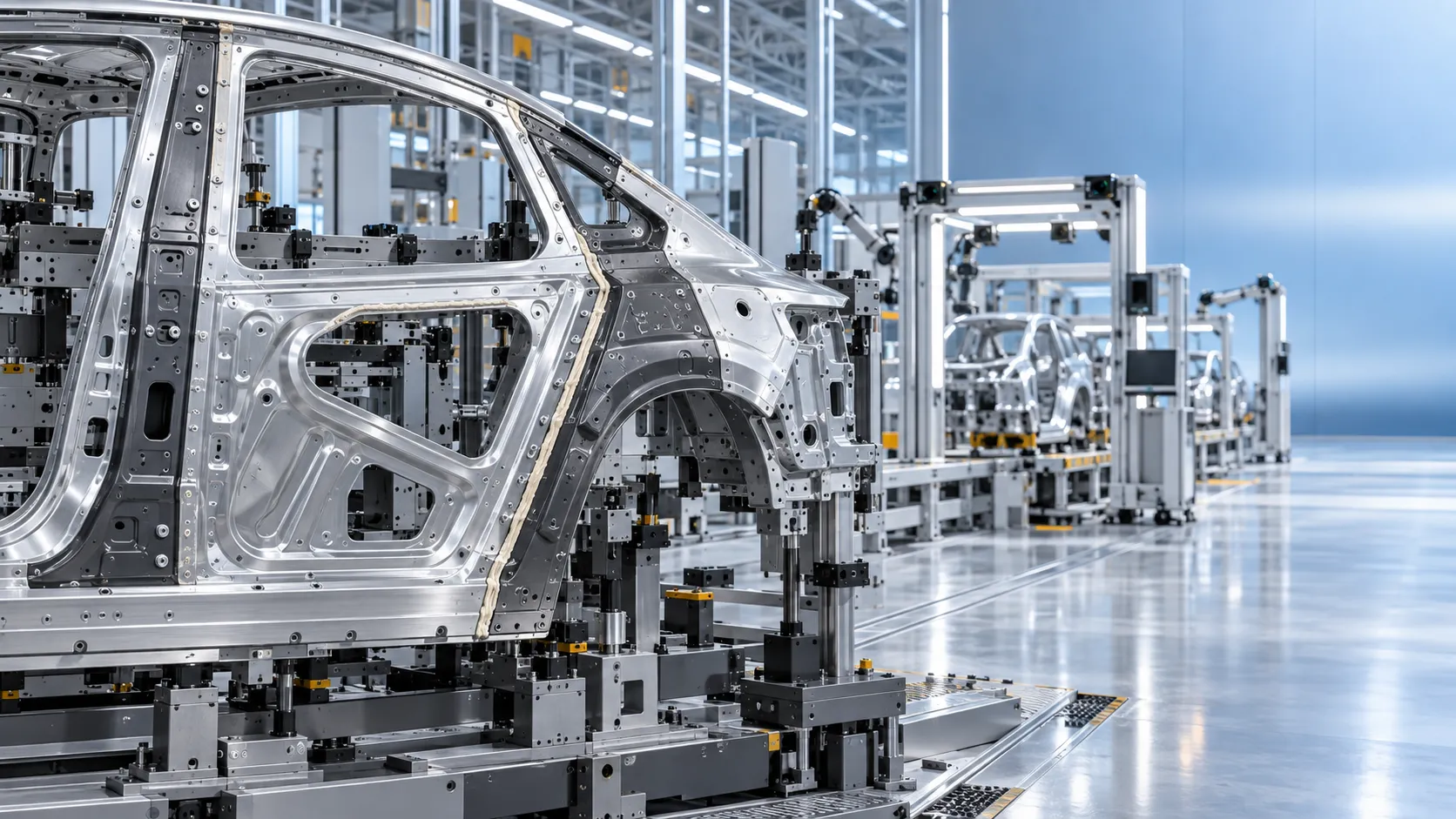
How to Calculate the Total Cost of Automotive Lightweighting for a Vehicle Program
Automotive lightweight solutions cost: learn how to calculate program-level costs, including materials, tooling, joining, validation, risk, and vehicle-level value.
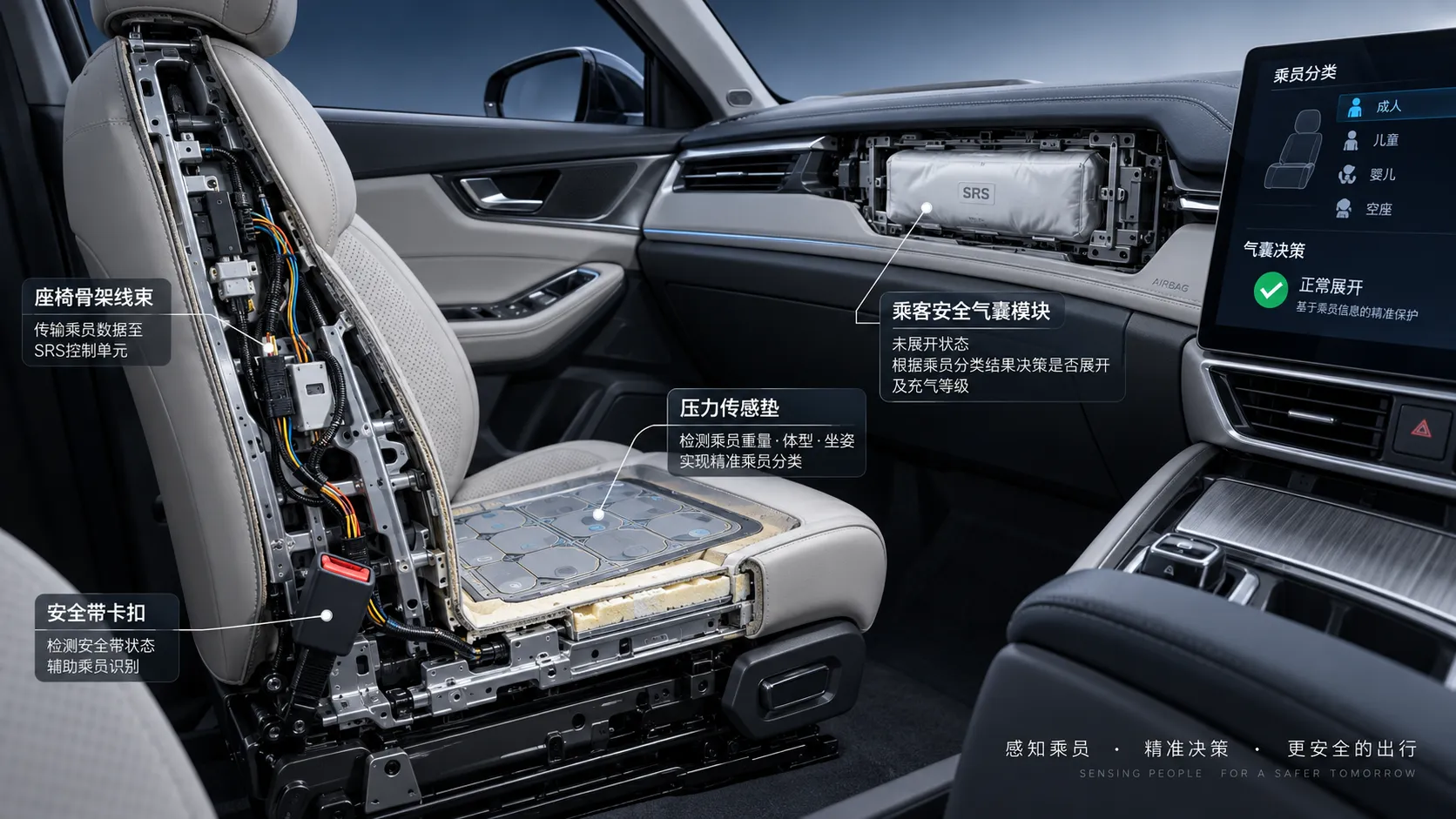
How Automotive Seat Occupancy Sensing Improves Airbag Deployment Decisions
Automotive seat occupancy sensing helps optimize airbag deployment decisions, improving passenger classification, safety diagnostics, and compliance across real-world conditions.
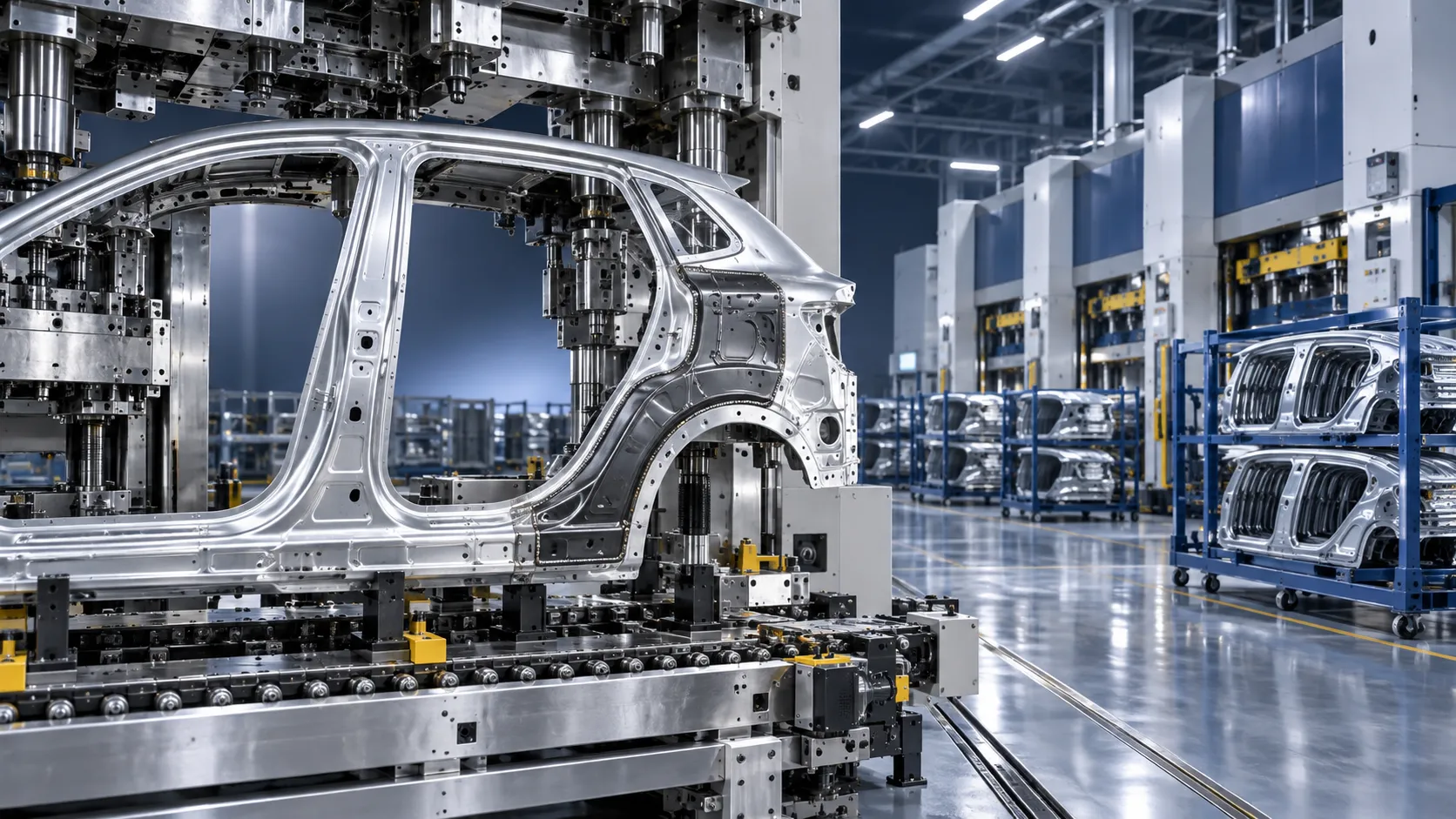
What Drives Lightweight Body Component Costs in High-Volume Vehicle Programs?
Lightweight body components cost depends on material yield, forming, joining, tooling, validation, and logistics. Explore proven ways to optimize total vehicle program cost.
Related News
- 00
0000-00
Automotive Compliance Information for EVs: Which Standards Matter for New Programs? - 00
0000-00
Crash test standards are changing what cars must prove - 00
0000-00
What crash test regulations now mean for new designs - 00
0000-00
Crash test regulations are changing faster than many plans - 00
0000-00
Maritime Safety Technology Updates That May Affect Fleet Compliance
Weekly Insights
Stay ahead with our curated technology reports delivered every Monday.