What to compare before buying maritime safety technology
Before investing in maritime safety technology, comparison should begin with operational risk, not brochures. The strongest decisions balance compliance, integration, uptime, cybersecurity, training, and total ownership cost.
For vessels operating across changing routes and regulations, maritime safety technology affects navigation precision, crew protection, cargo continuity, and insurance exposure. A disciplined evaluation framework reduces costly mismatches and supports safer long-term fleet performance.
Understanding maritime safety technology in practical terms
Maritime safety technology includes systems that help prevent collisions, improve situational awareness, support emergency response, and protect vessel operations under difficult marine conditions.
It often combines navigation electronics, radar, sonar, AIS, ECDIS, bridge alarms, communication tools, sensor networks, and supporting software for data interpretation and decision support.
In broader industrial terms, this category also connects with cabin safety, structural protection, and reliability engineering. That is why comparison should consider both digital intelligence and physical resilience.
A useful market lens can be found through platforms such as 无, where cross-sector intelligence links navigation technology with wider safety engineering trends.
Core functions usually included
- Positioning and route accuracy
- Collision avoidance and target tracking
- Bridge alerting and alarm management
- Emergency communication continuity
- Data recording, diagnostics, and software updates
Current market signals shaping comparison priorities
Today’s maritime safety technology market is influenced by stricter compliance expectations, connected vessels, cyber risk, and pressure to reduce unplanned downtime.
Decision quality improves when comparisons reflect these signals instead of focusing only on headline features.
What to compare before buying maritime safety technology
The most effective maritime safety technology comparison uses a multi-factor method. Price should be one factor, not the leading one.
1. Regulatory compliance and certification
Confirm alignment with IMO requirements, SOLAS obligations, flag-state rules, and relevant classification society standards. Certification should be current, traceable, and valid for the intended installation profile.
Also compare software update policies. Compliance often changes through digital revisions, especially in charting, communications, and navigation display environments.
2. Integration with existing onboard systems
Maritime safety technology must work cleanly with radar, AIS, ECDIS, autopilot, alarms, sensors, and voyage data systems. Poor integration can create blind spots, duplicate alerts, or operator confusion.
Request interface documentation, protocol compatibility, and examples from similar vessel classes. Integration testing should be discussed before purchase approval.
3. Reliability in harsh marine environments
Marine equipment faces vibration, salt exposure, humidity, temperature variation, and power instability. Maritime safety technology should be judged by performance under these real conditions.
Compare enclosure quality, component durability, fault tolerance, and mean time between failures. Service history in rough routes matters more than polished sales claims.
4. Human-machine interface and usability
The best maritime safety technology supports fast understanding under pressure. Screens, alarm logic, menu structure, and night-use readability all influence operational safety.
Evaluation should include training burden. Systems that require fewer workarounds usually deliver stronger consistency and lower error probability.
5. Cybersecurity and update control
Connected maritime safety technology needs strong authentication, controlled remote access, secure update pathways, and event logging. Cyber resilience is now part of safety resilience.
Ask whether security patches are proactive or reactive. Also review support windows for legacy hardware and software versions.
6. Total lifecycle cost
True cost includes installation, commissioning, software licenses, calibration, crew familiarization, spare parts, upgrades, and service response time.
Comparing maritime safety technology without lifecycle cost often leads to avoidable budget drift within two to five years.
7. Supplier credibility and support depth
Assess engineering support, documentation quality, service network coverage, and responsiveness during failures. Long-term support is especially important for fleets operating across regions.
It is reasonable to compare technical intelligence sources, including references associated with GNCS and related cross-domain safety analysis, to validate supplier positioning.
Business value of a disciplined comparison model
A structured maritime safety technology review does more than improve purchasing accuracy. It can improve operational continuity and reduce downstream risk concentration.
- Lower probability of compliance failure
- Better route safety and awareness quality
- Reduced unplanned maintenance events
- Clearer budgeting across the asset lifecycle
- Improved resilience during audits and incidents
This approach is especially relevant in the broader mobility equipment landscape, where intelligence stitching between sensing, protection, and compliance creates measurable business advantage.
Typical comparison scenarios by vessel and mission profile
Not every vessel needs the same maritime safety technology mix. Comparison criteria should reflect route complexity, weather exposure, crew workload, and service criticality.
Practical evaluation steps and common mistakes
Recommended evaluation steps
- Define operational risks and route conditions first.
- List mandatory compliance and interface requirements.
- Score maritime safety technology options using weighted criteria.
- Review support contracts, update policy, and spare availability.
- Validate through trials, references, or simulator-based checks.
Mistakes that weaken outcomes
- Comparing only purchase price
- Ignoring crew usability and training effort
- Underestimating cybersecurity exposure
- Assuming certifications guarantee integration quality
- Skipping long-term service capability review
For broader strategic benchmarking, selected intelligence references such as 无 can help connect marine navigation trends with wider safety technology development patterns.
Next-step framework for better buying decisions
A strong maritime safety technology decision should end with a documented comparison matrix, not a verbal preference. That matrix should include compliance, interoperability, reliability, cyber readiness, usability, and lifecycle economics.
When these factors are reviewed together, maritime safety technology becomes easier to compare in a consistent, defensible way. The result is better safety performance, lower operational uncertainty, and more durable investment value.
Start with the vessel mission, confirm the standards, test the interfaces, and verify support depth. That sequence produces clearer choices and stronger protection across navigation and onboard safety systems.
Related News
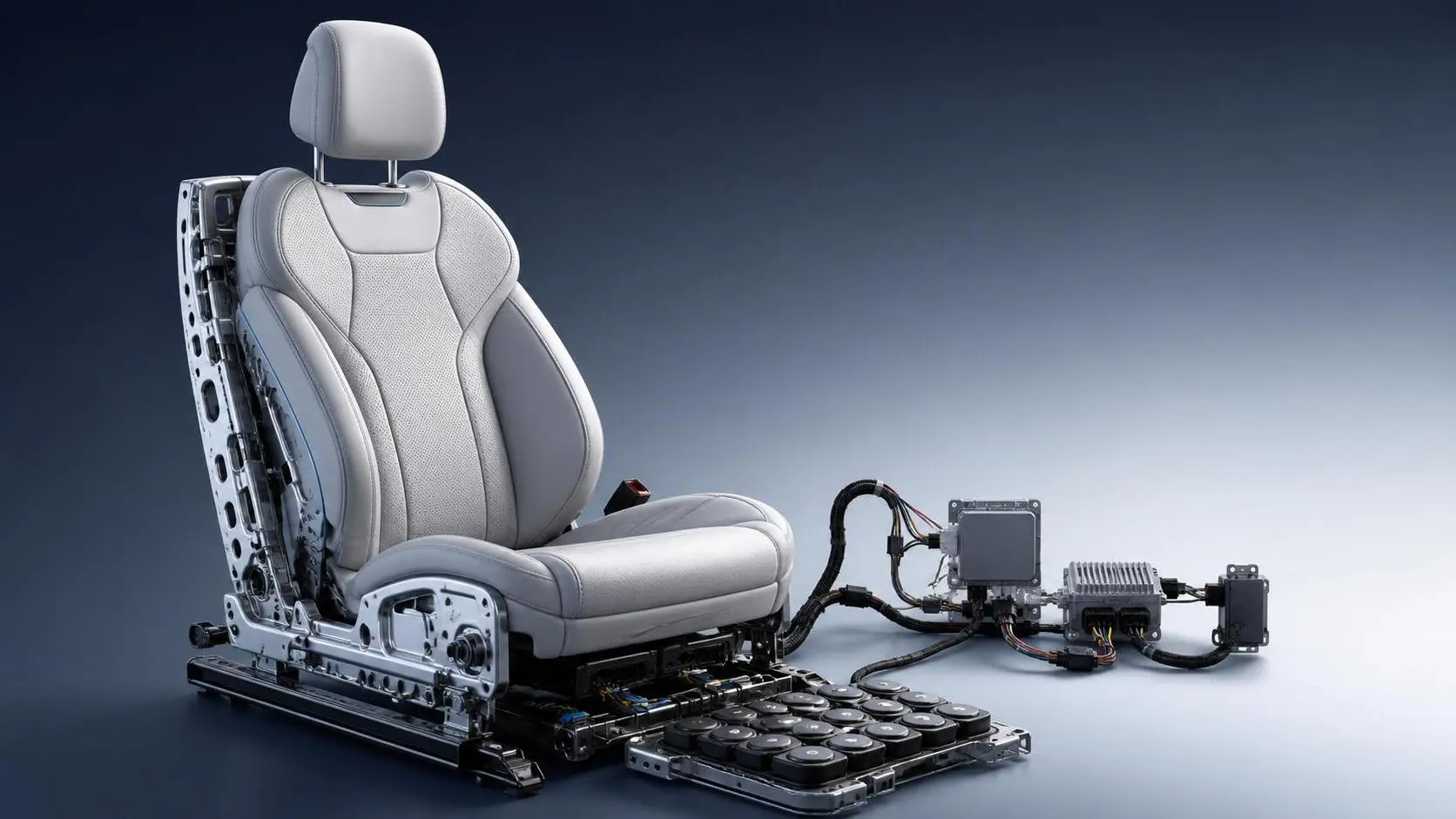
How to Evaluate Custom Smart Automotive Seating for Premium Vehicle Programs?
Custom smart automotive seating evaluation starts with safety, comfort, integration, and production readiness. Discover how premium vehicle teams choose smarter, lower-risk seat solutions.
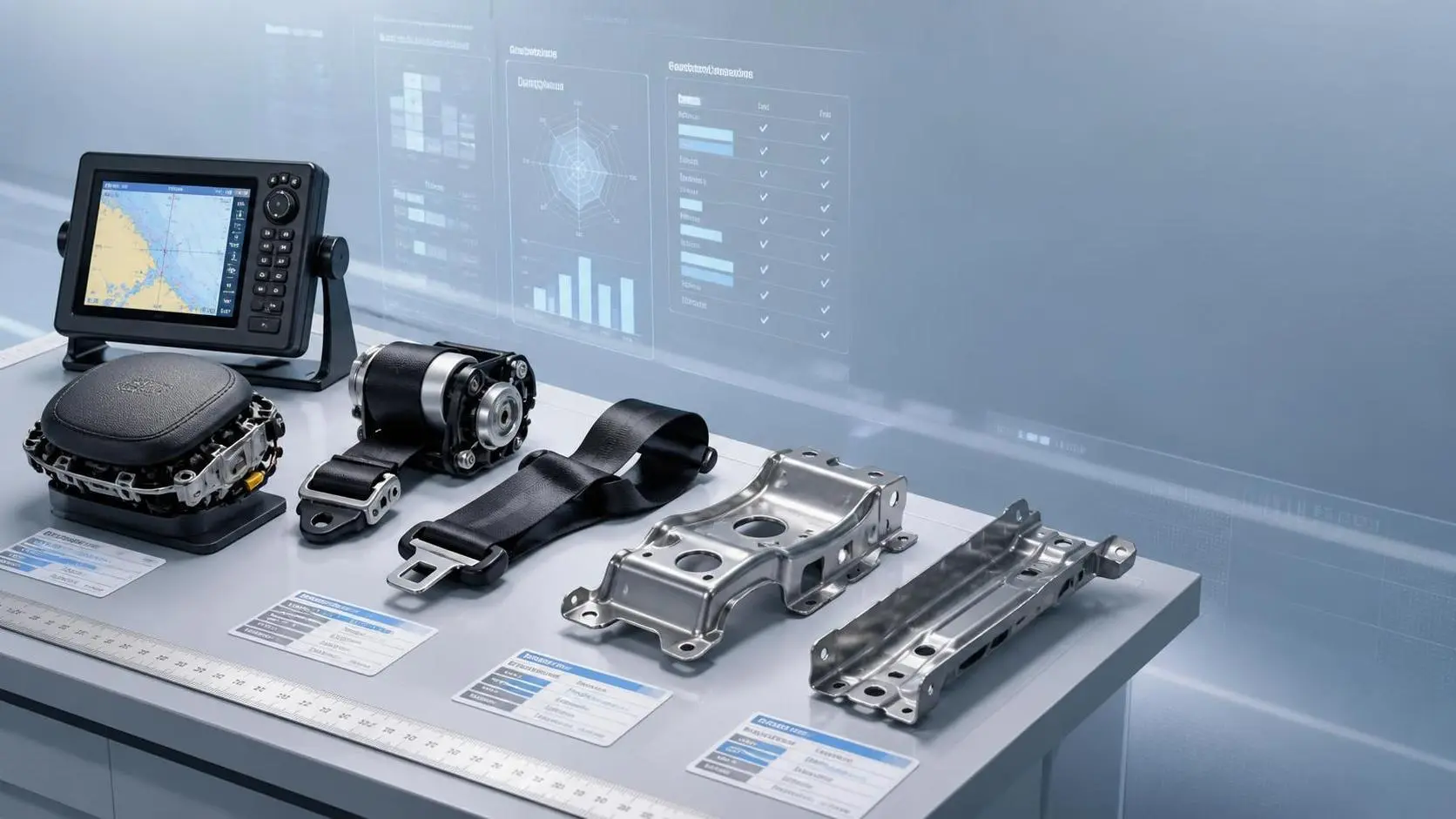
B2B Product Intelligence Platforms: How to Compare Features, Data Coverage, and ROI
B2B product intelligence platform comparison: learn how to evaluate data coverage, feature depth, compliance visibility, and ROI to choose a sourcing tool that reduces risk and speeds decisions.
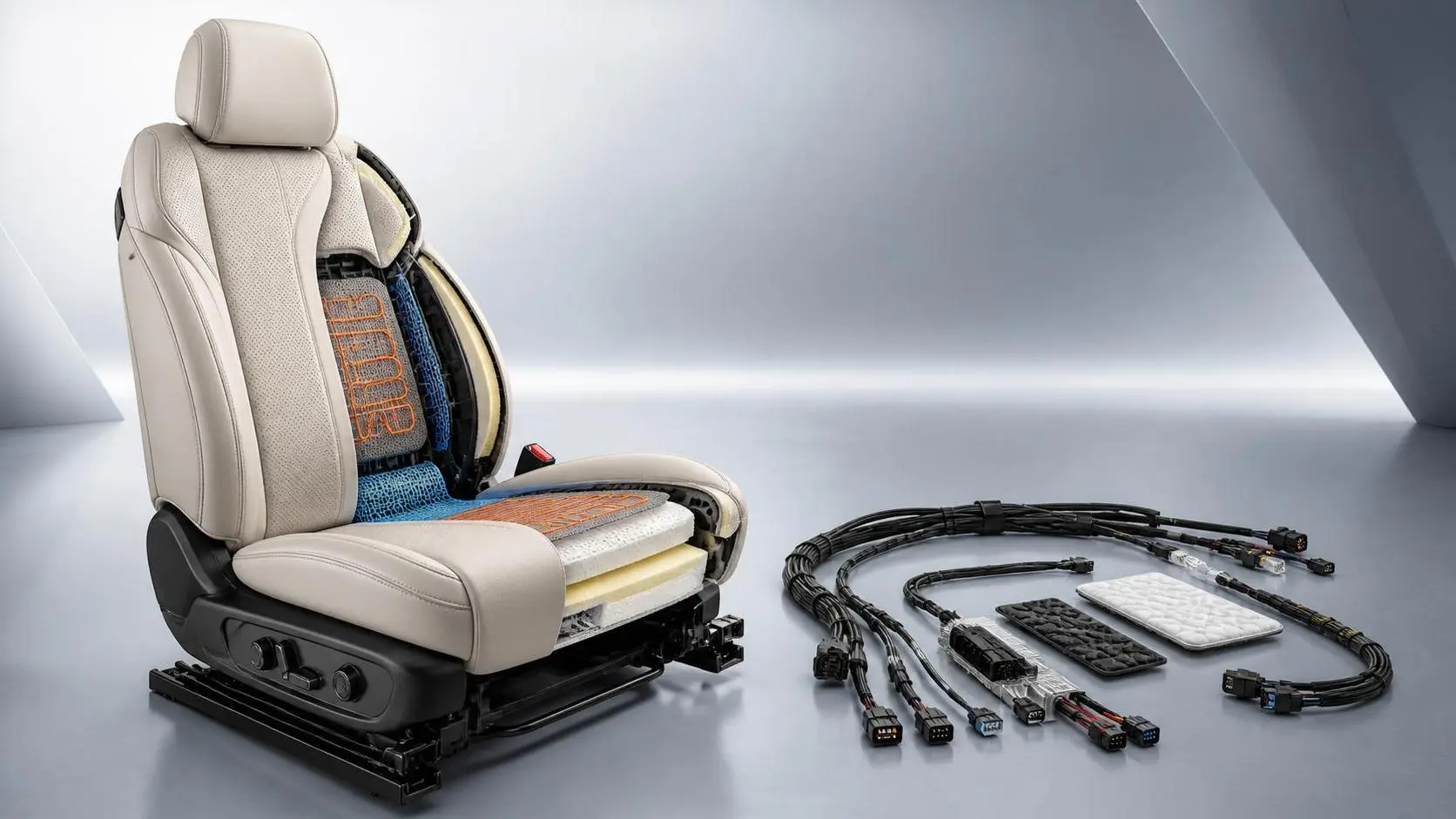
Climate Control Seats Cost: What Drives Price and Long-Term Ownership Value?
Climate control seats cost depends on materials, thermal tech, and integration. Learn what drives price and how to judge long-term value before you buy.
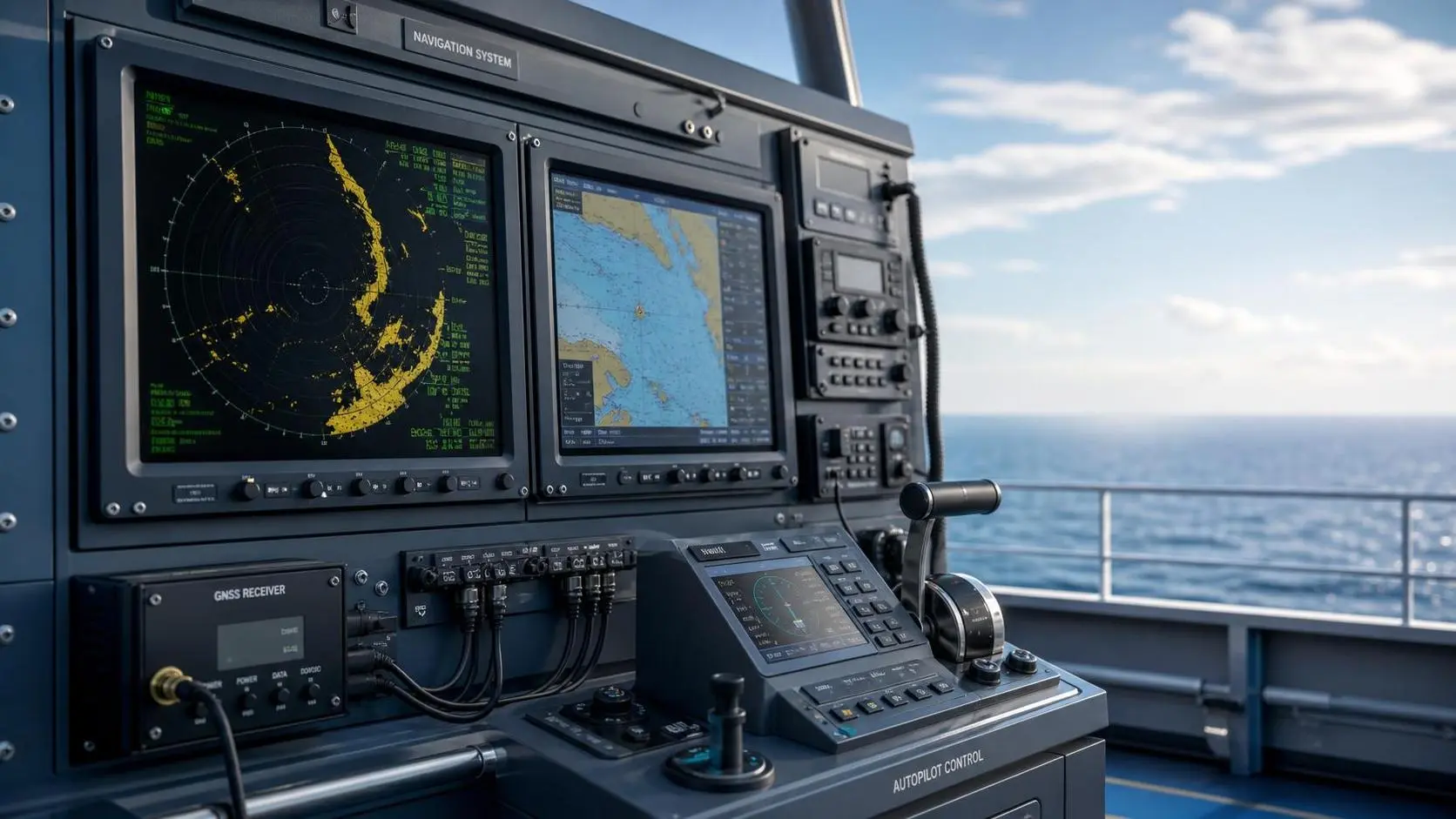
What Factors Drive Marine Navigation Components Cost in Commercial Vessel Projects?
Marine navigation components cost is shaped by integration, compliance, installation, and lifecycle support. Discover what drives pricing and how buyers can reduce risk while improving value.
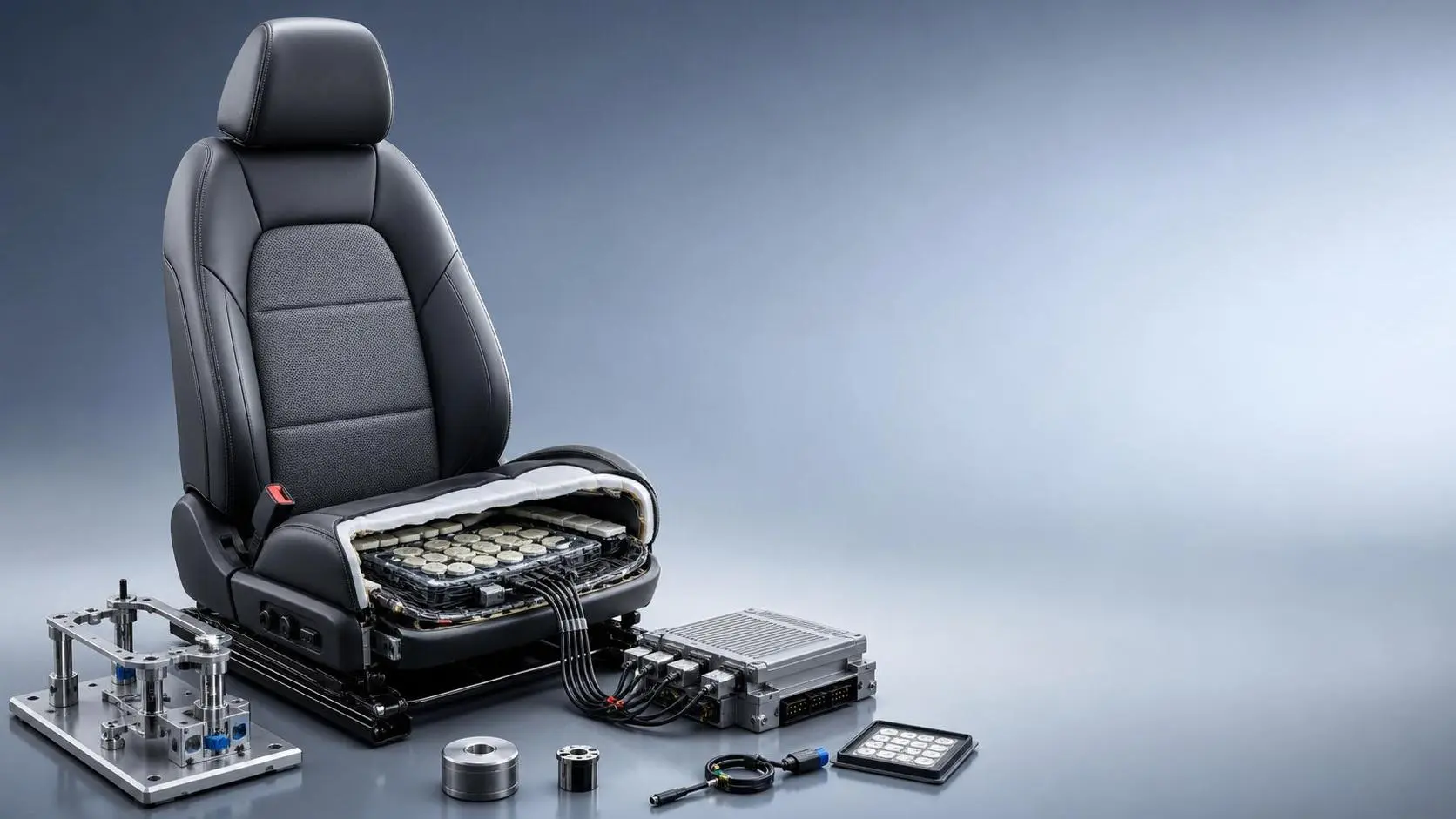
How Much Does Seat Occupancy Sensing Cost? Key Pricing Factors for Buyers
Seat occupancy sensing price varies widely by technology, integration, and compliance needs. Learn the key cost drivers, avoid hidden fees, and make smarter buying decisions.
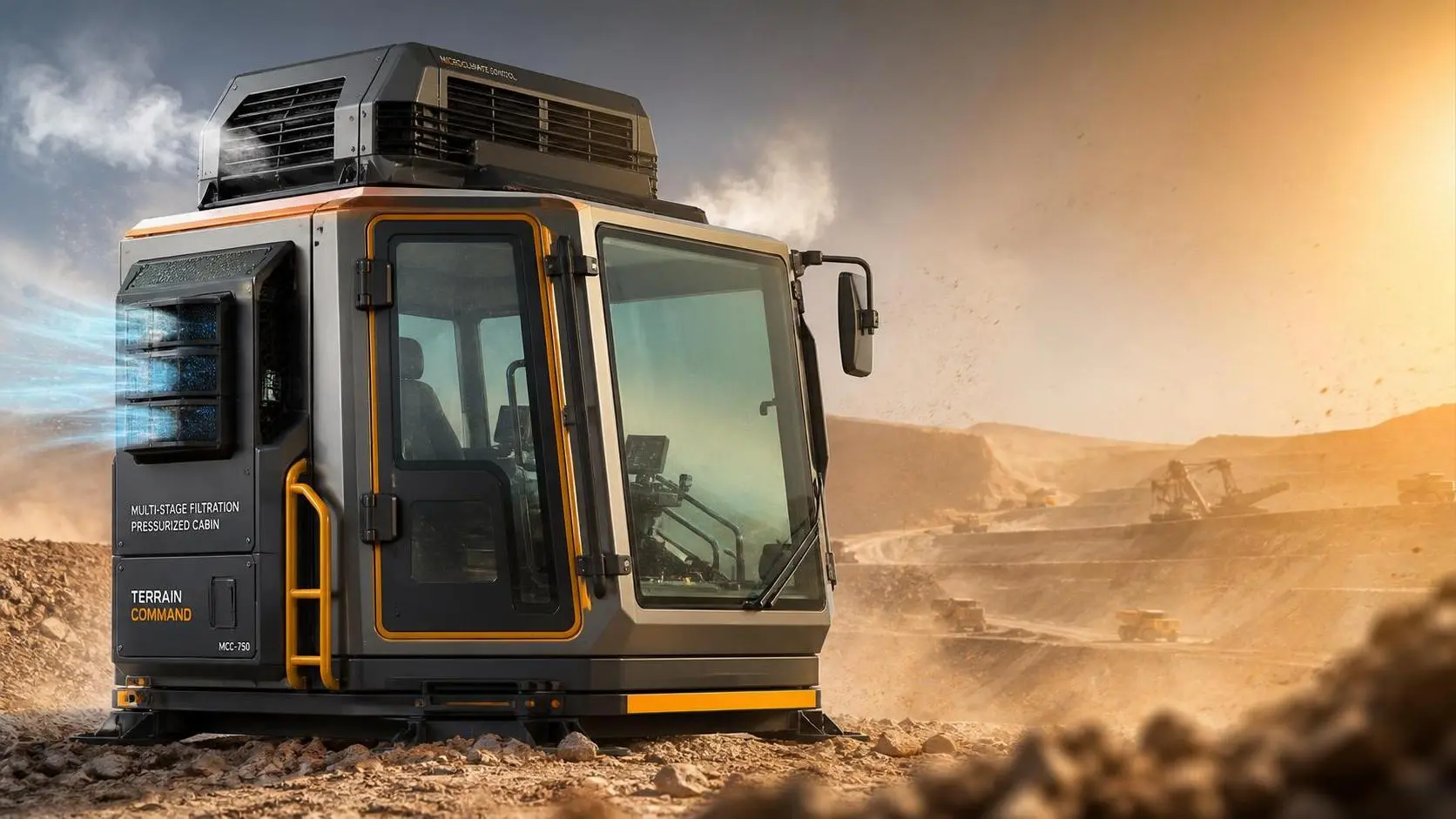
How to Specify Micro-Climate Control Cabins for Harsh Outdoor Worksites?
Micro-climate control cabins for harsh outdoor worksites: learn how to specify thermal control, filtration, pressurization, and durability for safer uptime and smarter buying.
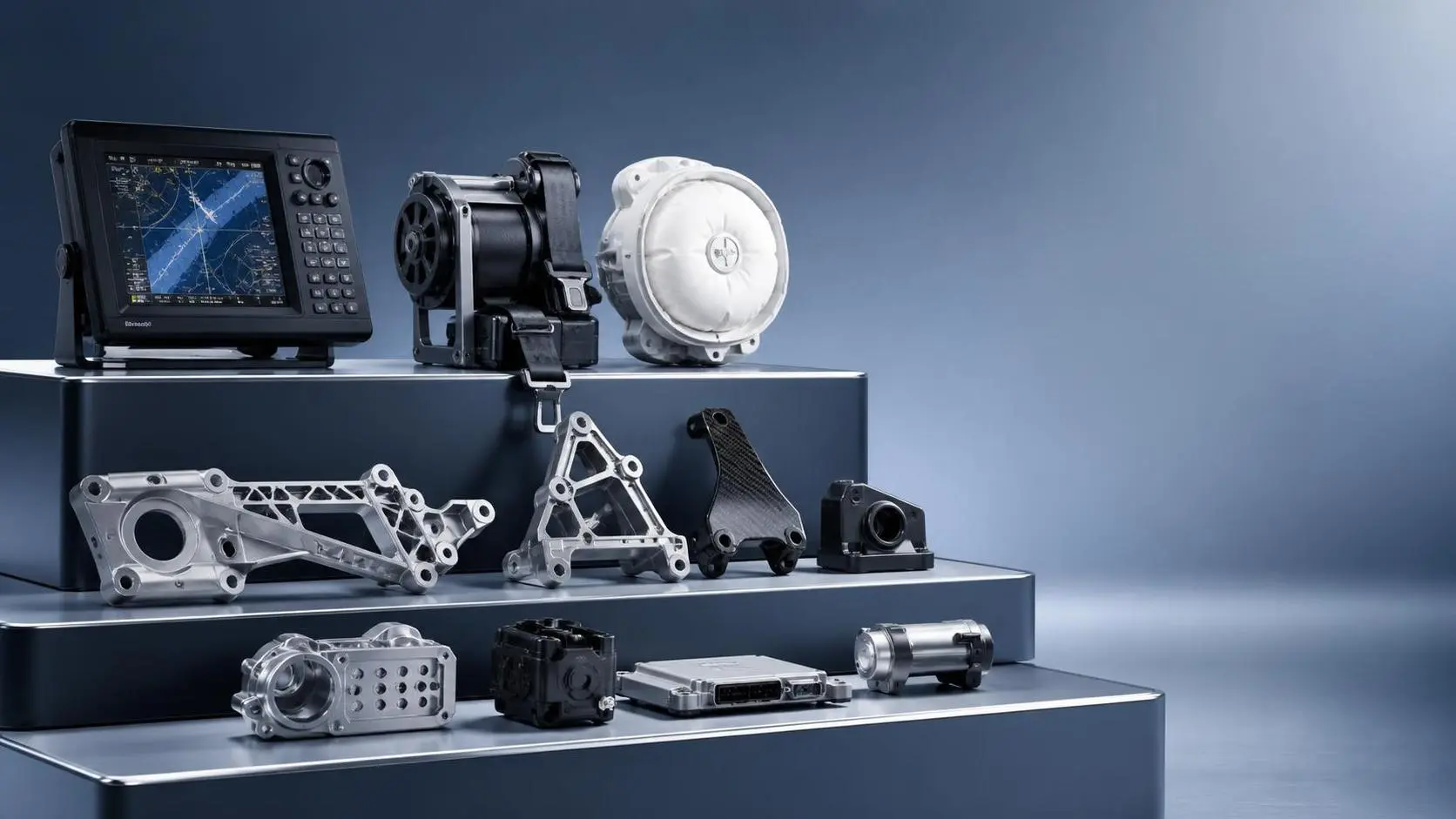
How to Evaluate a B2B Product Knowledge Platform for Faster Procurement Decisions
B2B product knowledge platform procurement starts with reducing decision risk. Learn how to compare specs, compliance, and supplier data to speed sourcing with confidence.
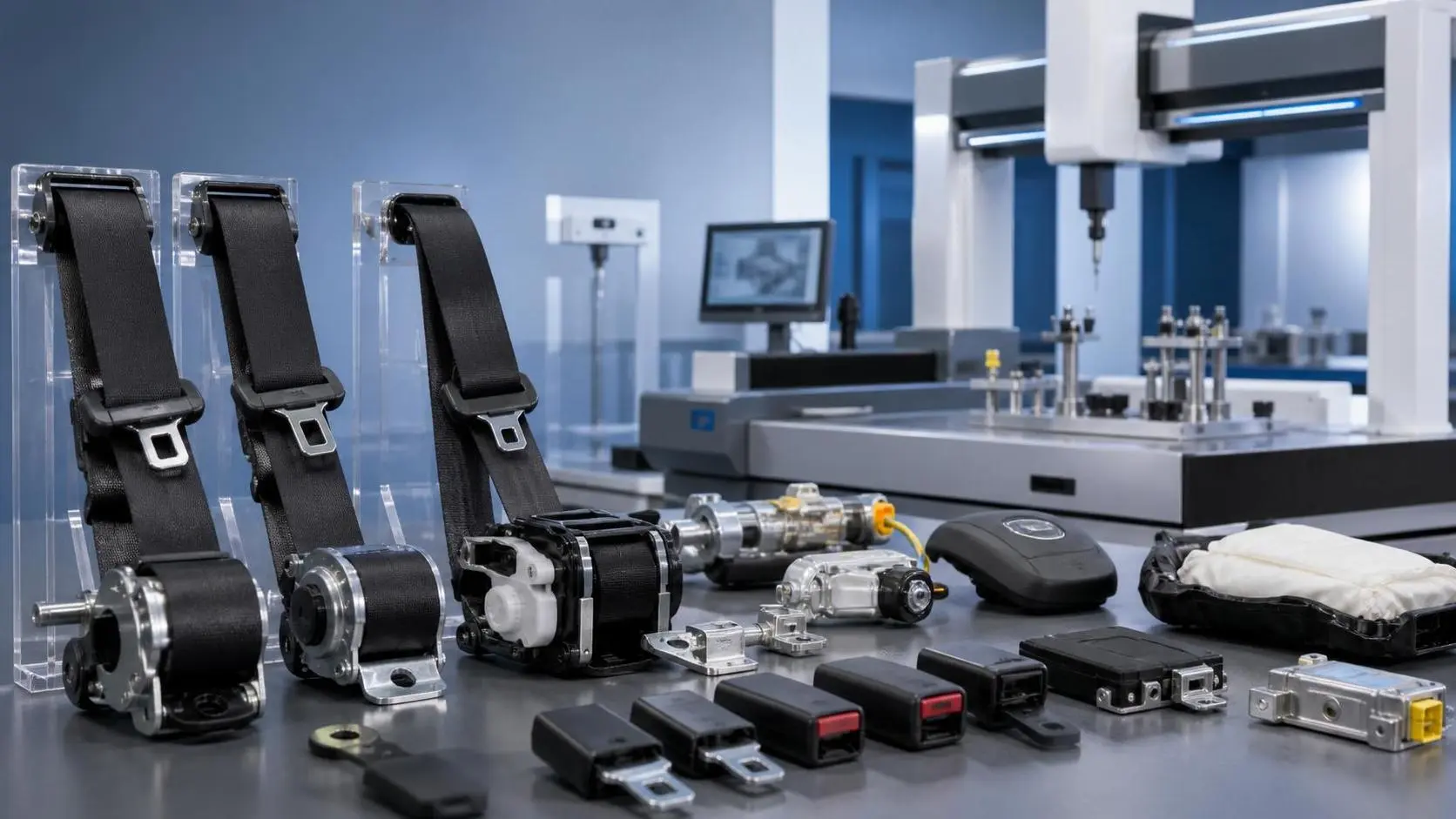
How to Evaluate an Occupant Restraint Systems Exporter for Quality, Compliance, and Supply Risk
Occupant restraint systems exporter evaluation guide: learn how to verify quality controls, compliance evidence, and supply risk before sourcing to avoid recalls, delays, and hidden costs.
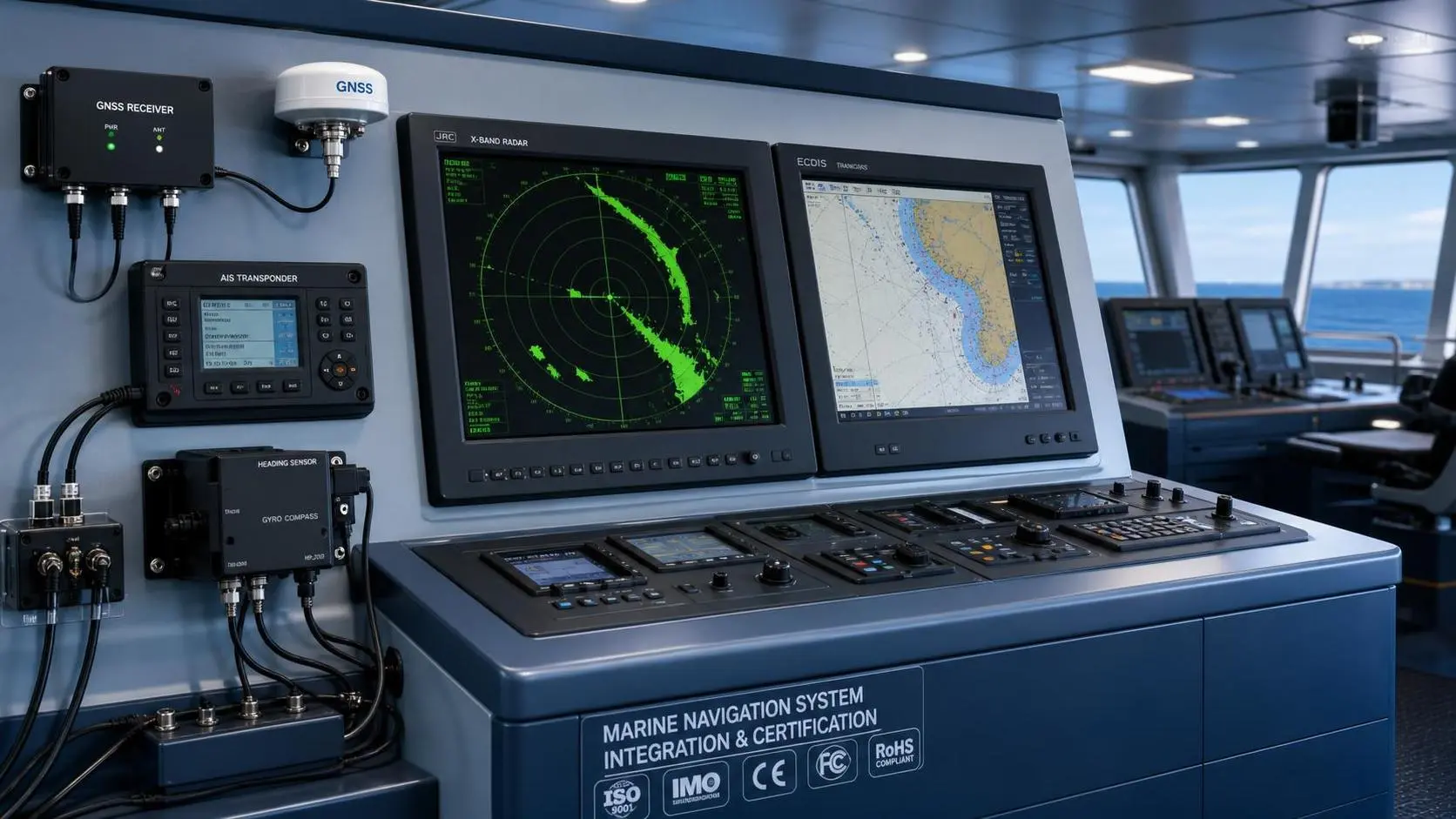
Navigation Compliance Certification: Which Marine Systems Need It and How to Prepare?
Navigation compliance certification explained: discover which marine systems need approval, what documents matter, and how to prepare early to avoid delays, rework, and costly project risks.
Related News
- 00
0000-00
B2B Product Intelligence Platforms: How to Compare Features, Data Coverage, and ROI - 00
0000-00
What Factors Drive Marine Navigation Components Cost in Commercial Vessel Projects? - 00
0000-00
How Much Does Seat Occupancy Sensing Cost? Key Pricing Factors for Buyers - 00
0000-00
How to Specify Micro-Climate Control Cabins for Harsh Outdoor Worksites? - 00
0000-00
How to Evaluate a B2B Product Knowledge Platform for Faster Procurement Decisions
Weekly Insights
Stay ahead with our curated technology reports delivered every Monday.