
Magnesium Alloys in Lightweight Components: Strength, Corrosion, and Cost Trade-Offs
For technical evaluators assessing lightweight component strategies, magnesium alloys present a compelling yet complex option: exceptional weight reduction and high specific strength must be balanced against corrosion behavior, joining challenges, manufacturability, and lifecycle cost. In automotive body structures, seat frames, and safety-critical assemblies, the material choice is no longer driven by mass savings alone. This article examines how magnesium alloys perform under real engineering constraints, helping decision-makers compare strength, durability, protection requirements, and economic trade-offs in mobility equipment design.
Where Magnesium Alloys Fit in Lightweight Mobility Components
Magnesium alloys are attractive because magnesium is among the lightest structural metals used in engineered components, with density far below steel and aluminum.
For mobility equipment, the benefit is not only lower mass. Reduced inertia can improve seat adjustment loads, energy consumption, and packaging flexibility.
GNCS evaluates magnesium alloys through the combined lens of physical containment protection, lightweight body strategy, passive safety, and manufacturability under compliance pressure.
High-value application zones for technical review
- Seat frames, cushion pans, backrest structures, and adjustment brackets where weight savings must not compromise occupant restraint geometry.
- Steering wheel cores, instrument panel carriers, and interior support castings where dimensional stability and vibration behavior matter.
- Selected body-in-white attachments or closures where corrosion protection, galvanic isolation, and repairability can be controlled.
- Marine or cabin equipment housings where electromagnetic, vibration, and environmental exposure conditions must be assessed together.
The best candidates are usually semi-structural components with defined load paths, controlled exposure, and a clear mass-saving target.
Strength Trade-Offs: What Should Evaluators Measure First?
Magnesium alloys can deliver high specific strength, but absolute strength, ductility, creep resistance, and fatigue response vary by alloy and process.
A technical evaluator should avoid comparing raw tensile strength alone. Component geometry and casting quality often decide final structural performance.
The table below summarizes practical performance checkpoints when magnesium alloys are considered for cabin safety and lightweight structural components.
This matrix helps separate useful magnesium alloys from unsuitable proposals. It also prevents overreliance on mass reduction claims without durability evidence.
Crash and passive safety considerations
For seat structures and restraint-adjacent parts, strength must be interpreted through load transfer, anchorage stiffness, and deformation compatibility.
Magnesium alloys may suit brackets or frames, but safety-critical adoption requires validation under crash pulses, fatigue cycles, and misuse loads.
Corrosion and Surface Protection: The Hidden Decision Driver
Corrosion behavior is often the decisive barrier for magnesium alloys, especially when components contact steel fasteners, aluminum parts, or road-salt environments.
The issue is not that magnesium cannot be protected. The issue is whether the protection system remains reliable through production and service.
Key corrosion risks to control
- Galvanic corrosion when magnesium alloys contact more noble metals without electrical isolation or sealing.
- Coating damage at edges, threaded areas, bosses, ribs, or high-wear assembly interfaces.
- Moisture entrapment in closed sections, seat mechanisms, marine housings, or poorly drained cavities.
- Process contamination from machining fluids, cleaning chemistry, or inconsistent pretreatment before coating.
For technical teams, corrosion evaluation should combine salt spray, cyclic corrosion, coating adhesion, and real assembly exposure logic.
In marine-adjacent equipment, GNCS recommends stronger attention to sealing architecture, mixed-material interfaces, and maintenance accessibility.
Magnesium Alloys Versus Aluminum and High-Strength Steel
Material substitution is a system decision. Magnesium alloys compete with aluminum castings, aluminum extrusions, high-strength steel stampings, and hybrid structures.
The comparison below gives a decision-oriented view for mobility equipment, rather than a simplified material ranking.
The practical conclusion is clear: magnesium alloys are strongest when their design freedom offsets the extra protection and validation work.
Manufacturing and Joining: Can the Design Survive Production Reality?
Most production magnesium alloys are evaluated through die casting, thixomolding, machining, coating, and mechanical fastening requirements.
For evaluators, the question is not whether the component can be made once. It is whether the process window is repeatable.
Production checks before design freeze
- Confirm minimum wall thickness, rib layout, draft angle, and porosity tolerance with the selected casting process.
- Define machining allowances and avoid exposing unprotected surfaces in corrosion-sensitive areas after coating.
- Validate fastener strategy, inserts, thread design, and galvanic isolation before final assembly drawings are released.
- Review coating compatibility with adhesives, foams, trim parts, and any seat heating or sensing elements.
Joining deserves special attention because magnesium alloys are often integrated into mixed-material architectures. Mechanical fastening is common, but isolation is essential.
Adhesive bonding may help distribute stress and reduce galvanic contact, yet it requires surface preparation discipline and environmental aging validation.
Cost Analysis: When Do Magnesium Alloys Make Economic Sense?
The business case for magnesium alloys depends on total system cost, not only raw material price per kilogram.
Savings may come from part consolidation, reduced secondary brackets, lower actuator load, or improved energy efficiency across the vehicle platform.
The following cost view helps procurement and engineering teams discuss the same trade-offs with fewer assumptions.
Magnesium alloys make the most economic sense when design integration, mass reduction, and performance validation are planned as one package.
Procurement Checklist for Technical Evaluators
Procurement teams often receive attractive claims about magnesium alloys, but supplier comparison requires disciplined questions and evidence-based checkpoints.
What to request from suppliers
- Alloy designation, material specification, chemical composition limits, and any heat treatment or post-casting process assumptions.
- Mechanical property data from representative production routes, including tensile, fatigue, and temperature-related performance where relevant.
- Corrosion protection plan covering pretreatment, coating stack, edge protection, fastener isolation, and inspection criteria.
- Dimensional capability, porosity control method, non-destructive inspection plan, and historical defect-control approach.
- Validation alignment with applicable OEM requirements, ISO quality systems, FMVSS or ECE expectations, and platform-specific test plans.
A strong quote should explain how magnesium alloys will be protected, joined, tested, repaired, and delivered at scale.
If the proposal only emphasizes lightweight performance, the evaluator should ask for corrosion data, production yield assumptions, and lifecycle cost details.
Compliance and Testing: What Evidence Reduces Program Risk?
For safety-related mobility equipment, magnesium alloys must be judged through the same discipline applied to restraints, seat structures, and body components.
Relevant frameworks may include OEM material specifications, ISO 9001, IATF 16949 supply practices, FMVSS, ECE regulations, and crash assessment protocols.
Evidence package for approval gates
- Material qualification data linked to the exact alloy, process route, surface treatment, and supplier production environment.
- Component-level fatigue and static strength testing with realistic boundary conditions and mounting hardware.
- Cyclic corrosion and coating damage scenarios reflecting road salt, cabin humidity, marine exposure, or cleaning chemicals.
- Crash or abuse-load validation where magnesium components influence occupant positioning, restraint performance, or structural integrity.
GNCS emphasizes that compliance is not a document exercise. It is a traceable chain from material selection to field durability.
Common Misjudgments When Evaluating Magnesium Alloys
Many lightweight projects fail because the initial material decision ignores service environment, production variation, or assembly interfaces.
Misjudgment 1: assuming all mass savings become net system savings
Magnesium alloys reduce component mass, but added coatings, inserts, reinforcements, or validation costs can narrow the final economic advantage.
Misjudgment 2: treating corrosion as a late-stage coating issue
Corrosion prevention must influence geometry, drainage, fastener design, masking strategy, and service repair planning from the earliest concept phase.
Misjudgment 3: comparing materials without functional targets
A meaningful comparison requires clear targets for mass, load, fatigue life, corrosion exposure, cycle time, cost, and compliance evidence.
FAQ: Practical Questions Before Selecting Magnesium Alloys
The following questions reflect common search and procurement concerns from technical evaluators reviewing lightweight component strategies.
Are magnesium alloys suitable for safety-critical seat frames?
They can be suitable when the design is validated for static loads, fatigue, crash pulses, corrosion exposure, and restraint interaction.
Technical evaluators should require component-level tests, not only material certificates, because seat frames depend heavily on geometry and joints.
What is the biggest risk when replacing aluminum with magnesium alloys?
The biggest risk is usually underestimating corrosion control and galvanic isolation in mixed-material assemblies.
A second risk is assuming the casting process can hold tight dimensional and porosity requirements without supplier-specific validation.
How should buyers compare quotations for magnesium alloys?
Buyers should compare alloy grade, tooling assumptions, coating process, inspection scope, validation responsibility, lead time, and change-control terms.
A low unit price can become expensive if corrosion testing, defect sorting, or redesign responsibility is excluded from the quotation.
Do magnesium alloys simplify or complicate sustainability goals?
They may support lightweighting and energy efficiency, but sustainability evaluation should include sourcing, casting energy, coating chemistry, recyclability, and repair strategy.
Why Choose GNCS for Lightweight Material Intelligence?
GNCS connects lightweight body engineering, passive safety architecture, smart seating systems, and navigation-grade reliability thinking into one technical intelligence framework.
For magnesium alloys, this means we help evaluators move beyond material brochures toward application-specific decision logic.
Consult GNCS when you need to clarify
- Whether magnesium alloys are appropriate for a seat frame, body attachment, carrier, housing, or safety-adjacent component.
- Which parameters should be confirmed before supplier nomination, including strength, fatigue, corrosion, coating, and joining requirements.
- How to compare magnesium, aluminum, high-strength steel, and hybrid structures under cost, certification, and delivery constraints.
- What sample support, prototype validation, quotation assumptions, and delivery-cycle questions should be raised with suppliers.
If your team is assessing magnesium alloys for a new mobility platform, GNCS can support parameter confirmation, selection logic, risk review, and supplier discussion preparation.
Contact GNCS to discuss component scenarios, certification expectations, customization requirements, sample validation plans, and quotation questions before the design path is locked.
Related News

How to Specify Integrated Marine Electronics for Reliable Bridge Operations
Integrated marine electronics: learn how to specify reliable bridge systems with clear data flows, redundancy, alarm control, lifecycle interfaces, and operational testing.

How to Evaluate Navigation Radar Manufacturers for Commercial Vessel Projects
Navigation radar manufacturers: learn how to compare performance, compliance, integration, support, and lifecycle cost for commercial vessel projects.
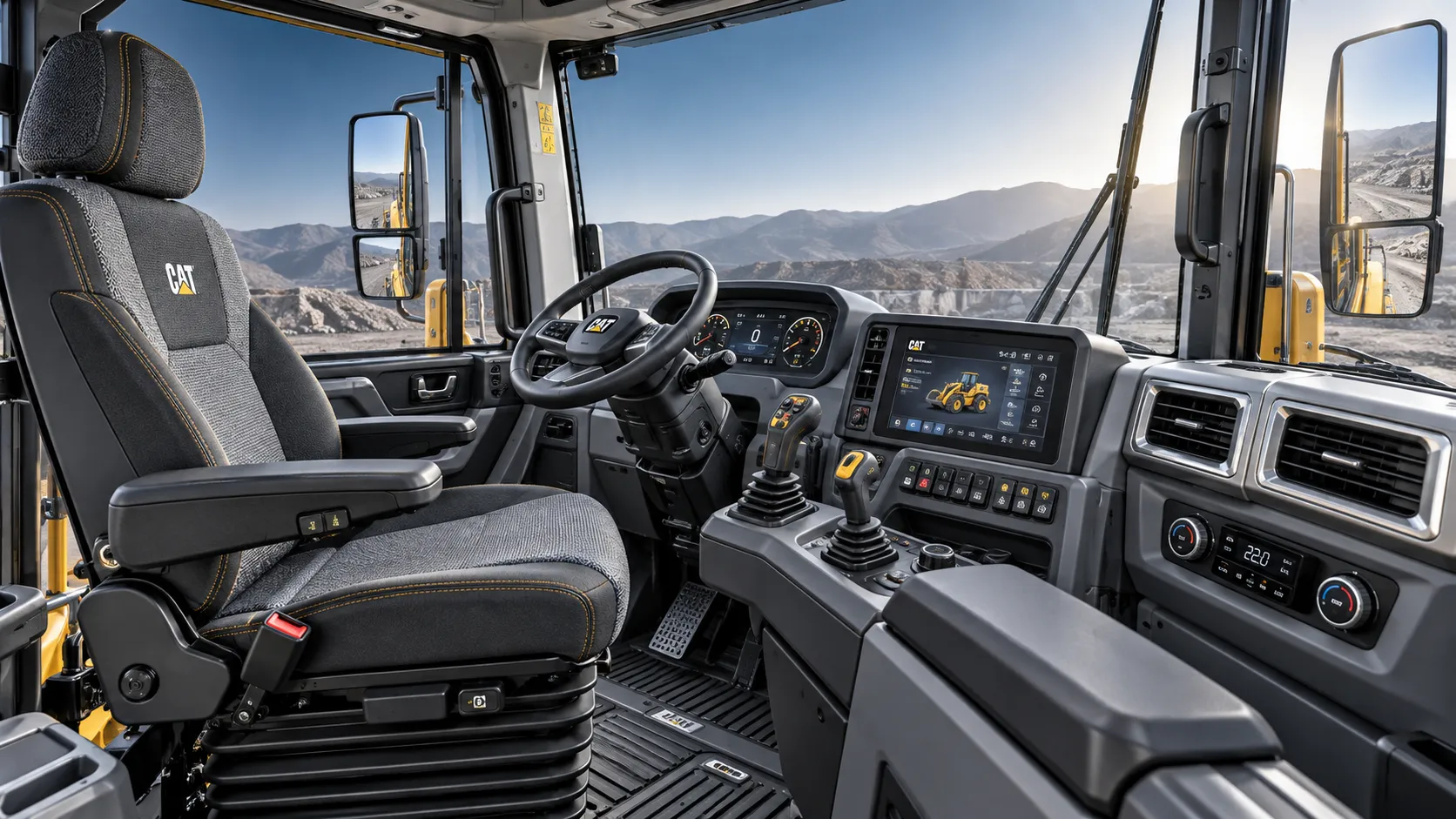
How Adjustable Cabin Ergonomics Reduce Operator Fatigue in Long-Shift Vehicles
Adjustable cabin ergonomics reduces operator fatigue through better seating, reach, visibility, vibration control, and climate comfort for safer long-shift vehicles.

How Rear-Impact Safety Components Work Together to Protect Vehicle Occupants
Explore how automotive safety components for rear impact work together—from crash structures and seats to head restraints and belts—to enhance occupant protection.

How to Evaluate a Marine Safety Systems Manufacturer for Vessel Compliance and Reliability
Marine safety systems manufacturer evaluation guide: verify compliance, engineering quality, lifecycle costs, and global service support for safer, reliable vessel operations.
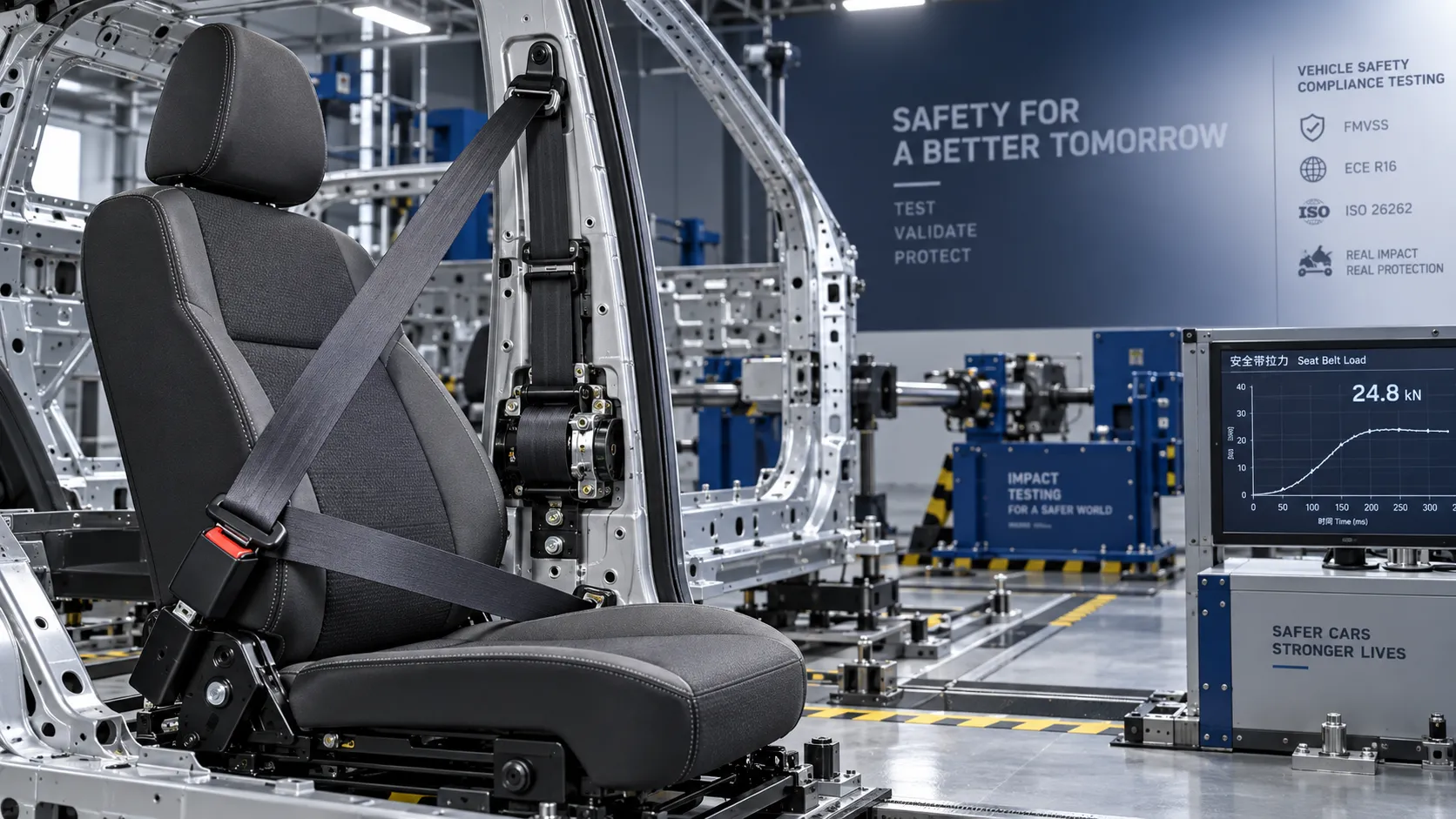
Crash Test Regulations for Seatbelts: Key Compliance Requirements Explained
Crash test regulations seatbelts explained: explore FMVSS, UN rules, anchorage strength, and dynamic restraint testing for safer, compliant vehicle systems.

How to Calculate the Total Cost of Automotive Lightweighting for a Vehicle Program
Automotive lightweight solutions cost: learn how to calculate program-level costs, including materials, tooling, joining, validation, risk, and vehicle-level value.

How Automotive Seat Occupancy Sensing Improves Airbag Deployment Decisions
Automotive seat occupancy sensing helps optimize airbag deployment decisions, improving passenger classification, safety diagnostics, and compliance across real-world conditions.

What Drives Lightweight Body Component Costs in High-Volume Vehicle Programs?
Lightweight body components cost depends on material yield, forming, joining, tooling, validation, and logistics. Explore proven ways to optimize total vehicle program cost.
Related News
- 00
0000-00
How to Specify Integrated Marine Electronics for Reliable Bridge Operations - 00
0000-00
How Adjustable Cabin Ergonomics Reduce Operator Fatigue in Long-Shift Vehicles - 00
0000-00
How to Evaluate a Marine Safety Systems Manufacturer for Vessel Compliance and Reliability - 00
0000-00
How to Calculate the Total Cost of Automotive Lightweighting for a Vehicle Program - 00
0000-00
What Drives Lightweight Body Component Costs in High-Volume Vehicle Programs?
Weekly Insights
Stay ahead with our curated technology reports delivered every Monday.