
How to Integrate Intelligent Cabin Systems Across Infotainment, HVAC, and Safety Functions
Start With Cabin Behaviors, Not a Feature List
Infotainment, HVAC, seating, occupant monitoring, restraints, lighting, and warning functions increasingly share the same cabin space and many of the same signals. Yet connecting them at the vehicle network level does not create an intelligent cabin. A workable integration program begins by defining the cabin behaviors that matter to occupants and the conditions under which those behaviors must change.
For a project leader, the practical question is not whether each domain has a smart controller. It is whether the cabin can coordinate comfort, information, and protection without creating unsafe dependencies, confusing the driver, or making validation unmanageable. The answer depends largely on architecture boundaries, signal ownership, degraded-mode behavior, and the discipline used to manage cross-domain changes.
For example, a vehicle may detect a rear-seat occupant, adjust airflow to that zone, suppress an irrelevant reminder, and present a rear-seat alert to the driver before exit. This appears to be one experience, but it crosses sensing, HVAC actuation, HMI rules, body control, power management, and potentially safety-related warning logic. If each team implements its own interpretation of “occupant present,” inconsistent behavior is almost guaranteed.
Intelligent cabin systems integration is therefore best treated as a systems-engineering program. The objective is to deliver a coherent occupant experience while preserving the independence and deterministic behavior required by safety-critical functions.
Define the Cross-Domain Use Cases Before Selecting Interfaces
Programs often begin with a list of hardware: a central display, cockpit controller, climate ECU, cameras, radar, smart seats, and a connectivity module. That list is necessary for sourcing, but it does not reveal the integration work. The more useful starting point is a limited set of end-to-end use cases with clear triggers, owners, outputs, and failure behavior.
Good use cases are specific enough to test. “Personalized comfort” is too broad. “When the recognized driver enters, restore an approved seat position, climate preference, and display profile within defined vehicle-state constraints” is testable. It also exposes decisions that cannot be left to individual suppliers: when identification is trusted, which settings are allowed while driving, how profiles are stored, and what happens when network communication is unavailable.
A program should distinguish between three categories of cabin behavior:
- Convenience functions: preferences such as media source, ambient lighting, seat heating level, or a default climate setting. These may fail gracefully, but they still require sensible fallback behavior.
- Driver-information functions: navigation prompts, alerts, camera views, and messages that compete for limited display and audio attention. Their priority and suppression rules must be centrally governed.
- Protection-related functions: seatbelt reminders, occupant classification, driver monitoring warnings, restraint status, and emergency notifications. Their underlying detection and warning paths must not depend on an infotainment application behaving correctly.
This classification prevents a common architectural mistake: allowing a visually integrated interface to become a functional dependency for a protective function. A central screen can present safety information, but a missed screen rendering, frozen user interface, or failed app update must not prevent mandatory warning behavior or interfere with the underlying restraint and sensing systems.
Separate Experience Orchestration From Safety Execution
The most robust cabin designs use layers. At the lower layer, domain controllers retain responsibility for time-sensitive actuation and safety-relevant decisions within their design scope. HVAC controls compressors, blowers, valves, and sensors. Seat modules manage permitted motion and local thermal functions. Passive safety and restraint systems maintain their own protected sensing, diagnostics, triggering logic, and warning pathways. At the upper layer, a cabin or cockpit controller can orchestrate user-facing experiences, combine noncritical data, and coordinate preferences.
That separation does not mean domains should operate in isolation. It means the direction and consequence of every interaction must be understood. The infotainment domain may request a comfort setting; the HVAC controller should validate whether the request is permissible under available power, compressor protection, defogging demand, or thermal limits. Similarly, an occupant-monitoring function may provide a presence state to the HMI, but a consumer-facing application should not be able to rewrite the state that a safety function uses.
Project teams should explicitly document four items for each cross-domain signal:
- the authoritative source and its diagnostic status;
- the permitted consumers and intended use;
- latency, freshness, and availability expectations;
- the required behavior when the value is invalid, stale, contradictory, or unavailable.
This signal contract is more valuable than a generic interface diagram. “Seat occupied” may have different definitions for comfort zoning, rear-seat reminder logic, occupant classification, and child-presence detection. Collapsing them into one ambiguous flag can produce incorrect actions. Where meanings differ, use distinct signals or a state model that records confidence, source, and validity rather than forcing a false simplification.
Build a Data Model That Can Survive Program Change
Cabin integration frequently fails late because interfaces were designed around the first release of a feature. A display application requests an HVAC state, a seat controller publishes a few settings, and a body controller sends door status. Once the program adds profiles, rear-zone control, new warning priorities, additional regional variants, or over-the-air updates, point-to-point mappings become difficult to reason about.
A shared semantic data model reduces this exposure. It should define units, enumerations, state transitions, availability, timestamps, and ownership at a level that remains understandable across electrical, software, HMI, safety, and test teams. The model does not have to force every ECU onto the same internal implementation. Its role is to ensure that a message keeps the same meaning when it crosses the vehicle network, a middleware boundary, or a cloud-connected service.
Versioning needs the same attention. Cabin functions are likely to change at different rates: a user interface may receive frequent updates, while a safety controller follows a stricter release and qualification process. Interfaces should tolerate compatible version changes and reject incompatible requests predictably. A central platform that accepts any payload because “the network is working” creates a hard-to-diagnose integration risk.
Where service-oriented architectures are used, teams should avoid treating service discovery as a substitute for interface governance. A service can be discoverable, authenticated, and technically reachable while still providing data too slowly, with the wrong validity state, or under an ownership model that violates the intended safety boundary.
Manage Driver Attention as a Shared Resource
Infotainment and HVAC are often considered comfort domains, but both can create driver-distraction problems when their interactions are poorly designed. A climate prompt, incoming media notification, parking view, navigation instruction, and driver-monitoring warning can arrive within seconds of one another. Without a priority policy, the cabin can either overwhelm the driver or hide an important message behind a less important one.
The policy should cover visual, audio, haptic, and environmental outputs. It should define which warnings may interrupt audio, which displays can take foreground priority, whether a climate action can be deferred, and when haptic cues are permitted. It should also define recovery: when a high-priority event ends, what content returns, and does the driver need to acknowledge anything?
Safety-related alerts need more than a high position in a user-interface queue. The warning strategy should consider cases in which the primary display is unavailable, audio is muted, a rear passenger is using a secondary screen, or the cabin has changed its display layout. Redundant presentation may be appropriate for some warnings, but redundancy should be purposeful rather than a blanket rule that floods every interface.
Voice control requires the same discipline. Voice may reduce manual interaction for certain comfort functions, yet it must not make critical alerts dependent on cloud availability, speech recognition quality, or a particular language package. Treat voice as an input method or supplemental channel unless the function’s full operating conditions support a stronger role.
Do Not Let Comfort Logic Compromise Protection Functions
Smart seats and HVAC systems introduce particularly important interactions because they affect the occupant physically. Seat-position memory, lumbar adjustment, heating, ventilation, massage, and climate zoning can all be valuable, but their logic must respect vehicle state, occupant condition, electrical power limits, and restraint-system constraints.
For seating, integration requirements should identify inhibited movements, pinch protection behavior, calibration needs, and the conditions under which automatic adjustment is allowed. A preference profile cannot be treated as an unconditional command. If a seat is occupied, a door is open, a crash-related event is active, a diagnostic fault exists, or the vehicle state changes, the command path needs defined handling.
For HVAC, a central cabin controller may optimize comfort using occupancy information and user preferences. The HVAC domain must still preserve functions such as windshield clearing, thermal protection, actuator diagnostics, and power-management responses. A personalization algorithm should not continually countermand a control strategy needed for visibility or component protection.
Passive safety integration demands an even firmer boundary. Airbag assemblies, seatbelt pretensioning and force-limiting systems, and their associated sensing chains have stringent timing and reliability requirements. Cabin platforms may display status, store diagnostic context, or support post-event communication, but they should not insert nondeterministic software, consumer-grade connectivity, or an optional central compute path into a restraint deployment decision.
Plan the Electrical and Network Budget as an Integrated System
Cabin integration is often described as a software challenge, but power and network behavior can decide whether the architecture works in production. Heated seats, ventilated seats, multiple displays, cameras, audio amplifiers, climate blowers, and compute platforms can create peak-load conditions that exceed the assumptions made by individual feature teams.
The relevant question is not simply whether every component meets its rated consumption. Teams need vehicle-level scenarios: cold start, hot soak, charging, low-voltage operation, remote preconditioning, door-open wake-up, software update, and emergency or post-crash states. For each scenario, establish feature priorities and load-shedding rules before hardware is frozen. It is difficult to restore a coherent customer experience later when an unplanned voltage drop causes displays to reboot while HVAC and seat functions cycle unpredictably.
Network planning should similarly account for burst traffic, wake-up timing, gateway behavior, and diagnostic traffic, not just average bandwidth. Camera streams and display services may coexist with body and comfort signals, but their different timing requirements should be visible in the architecture. Network segmentation, gateway rules, and quality-of-service policies need to reflect function criticality and exposure, especially where externally connected infotainment systems share an electrical environment with vehicle-control domains.
Make Cybersecurity and Updates Part of the Integration Scope
As cabin functions become connected and software-defined, a convenience feature can become an entry point to systems holding personal data, location data, microphone input, or vehicle-control requests. The integration design should define trust boundaries early: which components can receive remote content, which commands may cross a gateway, how credentials are provisioned, and how access is revoked when a module is replaced or serviced.
Over-the-air updates add another dependency. A cabin controller may be updated more often than a climate or seat ECU, but the two can still rely on shared interface definitions. Release management should test mixed-version compatibility, rollback behavior, and recovery after interrupted updates. A successful download is not sufficient; the vehicle must remain in a known-safe and usable state if a new interface cannot be activated.
Change control is especially important where one supplier owns a domain ECU while another owns middleware or the central computing platform. The program needs a clear authority for approving interface changes, cybersecurity impacts, and validation evidence. Otherwise, suppliers can each demonstrate local compliance while the combined cabin develops unowned risks at the boundaries.
Validate Through Scenarios, Faults, and Variants
Bench testing individual ECUs will not reveal many integration defects. The validation plan should trace every priority use case across normal operation, boundary conditions, faults, and vehicle variants. A useful test sequence follows the actual behavior chain: detection, data publication, network transfer, decision logic, actuation, HMI presentation, diagnostic reporting, and recovery.
Variant management deserves early attention. Left- and right-hand drive configurations, display sizes, seat types, HVAC layouts, regional warning rules, powertrain differences, and optional rear-seat functions can all alter integration behavior. A single feature specification that does not expose these conditions tends to produce late exceptions and manual coding branches. A parameterized requirements model is usually easier to maintain than a growing collection of variant-specific patches.
The strongest project gate is not “all ECUs are integrated.” It is evidence that the cabin behaves predictably when one domain is unavailable, when multiple requests compete, and when the vehicle changes state. That is the point at which infotainment, HVAC, and safety functions begin to operate as one cabin system without eroding the reliability each function requires.
Related News
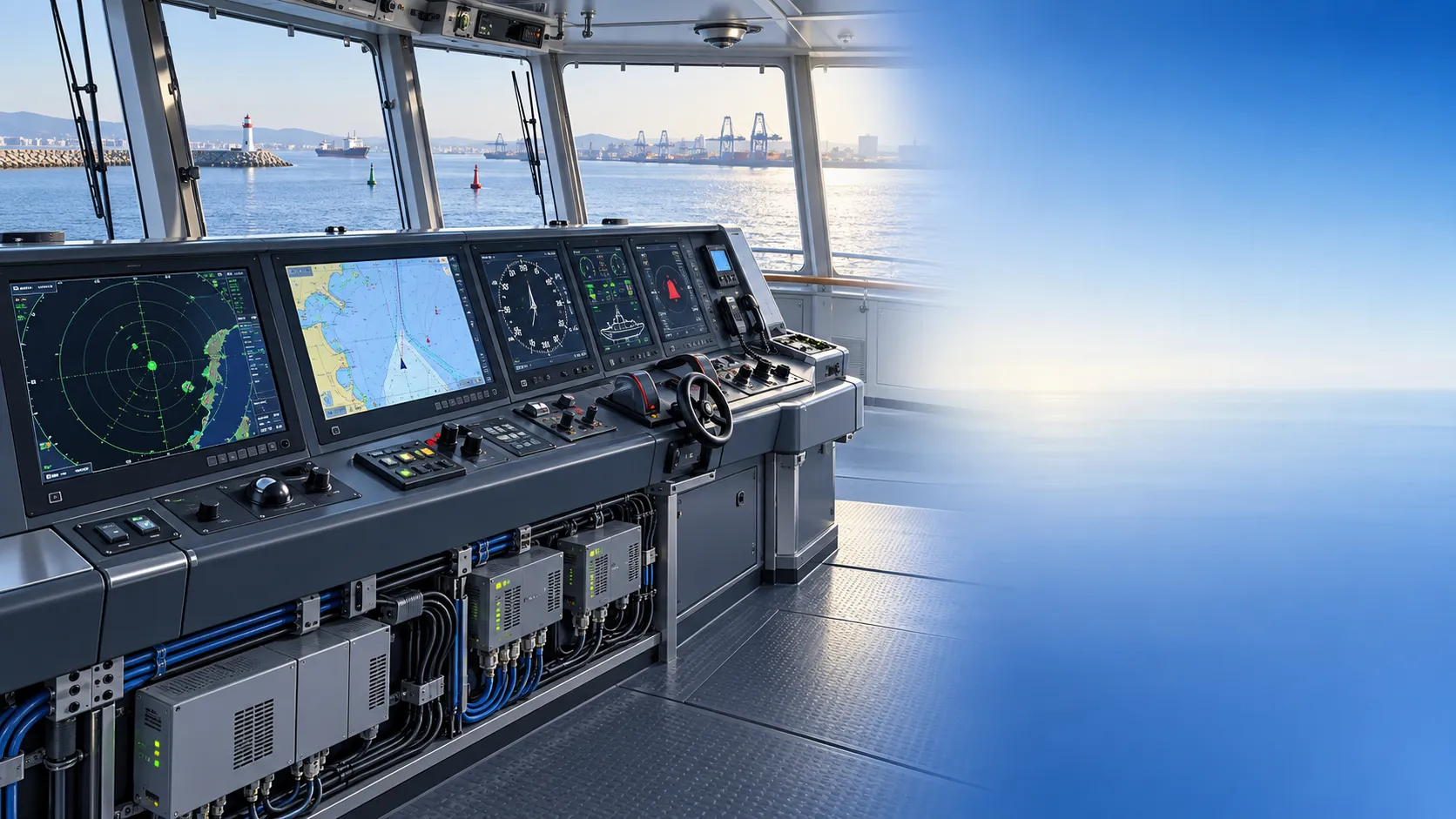
How to Specify Integrated Marine Electronics for Reliable Bridge Operations
Integrated marine electronics: learn how to specify reliable bridge systems with clear data flows, redundancy, alarm control, lifecycle interfaces, and operational testing.

How to Evaluate Navigation Radar Manufacturers for Commercial Vessel Projects
Navigation radar manufacturers: learn how to compare performance, compliance, integration, support, and lifecycle cost for commercial vessel projects.
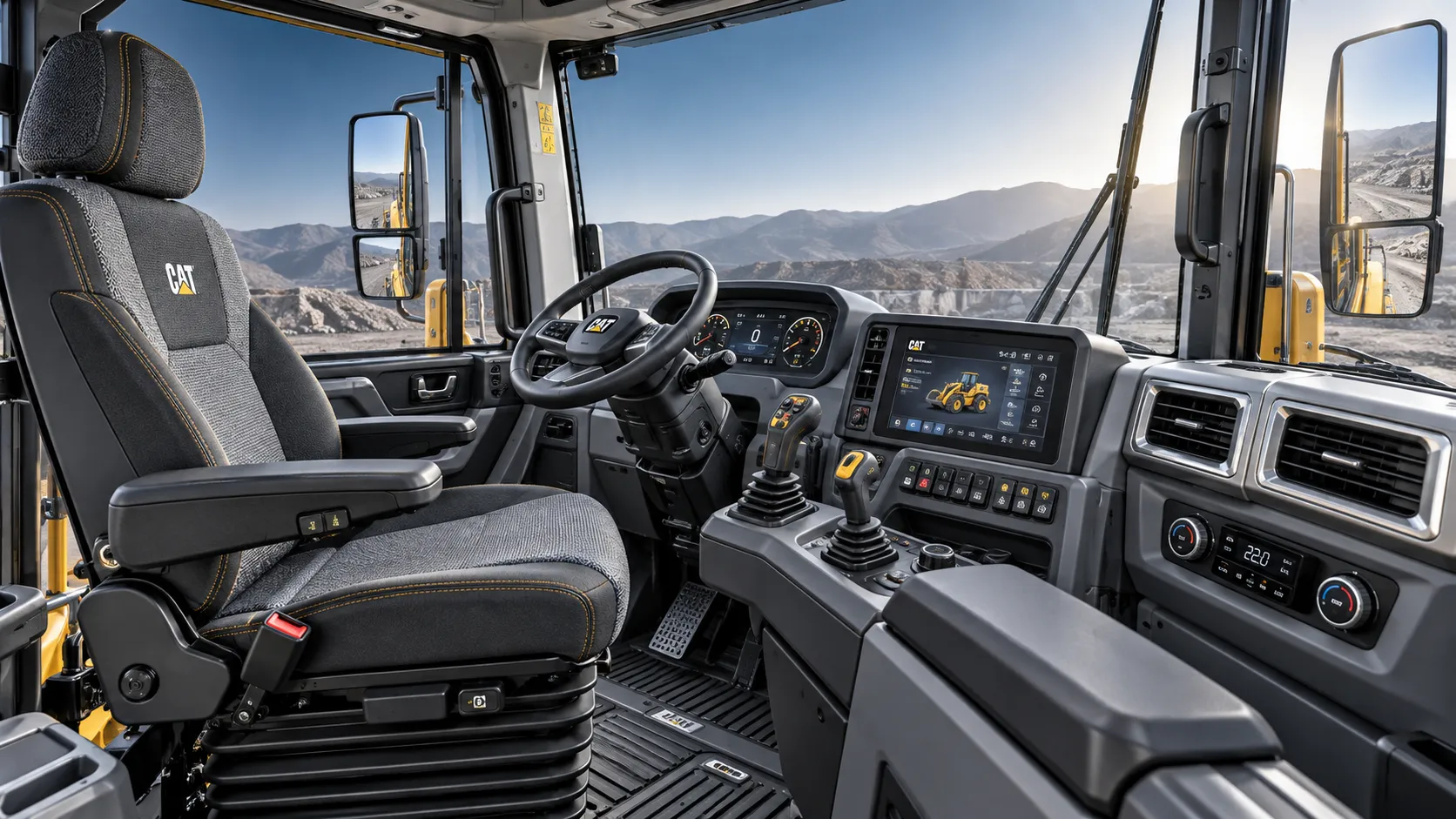
How Adjustable Cabin Ergonomics Reduce Operator Fatigue in Long-Shift Vehicles
Adjustable cabin ergonomics reduces operator fatigue through better seating, reach, visibility, vibration control, and climate comfort for safer long-shift vehicles.
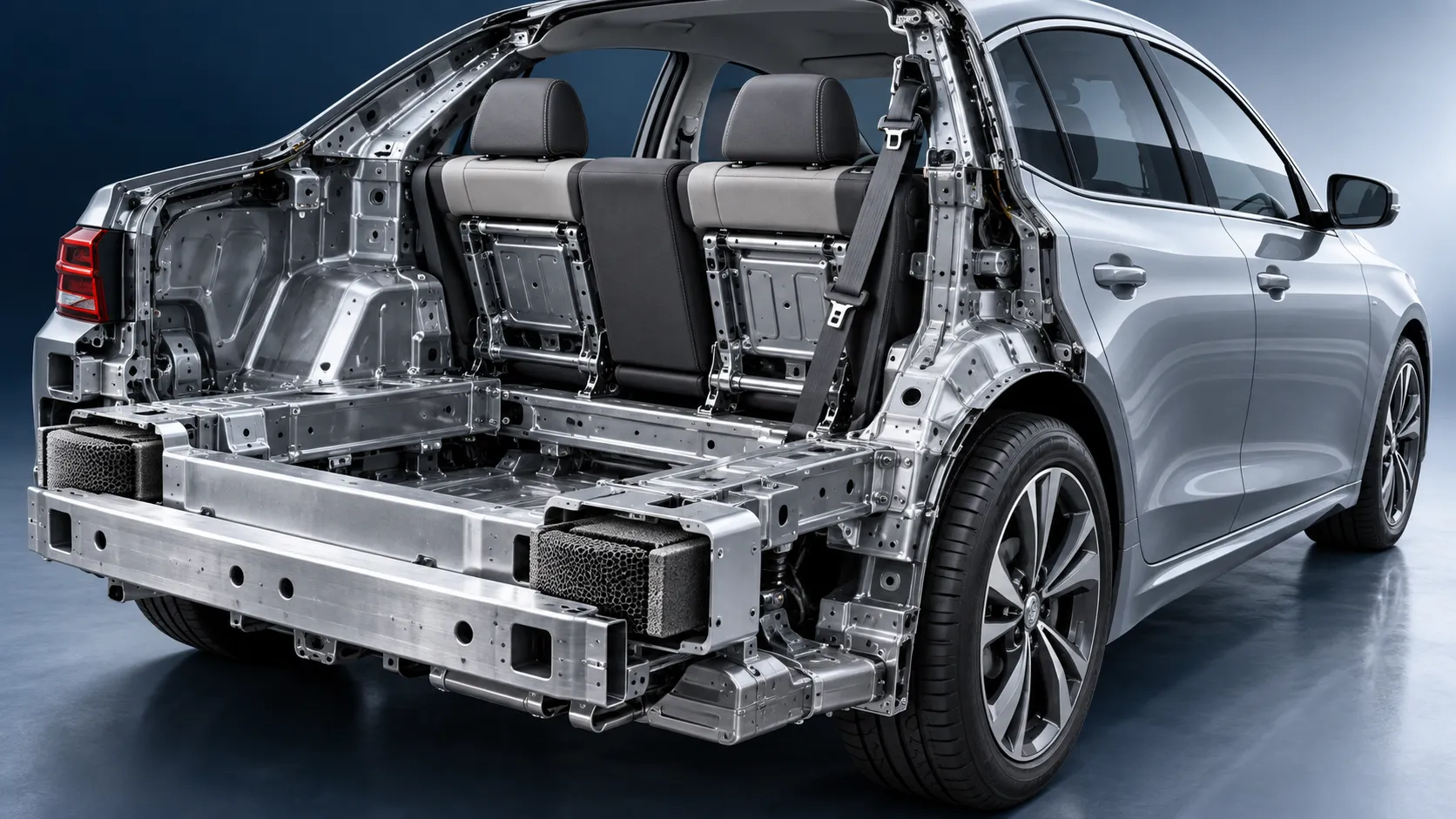
How Rear-Impact Safety Components Work Together to Protect Vehicle Occupants
Explore how automotive safety components for rear impact work together—from crash structures and seats to head restraints and belts—to enhance occupant protection.
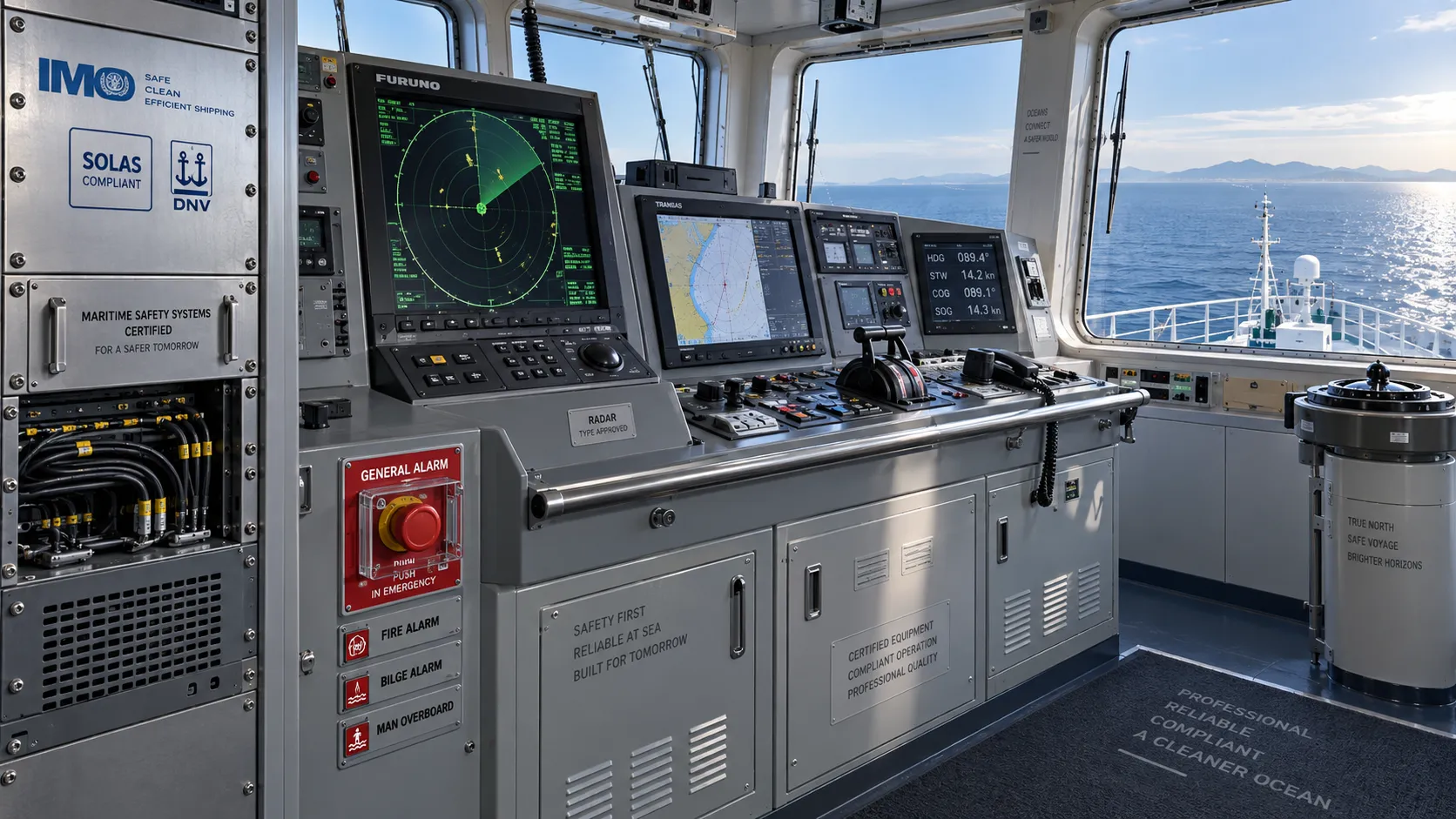
How to Evaluate a Marine Safety Systems Manufacturer for Vessel Compliance and Reliability
Marine safety systems manufacturer evaluation guide: verify compliance, engineering quality, lifecycle costs, and global service support for safer, reliable vessel operations.
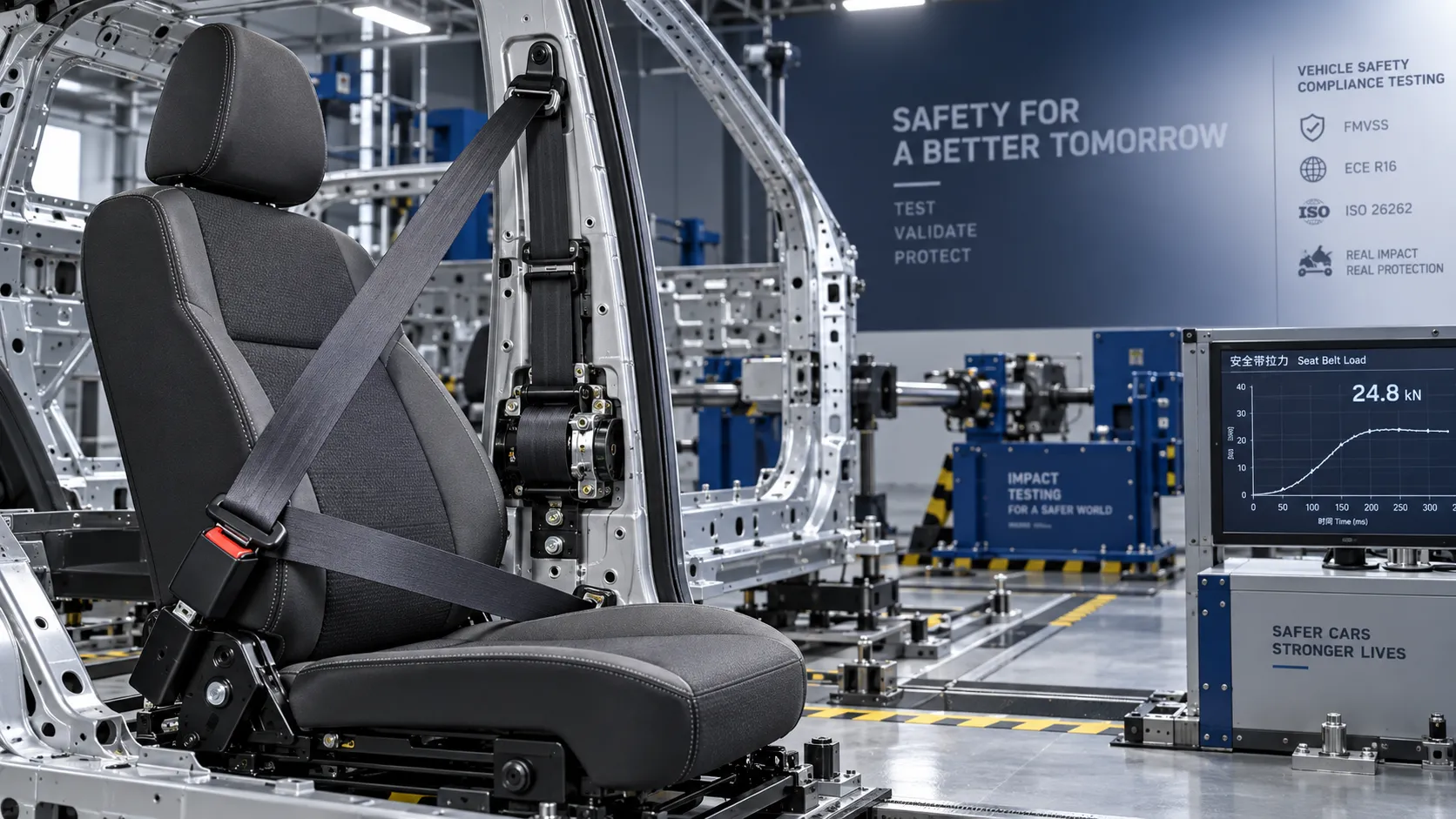
Crash Test Regulations for Seatbelts: Key Compliance Requirements Explained
Crash test regulations seatbelts explained: explore FMVSS, UN rules, anchorage strength, and dynamic restraint testing for safer, compliant vehicle systems.

How to Calculate the Total Cost of Automotive Lightweighting for a Vehicle Program
Automotive lightweight solutions cost: learn how to calculate program-level costs, including materials, tooling, joining, validation, risk, and vehicle-level value.
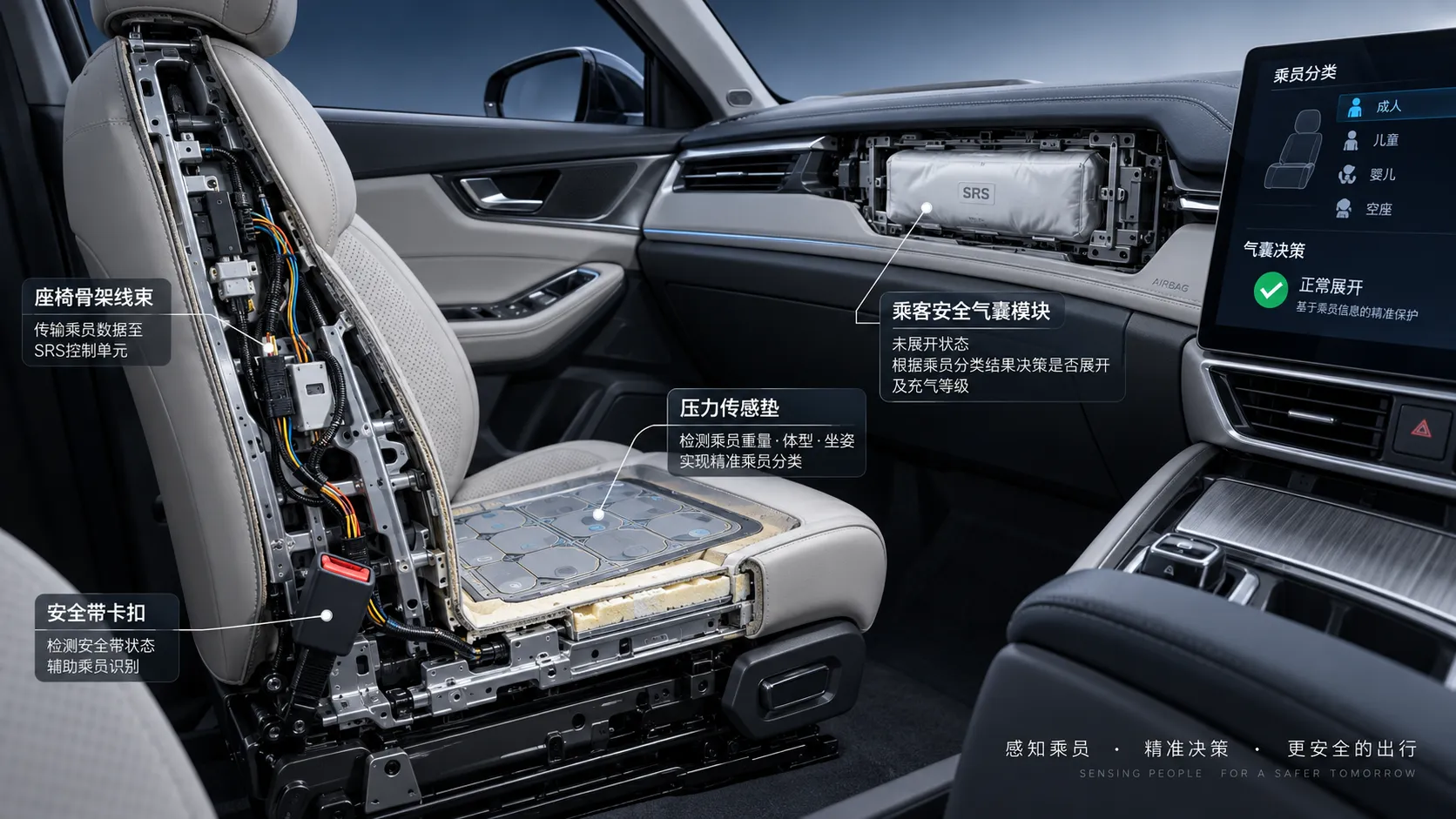
How Automotive Seat Occupancy Sensing Improves Airbag Deployment Decisions
Automotive seat occupancy sensing helps optimize airbag deployment decisions, improving passenger classification, safety diagnostics, and compliance across real-world conditions.
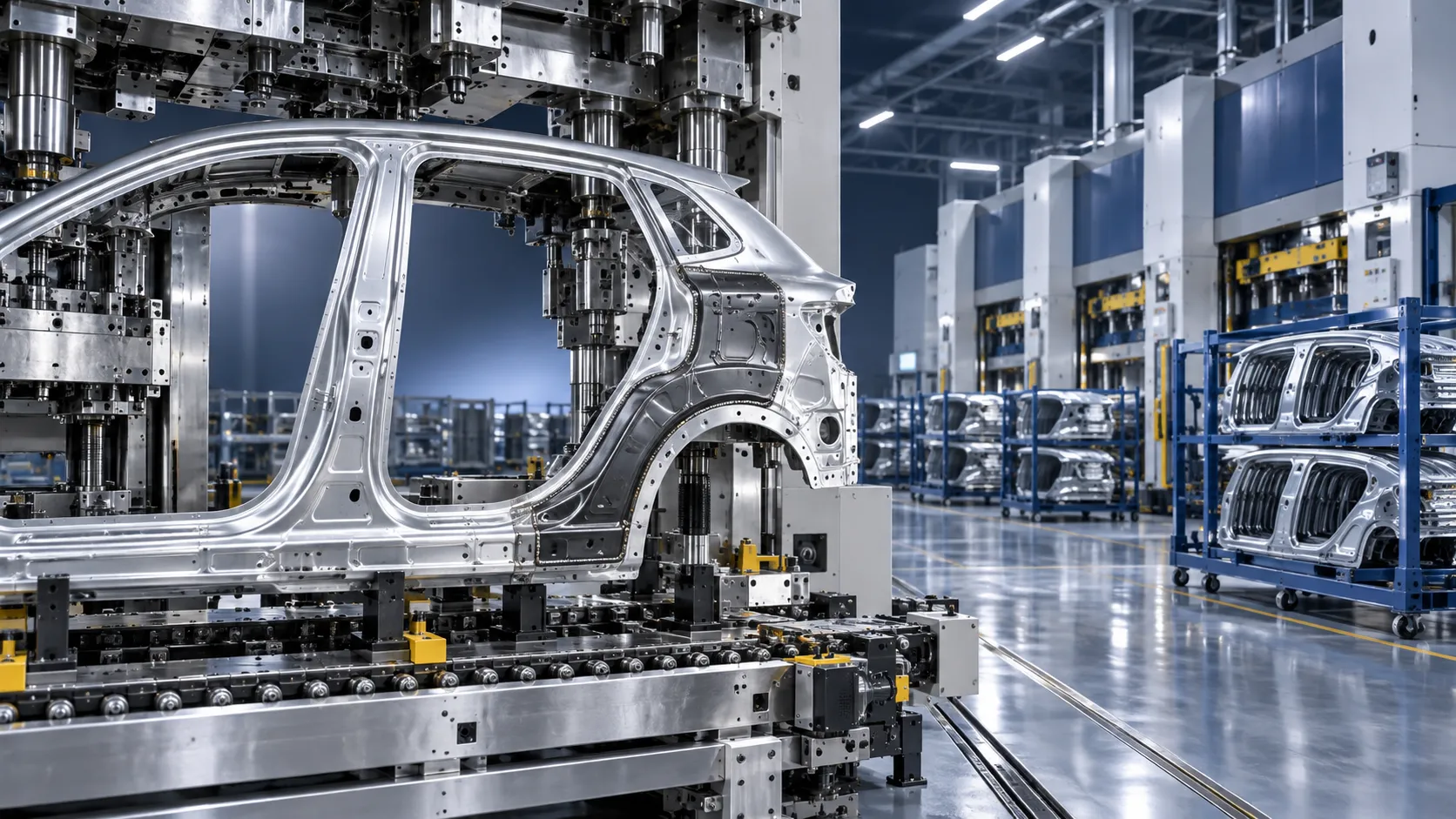
What Drives Lightweight Body Component Costs in High-Volume Vehicle Programs?
Lightweight body components cost depends on material yield, forming, joining, tooling, validation, and logistics. Explore proven ways to optimize total vehicle program cost.
Related News
- 00
0000-00
How to Specify Integrated Marine Electronics for Reliable Bridge Operations - 00
0000-00
How Adjustable Cabin Ergonomics Reduce Operator Fatigue in Long-Shift Vehicles - 00
0000-00
How to Evaluate a Marine Safety Systems Manufacturer for Vessel Compliance and Reliability - 00
0000-00
How to Calculate the Total Cost of Automotive Lightweighting for a Vehicle Program - 00
0000-00
What Drives Lightweight Body Component Costs in High-Volume Vehicle Programs?
Weekly Insights
Stay ahead with our curated technology reports delivered every Monday.