
What Drives Lightweight Body Component Costs in High-Volume Vehicle Programs?
Lightweight body component cost in a high-volume vehicle program is determined by the cost of delivering a validated part at production rate, not by the price of a coil, blank, or casting alone. A lower-cost material can become the expensive choice when it creates difficult forming conditions, excessive trim loss, slower press cycles, new joining operations, or unstable dimensional results. Conversely, a higher-priced alloy can reduce total program cost when it removes reinforcement parts, shortens a joining sequence, or allows a smaller section to meet stiffness and crash-load targets.
The relevant comparison is therefore the landed, conversion, quality, and program-recovery cost per conforming component. That comparison must use the same annual volume, vehicle architecture, performance target, production location, and service-life assumptions. Comparing a raw aluminum price with a finished hot-stamped steel part price, for example, does not reveal which solution carries the lower program cost.
Material price starts the calculation, but material yield changes the result
Steel, aluminum, magnesium, and mixed-material structures enter the cost model differently. Their purchase prices, available gauges, coil widths, temper conditions, and supplier qualification paths vary, but the material bill is also shaped by how much of that input survives the manufacturing route.
Blank nesting is often underestimated. A large door inner, floor reinforcement, or pillar component may leave substantial offal after trimming. If the chosen blank geometry has poor nesting efficiency, the cost penalty follows every part through the full production run. The issue is more pronounced when a component requires an unusual blank width, a directional surface finish, or a rolling direction that restricts nesting options. Scrap has a residual value, but that credit rarely offsets the cost of buying, handling, and processing material that never enters the vehicle.
Material utilization should be assessed alongside blanking method. A dedicated blank may provide a clean, repeatable feed into a transfer press but can create additional inventory and handling. Laser-cut blanks offer flexibility during launch and engineering changes, yet their conversion cost and throughput profile may be unsuitable once volume is fully ramped. Tailored blanks and patchwork constructions can place strength only where needed, but they add welding, inspection, incoming logistics, and formability constraints before stamping begins.
Gauge reduction is not automatically a mass-saving win. A thinner sheet can require a stronger grade, tighter process control, or revised flange geometry to avoid buckling and oil-canning. If local dent resistance, acoustic behavior, attachment stiffness, or corrosion allowance drives the original gauge, reducing thickness can move cost into secondary reinforcements or downstream quality containment.
Grade selection affects the entire forming route
Material grade influences press tonnage, die wear, lubrication requirements, springback behavior, trimming quality, and repairability. These effects are especially visible in high-strength steels used in load paths around the passenger cell. A grade with higher tensile strength may enable a thinner section, but the forming window can narrow sharply. Radius design, draw depth, hole placement, and flange orientation then become commercial variables because each one can affect die complexity and cycle stability.
Advanced high-strength steel and press-hardened steel components commonly create a different cost structure from conventional cold-stamped parts. The part may need a dedicated hot-forming route, controlled heating, forming within a temperature window, quenching capability, and subsequent laser trimming. Complex geometry may require tailored tempering or local soft zones, which introduces further process control. The finished component can be highly efficient in mass and crash performance, yet its economics depend heavily on annual volume, line utilization, and whether the supplier already operates compatible equipment.
Aluminum has a different set of cost sensitivities. Its lower density can produce meaningful mass reduction in closures, roof structures, and selected structural members, but it often requires more attention to surface protection, galling, elastic recovery, and joining. A part that appears simple in CAD can need additional draw beads, die coatings, or restrike operations to maintain shape. Aluminum scrap segregation also matters. Contaminated scrap streams lose value, while clean, alloy-specific returns can improve the material balance.
The right material comparison begins with the required function: axial crush behavior, bending stiffness, intrusion resistance, attachment load, surface quality, corrosion environment, or closure feel. Substituting material before those functional conditions are fixed invites an early price comparison that later collapses under validation changes.
Part geometry determines whether a concept is easy or expensive to stamp
Component mass is visible; manufacturing complexity is often hidden. Deep draws, sharp radii, abrupt section transitions, long unsupported flanges, and numerous pierced features can all raise cost without adding much material. A large, relatively shallow stamping may run efficiently at high volume. A smaller part with several draw directions, tight positional tolerances, and difficult access for trimming can consume more tooling and conversion effort.
Springback is a recurring source of cost in lightweight body structures. High-strength steel and aluminum can both show significant elastic recovery after forming, though the response and compensation methods differ. Dies may need iterative compensation, restrike stations, or active process monitoring before the final geometry is stable. Where a part interfaces with glass, closure seals, exterior panels, seat mountings, battery enclosures, or restraint-system anchors, a small dimensional shift can become an assembly issue rather than an isolated stamping issue.
Feature consolidation deserves careful review. Combining two stampings into one part can eliminate welds, fixtures, fasteners, and inter-plant transport. It can also create a deeper draw, increase blank size, demand a larger press, or make a damaged tool more disruptive to output. The cost benefit depends on the full manufacturing sequence, not the reduced bill-of-material count.
Tooling amortization must reflect program reality
High-volume programs can spread die investment across many parts, which makes progressive or transfer tooling economically attractive. That advantage is weakened when volume forecasts are uncertain, derivatives are likely to diverge, or the design is still moving near tooling release. Tool cost should be separated into distinct elements: draw dies, trim and pierce dies, restrike stations, checking fixtures, weld fixtures, automation end effectors, and spare or duplicate tools needed to protect production.
Tooling decisions also depend on press availability. A component designed for a large-tonnage press may be inexpensive where capacity already exists, but costly where the supplier must add equipment or displace an established program. The nominal press rate should include die-change time, coil changes, planned maintenance, first-off verification, and the effect of lower output during launch. A theoretical strokes-per-minute figure is not a usable commercial capacity number.
Engineering changes after hard tooling release carry a disproportionate cost. Moving a hole, changing an attachment bracket, revising a local thickness, or tightening a section tolerance can require rework across stamping dies, checking fixtures, weld fixtures, gauges, control plans, and validation parts. The apparent simplicity of a change should be tested against every operation that references the altered feature.
Joining choices can reverse a material-cost ranking
A lightweight body component is rarely evaluated in isolation. Its cost is tied to how it joins neighboring parts and how the completed assembly reaches geometric and crash-performance targets. Spot welding remains efficient for many steel assemblies, but mixed-material applications may require self-piercing rivets, flow-drill screws, structural adhesive, clinching, laser welding, or combinations of these methods.
Each method introduces its own equipment, consumables, access requirements, inspection needs, and repair implications. Structural adhesive may improve stiffness and distribute load, yet it requires controlled bead application, surface preparation, cure compatibility, and robust process verification. Riveted joints add fastening hardware and cycle time. Laser welding can reduce overlap mass and improve access in certain designs, but fit-up, shielding, seam monitoring, and capital utilization become part of the cost equation.
Galvanic corrosion management is another frequent omission in mixed-material estimates. When aluminum and steel are joined, the design may need coatings, sealants, isolators, controlled drainage, or revised fastener selection. Those measures are not optional cosmetic additions; they are part of the durable assembly cost. The same applies to e-coat access, adhesive cure exposure, and the ability to inspect concealed joints after assembly.
Crash performance creates cost through design maturity
Body components that manage crash energy are priced against a defined deformation behavior, not simply a strength value. A rail, reinforcement, pillar, or cross-member may need to fold progressively, preserve occupant space, transfer load into another structure, or avoid loading a sensitive attachment point. Material, section shape, joining pattern, and trigger features work together. Changing one element to reduce piece cost can alter the mode of collapse and trigger additional simulation, prototype, tooling, and physical-test work.
A nominally equivalent material substitution is particularly risky when it changes strain-rate response, fracture behavior, heat-affected properties, or weld performance. The part may meet a coupon-level property requirement while behaving differently inside the assembled load path. Cost reviews should distinguish between a design that has already demonstrated system performance and one that still requires structural re-optimization.
Compliance requirements also influence evidence and traceability. Where a component supports a regulated safety function, lot identification, material certificates, weld monitoring records, gauge calibration, and containment procedures may be expected within the production system. These controls should be treated as recurring operational cost, rather than an administrative line added after the production quote is issued.
Supplier capacity and logistics affect the true unit cost
A low quoted conversion rate has limited value if output depends on a single constrained press line, an unproven automation cell, or a distant finishing operation. Capacity assessment needs to cover the full route: material receipt, blanking, stamping, heat treatment where applicable, trimming, joining, coating, inspection, packaging, and outbound transport. A bottleneck after stamping can create expensive work-in-process storage and disrupt sequencing to the assembly plant.
Packaging is material-specific and geometry-specific. Large aluminum panels may need protection against surface damage and distortion. High-strength structural parts can require dedicated racks to prevent flange damage or part entanglement. Returnable packaging can reduce recurring waste but adds asset management, cleaning, reverse logistics, and contingency planning for missing containers. The lowest freight cost per shipment does not necessarily produce the lowest delivered cost if packaging causes handling damage or line-side instability.
Dual sourcing can reduce exposure to a local disruption, but it is not a simple second quotation exercise. Equivalent production requires compatible material sources, duplicated tooling strategy, common measurement logic, controlled process windows, and comparable joining capability. If the second source is approved only after the design is frozen, the additional validation and tooling cost may exceed the resilience benefit for a stable, low-risk part. For a high-impact structural component with long recovery time, the calculation may favor earlier duplication.
Use a cost model that exposes tradeoffs
A useful model separates recurring and non-recurring cost, then links both to technical assumptions. Recurring cost should cover purchased material, yield loss, conversion steps, labor, energy, consumables, quality activity, packaging, logistics, warranty exposure where contractually relevant, and an allowance for normal production scrap. Non-recurring cost should identify tooling, fixtures, gauges, engineering support, validation builds, line commissioning, and change reserves.
Assumptions need an owner and a source. “Material yield” is not sufficiently defined without the blank layout. “Cycle time” is incomplete without press type, transfer method, part extraction, changeover, and quality checks. “Capacity available” needs a time basis and an explanation of competing programs. This discipline makes it easier to distinguish a well-supported cost difference from a quotation that merely shifts expense into an unpriced operation.
For lightweight body components, the lowest piece price is frequently a poor decision metric. The durable comparison is the cost of a part that meets mass, dimensional, corrosion, joining, and crash requirements at the required production rate throughout the program. When those conditions are explicit, material and process alternatives become comparable on their real economic merits.
Related News

How to Specify Integrated Marine Electronics for Reliable Bridge Operations
Integrated marine electronics: learn how to specify reliable bridge systems with clear data flows, redundancy, alarm control, lifecycle interfaces, and operational testing.

How to Evaluate Navigation Radar Manufacturers for Commercial Vessel Projects
Navigation radar manufacturers: learn how to compare performance, compliance, integration, support, and lifecycle cost for commercial vessel projects.
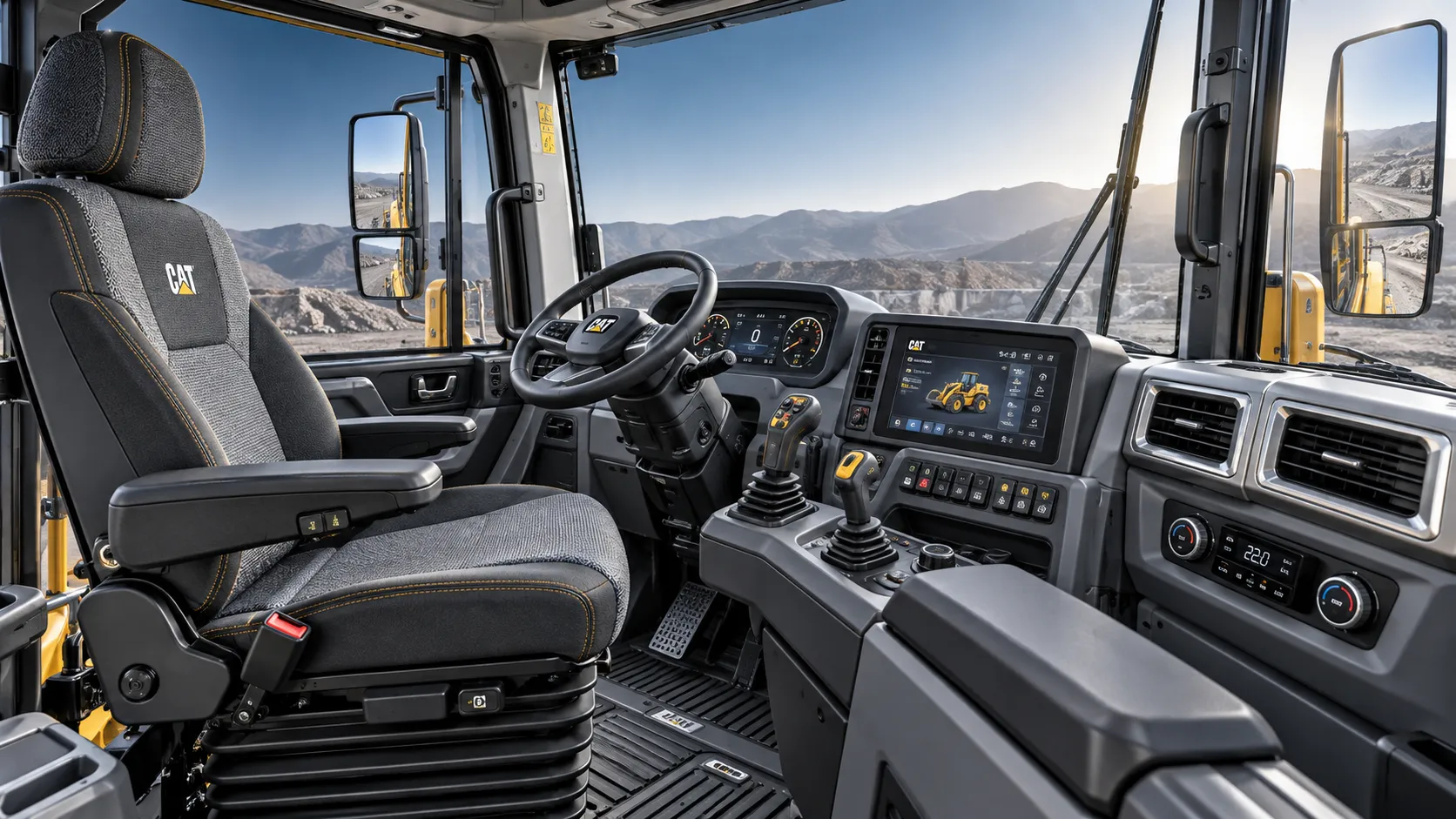
How Adjustable Cabin Ergonomics Reduce Operator Fatigue in Long-Shift Vehicles
Adjustable cabin ergonomics reduces operator fatigue through better seating, reach, visibility, vibration control, and climate comfort for safer long-shift vehicles.

How Rear-Impact Safety Components Work Together to Protect Vehicle Occupants
Explore how automotive safety components for rear impact work together—from crash structures and seats to head restraints and belts—to enhance occupant protection.
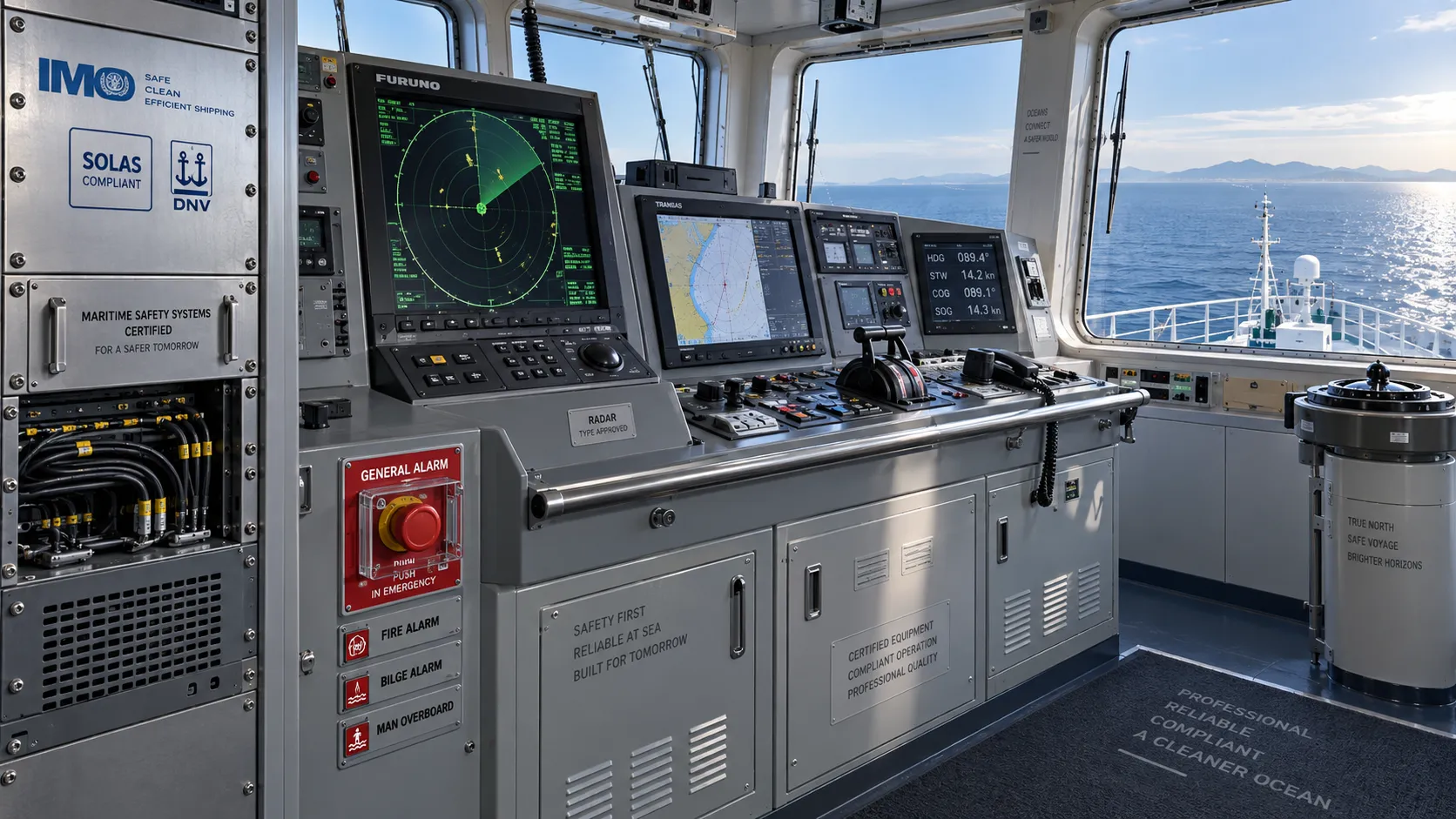
How to Evaluate a Marine Safety Systems Manufacturer for Vessel Compliance and Reliability
Marine safety systems manufacturer evaluation guide: verify compliance, engineering quality, lifecycle costs, and global service support for safer, reliable vessel operations.
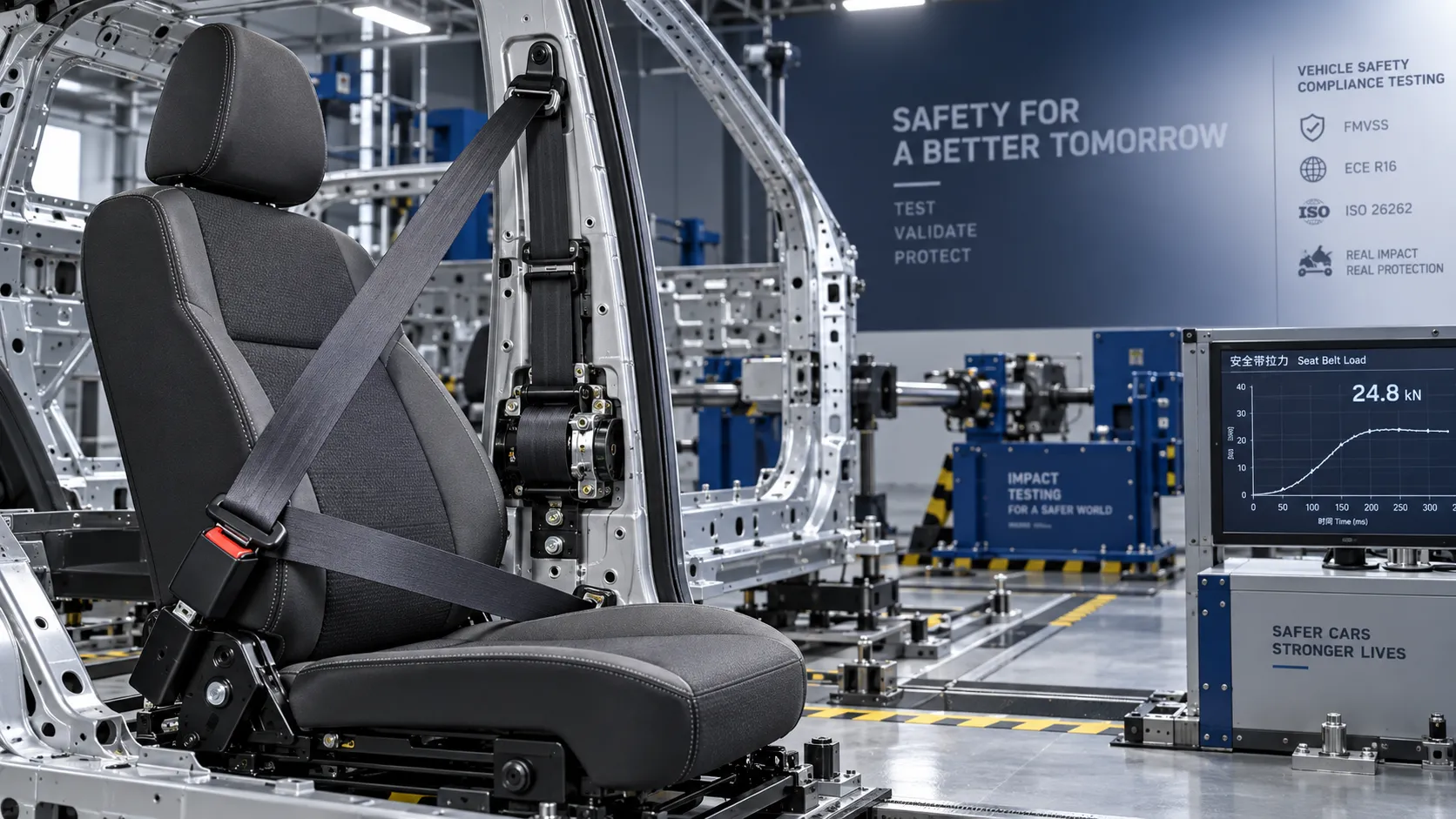
Crash Test Regulations for Seatbelts: Key Compliance Requirements Explained
Crash test regulations seatbelts explained: explore FMVSS, UN rules, anchorage strength, and dynamic restraint testing for safer, compliant vehicle systems.

How to Calculate the Total Cost of Automotive Lightweighting for a Vehicle Program
Automotive lightweight solutions cost: learn how to calculate program-level costs, including materials, tooling, joining, validation, risk, and vehicle-level value.

How Automotive Seat Occupancy Sensing Improves Airbag Deployment Decisions
Automotive seat occupancy sensing helps optimize airbag deployment decisions, improving passenger classification, safety diagnostics, and compliance across real-world conditions.
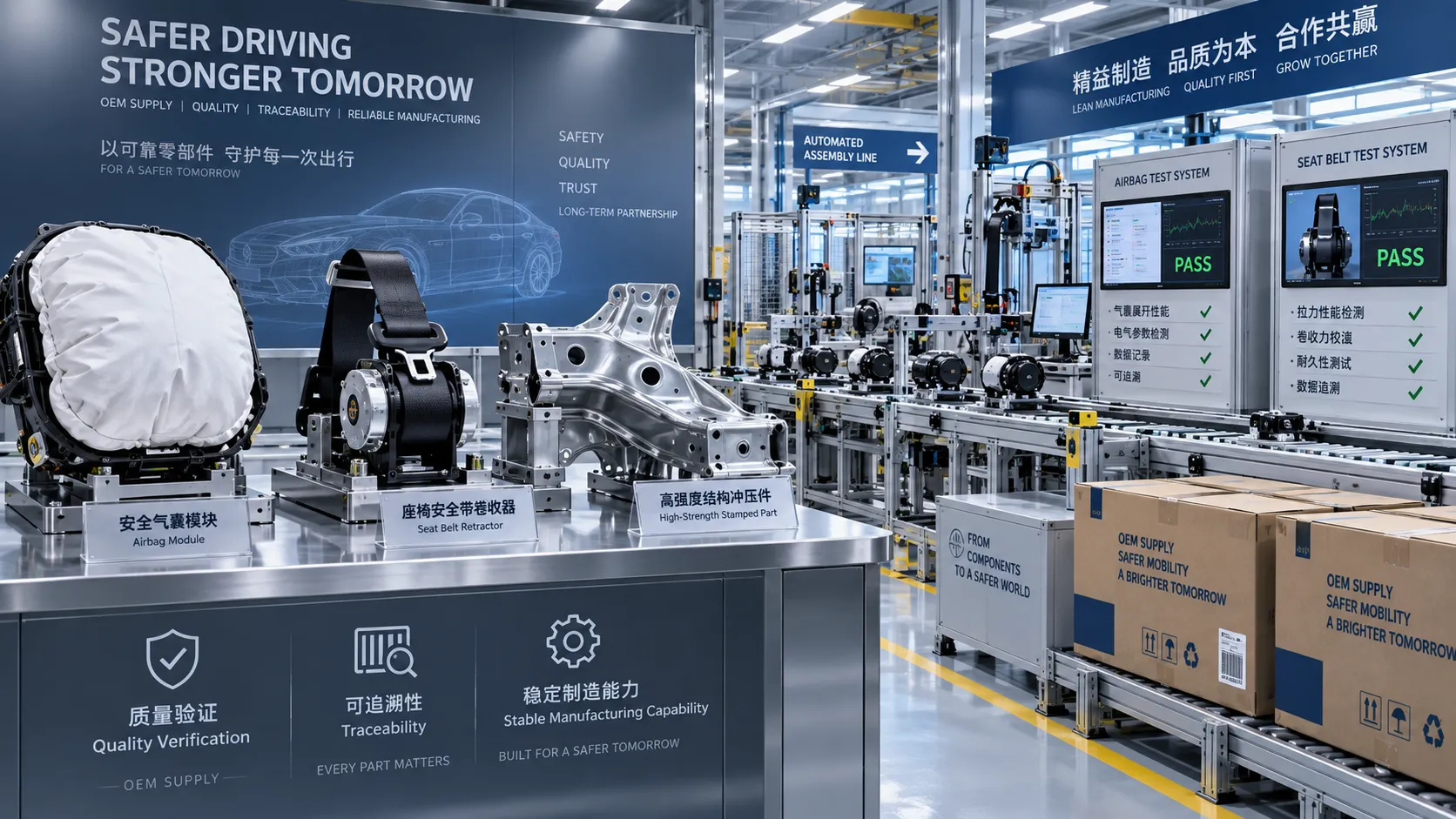
How to Evaluate a Crash Safety Components Exporter for Global OEM Supply Programs
Choose a crash safety components exporter with proven certification, traceability, testing, and OEM launch support. Use this guide to reduce global supply risk.
Related News
- 00
0000-00
How to Specify Integrated Marine Electronics for Reliable Bridge Operations - 00
0000-00
How Adjustable Cabin Ergonomics Reduce Operator Fatigue in Long-Shift Vehicles - 00
0000-00
How to Evaluate a Marine Safety Systems Manufacturer for Vessel Compliance and Reliability - 00
0000-00
How to Calculate the Total Cost of Automotive Lightweighting for a Vehicle Program - 00
0000-00
What Drives Lightweight Body Component Costs in High-Volume Vehicle Programs?
Weekly Insights
Stay ahead with our curated technology reports delivered every Monday.