
How Adjustable Cabin Ergonomics Reduce Operator Fatigue in Long-Shift Vehicles
How Adjustable Cabin Ergonomics Reduce Operator Fatigue in Long-Shift Vehicles
Introduction: For project managers overseeing long-shift vehicles, operator fatigue is a critical safety, productivity, and lifecycle-cost concern. Adjustable cabin ergonomics directly addresses this challenge by aligning seating, controls, visibility, and climate comfort with individual operator needs.
This article examines how ergonomic cabin design reduces physical strain, supports sustained attention, and helps engineering teams deliver safer, more efficient vehicle platforms across demanding operating environments.
Why Adjustable Cabin Ergonomics Is a Project-Level Decision
Operators in trucks, buses, construction machinery, agricultural vehicles, mining equipment, and marine workboats often remain seated for eight, ten, or twelve hours.
During those shifts, fatigue is rarely caused by one isolated factor. It usually develops through repeated vibration exposure, awkward reaching, poor posture, glare, heat, noise, and limited movement.
For project managers, this makes adjustable cabin ergonomics more than a comfort feature. It is a systems-level decision affecting safety performance, throughput, warranty exposure, and vehicle acceptance.
A cabin designed around an average operator may perform adequately in demonstrations. It can perform poorly when used by operators with different body sizes, task routines, clothing, and terrain conditions.
Adjustability helps the vehicle fit the operator instead of forcing the operator to continuously compensate for the vehicle's fixed dimensions and control layout.
This matters especially when fleets employ diverse teams, rotate drivers between shifts, or use vehicles across multiple regions with different climates and operating practices.
The core project question is not whether adjustability sounds desirable. It is whether the available adjustment range solves the actual fatigue risks within the intended operating scenario.
Effective decisions therefore require teams to connect ergonomic specifications with measurable operational outcomes, including fewer discomfort reports, lower incidents, better endurance, and more consistent task execution.
Fatigue Begins with Posture, Reach, and Repeated Micro-Strain
Static sitting creates fatigue because muscles must continuously stabilize the body. This is particularly demanding when seat geometry does not support the pelvis, lower back, thighs, and shoulders correctly.
A poorly positioned seat can force the operator to stretch toward pedals, steering controls, joysticks, screens, switches, or emergency controls throughout the shift.
Each reach may appear minor, but thousands of repeated movements can create neck tension, shoulder strain, wrist discomfort, lower-back pain, and slower responses during critical tasks.
Adjustable cabin ergonomics reduces these stresses by allowing the operator to set seat height, fore-aft position, cushion angle, lumbar support, armrest location, and steering reach.
The objective is to maintain a neutral posture where the operator can reach frequently used controls without leaning forward, lifting shoulders, twisting the torso, or locking joints.
Neutral posture does not mean rigid posture. A good cabin also enables small changes in position, allowing operators to redistribute pressure and avoid prolonged loading on one area.
Seat adjustment range deserves more attention than the number of adjustment features. A long list of settings has little value if smaller or taller operators cannot reach usable positions.
Engineering teams should validate adjustment travel using realistic operator percentiles, work clothing, protective equipment, footwear, and task-specific body movements rather than laboratory-only assumptions.
Seat Design Has the Largest Influence on Long-Shift Comfort
The seat is the primary human-machine interface in most long-shift vehicles. Its design determines how vibration, body weight, movement, temperature, and control interaction affect the operator.
Seat height adjustment must create sufficient pedal visibility, forward sightlines, and knee clearance. It should also preserve safe distances from steering wheels, consoles, and instrument panels.
Fore-aft travel should enable operators to reach pedals with a controlled knee angle while maintaining back contact with the seatback rather than sliding forward.
Backrest recline is valuable when it supports task changes, but excessive recline can increase neck strain, reduce forward visibility, and encourage operators to reach beyond their comfortable zone.
Lumbar support should be adjustable in both prominence and height whenever possible. A fixed lumbar contour may support one body shape while creating pressure discomfort for another.
Seat cushion length is equally important. A cushion that is too short reduces thigh support, while one that is too long can press behind the knees and restrict circulation.
For high-vibration environments, suspension systems should be tuned to vehicle mass, expected terrain, operator weight range, and the dominant frequency characteristics of the machine.
A seat with inadequate damping can amplify fatigue even when its upholstery, appearance, and adjustment controls seem premium during a static evaluation.
Project teams should evaluate seat performance under representative loads. Track testing, rough-road simulations, machine duty cycles, and vibration measurements reveal issues that showroom trials often miss.
Control Placement Determines Whether Operators Stay Focused
Long-shift fatigue is not only physical. It also includes cognitive fatigue, which increases when operators must repeatedly search for information, remember control locations, or interpret unclear displays.
Controls should be organized by frequency of use, urgency, and task sequence. Frequently used functions should remain within easy reach and require minimal visual diversion.
Less frequent controls can sit farther away, but emergency functions must remain visible, distinguishable, and accessible from normal operating posture without excessive movement.
Adjustable steering columns, pedals, armrests, and consoles help preserve reach relationships as different operators change seat positions. These components must work as an integrated adjustment system.
For example, moving the seat rearward may improve legroom but worsen steering reach. Without steering adjustment, the operator may compensate by leaning forward for hours.
Likewise, a seat-mounted joystick may maintain hand position well, while a fixed console-mounted joystick can become difficult to use after seat adjustment.
Digital displays require ergonomic planning too. Screen angle, brightness, contrast, font size, alert prioritization, and information grouping all influence visual workload and fatigue accumulation.
Project managers should ask suppliers for task-based control studies rather than generic claims about “driver-centric” layouts. The evidence should show how actual workflows were assessed.
Visibility and Lighting Reduce the Mental Load of Operating
Operators often spend significant effort compensating for blind zones, reflections, poorly placed mirrors, obstructive pillars, or camera displays that are difficult to interpret in bright conditions.
That effort drains attention. It also encourages uncomfortable head rotations and forward leaning, particularly during maneuvering, loading, docking, reversing, or navigating congested work sites.
Adjustable cabin ergonomics should therefore include steering adjustment, mirror adjustment, display positioning, sunshade coverage, camera integration, and seat-height range as connected visibility variables.
The correct driving position should provide clear sightlines without forcing the operator to raise the chin, bend the neck, peer around structural members, or repeatedly shift sideways.
Night operations require a different evaluation. Interior lighting should support control identification and reading while avoiding windshield reflections, glare, and excessive contrast adaptation demands.
Automatic brightness systems can help, but manual override remains useful because task conditions, ambient light, dust, rain, and reflective surfaces can change quickly.
Camera systems can reduce physical movement, but only when display placement supports natural glances. A camera screen placed too low or too far away may create new ergonomic problems.
Testing should include operators performing real maneuvers under day, night, rain, dust, and high-glare conditions. Visibility performance cannot be adequately judged from static cabin renderings.
Thermal Comfort and Air Quality Affect Endurance
Heat, cold, humidity, and poor air quality can accelerate fatigue even when seating and controls are well designed. Thermal discomfort diverts attention from the primary operating task.
In hot environments, operators may experience reduced concentration, dehydration, irritability, and slower decision-making. In cold environments, restricted movement and hand discomfort can impair control precision.
Cabin climate systems should offer adjustable airflow direction, temperature control, defogging performance, filtration, and sufficient capacity for the expected solar load and exterior conditions.
Air vents should not create constant drafts directly onto the face, hands, or neck. Operators need the ability to personalize airflow without losing windshield or side-window clearing capability.
Seat ventilation or heating can provide meaningful comfort benefits in extreme climates, especially where operators enter vehicles with wet clothing, protective gear, or large temperature variations.
However, these features should be assessed against duty cycle, electrical system capacity, maintenance needs, cleaning requirements, and the durability of embedded components.
For enclosed industrial vehicles, filtration and pressurization may also influence health, visibility, and productivity by reducing dust exposure and helping keep interior surfaces cleaner.
Climate comfort is often treated as optional equipment. For long-duration, high-demand applications, it should be evaluated as a fatigue-control measure with operational consequences.
How to Evaluate Ergonomic Value Before Vehicle Release
Project managers need a repeatable evaluation process that links ergonomic requirements to vehicle architecture, supplier decisions, prototype testing, and final acceptance criteria.
Start by defining the operating population. Include body-size variation, age range, shift duration, protective equipment, seasonal clothing, task repetition, and known discomfort complaints from comparable fleets.
Next, map the operator journey from entry through shutdown. Identify every repeated action, unusual reach, visibility demand, vibration exposure, manual control input, and posture change.
This task analysis should distinguish between normal operation and high-risk moments. Reversing, coupling, loading, emergency response, docking, and maintenance access often expose hidden ergonomic weaknesses.
Use representative users during prototype reviews. A single experienced evaluator cannot represent the range of real operators who will work in the vehicle over its service life.
Quantitative methods strengthen the decision. These may include reach envelopes, posture assessment tools, seat-pressure mapping, whole-body vibration measurement, force measurement, and task completion timing.
Qualitative feedback remains important, but it should be structured. Ask operators where discomfort occurs, when it begins, which adjustment settings they use, and which tasks trigger compensation.
Set release criteria that are specific enough to manage. Examples include adjustment coverage for target operator percentiles, maximum vibration exposure, control reach thresholds, and visibility performance during defined maneuvers.
Balancing Investment, Complexity, and Lifecycle Cost
Adjustable systems add hardware, software, validation work, supplier complexity, and sometimes weight. The business case should recognize these costs rather than treating ergonomics as cost-free.
At the same time, the cost of inadequate ergonomics can be substantial. It may appear through lower utilization, absenteeism, operator turnover, safety incidents, compensation claims, and reduced customer satisfaction.
The right approach is not maximum adjustability everywhere. It is targeted adjustability in the areas that most strongly affect posture, reach, visibility, vibration, and climate comfort.
For a highway truck, seat, steering, pedal, climate, and sleep-related comfort may dominate. For a wheel loader, visibility, suspension, joystick reach, vibration isolation, and dust control may matter more.
For marine vessels, long-duration seated watchkeeping may increase the importance of shock mitigation, seat restraint integration, display placement, rolling motion management, and night-vision compatibility.
Supplier selection should include durability evidence. Adjustment mechanisms must withstand repeated use, contamination, vibration, temperature cycling, and operator misuse without creating rattles, looseness, or failure modes.
Serviceability also matters. A feature that cannot be repaired quickly or calibrated reliably may create downtime that outweighs its intended comfort advantage.
Lifecycle reviews should therefore consider purchase cost, maintenance cost, replacement parts, warranty patterns, operator acceptance, and the impact of fatigue-related performance issues over time.
Common Mistakes That Undermine Ergonomic Programs
A common mistake is treating ergonomic compliance as the final checklist step. By that stage, packaging constraints and component locations may already limit meaningful improvements.
Another mistake is relying on a single “average” operator model. This can exclude shorter, taller, heavier, smaller, or differently proportioned users from safe and comfortable operation.
Teams also sometimes focus heavily on seat styling while ignoring control reach, pedal geometry, sightlines, vibration, and cabin thermal performance, which often drive fatigue more directly.
Feature count can create false confidence. More motors, switches, or adjustment labels do not guarantee usable adjustment ranges or understandable operation for real users.
Finally, ergonomic testing should not end at launch. Fleet feedback, telematics, service records, incident reviews, and operator surveys can identify issues requiring product updates.
Conclusion: Build the Cabin Around Sustained Human Performance
Adjustable cabin ergonomics reduces operator fatigue when it is treated as an integrated engineering requirement, not as a collection of optional comfort features.
The strongest programs align seating, controls, visibility, vibration management, lighting, and climate systems around realistic users performing realistic tasks for realistic shift durations.
For project managers, the practical objective is clear: specify measurable ergonomic outcomes early, validate them with representative operators, and evaluate lifecycle value alongside component cost.
Vehicles that support neutral posture, easy reach, clear visibility, controlled vibration, and personalized comfort help operators remain alert, productive, and safer throughout long shifts.
That outcome protects people while strengthening vehicle performance, fleet economics, customer confidence, and the long-term competitiveness of the overall mobility platform.
Related News
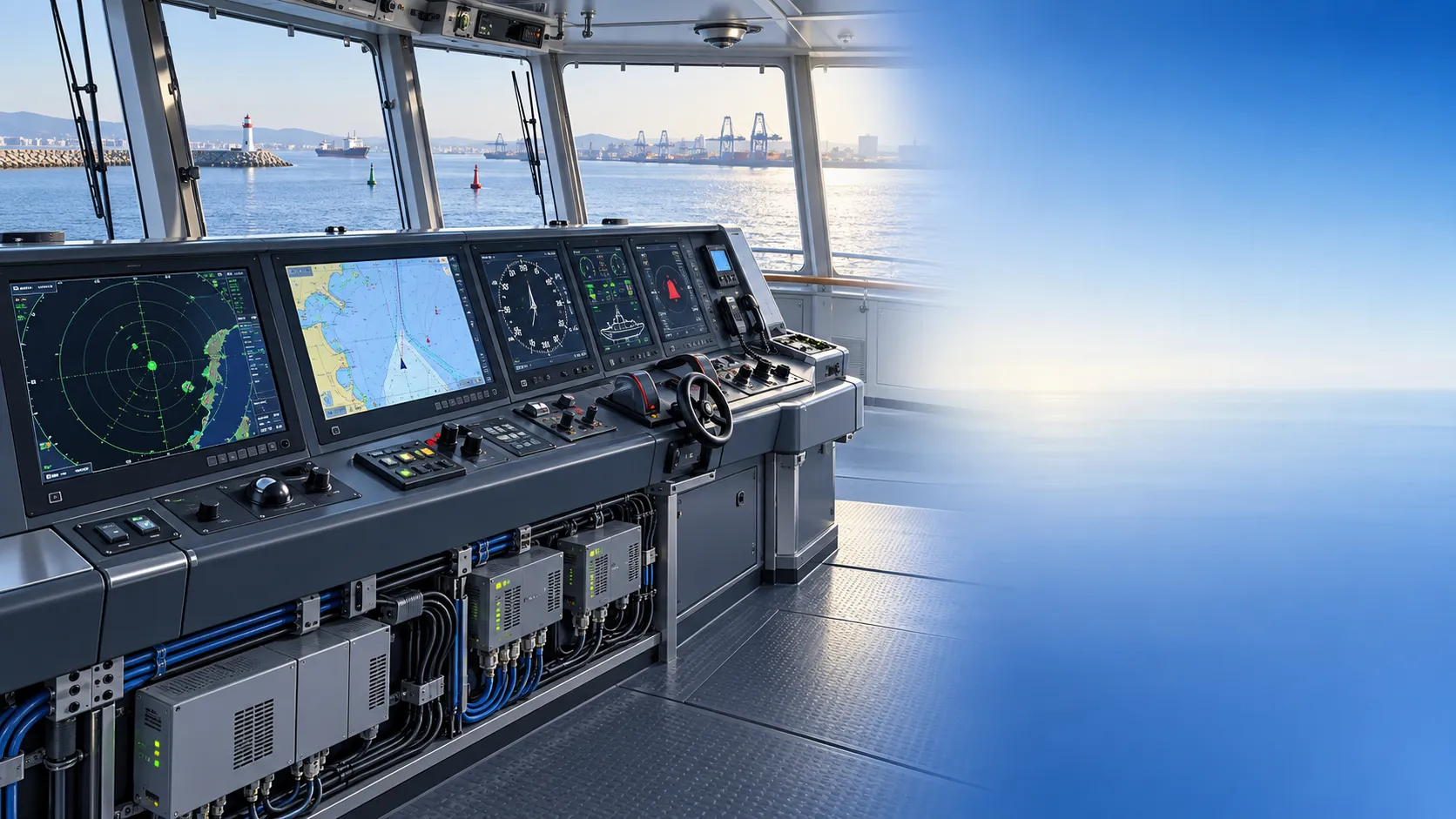
How to Specify Integrated Marine Electronics for Reliable Bridge Operations
Integrated marine electronics: learn how to specify reliable bridge systems with clear data flows, redundancy, alarm control, lifecycle interfaces, and operational testing.

How to Evaluate Navigation Radar Manufacturers for Commercial Vessel Projects
Navigation radar manufacturers: learn how to compare performance, compliance, integration, support, and lifecycle cost for commercial vessel projects.
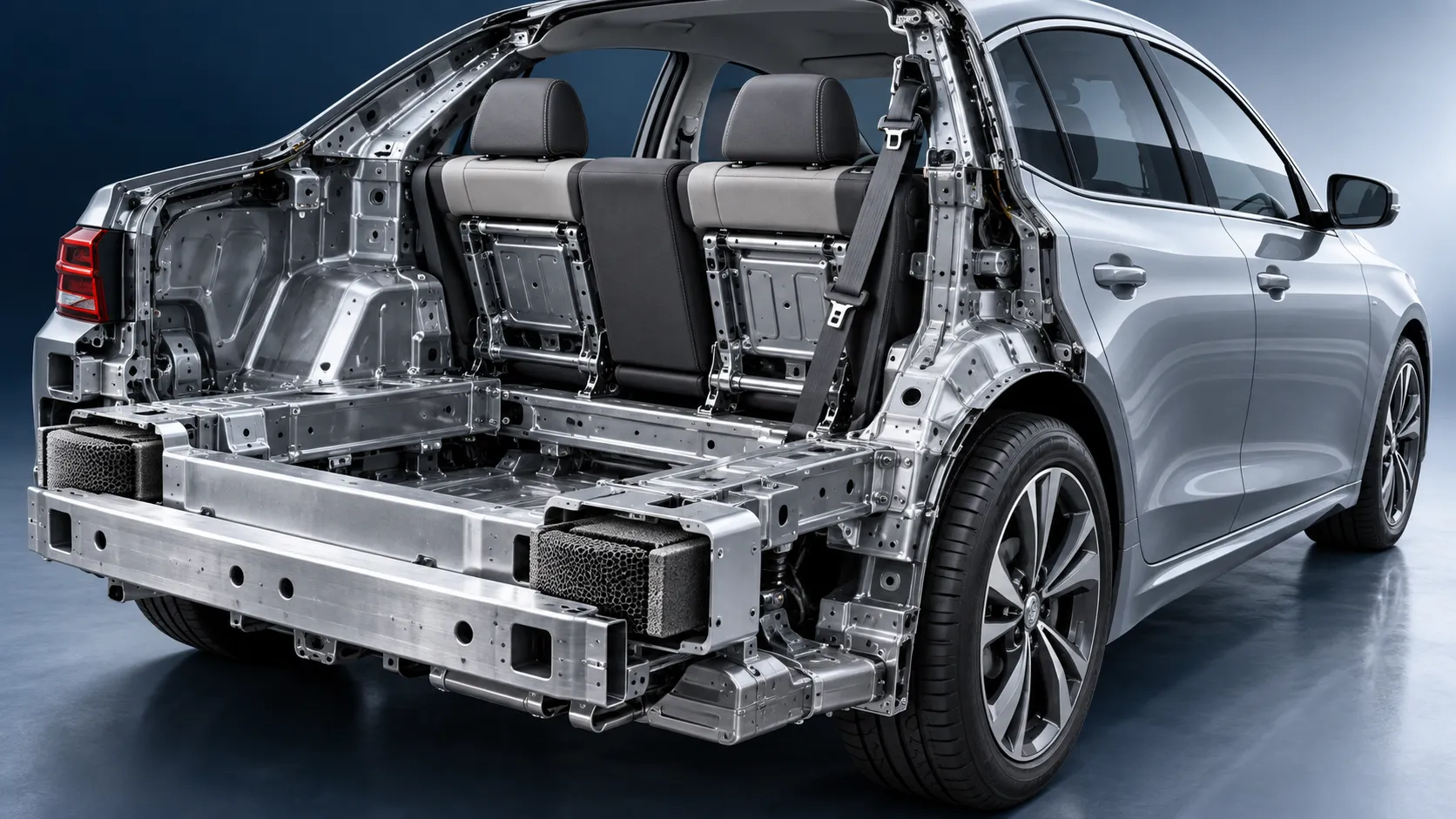
How Rear-Impact Safety Components Work Together to Protect Vehicle Occupants
Explore how automotive safety components for rear impact work together—from crash structures and seats to head restraints and belts—to enhance occupant protection.
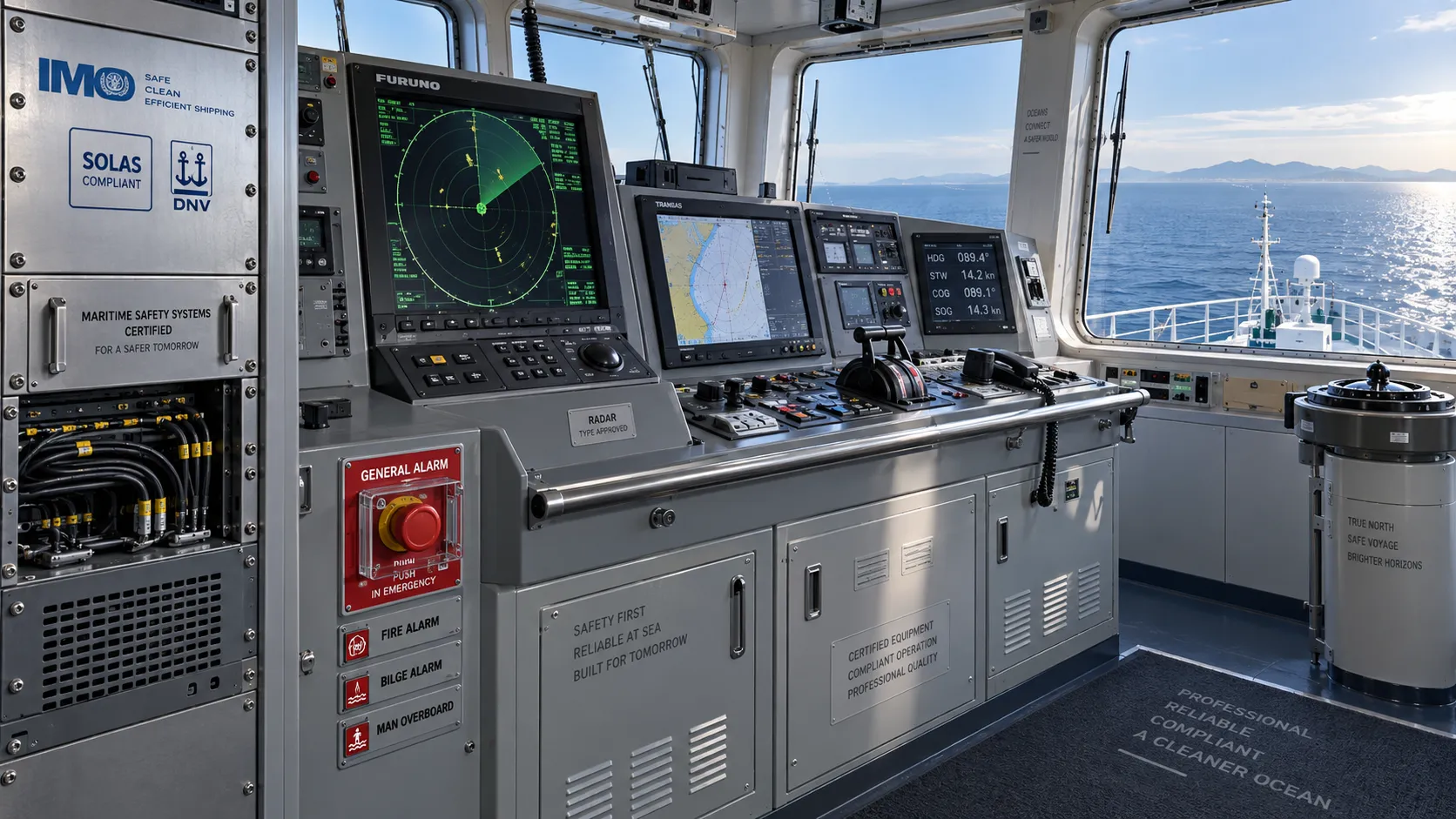
How to Evaluate a Marine Safety Systems Manufacturer for Vessel Compliance and Reliability
Marine safety systems manufacturer evaluation guide: verify compliance, engineering quality, lifecycle costs, and global service support for safer, reliable vessel operations.
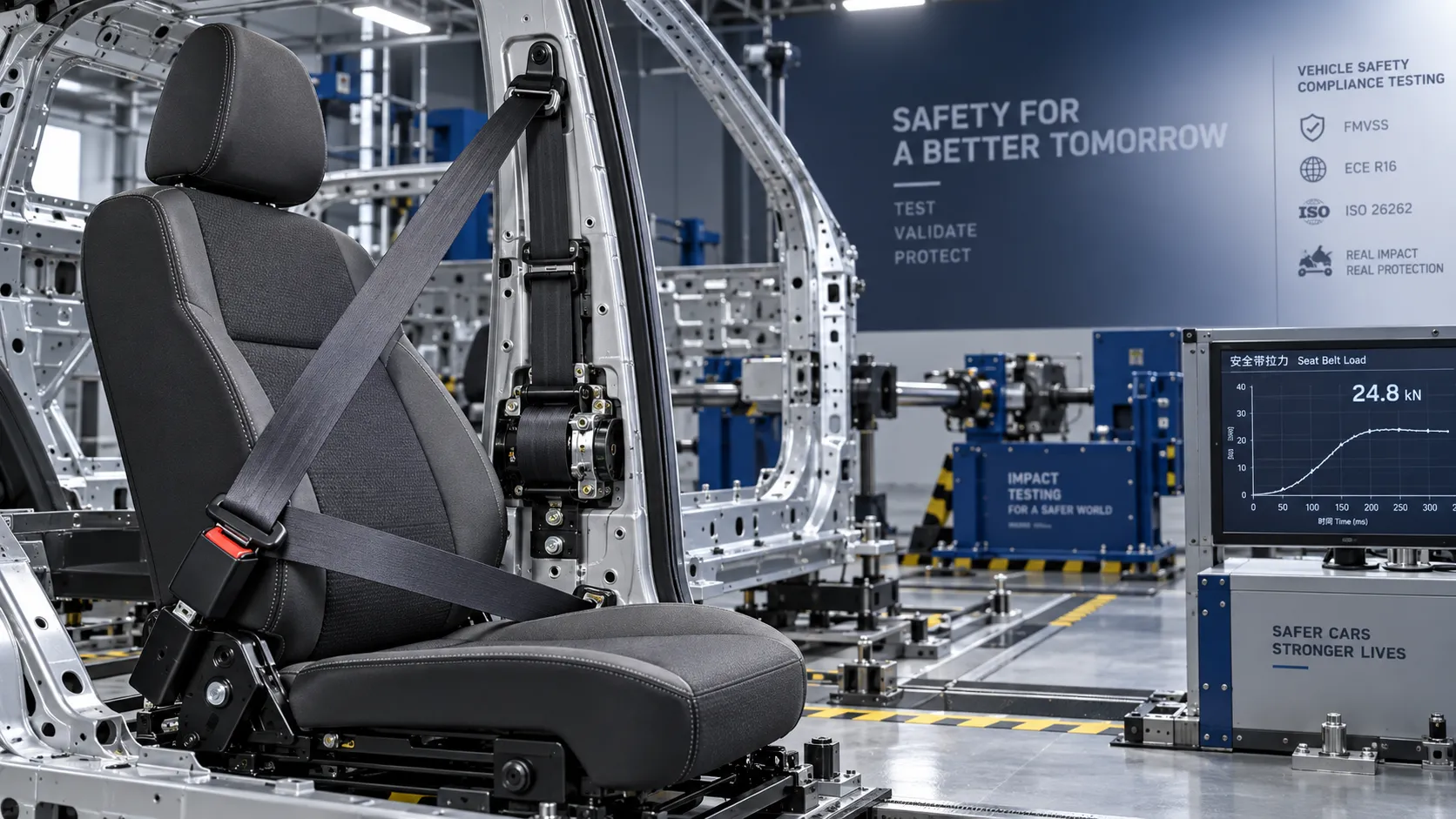
Crash Test Regulations for Seatbelts: Key Compliance Requirements Explained
Crash test regulations seatbelts explained: explore FMVSS, UN rules, anchorage strength, and dynamic restraint testing for safer, compliant vehicle systems.

How to Calculate the Total Cost of Automotive Lightweighting for a Vehicle Program
Automotive lightweight solutions cost: learn how to calculate program-level costs, including materials, tooling, joining, validation, risk, and vehicle-level value.

How Automotive Seat Occupancy Sensing Improves Airbag Deployment Decisions
Automotive seat occupancy sensing helps optimize airbag deployment decisions, improving passenger classification, safety diagnostics, and compliance across real-world conditions.
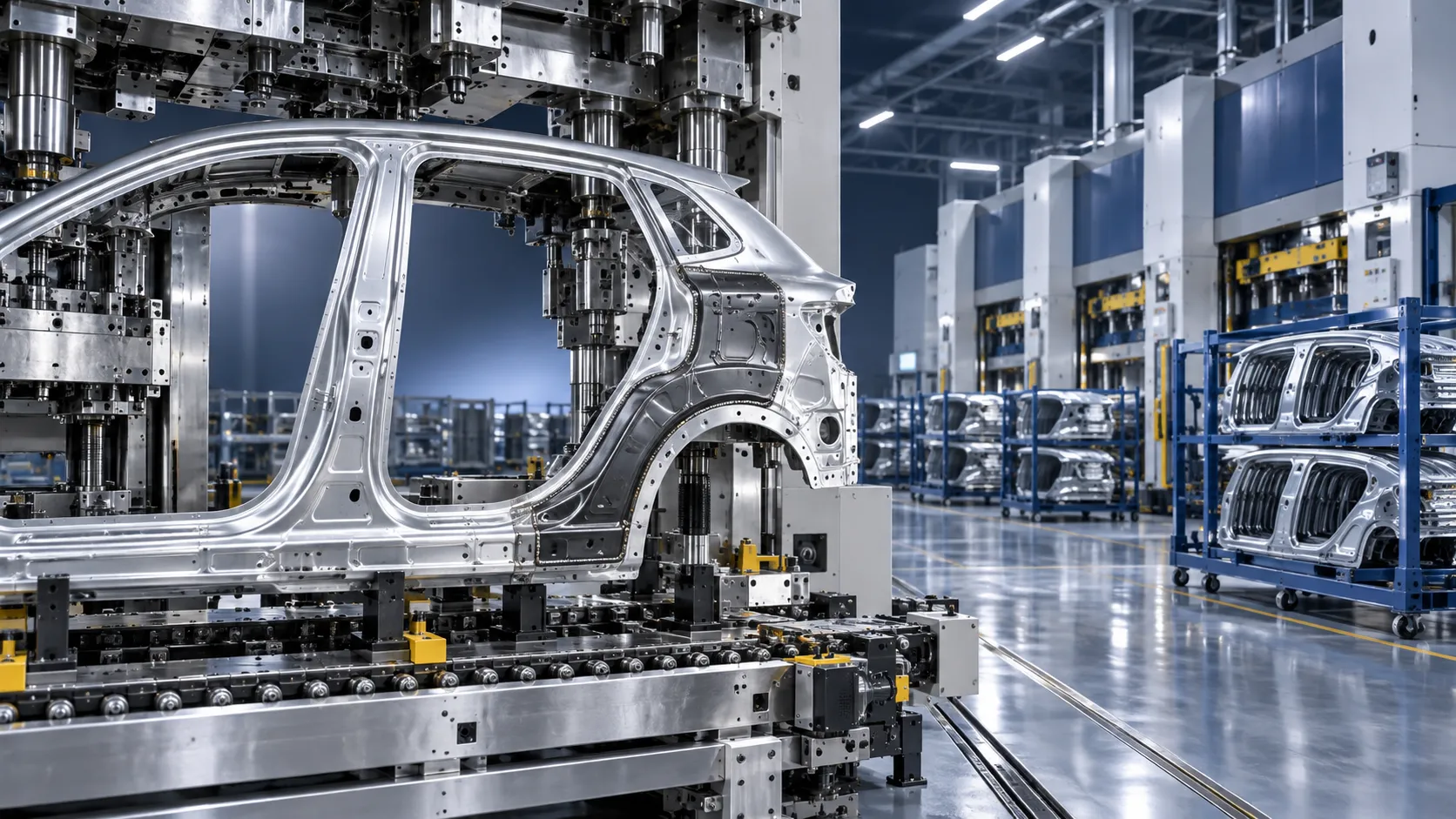
What Drives Lightweight Body Component Costs in High-Volume Vehicle Programs?
Lightweight body components cost depends on material yield, forming, joining, tooling, validation, and logistics. Explore proven ways to optimize total vehicle program cost.
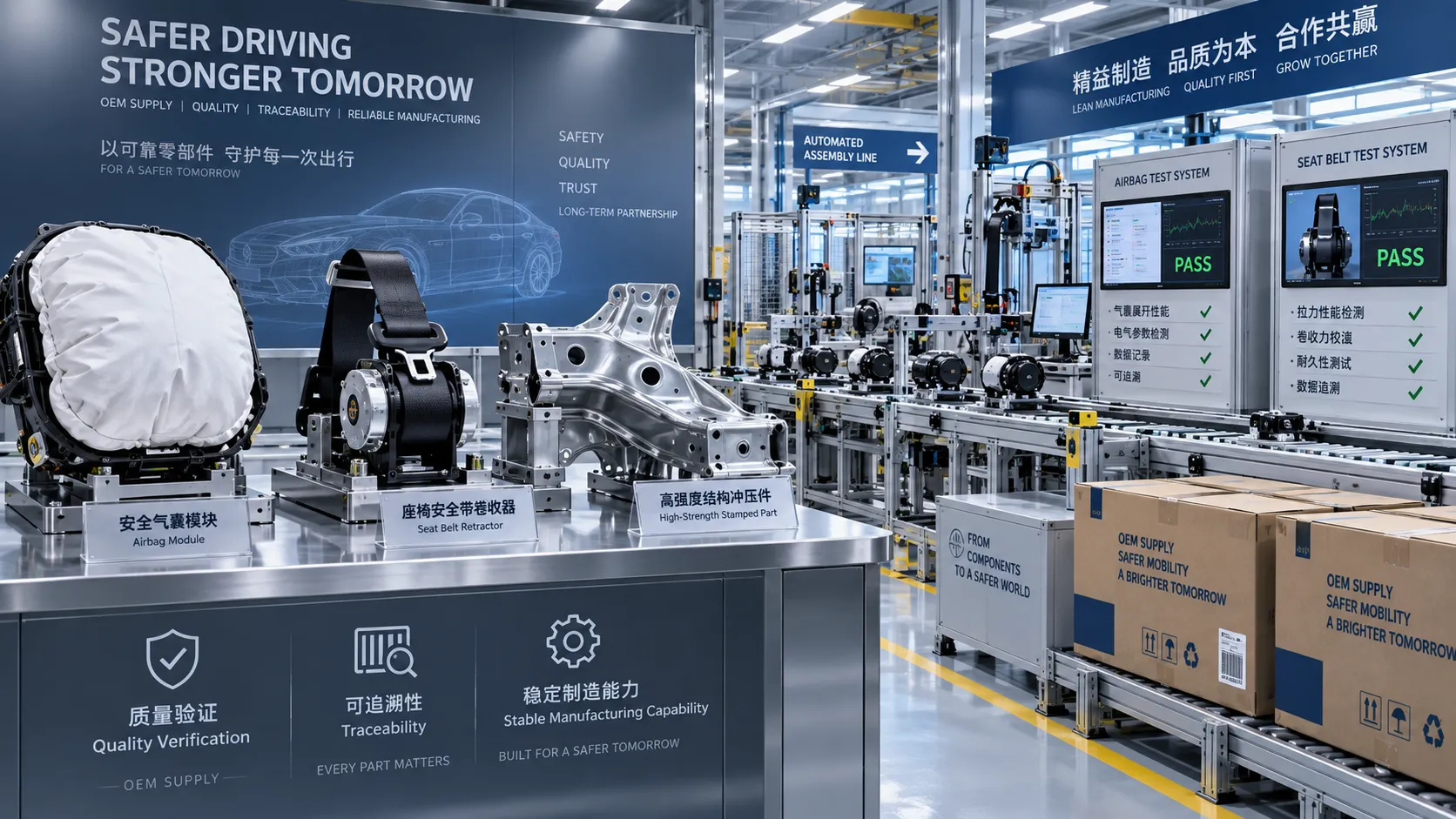
How to Evaluate a Crash Safety Components Exporter for Global OEM Supply Programs
Choose a crash safety components exporter with proven certification, traceability, testing, and OEM launch support. Use this guide to reduce global supply risk.
Related News
- 00
0000-00
How to Specify Integrated Marine Electronics for Reliable Bridge Operations - 00
0000-00
How Adjustable Cabin Ergonomics Reduce Operator Fatigue in Long-Shift Vehicles - 00
0000-00
How to Evaluate a Marine Safety Systems Manufacturer for Vessel Compliance and Reliability - 00
0000-00
How to Calculate the Total Cost of Automotive Lightweighting for a Vehicle Program - 00
0000-00
What Drives Lightweight Body Component Costs in High-Volume Vehicle Programs?
Weekly Insights
Stay ahead with our curated technology reports delivered every Monday.