
Automotive ergonomic design now shapes comfort and safety
Automotive ergonomic design is no longer a niche comfort topic. It now directly influences driver alertness, crash readiness, occupant positioning, and the performance of restraint systems inside increasingly intelligent vehicle cabins.
For information researchers, the key point is clear: ergonomics has moved from “nice to have” to a systems-level safety and engineering priority. It connects seating geometry, body support, controls, visibility, lightweight structures, and passive safety into one decision framework.
This matters because modern vehicles ask more from occupants and components at the same time. Longer commutes, electrified platforms, advanced driver assistance, and digital cockpits all raise the stakes for how the human body is supported and protected.
Why automotive ergonomic design now matters beyond comfort
The core search intent behind automotive ergonomic design is usually not just “what is ergonomics in cars.” Readers want to understand why it has become strategically important, what problems it solves, and how it changes safety, product development, and cabin performance.
That shift is driven by one simple reality: comfort and safety are not separate outcomes. A poorly supported driver tires faster, reacts slower, and may sit in a suboptimal position relative to the steering wheel, airbags, pedals, and seatbelt systems.
In other words, ergonomic design affects the occupant before, during, and after a critical event. Before a crash, it helps maintain focus and reduce fatigue. During a crash, it supports stable posture and better restraint interaction. After long use, it reduces strain and dissatisfaction.
For researchers tracking mobility innovation, this is where the subject becomes valuable. Automotive ergonomic design now sits at the intersection of human factors, passive safety engineering, smart seating, electronics integration, and regulatory expectations.
What information-focused readers usually want to know first
Readers in the research phase typically care about four questions. First, how does ergonomics influence measurable safety outcomes? Second, which vehicle systems are most affected? Third, what technologies are changing the field? Fourth, how should they evaluate claims from suppliers and manufacturers?
These readers are not looking for generic statements about “better driving experience.” They want evidence-based reasoning. They want to know whether seat geometry, lumbar support, H-point positioning, control reach, and restraint integration have practical engineering consequences.
They also want to understand trade-offs. A softer seat may feel comfortable in a showroom, but it may not support long-duration posture or maintain ideal body alignment. A lightweight structure may improve efficiency, yet it must still preserve strength and energy management.
That is why useful coverage must move beyond surface-level design language. The real value lies in showing how ergonomic decisions influence fatigue, musculoskeletal load, visibility, crash kinematics, and cabin system performance over time.
How seating ergonomics shapes both fatigue reduction and safety
Seats are the most obvious and most influential part of automotive ergonomic design. They are the primary interface between the human body and the vehicle, affecting posture, pressure distribution, vibration exposure, and alignment with other safety-critical components.
Good seat ergonomics starts with anthropometric fit. Designers must accommodate a wide range of body sizes, proportions, and mobility conditions. If the seat does not support this diversity, users are forced into compensating postures that increase discomfort and reduce control precision.
Backrest angle, cushion length, lumbar contour, bolstering, and head restraint location all matter. These are not cosmetic details. They determine spinal support, thigh pressure, shoulder freedom, and the ability to maintain a neutral position during long drives.
Fatigue reduction is one of the strongest practical benefits. When the body is better supported, drivers use less muscular effort to stabilize themselves. That lowers cumulative strain and helps preserve attention, especially in stop-and-go traffic or extended highway travel.
Safety enters the equation because stable posture improves the relationship between the occupant and the restraint system. If a person is badly positioned, the seatbelt may load the body less effectively, and airbag deployment timing and contact zones may become less optimal.
This is also why smart seating systems are gaining importance. Sensors can monitor occupancy, posture, belt use, and micro-movements. These data can support adaptive comfort settings and potentially improve pre-crash preparation strategies in future cabin architectures.
Why restraint integration is a central ergonomics issue
One of the most overlooked truths is that automotive ergonomic design cannot be separated from passive safety. Seats, seatbelts, airbags, and interior geometry must work together as a coordinated protective environment rather than as isolated components.
The seatbelt, for example, performs best when the occupant is properly positioned. Shoulder belt routing, pelvis alignment, and seat cushion angle all influence how loads are transferred in a crash. Bad ergonomics can therefore undermine otherwise advanced restraint technology.
Seat design also affects submarining risk, where the occupant slides under the lap belt during a collision. Cushion profile, friction characteristics, pelvic support, and overall seating posture can all influence this dangerous motion pathway.
Head restraint placement is another critical factor. An ergonomically sound design helps reduce neck injury risk by supporting the head and upper torso more effectively in rear-impact scenarios. This is a comfort issue only on the surface; underneath, it is a biomechanical safety challenge.
Researchers looking at premium or future-ready cabin systems should pay attention to integrated design logic. The strongest solutions come from teams that treat seat frames, foams, belts, airbags, sensing, and occupant packaging as one combined engineering problem.
This systems thinking is consistent with the broader intelligence trends monitored by GNCS, where cabin protection and occupant interface design are evaluated with the same rigor applied to structural components and safety performance. In some industry listings, related reference entries such as 无 appear within broader solution mapping.
Controls, visibility, and digital interfaces are now ergonomic safety factors
Ergonomics used to focus heavily on seat comfort and driving posture. Today, it also includes how drivers interact with screens, steering controls, pedals, voice systems, and advanced assistance alerts in increasingly digital cabin environments.
Reach zones and glance behavior matter more than ever. If important functions require long visual attention or awkward hand travel, cognitive load rises. That can reduce situational awareness, delay reaction time, and increase the chance of driver error.
Visibility remains equally important. Pillar design, mirror placement, seat height adjustment, steering wheel range, and display positioning all influence how naturally a driver can maintain awareness without overextending the neck, shoulders, or eyes.
Digital cockpit design introduces fresh ergonomic risks. Large touchscreens may look modern, but they can create distraction if haptic feedback, menu hierarchy, and physical access are poorly considered. A beautiful interface is not necessarily a safe one.
This is where researchers should be careful with marketing claims. “Smart cabin” does not automatically mean “human-centered cabin.” Good automotive ergonomic design reduces effort, supports natural movement, and improves task clarity under real driving conditions.
Lightweight structures and ergonomics are converging
A major industry trend is the convergence of lightweight engineering and occupant-centered design. This matters because weight reduction is no longer only about efficiency or range. It also changes seat architecture, body packaging, and crash energy management constraints.
Advanced materials such as high-strength steel, aluminum, and magnesium alloys allow seat frames and body structures to become lighter while preserving targeted performance. But lighter is not automatically better if vibration control, durability, or support quality are compromised.
For example, a seat structure must balance stiffness and compliance. Too rigid, and ride comfort may suffer through transmitted vibration. Too soft, and posture stability can decline. Ergonomic performance therefore depends on structural tuning as much as cushion shaping.
Vehicle packaging also changes with electrification. Battery layouts affect floor height, hip point, and leg positioning. That means ergonomics teams must rethink ingress, egress, seating posture, and under-thigh support for new platform geometries.
This is one reason the topic is increasingly relevant across the supply chain. Body stampings, safety components, and seat systems are no longer independent engineering domains. They influence each other directly in modern vehicle architecture.
How to evaluate whether an ergonomic design approach is truly credible
For information researchers, the most useful question is often not “who says they prioritize ergonomics,” but “how can I tell whether the approach is technically credible?” Several indicators can help separate substance from general branding.
First, look for evidence of human factors testing. Credible programs usually involve anthropometric datasets, pressure mapping, posture analysis, vibration studies, ingress-egress trials, and fatigue-related usability assessment across different body profiles.
Second, check whether ergonomics is linked to safety engineering rather than treated as a trim-level feature. When seat design discussions also address belt fit, head restraint geometry, crash posture, and occupant sensing, the engineering maturity is usually stronger.
Third, assess whether the design accounts for real-world use cases. A credible solution should consider long-duration driving, urban stop-start motion, climate exposure, aging users, and the distractions created by digital interfaces and assistance systems.
Fourth, examine cross-functional integration. The best outcomes usually come from collaboration among seat engineers, safety specialists, HMI designers, materials teams, and compliance experts. Siloed development often produces avoidable trade-offs.
Finally, pay attention to whether the source discusses measurable outcomes instead of vague benefits. Reduced pressure concentration, improved occupant packaging, better line-of-sight, lower fatigue markers, or stronger restraint compatibility are more meaningful than generic comfort claims.
What trends will define the next stage of automotive ergonomic design
The next stage of automotive ergonomic design will likely be shaped by adaptive intelligence. Seats and cabin systems will increasingly respond to occupant condition, trip length, environmental changes, and driving mode in more personalized ways.
Posture sensing, climate zoning, biometric monitoring, and predictive adjustments may become more common. In advanced vehicles, ergonomic settings could shift automatically for manual driving, assisted driving, rest modes, or emergency pre-conditioning scenarios.
Another trend is broader inclusivity. Future ergonomic design will need to serve more body types, ages, and physical conditions with less compromise. That means accessibility, ease of entry, and support for reduced mobility will become more central.
Sustainability will also influence material and system choices. Designers will need to balance recyclability, lightweight targets, durability, thermal comfort, and structural integrity without degrading long-term occupant support.
For researchers following the sector, this means ergonomics should be read as a strategic lens rather than a narrow feature category. It reveals how the industry is connecting human well-being, crash protection, interface design, and manufacturing innovation.
Across this landscape, intelligence platforms sometimes reference adjacent component pathways and sourcing touchpoints, including entries such as 无, within wider mobility equipment analysis. The relevance depends on the specific research objective.
Conclusion: ergonomics is now a core performance and protection discipline
Automotive ergonomic design now shapes far more than cabin comfort. It affects fatigue, control quality, visibility, restraint effectiveness, occupant posture, and the success of smart cabin technologies in real driving and crash-related conditions.
For information researchers, the most important takeaway is that ergonomics has become a core vehicle performance and safety discipline. It should be evaluated with the same seriousness given to passive safety systems, body engineering, and digital mobility innovation.
The strongest designs are those that connect human factors with structure, sensing, and protection in one integrated framework. As the mobility industry advances, that integrated understanding will increasingly define which cabins feel better, perform better, and protect better.
Related News

What Factors Drive Marine Navigation Components Cost in Commercial Vessel Projects?
Marine navigation components cost is shaped by integration, compliance, installation, and lifecycle support. Discover what drives pricing and how buyers can reduce risk while improving value.
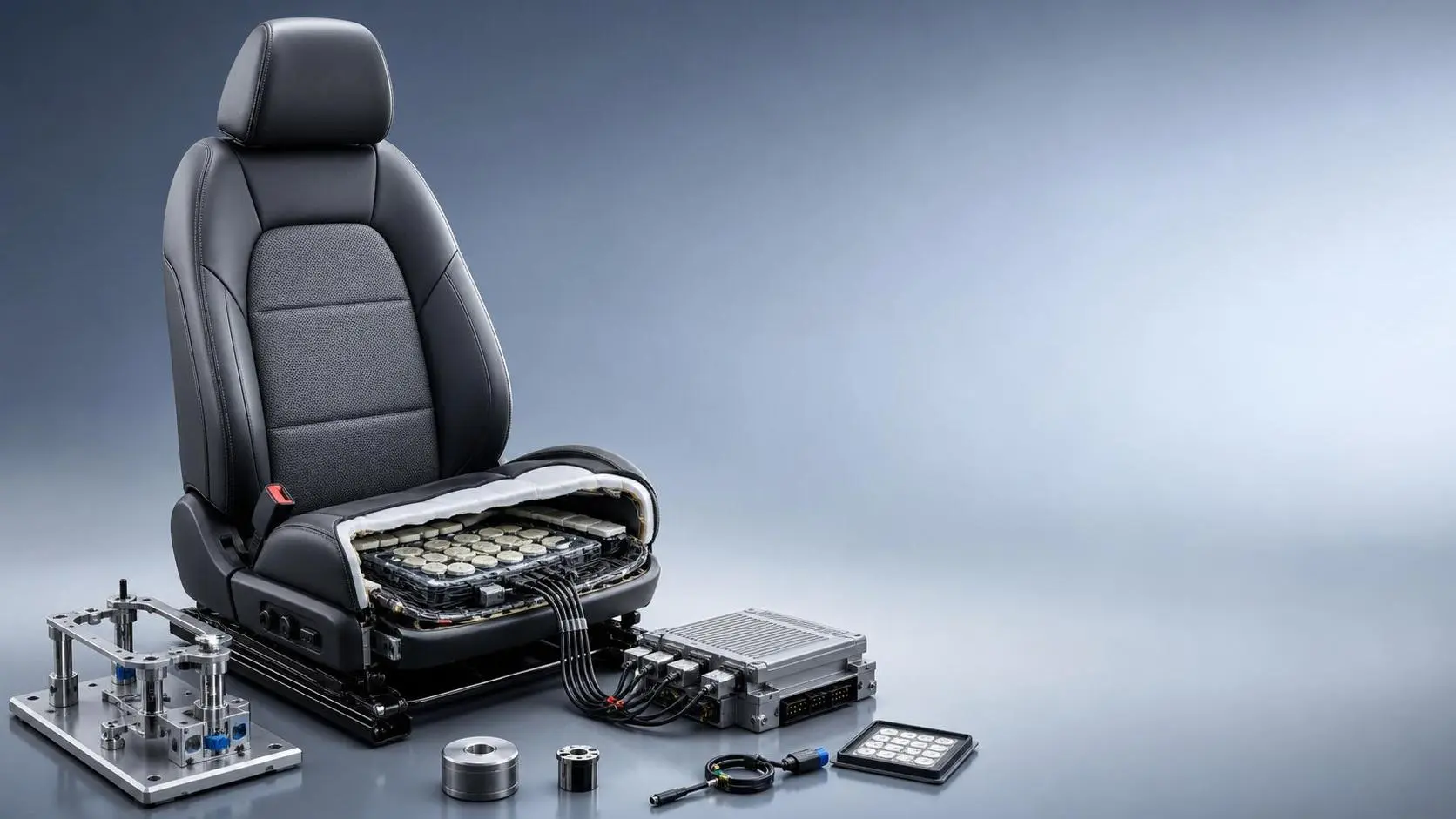
How Much Does Seat Occupancy Sensing Cost? Key Pricing Factors for Buyers
Seat occupancy sensing price varies widely by technology, integration, and compliance needs. Learn the key cost drivers, avoid hidden fees, and make smarter buying decisions.
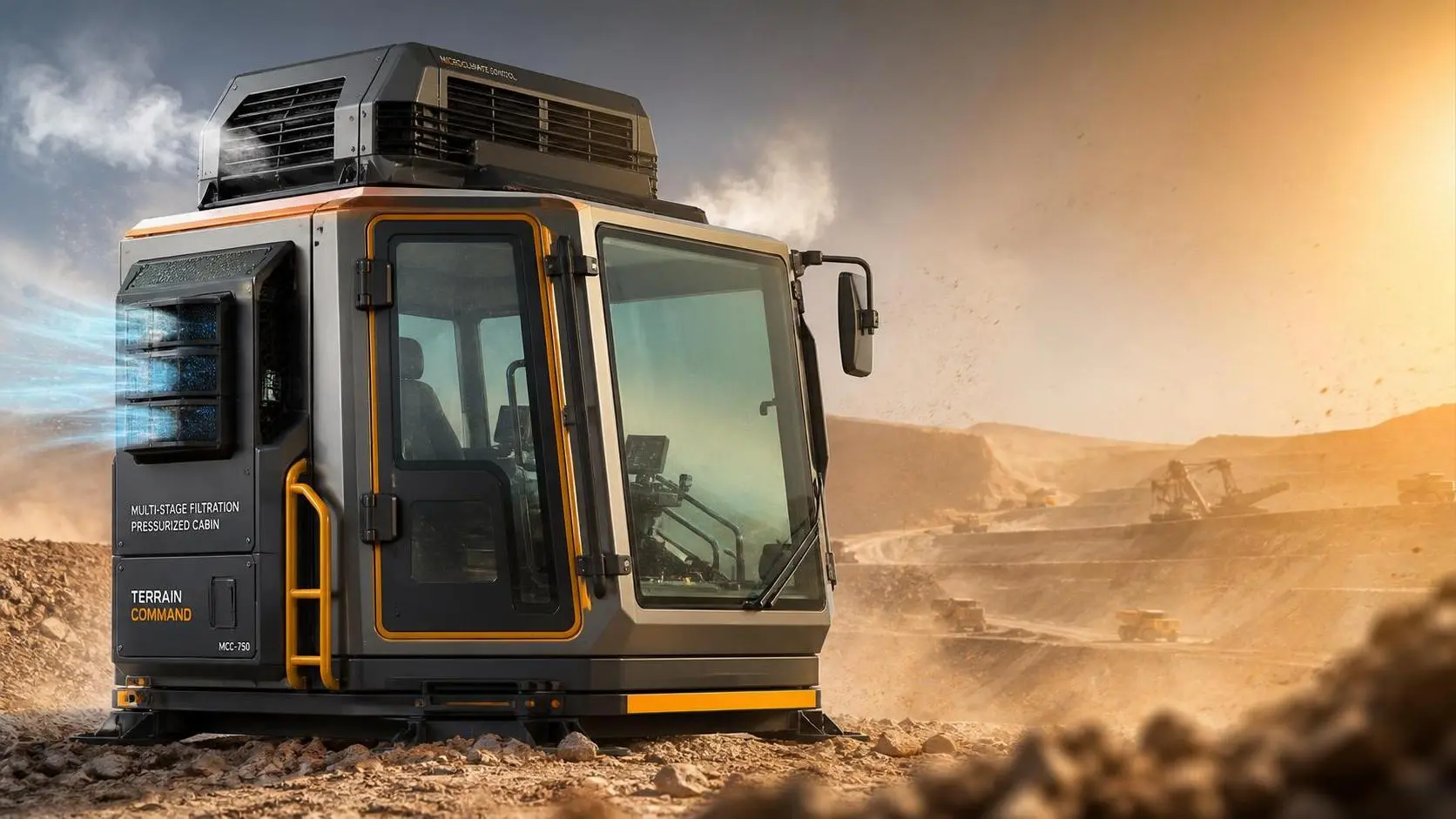
How to Specify Micro-Climate Control Cabins for Harsh Outdoor Worksites?
Micro-climate control cabins for harsh outdoor worksites: learn how to specify thermal control, filtration, pressurization, and durability for safer uptime and smarter buying.
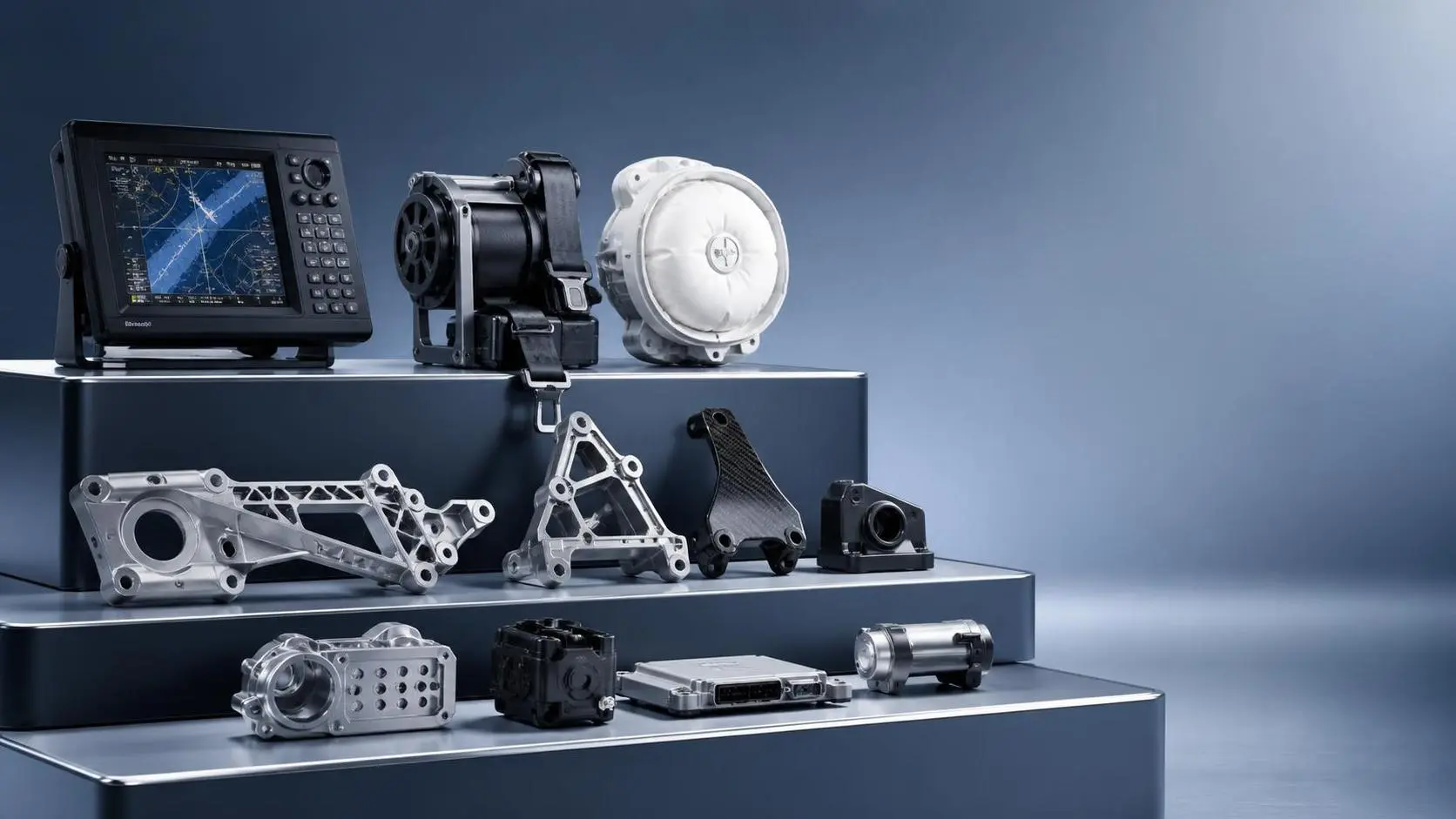
How to Evaluate a B2B Product Knowledge Platform for Faster Procurement Decisions
B2B product knowledge platform procurement starts with reducing decision risk. Learn how to compare specs, compliance, and supplier data to speed sourcing with confidence.
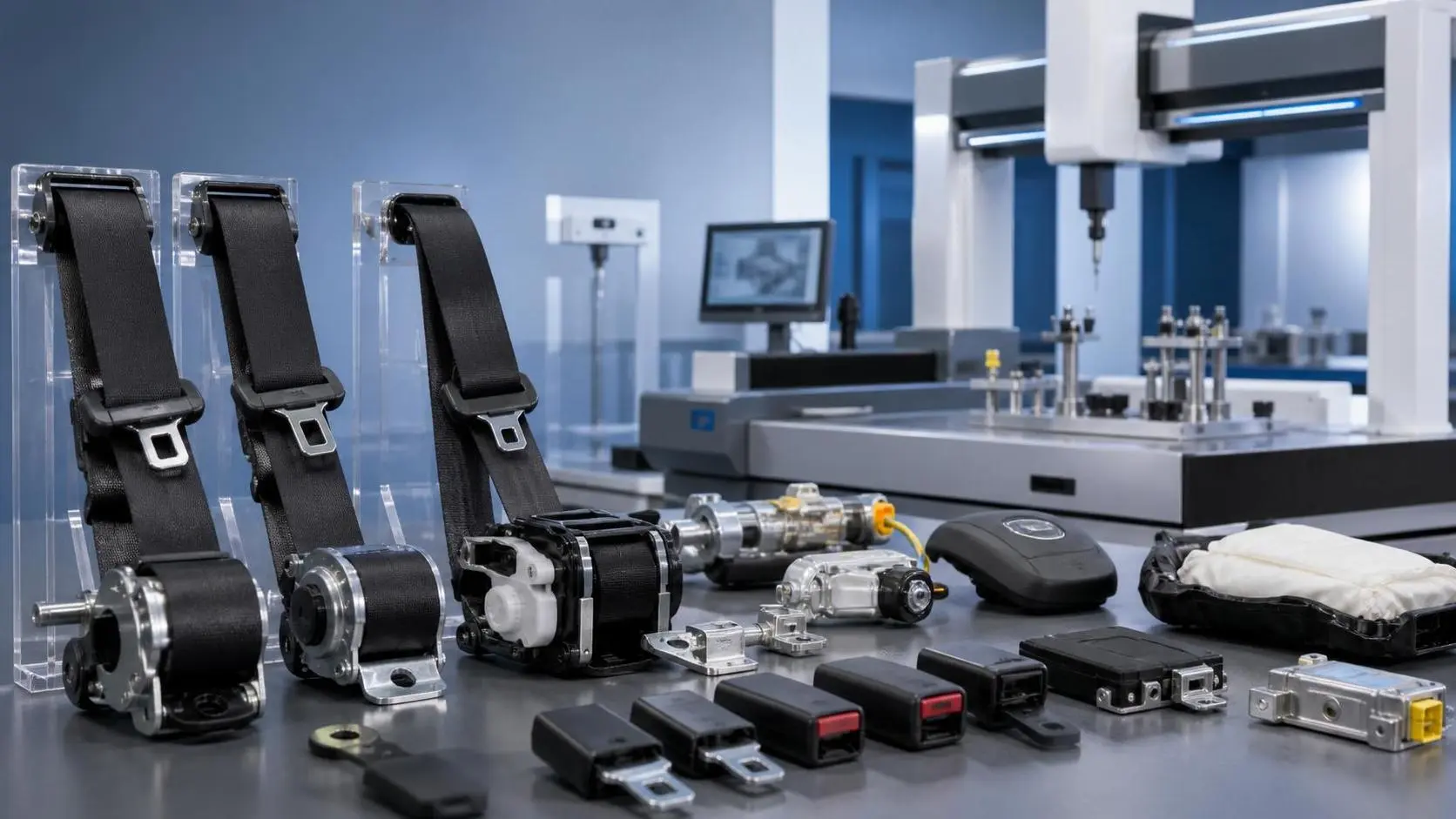
How to Evaluate an Occupant Restraint Systems Exporter for Quality, Compliance, and Supply Risk
Occupant restraint systems exporter evaluation guide: learn how to verify quality controls, compliance evidence, and supply risk before sourcing to avoid recalls, delays, and hidden costs.

Navigation Compliance Certification: Which Marine Systems Need It and How to Prepare?
Navigation compliance certification explained: discover which marine systems need approval, what documents matter, and how to prepare early to avoid delays, rework, and costly project risks.
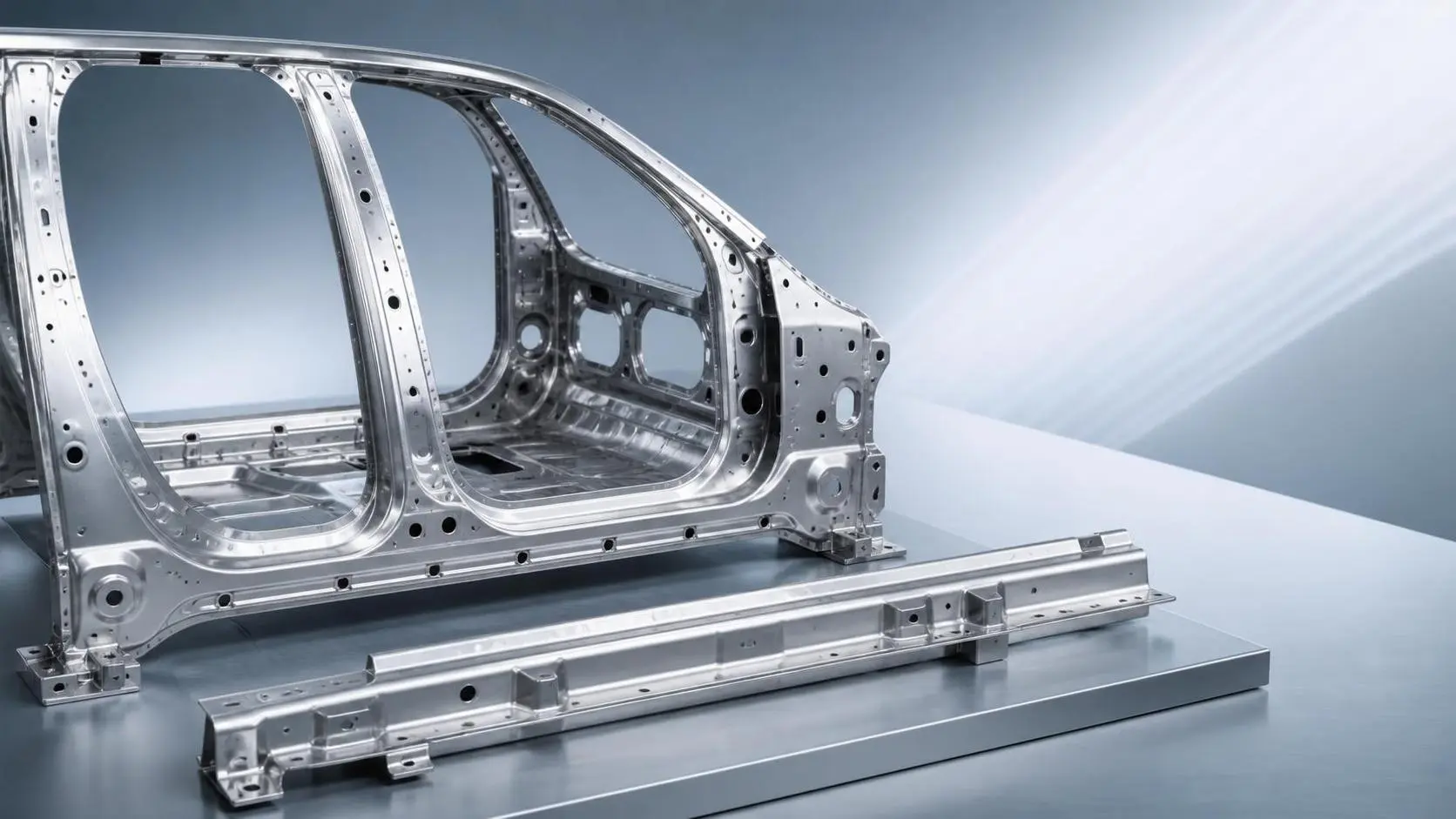
How to Evaluate Steel Auto Body Stampings for Strength, Fit, and Cost
Steel auto body stampings should be judged by strength, fit, and total cost together. Learn how to compare materials, forming limits, springback, joining, and tooling before choosing.
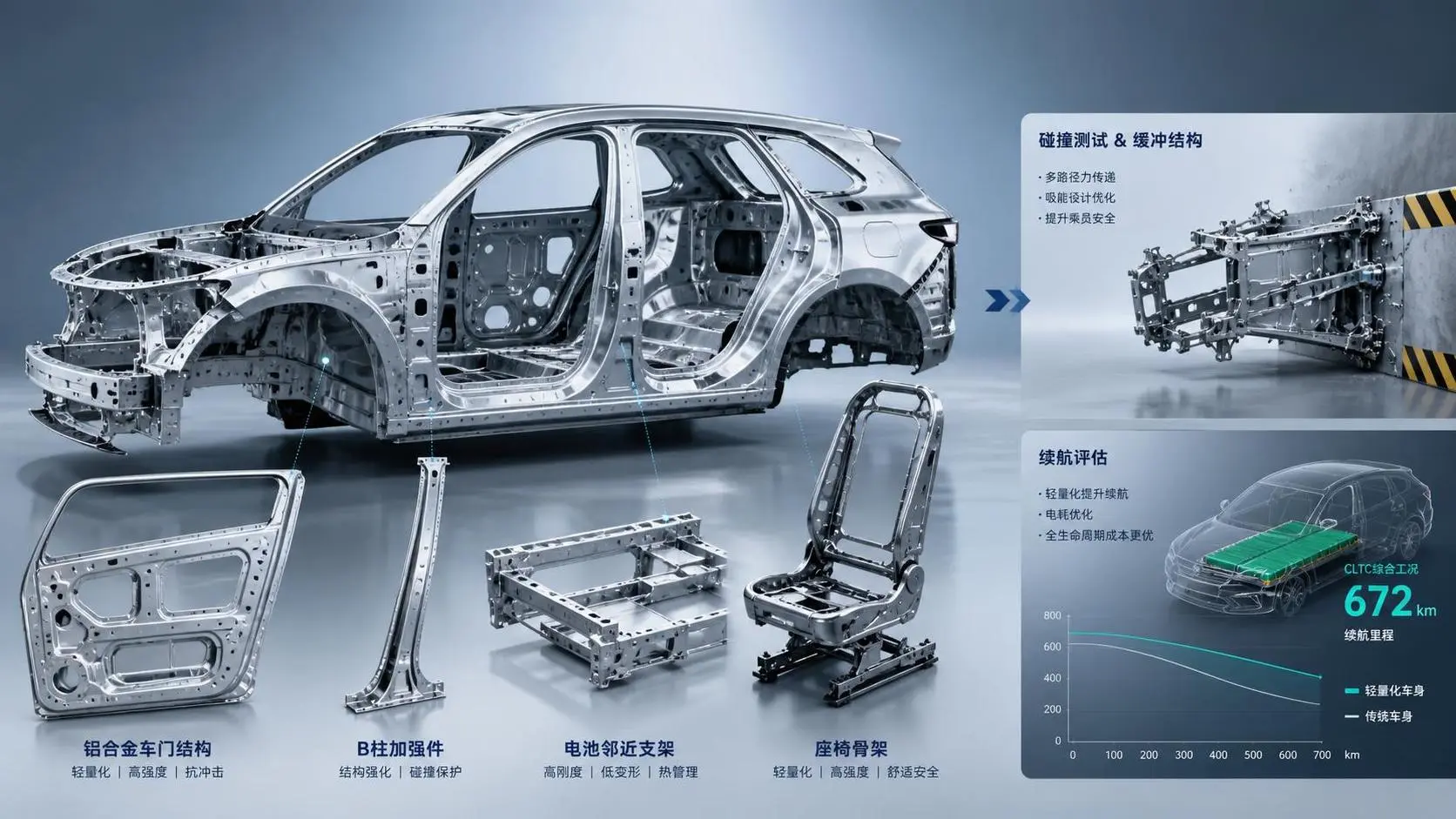
How to Evaluate Lightweight Automotive Components for EV Range and Crash Performance
Lightweight automotive components for EVs: learn how to evaluate real range gains, crash performance, joining risk, and manufacturability to choose safer, smarter EV parts.
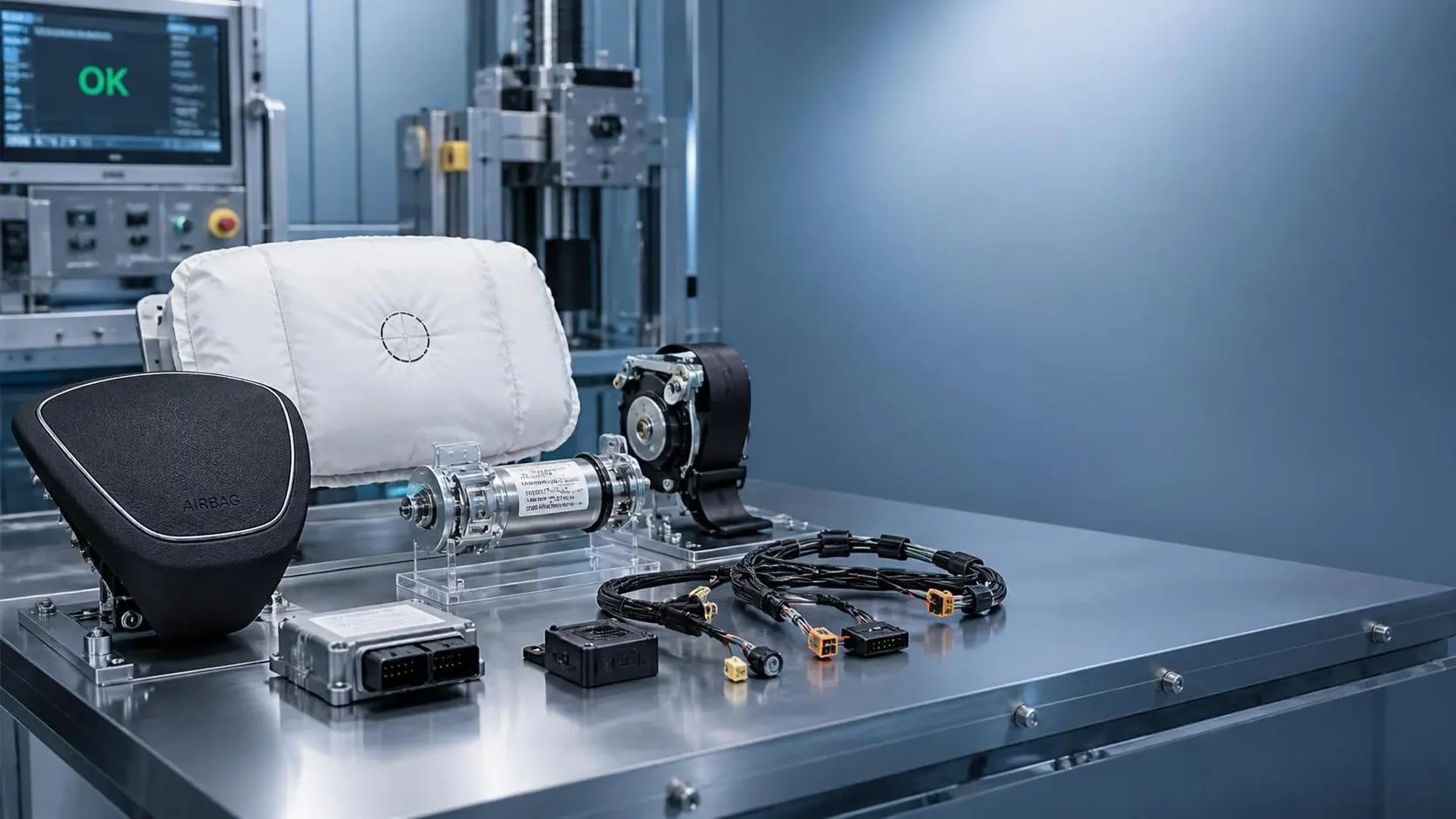
How to Evaluate Airbag Components for OEM Safety Performance and Compliance?
Airbag components evaluation guide for OEM teams: compare deployment performance, inflator consistency, compliance evidence, and supplier traceability to reduce safety risk and choose with confidence.
Related News
- 00
0000-00
How to Evaluate Automotive Seat Assemblies for EVs by Weight, Safety, and Packaging - 00
0000-00
How to Evaluate a Seat Structures Exporter for OEM Programs: Capacity, Compliance, and Tooling - 00
0000-00
Sensor-Based Smart Seating Solutions: Key Features for Automotive Seat Design - 00
0000-00
What Drives Automotive Ergonomics Cost? Design Inputs, Testing Scope, and Tooling Factors - 00
0000-00
Aluminum Seat Structures vs Steel: When Is the Weight Saving Worth the Trade-Off?
Weekly Insights
Stay ahead with our curated technology reports delivered every Monday.