
Good automotive ergonomic design starts with seat fit
Good automotive ergonomic design starts with seat fit because comfort, safety, and long-term usability are engineered together. For project managers and engineering leaders, seat fit is not a styling detail but a system-level decision. It affects occupant protection, perceived quality, packaging efficiency, development cost, and whether a vehicle program meets both market expectations and compliance targets.
For readers searching automotive ergonomic design through the lens of seat fit, the core intent is practical: how to judge whether seat design decisions will improve product outcomes, reduce downstream risk, and support business goals. The most relevant questions are not abstract definitions. They are about design priorities, trade-offs, measurable criteria, validation steps, and the impact of seat choices on safety, comfort, manufacturability, and customer acceptance.
For project managers and engineering leads, the key takeaway is straightforward. If seat fit is addressed late, problems multiply across trim, H-point geometry, restraint performance, visibility, ingress and egress, and customer complaints. If it is defined early with clear targets, it becomes a high-leverage foundation for better automotive ergonomic design and more predictable program execution.
Why seat fit is the starting point of automotive ergonomic design
Seat fit is where the vehicle meets the body. Every driver and passenger experiences the cabin first through posture, pressure distribution, reach, and support. That is why automotive ergonomic design begins with the seat rather than with decorative surfaces or isolated feature lists.
From a project perspective, seat fit determines more than comfort. It shapes the eye ellipse, steering wheel reach, pedal operation, belt routing, airbag interaction, head restraint position, and long-duration fatigue levels. These are interconnected variables, and small changes in one area often force redesign in another.
When seat fit is wrong, users notice quickly. They may describe the vehicle as cramped, tiring, awkward, hot, unsupportive, or hard to enter. In fleet, premium, and long-distance mobility segments, those perceptions directly affect retention, warranty exposure, and brand credibility.
For engineering leaders, this means seat fit should be treated as a program input, not as a seat supplier output checked near launch. The earlier teams define occupant package assumptions and ergonomic targets, the lower the rework risk across body, restraint, and interior systems.
What project managers should evaluate before approving seat concepts
Most seat reviews fail because they focus too heavily on feature count and too lightly on fit quality. Heating, ventilation, memory, massage, and smart sensing can add value, but they do not compensate for poor basic geometry. Before approving concepts, project leaders need a disciplined evaluation framework.
First, confirm the target occupant population. A seat that works for a narrow body-size range may score well in a design review but fail in market use. Teams should define percentile coverage, intended use cases, trip duration, and key regional anthropometric assumptions at the start.
Second, check the hard points. H-point, cushion angle, seat travel, backrest recline range, steering wheel adjustment, and pedal relationship must support neutral posture. If the package forces extreme knee lift, shoulder reach, or wrist extension, the design will create fatigue and compensation behaviors.
Third, review pressure management and support zones. Occupants need stable pelvic support, controlled thigh support, balanced lumbar contour, and lateral support appropriate to vehicle mission. Overly aggressive bolsters may hinder entry and exit, while flat cushions may reduce stability and increase muscle effort.
Fourth, evaluate adjustability against actual user needs. More adjustment is not automatically better. The goal is useful adjustment that helps diverse occupants find a safe and comfortable driving position quickly. Complex controls with poor intuitiveness often reduce real-world ergonomic benefit.
Finally, test seat fit as part of the entire cabin interaction. A seat cannot be judged alone. Door opening, center console width, belt access, headroom, sight lines, and steering clearance all influence the final ergonomic result.
How seat geometry affects safety, compliance, and occupant protection
For leaders responsible for delivery and compliance, one of the biggest reasons to prioritize seat fit is safety system integration. Good automotive ergonomic design improves not only comfort but also how consistently occupants align with restraint systems during normal driving and crash events.
Seat height and cushion angle influence pelvis position and submarining risk. Backrest contour affects torso contact and belt engagement. Head restraint geometry affects whiplash protection. Even small deviations in posture can change how effectively airbags and belts manage crash energy.
This matters because passive safety performance is not determined by airbags and seatbelts alone. It depends on occupant position before the event. If users adopt slouched, twisted, or forward-leaning postures due to poor seat fit, restraint timing and load paths may become less optimal.
Project managers should therefore require early collaboration between seat engineering, restraint teams, interior packaging, and safety validation groups. Waiting until late crash tests to discover posture-related issues is expensive and disruptive, especially when changes affect seat frame, foam, trim, or anchorage points.
In regulated and highly competitive markets, strong seat fit also supports better alignment with consumer test expectations. Occupants increasingly judge safety not only by ratings but by whether the vehicle feels secure, supportive, and confidence-inspiring during daily use.
Which seat design elements create real ergonomic value
Not every seat enhancement delivers equal benefit. For program decision-makers, it helps to separate true ergonomic contributors from marketable but lower-impact additions. The highest-value elements usually come from geometry, support strategy, material behavior, and thermal management.
Seat frame architecture is a major foundation. It defines structural stiffness, packaging efficiency, and the available range for ergonomic tuning. Lightweight seat structures can support broader vehicle goals, but weight reduction should not compromise support consistency or vibration behavior.
Foam design is equally important. Firmness must be balanced across cushion and backrest to avoid pressure peaks and long-term discomfort. Too soft can feel inviting during a short showroom sit but become fatiguing during longer drives. Too firm can reduce acceptance immediately.
Lumbar support deserves careful attention because it often influences both comfort perception and posture quality. However, the best lumbar system is not always the most complex. It is the one that provides effective adjustment across the intended user population without creating sharp localized pressure.
Microclimate management is increasingly relevant, especially in premium, electric, and long-distance travel scenarios. Heat buildup and moisture retention affect comfort strongly over time. Ventilation materials, trim breathability, and thermal control can improve occupant endurance and perceived quality.
Finally, interface design matters. The location and logic of seat controls, memory settings, and occupant sensing features should reduce cognitive load. A well-designed seat helps users achieve a safe position naturally rather than forcing trial-and-error adjustments.
Common failure points that create cost, delays, and user complaints
Seat-related issues often appear late because organizations assume they are easier to tune than body structure or safety systems. In reality, poor early decisions can propagate through multiple subsystems. Knowing the common failure patterns helps project leaders prevent avoidable cost.
One common failure is designing around average users. Real markets are not average. Programs that ignore smaller drivers, larger occupants, older users, or specific regional body-size patterns may pass internal reviews but underperform commercially once vehicles reach diverse customers.
Another failure is over-prioritizing style surfaces. Low rooflines, aggressive console shapes, or sporty seating cues can conflict with headroom, visibility, and ingress. If design intent is not balanced with ergonomic targets early, teams often face painful compromises late in development.
A third issue is relying too much on static clinic feedback. Short evaluations can favor first-impression softness or visual appeal while missing long-duration discomfort, hot spots, and fatigue. Project teams need dynamic and time-based assessment, not only showroom-style judgments.
Late supplier involvement is another risk. Seat suppliers often hold critical expertise in mechanisms, foam tuning, trim behavior, durability, and manufacturability. Bringing them in after package assumptions are fixed can limit options and raise engineering change costs.
There is also the problem of disconnected metrics. If comfort, safety, quality, and cost are reviewed separately, seat decisions may optimize one dimension while harming another. Cross-functional governance is essential because automotive ergonomic design is inherently multidisciplinary.
How to build a better seat-fit decision process in vehicle programs
For project managers, the practical question is how to convert seat fit from a subjective topic into a manageable program process. The answer is to define decision gates, measurable targets, and shared ownership across engineering, safety, purchasing, and user experience teams.
Start with use-case definition. Clarify whether the vehicle is aimed at urban commuting, family transport, premium long-distance travel, commercial operation, or mixed mobility scenarios. Seat priorities differ across these cases, and the design brief should reflect that reality explicitly.
Next, establish anthropometric and ergonomic targets early. Define occupant coverage, preferred posture ranges, ingress and egress expectations, and key support outcomes. These targets should be documented clearly enough that suppliers and internal teams can design toward the same intent.
Then use digital tools wisely, but do not stop there. Human modeling, package simulations, and virtual assessments can reduce iteration time, yet physical validation remains essential. Mockups, bucks, and prototype seats reveal issues that are difficult to predict fully in software.
Include long-duration evaluation in the plan. A seat that performs well over five minutes may not perform well over two hours. Testing should include posture stability, thermal comfort, vibration response, access to controls, and how occupants adjust themselves over time.
Build cross-functional reviews around decisions that matter most. Examples include cushion length, recliner range, head restraint geometry, belt interface, and seat track travel. When these are reviewed early with the right stakeholders, programs can avoid expensive late-stage redesign.
Finally, connect seat-fit outcomes to business metrics. Track clinic acceptance, predicted warranty risk, perceived comfort scores, safety integration issues, and mass-cost trade-offs. This helps leadership see ergonomic investment not as an extra cost but as controlled risk reduction and value creation.
Why seat fit has growing strategic value in modern mobility products
The strategic importance of seat fit is increasing across today’s mobility industry. Electrification, lightweight design, advanced safety expectations, connected cabins, and long-duration travel use cases are all raising the standard for automotive ergonomic design.
Electric vehicle architectures may alter floor height, battery packaging, and seating posture. That changes hip point relationships, knee angles, and ingress dynamics. Programs that treat seat fit as an afterthought may struggle to deliver the comfort and spaciousness users expect from new platforms.
Meanwhile, smart seating systems are adding sensing, adaptive support, occupancy detection, and personalized settings. These innovations are valuable only when they reinforce good baseline fit. Technology layered onto weak geometry rarely solves the underlying user experience problem.
There is also a stronger commercial case for getting seat fit right. In competitive segments, customers compare interiors closely. They may not describe the issue in engineering terms, but they quickly perceive whether a cabin feels supportive, refined, and easy to live with.
For suppliers, OEMs, and platform leaders, seat fit can therefore become a differentiator that supports both premium positioning and safety credibility. For project managers, that makes ergonomic quality a strategic deliverable rather than a comfort accessory.
Conclusion: seat fit is the earliest high-impact decision, not the last comfort check
Good automotive ergonomic design starts with seat fit because the seat defines how occupants see, reach, stabilize, and interact with every major cabin system. It influences comfort, safety, packaging, quality perception, and lifecycle performance all at once.
For project managers and engineering leaders, the practical implication is clear. Prioritize seat fit early, define measurable ergonomic targets, validate with realistic users and use cases, and integrate decisions across safety, interior, and manufacturing functions. That approach reduces late risk and improves customer outcomes.
In a mobility landscape shaped by lightweight structures, smarter cabins, and higher safety expectations, seat fit is not a minor subsystem issue. It is a foundational program decision. Teams that understand this will deliver vehicles that perform better technically, compete better commercially, and serve occupants more effectively over the long term.
Related News
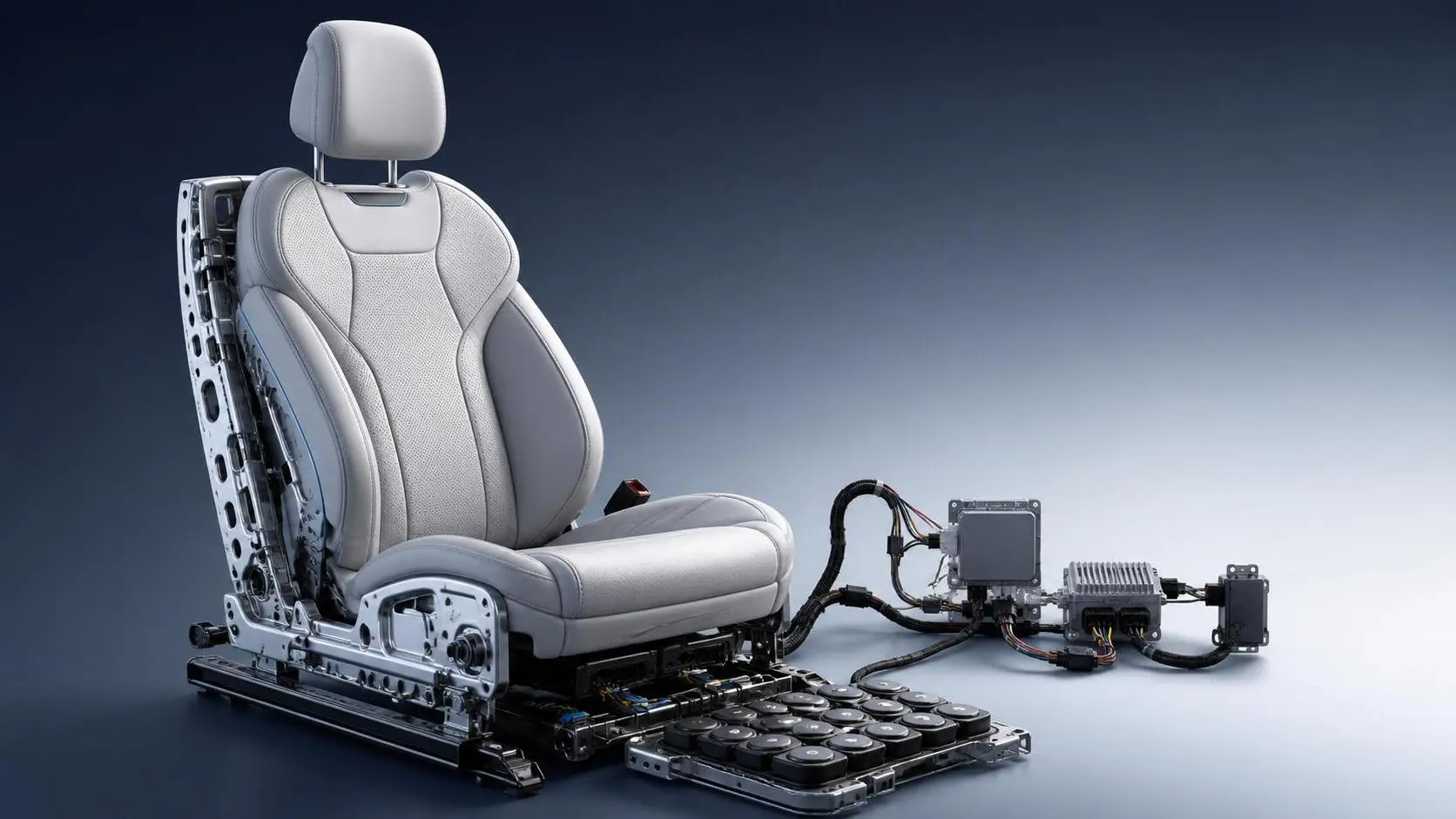
How to Evaluate Custom Smart Automotive Seating for Premium Vehicle Programs?
Custom smart automotive seating evaluation starts with safety, comfort, integration, and production readiness. Discover how premium vehicle teams choose smarter, lower-risk seat solutions.

B2B Product Intelligence Platforms: How to Compare Features, Data Coverage, and ROI
B2B product intelligence platform comparison: learn how to evaluate data coverage, feature depth, compliance visibility, and ROI to choose a sourcing tool that reduces risk and speeds decisions.
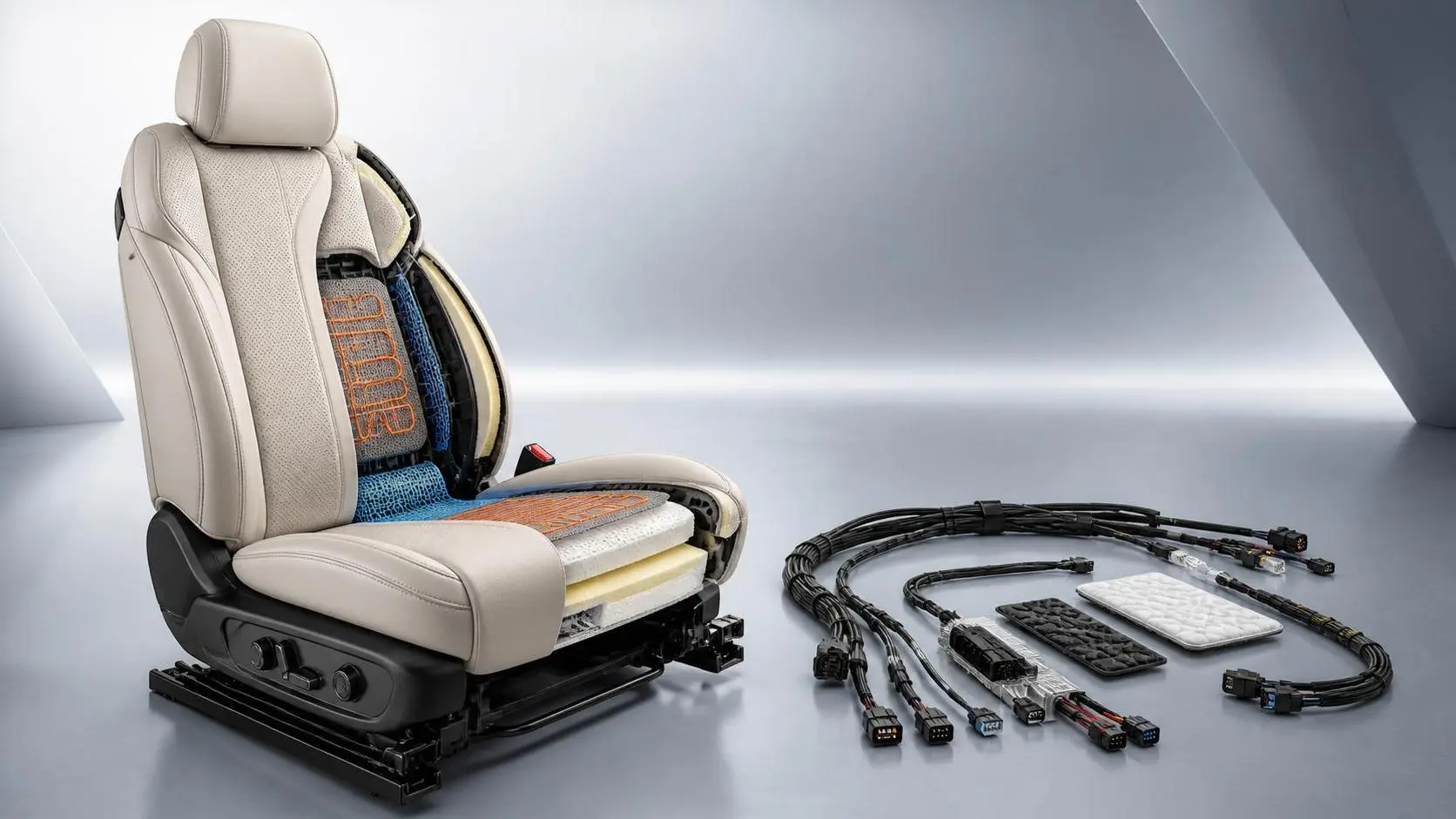
Climate Control Seats Cost: What Drives Price and Long-Term Ownership Value?
Climate control seats cost depends on materials, thermal tech, and integration. Learn what drives price and how to judge long-term value before you buy.

What Factors Drive Marine Navigation Components Cost in Commercial Vessel Projects?
Marine navigation components cost is shaped by integration, compliance, installation, and lifecycle support. Discover what drives pricing and how buyers can reduce risk while improving value.
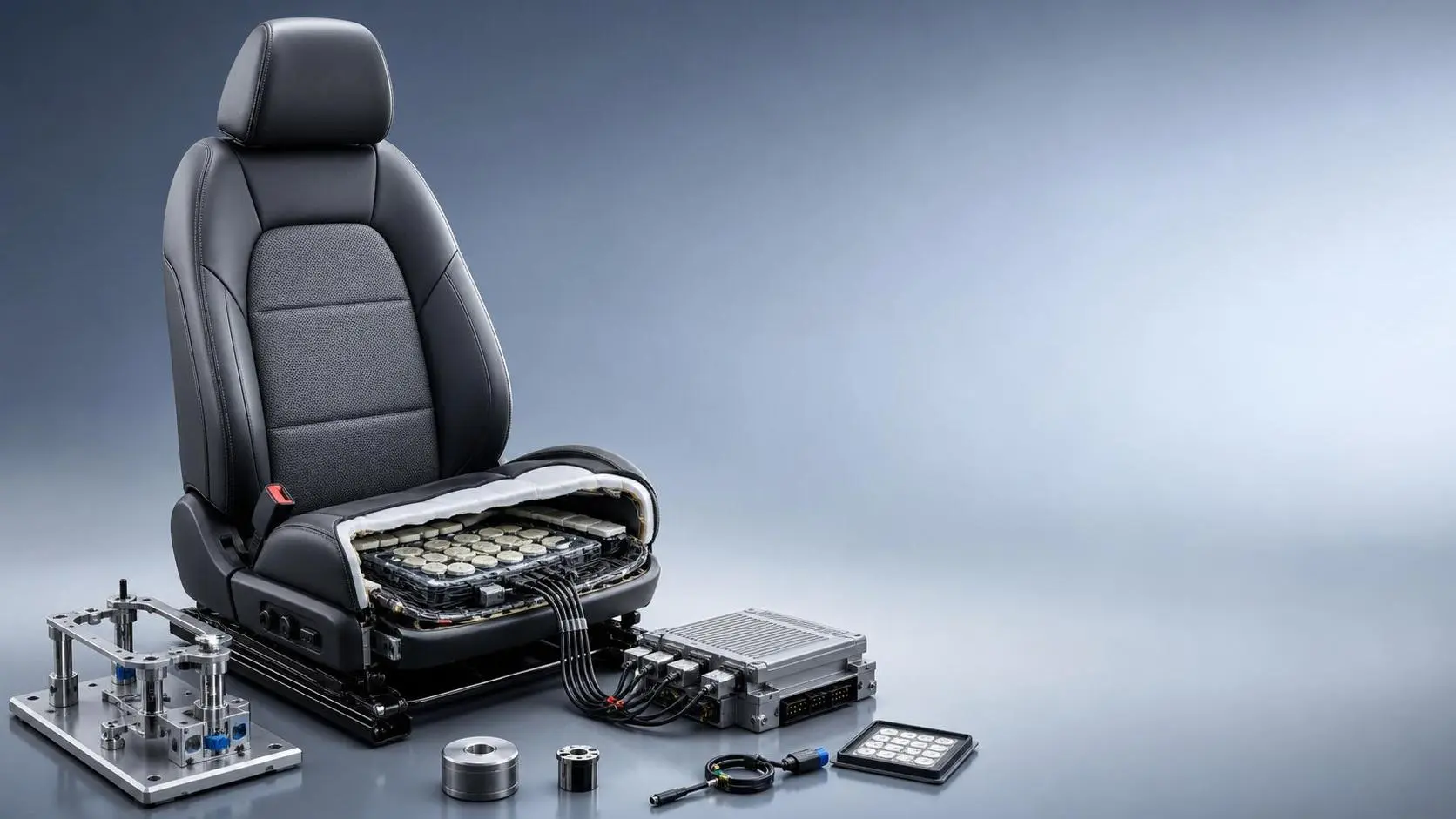
How Much Does Seat Occupancy Sensing Cost? Key Pricing Factors for Buyers
Seat occupancy sensing price varies widely by technology, integration, and compliance needs. Learn the key cost drivers, avoid hidden fees, and make smarter buying decisions.

How to Specify Micro-Climate Control Cabins for Harsh Outdoor Worksites?
Micro-climate control cabins for harsh outdoor worksites: learn how to specify thermal control, filtration, pressurization, and durability for safer uptime and smarter buying.
How to Evaluate a B2B Product Knowledge Platform for Faster Procurement Decisions
B2B product knowledge platform procurement starts with reducing decision risk. Learn how to compare specs, compliance, and supplier data to speed sourcing with confidence.
How to Evaluate an Occupant Restraint Systems Exporter for Quality, Compliance, and Supply Risk
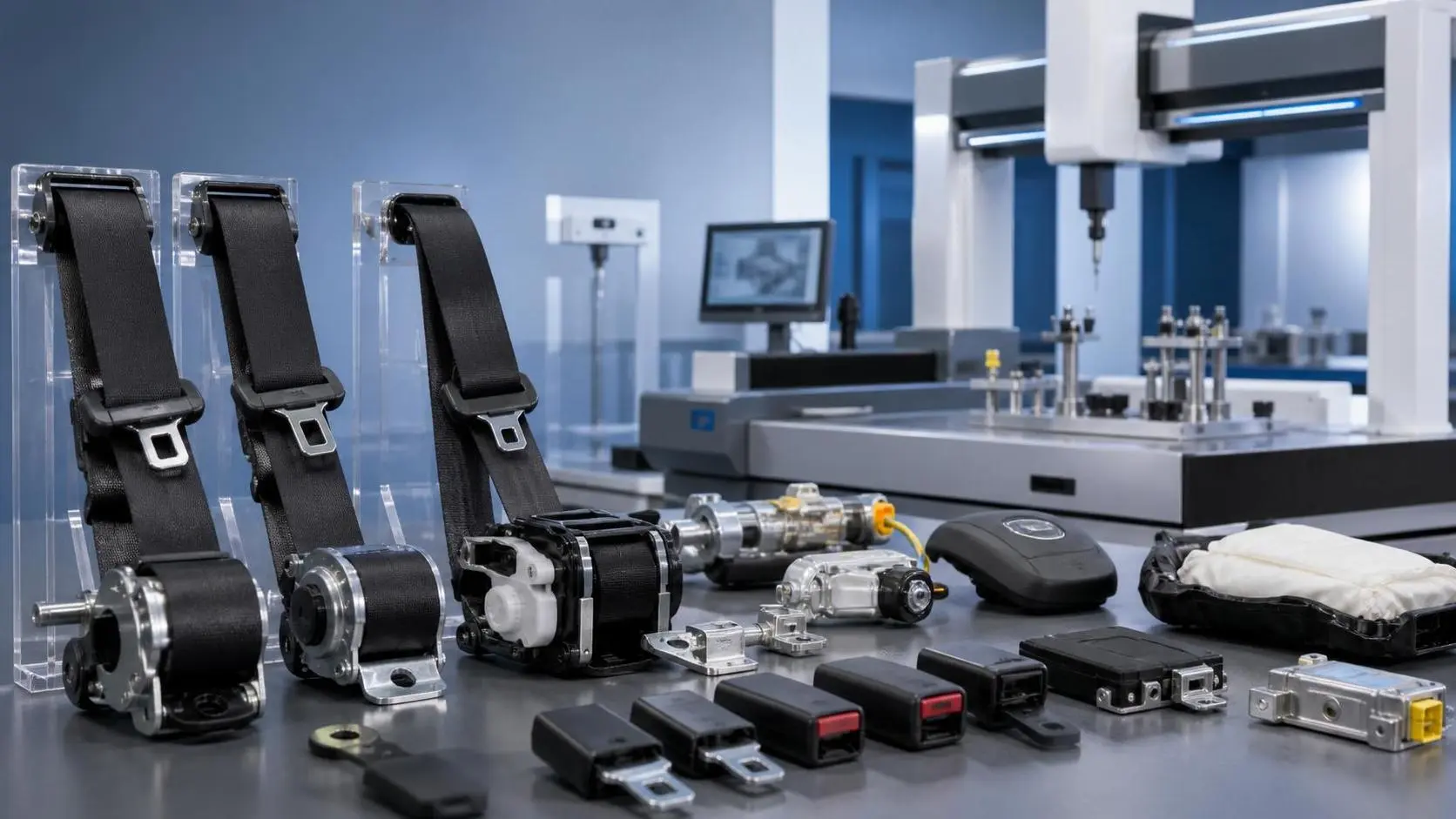
Occupant restraint systems exporter evaluation guide: learn how to verify quality controls, compliance evidence, and supply risk before sourcing to avoid recalls, delays, and hidden costs.

Navigation Compliance Certification: Which Marine Systems Need It and How to Prepare?
Navigation compliance certification explained: discover which marine systems need approval, what documents matter, and how to prepare early to avoid delays, rework, and costly project risks.
Related News
- 00
0000-00
How to Evaluate Automotive Seat Assemblies for EVs by Weight, Safety, and Packaging - 00
0000-00
How to Evaluate a Seat Structures Exporter for OEM Programs: Capacity, Compliance, and Tooling - 00
0000-00
Sensor-Based Smart Seating Solutions: Key Features for Automotive Seat Design - 00
0000-00
What Drives Automotive Ergonomics Cost? Design Inputs, Testing Scope, and Tooling Factors - 00
0000-00
Aluminum Seat Structures vs Steel: When Is the Weight Saving Worth the Trade-Off?
Weekly Insights
Stay ahead with our curated technology reports delivered every Monday.