
How to Evaluate High Strength Hot Stamped Steel Parts for Crash-Safety Applications
For technical evaluators working on crash-safety programs, assessing high strength hot stamped steel parts requires more than checking tensile strength alone. Material consistency, dimensional accuracy, microstructure stability, and energy-absorption performance all influence whether a part can meet real-world collision demands. This article outlines how to evaluate these critical factors systematically, helping engineers and sourcing teams make more reliable decisions in lightweight vehicle safety applications.
In practice, many evaluation failures happen because the part looks compliant on paper but behaves differently in the vehicle program. A supplier may present an attractive ultimate tensile strength figure, but crash performance depends on a chain of variables: steel chemistry, coating behavior during heating, furnace process stability, die quenching efficiency, geometric complexity, springback control, weldability, and the part’s location in the body-in-white load path. For crash-safety applications, the question is rarely “Is this a hot stamped part?” It is “Can this specific part, made by this process and this supplier, deliver stable crash behavior at production scale?”
Why tensile strength alone is a poor selection shortcut
High strength hot stamped steel parts are typically chosen for structural zones where intrusion resistance, load transfer, and mass reduction must be balanced. Common applications include A-pillars, B-pillars, roof rails, door rings, tunnel reinforcements, bumper beams, and selected battery-protection structures in electrified platforms. In these areas, a high nominal strength level is useful, but not sufficient for evaluation.
A part with very high tensile strength but poor thickness distribution, unstable martensitic transformation, or local soft zones may underperform in a crash event. Likewise, a part that achieves laboratory strength targets but suffers from coating defects, excessive decarburization, edge cracking, or inconsistent weld quality can create downstream safety and manufacturing risks.
Technical evaluators should therefore avoid using a single-property filter. The right evaluation framework should connect material data to the actual crash function of the component. An intrusion-resistant pillar reinforcement is not assessed the same way as an energy-managing front-end member. The load case matters, and so does the failure mode the part is meant to prevent.
Start with the part’s crash role, not the material brochure
Before comparing suppliers or process routes, define what the part must do during impact. There are usually three broad crash roles:
- Maintain survival space by resisting deformation
- Transfer crash loads predictably into adjacent structures
- Absorb energy in a controlled manner without unstable fracture
These roles can overlap, but the balance changes the evaluation logic. For example, B-pillar reinforcements often prioritize intrusion resistance and load path stability, while some front or rear structural members may need more controlled deformation. A high-strength solution that is ideal for one zone may be too brittle or too difficult to tune for another.
This is where technical assessment becomes more demanding than simple material selection. Evaluators need to ask whether the part geometry, thickness, joining method, and local property design all support the intended crash function. If not, the strongest material option may still be the wrong engineering choice.
Material evaluation: chemistry, coating, and microstructure stability
Most automotive hot stamped parts are based on boron-alloyed steels such as 22MnB5 or equivalent grades, though exact naming and supply routes vary by region and mill. For crash-critical applications, the review should go deeper than grade designation.
Key material checks include:
- Chemical composition tolerance and batch-to-batch consistency
- Coating type and behavior during austenitization and forming
- Hardenability and sensitivity to cooling rate variation
- Final microstructure uniformity, especially martensite distribution
- Risk of decarburization or oxidation affecting local performance
Al-Si coated material remains widely used in press hardening because it protects the surface during heating, but coating quality must be reviewed carefully. Uneven coating behavior can influence forming, surface integrity, weldability, and downstream corrosion performance. Zinc-based approaches for indirect hot stamping or specialized routes may also be used, but they introduce different process windows and joining considerations.
Microstructure verification is especially important. A nominally hardened part should not be accepted based only on tensile coupons from a favorable location. Evaluators should review hardness mapping, metallographic inspection, and evidence that the required transformation has been achieved throughout the geometry, including radii, edges, and complex sections with non-uniform cooling.
Process capability often matters more than nominal design intent
Two suppliers may quote the same steel grade and the same target strength, but their actual production capability may differ sharply. That difference is often found in process control rather than in design drawings.
For hot stamped parts, critical process variables usually include blank heating uniformity, transfer time from furnace to die, die temperature management, quench rate, tool wear, and trimming quality. If these are unstable, the final part can drift in hardness, dimensional accuracy, or residual stress profile.
Technical evaluators should look for evidence of process capability, not just sample approval. Useful questions include:
- How is furnace temperature uniformity monitored and recorded?
- What is the maximum transfer time, and how tightly is it controlled?
- How is die cooling performance validated over production life?
- What process alarms exist for temperature, cycle time, and cooling anomalies?
- How is repeatability demonstrated across multiple lots and tool maintenance intervals?
Production-scale stability is a major decision factor for global sourcing. Crash-safety programs do not fail because one prototype part was weak; they fail when distributed variation enters serial production and is discovered too late, often through dimensional drift, welding issues, or inconsistent crash simulation correlation.
Dimensional accuracy is a safety issue, not just a fit issue
In body safety structures, dimensional variation changes more than assembly convenience. It changes gap conditions, weld location accuracy, load transfer alignment, and the effectiveness of the full structural system during crash loading. A hot stamped reinforcement that deviates from nominal geometry may still be assembled, but it may not contribute to the crash path as intended.
This is why springback control, die compensation strategy, and trimming precision deserve close attention. Evaluators should examine:
- Dimensional capability reports across critical datums
- Variation after trimming and piercing, not only after forming
- Thermal distortion risk in complex asymmetric sections
- Hole position stability for downstream joining and locator accuracy
- Fixture strategy used during measurement
For parts integrated into multi-piece assemblies, tolerance stack-up can become a hidden crash risk. A technically acceptable single part may create assembly distortion that affects sealing, roof crush behavior, side-impact performance, or battery enclosure protection. Evaluation should therefore include the part’s effect in the assembly context, not only its isolated geometry report.
Mechanical performance should be assessed beyond static coupon values
Standard tensile results remain necessary, but crash-safety decisions should also consider how the part behaves under more realistic loading conditions. Depending on the application, relevant assessment may include bending performance, edge crack sensitivity, hole expansion behavior, impact-related deformation response, and fracture mode analysis.
For parts expected to resist intrusion, local ductility can be just as important as high strength. Excessive brittleness increases the risk of unstable cracking at trimmed edges or stress concentrators. This is particularly relevant when the part includes pierced holes, sharp radii, laser-trimmed contours, or weld-adjacent zones.
Where available, evaluators should review:
- Hardness distribution across the full part
- Mechanical property consistency by location
- Bending or crush test data tied to actual geometry
- Fracture appearance and crack initiation tendencies
- Correlation between CAE assumptions and physical test behavior
One common mistake is to accept simulation-friendly data generated under ideal conditions, then assume the production part will behave identically. Hot stamped components are sensitive to local manufacturing history. Mechanical response can shift due to trimming method, local thinning, coating condition, or thermal history in ways that basic datasheets do not capture.
Pay close attention to tailor-made and property-tailored concepts
Many modern crash structures no longer rely on uniform properties throughout the part. Tailor welded blanks, patchwork blanks, and tailored tempering concepts are used to place strength and ductility where each is needed. These approaches can improve mass efficiency and crash tuning, but they also complicate evaluation.
For technical teams, the core question is whether the property transition zones are controlled well enough for serial production. A theoretically optimized part can become high-risk if weld lines, thickness transitions, or soft-zone boundaries are not tightly managed.
Evaluation points include:
- Location and consistency of property transition areas
- Weld quality and heat-affected zone behavior in tailor welded blanks
- Formability impact from thickness changes or local reinforcements
- Crash simulation validation for mixed-property regions
- Inspection methods for confirming local mechanical targets
These advanced solutions are often worthwhile, but only when the supplier has mature process discipline and robust validation methods.
Joining compatibility can make or break the decision
A crash-safe part that creates joining problems is not a successful selection. High strength hot stamped steel parts frequently enter assemblies using resistance spot welding, laser welding, MIG brazing, self-piercing rivets in mixed-material structures, structural adhesives, or combinations of these. Each route brings constraints tied to coating, hardness, access, and stack configuration.
Technical evaluation should cover whether the selected part can be joined repeatably within the actual manufacturing system. Questions worth asking include:
- Is the coating compatible with the intended welding process?
- Are electrode life and weld nugget consistency acceptable?
- Will the part’s hardness create cracking or tool wear issues during fastening?
- How sensitive is the joining quality to dimensional variation?
- Has corrosion performance been validated at the joint interface?
In global programs, joining compatibility is also a localization issue. A part that performs well in one plant may create quality escapes in another if welding windows, tooling maintenance standards, or operator control differ.
Corrosion and surface quality should not be treated as secondary topics
Crash performance dominates discussion, but corrosion resistance still affects long-term structural reliability and warranty risk. Surface condition also influences paint performance, adhesive bonding, and appearance in visible-adjacent areas.
Hot stamped parts may experience coating changes during processing, and post-forming surface conditions can vary depending on heating atmosphere, descaling practice, and trimming method. Technical evaluators should review whether the corrosion strategy matches the vehicle’s service environment and regional expectations. This may include e-coat compatibility, flange corrosion behavior, and post-joining protection measures. Specific test standards and acceptance thresholds should be confirmed program by program, as OEM requirements differ and should be treated as customer-specific rather than universal.
Validation should connect laboratory evidence to crash-system behavior
The strongest evaluation programs move in layers. They begin with material and process qualification, then move through part-level verification, joining validation, assembly trials, and finally correlation with subsystem or full-vehicle crash development. When any of these layers are skipped, technical risk rises.
For sourcing and engineering teams, a practical decision path often looks like this:
- Confirm material route and supply consistency
- Verify process capability and thermal control
- Check geometry capability on critical features
- Review microstructure and hardness mapping
- Validate joining and corrosion performance
- Compare physical test behavior with CAE assumptions
- Assess serial production readiness and traceability
Traceability is often underestimated. In safety-critical sourcing, the ability to link each lot to coil origin, heating conditions, tool status, and inspection records is highly relevant. When deviations appear, containment speed depends on this visibility.
Common evaluation mistakes in supplier comparison
Several recurring errors appear when teams compare high strength hot stamped steel parts across suppliers or regions.
The first is overvaluing peak strength and undervaluing consistency. A supplier with slightly lower headline values but tighter process stability may be the safer choice for crash-critical production.
The second is treating prototype approval as proof of serial capability. Prototype tooling, lower volumes, and special handling often hide risks that emerge later in ramp-up.
The third is reviewing the part outside the full assembly context. Load paths, weld access, and tolerance stack-up can change the real value of the component.
The fourth is ignoring edge quality and fracture sensitivity. In very high strength structures, trimming and piercing quality are not minor manufacturing details; they affect crack initiation behavior directly.
The fifth is assuming all hot stamping routes are interchangeable. Direct hot stamping, indirect routes, tailored tempering, and multi-material integration each introduce different engineering trade-offs.
What a robust decision looks like
A sound selection decision is not based on who offers the strongest part, but on who offers the most reliable crash-function solution within the vehicle architecture, manufacturing system, and quality controls available. For technical evaluators, that means building the assessment around repeatable crash contribution rather than isolated material claims.
When reviewing high strength hot stamped steel parts, the best candidates are usually those that demonstrate balanced performance: stable martensitic transformation, controlled dimensional accuracy, acceptable ductility at critical locations, proven joining compatibility, and clear evidence that the supplier can reproduce those conditions at volume. In crash-safety applications, reliability of behavior matters more than marketing-grade performance claims.
As lightweighting pressures continue and passive safety structures become more optimized, evaluation standards will keep rising. The teams that make better decisions are typically the ones that look beyond datasheets early—into process windows, transition zones, assembly effects, and production discipline. That is where the real difference between a qualified part and a dependable safety component is usually found.
Related News
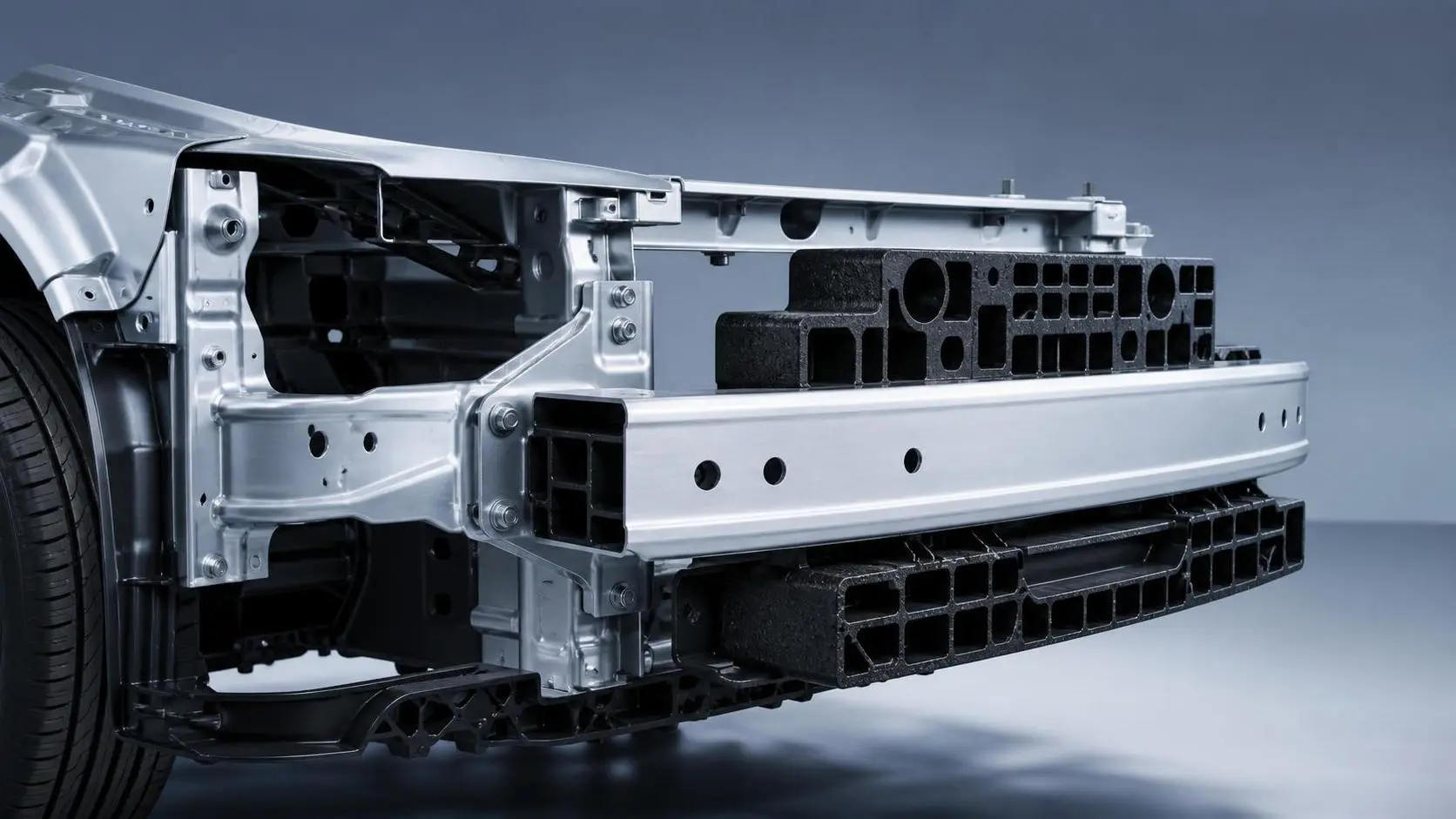
How Crash Management Components Reduce Repair Costs and Improve Impact Performance
Crash management components help reduce repair costs, protect critical vehicle structures, and improve impact performance. Learn how smarter design supports safer, more cost-efficient mobility programs.
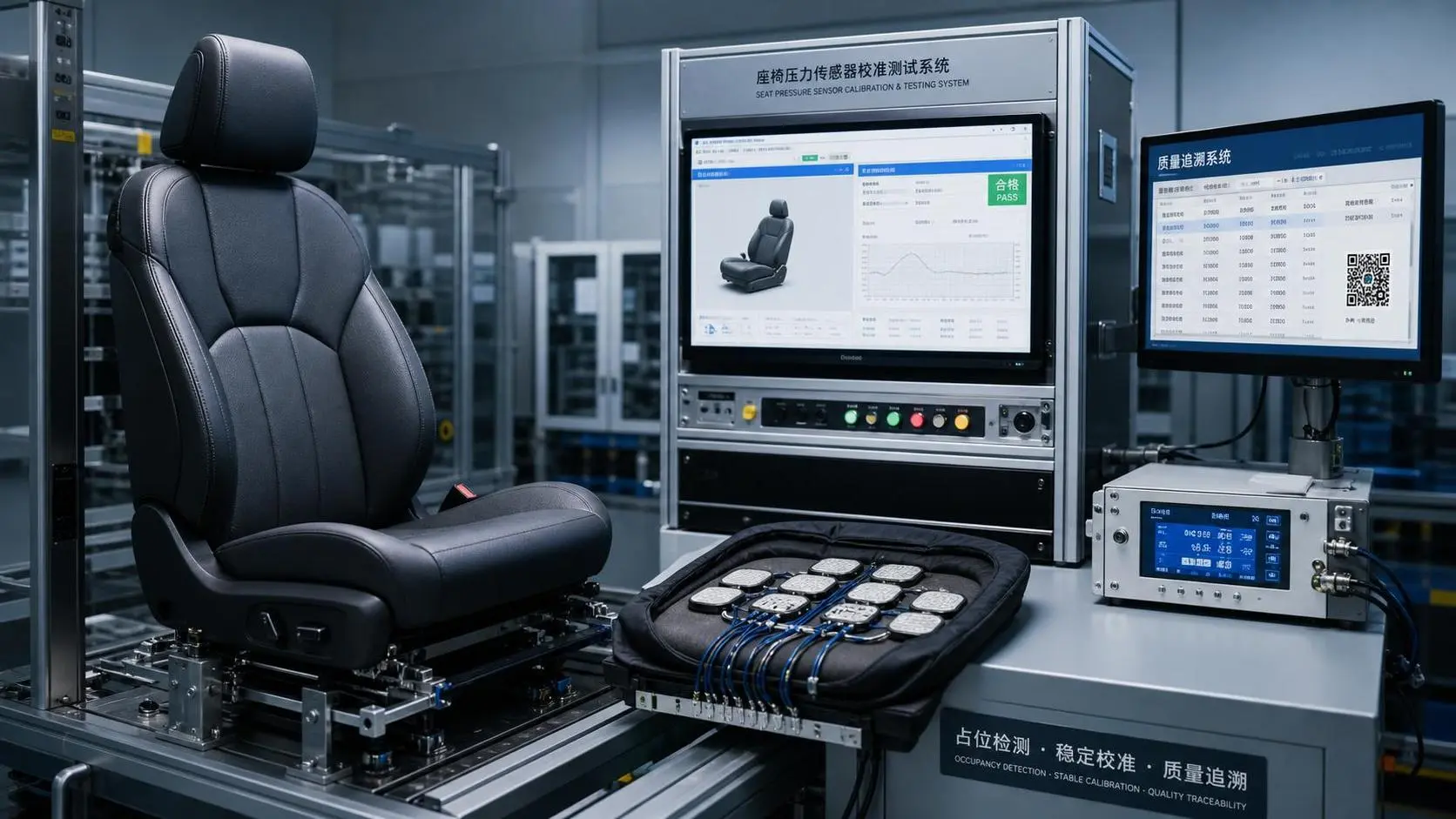
How to Evaluate a Seat Sensing Systems Factory for Automotive Safety Programs
Seat sensing systems factory selection goes beyond price. Learn how to assess quality control, validation, PPAP readiness, and long-term supply reliability for safer automotive programs.
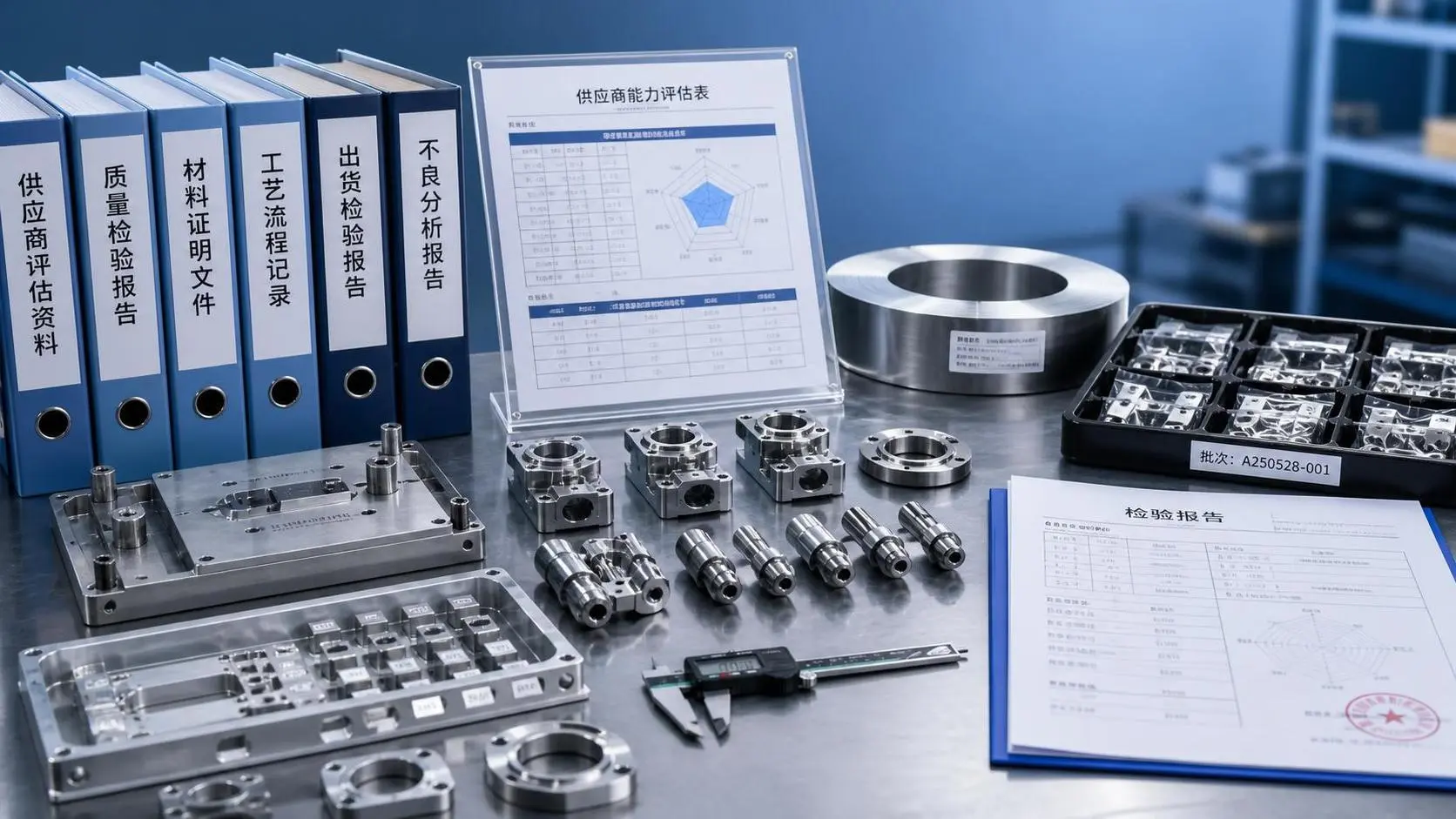
Supplier Capability Evaluation Process: Key Criteria for B2B Sourcing Decisions
Supplier capability evaluation process explained: learn the key criteria for B2B sourcing decisions, reduce supplier risk, and choose partners with confidence.
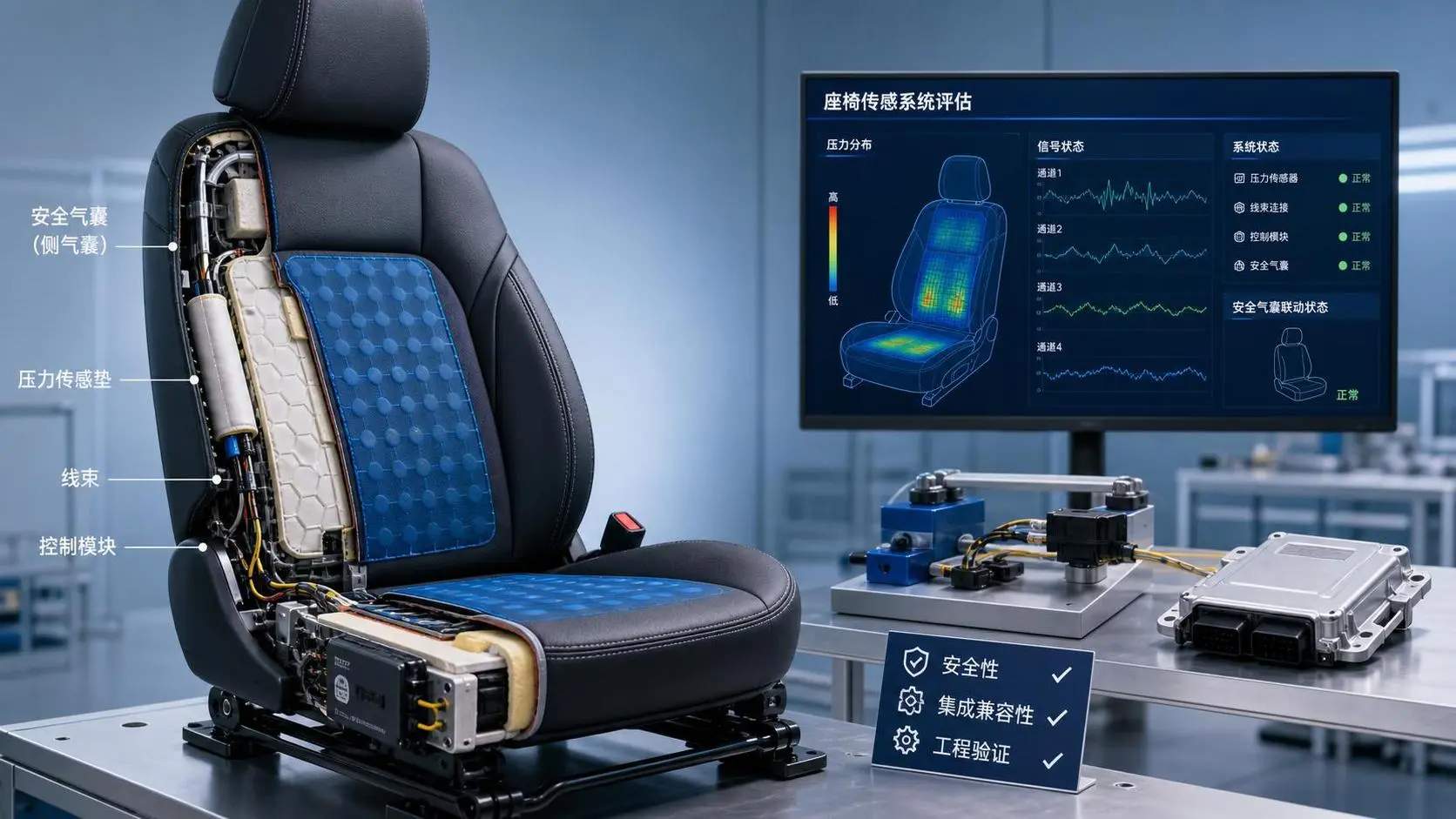
How to Evaluate a Seat Sensing Technology Supplier for Safety and Integration?
Seat sensing technology supplier evaluation guide: compare safety maturity, integration fit, algorithm reliability, and validation support to choose a partner that reduces risk.
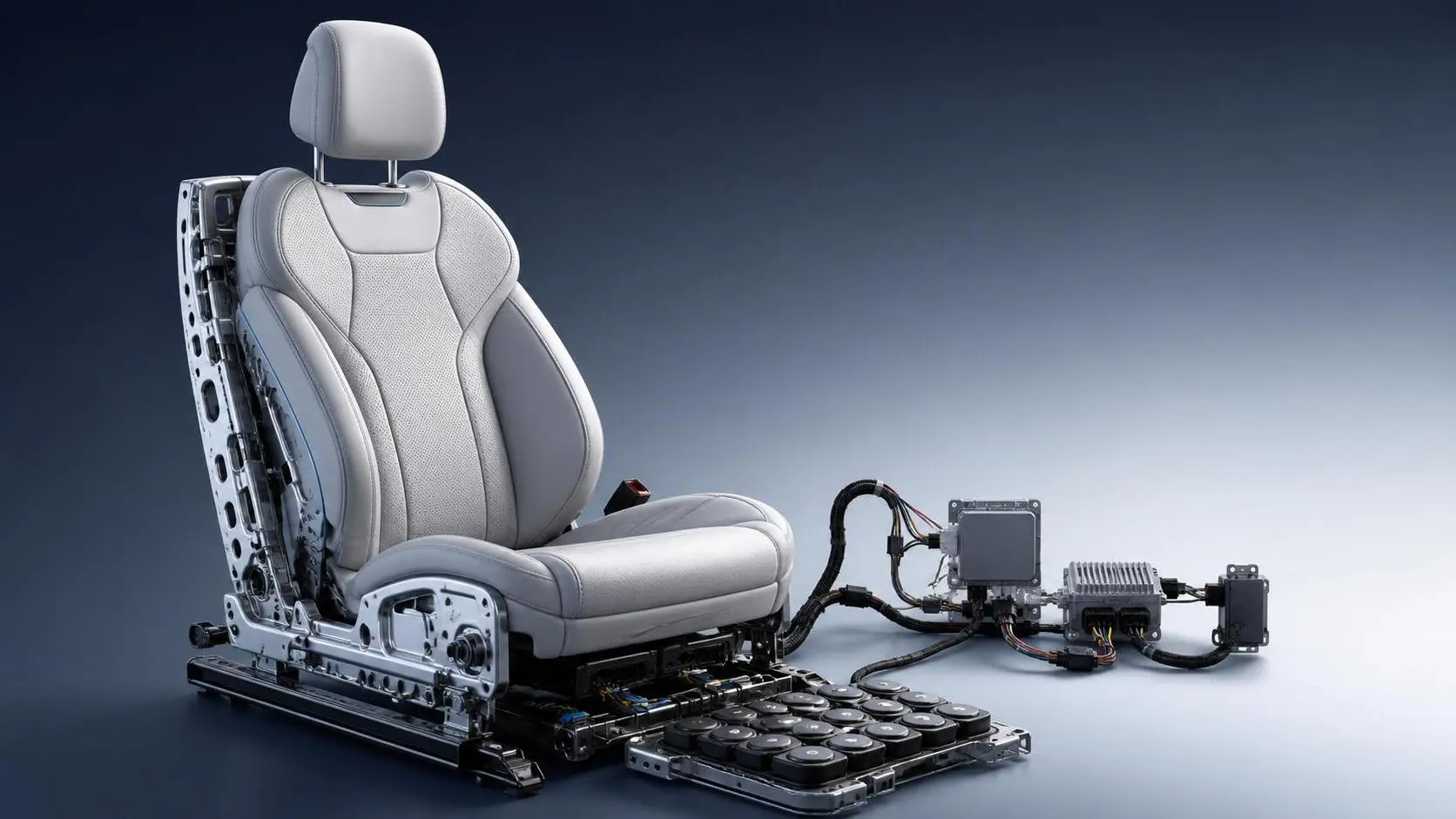
How to Evaluate Custom Smart Automotive Seating for Premium Vehicle Programs?
Custom smart automotive seating evaluation starts with safety, comfort, integration, and production readiness. Discover how premium vehicle teams choose smarter, lower-risk seat solutions.
B2B Product Intelligence Platforms: How to Compare Features, Data Coverage, and ROI
B2B product intelligence platform comparison: learn how to evaluate data coverage, feature depth, compliance visibility, and ROI to choose a sourcing tool that reduces risk and speeds decisions.
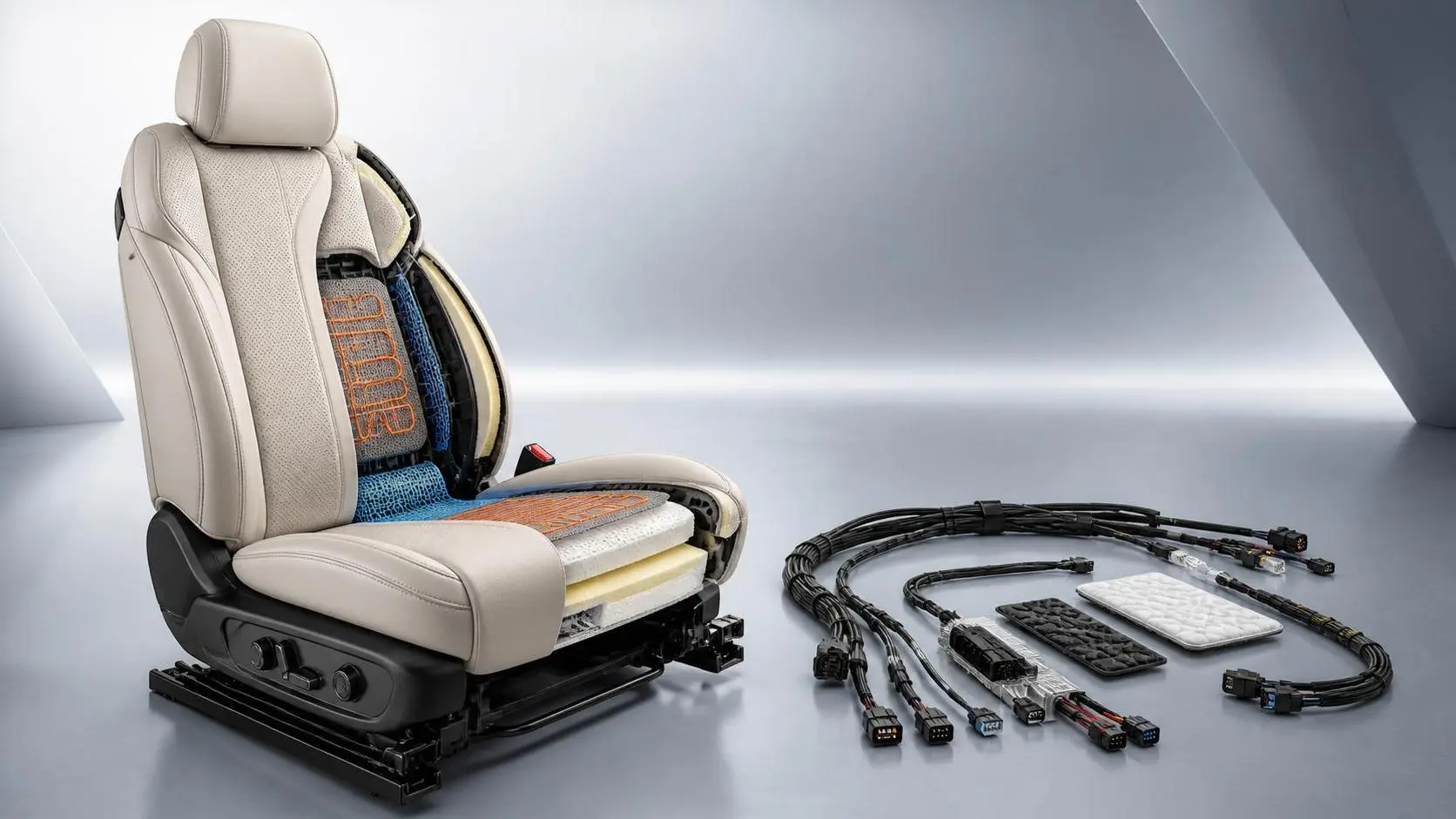
Climate Control Seats Cost: What Drives Price and Long-Term Ownership Value?
Climate control seats cost depends on materials, thermal tech, and integration. Learn what drives price and how to judge long-term value before you buy.

What Factors Drive Marine Navigation Components Cost in Commercial Vessel Projects?
Marine navigation components cost is shaped by integration, compliance, installation, and lifecycle support. Discover what drives pricing and how buyers can reduce risk while improving value.
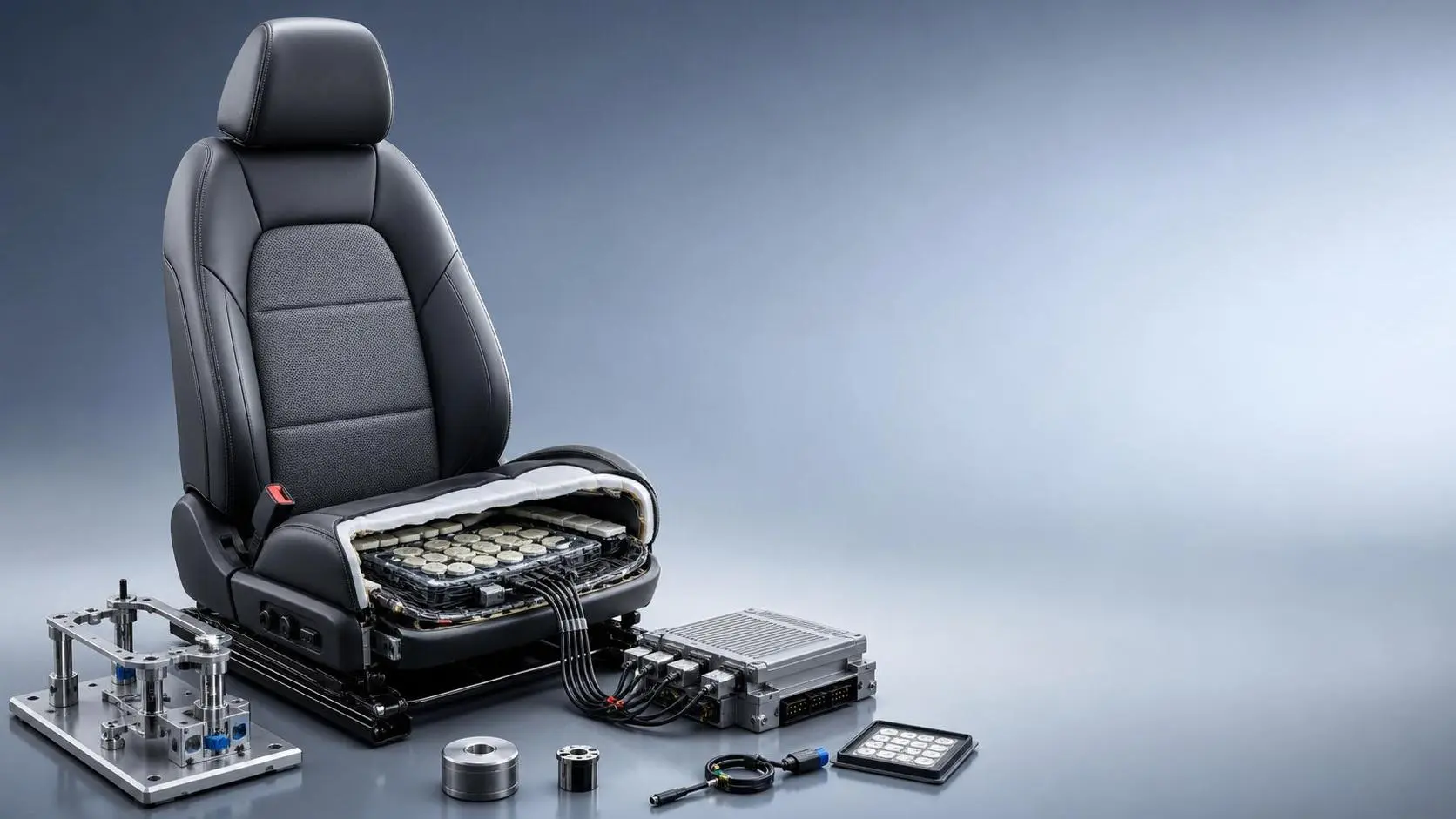
How Much Does Seat Occupancy Sensing Cost? Key Pricing Factors for Buyers
Seat occupancy sensing price varies widely by technology, integration, and compliance needs. Learn the key cost drivers, avoid hidden fees, and make smarter buying decisions.
Related News
- 00
0000-00
How to Evaluate High Strength Hot Stamped Steel Parts for Crash-Safety Applications - 00
0000-00
How to Evaluate Steel Auto Body Stampings for Strength, Fit, and Cost - 00
0000-00
Vehicle Lightweight Engineering for Body Structures vs High-Strength Steel: When to Use Which - 00
0000-00
Vehicle Lightweight Solutions for Structural Parts: When to Use Aluminum, HSS, or Hot Stamping - 00
0000-00
How to Evaluate High Strength Steel Stampings for Seat Structures: Key Grades and Forming Limits
Weekly Insights
Stay ahead with our curated technology reports delivered every Monday.