
Selecting High-Strength Lightweight Materials for Safer, More Efficient Vehicles
Selecting High-Strength Lightweight Materials for Safer, More Efficient Vehicles
Selecting high-strength lightweight materials is no longer a simple “steel versus aluminum” discussion. In a modern vehicle program, a material decision affects crash pulse management, battery protection, manufacturing cycle time, corrosion behavior, repairability, supplier capability, and the credibility of the final validation plan. A component that looks attractive in a mass-reduction spreadsheet can become a difficult choice once joining, tooling wear, forming limits, and post-crash performance are considered.
That is why effective vehicle lightweight solutions high strength strategies begin with the load path, not with a material catalogue. The relevant question is rarely “Which material is strongest?” It is “Which material delivers the required stiffness, intrusion resistance, energy absorption, and production stability in this specific location?” The answer may be press-hardened steel in one section of the body-in-white, aluminum in a closure or crash-management structure, magnesium in a seat frame, and a composite only where its benefits justify its manufacturing and repair burden.
This distinction matters especially as vehicle safety becomes more interconnected. Structural choices influence how airbag assemblies deploy around an occupant, how seatbelt load limiters manage restraint forces, and how a seat structure stays positioned during a high-G event. Lightweighting is not separate from passive safety. It is part of the same containment system.
Start with the function of the part, not its nominal strength
Yield strength and tensile strength are useful screening values, but they do not define a safe vehicle structure on their own. A high-strength material can be a poor choice if it has insufficient ductility for a crush zone, poor fatigue performance at a local joint, or an unacceptable loss of strength after a thermal manufacturing step. In many crash-relevant parts, controlled deformation is more valuable than maximum strength.
The first evaluation step should be to classify the component by what it must do during normal operation and during a collision. A roof rail, B-pillar reinforcement, rocker reinforcement, or battery-side intrusion member generally prioritizes occupant-space preservation. These are often candidates for ultra-high-strength or hot-stamped steel solutions because section stability and intrusion resistance matter more than generous deformation.
A front longitudinal rail, crash box, or bumper beam may need a different balance. It must initiate deformation predictably, absorb energy over a controlled stroke, and avoid an unstable fold pattern. Aluminum extrusions, advanced high-strength steels, and multi-cell designs can all be appropriate, depending on package space and joining architecture. A very strong material in an uncontrolled geometry can still produce a poor crash response.
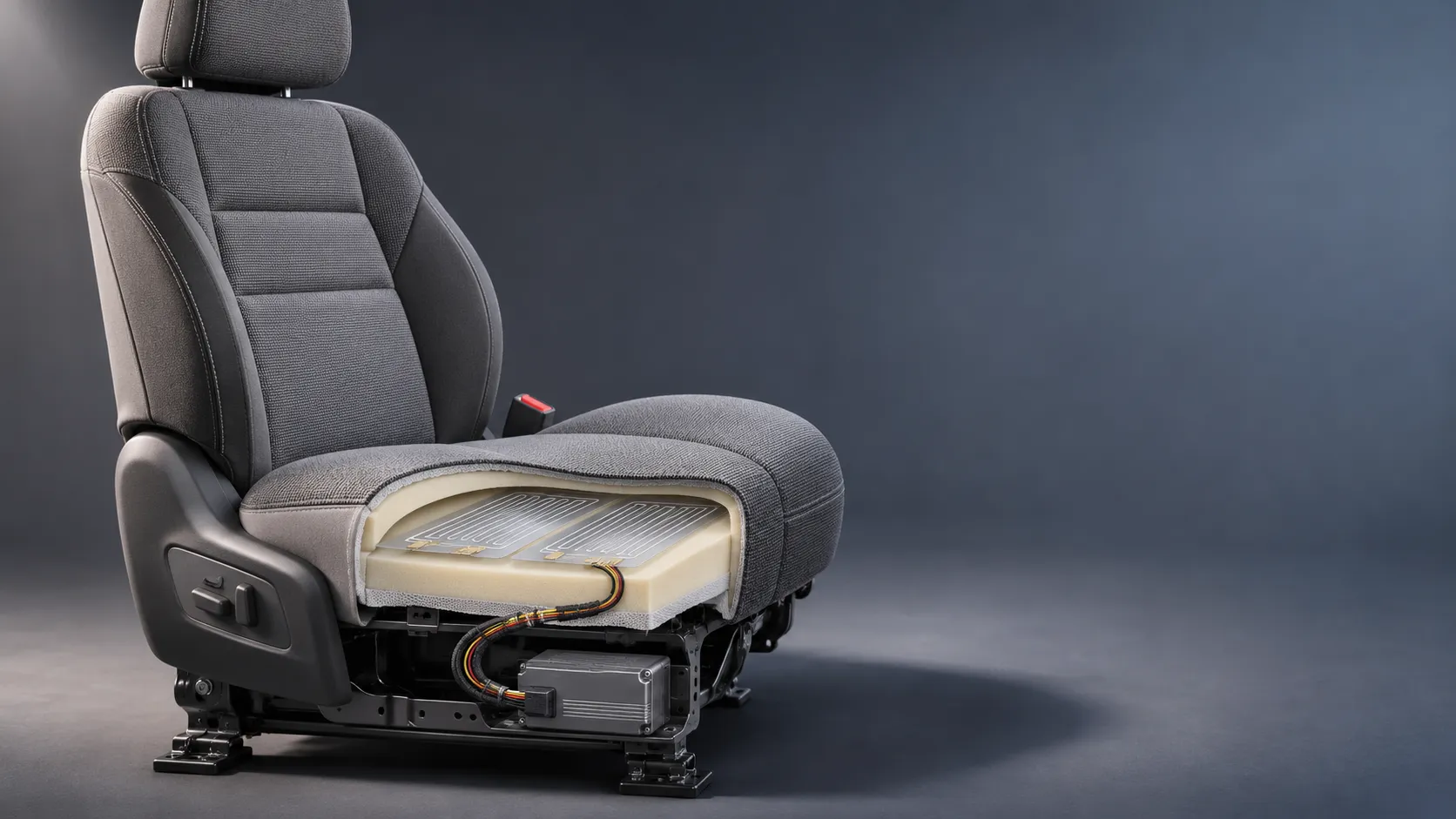
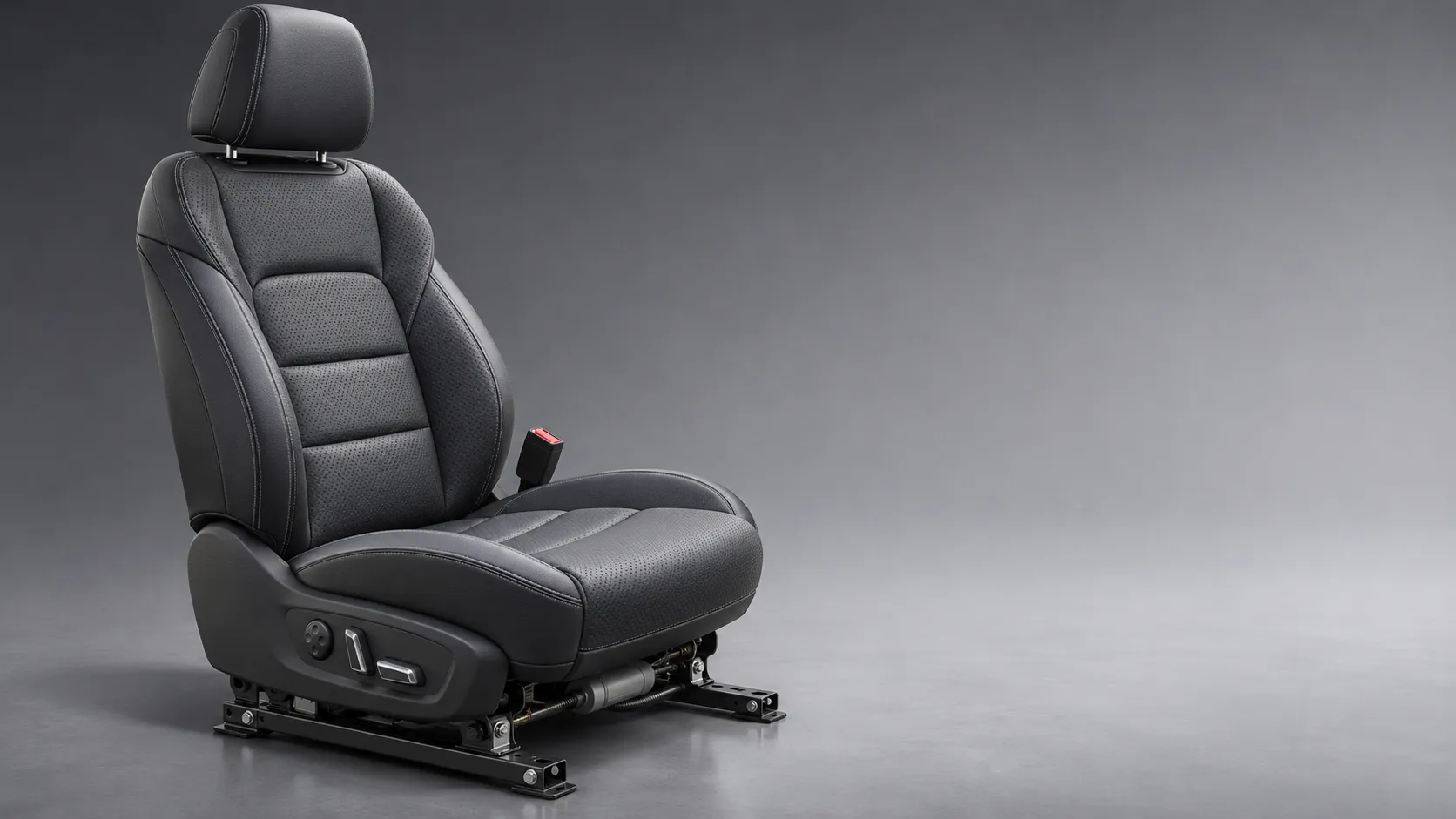
For seat structures, the design question changes again. The frame must carry occupant loads, integrate recliner and track interfaces, maintain belt geometry, survive repeated use, and support comfort features without introducing rattles or local fatigue problems. Magnesium can be compelling where geometry and mass justify it, but corrosion protection, fastening strategy, and production consistency require early attention. A seat frame is not simply a small body structure; its duty cycle and assembly environment are different.
Where the main material families tend to fit
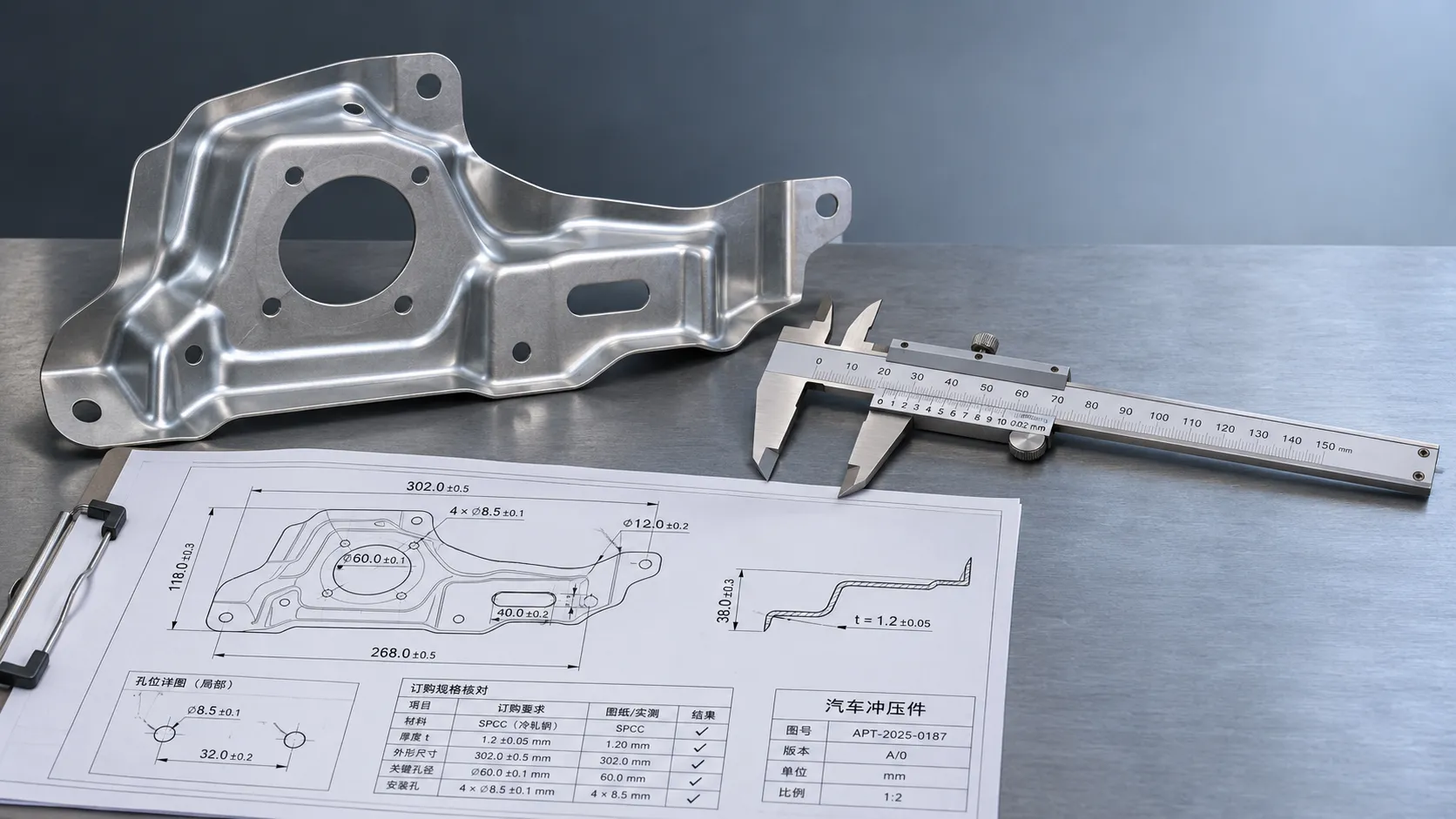
Advanced high-strength steel and press-hardened steel remain central to lightweight body design because they combine high strength with mature stamping, welding, and supply-chain infrastructure. Hot-stamped parts are particularly useful when designers need thin-gauge sections with strong resistance to passenger-compartment intrusion. They are not automatically the lowest-cost answer, however. Tooling, furnace integration, coating behavior, trimming, and local property management all need to be understood. A part that requires carefully tailored ductility zones may demand a more sophisticated process than a conventional reinforcement.
Aluminum alloys offer meaningful mass reduction opportunities, especially in closures, cast nodes, extrusions, battery enclosures, and crash-management systems. Their lower density can offset the need for larger sections, but material substitution is rarely one-for-one. An aluminum design often needs a different section shape, different joining plan, and different local stiffness strategy. Stampability, springback, heat-affected zones, and galvanic corrosion must be reviewed as a package. If an aluminum component is attached to steel, isolating dissimilar materials is not an afterthought; it is part of the design requirement.
Magnesium alloys can reduce mass further in selected interior, seating, and structural subassembly applications. Their value is usually strongest when they replace a multi-part assembly with a consolidated casting or when a large, non-visible seat or instrument-panel structure benefits from substantial weight removal. Yet magnesium requires a realistic view of corrosion exposure, coating performance, local impact demands, scrap handling, and supplier process maturity. It should be chosen because the system-level business case works, not because it wins a density comparison.
Fiber-reinforced composites can be effective in limited high-performance applications, panels, reinforcements, and structures where directional stiffness or complex shapes matter. Their constraints are familiar but still often underestimated: cycle time, quality assurance, damage detection, recycling pathways, repair methods, and the difficulty of integrating them into mixed-material body shops. For high-volume mainstream vehicles, a composite solution needs a clear functional advantage beyond weight alone.
The joining plan can decide whether a lightweight concept survives production
Mixed-material construction is usually where promising concepts become difficult. A steel-to-aluminum interface may require adhesives, self-piercing rivets, flow-drill screws, clinching, mechanical fastening, or another validated combination. Each choice changes flange design, access requirements, inspection methods, cycle time, and corrosion protection. It may also change how a repair shop deals with a collision-damaged vehicle.
Technical reviews sometimes treat joining as a downstream manufacturing issue. That is risky. A joint occupies space, creates local stiffness, introduces a potential failure point, and may alter the crash load path. Adhesive bonding can contribute stiffness and distribute loads, but it depends on robust surface preparation, cure conditions, bead placement, and quality control. Mechanical joints are more visually inspectable in some contexts, but can add local stress concentrations or mass. The right solution is usually a combination chosen around actual loading and plant capability.
This is also where global programs need discipline. A joining method available at an advanced pilot facility may not be equally mature across every production region. Material selection should therefore include the likely manufacturing footprint, service network, and supplier qualification route—not just the engineering prototype process.
Crash safety needs to be evaluated as a system response
A lighter body can improve efficiency, but its safety value depends on how the entire vehicle manages impact energy. Changes to rails, cross-members, floor structures, seats, and restraint mounting points can modify deceleration behavior and occupant kinematics. This affects the calibration window for airbags, pretensioners, and load limiters. It can also influence compatibility with the crash configurations considered in programs such as IIHS and Euro NCAP, although exact requirements must always be verified against the applicable vehicle category, market, and current protocol.
For battery-electric vehicles, lightweight design adds another layer of judgment. The battery enclosure is not merely a large underfloor box. It is part of the structural system, a barrier against intrusion, and a thermal-event containment component. Aluminum extrusions, sheet structures, steel reinforcements, cast elements, and composite covers may all appear in one pack architecture. The appropriate choice depends on side-pole exposure, curb-strike risk, mounting loads, sealing, serviceability, and thermal management requirements. Mass reduction that compromises protection margins is not a successful lightweighting result.
GNCS examines this relationship across auto body stampings, airbag assemblies, seatbelt systems, and smart seat structures: material behavior has to be read alongside physical containment and occupant protection. A body reinforcement cannot be assessed in isolation if it changes seat anchorage motion or the space available for restraint deployment. The same systems thinking is familiar in marine navigation, where sensor accuracy is useful only when the overall vessel decision chain can act on it reliably. In vehicles, structural data is equally valuable only when it supports a predictable safety outcome.
Avoid the common shortcuts in material selection
One recurring mistake is comparing materials only by density or strength. Density does not account for required section thickness, joint reinforcements, corrosion barriers, tooling changes, or local stiffness needs. Similarly, a higher-strength grade may allow gauge reduction but reduce forming margin enough to increase scrap or create unstable dimensional variation.
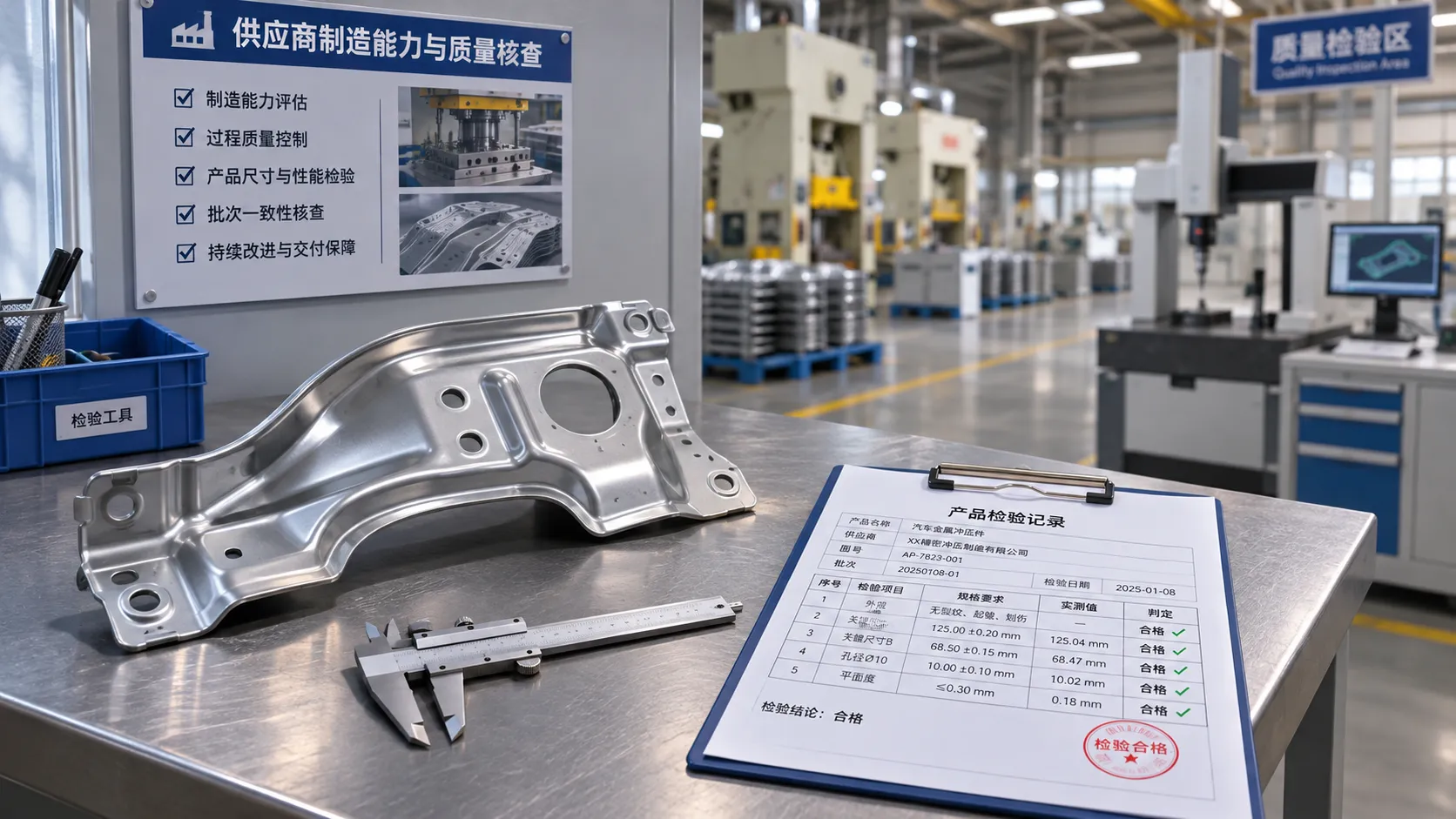
Another shortcut is assuming a prototype can represent series production. Hand-built components and low-volume joining processes can hide problems with tolerance stack-up, adhesive control, coating damage, or production takt time. A design should be tested against the actual intended process as early as practical. Material certificates alone do not confirm that a formed, joined, painted assembly will deliver the required properties.
Repairability is also frequently left too late. A mixed-material front-end structure may be technically sound but costly or difficult to restore after a moderate collision if replacement procedures, isolation methods, and approved repair equipment are unclear. This does not mean mixed materials should be avoided. It means lifecycle decisions should be made with fewer assumptions.
A practical decision sequence
A disciplined selection process normally begins by defining the component’s load cases: static stiffness, fatigue, vibration, crash mode, thermal exposure, corrosion environment, and any occupant-restraint interface. The next step is to establish the target geometry and package space before narrowing material options. Only then is it useful to compare candidate grades, alloys, or composite systems.
The strongest programs review four questions in parallel: Can the part meet its structural function? Can it be formed and joined consistently? Can it be validated against applicable safety and durability requirements? Can the supply chain support the design at the intended volume and geographic footprint? If one answer remains vague, the selection is not yet mature.
For vehicle lightweight solutions high strength, the most reliable outcome is usually not a single “best” material. It is a deliberate material map: high-strength steel where intrusion resistance and established stamping capability are decisive; aluminum where section efficiency and mass reduction justify a redesigned joint strategy; magnesium where consolidation and carefully managed durability make sense; and composites where their specific structural advantages outweigh process complexity. The material choice becomes defensible when its crash role, manufacturing route, and lifecycle implications all point in the same direction.
Related News

How to Evaluate Supplier Solution References Before Signing a Contract
Evaluate supplier solution references with confidence. Learn how to verify technical evidence, identify delivery risks, and close gaps before signing a contract.
How Capacitive Seat Occupancy Sensing Works in Automotive Airbag Systems
Discover how capacitive seat occupancy sensing supports automotive airbag systems, and explore the design, calibration, and validation challenges behind reliable performance.
Industrial Product References: How to Verify Specs Before Ordering
Use an industrial product reference for procurement to verify specs, compatibility, and certifications before ordering—and reduce costly purchasing risks.
Choosing a Private Label Partner in Europe: Key Supplier Criteria
Private label cooperation Europe buyers can trust starts with the right supplier. Explore key criteria for compliance, quality, traceability and supply resilience.

Integrated Cabin Comfort Systems: How Seat and Cabin Climate Controls Work Together
Discover how integrated cabin comfort systems coordinate seat and climate controls to balance occupant comfort, energy use, safety, and performance.
Automotive Ergonomics Pricing: What Drives Seat System Costs?
Discover what drives automotive ergonomics pricing, from seat mechanisms and safety systems to tooling and volume, and learn how to compare supplier quotes.

Evaluating Supplier Solutions: How to Verify References and Standards
Supplier solution references and standards can make or break a sourcing decision. Learn how to verify claims, assess compliance, and reduce risk before awarding a contract.
Choosing B2B Product Knowledge Platform Suppliers: Key Evaluation Criteria
Compare B2B product knowledge platform suppliers with confidence. Explore key criteria for data accuracy, supplier transparency, integrations, and value.

Choosing a Marine Radar Systems Supplier: What to Check Before Buying
Choosing a marine radar systems supplier? Compare installed costs, bridge compatibility, compliance evidence, and service support before you buy.
Related News
- 00
0000-00
How to Specify High-Strength Body Components for Crash Loads and Lightweighting - 00
0000-00
How EV battery collision impact protection limits pack deformation - 00
0000-00
Selecting High-Strength Lightweight Materials for Safer, More Efficient Vehicles - 00
0000-00
How to Evaluate High Strength Hot Stamped Steel Parts for Crash-Safety Applications - 00
0000-00
How to Evaluate Steel Auto Body Stampings for Strength, Fit, and Cost
0000-00
Weekly Insights
Stay ahead with our curated technology reports delivered every Monday.