How do cabin protection systems reduce injury risk?
For procurement teams sourcing safety-critical mobility components, understanding how cabin protection systems reduce injury risk is essential to evaluating supplier capability, compliance strength, and long-term product value. From airbags and seatbelts to energy-absorbing body structures and smart seating, these systems work together to manage crash forces, stabilize occupants, and protect vital zones within milliseconds. This article explains the core mechanisms behind injury reduction and highlights the technical criteria buyers should consider when selecting reliable cabin safety solutions.
Why Cabin Protection Systems Matter in Safety-Critical Procurement
Cabin protection systems are not single components. They are integrated safety architectures that coordinate structure, restraint, sensing, and occupant positioning during a crash or emergency event.
For procurement personnel, the key question is not only whether a component passes a test. The deeper question is whether it performs predictably inside a complete vehicle cabin.
- Airbag assemblies reduce direct impact loads on the head, chest, and upper body during frontal, side, and rollover events.
- Seatbelt systems restrain occupant motion, manage forward displacement, and reduce the risk of secondary collision inside the cabin.
- Auto body stampings create controlled deformation paths that absorb crash energy before it reaches the survival space.
- Seat assemblies help maintain posture, support pelvis control, and enable proper restraint geometry under high-G loading.
- Electronic sensors and control units determine firing timing, tensioning strategy, and adaptive protection responses.
GNCS examines these systems through “Physical Containment Protection,” linking crash energy absorption, passive safety behavior, and global compliance expectations for mobility equipment buyers.
How Do Cabin Protection Systems Reduce Injury Risk During a Crash?
The injury reduction logic is based on one principle: crash energy must be redirected, absorbed, delayed, or distributed before it reaches the human body.
1. They extend the crash pulse
A very short crash pulse produces severe loads. Energy-absorbing structures and restraint systems extend deceleration time, reducing peak force on occupants.
2. They prevent uncontrolled occupant movement
Seatbelts, pretensioners, load limiters, and seat geometry keep occupants within the designed protection zone before airbags fully deploy.
3. They protect vital body regions
Modern cabin protection systems aim to reduce head injury, chest compression, neck loading, pelvic submarining, and side-impact trauma through coordinated restraint timing.
The following comparison shows how major cabin safety modules contribute to injury reduction, helping buyers evaluate whether suppliers understand system-level performance.
A low-cost component may appear acceptable in isolation, yet create risk if it disrupts timing, geometry, or compatibility within integrated cabin protection systems.
Which Crash Scenarios Require Stronger Cabin Protection Systems?
Procurement requirements should be tied to real operating scenarios. Passenger cars, commercial vehicles, marine equipment cabins, and mobility platforms face different risk patterns.
High-speed frontal impact
Frontal crashes require coordinated belts, frontal airbags, steering column collapse, and controlled deformation of front body stampings.
Side impact and pole impact
Side impacts leave limited crush distance. Strong door beams, curtain airbags, thorax airbags, and seat structure become decisive.
Rollover and multi-event collisions
Rollover events require roof strength, curtain airbag retention, seatbelt locking performance, and occupant containment during repeated loading.
The table below maps typical application scenarios to the technical priorities buyers should clarify during supplier screening.
This scenario-based approach prevents overbuying unnecessary features while avoiding under-specification in cabins exposed to severe operating conditions.
Procurement Criteria: What Should Buyers Verify Before Sourcing?
Buying cabin protection systems requires more than comparing unit price. Procurement teams must confirm design maturity, manufacturing control, documentation depth, and validation capability.
- Request component-level specifications, including material grade, tolerance ranges, deployment timing, load curves, and environmental limits.
- Review validation evidence, such as sled testing, static pull tests, corrosion testing, vibration testing, and accelerated aging results.
- Check traceability methods for inflators, retractors, stampings, welds, electronic sensors, and seat frame assemblies.
- Assess supplier readiness for regional regulations, including documentation for FMVSS, UNECE, E-NCAP, IIHS, or equivalent requirements.
- Evaluate change management procedures, especially when materials, propellants, electronic chips, or stamping dies are modified.
Do not separate price from failure cost
A delayed airbag module, inconsistent belt pretensioner, or weak seat anchorage may trigger redesign, recalls, warranty exposure, and reputational loss.
GNCS helps procurement teams read beyond catalog claims by connecting passive safety architecture with commercial feasibility and compliance timing.
Technical Parameters That Influence Injury Reduction
Technical parameters determine whether cabin protection systems behave consistently under real crash conditions. Buyers should request measurable ranges, not vague performance descriptions.
Reliable suppliers can explain how each parameter interacts with the cabin system, rather than presenting isolated numbers without engineering context.
Compliance, Documentation, and Risk Control for Global Buyers
Cabin protection systems are closely tied to legal, regulatory, and rating-program expectations. A technically capable product still creates risk if documentation is incomplete.
Key compliance references to discuss
- FMVSS requirements for occupant crash protection, seatbelt assemblies, seating systems, and related safety functions.
- UNECE regulations used across many international vehicle programs and cross-border homologation processes.
- E-NCAP and IIHS rating criteria, which often influence OEM sourcing decisions and premium market acceptance.
- Material and environmental expectations, including corrosion resistance, thermal cycling, vibration durability, and aging behavior.
Procurement teams should request test summaries, production control plans, part traceability procedures, and change notification commitments before volume purchasing.
GNCS tracks regulatory evolution and crash-test expectations, helping buyers compare supplier claims against practical compliance demands in different regions.
Cost and Alternative Choices: Where Should Procurement Spend More?
Budget pressure is real, but cabin protection systems should be evaluated by lifecycle risk. The cheapest quotation may increase engineering, validation, and warranty costs.
When premium components are justified
- The platform targets strict crash ratings or premium brand positioning in multiple international markets.
- The seating layout includes complex recline angles, rotating seats, or advanced occupant detection requirements.
- The vehicle structure uses lightweight materials that require carefully tuned load paths and restraint responses.
- The operating environment involves marine humidity, high vibration, long service intervals, or fleet-intensive usage.
Where standard solutions may be enough
Standardized modules can be appropriate when seating geometry is conventional, crash targets are stable, and the supplier has proven production consistency.
A balanced sourcing strategy often combines validated standard components with targeted customization for restraint tuning, brackets, sensors, and integration interfaces.
Common Misconceptions Buyers Should Avoid
Misjudging cabin protection systems usually comes from treating safety as a checklist. Real protection depends on timing, compatibility, and repeatability.
Misconception 1: More airbags always mean better safety
Airbag quantity matters less than coverage, timing, venting strategy, sensor logic, and the relationship with seatbelt performance.
Misconception 2: A strong body is always safer
Overly stiff structures may transmit high acceleration to occupants. Good design combines strength around survival space with controlled deformation elsewhere.
Misconception 3: Certification documents replace engineering review
Documents are necessary, but procurement teams should still verify test conditions, product variants, production dates, and relevance to their platform.
FAQ: Practical Questions About Cabin Protection Systems
How should procurement teams compare suppliers?
Compare suppliers by validation depth, system integration experience, quality control, compliance readiness, and responsiveness to design changes, not only quoted unit cost.
Are cabin protection systems only relevant to automotive programs?
No. Automotive cabins, commercial mobility platforms, smart seating projects, and marine operating cabins all require occupant retention and impact risk reduction.
What documents should buyers request before sample approval?
Request drawings, material specifications, test summaries, production process controls, traceability plans, change management rules, and applicable regulatory references.
How long does supplier evaluation usually take?
Timing depends on customization level, test scope, and documentation maturity. Safety-critical components usually require structured review before procurement commitment.
Why Choose GNCS for Cabin Safety Intelligence and Sourcing Decisions?
GNCS supports procurement teams by connecting navigation intelligence, passive safety engineering, auto body stampings, airbag assemblies, seatbelts, and smart seating systems.
Our Strategic Intelligence Center helps buyers understand how cabin protection systems fit compliance targets, crash energy management, lightweight structures, and supplier competitiveness.
- Consult GNCS for parameter confirmation when evaluating airbags, pretensioners, load limiters, hot-stamped parts, or smart seat frames.
- Discuss product selection when your project involves mixed materials, regional crash regulations, marine cabin requirements, or complex seating layouts.
- Request support in comparing supplier documentation, sample readiness, delivery cycles, customization feasibility, and certification requirements.
- Use GNCS insights to align quotation review with safety performance, compliance risk, and long-term platform value.
If your team is sourcing cabin protection systems, contact GNCS to clarify technical parameters, shortlist suitable solutions, discuss sample support, and prepare a more reliable quotation framework.
Related News
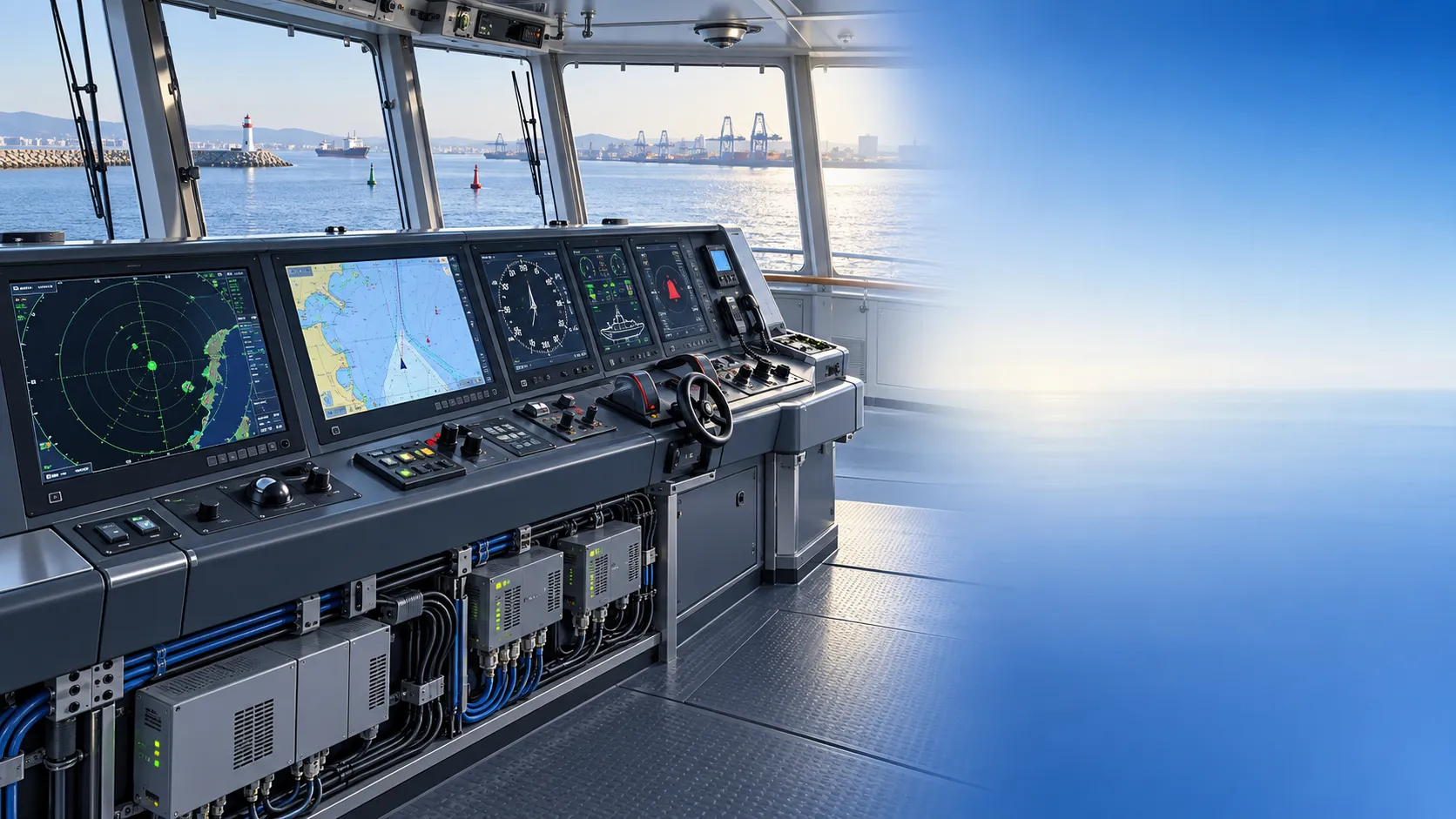
How to Specify Integrated Marine Electronics for Reliable Bridge Operations
Integrated marine electronics: learn how to specify reliable bridge systems with clear data flows, redundancy, alarm control, lifecycle interfaces, and operational testing.

How to Evaluate Navigation Radar Manufacturers for Commercial Vessel Projects
Navigation radar manufacturers: learn how to compare performance, compliance, integration, support, and lifecycle cost for commercial vessel projects.
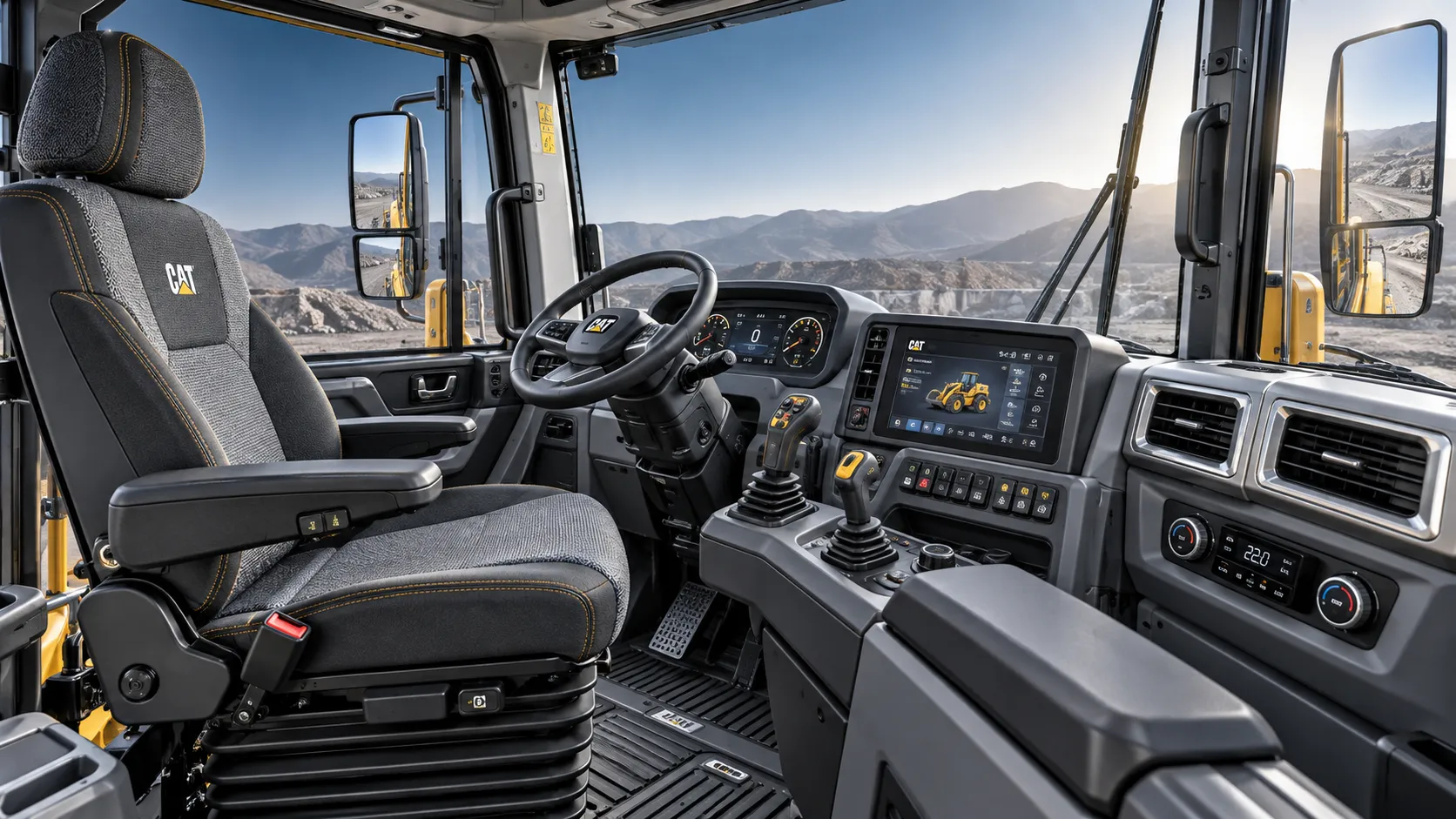
How Adjustable Cabin Ergonomics Reduce Operator Fatigue in Long-Shift Vehicles
Adjustable cabin ergonomics reduces operator fatigue through better seating, reach, visibility, vibration control, and climate comfort for safer long-shift vehicles.
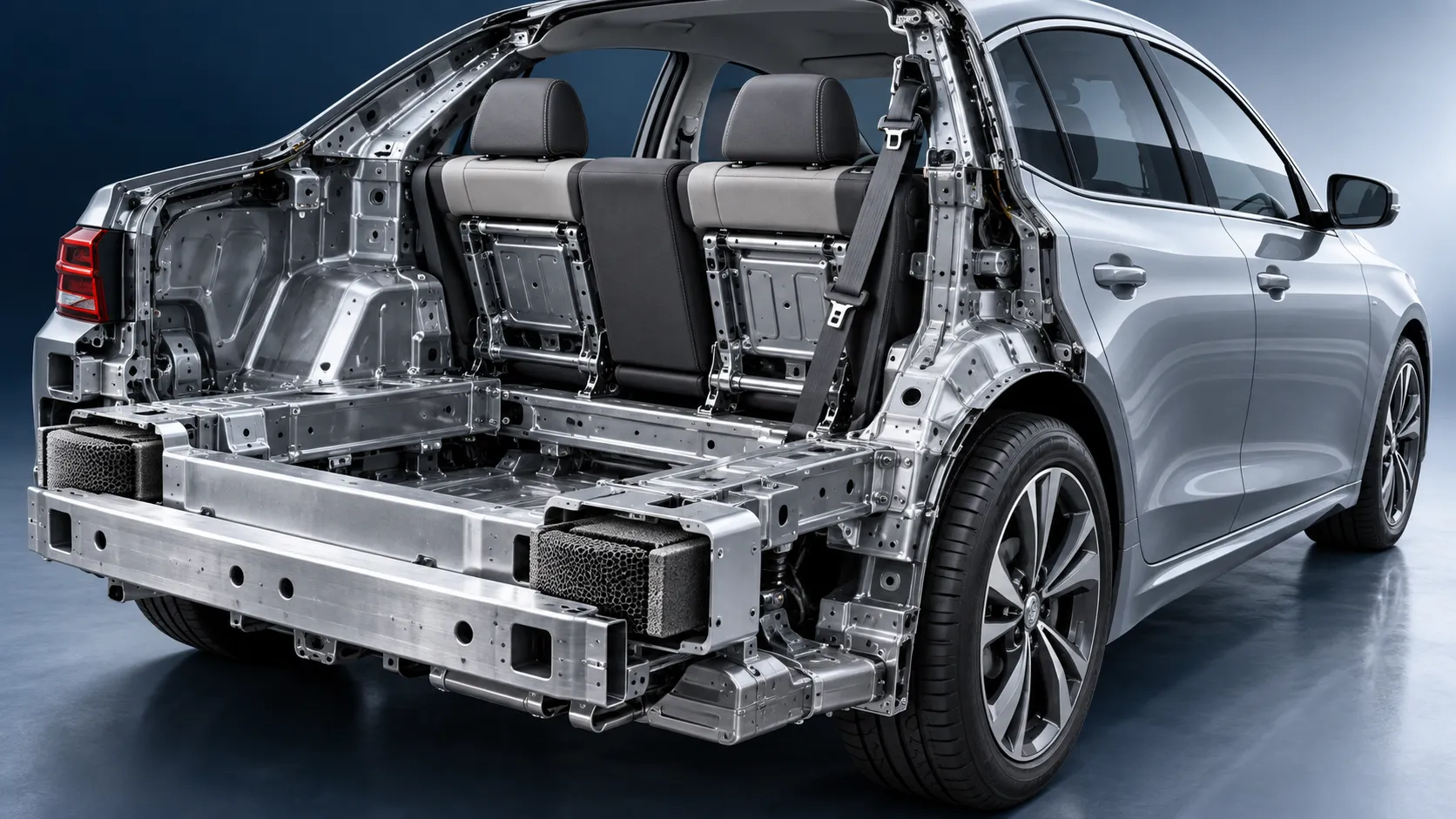
How Rear-Impact Safety Components Work Together to Protect Vehicle Occupants
Explore how automotive safety components for rear impact work together—from crash structures and seats to head restraints and belts—to enhance occupant protection.
How to Evaluate a Marine Safety Systems Manufacturer for Vessel Compliance and Reliability
Marine safety systems manufacturer evaluation guide: verify compliance, engineering quality, lifecycle costs, and global service support for safer, reliable vessel operations.
Crash Test Regulations for Seatbelts: Key Compliance Requirements Explained
Crash test regulations seatbelts explained: explore FMVSS, UN rules, anchorage strength, and dynamic restraint testing for safer, compliant vehicle systems.

How to Calculate the Total Cost of Automotive Lightweighting for a Vehicle Program
Automotive lightweight solutions cost: learn how to calculate program-level costs, including materials, tooling, joining, validation, risk, and vehicle-level value.

How Automotive Seat Occupancy Sensing Improves Airbag Deployment Decisions
Automotive seat occupancy sensing helps optimize airbag deployment decisions, improving passenger classification, safety diagnostics, and compliance across real-world conditions.
What Drives Lightweight Body Component Costs in High-Volume Vehicle Programs?
Lightweight body components cost depends on material yield, forming, joining, tooling, validation, and logistics. Explore proven ways to optimize total vehicle program cost.
Weekly Insights
Stay ahead with our curated technology reports delivered every Monday.