
How to Choose Airbag Assemblies for Vehicle Programs: Key Modules, Fit, and Compliance
Choosing airbag assemblies for a vehicle program is rarely a parts-level decision. It shapes crash performance, package feasibility, launch timing, and the path to approval in every target market.
A good match depends on more than module cost or catalog fit. The real task is aligning protection strategy, vehicle architecture, occupant packaging, and compliance evidence early enough to avoid expensive redesigns.
That is why airbag assemblies now sit at the center of broader mobility decisions. Platforms are getting lighter, cabins are becoming smarter, and safety systems must work as an integrated containment environment.
From the GNCS perspective, this topic connects naturally with passive safety, seat systems, body structures, and regulatory intelligence. The strongest programs treat airbags not as isolated modules, but as part of a coordinated protection architecture.
Why airbag assemblies require early program attention
In many vehicle programs, airbag decisions are delayed until packaging hard points appear stable. That usually creates pressure later, because deployment paths, trim design, seat geometry, and sensing logic are already partly locked.
Airbag assemblies interact with steering wheels, instrument panels, roof rails, seats, seatbelts, and body stampings. A late change in one area can ripple into tooling, validation, and software recalibration elsewhere.
The market context makes this more important. Global programs often aim to satisfy multiple crash protocols, changing occupant expectations, and mixed powertrain layouts on shared platforms.
Side impacts, oblique crashes, rollover events, and out-of-position occupants all place different demands on restraint timing and coverage. Selecting airbag assemblies early helps teams balance these demands before design freedom narrows.
The modules that usually define the protection strategy
Most vehicle programs do not choose a single airbag. They choose a family of airbag assemblies that must perform together in milliseconds.
Primary frontal protection
Driver and passenger frontal modules remain the baseline. Key differences include bag volume, inflator output, door design, fold pattern, and how each module works with pretensioners and load limiters.
Instrument panel packaging is especially sensitive in compact architectures. Knee space, cross-car beam layout, and decorative surface requirements often influence module selection as much as crash targets do.
Side, curtain, and seat-integrated systems
Side thorax airbags, curtain airbags, and seat-mounted modules address faster, shorter crash events. Their value depends heavily on seat position range, belt geometry, roof rail structure, and glazing coverage.
In taller vehicles, curtain duration and rollover retention become more important. In sporty or low-roof cabins, packaging depth and deployment path clearance become harder constraints.
Knee, center, and specialty modules
Knee airbags can improve lower body kinematics and help manage occupant posture during frontal events. Center airbags are increasingly relevant where far-side performance matters under newer safety assessments.
These modules should not be added only to satisfy a trend. They need clear justification based on occupant motion, target ratings, and available package space.
Fit means more than physical installation
Physical fit is the visible part of the decision, but effective fit also includes deployment geometry, occupant interaction, and production robustness.
A module may fit within the steering wheel or dashboard cavity, yet still create problems if tear seams vary, bracket stiffness shifts, or neighboring components obstruct deployment.
Seat-mounted airbag assemblies bring another layer of complexity. Foam density, trim retention, seat frame material, recliner layout, and sensor routing can all affect repeatability.
This is where cross-domain thinking matters. GNCS often tracks how lightweight seat structures, magnesium frame strategies, and advanced body stampings influence passive safety packaging and energy management.
Compliance is a moving target, not a final checkpoint
Many programs still treat compliance as a downstream validation task. In practice, airbag assemblies should be chosen with regulatory pathways already mapped.
Different markets may require different evidence sets, labeling rules, occupant classification logic, or test conditions. Ratings-driven development adds another layer beyond minimum legal compliance.
IIHS, Euro NCAP, and other regional frameworks influence design priorities even when they are not formal homologation standards. Far-side impact, child occupant protection, and vulnerable-road-user trends can indirectly affect restraint choices.
Supplier documentation quality matters here. Traceable test data, inflator specifications, material records, change management discipline, and software calibration history all support smoother approval and audit readiness.
Questions worth settling early
- Which target markets and rating protocols define the restraint strategy?
- Will one set of airbag assemblies serve all derivatives, or will regional variants be necessary?
- How stable are inflator chemistry, sourcing routes, and component change controls?
- What evidence is required for occupant sizes, seating postures, and misuse conditions?
How supplier capability affects program risk
Selecting airbag assemblies is also a decision about execution confidence. A technically sound module can still become a weak choice if the supplier cannot support timing, validation, or controlled engineering changes.
Capability should be judged at several levels. Engineering support, simulation depth, prototype responsiveness, inflator maturity, plant quality systems, and field traceability all influence program resilience.
This is especially relevant in a market where passive safety technology, non-toxic propellant development, and electronics integration keep evolving. Reliable intelligence often reveals whether a supplier is following the curve or reacting late to it.
GNCS places value on exactly this intersection: technical credibility, regulation tracking, and commercialization signals. In practice, those three factors often explain why similar airbag assemblies produce very different launch outcomes.
Typical program scenarios that change the decision
The right airbag strategy depends on vehicle type and business intent. A global C-segment platform, a premium SUV, and a cost-sensitive regional model will not weight the same decision criteria equally.
Shared global platform
Modular airbag assemblies can reduce complexity, but only if occupant packaging and compliance targets are truly comparable across regions. Forced commonization often creates hidden calibration and trim compromises.
Lightweight electric vehicle
Battery packaging, new front-end structures, and altered mass distribution can change crash pulses. That affects how frontal and side airbag assemblies should be tuned with belts and body structures.
Premium cabin program
Advanced seating functions, larger screens, and new interior surfaces can reduce available deployment space. In these cases, aesthetic ambition and passive safety packaging need closer coordination than usual.
A practical framework for choosing airbag assemblies
A useful selection process starts by defining the protection concept before evaluating part numbers. Once that concept is clear, technical and commercial screening becomes more disciplined.
- Map occupant scenarios, target ratings, and regional compliance requirements.
- Freeze the key cabin interfaces affecting airbag assemblies and deployment paths.
- Compare module families by package fit, integration effort, and validation burden.
- Audit supplier readiness for change control, documentation, and launch support.
- Review the decision again after major seat, belt, or body updates.
That sequence keeps airbag assemblies connected to the whole restraint ecosystem. It also reduces the common mistake of optimizing one module while creating instability elsewhere in the vehicle program.
What to review next
The next useful step is not a generic supplier comparison. It is a structured review of module interfaces, target markets, occupant scenarios, and validation assumptions already embedded in the program.
If any of those assumptions remain vague, airbag assemblies should be revisited before design freeze. The cost of an earlier review is usually small compared with the impact of late safety-driven changes.
For teams tracking fast-moving safety and mobility equipment trends, it also helps to monitor adjacent signals: lightweight body evolution, smart seat architecture, restraint electronics, and changing crash assessment priorities.
In other words, better airbag decisions come from better system understanding. That is where a disciplined intelligence view can turn compliance pressure into a more stable and competitive vehicle program.
Related News
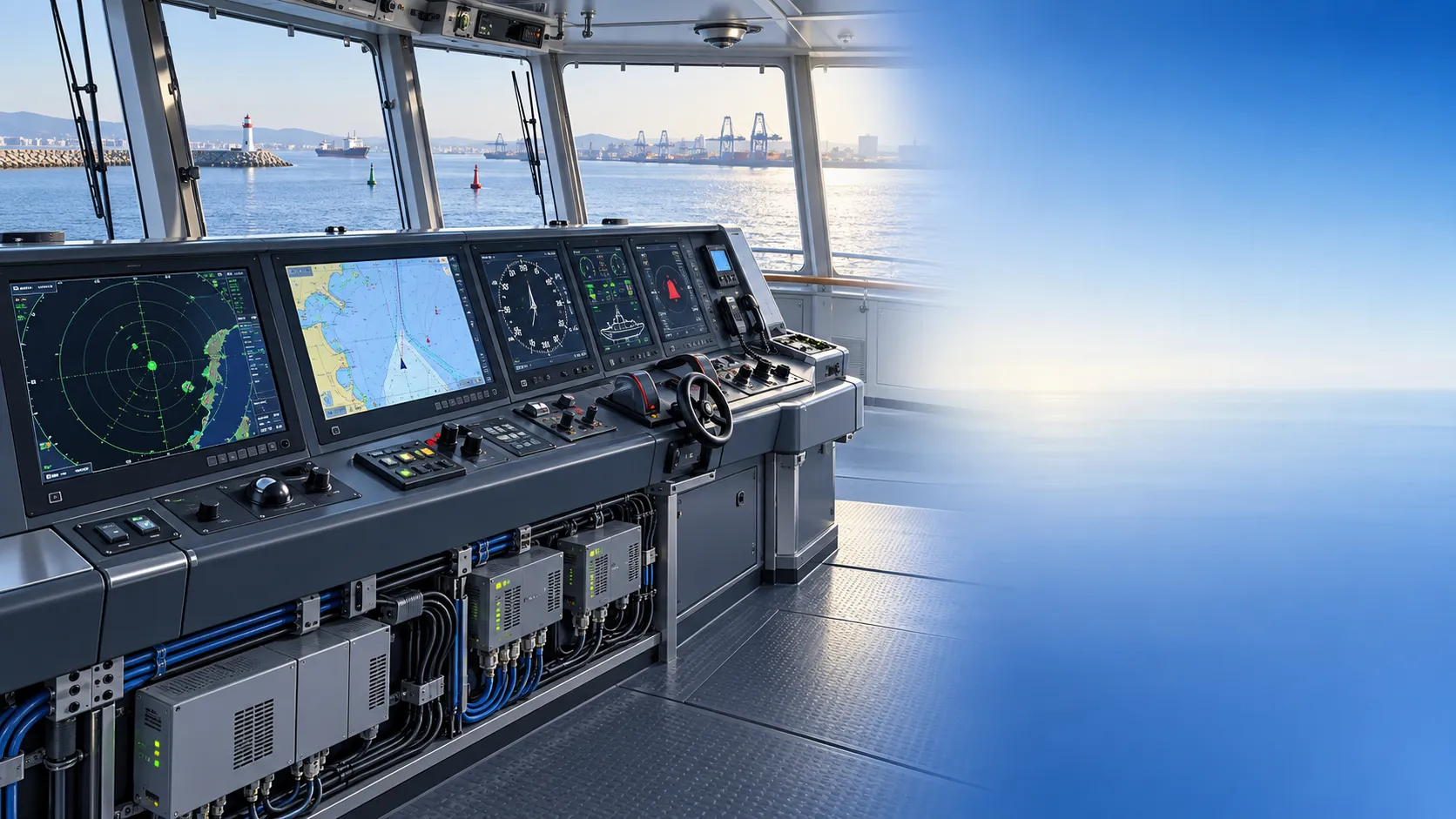
How to Specify Integrated Marine Electronics for Reliable Bridge Operations
Integrated marine electronics: learn how to specify reliable bridge systems with clear data flows, redundancy, alarm control, lifecycle interfaces, and operational testing.

How to Evaluate Navigation Radar Manufacturers for Commercial Vessel Projects
Navigation radar manufacturers: learn how to compare performance, compliance, integration, support, and lifecycle cost for commercial vessel projects.
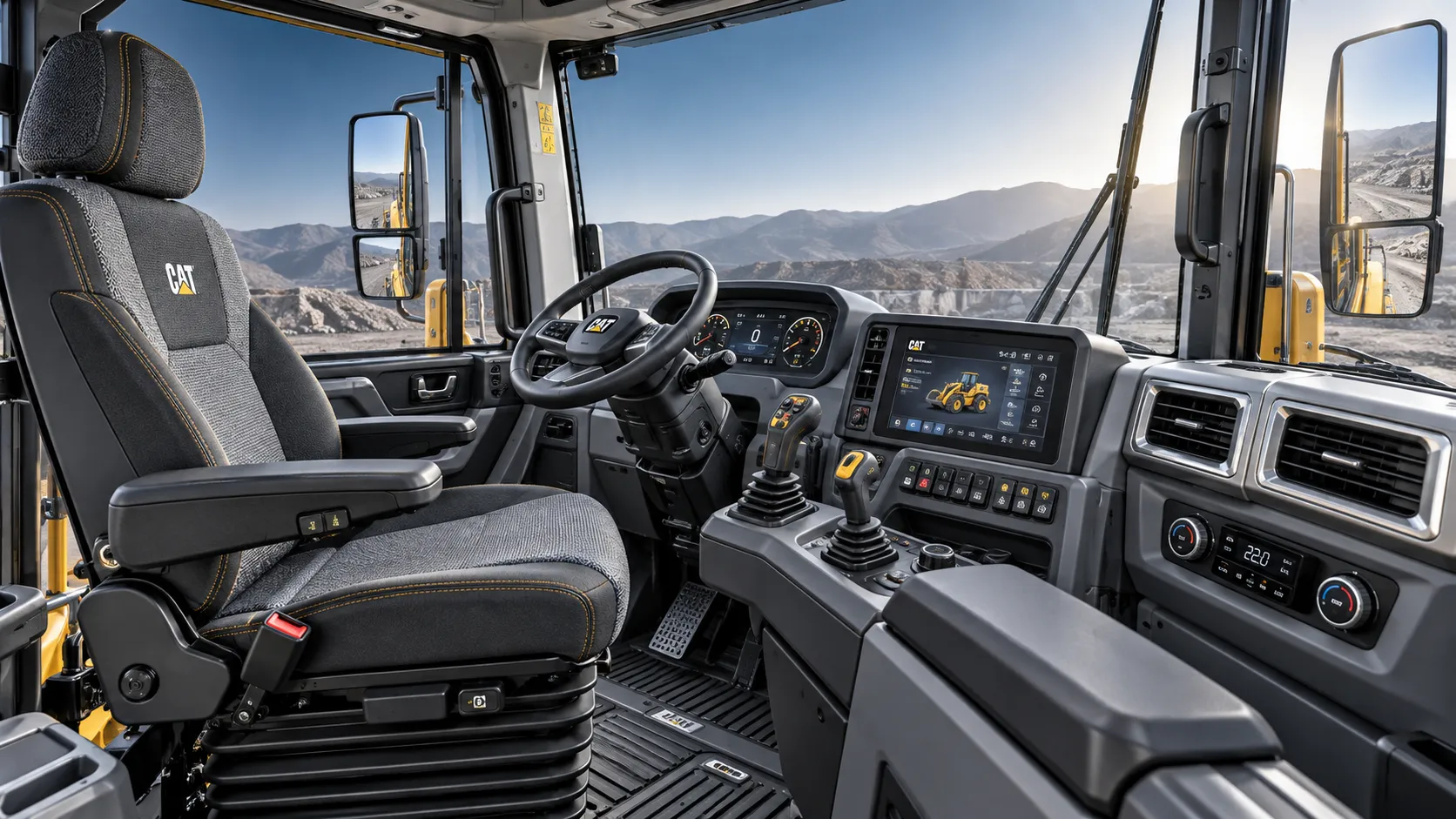
How Adjustable Cabin Ergonomics Reduce Operator Fatigue in Long-Shift Vehicles
Adjustable cabin ergonomics reduces operator fatigue through better seating, reach, visibility, vibration control, and climate comfort for safer long-shift vehicles.
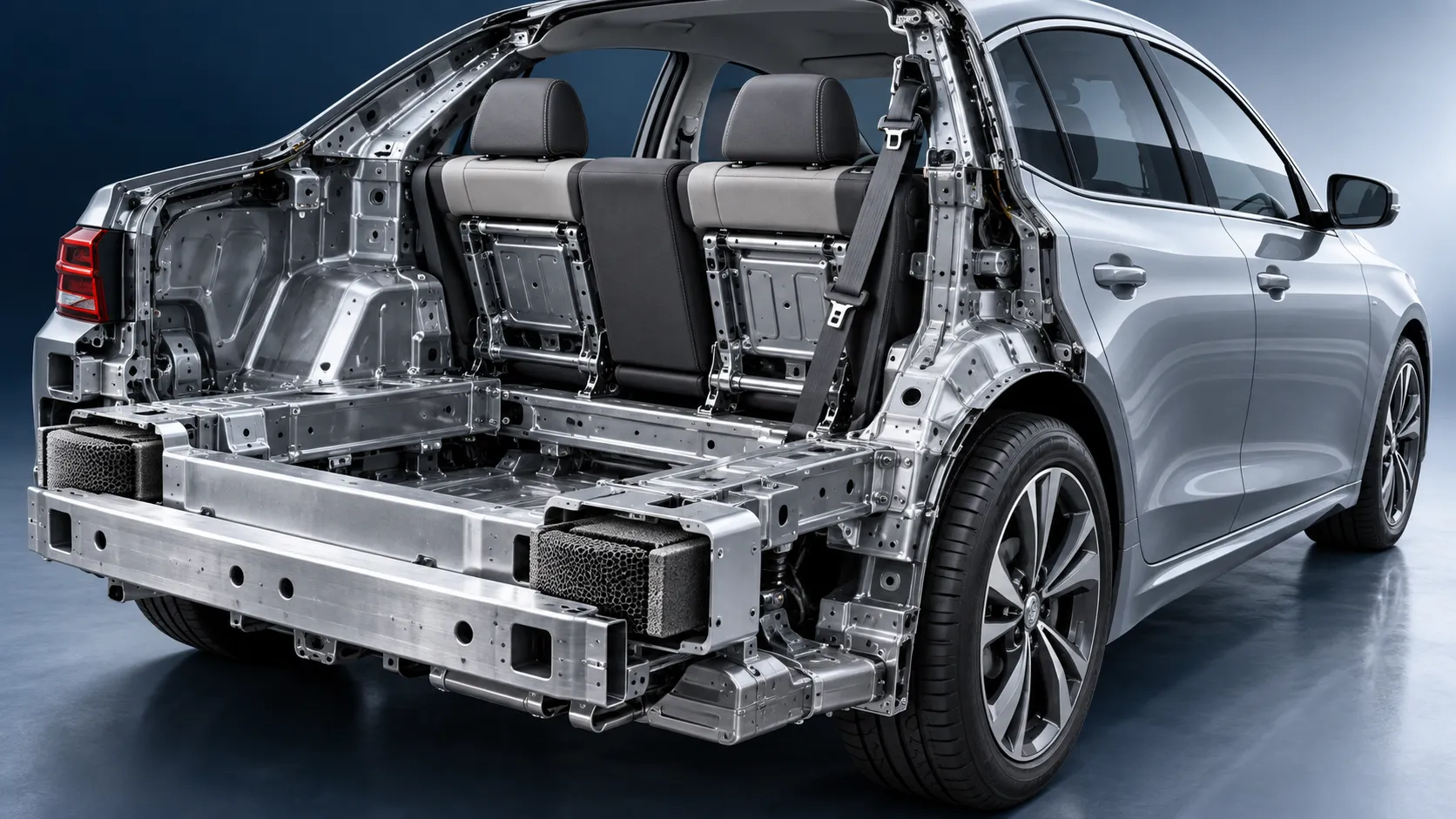
How Rear-Impact Safety Components Work Together to Protect Vehicle Occupants
Explore how automotive safety components for rear impact work together—from crash structures and seats to head restraints and belts—to enhance occupant protection.
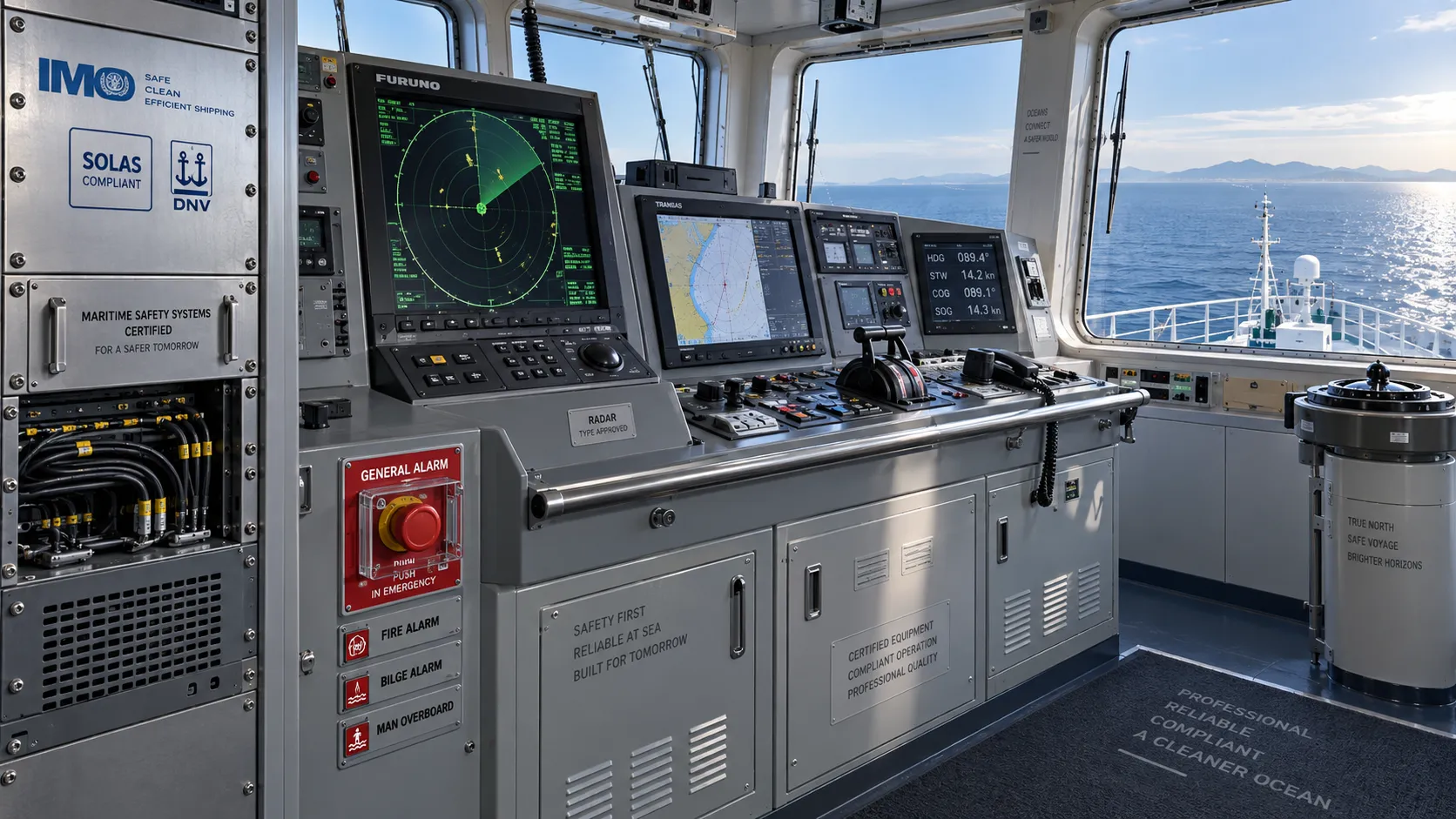
How to Evaluate a Marine Safety Systems Manufacturer for Vessel Compliance and Reliability
Marine safety systems manufacturer evaluation guide: verify compliance, engineering quality, lifecycle costs, and global service support for safer, reliable vessel operations.
Crash Test Regulations for Seatbelts: Key Compliance Requirements Explained
Crash test regulations seatbelts explained: explore FMVSS, UN rules, anchorage strength, and dynamic restraint testing for safer, compliant vehicle systems.

How to Calculate the Total Cost of Automotive Lightweighting for a Vehicle Program
Automotive lightweight solutions cost: learn how to calculate program-level costs, including materials, tooling, joining, validation, risk, and vehicle-level value.

How Automotive Seat Occupancy Sensing Improves Airbag Deployment Decisions
Automotive seat occupancy sensing helps optimize airbag deployment decisions, improving passenger classification, safety diagnostics, and compliance across real-world conditions.

What Drives Lightweight Body Component Costs in High-Volume Vehicle Programs?
Lightweight body components cost depends on material yield, forming, joining, tooling, validation, and logistics. Explore proven ways to optimize total vehicle program cost.
Related News
- 00
0000-00
How Automotive Seat Occupancy Sensing Improves Airbag Deployment Decisions - 00
0000-00
How Smart Seating Sensors Improve Occupant Detection and Airbag Deployment - 00
0000-00
How to Qualify an Airbag Modules Supplier for OEM Safety and Delivery Requirements - 00
0000-00
How to Select Occupant Safety Systems for Vehicles Operating in the Middle East - 00
0000-00
Which Passive Safety Engineering Standards Apply to Automotive Restraint Systems?
Weekly Insights
Stay ahead with our curated technology reports delivered every Monday.