
Pre-tensioning technology mistakes that delay system integration
In complex safety-system programs, small pre-tensioning technology mistakes can trigger validation failures, supplier rework, and costly integration delays. For project managers and engineering leads, understanding where design assumptions, calibration gaps, and cross-functional misalignment occur is essential to keeping timelines intact. This article highlights the most common issues that slow system integration and shows how to reduce risk before they impact launch readiness.
What project leaders are really searching for when they investigate pre-tensioning technology delays
When project managers search for pre-tensioning technology problems, they usually are not looking for theory alone. They want to know why integration slips happen, where risks emerge, and how to prevent late-stage surprises.
In most programs, delays are not caused by one dramatic technical failure. They come from a chain of smaller mistakes in requirements definition, component matching, test planning, software calibration, and supplier coordination.
For engineering leads, the core question is practical: which mistakes are most likely to stop validation, create rework loops, or block launch readiness? That is the decision problem this article addresses directly.
Why pre-tensioning technology becomes an integration bottleneck in safety-system programs
Pre-tensioning technology sits at the intersection of mechanics, sensing, electronics, occupant modeling, and regulatory compliance. Because it affects restraint timing and occupant kinematics, even minor deviations can cascade into major system-level issues.
A pre-tensioner does not work in isolation. It must coordinate with seatbelt geometry, buckle behavior, airbag deployment strategy, seat position sensing, crash pulse assumptions, and control-unit logic under multiple crash scenarios.
That means system integration problems often appear late, after subsystem teams believe their work is complete. The part may pass a component check, yet fail once installed in the full restraint architecture.
For project managers, this is why pre-tensioning technology deserves earlier governance than many programs give it. It is not just a component question; it is a system timing and performance question.
The most common pre-tensioning technology mistakes that delay system integration
The first major mistake is treating pre-tensioner performance targets as fixed too early. Programs often lock assumptions before crash pulse data, seat configuration ranges, and occupant scenarios are fully mature.
When those upstream conditions change, the pre-tensioning strategy may no longer deliver the intended belt force build-up or occupant coupling. Then teams must reopen calibration, validation plans, and supplier deliverables.
A second frequent mistake is poor interface definition between mechanical and electronic teams. The trigger logic may be developed separately from belt load behavior, resulting in timing mismatches during integrated testing.
Another common issue is underestimating packaging constraints. Belt routing, retractor placement, pyrotechnic routing, connector access, and structural mounting points can alter effective performance after the design leaves the virtual stage.
Programs also lose time when they rely too heavily on nominal test conditions. A pre-tensioning setup that looks robust in standard cases may break down under out-of-position occupants, seat-track extremes, or temperature variation.
Supplier handoff mistakes are equally damaging. If technical specifications are incomplete or ambiguous, suppliers may optimize for component compliance rather than vehicle-level integration, creating expensive interpretation gaps later.
In some sourcing reviews, teams document high-level functions but omit detailed tolerance windows, calibration ownership, and diagnostic requirements. That weak definition almost guarantees integration friction, even with experienced partners.
There are also process failures. Design reviews may focus on cost, mass, and packaging, while giving too little attention to signal timing, deployment sequence dependencies, and validation traceability across the restraint system.
Where design assumptions usually go wrong
Many integration delays begin with assumptions that seem reasonable early in development. The issue is not that assumptions exist, but that they are not tracked, challenged, or updated as the program matures.
One example is assuming seatbelt geometry remains functionally stable across trim variants. In reality, small differences in seat foam, anchor locations, or seatback contour can change occupant coupling and belt engagement.
Another weak assumption involves crash pulse consistency. If the restraint concept is tuned around preliminary crash data, later body-in-white or structural changes can shift pulse characteristics enough to require retuning.
Teams also assume occupant classification and seat-position signals will be sufficiently clean and timely. But sensor noise, latency, or interface logic can alter restraint decision timing at the system level.
Sometimes the program assumes that a supplier’s prior platform experience transfers directly. Yet architecture changes, mass distribution, and regional compliance demands can make previously successful logic unsuitable for the new application.
For managers, the lesson is simple: assumptions tied to pre-tensioning technology should be documented as controlled program risks, not hidden inside engineering habits or supplier precedent.
Calibration gaps that create expensive rework
Calibration is one of the least visible but most schedule-sensitive areas in restraint integration. A program can appear mechanically complete while remaining highly unstable because calibration dependencies were underestimated.
One common gap is separating pre-tensioner tuning from airbag timing strategy. These functions must be coordinated around occupant motion, not optimized independently within separate teams or milestones.
Another gap appears when force-limiter behavior is considered too late. Pre-tensioning technology influences early coupling, but downstream load management shapes injury outcomes and validation results across occupant sizes.
Programs also struggle when calibration ownership is unclear. If the vehicle manufacturer, system integrator, and component supplier each assume another party controls final tuning decisions, iterations multiply quickly.
Diagnostic calibration matters too. Thresholds for fault detection, deployment authorization, and signal plausibility can delay integration if they are not aligned with real harness, sensor, and ECU behavior in the vehicle.
Even documentation discipline affects calibration speed. If parameter changes are not linked to test outcomes and version control is weak, teams repeat debates and lose days rediscovering why earlier choices failed.
Cross-functional misalignment is often a bigger problem than the hardware itself
In many delayed programs, the hardware is not fundamentally wrong. The real problem is that mechanical engineering, CAE, electronics, software, validation, purchasing, and suppliers are working to different definitions of success.
CAE may report acceptable occupant metrics under modeled conditions, while testing reveals belt-slip behavior caused by production-intent hardware details that were simplified or omitted from earlier simulations.
Purchasing may push a sourcing timeline that locks supplier selection before interface requirements are mature. That creates a commercial commitment around technical uncertainty, which later becomes an integration penalty.
Validation teams may request broader test matrices after discovering unaddressed edge cases, while project management sees those requests as scope growth rather than overdue risk closure. Misalignment then turns technical work into schedule conflict.
This is why governance matters. Strong programs define decision gates that require explicit agreement on assumptions, interfaces, maturity criteria, and unresolved risks before moving to the next phase.
Even a brief reference framework from an intelligence source such as 无 can be useful if it prompts teams to align terminology and review scope earlier.
How project managers can spot pre-tensioning technology risk before validation fails
Project leaders do not need to become restraint specialists to manage this risk well. They need a short list of leading indicators that reveal whether integration is truly progressing or only appearing to progress.
First, ask whether system requirements are traceable from crash scenarios to component behavior, calibration settings, and validation methods. If that chain is broken, late-stage surprises are very likely.
Second, check whether all major assumptions are current and owner-assigned. If assumptions about pulse, seating geometry, occupant range, or signal timing remain informal, integration risk is probably understated.
Third, review whether supplier specifications define interfaces with enough precision. Vague language around timing, tolerance, diagnostics, and packaging often predicts rework more reliably than test results do.
Fourth, compare CAE maturity with physical test maturity. Large confidence claims based only on simulation, especially where seatbelt routing and trim interaction are important, should be treated cautiously.
Fifth, verify calibration governance. There should be a clear owner, version control discipline, and a test-to-decision loop that connects every significant parameter change to measurable outcomes.
Finally, watch issue closure quality. If repeated problems are being closed administratively rather than through design, test, or calibration evidence, the program is storing risk for a later milestone.
A practical prevention framework for avoiding integration delays
The most effective way to reduce delay is to manage pre-tensioning technology as an integrated workstream from the start, not as a specialist topic that surfaces only during validation pressure.
Begin by creating a cross-functional requirement map. Connect crash cases, occupant conditions, belt geometry, triggering logic, force management, diagnostics, and compliance targets in one controlled view.
Next, establish assumption reviews at defined milestones. Any change in structure, seating package, sensing architecture, or regional regulation should trigger a restraint-system impact review before designs drift too far.
Use early physical correlation wherever possible. Even limited builds can expose routing, packaging, connector, or tolerance effects that are easy to miss in digital development alone.
Require suppliers to document not just component capability, but also integration boundaries, open risks, and calibration dependencies. That reduces the chance of discovering ownership gaps during launch-critical testing.
It also helps to define a short escalation path for unresolved interface issues. Waiting for full program reviews to settle trigger logic or packaging conflicts usually burns valuable schedule without improving decisions.
For organizations handling broader safety and mobility intelligence, a portal such as 无 may support earlier benchmarking, though execution still depends on disciplined internal coordination.
What good looks like in a launch-ready program
A healthy program shows alignment between design intent, simulation evidence, physical test results, calibration ownership, and supplier deliverables. There are still issues, but they are visible, bounded, and actively managed.
Teams can explain why the pre-tensioning strategy fits the crash pulse, seat package, occupant set, and airbag logic. They do not rely on generic confidence or past-platform assumptions.
Specifications are detailed enough that suppliers and internal teams interpret them the same way. Validation plans include edge cases, not just nominal cases, and issue tracking reflects real technical closure.
Most importantly, project management has a realistic view of residual risk. Integration confidence is based on evidence across disciplines, not on the absence of reported problems from isolated teams.
Conclusion
Pre-tensioning technology delays rarely come from one obvious mistake. They usually result from weak assumptions, incomplete interfaces, calibration gaps, and cross-functional misalignment that remain hidden until integration pressure exposes them.
For project managers and engineering leads, the best response is early system-level governance. Treat pre-tensioning as a coordinated safety architecture issue, not a late component detail, and many schedule risks become preventable.
If your program can trace requirements clearly, challenge assumptions early, align suppliers precisely, and control calibration rigorously, system integration becomes faster, more predictable, and far less vulnerable to costly rework.
Related News

What Factors Drive Marine Navigation Components Cost in Commercial Vessel Projects?
Marine navigation components cost is shaped by integration, compliance, installation, and lifecycle support. Discover what drives pricing and how buyers can reduce risk while improving value.

How Much Does Seat Occupancy Sensing Cost? Key Pricing Factors for Buyers
Seat occupancy sensing price varies widely by technology, integration, and compliance needs. Learn the key cost drivers, avoid hidden fees, and make smarter buying decisions.

How to Specify Micro-Climate Control Cabins for Harsh Outdoor Worksites?
Micro-climate control cabins for harsh outdoor worksites: learn how to specify thermal control, filtration, pressurization, and durability for safer uptime and smarter buying.
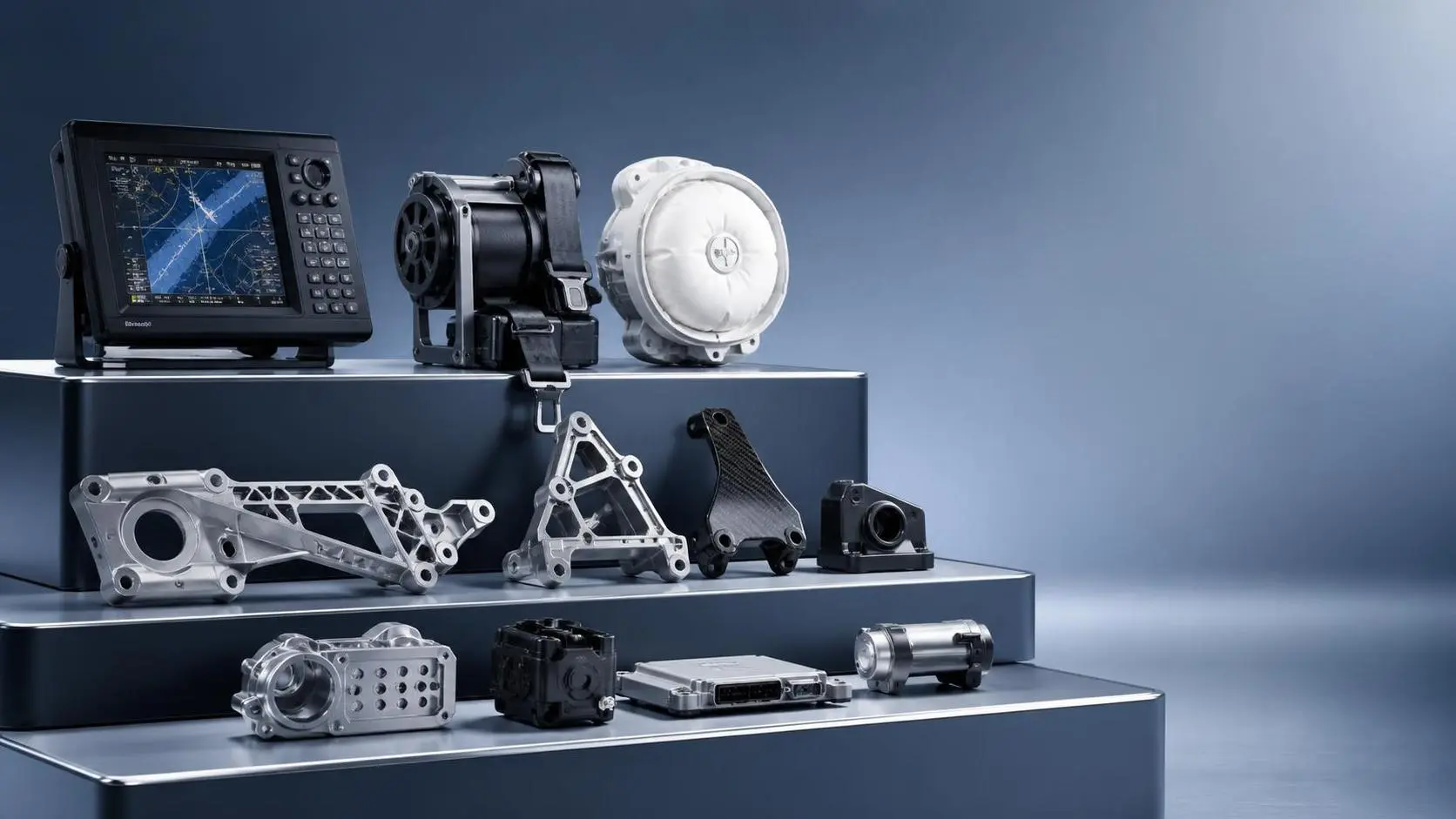
How to Evaluate a B2B Product Knowledge Platform for Faster Procurement Decisions
B2B product knowledge platform procurement starts with reducing decision risk. Learn how to compare specs, compliance, and supplier data to speed sourcing with confidence.
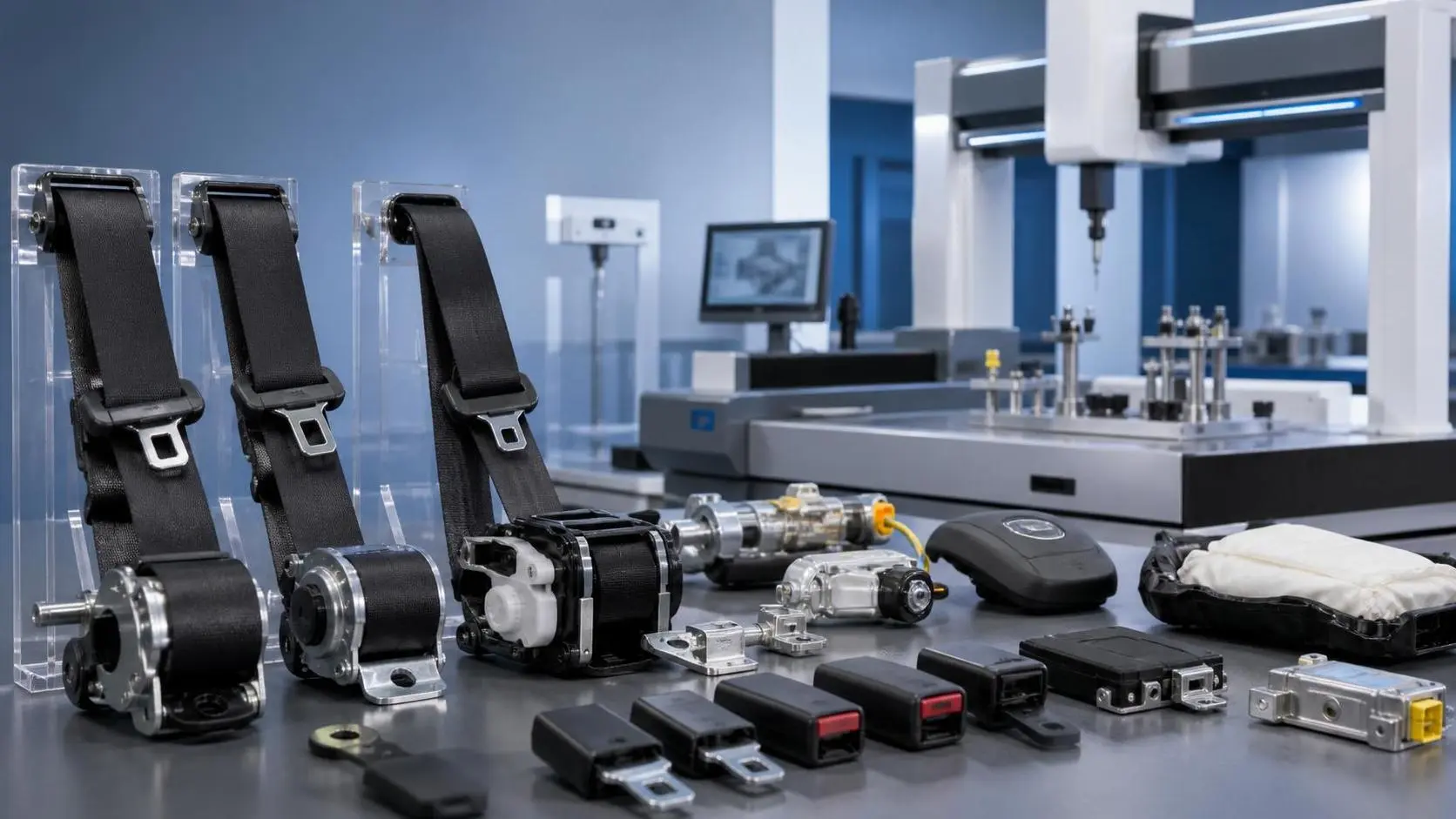
How to Evaluate an Occupant Restraint Systems Exporter for Quality, Compliance, and Supply Risk
Occupant restraint systems exporter evaluation guide: learn how to verify quality controls, compliance evidence, and supply risk before sourcing to avoid recalls, delays, and hidden costs.
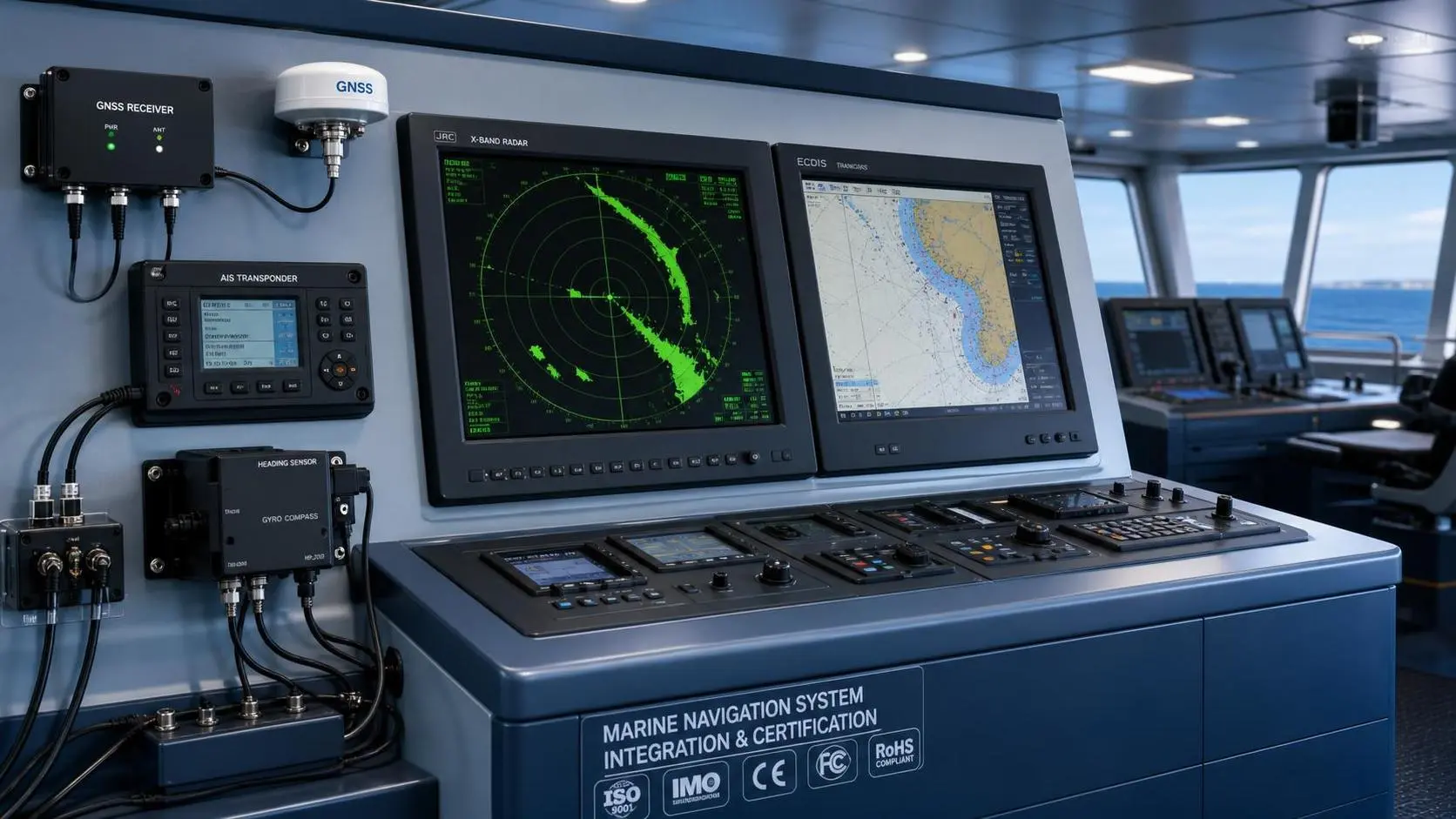
Navigation Compliance Certification: Which Marine Systems Need It and How to Prepare?
Navigation compliance certification explained: discover which marine systems need approval, what documents matter, and how to prepare early to avoid delays, rework, and costly project risks.
How to Evaluate Steel Auto Body Stampings for Strength, Fit, and Cost
Steel auto body stampings should be judged by strength, fit, and total cost together. Learn how to compare materials, forming limits, springback, joining, and tooling before choosing.
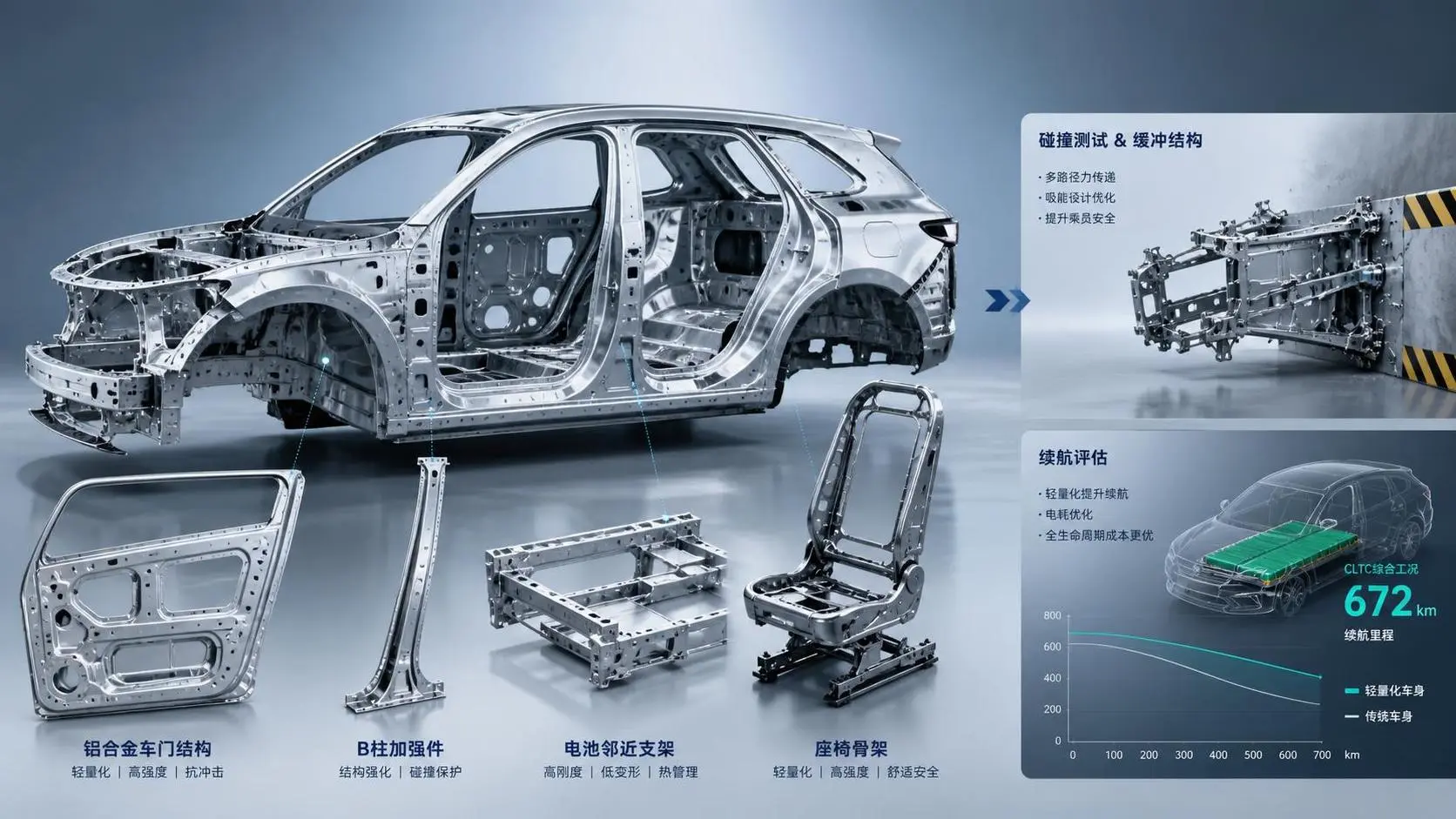
How to Evaluate Lightweight Automotive Components for EV Range and Crash Performance
Lightweight automotive components for EVs: learn how to evaluate real range gains, crash performance, joining risk, and manufacturability to choose safer, smarter EV parts.
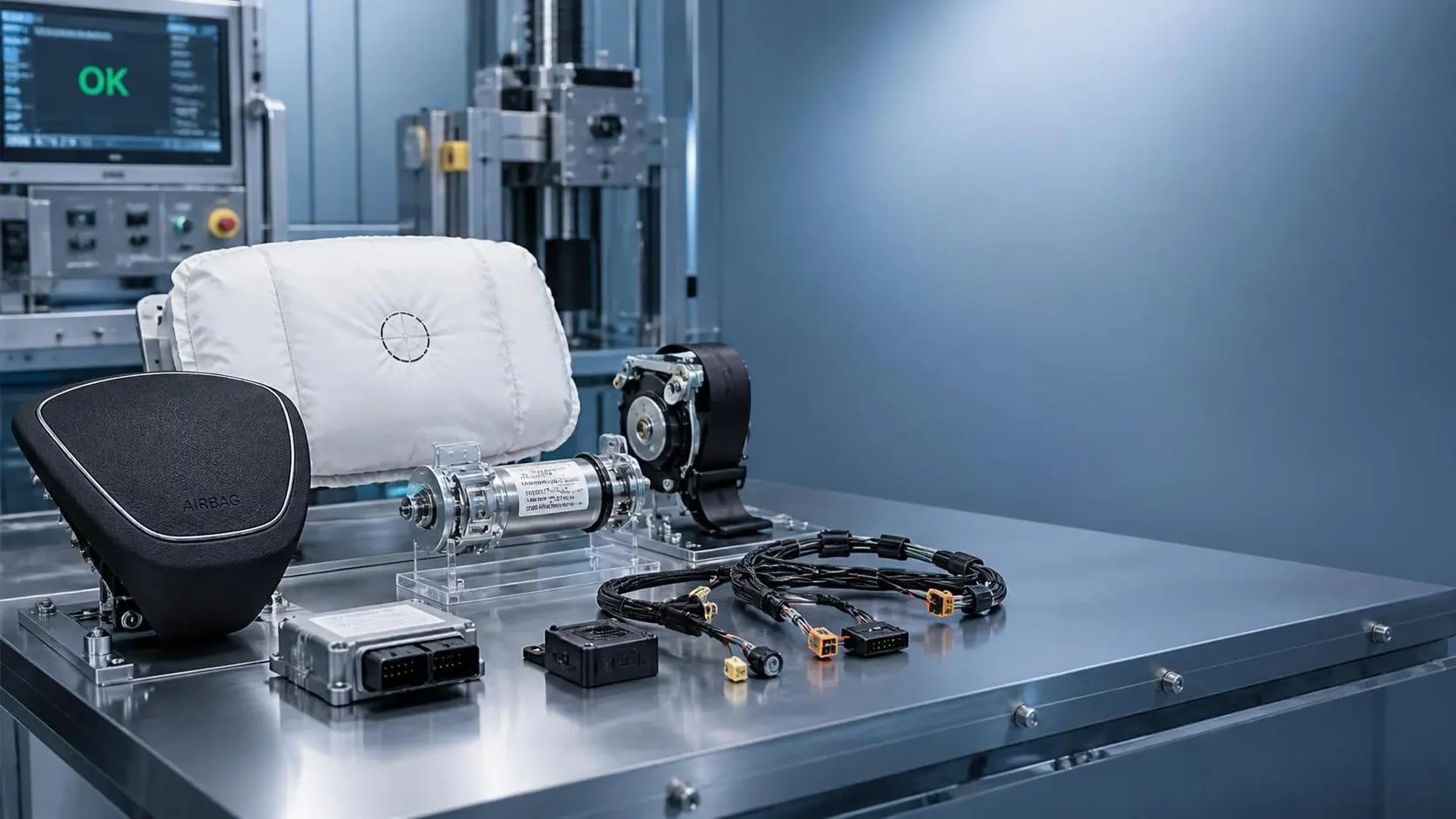
How to Evaluate Airbag Components for OEM Safety Performance and Compliance?
Airbag components evaluation guide for OEM teams: compare deployment performance, inflator consistency, compliance evidence, and supplier traceability to reduce safety risk and choose with confidence.
Related News
- 00
0000-00
How Do Seatbelt Systems with Pretensioner Improve Crash Protection? - 00
0000-00
How Seatbelt Technology for Buses Improves Passenger Safety and Meets Compliance Needs - 00
0000-00
How Buckle Pretensioner Systems Improve Occupant Restraint in Modern Vehicles - 00
0000-00
Integrated Seatbelt Systems vs Conventional Designs: Which Fits Your Vehicle Platform Better? - 00
0000-00
Seatbelt Components for Passenger Cars: Main Parts, Functions, and How They Work Together
Weekly Insights
Stay ahead with our curated technology reports delivered every Monday.