
Why cabin protection systems fail under overlooked loads
Cabin protection systems often underperform not because their core design is weak, but because overlooked loads distort real-world crash dynamics, occupant kinematics, and structural response. For technical evaluators, understanding these hidden forces is essential to judging whether airbags, seatbelts, body structures, and seating systems can deliver reliable protection under complex operating and impact conditions.
In mobility equipment, failure rarely begins with one component acting alone. It usually starts when multiple load paths interact outside nominal design assumptions: off-axis occupant motion, seat rail deformation, partial restraint engagement, localized body-in-white buckling, or delayed sensor interpretation by 10–20 milliseconds. For technical assessment teams, these overlooked loads can change injury outcomes more than a headline specification ever reveals.
This matters across the GNCS landscape, from lightweight automotive cabins to safety-critical seating and restraint architecture. Evaluators comparing passive safety performance, supplier readiness, or design maturity need more than peak-load figures. They need a structured way to identify hidden load cases, verify integration quality, and decide whether cabin protection systems remain stable under real impact complexity.
Why overlooked loads create protection gaps
Many cabin protection systems are validated against a narrow set of frontal, side, and rear impact assumptions. Yet in production vehicles and transport platforms, the load environment is often broader by 3 to 5 key variables: seat position tolerance, occupant size variance, pre-crash braking, asymmetric intrusion, and component aging. When those variables combine, system timing and force distribution can drift beyond the intended tuning window.
The difference between nominal load and hidden load
A nominal load is the force case anticipated during design validation. A hidden load is a secondary or coupled force that emerges from structure, motion, or integration effects. Examples include belt spool friction rise after thermal cycling, seatback torsion during 25-degree offset loading, or knee-to-instrument-panel interaction after lower rail displacement of 8–15 mm.
These conditions are not rare edge cases. They sit in the gray zone between laboratory repeatability and field reality. Technical evaluators often see acceptable subsystem performance in isolation, then discover weaker full-cabin outcomes because airbag deployment, belt restraint, stamping stiffness, and seat geometry no longer synchronize under combined load input.
Common hidden load sources
- Out-of-position occupants caused by pre-impact steering or hard braking within 0.5–1.5 seconds before collision
- Body structure load transfer changes after lightweighting with mixed steel-aluminum sections
- Seat track or recliner compliance above expected deflection thresholds
- Airbag folding variability affecting deployment trajectory in the first 30–40 milliseconds
- Seatbelt pretensioner and force limiter mismatch under multi-pulse crash events
The table below shows how overlooked loads typically alter cabin protection systems during evaluation and why subsystem pass results do not always predict integrated cabin performance.
The key conclusion is that cabin protection systems fail progressively, not suddenly. A 12 mm seat displacement, a 15 millisecond sensor delay, and a modest belt load path change may each appear manageable alone. Combined, they can create a measurable drop in head, chest, or femur protection margin.
Why technical evaluators miss them
The most common reason is fragmented testing. One team reviews stampings, another validates airbag timing, and a third focuses on seat durability. Each discipline works with valid data, but the integration risk sits in the interfaces. GNCS intelligence work is especially relevant here because marine navigation logic and cabin safety engineering share one principle: system reliability depends on signal integrity and response coherence under disturbance.
Another issue is overreliance on pass/fail criteria. A component may pass a regulatory pulse, yet still perform poorly when evaluated against 4 additional dimensions: variation tolerance, repeatability across builds, compatibility with lightweight structures, and robustness after environmental conditioning. For buyers and engineering reviewers, these are procurement-critical distinctions.
How loads propagate through airbags, belts, structures, and seats
To assess cabin protection systems properly, evaluators must track how force moves through the cabin in sequence. Impact energy does not enter one part and stop there. It travels through the body shell, seat anchorage, restraint webbing, inflator timing logic, and finally the occupant. Even a 5% shift in one element’s stiffness can redirect loads elsewhere.
Auto body stampings: the first load manager
High-strength steel and aluminum stampings shape the initial crash pulse. In lightweight architectures, the challenge is balancing mass reduction with predictable deformation. If a stamping set is optimized only for weight, localized hard points or unstable folding modes may increase cabin deceleration severity or intrusion concentration.
For evaluators, 3 checks matter: section continuity, joining strategy, and deformation repeatability. Mixed-material designs may perform well at target speed but become less stable under small offset impacts or oblique collisions. A component that saves 1.5–3.0 kg can still increase integration risk if it shifts load away from the restraint strategy.
Seatbelt systems: small timing errors, large human effects
Seatbelts are often treated as mature technology, yet their interaction window is extremely narrow. Pretensioning needs to occur early enough to remove slack, while force limiting must prevent excessive chest loading. In many cabin protection systems, failure is not the absence of belt function; it is the wrong force profile for the actual occupant path.
A mismatch of 2–4 kN in load limiting, or webbing payout that exceeds expected travel by 20–35 mm, can alter torso motion enough to reduce airbag effectiveness. This is particularly relevant in smart seating environments where seat cushion angle, recline setting, and occupant posture change the belt-to-body interface.
Airbag assemblies: deployment is a spatial event, not only a timing event
Airbag evaluation should include trajectory, cushion shape stability, vent behavior, and interaction with occupant motion. In frontal crashes, the first 20–50 milliseconds define whether the airbag becomes a protective surface or a mistimed contact point. Hidden loads matter because they change occupant position before full cushion formation.
Technical teams should not view inflator chemistry, folding consistency, and module packaging as isolated manufacturing concerns. They are integration variables. This is one area where trend monitoring from portals such as 无 can help evaluators map material evolution, non-toxic propellant direction, and regulatory expectations without relying on a single supplier narrative.
Auto seat assemblies: the hidden load amplifier
Seats define occupant position, support, rebound, and submarine resistance. They also influence belt geometry and pelvic retention. A seat that performs well in comfort metrics can still degrade crash outcomes if cushion ramp angle, frame compliance, or anti-submarining features are not tuned to the restraint package.
In technical reviews, seat systems should be checked at not fewer than 3 positions: forward, mid-track, and rearward. Recline variation of 5–15 degrees and occupant mass ranges from small female to large male test envelopes can expose load conditions hidden by one-position validation.
A practical interaction map
- Structure defines crash pulse and intrusion timing.
- Seat anchorage and frame alter occupant path and posture retention.
- Belt removes slack and manages early torso and pelvis motion.
- Airbag fills the remaining spatial protection gap.
- Final injury outcome depends on synchronization across all 4 layers.
If one layer deviates, cabin protection systems may still look functional in a report yet lose integrated protection margin in the real cabin. That is why technical evaluation should always test the chain, not just the links.
Evaluation methods that reveal hidden failure modes
A robust assessment framework should combine simulation, subsystem testing, full-system validation, and tolerance analysis. For most B2B review programs, a 4-stage method delivers better clarity than relying on one sled pulse or one certification-oriented crash event.
Stage 1: load case mapping
Start by defining at least 6 representative load cases: full frontal, small overlap, oblique, side intrusion, rear impact, and pre-brake frontal. Then add environmental variation such as low temperature, high temperature, and aged component conditions. This process identifies where cabin protection systems face the widest load spread.
Stage 2: interface-focused subsystem validation
Instead of testing each part alone, test key interfaces. Examples include seat-to-belt anchor stiffness, belt-to-airbag timing, and stamping intrusion versus lower extremity clearance. Interface testing often reveals failure trends 2–3 development loops earlier than complete vehicle testing, which can save significant redesign time.
Stage 3: tolerance stack-up review
Production variation is a real source of hidden load. A bracket tolerance of ±1.0 mm, foam density drift of 8%, and belt routing variance may appear small separately. Their combined stack-up can materially shift occupant motion. Evaluators should request tolerance interaction studies, not just nominal CAD alignment.
The following table can be used as a field-ready checklist when reviewing suppliers, prototypes, or design updates in cabin protection systems.
This checklist highlights a broader truth: the best technical evaluations are built around load paths, sequence control, and variation management. If a review process cannot expose these 3 dimensions, it will likely overestimate system maturity.
Stage 4: compliance plus decision-grade analysis
Regulatory and consumer-test alignment remains necessary, especially with evolving expectations from programs such as IIHS and Euro NCAP. But technical evaluators should go further and convert test findings into sourcing and design decisions: which component needs tighter tolerance, which interface needs redesign, and which supplier can document stable performance across multiple loads.
That decision-grade layer is where intelligence platforms add value. Broader industry tracking, such as what is often aggregated on 无, can support reviewers comparing lightweight body trends, restraint evolution, and seating system trade-offs across product cycles of 12–36 months.
Selection and procurement advice for technical evaluators
When selecting suppliers or approving a new cabin architecture, technical evaluators should avoid choosing only by unit cost, weight reduction, or headline crash score. Cabin protection systems are integration-sensitive products. A lower-cost module can generate a higher program cost if it forces redesign in surrounding structures or delays validation by 6–10 weeks.
Four procurement questions that matter
- Can the supplier show performance stability across at least 3 load conditions, not just one nominal test?
- Are interface tolerances documented with measurable limits such as angle, displacement, or response time?
- Does the design remain effective under lightweight body interaction and multiple seat positions?
- Can engineering teams provide traceable change-control records for materials, inflator chemistry, or joining strategy?
What strong documentation looks like
Useful documentation includes intrusion maps, pulse comparisons, belt force curves, deployment timing windows, seat deformation data, and environmental conditioning records. If a supplier only offers single-point summary charts, evaluators should treat the system as incompletely characterized.
Technical teams should also request 3 categories of evidence: nominal performance, tolerance sensitivity, and aged-condition behavior. This approach reduces the risk of approving cabin protection systems that perform well only in early prototypes or tightly controlled builds.
Common evaluation mistakes
- Assuming a stronger structure always improves occupant protection
- Judging seat safety only by static strength or comfort metrics
- Ignoring pre-crash occupant movement caused by braking or steering
- Reviewing airbags, belts, and seats as independent purchase packages
- Failing to revisit load cases after lightweighting or packaging changes
In practice, overlooked loads are most damaging when a program changes one subsystem late. A revised seat frame, a new magnesium bracket, or a packaging shift around the instrument panel can reopen protection issues that seemed closed 2 validation phases earlier.
Turning analysis into safer cabin decisions
For technical evaluators, the goal is not to prove that cabin protection systems can pass one test. It is to determine whether they can preserve protection quality under realistic variation, coupled loading, and future design updates. That means following the force path from structure to occupant and reviewing timing, geometry, and tolerance as one engineering problem.
The most resilient cabin strategies are those that coordinate lightweight stampings, responsive belts, stable airbags, and seats that control occupant motion rather than amplify it. When hidden loads are identified early, teams can reduce redesign cycles, improve sourcing confidence, and support safer, more credible mobility programs.
If you are assessing new architectures, reviewing supplier capability, or refining passive safety decisions across navigation-linked and cabin-focused mobility sectors, now is the right time to deepen your load-path analysis. Contact GNCS to get a tailored evaluation perspective, explore more solution paths, and discuss how better intelligence can strengthen your next cabin safety decision.
Related News
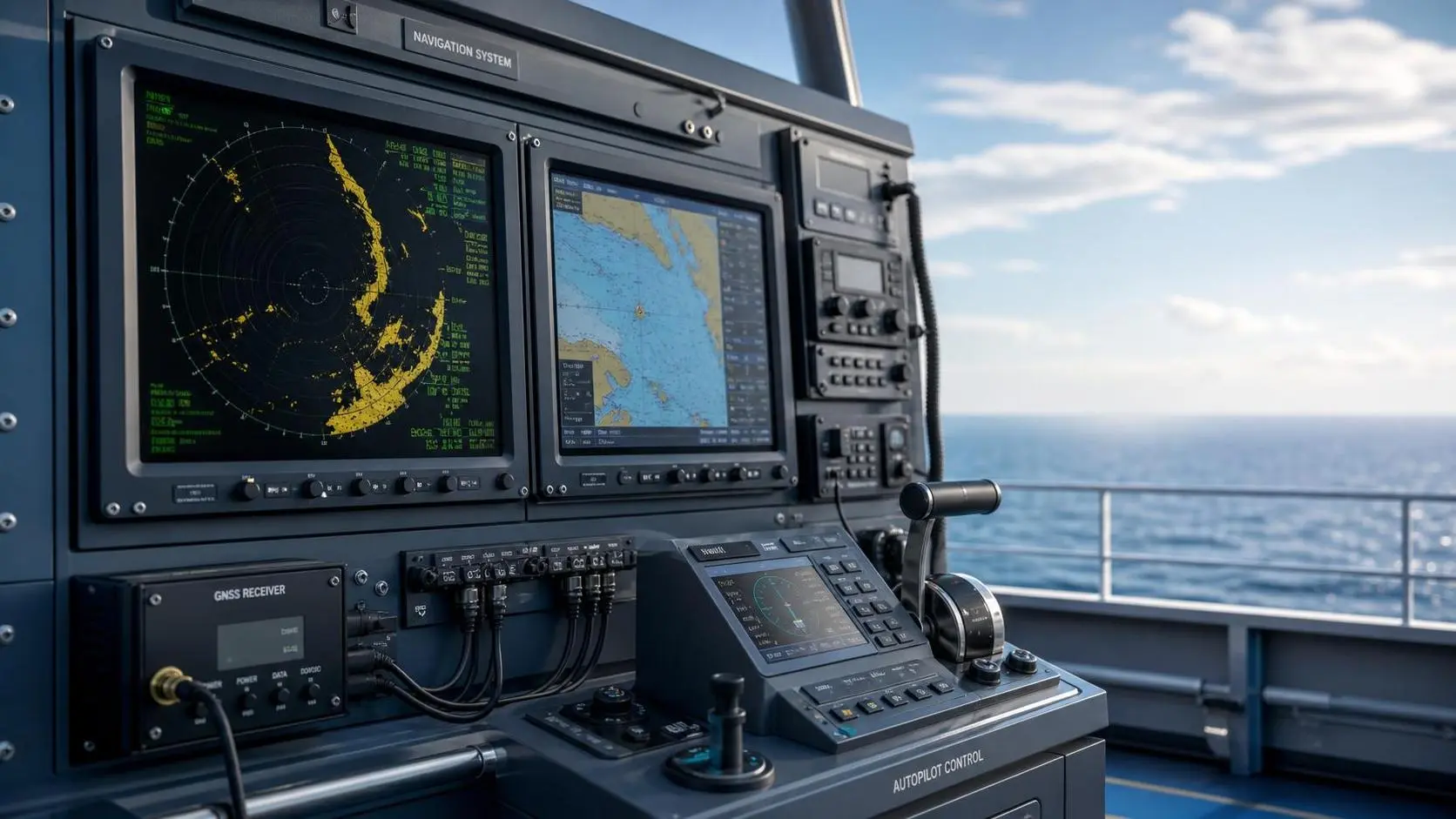
What Factors Drive Marine Navigation Components Cost in Commercial Vessel Projects?
Marine navigation components cost is shaped by integration, compliance, installation, and lifecycle support. Discover what drives pricing and how buyers can reduce risk while improving value.

How Much Does Seat Occupancy Sensing Cost? Key Pricing Factors for Buyers
Seat occupancy sensing price varies widely by technology, integration, and compliance needs. Learn the key cost drivers, avoid hidden fees, and make smarter buying decisions.

How to Specify Micro-Climate Control Cabins for Harsh Outdoor Worksites?
Micro-climate control cabins for harsh outdoor worksites: learn how to specify thermal control, filtration, pressurization, and durability for safer uptime and smarter buying.
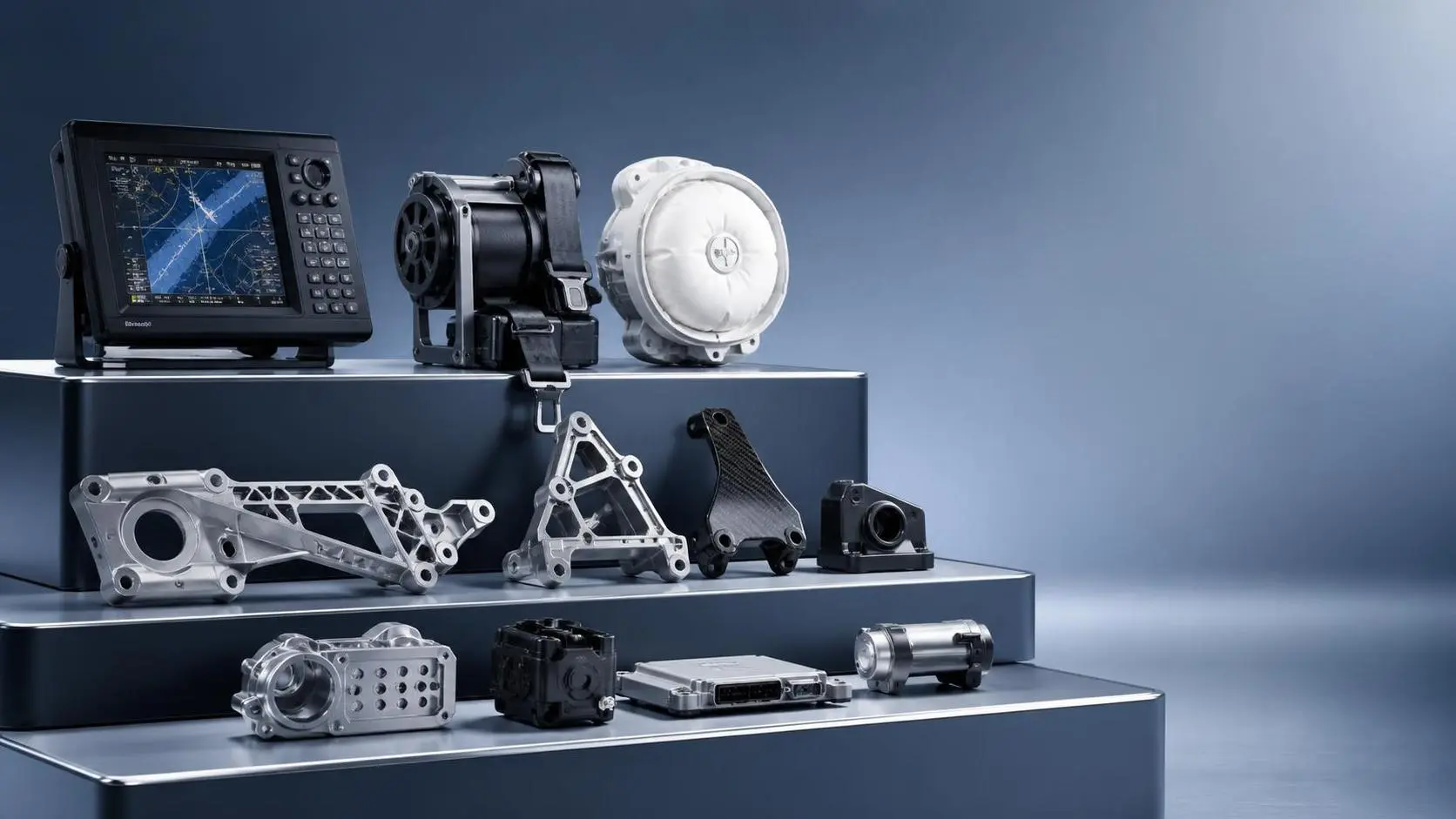
How to Evaluate a B2B Product Knowledge Platform for Faster Procurement Decisions
B2B product knowledge platform procurement starts with reducing decision risk. Learn how to compare specs, compliance, and supplier data to speed sourcing with confidence.
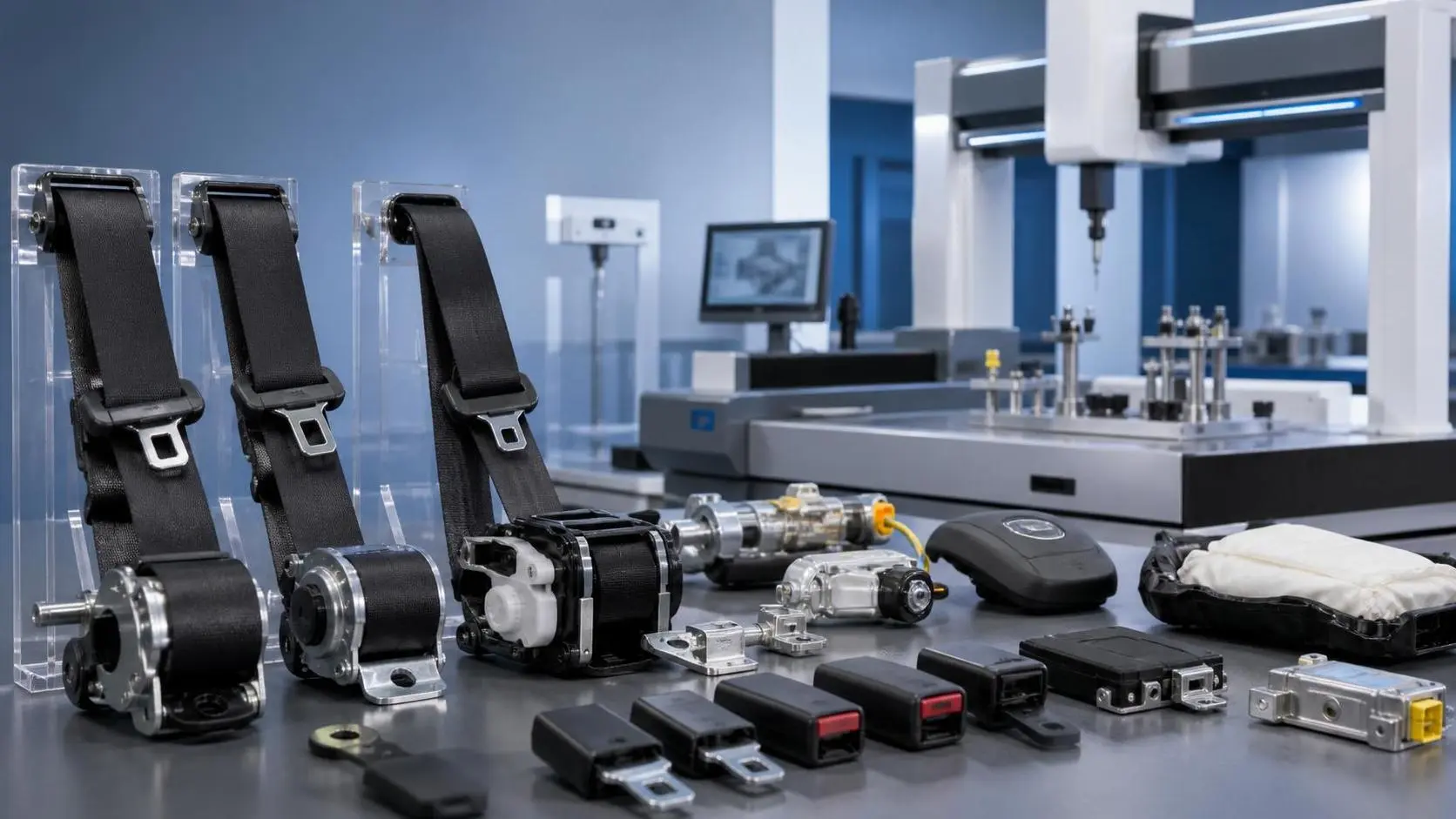
How to Evaluate an Occupant Restraint Systems Exporter for Quality, Compliance, and Supply Risk
Occupant restraint systems exporter evaluation guide: learn how to verify quality controls, compliance evidence, and supply risk before sourcing to avoid recalls, delays, and hidden costs.
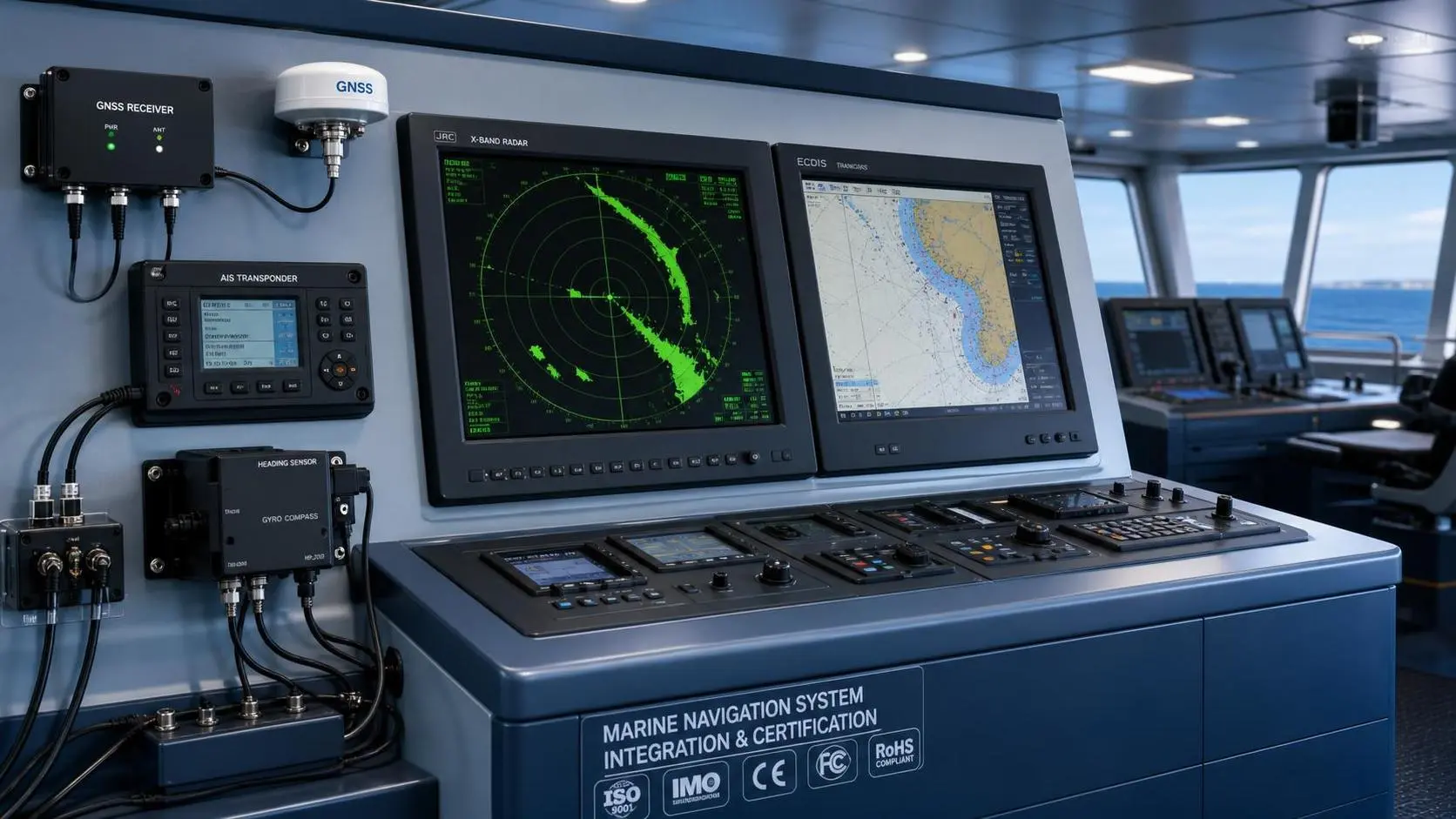
Navigation Compliance Certification: Which Marine Systems Need It and How to Prepare?
Navigation compliance certification explained: discover which marine systems need approval, what documents matter, and how to prepare early to avoid delays, rework, and costly project risks.
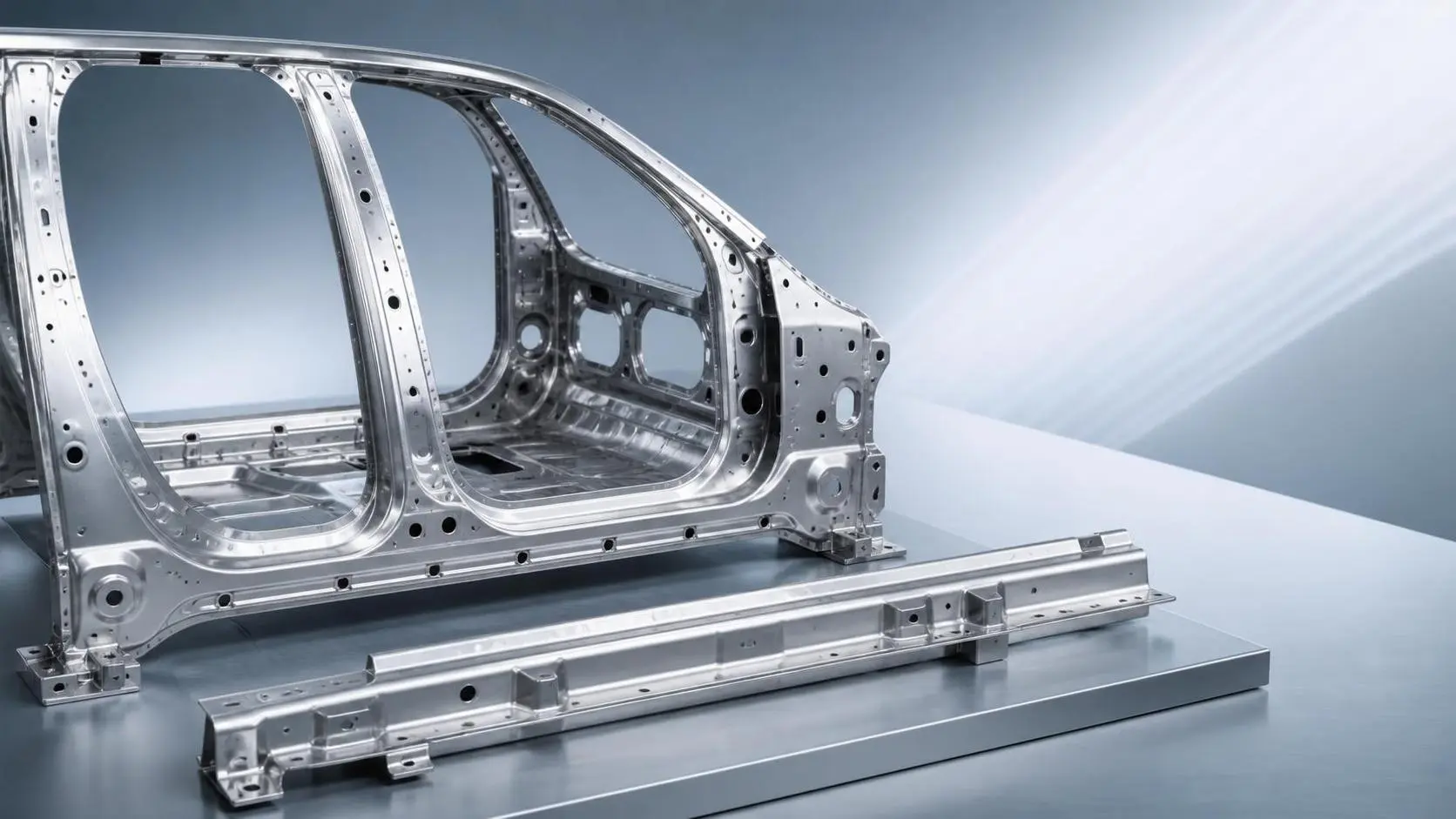
How to Evaluate Steel Auto Body Stampings for Strength, Fit, and Cost
Steel auto body stampings should be judged by strength, fit, and total cost together. Learn how to compare materials, forming limits, springback, joining, and tooling before choosing.
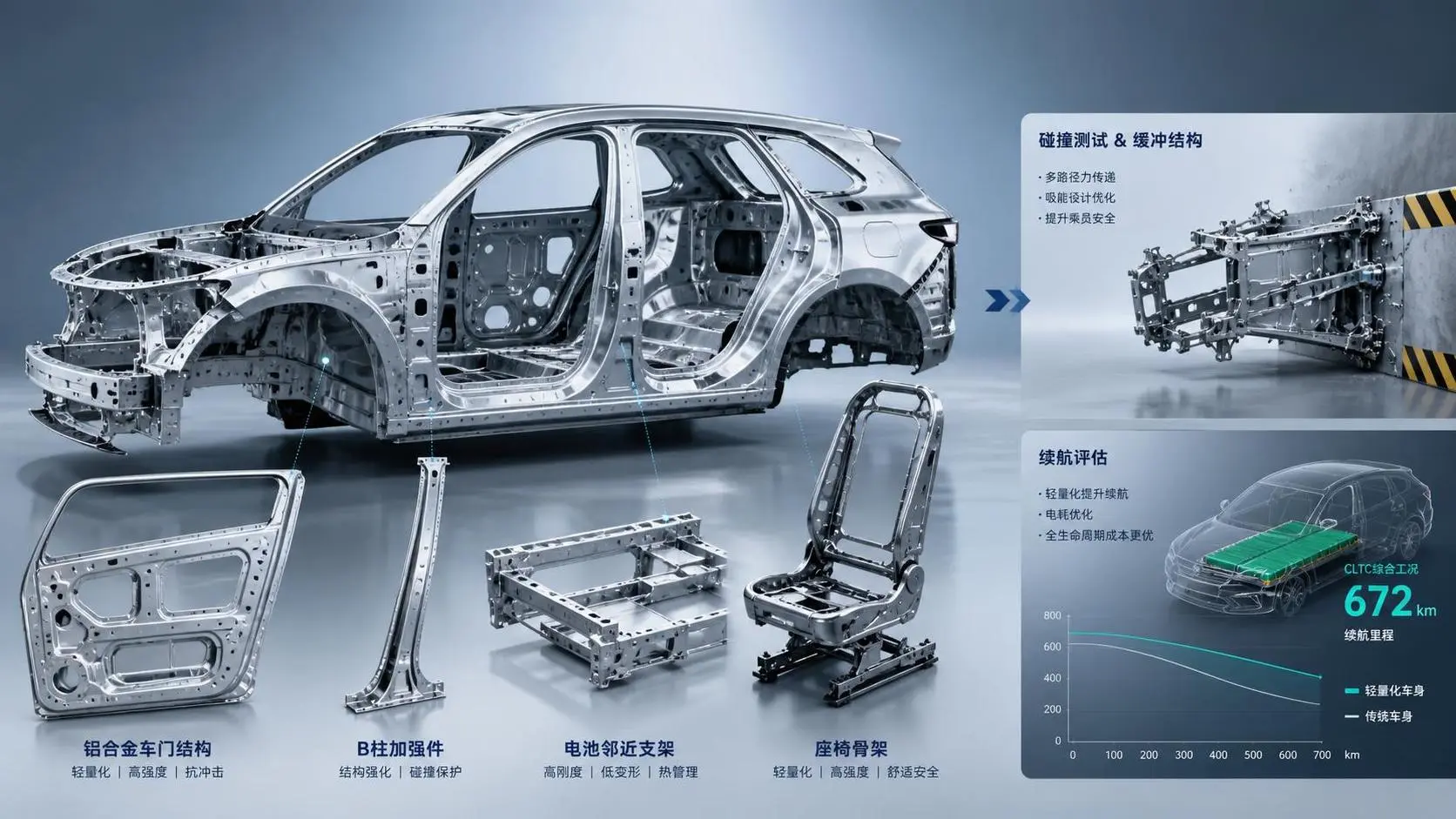
How to Evaluate Lightweight Automotive Components for EV Range and Crash Performance
Lightweight automotive components for EVs: learn how to evaluate real range gains, crash performance, joining risk, and manufacturability to choose safer, smarter EV parts.
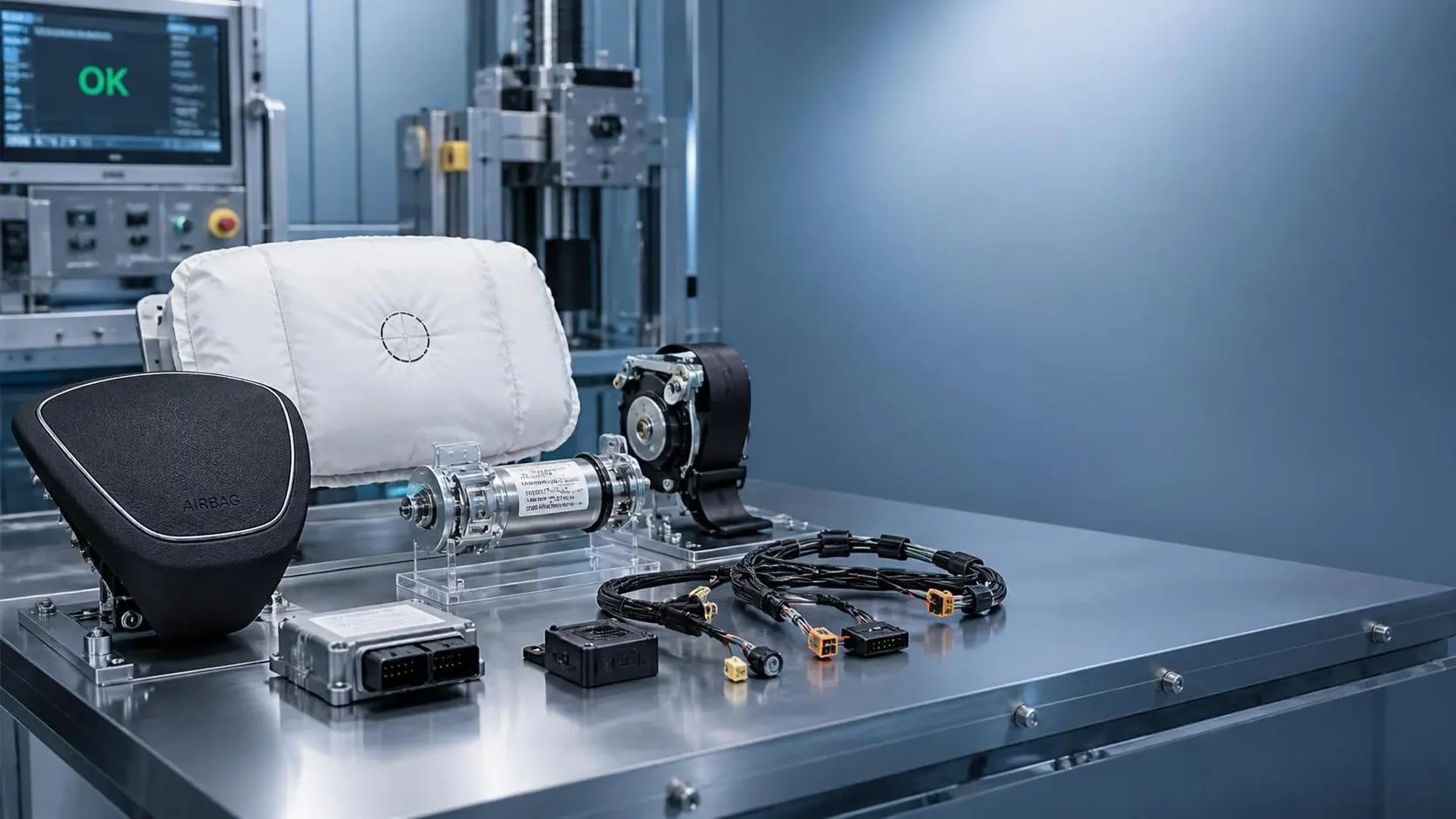
How to Evaluate Airbag Components for OEM Safety Performance and Compliance?
Airbag components evaluation guide for OEM teams: compare deployment performance, inflator consistency, compliance evidence, and supplier traceability to reduce safety risk and choose with confidence.
Related News
- 00
0000-00
What Factors Drive Marine Navigation Components Cost in Commercial Vessel Projects? - 00
0000-00
How Much Does Seat Occupancy Sensing Cost? Key Pricing Factors for Buyers - 00
0000-00
How to Specify Micro-Climate Control Cabins for Harsh Outdoor Worksites? - 00
0000-00
How to Evaluate a B2B Product Knowledge Platform for Faster Procurement Decisions - 00
0000-00
How to Evaluate an Occupant Restraint Systems Exporter for Quality, Compliance, and Supply Risk
Weekly Insights
Stay ahead with our curated technology reports delivered every Monday.