
When high-reliability components justify a higher upfront cost
When high-reliability components justify a higher upfront cost
For many capital and mobility systems, the invoice price is only the first number that matters. The real decision sits inside uptime, warranty exposure, regulatory acceptance, service burden, and reputation under stress.
That is why high-reliability components often deserve closer attention. In marine navigation, passive safety, and smart cabin systems, a lower failure rate can protect operations long after the initial purchase is forgotten.
The question is not whether these parts cost more. The practical question is whether the extra spend prevents larger losses across maintenance cycles, recalls, vessel downtime, collision liability, and long-term customer trust.
Why a checklist-based decision is necessary
A structured review helps separate premium engineering from premium marketing. Not every expensive part is superior, but genuine high-reliability components usually show measurable value in testing, traceability, and field performance.
This matters even more in integrated systems. A radar module, airbag inflator, seatbelt pretensioner, stamped body part, or smart seat actuator can become a single-point failure inside a much larger safety chain.
A checklist also improves internal alignment. It turns a vague debate about “quality” into a repeatable comparison of lifecycle cost, compliance risk, environmental stress tolerance, and expected service performance.
Core checklist for evaluating high-reliability components
- Measure total cost of ownership, not unit price alone. Include service intervals, replacement frequency, downtime exposure, rework, inspection labor, and inventory buffering over the full operating life.
- Verify failure mode severity before comparing quotations. A minor trim defect and a navigation sensor dropout do not carry the same operational, legal, or safety consequences.
- Check qualification depth under real environments. Confirm vibration, salt fog, thermal cycling, corrosion, shock, humidity, and electromagnetic compatibility performance with documented results.
- Review process capability and traceability. Strong high-reliability components usually come with serial tracking, lot control, validation records, and disciplined change management.
- Compare compliance readiness across regions. Parts used in maritime and automotive platforms must fit evolving standards, test protocols, and certification expectations without repeated redesign.
- Estimate warranty and recall containment value. A part with tighter consistency can reduce campaign scale, root-cause investigation time, and downstream replacement complexity.
- Assess integration stability with adjacent systems. Reliable hardware matters most when software, sensors, actuators, and structural interfaces must remain synchronized under dynamic loads.
- Examine supplier responsiveness during deviations. Fast corrective action, engineering support, and field analysis often justify premium pricing when incidents must be contained immediately.
- Quantify brand-risk reduction. In visible safety systems, one preventable failure can damage confidence far beyond the direct replacement cost of the component itself.
How the logic changes by application
Marine navigation systems
At sea, high-reliability components support more than accuracy. They protect continuity under interference, vibration, moisture, and long service windows. A low-cost module that drifts under electromagnetic stress can create navigational uncertainty at the worst moment.
For radar processing boards, GNSS receivers, sonar interfaces, and power modules, the premium often pays back through fewer bridge disruptions, lower emergency maintenance, and stronger compliance confidence during inspections.
Passive safety components
In airbags and seatbelt systems, reliability is binary at the critical instant. There is no meaningful recovery window during deployment. Tolerance control, propellant stability, sensor communication, and connector integrity all matter.
Here, high-reliability components justify higher cost when they reduce deployment variability, false triggers, non-deploy events, and post-incident liability. The premium is small compared with recall exposure and legal consequences.
Lightweight body structures
For hot-stamped steel parts, aluminum structures, and joining interfaces, reliability means dimensional repeatability and predictable crash energy management. Lower-cost inconsistency can weaken both assembly efficiency and safety performance.
When structural parts must meet strict crash targets, high-reliability components can lower scrap, improve fit-up stability, and reduce expensive tuning across the body-in-white process.
Smart seating systems
Seat frames, occupant sensors, climate modules, and adjuster motors operate through repeated daily cycles. Failures may seem less dramatic, yet they still drive warranty claims, customer dissatisfaction, and integration headaches.
In this category, premium high-reliability components make sense when they extend cycle life, reduce noise and looseness, and maintain sensor accuracy under heat, weight shifts, and long-duration usage.
Commonly overlooked cost drivers
One frequent mistake is treating replacement cost as the only risk. In reality, diagnosis time, service access difficulty, calibration work, and documentation effort can exceed the value of the failed part.
Another missed factor is design freeze disruption. A late change caused by weak component reliability may trigger revalidation, tooling adjustment, software updates, and renewed certification review.
Supply continuity also matters. Some high-reliability components cost more because the supplier maintains tighter process discipline, redundant controls, and stronger material verification. That resilience can protect production schedules.
Market credibility is often undervalued. In sectors defined by safety and perception, durable technical trust creates commercial leverage. This is a recurring theme in sector intelligence discussed by 无.
Practical execution steps
- Rank parts by failure consequence first, then by annual spend. Expensive low-risk items deserve less scrutiny than moderate-cost parts tied to navigation, containment, or crash energy management.
- Build a weighted scorecard using field returns, test robustness, compliance fit, service burden, and supplier change control instead of relying on quotation comparisons alone.
- Request evidence from accelerated life testing and production consistency. Data from stable lots is more useful than isolated best-case performance samples.
- Model downside exposure with simple scenarios. Compare the premium for high-reliability components against one vessel delay, one recall notice, or one major warranty campaign.
- Review integration interfaces early. Connector mismatch, software timing drift, and mounting variation can erase the benefit of a premium component if system compatibility is weak.
- Revisit the decision after six to twelve months of field data. Reliability value becomes clearer when actual service records replace assumptions.
A simple rule for deciding when to pay more
A higher upfront price is usually justified when failure consequences are severe, access for replacement is difficult, regulatory margins are tight, or brand damage from malfunction would be hard to contain.
It is also justified when the component sits inside a tightly coupled system. In those cases, one unstable part can consume engineering resources across validation, diagnostics, and field support.
Where failure impact is low, replacement is easy, and performance variation is non-critical, premium pricing may not pay back. The discipline lies in knowing which category a part truly belongs to.
Conclusion and next action
High-reliability components are not automatically the right choice, but in safety-critical and uptime-sensitive applications, they often protect far more value than they add in purchase price.
Use a checklist grounded in failure severity, lifecycle cost, compliance pressure, and integration stability. Then test every premium claim against evidence, not assumptions.
The most effective next step is to identify the top ten components with the highest operational consequence and review them using the criteria above. That exercise quickly reveals where high-reliability components create real commercial and safety advantage.
Related News
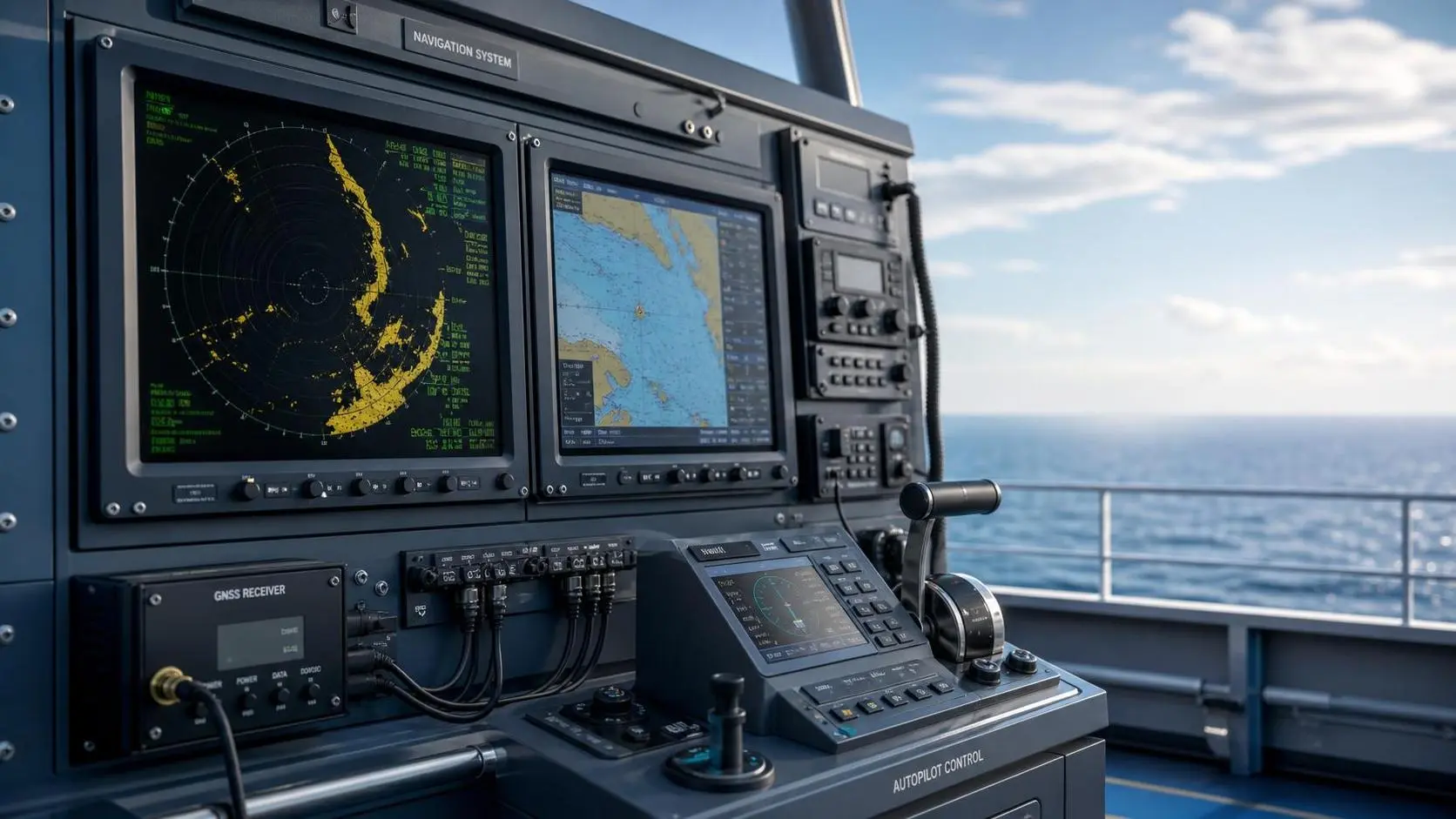
What Factors Drive Marine Navigation Components Cost in Commercial Vessel Projects?
Marine navigation components cost is shaped by integration, compliance, installation, and lifecycle support. Discover what drives pricing and how buyers can reduce risk while improving value.
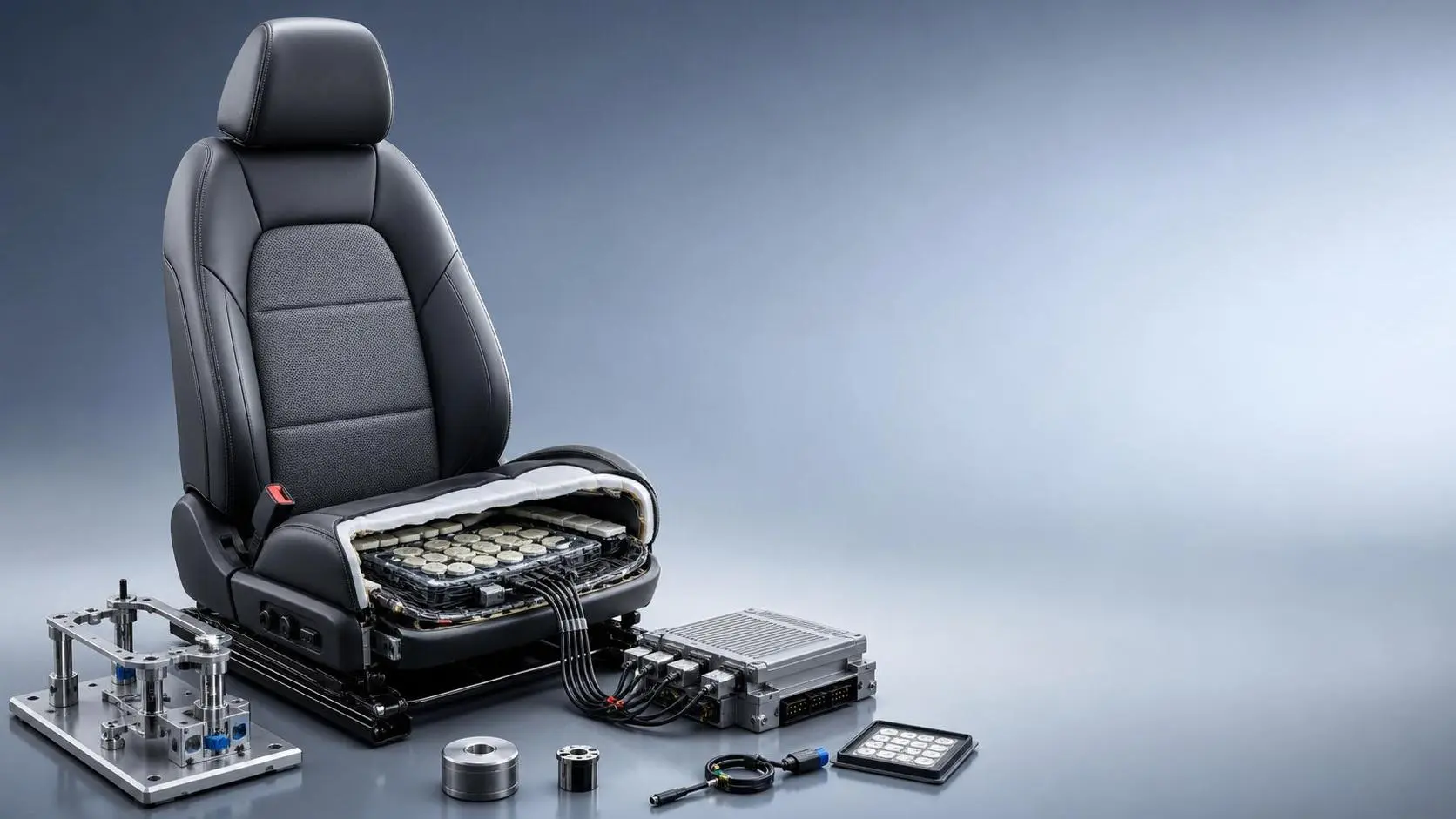
How Much Does Seat Occupancy Sensing Cost? Key Pricing Factors for Buyers
Seat occupancy sensing price varies widely by technology, integration, and compliance needs. Learn the key cost drivers, avoid hidden fees, and make smarter buying decisions.
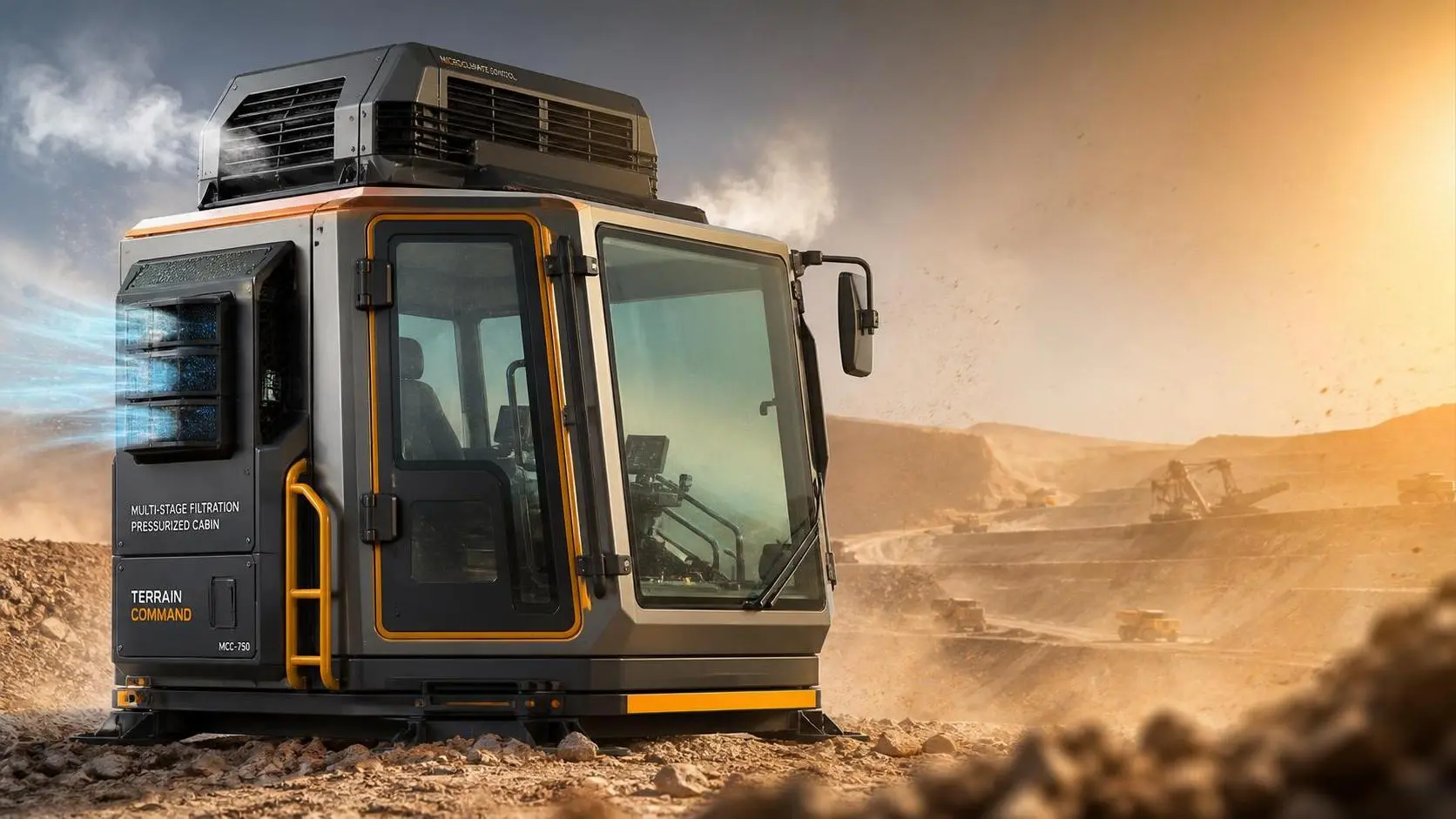
How to Specify Micro-Climate Control Cabins for Harsh Outdoor Worksites?
Micro-climate control cabins for harsh outdoor worksites: learn how to specify thermal control, filtration, pressurization, and durability for safer uptime and smarter buying.
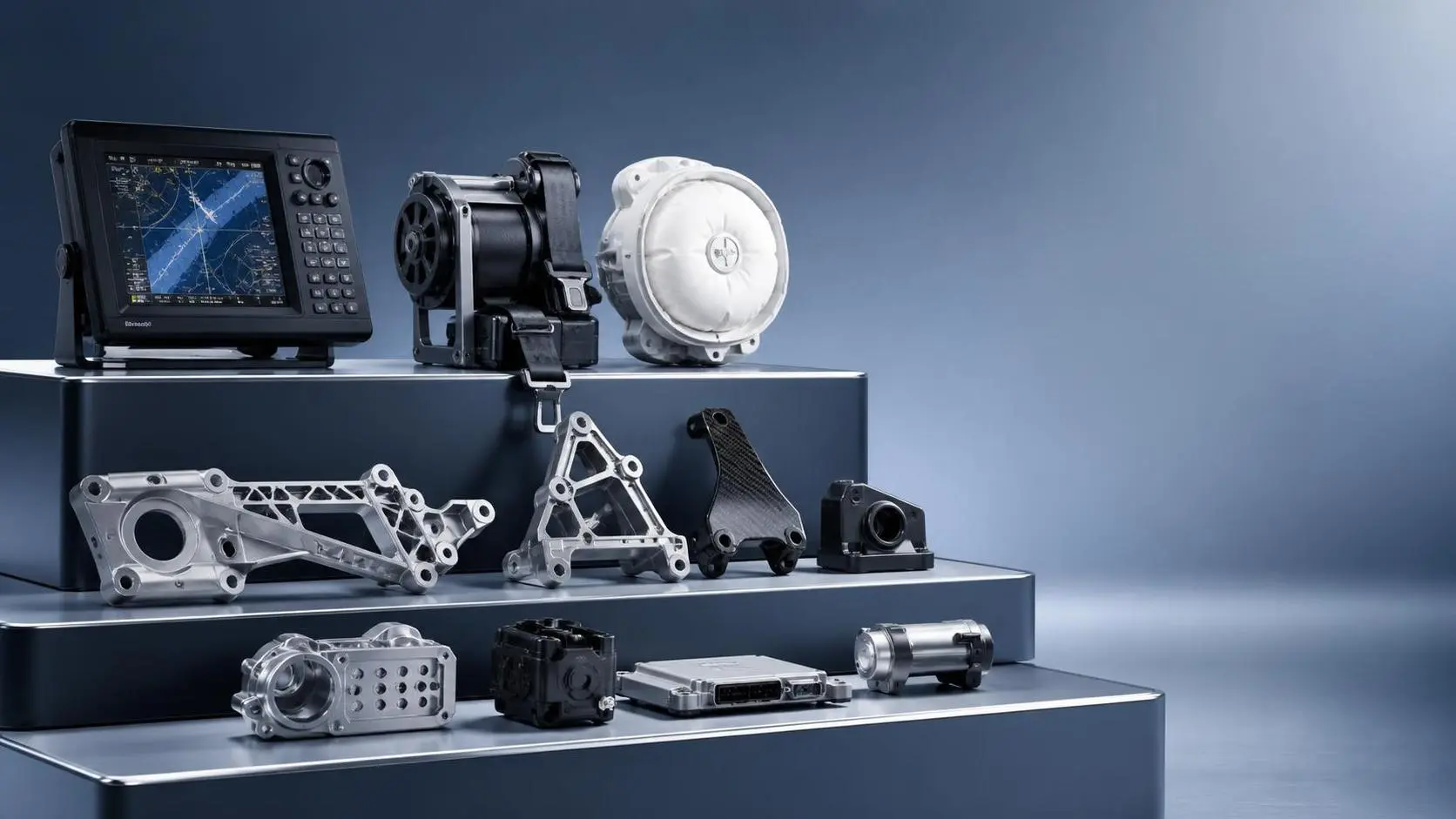
How to Evaluate a B2B Product Knowledge Platform for Faster Procurement Decisions
B2B product knowledge platform procurement starts with reducing decision risk. Learn how to compare specs, compliance, and supplier data to speed sourcing with confidence.
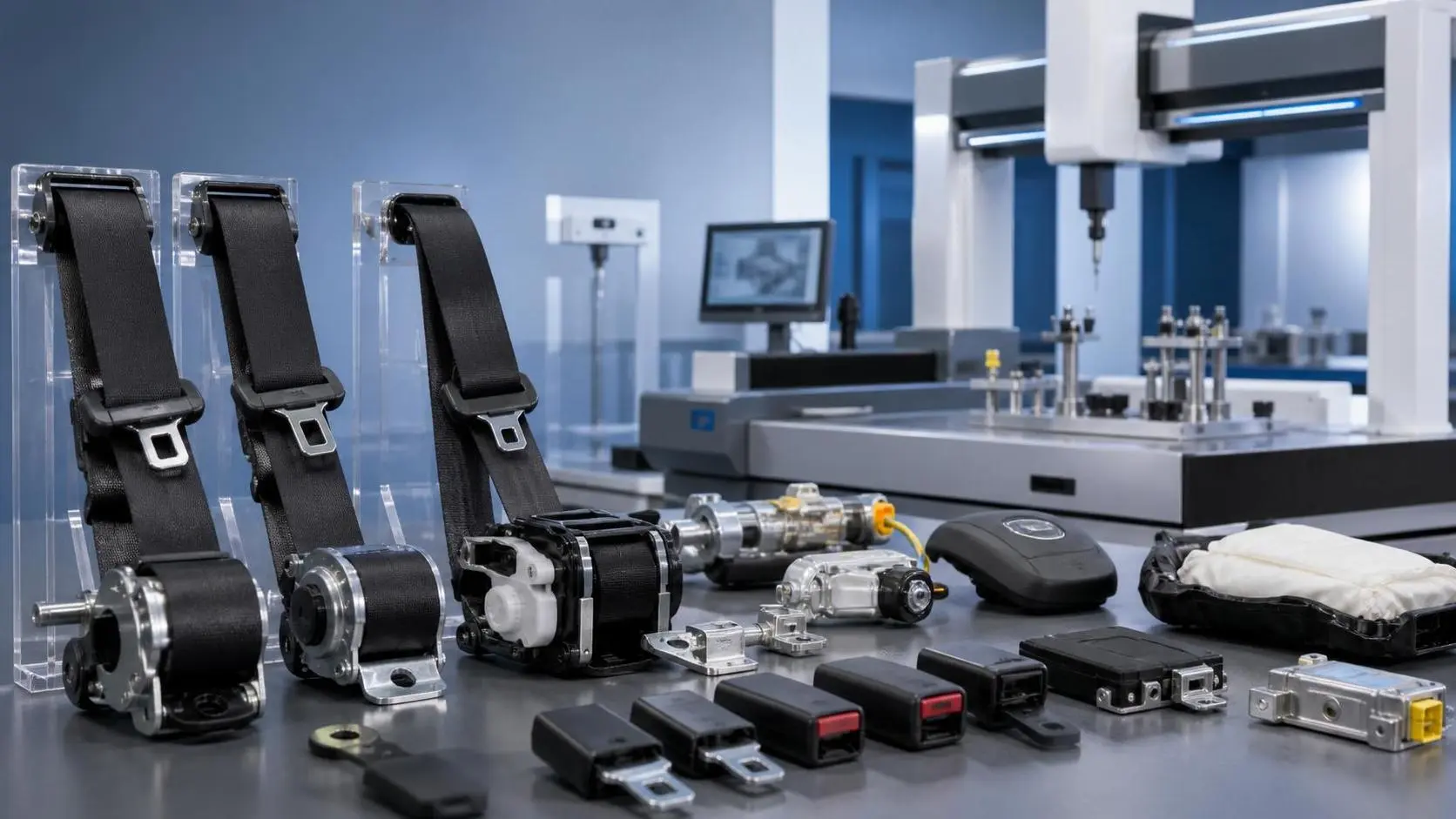
How to Evaluate an Occupant Restraint Systems Exporter for Quality, Compliance, and Supply Risk
Occupant restraint systems exporter evaluation guide: learn how to verify quality controls, compliance evidence, and supply risk before sourcing to avoid recalls, delays, and hidden costs.
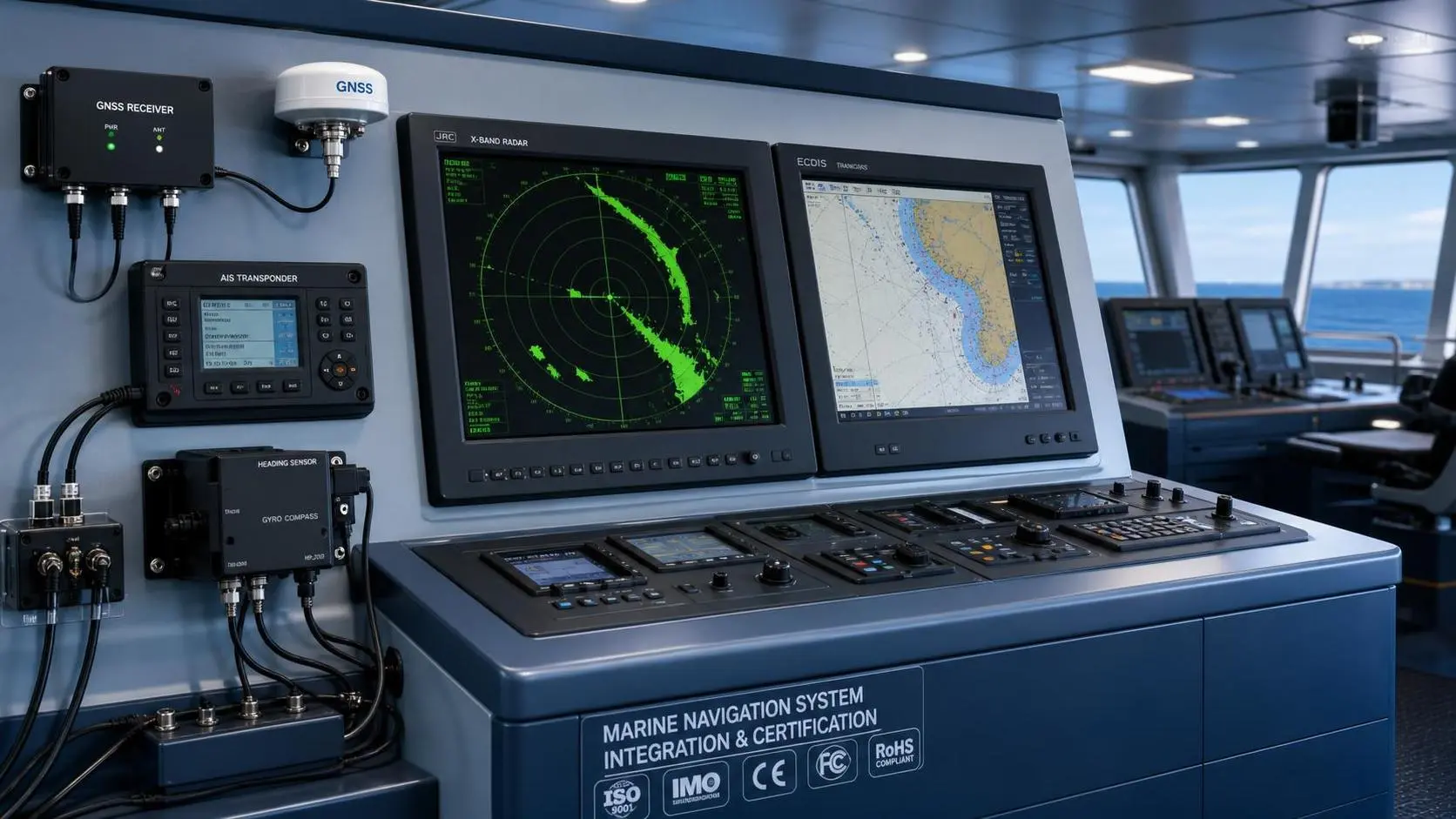
Navigation Compliance Certification: Which Marine Systems Need It and How to Prepare?
Navigation compliance certification explained: discover which marine systems need approval, what documents matter, and how to prepare early to avoid delays, rework, and costly project risks.
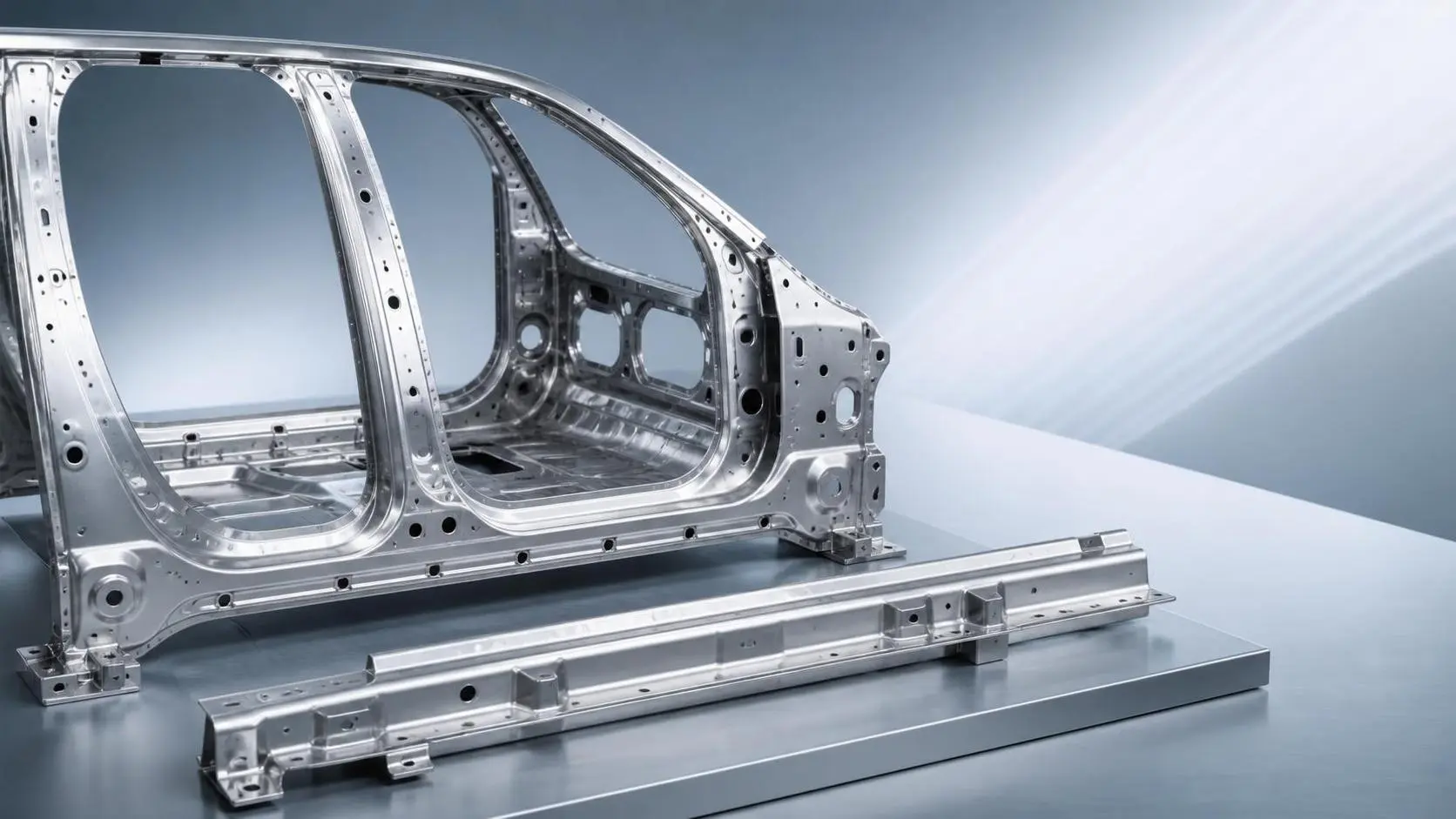
How to Evaluate Steel Auto Body Stampings for Strength, Fit, and Cost
Steel auto body stampings should be judged by strength, fit, and total cost together. Learn how to compare materials, forming limits, springback, joining, and tooling before choosing.
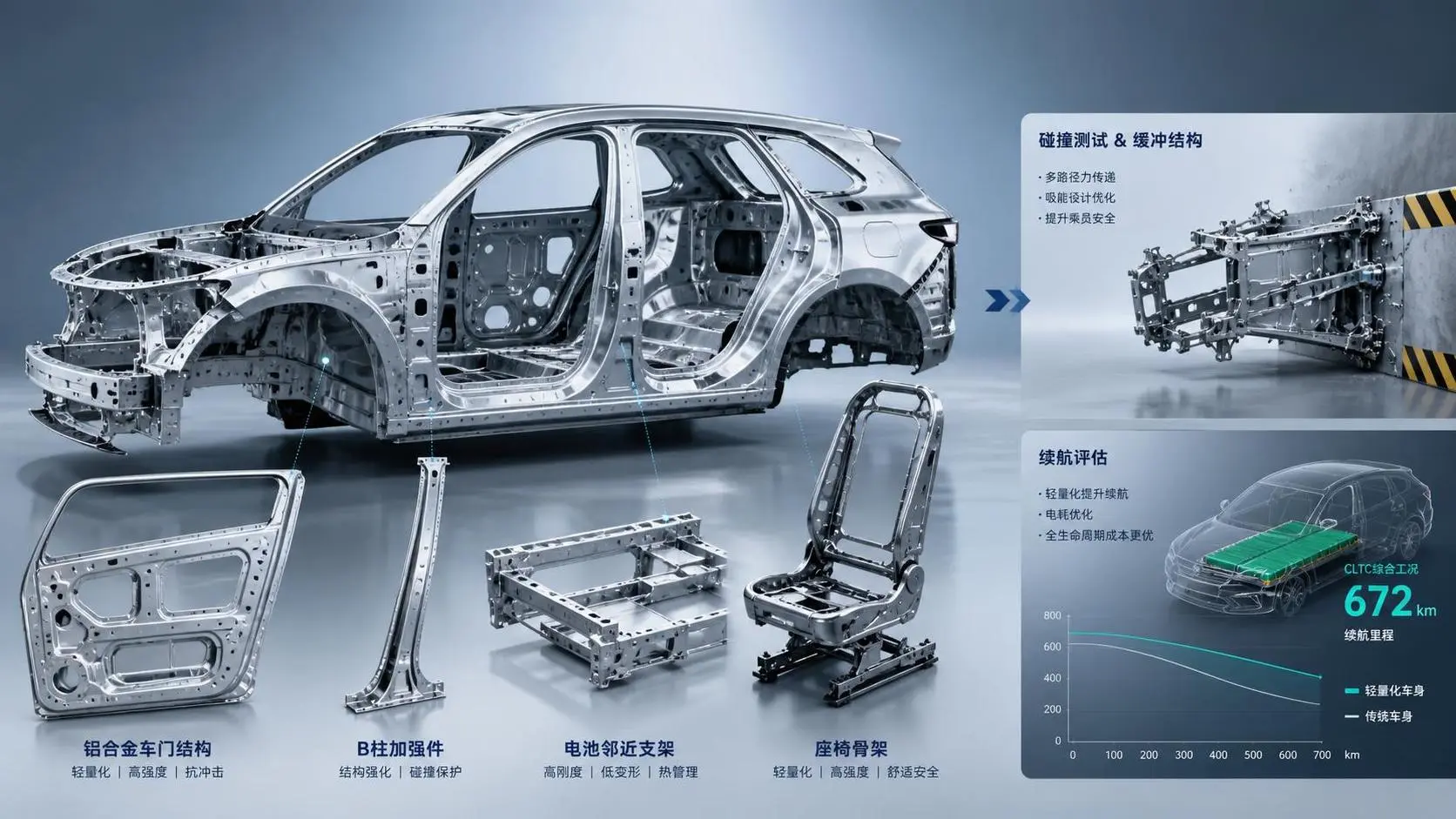
How to Evaluate Lightweight Automotive Components for EV Range and Crash Performance
Lightweight automotive components for EVs: learn how to evaluate real range gains, crash performance, joining risk, and manufacturability to choose safer, smarter EV parts.
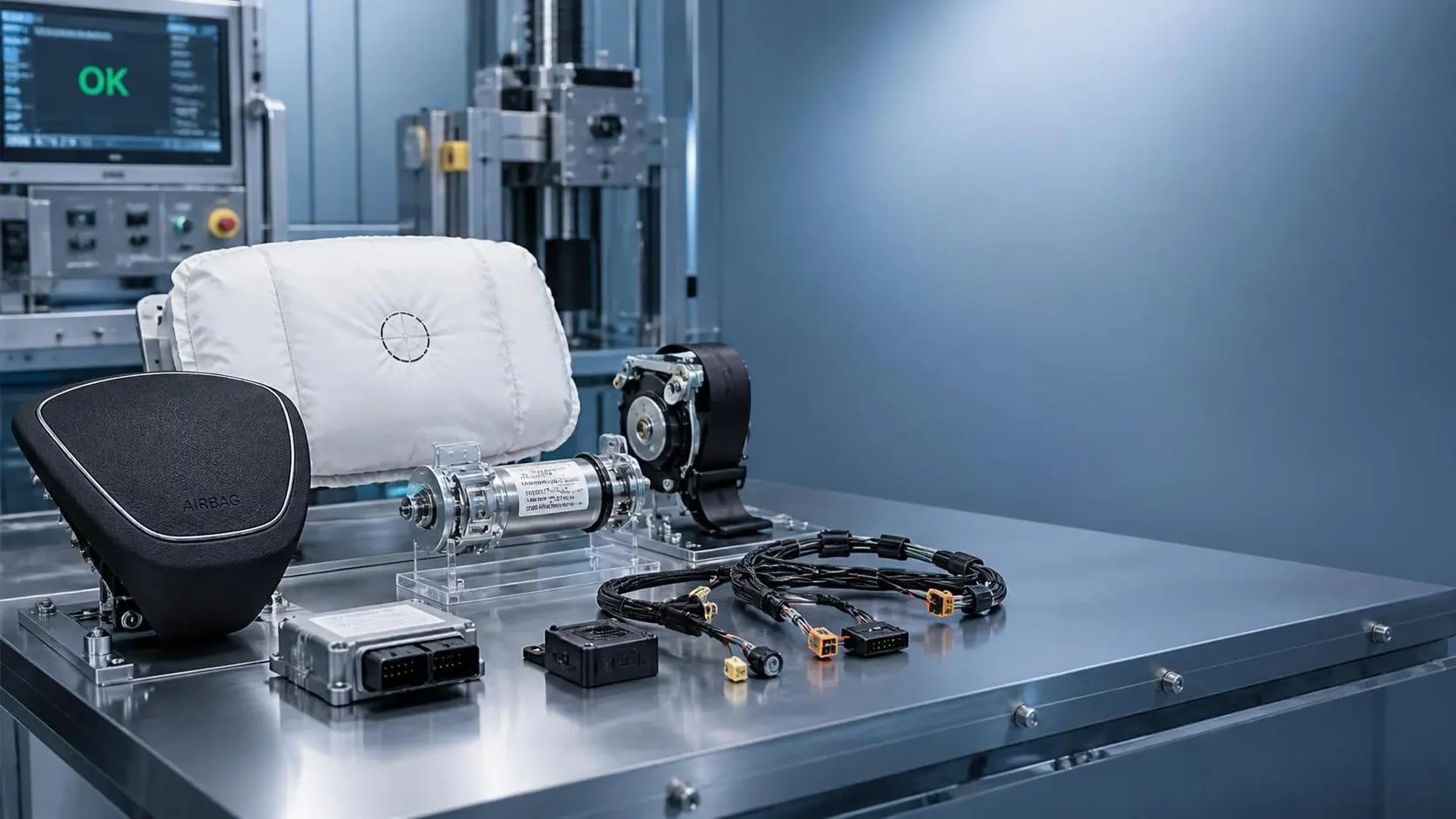
How to Evaluate Airbag Components for OEM Safety Performance and Compliance?
Airbag components evaluation guide for OEM teams: compare deployment performance, inflator consistency, compliance evidence, and supplier traceability to reduce safety risk and choose with confidence.
Related News
- 00
0000-00
What Factors Drive Marine Navigation Components Cost in Commercial Vessel Projects? - 00
0000-00
How Much Does Seat Occupancy Sensing Cost? Key Pricing Factors for Buyers - 00
0000-00
How to Specify Micro-Climate Control Cabins for Harsh Outdoor Worksites? - 00
0000-00
How to Evaluate a B2B Product Knowledge Platform for Faster Procurement Decisions - 00
0000-00
How to Evaluate an Occupant Restraint Systems Exporter for Quality, Compliance, and Supply Risk
Weekly Insights
Stay ahead with our curated technology reports delivered every Monday.