
How energy-absorbing materials cut impact damage in practice
From marine navigation housings to automotive body structures and cabin safety systems, energy-absorbing materials play a practical role in reducing impact damage where failure is not an option. For information researchers tracking safety performance, lightweight design, and compliance trends, this article outlines how these materials work in real applications and why they matter across today’s global mobility equipment landscape.
In B2B mobility sectors, the question is rarely whether an impact will occur. The practical question is how a structure, module, or restraint system manages energy within milliseconds, often under loads ranging from 10 g to more than 50 g depending on the event and application.
For GNCS-oriented research areas such as marine navigation systems, auto body stampings, airbag assemblies, seatbelt systems, and smart seating, energy-absorbing materials are not a narrow materials topic. They directly affect crashworthiness, enclosure durability, mass reduction, occupant protection timing, and compliance readiness across multiple engineering domains.
Why energy absorption matters in real operating environments
The value of energy-absorbing materials becomes clear when impact events are viewed as energy management problems rather than simple strength problems. A part that is too rigid may resist deformation at first, but it can transfer damaging loads to electronics, structures, or occupants in 5–30 milliseconds.
By contrast, controlled deformation, progressive crushing, viscoelastic compression, and gas-assisted restraint deployment can spread peak loads over a longer duration. Even a time extension of a few milliseconds can reduce peak force significantly in cabin safety and lightweight body applications.
Different sectors, same physics
Marine navigation equipment and automotive safety systems operate in different environments, yet both depend on the same basic principle: convert kinetic energy into deformation, heat, friction, or controlled displacement before sensitive components or human bodies receive damaging force concentrations.
In marine housings, this may involve polymer isolators, foam inserts, or elastomer mounts that reduce shock transmission to radar, sonar, or control electronics. In cars, it often means hot-stamped crush zones, honeycomb inserts, inflatable restraints, and force-limited belts acting in a tightly sequenced chain.
Typical impact-management objectives
- Reduce peak acceleration transmitted to electronics or occupants.
- Maintain structural integrity long enough for adjacent systems to function.
- Control deformation path within a target range, often ±10% to ±15% in validated programs.
- Support lightweighting without sacrificing crash or shock performance.
- Improve repeatability across temperature bands such as -30°C to 80°C.
The table below compares how energy-absorbing materials are applied across GNCS-relevant segments and what engineers usually optimize first during selection.
A useful takeaway is that the “best” material is usually not the stiffest or the lightest. It is the one that dissipates the right amount of energy, at the right rate, within the available packaging space and compliance envelope.
How energy-absorbing materials work in practice
In practical engineering, energy absorption is delivered through several mechanisms. Most programs rely on a combination rather than a single material family, because impacts differ by speed, mass, angle, pulse shape, and allowable intrusion.
1. Plastic deformation in metals
High-strength steel and aluminum structures absorb energy when they fold, buckle, or crush in a controlled manner. Automotive front rails, B-pillar reinforcements, and seat frame sections are often designed to trigger deformation at predictable load thresholds instead of failing suddenly.
This approach is critical in hot-stamped body components, where tensile strength can exceed 1,300 MPa in some common applications. The engineering challenge is not only strength, but also geometry, thickness transitions, and joining behavior under dynamic loading.
2. Compression and recovery in foams and polymers
Foams absorb impact by collapsing internal cells and converting motion into heat and internal friction. Closed-cell foams are often used where water resistance or stable compression behavior matters, while open-cell variants may be selected for damping and comfort-related layers.
In seat systems, energy-absorbing materials in cushions and head restraints can manage low- to medium-energy contact while also supporting ergonomic performance over duty cycles that may exceed 50,000 seating events.
3. Tensile load spreading in textiles and restraint components
Airbags and seatbelts do not work by crushing like metal parts. They absorb and manage energy by spreading loads over larger body areas, controlling extension, and coordinating timing with sensors, inflators, retractors, and limiters, often within 20–60 milliseconds after crash detection.
That timing is one reason material performance cannot be assessed in isolation. A webbing material with strong tensile behavior may still underperform if friction characteristics, spool dynamics, or inflator pressure curves are not properly matched.
4. Isolation and damping in electronics protection
Marine navigation systems face repeated vibration, slamming loads, and occasional mechanical shocks. Here, energy-absorbing materials often function as dampers or isolation layers rather than crash structures. The goal is to reduce transmitted acceleration to boards, lenses, connectors, and housings.
For example, a mount that lowers resonance amplification across a 10–200 Hz band can materially improve field reliability, especially in vessels operating under variable sea states and long-duty commercial conditions.
What information researchers should verify
- Impact speed or pulse range used for validation.
- Temperature band during testing, such as -35°C, 23°C, and 85°C.
- Durability after aging, humidity, salt exposure, or UV cycles.
- Mass trade-off compared with baseline steel, foam, or elastomer solutions.
- Compatibility with adjacent systems like sensors, coatings, welds, and trim.
Some technical listings and sourcing references include placeholder product entries such as 无. For research teams, the key is not the placeholder itself, but whether supporting data sheets define impact behavior, compression set, density range, and environmental limits clearly enough for screening.
Application scenarios across the GNCS mobility landscape
Energy-absorbing materials are most useful when mapped to specific failure modes. The same foam, alloy, or textile architecture will behave differently depending on enclosure geometry, attachment method, collision direction, and service environment.
Marine navigation systems
Navigation electronics need protection not only from direct impact but from repeated shock accumulation. Radar units, display modules, and signal-processing enclosures often use gasketed mounts, compliant pads, and layered housings to protect precision components over service intervals that may run 12–36 months between major overhauls.
In these systems, energy absorption is closely tied to sealing, electromagnetic compatibility, and dimensional stability. A shock-isolating material that creeps excessively can compromise connector alignment or housing integrity even if it performs well in one-time impact testing.
Automotive lightweight body structures
Body-in-white designers use energy-absorbing materials to reconcile two competing targets: lower mass and higher crash performance. Tailored blanks, reinforcement patches, and mixed-material joints allow some zones to remain stiff while others are tuned to deform progressively during a frontal, side, or offset crash event.
In practice, a mass reduction of 5%–15% in selected structural modules can be attractive only if intrusion, pulse shape, and repair considerations remain acceptable. This is why crash energy management is increasingly assessed as a system architecture issue, not just a material substitution exercise.
Cabin passive safety components
Airbags, seatbelts, knee bolsters, and energy-managing trim work together in a narrow timing window. Restraint loads may rise steeply in the first 30 milliseconds, so energy-absorbing materials must be matched to anthropomorphic test conditions, seat position, and belt geometry rather than selected on nominal strength alone.
For information researchers, the main signal is integration quality. A well-performing belt limiter can lose effectiveness if seat foam bottoms out too early or if the occupant moves outside the intended airbag interaction zone.
The next table highlights common selection criteria by application, with emphasis on practical screening rather than theoretical ranking.
For most B2B evaluations, environmental durability and manufacturing compatibility eliminate more candidates than headline impact numbers. A strong lab result matters less if the material drifts after 500 hours of humidity or complicates a 60-second production takt time.
How to evaluate and source the right solution
For information researchers supporting sourcing or engineering teams, selection should follow a structured path. The objective is to compare real implementation risk, not just to gather broad material descriptions.
A practical 5-step evaluation path
- Define the event: shock, crash, drop, slam, or occupant loading scenario.
- Set measurable limits: peak g, intrusion, compression range, rebound, or load threshold.
- Screen 3–5 candidate material families against environment and packaging constraints.
- Review process fit: stamping, overmolding, bonding, welding, or modular assembly.
- Validate with subsystem tests before full-scale program release.
Common mistakes in early-stage research
One common mistake is comparing materials only by density or tensile strength. Another is relying on static compression values for applications that experience fast impacts. A third is ignoring how adhesives, brackets, or surrounding trim alter the energy path during a real event.
Researchers should also watch for incomplete supplier documentation. If a listing such as 无 lacks aging data, tolerance windows, or cycle-life information, it may still be useful as a lead, but not as a final decision basis.
Procurement-oriented checkpoints
- Is there a clear validated temperature range and storage requirement?
- Can the supplier support prototype, PPAP-style documentation, or equivalent industry submission steps?
- What is the standard lead-time window: 2–4 weeks for samples or 8–12 weeks for tooling-related parts?
- Are batch-to-batch density, hardness, or thickness tolerances defined?
- Does the material support regional compliance needs in automotive or marine markets?
In high-value mobility equipment, the strongest commercial position comes from technical clarity. Teams that can explain exactly how energy-absorbing materials reduce impact damage, and under which conditions they remain stable, are better placed to qualify programs and support premium orders.
What this means for future mobility safety research
The direction of travel is clear: lighter systems, smarter sensing, stricter compliance, and tighter integration between structural design and occupant protection. That raises the importance of materials that do more than absorb energy once. They must perform predictably across life cycles, climates, and digitalized validation workflows.
For GNCS readers, the most important shift is convergence. Marine electronics protection, hot-stamped body engineering, airbag chemistry, belt load management, and smart seating are increasingly connected by the same requirement: turn impact energy into controlled, measurable, and certifiable outcomes.
Energy-absorbing materials are therefore not just materials of interest. They are decision-critical enablers for safer navigation systems, lighter vehicles, more resilient passive safety modules, and better-integrated cabin architectures. If you are evaluating impact protection pathways, lightweight safety trade-offs, or compliance-driven design choices, now is the right time to review your material strategy in detail. Contact GNCS to get tailored research support, compare application routes, and explore more solution-oriented intelligence for global mobility equipment.
Related News
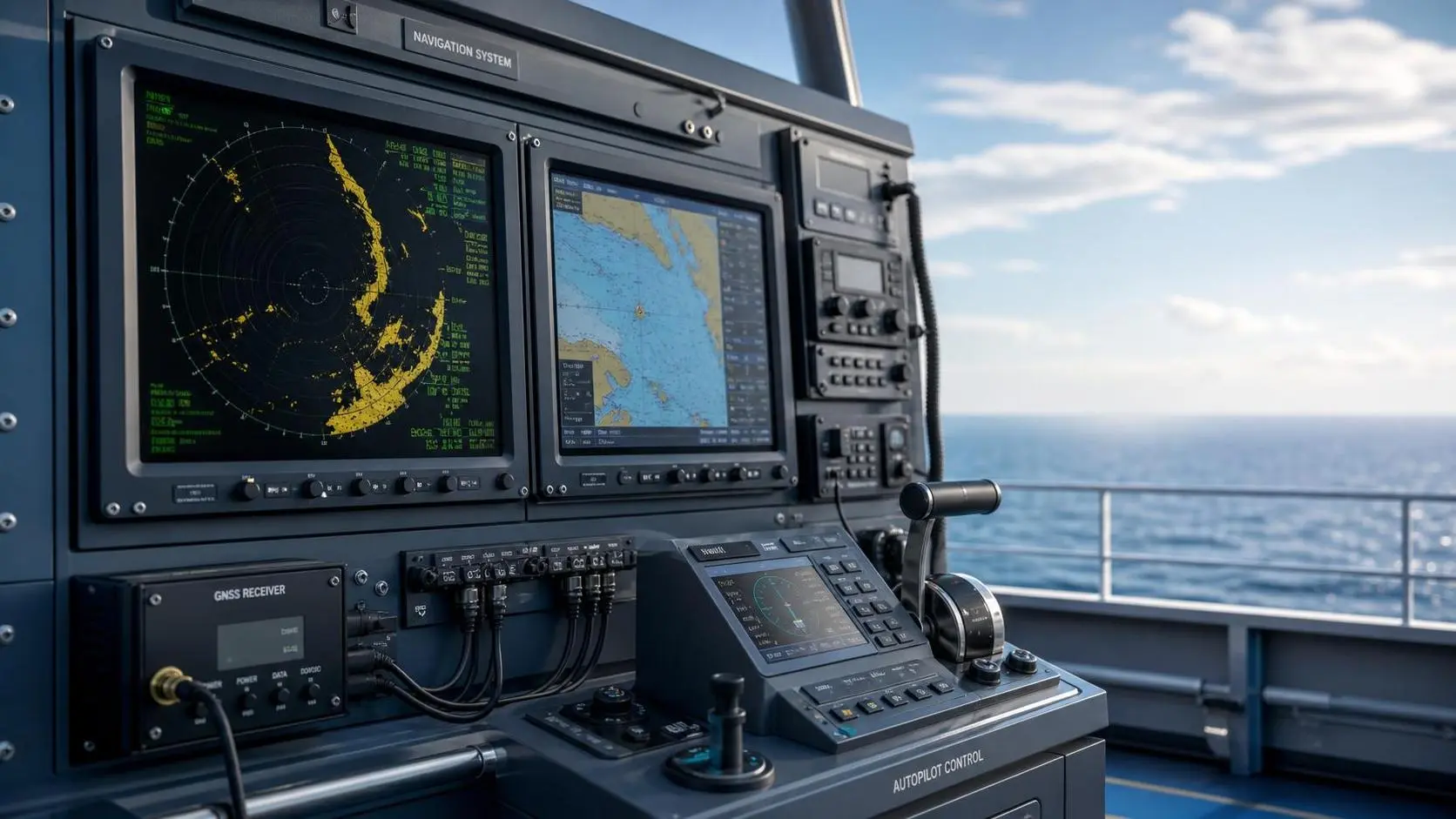
What Factors Drive Marine Navigation Components Cost in Commercial Vessel Projects?
Marine navigation components cost is shaped by integration, compliance, installation, and lifecycle support. Discover what drives pricing and how buyers can reduce risk while improving value.

How Much Does Seat Occupancy Sensing Cost? Key Pricing Factors for Buyers
Seat occupancy sensing price varies widely by technology, integration, and compliance needs. Learn the key cost drivers, avoid hidden fees, and make smarter buying decisions.

How to Specify Micro-Climate Control Cabins for Harsh Outdoor Worksites?
Micro-climate control cabins for harsh outdoor worksites: learn how to specify thermal control, filtration, pressurization, and durability for safer uptime and smarter buying.
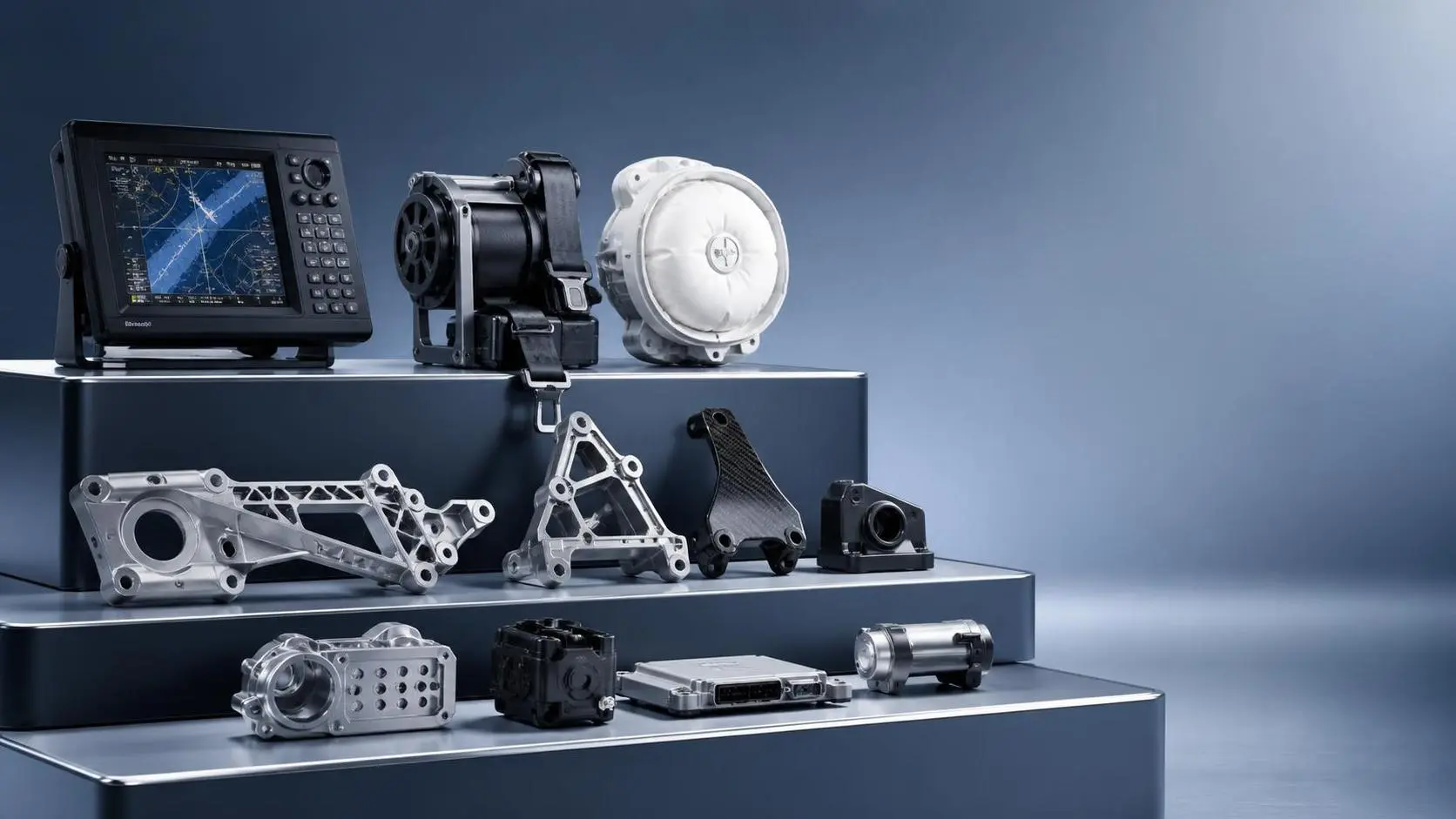
How to Evaluate a B2B Product Knowledge Platform for Faster Procurement Decisions
B2B product knowledge platform procurement starts with reducing decision risk. Learn how to compare specs, compliance, and supplier data to speed sourcing with confidence.
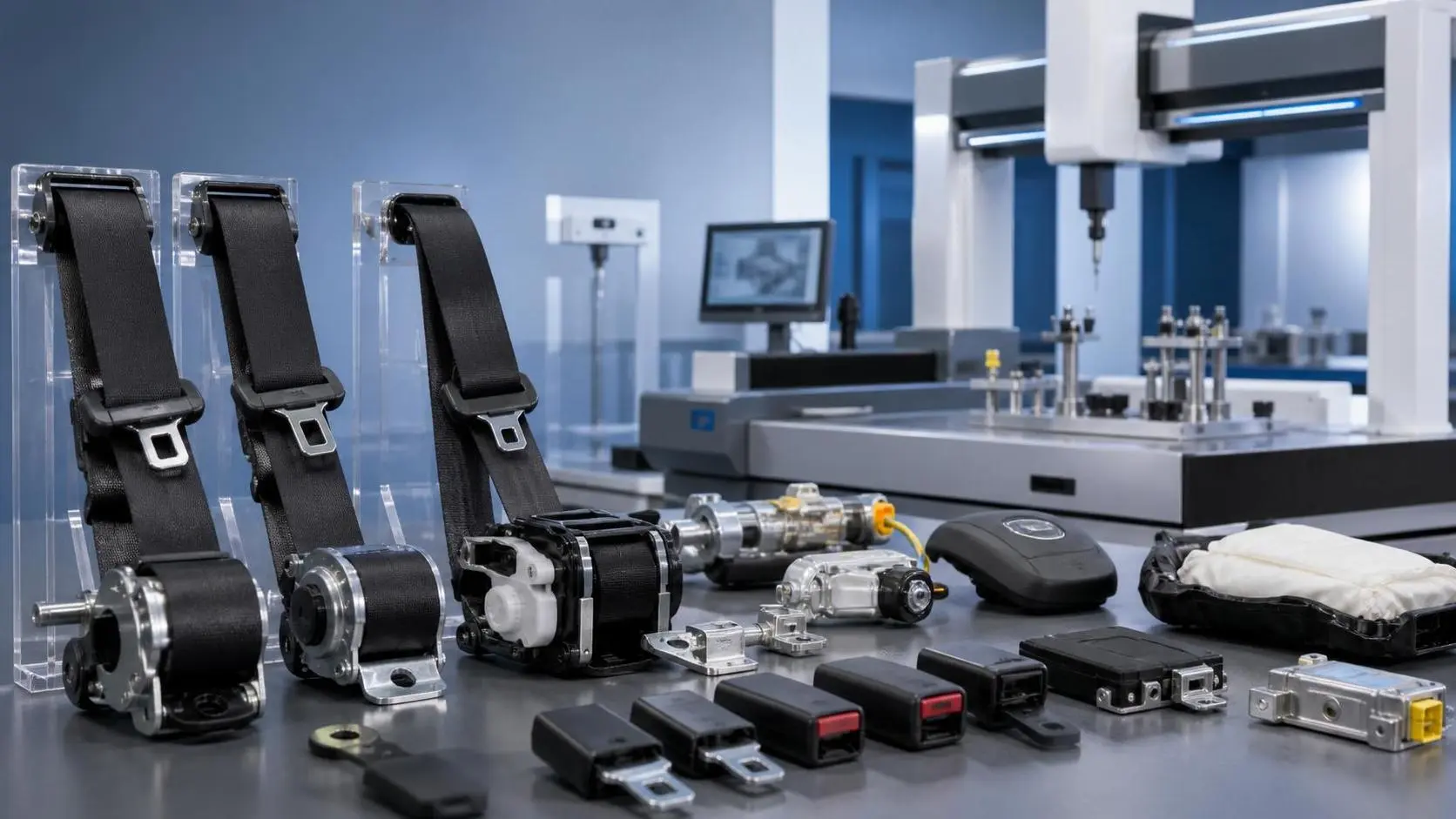
How to Evaluate an Occupant Restraint Systems Exporter for Quality, Compliance, and Supply Risk
Occupant restraint systems exporter evaluation guide: learn how to verify quality controls, compliance evidence, and supply risk before sourcing to avoid recalls, delays, and hidden costs.
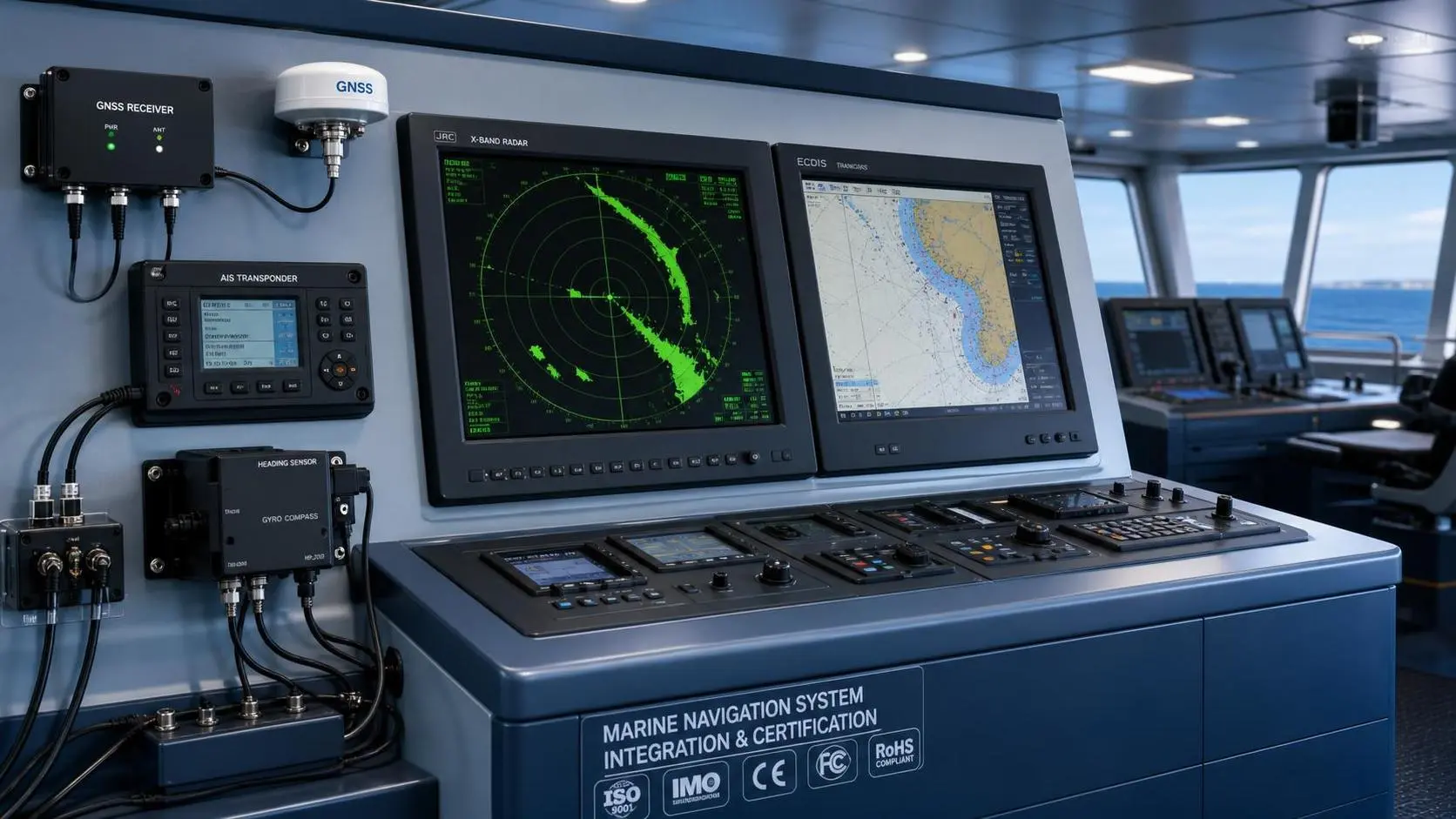
Navigation Compliance Certification: Which Marine Systems Need It and How to Prepare?
Navigation compliance certification explained: discover which marine systems need approval, what documents matter, and how to prepare early to avoid delays, rework, and costly project risks.
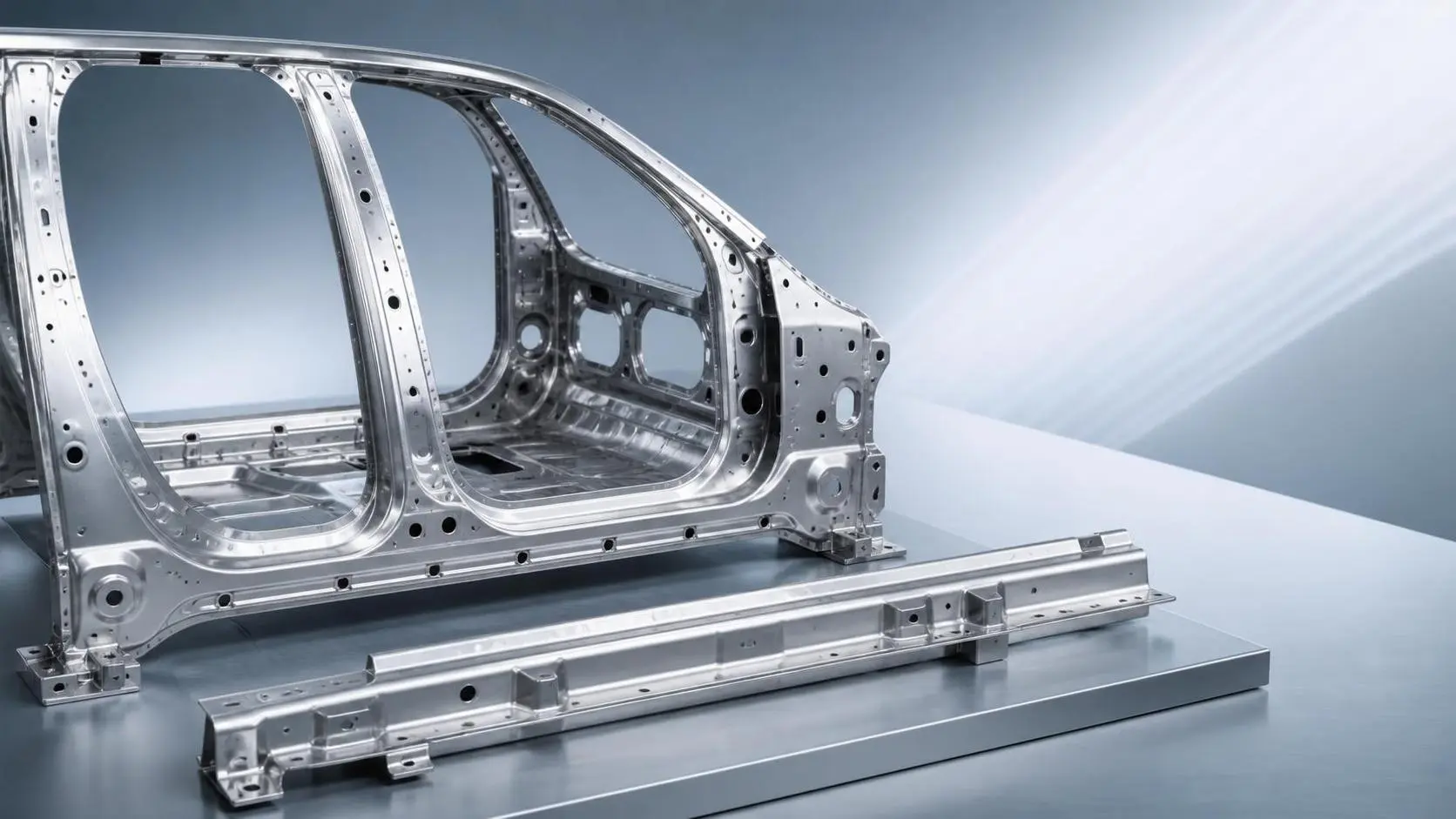
How to Evaluate Steel Auto Body Stampings for Strength, Fit, and Cost
Steel auto body stampings should be judged by strength, fit, and total cost together. Learn how to compare materials, forming limits, springback, joining, and tooling before choosing.
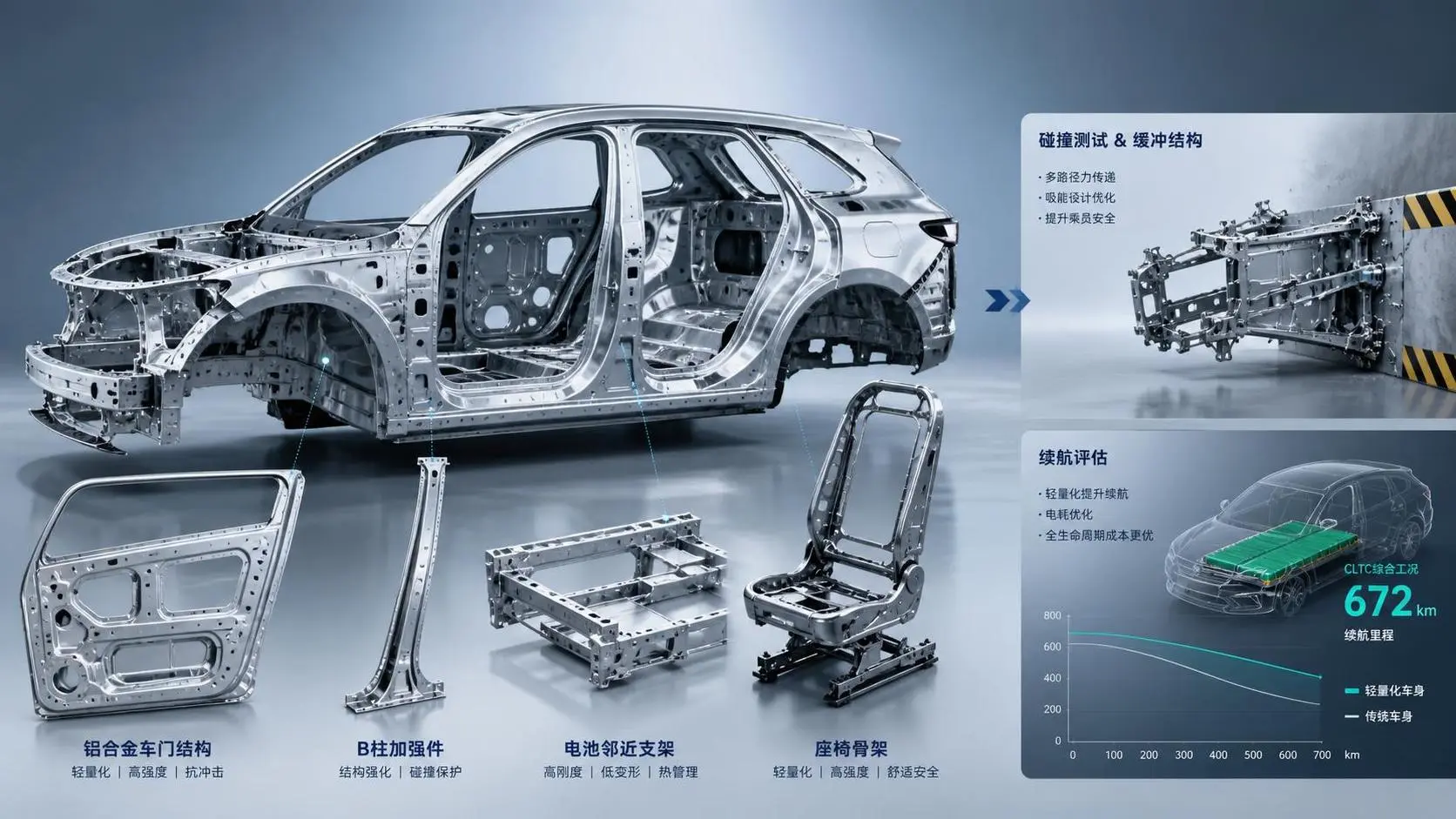
How to Evaluate Lightweight Automotive Components for EV Range and Crash Performance
Lightweight automotive components for EVs: learn how to evaluate real range gains, crash performance, joining risk, and manufacturability to choose safer, smarter EV parts.
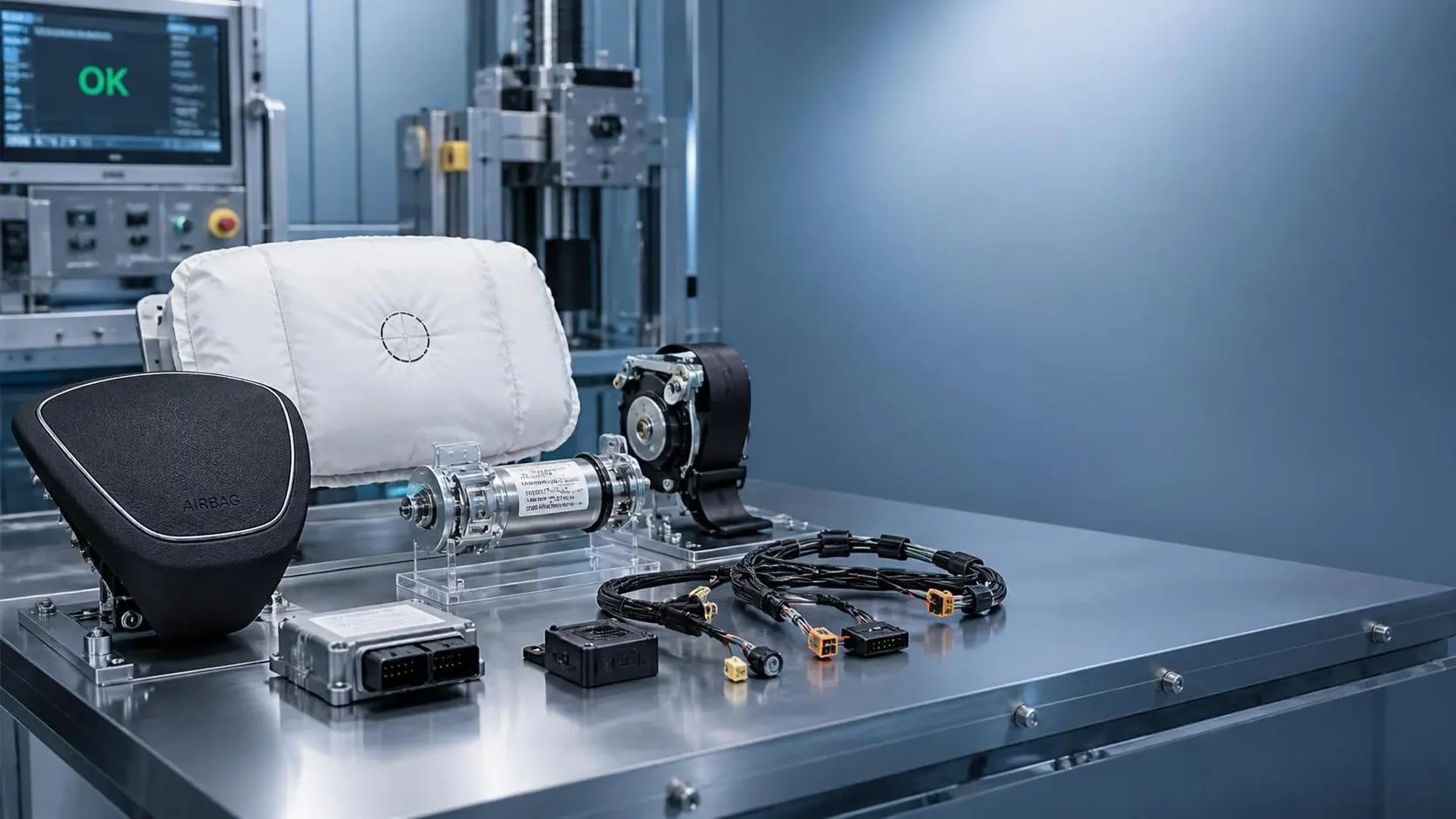
How to Evaluate Airbag Components for OEM Safety Performance and Compliance?
Airbag components evaluation guide for OEM teams: compare deployment performance, inflator consistency, compliance evidence, and supplier traceability to reduce safety risk and choose with confidence.
Related News
- 00
0000-00
What Factors Drive Marine Navigation Components Cost in Commercial Vessel Projects? - 00
0000-00
How Much Does Seat Occupancy Sensing Cost? Key Pricing Factors for Buyers - 00
0000-00
How to Specify Micro-Climate Control Cabins for Harsh Outdoor Worksites? - 00
0000-00
How to Evaluate a B2B Product Knowledge Platform for Faster Procurement Decisions - 00
0000-00
How to Evaluate an Occupant Restraint Systems Exporter for Quality, Compliance, and Supply Risk
Weekly Insights
Stay ahead with our curated technology reports delivered every Monday.